
This Haunted Colorado Prison Museum Is Not For The Faint Of Heart
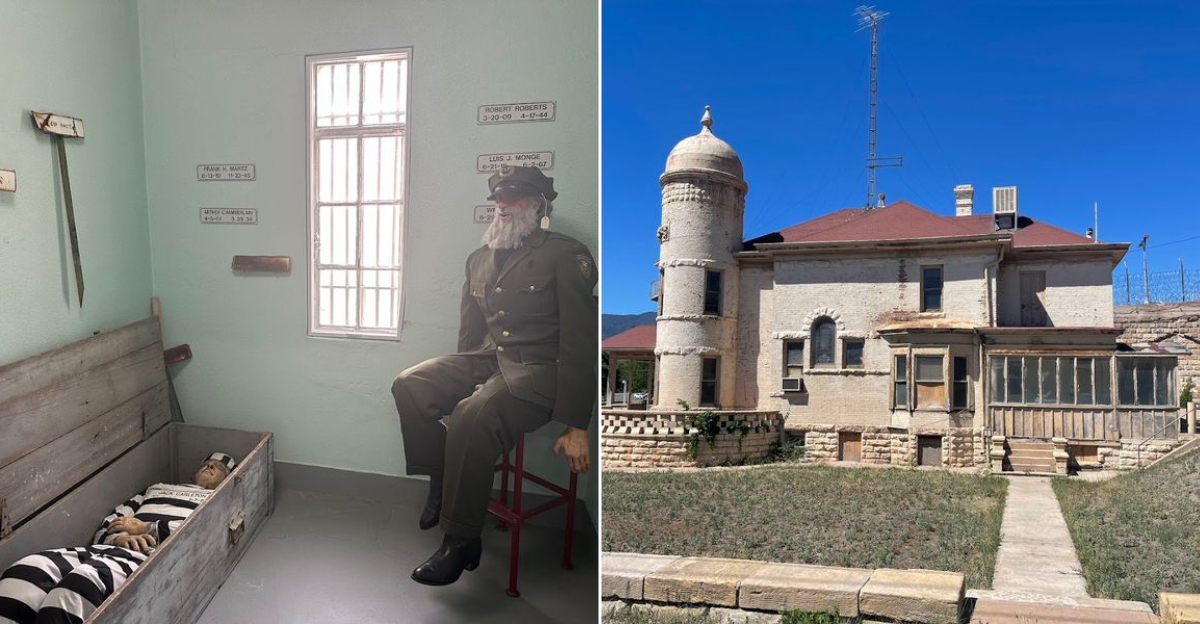
Some historic stops ask you to look around, but this one practically dares you to listen. Inside these old walls, the past feels heavy, strange, and impossible to ignore, with narrow cells, stark exhibits, and stories that make every step feel more intense than the last.
In Cañon City, the shadowed side of Colorado history comes into focus in a way that is both chilling and deeply educational. This is not the kind of museum where you casually wander and forget what you saw by lunch.
It sticks with you. The preserved spaces, confiscated objects, and hard details create a powerful look at punishment, survival, and the lives that unfolded behind locked doors.
It is fascinating, unsettling, and surprisingly absorbing from start to finish. For anyone craving something beyond the usual scenic stop, Colorado’s prison past makes this visit feel unforgettable in the most haunting way.
The Gas Chamber That Greets You at the Gate
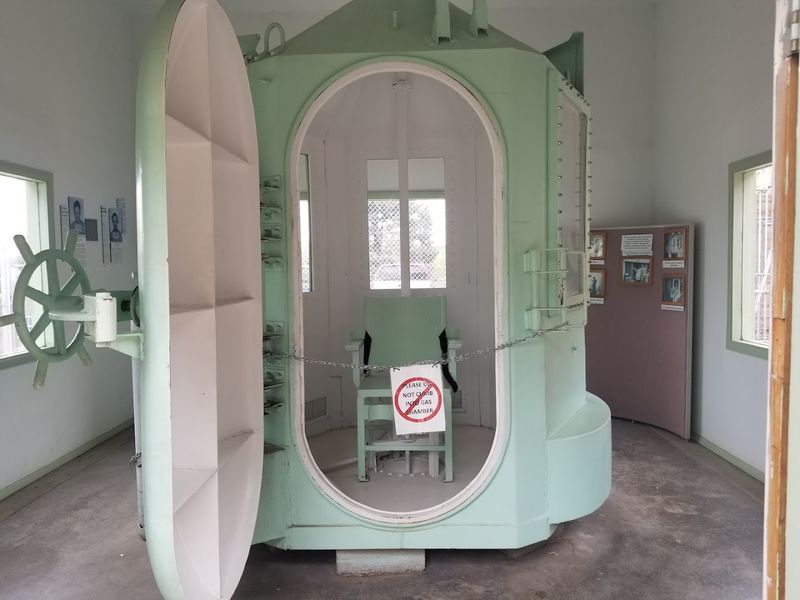
Before you even pay admission, the museum hands you its most striking exhibit for free. The actual gas chamber sits right out front at 201 N 1st St, Cañon City, Colorado, and it stops nearly every visitor in their tracks.
It is a squat, riveted metal cylinder that looks almost too ordinary for what it once was, which somehow makes it more unsettling.
Informational signage surrounds it, walking you through its history and use in Colorado’s criminal justice system. Visitors frequently describe this moment as the one that shifts the entire mood of the visit from casual curiosity to genuine reflection.
Standing next to it on a bright Colorado afternoon, with the Rocky Mountain sun overhead and the actual working prison wall visible just beyond the fence, the contrast is almost cinematic. Whether you pay admission or not, this exterior exhibit alone makes pulling off the road worthwhile.
It is history with no filter, presented with quiet confidence.
Quick Tip: The gas chamber is visible from the parking area at no cost, but the full context of its story is best understood once you have the guided booklet from inside.
30 Cell Exhibits Packed With Real Artifacts
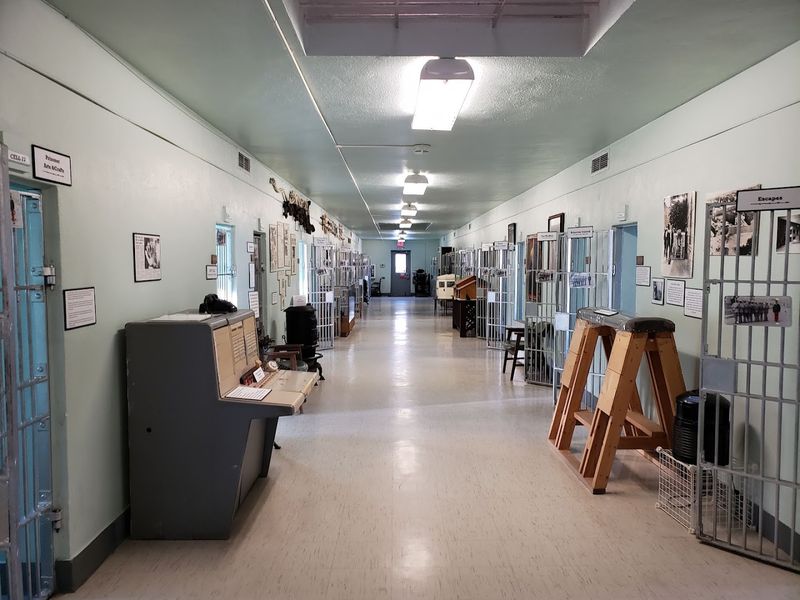
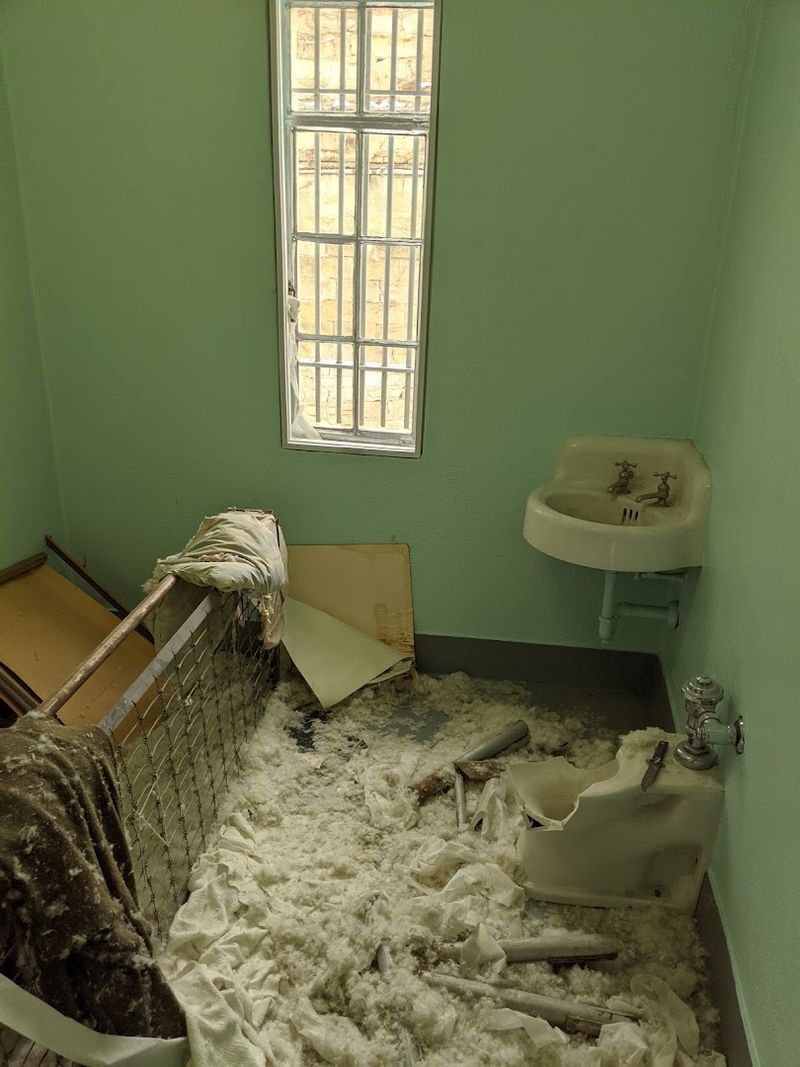
Walking the cell block at the Museum of Colorado Prisons feels like flipping through a history book that someone forgot to sanitize for general audiences. Each of the 30 cells has been transformed into its own focused exhibit, covering everything from riot control equipment to inmate-made weapons to medical supplies from the prison infirmary.
The layout is self-guided, and at check-in staff hand you a small booklet that corresponds to each cell, giving you deeper context as you move through at your own pace. That format works brilliantly here because some cells reward slow readers while others deliver their punch in a single glance at the artifacts on display.
Visitors consistently say they needed at least an hour and a half to two hours to get through everything properly. If you are the type who reads every placard, budget more time.
The sheer density of information is one of this museum’s greatest strengths.
Best For: History enthusiasts, criminology buffs, and curious families who appreciate self-paced exploration without someone rushing them from room to room.
The Former Women’s Prison Setting Adds Layers

Here is a detail that genuinely changes how you experience the place: the museum building is the former women’s side of the Colorado State Penitentiary. The men’s facility is still fully operational right next door, separated by an enormous wall that you can see from the museum grounds.
That proximity to an active prison is not a gimmick. It adds a layer of present-tense weight to everything you are reading about inside.
One moment you are studying a 1930s prison uniform behind glass, and the next you are aware that the institution this museum documents is still very much alive on the other side of that wall.
The building itself carries the architecture of its era, with steep entry steps, narrow corridors, and a physical layout that communicates institutional seriousness without any theatrical embellishment. The structure does the storytelling before the exhibits even begin.
Why It Matters: Understanding that this was a functioning women’s prison, not a replica, reframes every exhibit you encounter. Nothing here was built for tourism.
It was all real, and the building knows it.
Confiscated Weapons and Contraband That Will Raise an Eyebrow
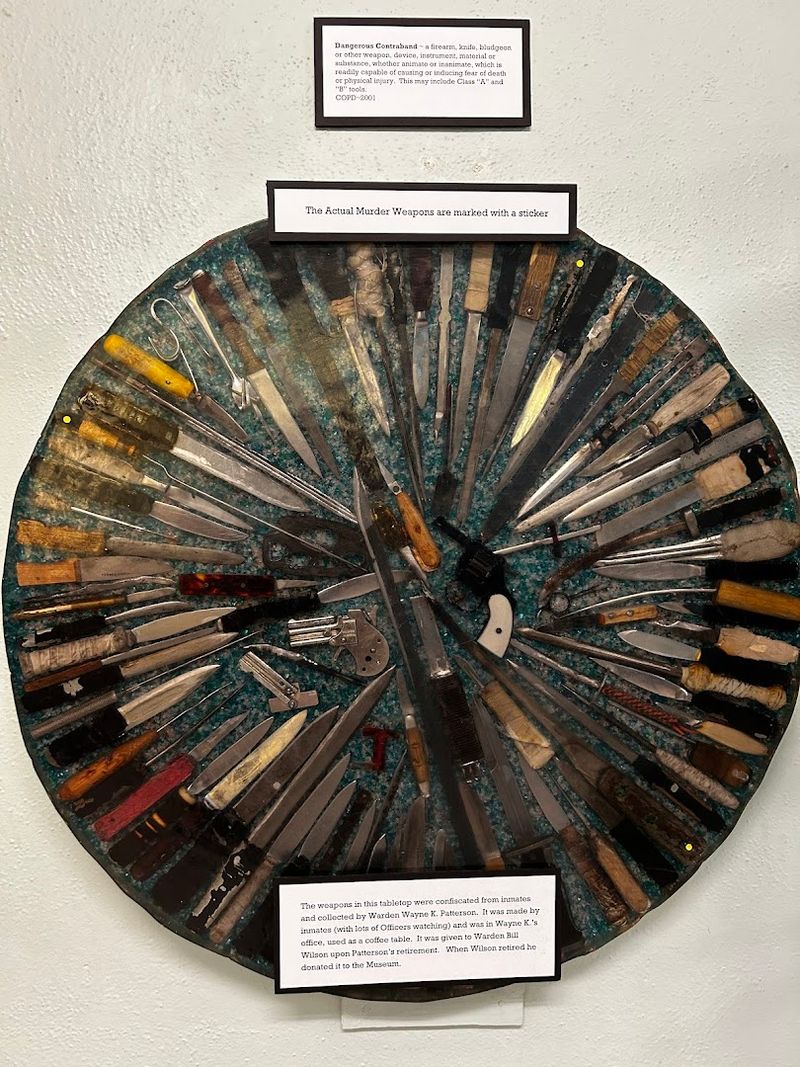
Creativity, it turns out, is not limited to art studios. The contraband and confiscated weapons collection at this museum is one of its most talked-about features, and for good reason.
Inmates fashioned tools and weapons from materials that most people would throw away without a second thought, and seeing the results in person is equal parts impressive and sobering.
The collection includes handmade knives, improvised tools, and items that required genuine ingenuity to construct under the watch of prison guards. Each piece comes with context about where and how it was discovered, which adds a narrative thread that keeps you engaged rather than just startled.
For families visiting with teenagers, this section tends to spark real conversation. It is the kind of exhibit that prompts questions about human behavior, desperation, and the conditions that lead people to extraordinary measures.
Those are not comfortable conversations, but they are worthwhile ones.
Insider Tip: Spend extra time reading the placards in this section. The backstory behind specific confiscated items is often more surprising than the items themselves.
Gang Tattoo Photos and the Stories Behind Them
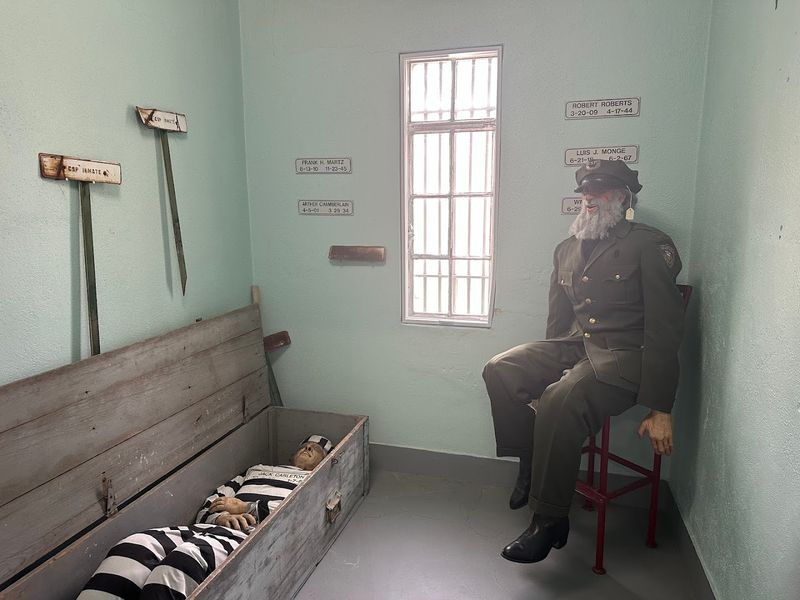
Few exhibits in the museum generate as much quiet, wide-eyed attention as the gang tattoo photo collection. Photographs of tattoos worn by actual inmates are displayed alongside explanations of their meaning within specific prison gang cultures, offering a window into a visual language most visitors have never had reason to learn.
The framing throughout is educational rather than sensational. The museum treats this subject with the same straightforward approach it applies to everything else, presenting facts and context without dramatizing or glorifying the subject matter.
That restraint is actually what makes it so effective.
Visitors who spend time in this section frequently describe it as one of the more thought-provoking stops on the self-guided tour. It connects the abstract concept of prison culture to something concrete and human, which is exactly what a museum of this caliber should do.
Understanding the imagery helps you understand the environment.
Who This Is For: Adults and older teenagers with a genuine interest in criminology, sociology, or the social dynamics that develop within closed institutional environments.
ADX Florence Coverage and Supermax History
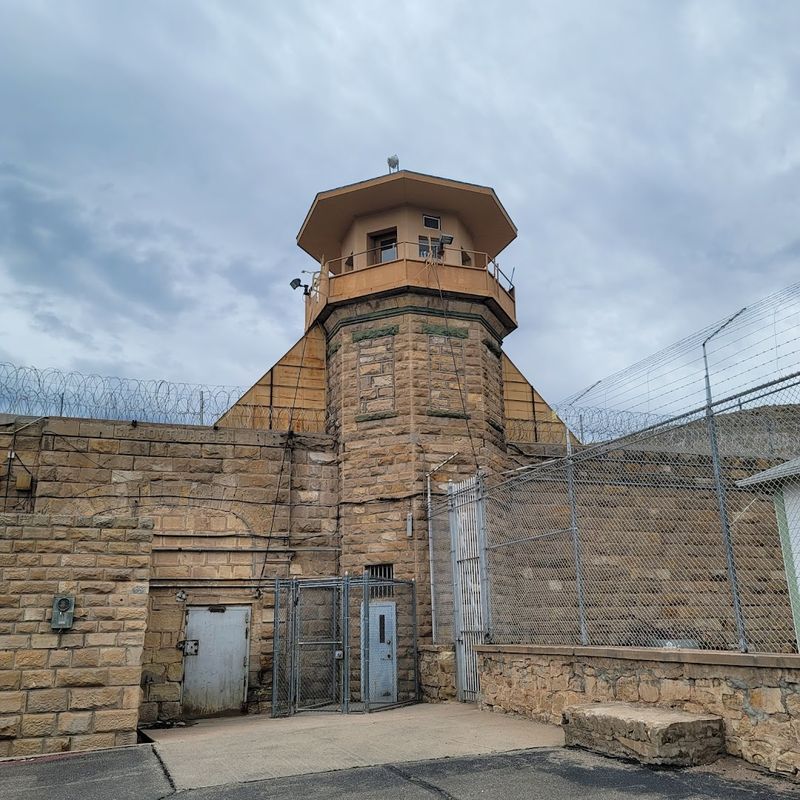
Not many museums in the country can claim proximity to one of the most secure prisons on earth, but Cañon City sits in a region that is essentially the prison capital of Colorado. The Museum of Colorado Prisons leans into that regional identity with a dedicated section covering ADX Florence, the federal supermax facility that houses some of the most high-profile inmates in American history.
The exhibits here cover how the facility operates, what its security features involve, and the kinds of cases that result in placement there. It is a fascinating counterpoint to the older, more weathered exhibits elsewhere in the museum, illustrating just how dramatically the American correctional system has evolved over the past century.
For visitors who arrived thinking this was going to be a quaint local history stop, this section tends to recalibrate expectations quickly. The supermax coverage is serious, well-researched, and presented with the same calm authority that defines the museum’s overall approach.
It rewards attention.
Planning Advice: Allocate dedicated time for this section rather than rushing through it. The information density here is high, and skimming means missing some of the most compelling context in the entire museum.
Warden History and the People Who Ran It All
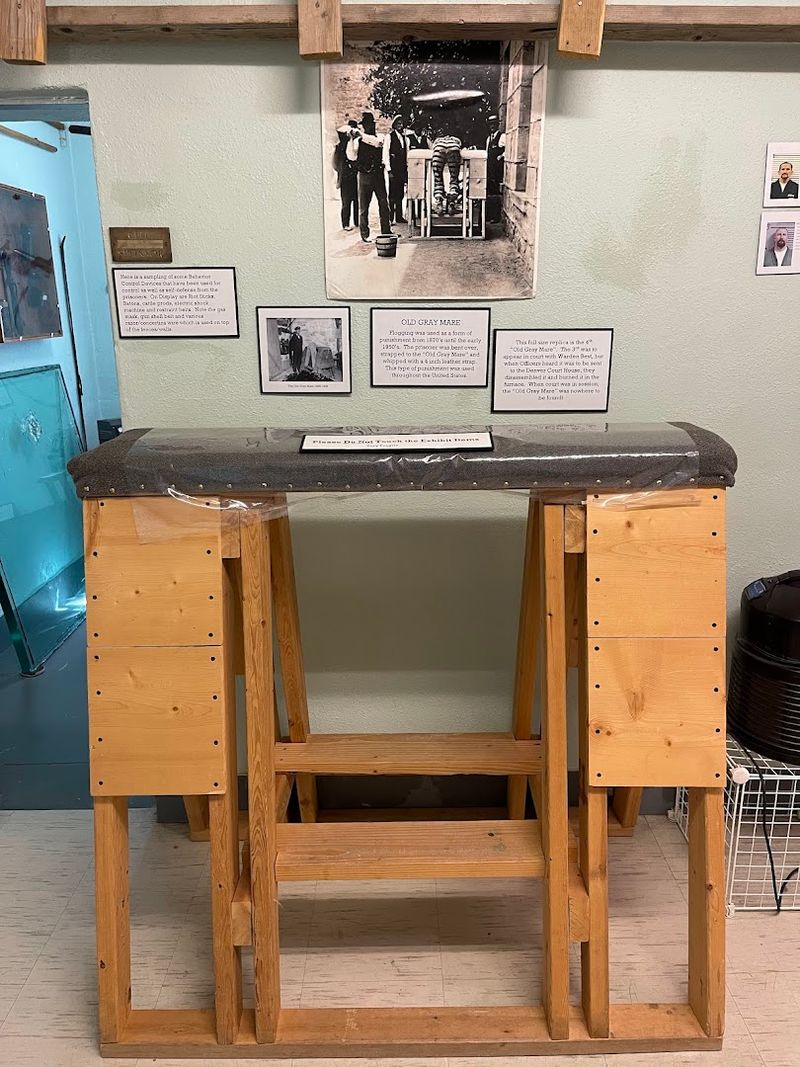
Behind every institution, there are the people who ran it, and the Museum of Colorado Prisons gives those individuals their due. Exhibits covering past wardens, both male and female, offer a perspective on Colorado prison history that goes well beyond cell counts and incident reports.
Learning about the individuals who shaped policy, managed crises, and sometimes reformed the system from within adds a genuinely human dimension to what could otherwise feel like an impersonal institutional history. The female wardens section is particularly notable, offering a slice of Colorado history that rarely makes it into mainstream historical coverage.
Warden Best’s saddles, mentioned in visitor accounts, are among the more unexpected artifacts in the collection. They are a reminder that the people who ran these facilities were fully realized human beings with lives, hobbies, and identities that extended well beyond their professional roles.
That detail makes the history feel lived-in rather than archived.
Common Mistakes to Avoid: Do not rush past the biographical displays in favor of the more visually dramatic exhibits. The warden history section provides essential context that makes everything else in the museum more meaningful.
The Self-Guided Tour Format That Actually Works
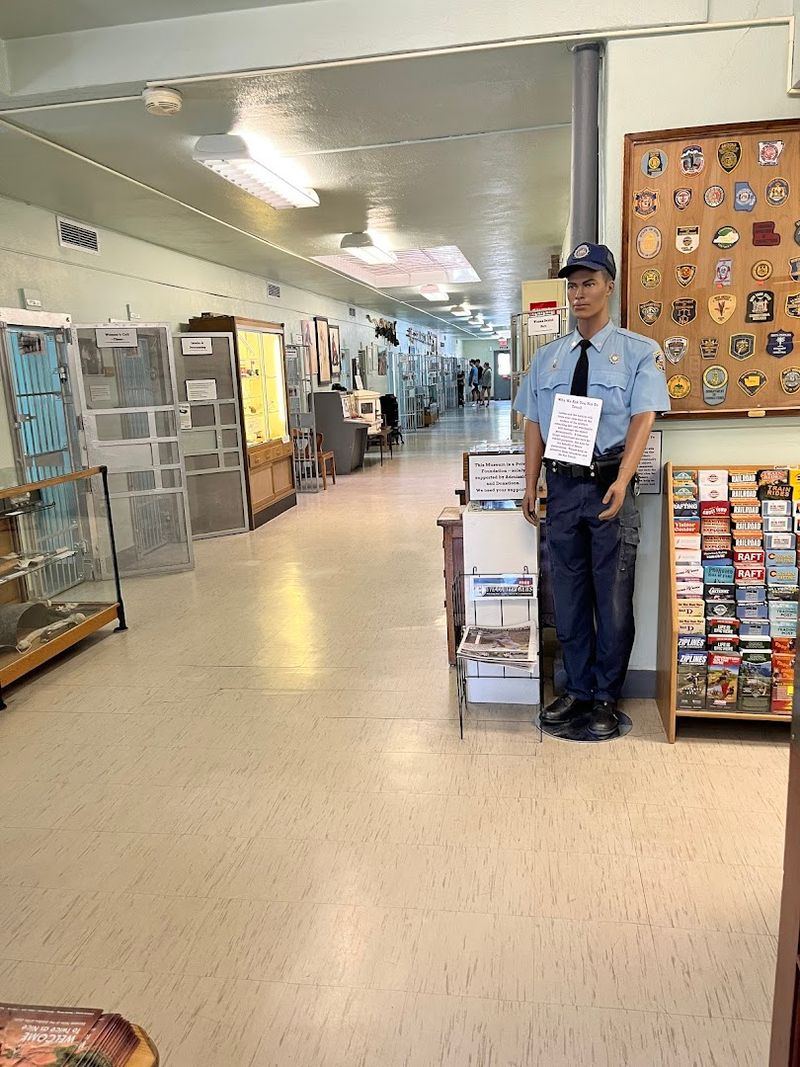
Self-guided tours can go either way. Sometimes the freedom is wonderful; other times you wander around wishing someone would just tell you what you are looking at.
The Museum of Colorado Prisons lands firmly in the first category, thanks to the small booklet handed to every visitor at check-in.
The booklet corresponds directly to each cell exhibit, providing supplemental information that deepens the experience without overwhelming it. You move at your own pace, spend as long as you like in each space, and nobody is herding you toward the exit.
For families with mixed ages and varying attention spans, that flexibility is genuinely valuable.
Weekend guided tours are also available for visitors who prefer a more structured experience, and those who have taken them report that a knowledgeable guide adds considerable depth to the visit. Both formats work well, which is a credit to how thoughtfully the museum is organized.
There is no wrong way to move through this place, just faster and slower versions of the same rewarding experience.
Best Strategy: Walk the full cell block once for an overview, then double back to any exhibit that caught your attention. The booklet makes it easy to find your place again.
The Gift Shop and Inmate-Made Items for Sale
The gift shop at the Museum of Colorado Prisons is genuinely one of the more unusual retail experiences you will encounter on a Colorado road trip. Classic striped prison-style socks, aprons, sweatshirts, and T-shirts line the shelves, and they are exactly as conversation-starting as they sound when you pull them out at home.
More thought-provoking is the selection of items made by current inmates, available for purchase. Visitors have noted that this section prompts real reflection about rehabilitation, labor, and the purpose of correctional institutions.
It is not a comfortable section to browse, and that discomfort is probably the point.
The gift shop sits at the natural exit point of the tour, which means you arrive there already primed by everything you have just experienced. Whatever you buy, whether it is a striped apron or a piece of inmate artwork, carries a context that no ordinary souvenir shop can replicate.
Cañon City has a way of making even retail feel meaningful.
Quick Verdict: Skip the gift shop and you miss one of the museum’s most quietly provocative conversations. Budget a few extra minutes and browse with intention.
A Stop Worth Planning Around
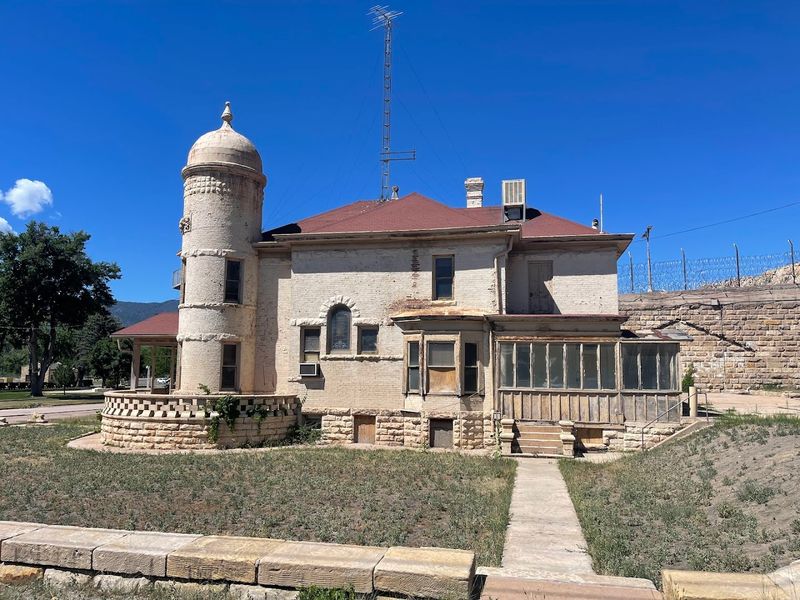
The Museum of Colorado Prisons earns its 4.6-star rating the honest way: by delivering a genuinely substantive experience that most visitors did not fully anticipate when they pulled into the parking lot. Open daily from 10 AM to 6 PM, it is accessible enough to fold into a broader Cañon City itinerary without requiring advance booking.
Admission is affordable, the staff is consistently described as friendly and knowledgeable, and the two-floor layout gives the museum enough physical space to cover its subject with real depth. Plan for at least 90 minutes if you are a casual visitor, and closer to two and a half hours if you tend to read every placard and linger over artifacts.
Located right in town, it pairs naturally with a stop at the Royal Gorge area, making it an easy addition to a day already pointed toward Cañon City. You can reach the museum at 719-269-3015 or visit prisonmuseum.org before your trip.
This is the rare roadside stop that earns a second visit, not because you missed something the first time, but because the first time left you wanting more.
Key Takeaways: Affordable admission, self-guided flexibility, rich historical depth, and a location that makes it a natural anchor for any Cañon City visit.