
This Haunted Illinois County Is Packed With Chilling Ghost Stories And Local Legends
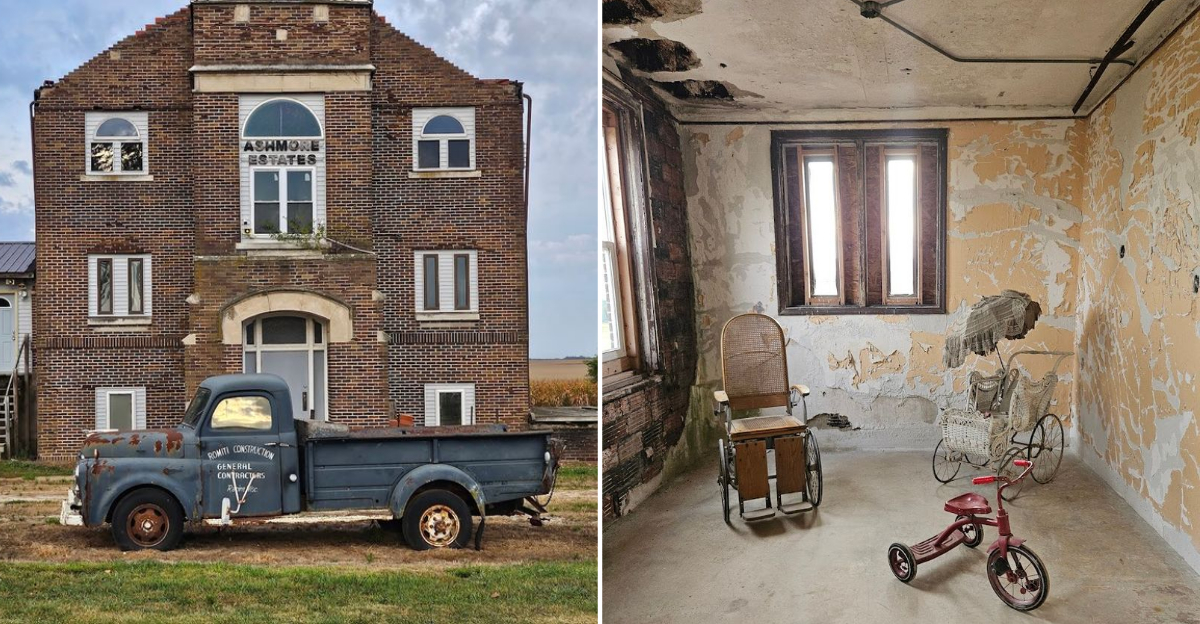
A quiet stretch of east-central Illinois holds a landscape that does not always reveal its full story at first glance. Long rural roads pass grain silos, weathered barns, and courthouse squares that have watched generations come and go.
Life moves at an unhurried pace here, yet local conversations often drift toward strange memories tied to familiar places. Older buildings still stand where earlier residents lived, worked, and struggled through very different times.
Some carry long histories connected to the Civil War era, early farms, and institutions that once shaped daily life in the region.
Over the years, these locations have gathered stories that refuse to fade, repeated quietly at kitchen tables, in late-night drives along back roads, and during conversations that begin with someone insisting a certain place never quite felt ordinary.
The County’s Most Infamous Haunted Building
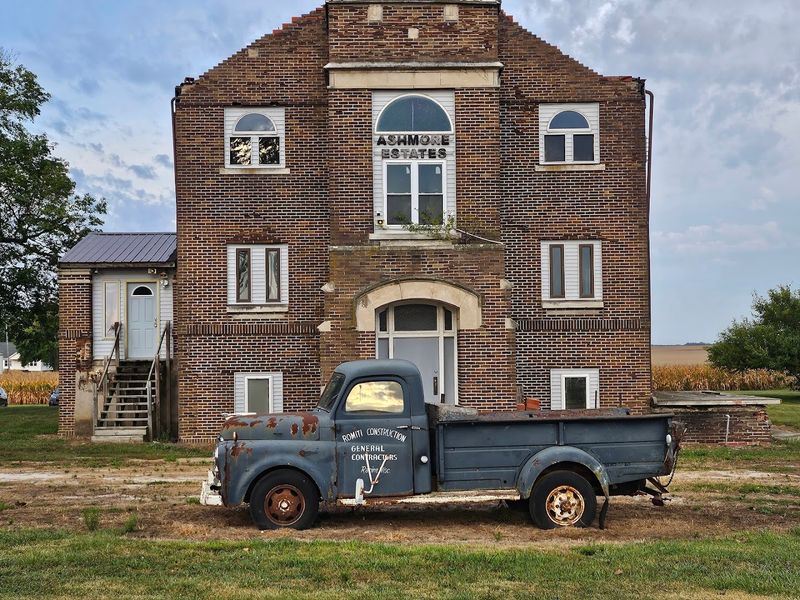
Few places in Illinois carry as much paranormal weight as Ashmore Estates, located near Ashmore in Coles County. Built in 1916, the building served as the county almshouse on the Coles County Poor Farm before later operating as a private care facility for people with mental and developmental disabilities.
Its long history of housing vulnerable residents has left behind what many believe are lingering spirits.
Investigators from across the country have walked its creaky hallways, reporting cold spots, disembodied voices, and shadowy figures standing in doorways.
Some have captured strange orbs on camera, while others claim to have heard their names whispered when no one else was nearby.
The building has since been opened as a haunted attraction and paranormal investigation site, drawing thousands of curious visitors every year. What makes Ashmore Estates especially compelling is that the stories are not recent inventions.
Locals have been talking about strange happenings here for decades, long before ghost hunting became a popular hobby. If Coles County has a headquarters for the unexplained, this crumbling brick building is almost certainly it.
The Coles County Courthouse
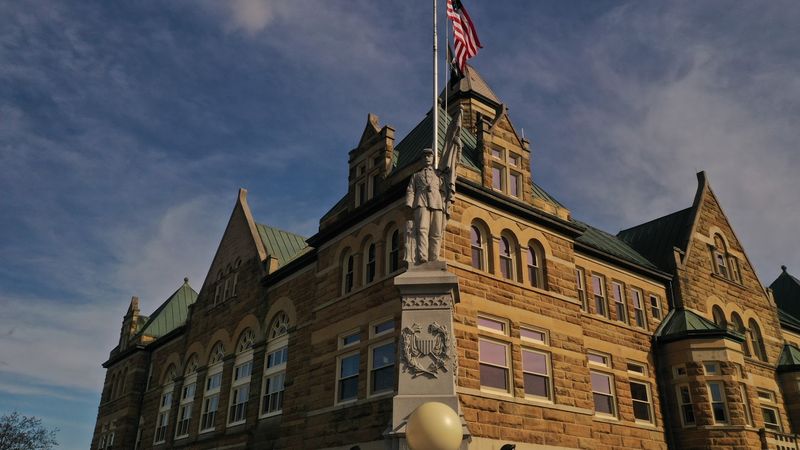
Courthouses hold decades of human drama, and the Coles County Courthouse in Charleston is no exception. Standing as a symbol of justice and history, this building has witnessed some of the most emotionally charged moments in the county’s past.
Workers and late-night security personnel have reported hearing footsteps echoing through empty corridors after hours. Doors have reportedly opened and closed on their own, and lights have flickered in rooms that were clearly unoccupied.
Whether these occurrences have rational explanations or something more mysterious is entirely up to the person experiencing them.
Coles County’s courthouse history stretches back to the 1800s, although the current courthouse building in Charleston was constructed in 1898.
Abraham Lincoln argued cases in Coles County during his time as a traveling lawyer on the Eighth Judicial Circuit, appearing in earlier courthouse buildings that stood before the current 1898 structure.
That kind of historical weight gives the building an atmosphere that is both remarkable and, on a quiet autumn evening, undeniably unsettling. History has a way of refusing to stay still here.
Lincoln Log Cabin State Historic Site
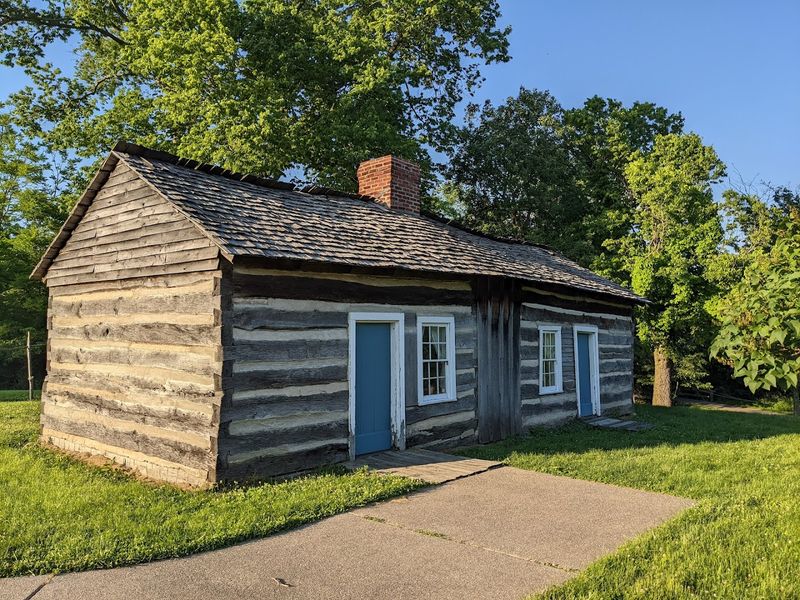
Just south of Charleston in Lerna, the Lincoln Log Cabin State Historic Site preserves the location of the last farm of Thomas Lincoln and his wife Sarah Bush Lincoln, with reconstructed cabins representing the buildings that once stood there.
The site is a living history museum by day, but when the interpreters pack up and the visitors leave, some say the property takes on a very different energy.
Volunteers and staff members have reported hearing voices near the cabin after closing time, particularly around the kitchen area where Sarah Lincoln spent much of her time. A few have described the feeling of being watched while walking the grounds alone in the early morning.
These accounts are not dramatic or theatrical. They are quiet, personal, and oddly consistent across different people over many years.
The emotional history of the site adds to its mysterious atmosphere. Thomas Lincoln passed away in this very location in 1851, and the grief of that era seems to settle into the wood and soil.
Visiting during the late afternoon, when golden light falls across the prairie and the farm animals grow quiet, is an experience that feels just slightly out of time. Something here feels older than history books can fully explain.
Mound Cemetery’s Ghostly Reputation
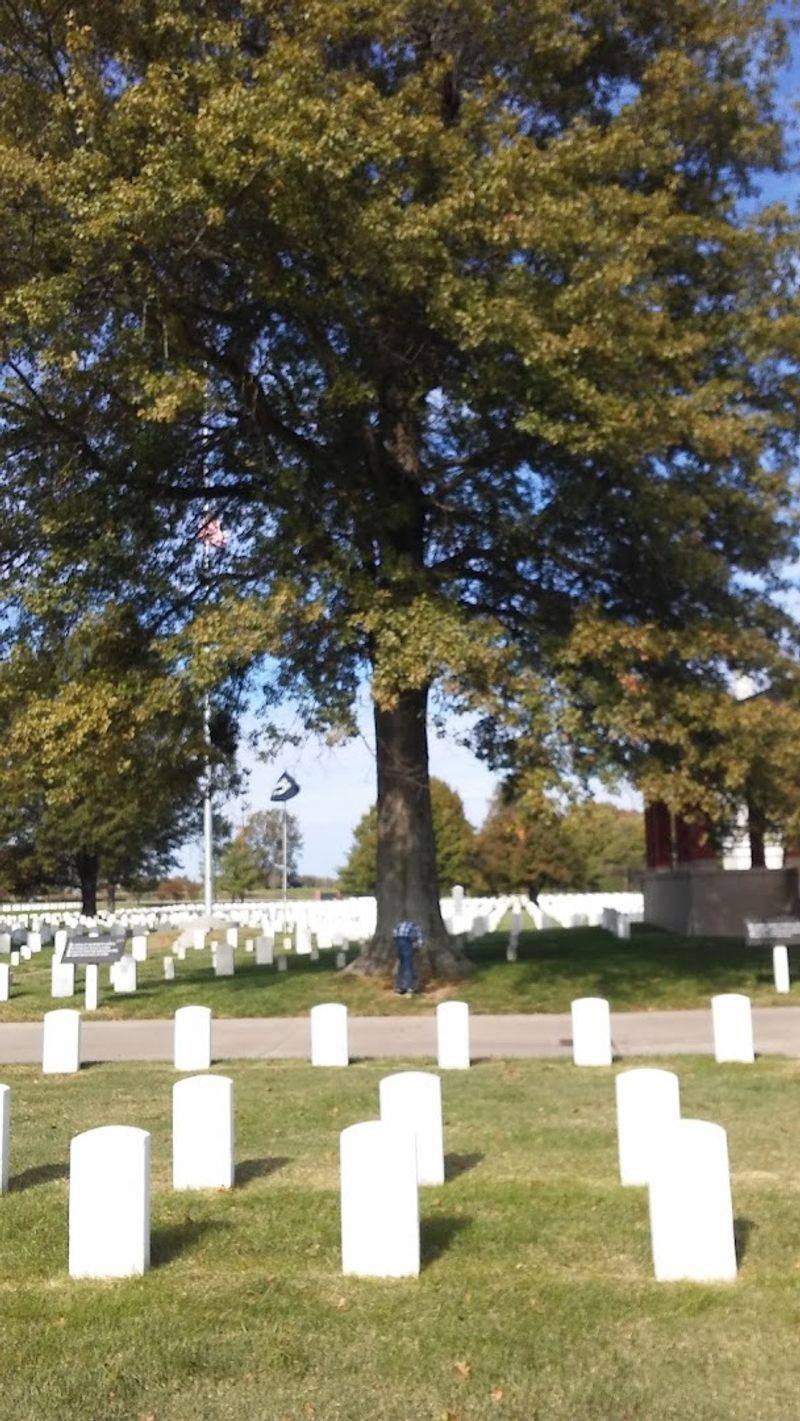
Cemeteries are natural gathering places for ghost stories, and Mound Cemetery in Charleston, one of the city’s oldest burial grounds, has inspired its own share of eerie local tales.
Established in the nineteenth century, the cemetery holds the graves of early settlers, Civil War soldiers, and generations of Coles County families. That kind of layered history tends to produce layered legends.
Visitors walking the grounds after dusk have reported seeing a faint glowing figure near the oldest section of the cemetery.
Others claim to have photographed unexplained mist rising from certain grave sites even on clear, dry nights. A few have mentioned hearing the sound of a child crying near one particular cluster of small headstones marking infant burials from the 1870s.
Paranormal enthusiasts who have investigated the site say the electromagnetic readings in certain areas spike without any obvious electrical explanation.
Whether you believe in the supernatural or prefer more grounded explanations, there is something undeniably moving about standing among graves that date back to the Civil War era.
The weight of that much collective history is palpable, and on the right night, with fog rolling in from the surrounding fields, Greenwood Cemetery earns every whispered story told about it.
Eastern Illinois University And Campus
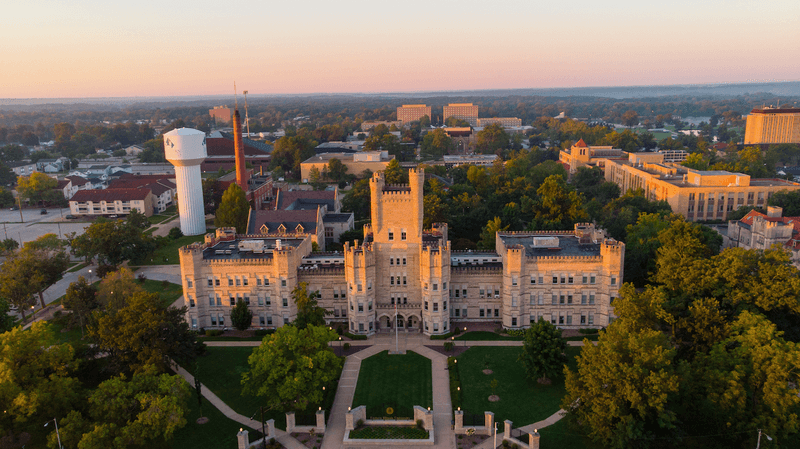
College campuses tend to accumulate ghost stories almost as fast as they accumulate student debt, and Eastern Illinois University in Charleston is no different.
Founded in 1895, EIU has over a century of history packed into its red-brick buildings, and several of those buildings have developed reputations that go well beyond their academic credentials.
Old Main, one of the university’s most recognizable structures, is frequently mentioned in campus ghost lore.
Students and faculty have reported hearing unexplained sounds in the upper floors late at night, particularly during the quieter weeks between semesters. One of the most frequently mentioned campus legends centers on Pemberton Hall, where generations of students have shared stories about unexplained footsteps and lights associated with the building’s early residents.
Campus ghost tours have become a popular tradition around Halloween, drawing both students and curious visitors from surrounding communities.
What gives these stories staying power is the sincerity of the people telling them. These are not dramatic performances designed to sell tickets.
They are passed down casually, the way any good campus legend travels, from one freshman to the next, growing just slightly more detailed with each retelling. EIU’s haunted reputation is very much a living part of its culture.
The Phantom Hitchhiker
Illinois has a long tradition of phantom hitchhiker folklore, and residents of Coles County sometimes share their own versions of the classic disappearing passenger story.
The story centers on a stretch of rural road outside Charleston where drivers have reportedly picked up a young woman standing alone at the roadside late at night, only to find the back seat empty moments later.
The details shift slightly depending on who is telling the story. In some versions, the woman gives an address and then vanishes before the car arrives.
In others, she simply smiles, says nothing, and disappears when the driver glances in the rearview mirror.
The consistency of the general outline, across different tellers and different decades, is what gives the legend its staying power.
Phantom hitchhiker stories are found in folklore traditions worldwide, but the local version carries the particular flavor of Coles County, set against flat midwestern roads, grain elevators on the horizon, and the kind of deep rural quiet that makes your imagination work overtime.
The Haunted History Of The Old Coles County Poor Farm
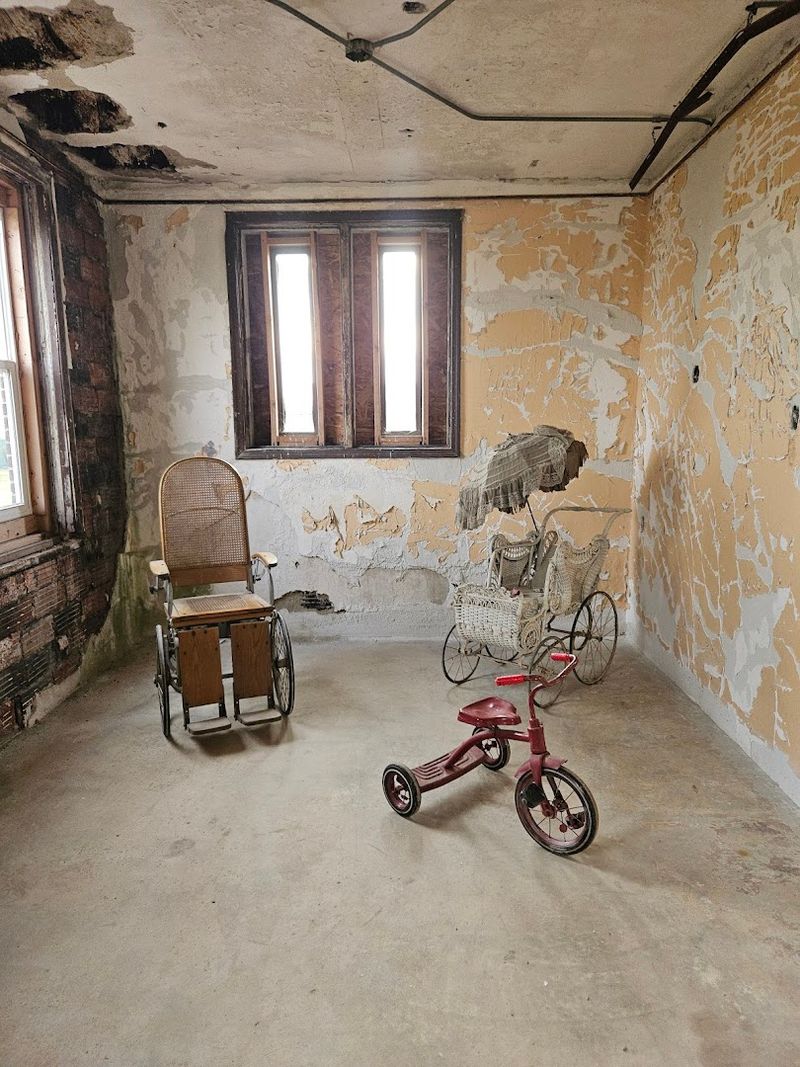
Before modern social services existed, counties across America operated poor farms, institutions where residents who could not support themselves were housed in exchange for agricultural labor.
The Coles County Poor Farm has a history that reflects both the compassion and the hardship of that era, and it has left behind stories that refuse to fade quietly.
Former residents of the surrounding area describe hearing unexplained sounds near the property on still nights.
A low murmuring, almost conversational in tone, has been reported by more than one person who passed the grounds after dark. Some attribute it to the wind moving through old structures.
Others are not so sure.
The emotional residue of places like poor farms tends to be heavy. These were locations where people lived out difficult circumstances, often far from family, and that kind of concentrated human experience tends to generate legends in communities that remember.
The Coles County Poor Farm property later became the site of the building now known as Ashmore Estates, linking the location’s earlier history of county care to its later reputation.
Strange Lights Over Coles County Fields At Night
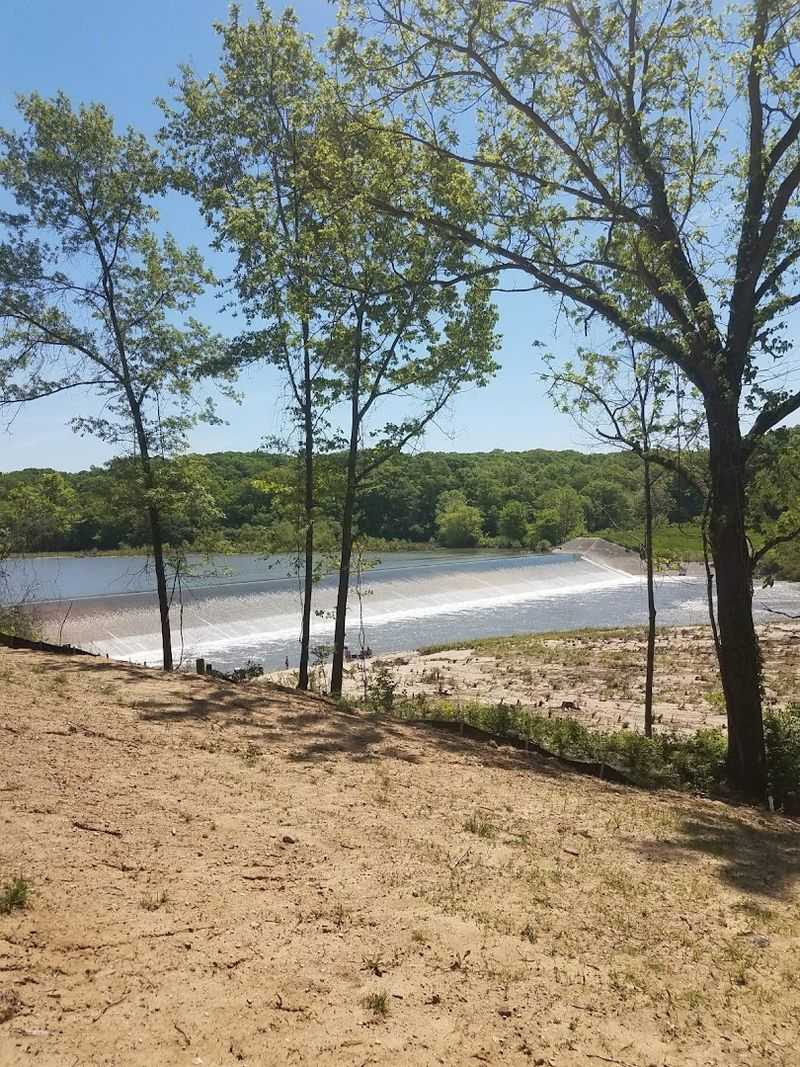
Some residents and late-night drivers in rural parts of Coles County have reported seeing unusual lights over open fields, though explanations range from atmospheric effects to local folklore. These are not the lights of aircraft or farm equipment.
They hover low, shift direction without warning, and then vanish as quickly as they appeared. Local explanations range from swamp gas to something far less comfortable.
A few stories place sightings in rural farmland east of Charleston, although the exact locations tend to vary depending on who is telling the story.
Witnesses describe pale yellowish or bluish orbs that seem to drift slowly before suddenly accelerating upward and disappearing. A few have noted that the lights seem to appear most frequently in late autumn, when the fields are harvested and the landscape opens up into an unbroken flat horizon.
Folklorists who study midwestern ghost light traditions point out that these kinds of reports are remarkably common across the region, often attached to locations near old roads, waterways, or burial sites.
Seeing one for yourself requires patience, a clear night, and a willingness to sit quietly in the dark with nothing but cornfields and your own imagination for company.
Charleston’s Old Residential Neighborhoods
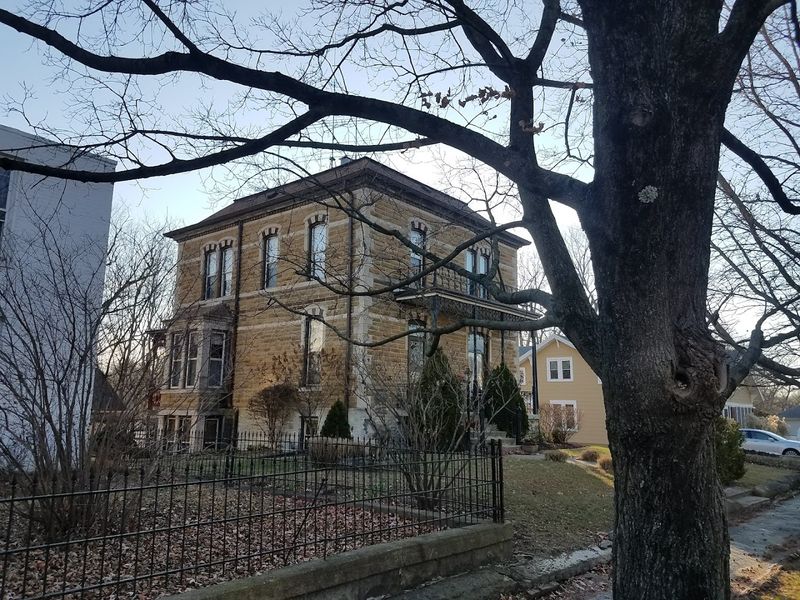
Charleston’s older neighborhoods hold some of the most architecturally striking homes in Coles County, and with age comes atmosphere.
Several houses in the historic residential areas near the downtown square have developed reputations among neighbors for being, to put it gently, a little more occupied than their deed records suggest.
One particular house on a tree-lined street near the university has been the subject of consistent local conversation for years.
Previous tenants have described hearing footsteps on the upper floor when no one was upstairs, catching glimpses of a figure in a hallway mirror, and experiencing a persistent cold in one specific room regardless of the season or the thermostat setting.
These accounts tend to travel through Charleston the way small-town stories always do, quietly and persistently, passed between neighbors over back fences and across kitchen tables.
The houses themselves are beautiful, with wraparound porches, stained glass transoms, and the kind of craftsmanship that simply does not exist in modern construction. They deserve to be admired for their architecture alone.
The ghost stories are simply an extra layer of character that long-established neighborhoods seem to earn naturally. In Charleston, a house with a history is considered a house with personality.