
This Haunted South Carolina Fort Ruin Feels Like Stepping Into Another Century
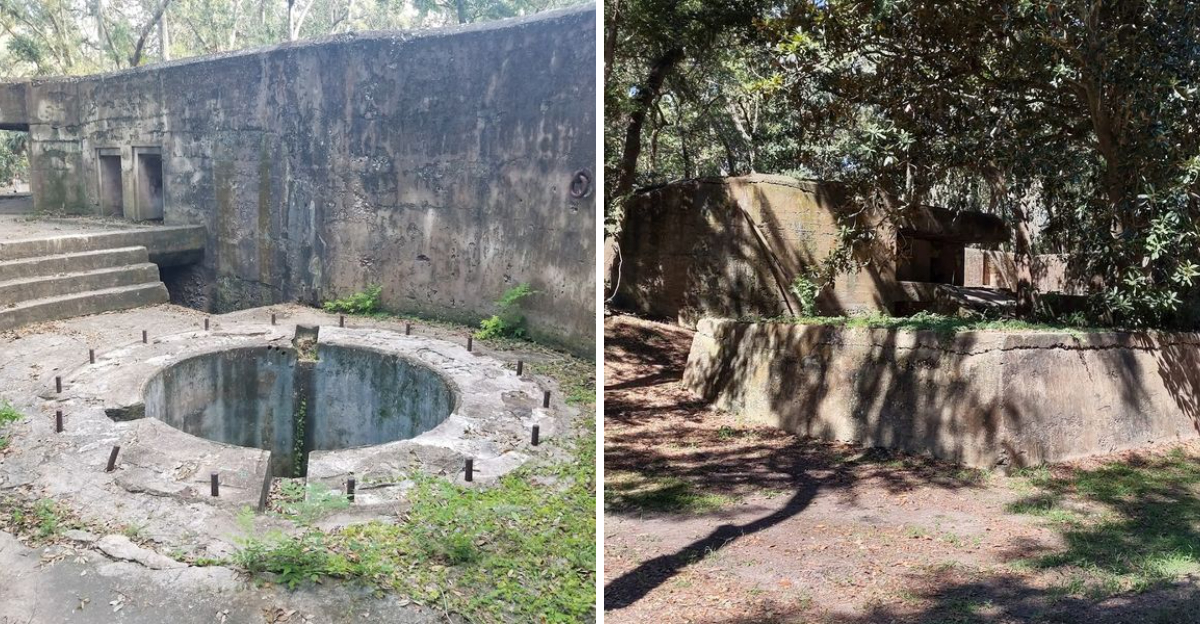
This hidden South Carolina fort feels like something straight out of a forgotten movie.
Weathered concrete walls rise above the shoreline. Sea breezes drift across Port Royal Sound.
Wild grass grows through structures that once stood ready to defend the American coast.
At Fort Fremont Preserve on St. Helena Island, history does not sit behind glass cases. It surrounds you.
Visitors wander through crumbling military batteries, explore old fortifications, and stare out across the water where soldiers once kept watch more than a century ago. The atmosphere feels peaceful, but there is also something undeniably mysterious about the place.
Part of the magic comes from the contrast. One moment you are standing inside a relic of the Spanish-American War.
The next you are hunting for shells on a quiet beach or watching seabirds glide across the sound.
The crowds stay small. The views are spectacular.
And the entire experience feels like discovering a secret piece of South Carolina that somehow slipped through time unnoticed.
For history lovers, photographers, and curious explorers, Fort Fremont is the kind of place that is almost impossible to forget.
The Spanish-American War Origins That Started It All
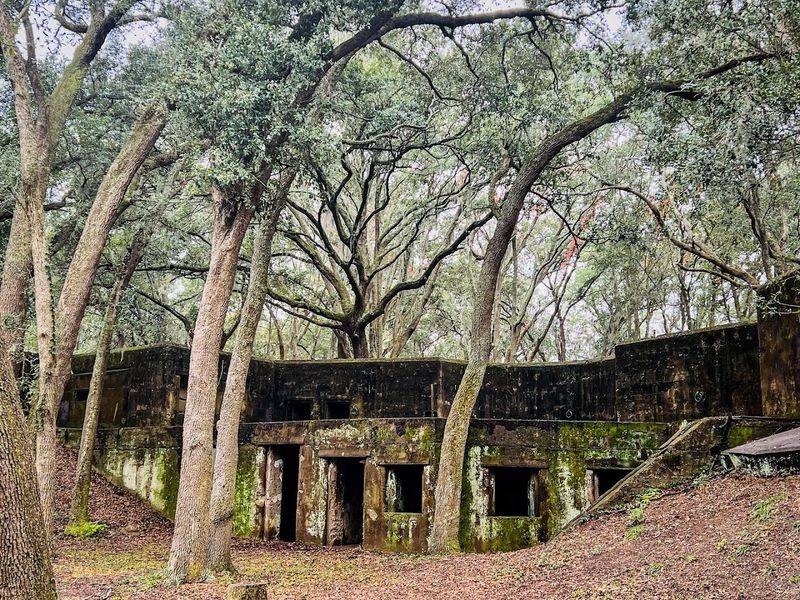
Most people drive past St. Helena Island without realizing they are within a few miles of a genuine piece of wartime American history. Fort Fremont was built in 1898, during the brief but intense Spanish-American War, when the U.S. government scrambled to defend its coastlines from possible enemy naval attacks.
The fort was constructed at what is now 1124 Lands End Rd, St Helena Island, SC 29920, positioned strategically to protect Port Royal Sound, one of the deepest natural harbors on the East Coast. Two massive artillery batteries were installed here, designed to stop any enemy ships that dared to approach.
The war ended quickly, and the fort was decommissioned by 1921, leaving behind concrete structures that have quietly endured for over a century. Informative displays throughout the preserve explain the fort’s conception, construction, and eventual abandonment, so even first-time visitors leave with a solid understanding of why this place exists and why it still matters today.
Concrete Ramparts You Can Actually Walk On
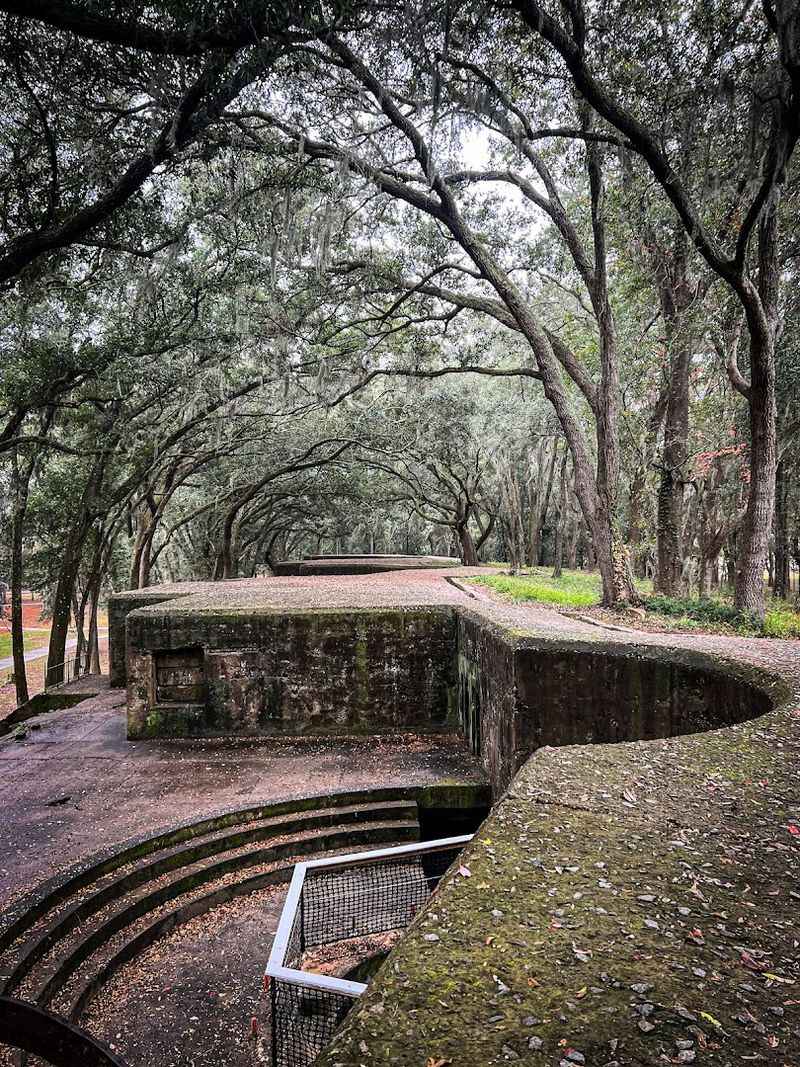
One thing that genuinely surprised me about Fort Fremont is how hands-on the experience is. Unlike many historic sites where ropes and barriers keep you at arm’s length, here you can climb right up onto the ramparts and walk along the top of the original battery structures.
The views from up there are remarkable, with Port Royal Sound stretching out wide and blue beyond the old gun positions. Standing in the same spot where soldiers once scanned the horizon for enemy ships adds a layer of atmosphere that no museum display can fully replicate.
A fair warning worth passing along: there are no railings or barriers at the edges, and some drops reach over eight feet down to concrete below. Keeping a close eye on younger kids up there is genuinely important, not just polite advice.
Wear sturdy shoes with good grip, especially if leaves have fallen on the surface, because those ramparts can get slippery fast.
A Hidden Beach That Feels Straight Out Of A Pirate Film
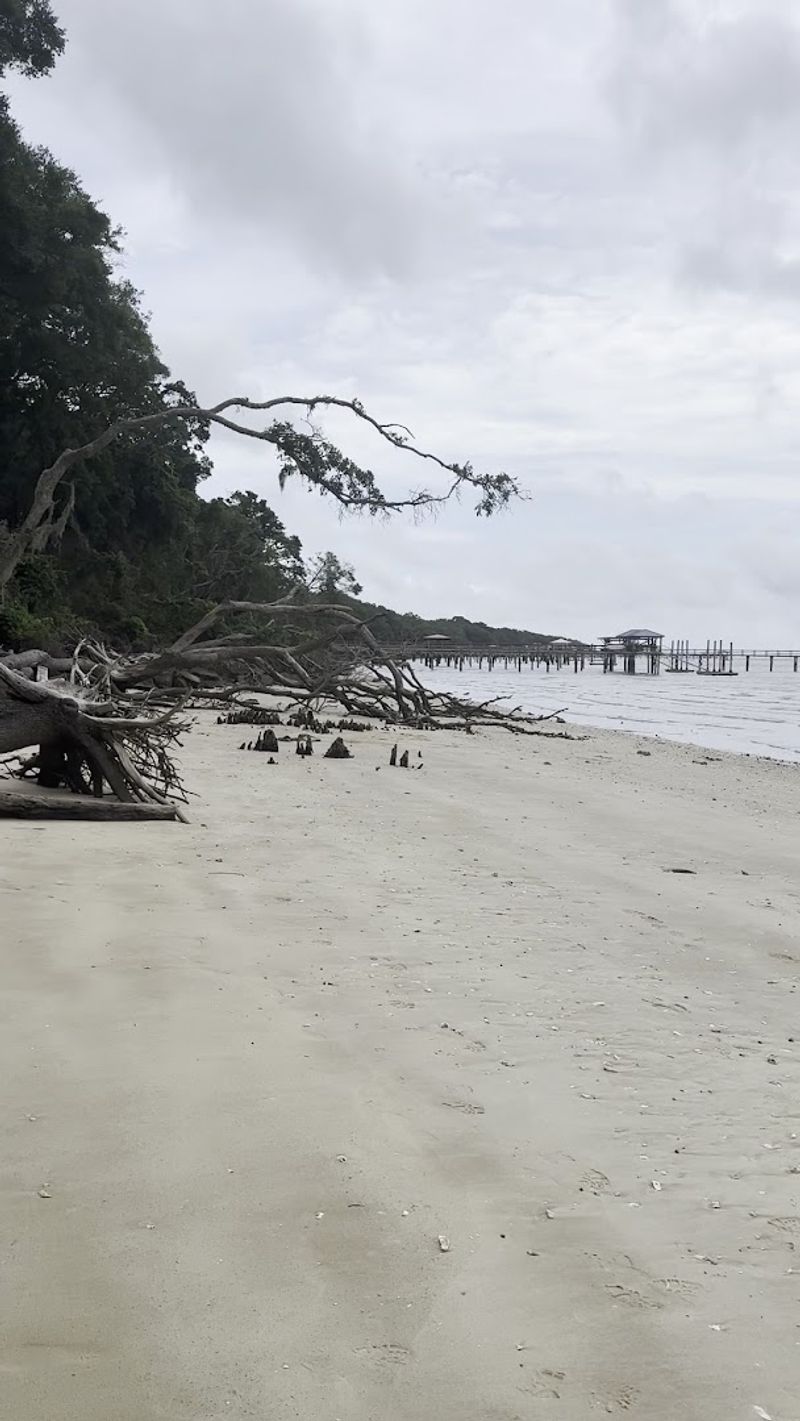
Tucked just behind the fort’s fortifications lies a small beach that more than one visitor has compared to a scene from a swashbuckling adventure movie. The shoreline is quiet, a little wild, and framed by natural coastal vegetation that makes it feel genuinely remote even though the parking lot is just a short walk away.
I spent nearly an hour here just wandering the waterline, picking up interesting shells and examining pieces of driftwood that had washed ashore in fascinating shapes. The beach is not a wide, resort-style stretch of sand, but that is exactly what gives it so much personality.
Families with kids tend to love this spot because it doubles as a nature scavenger hunt, with shells, rocks, and the occasional interesting sea creature to discover. The combination of fort ruins and a wild little beach in one free visit makes Fort Fremont feel like two destinations packed into a single afternoon stop.
Free Entry That Makes The Trip Even Sweeter
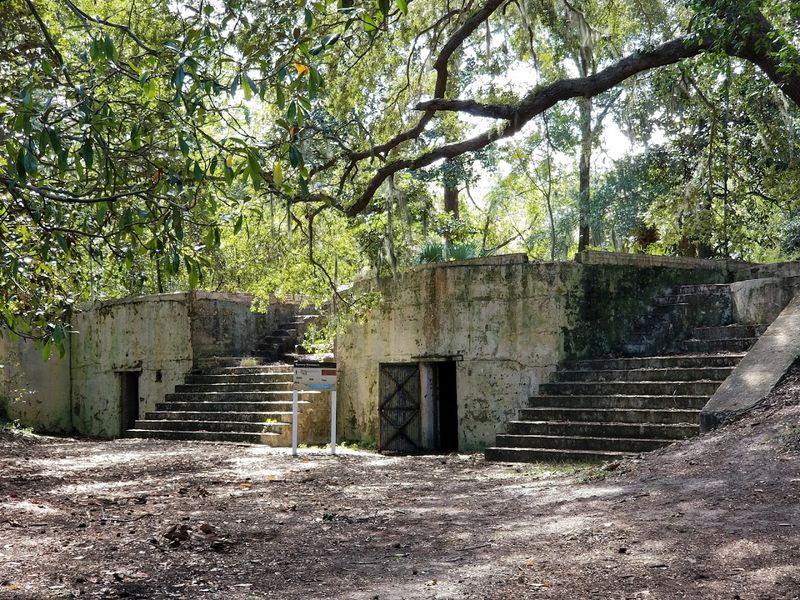
Paying nothing to spend a few hours exploring a genuine piece of American military history feels almost too good to be true, but that is exactly the deal at Fort Fremont Preserve. Admission is completely free every single day of the week, which is a rarity for a site this well-maintained and historically significant.
The preserve is open daily from 7 AM to 7 PM, giving visitors a solid window of time to explore the fort, walk the beach, enjoy a picnic, and still make it back to their car before dark. Clean restrooms and a water fountain are available seven days a week at the interpretive center building, which is a small but meaningful comfort on a warm South Carolina afternoon.
For budget-conscious travelers or families looking to stretch their sightseeing dollars, this place is a genuine find. A quick call to (843) 255-2152 or a visit to fortfremont.org can answer any scheduling questions before you head out.
The Interpretive Center And Its Surprisingly Rich Museum
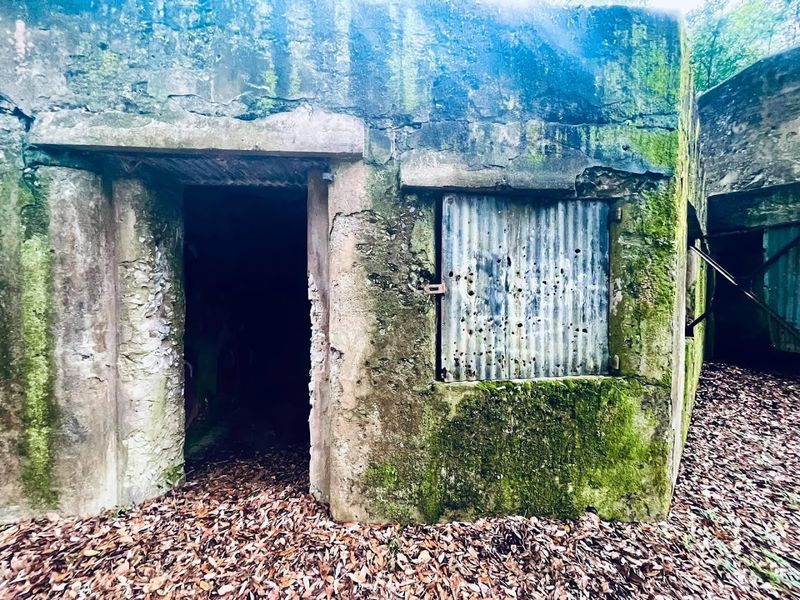
On my first visit, I almost skipped the interpretive center entirely, which would have been a real mistake. The small museum inside packs in far more than its modest size suggests, with scale models of the original fort layout, historical photographs, and detailed explanations of how the artillery systems worked.
A short film about the fort’s history plays inside and does a genuinely good job of connecting the broader story of the Spanish-American War to this specific corner of South Carolina. The staff members on duty were knowledgeable and clearly enthusiastic about sharing the site’s backstory, which made the whole experience feel personal rather than scripted.
One scheduling note worth remembering: the museum is only open Thursday through Saturday from 1 PM to 4 PM, so plan accordingly if you want the full guided experience. Arriving outside those hours still gives you access to the fort grounds and beach, but the interpretive center itself will be locked up tight.
The Eerie Atmosphere That Earns Its Haunted Reputation
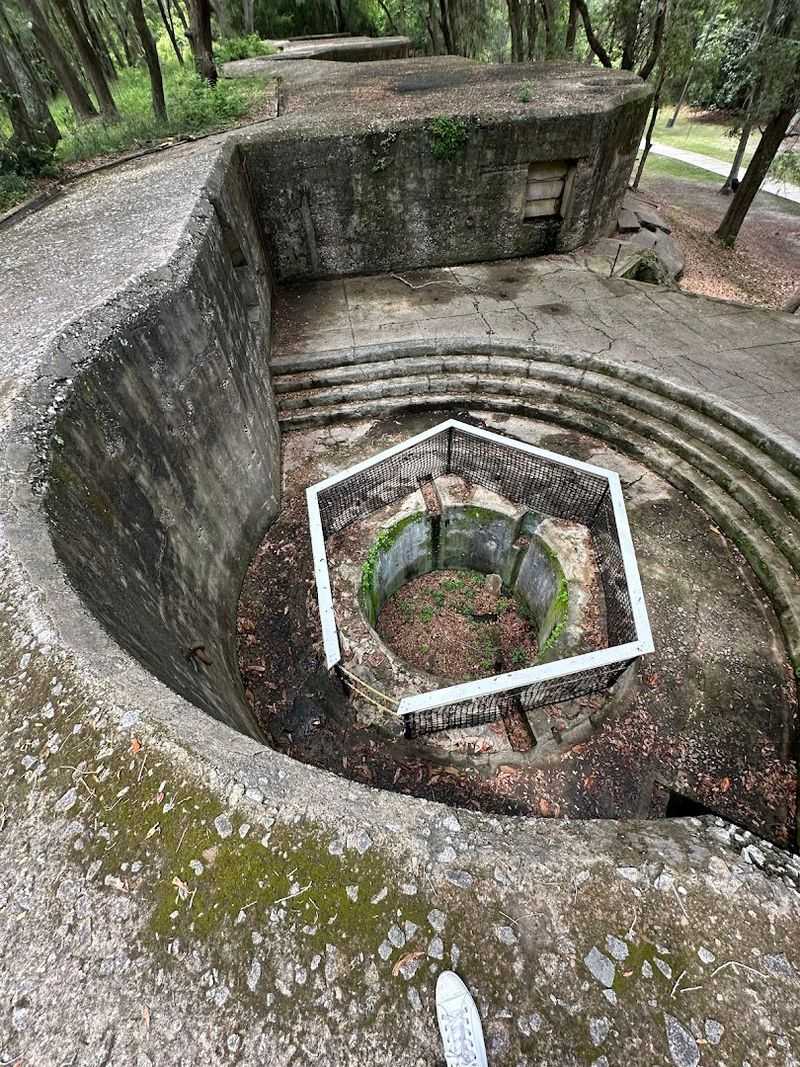
Something about Fort Fremont feels different from other historic sites, and I noticed it the moment I stepped inside one of the old ammunition storage rooms. The thick concrete walls, the deep shadows, and the silence that settles in between the trees all combine to create an atmosphere that genuinely unsettles the imagination.
Graffiti covers parts of the interior walls, which is unfortunate but does not fully break the spell. If anything, layers of markings from different decades add to the sense that this place exists slightly outside of normal time, accumulating history in layers rather than preserving it neatly under glass.
Several visitors have described feeling a strange unease while walking through the fort, and I understand exactly what they mean. The structure is fenced in certain areas but still open enough to explore freely, and as the afternoon light shifts and shadows lengthen across the concrete, the whole place takes on a quality that is hard to shake even after you have driven away.
Picnic Areas That Make A Full Day Possible
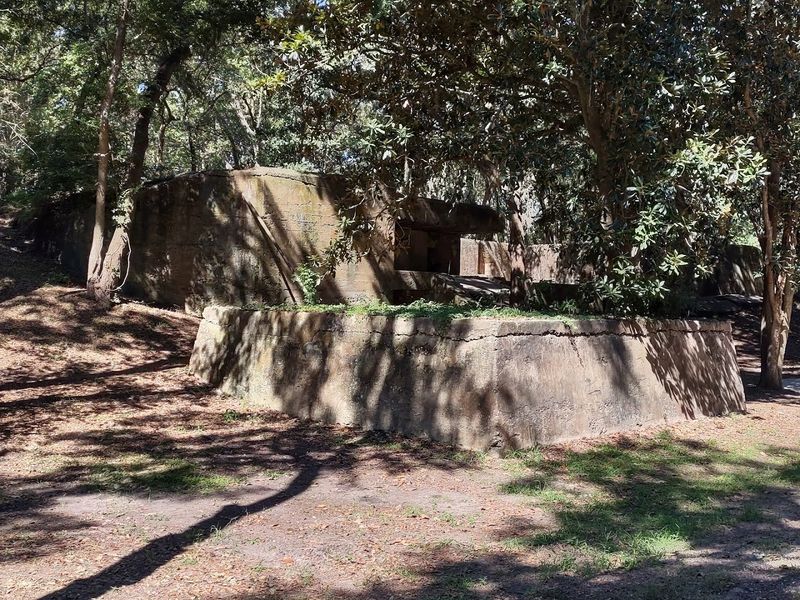
Honestly, I did not expect a picnic area this good at a free historic site, but Fort Fremont delivers in a way that caught me off guard. The grounds include a large, well-maintained picnic space with tables set beneath mature trees that provide genuine shade, which is not a small thing when you are visiting in the South Carolina heat.
One reviewer called it one of the best picnic areas they had ever visited, and after spending a lunch hour there myself, I am not going to argue. The space is clean, spacious, and peaceful enough that it feels less like a rest stop and more like a destination in its own right.
A newer gazebo has been added to the grounds, along with paved paths that improve accessibility for visitors who might find uneven terrain challenging. Bringing a packed lunch and spending the full 7 AM to 7 PM window here is completely reasonable, especially if your group includes both history fans and kids who just want somewhere pleasant to run around.
Sunset Views Over Port Royal Sound
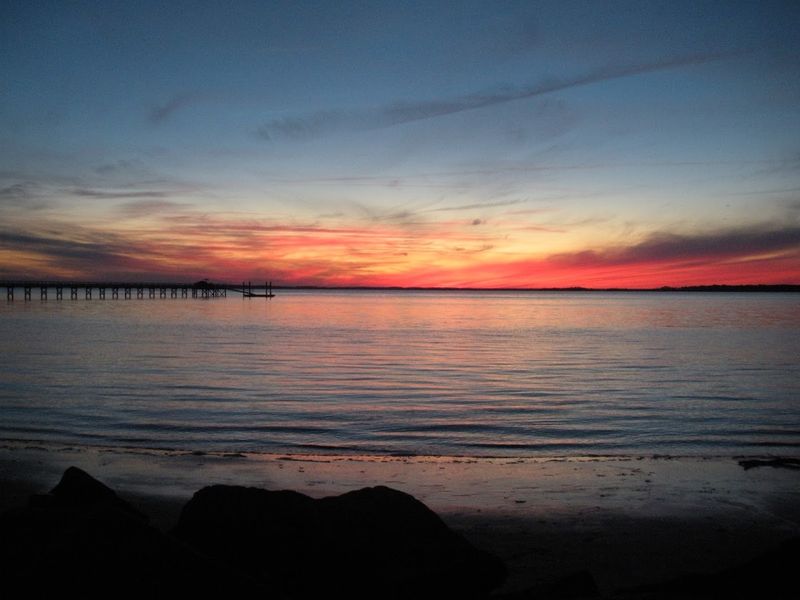
Timing a visit to catch the sunset at Fort Fremont is one of those travel decisions that sounds a little extra until you are actually standing there watching it happen. Port Royal Sound catches the fading light in a way that turns the whole scene golden, with the old concrete fortifications silhouetted against a sky that shifts from orange to deep pink.
I arrived about an hour before sunset on one visit, which gave me time to explore the ramparts and settle into a good viewing spot before the show started. The drive to the preserve during golden hour is beautiful on its own, winding through the South Carolina Lowcountry landscape in a way that feels like the destination is building suspense on purpose.
Fort Fremont faces Port Royal Sound directly, so the sightlines are unobstructed and wide. Bringing a camera is strongly encouraged, though fair warning: the real thing looks considerably better than any photograph you will manage to take, no matter how good your equipment is.
A Teaching Moment That Actually Sticks With Kids
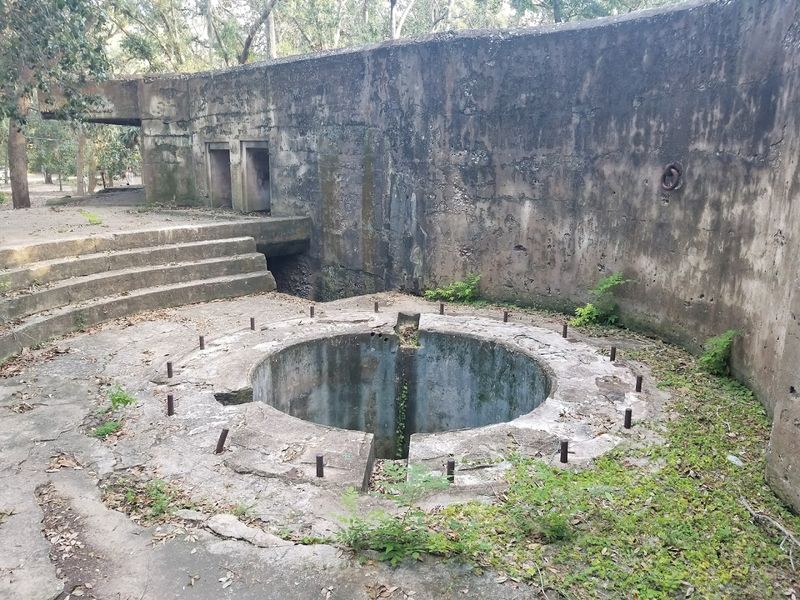
Taking kids to a history site and actually keeping their attention is a challenge that Fort Fremont handles better than most. The combination of things to climb, a beach to explore, and a real fort to wander through creates the kind of multi-sensory experience that makes historical facts actually stick in young minds.
Several families I spoke with during my visit mentioned that their children came away genuinely curious about the Spanish-American War, asking follow-up questions long after they had driven away. The informative displays placed throughout the preserve are written clearly enough for younger readers to engage with, which is a thoughtful touch that not every historic site bothers to include.
One parent described the visit as a great opportunity to teach local history while kids had fun playing and exploring, and that captures the balance perfectly. Fort Fremont does not lecture, it invites, and that difference is what turns a casual afternoon outing into a memory that kids actually want to talk about later.
Practical Tips For Getting The Most Out Of Your Visit
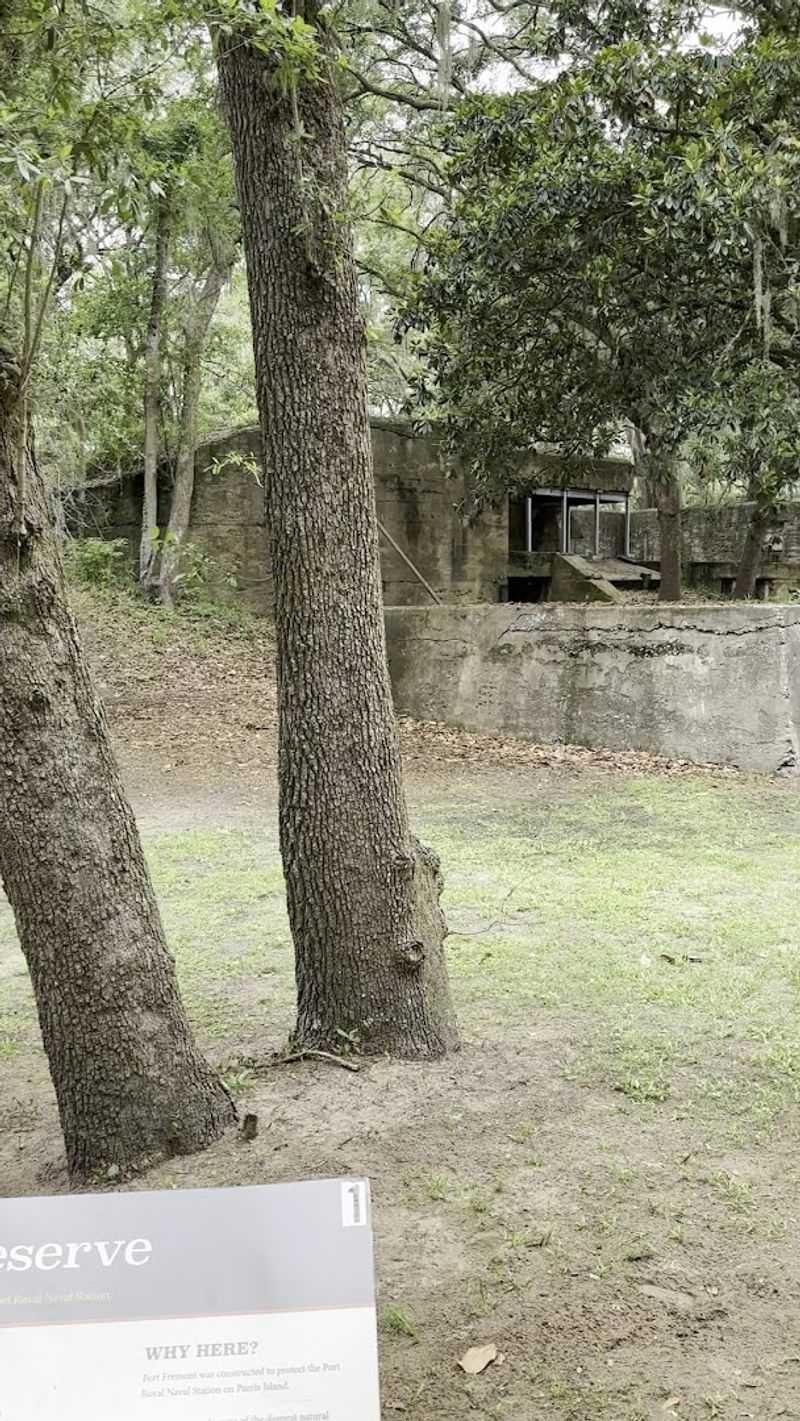
A few practical details can make the difference between a smooth visit and a frustrating one at Fort Fremont. The preserve sits at 1124 Lands End Rd, St Helena Island, SC 29920, and the drive out to Lands End Road winds through some genuinely beautiful Lowcountry scenery, so build in a little extra travel time to enjoy the approach.
Wear closed-toe shoes with solid grip, especially if you plan to climb the ramparts, because leaf-covered concrete surfaces can be deceptively slick. The grounds are open daily from 7 AM to 7 PM, and visiting on a Thursday, Friday, or Saturday between 1 PM and 4 PM gives you access to the interpretive center and its knowledgeable staff.
Parking is free and plentiful, bathrooms are clean and available every day, and the whole experience costs nothing at the gate. Checking the website at fortfremont.org before you go is a smart move for confirming tour schedules and any seasonal updates that might affect your plans.