
This Haunted Washington Forest Hike Leads Through Eerie Mountain Tunnels
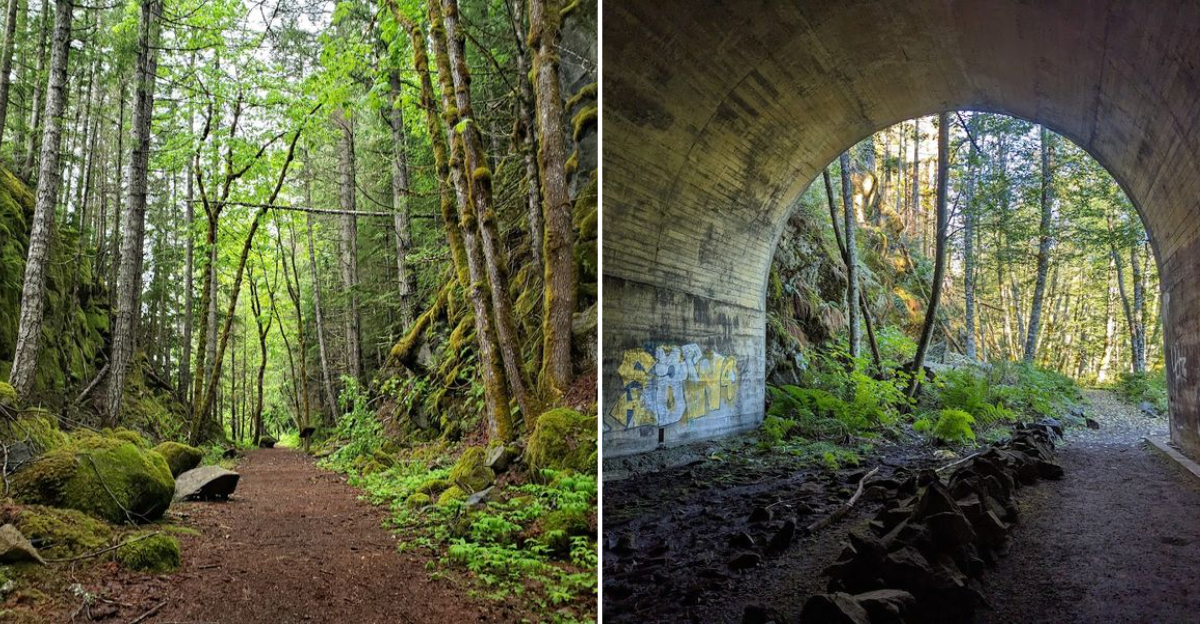
Exploring miles of abandoned railway history sounds like a delightful Saturday activity until you find yourself swallowed by the absolute, bone-chilling darkness of a mountain tunnel.
Most trails offer chirping birds and sunlight, but this route prefers the company of moss-covered ruin and the lingering static of history.
Washington stands as a silent, stoic witness to the remnants of this treacherous pass, where the mountain itself seems to be slowly reclaiming the iron bones of a vanished era.
It is the kind of place where your imagination runs wild, fueled by the damp mist and the eerie absence of modern noise. I had heard stories about strange sounds echoing from old railroad tunnels and concrete snowsheds frozen in time, and I knew I had to experience it for myself.
Following the abandoned route of the Great Northern Railway, this trail blends rugged mountain scenery with a haunting piece of American history that most people have never heard of.
The Historic Great Northern Railway Route
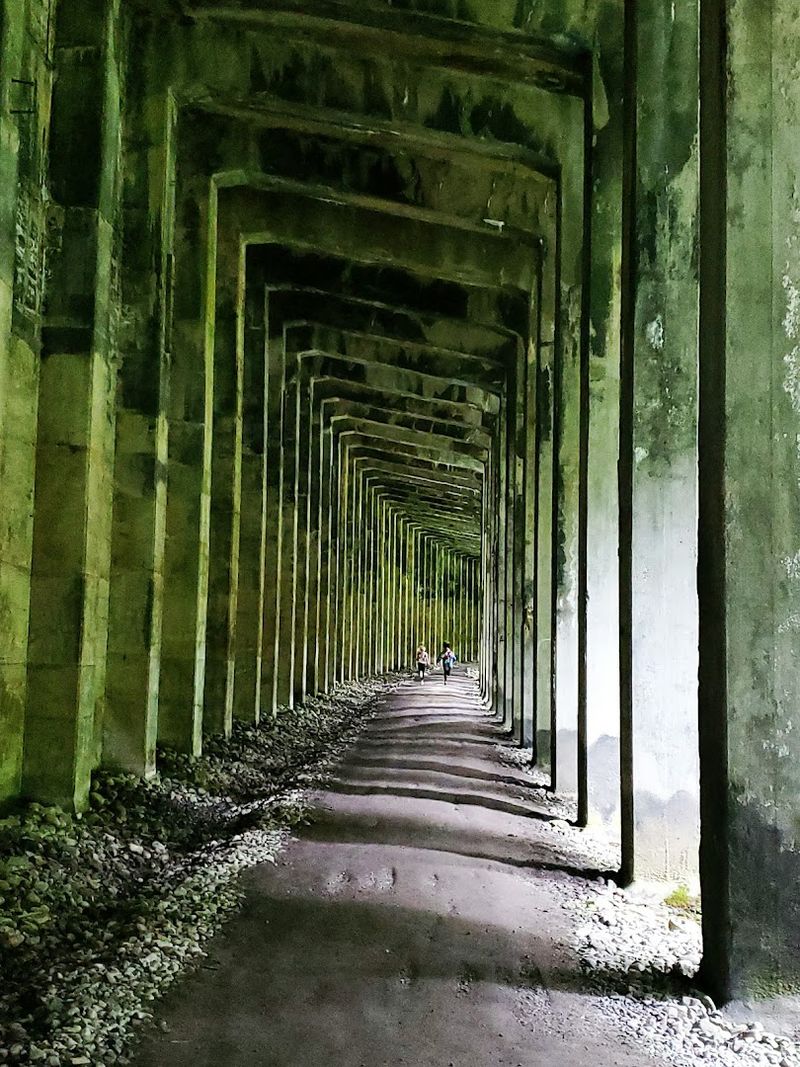
Back in 1893, the Great Northern Railway completed one of the most ambitious engineering projects in American history, carving a rail route directly through the rugged Cascade Mountains.
Walking the Iron Goat Trail today means following that very same roadbed, and the sense of scale is genuinely impressive. You can almost feel the weight of that era pressing down through the trees.
The railway’s original route included dramatic switchbacks and the 2.663-mile Cascade Tunnel, completed in 1900. These engineering solutions were considered remarkable for their time, allowing freight and passenger trains to cross terrain that seemed almost impossible to navigate. T
he trail takes its name from the mountain goat featured on the railway’s logo, which feels fitting given how high and wild this corridor feels.
By 1929, a new 8-mile Cascade Tunnel replaced the original route, and the old roadbed was simply left behind. BNSF still uses that newer tunnel today. Hiking here feels like walking through a living timeline of American railroad ambition.
That layered history gives the trail a strange power, where every mossy wall and dark tunnel opening feels like part of a story still echoing through the mountains.
Eerie Tunnels And Concrete Snowsheds
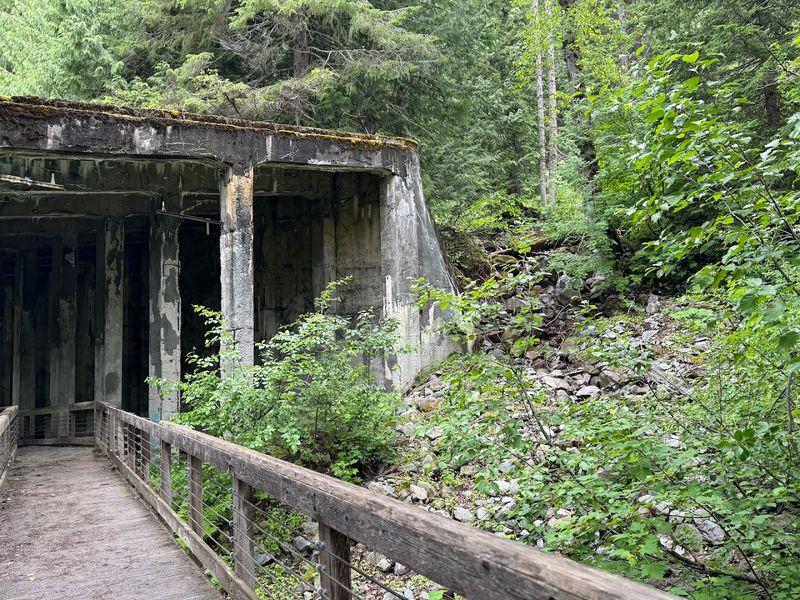
Nothing prepares you for the first moment you spot a concrete snowshed rising out of the forest like a forgotten relic.
These massive structures were built to shield passing trains from the devastating avalanches that regularly thundered down the Cascade slopes, and seeing them still standing after nearly a century is genuinely surreal. They look like something from a forgotten world.
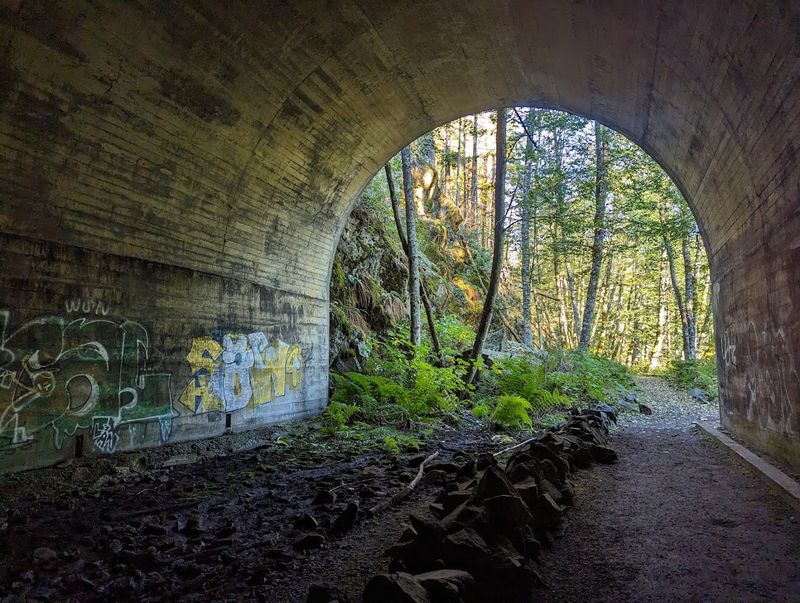
The tunnels along the trail are dark, dripping, and unmistakably atmospheric. Rangers and trail signs advise hikers not to enter them, since collapsing concrete and rotting timber make the interiors genuinely hazardous.
But standing at the entrance of one, peering into that cold blackness, is enough to make your pulse quicken without taking a single step inside.
Interpretive signs placed throughout the corridor explain the construction history and the engineering challenges workers faced in this unforgiving mountain environment.
Reading those signs while surrounded by crumbling concrete and towering firs makes the whole experience feel vivid and immediate. The snowsheds alone are worth the drive up here.
It is the rare trail feature that feels both fascinating and unsettling before you even read the history behind it.
The Devastating 1910 Wellington Avalanche
On the night of March 1, 1910, a catastrophic avalanche swept down the slopes above Wellington, Washington, pushing two fully loaded Great Northern trains into the Tye Creek Valley below.
The event claimed 96 lives and remains the most devastating avalanche in United States history. Standing at the site today, knowing what happened here, is a genuinely sobering experience that stays with you long after the hike ends.
The disaster unfolded after a brutal blizzard had trapped both a passenger train and a mail train at the Wellington station for several days. Crews worked tirelessly to clear the tracks, but the weather refused to cooperate. When the snow finally released, there was no warning and no time to react.
After the event, the town of Wellington was renamed Tye in an effort to distance the community from the association with the tragedy.
The trail now passes directly through this area, and interpretive markers help visitors understand the full scope of what occurred. History feels very close here. The quiet forest makes the story feel even heavier, because the landscape looks peaceful now despite everything it witnessed.
Paranormal Reports And The Trail’s Haunted Reputation
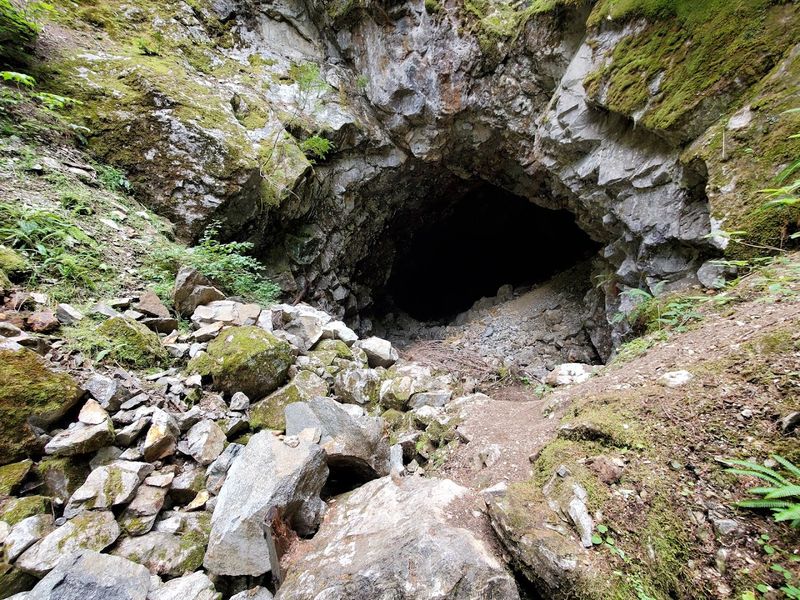
The Travel Channel ranked the Iron Goat Trail among the scariest haunted hiking trails in the entire country, and after walking it myself, I can see exactly why that reputation has stuck.
The combination of tragic history, decaying infrastructure, and dense forest creates an atmosphere that feels genuinely unsettling in the best possible way. You do not need to believe in the paranormal to feel something unusual here.
Hikers have reported a wide range of strange experiences along this trail over the years.
Phantom sounds echoing from tunnel entrances, unexplained feelings of being touched, sudden goosebumps on warm days, and shadowy figures glimpsed between the trees are among the most commonly shared accounts.
Some visitors say their hair stood on end near certain sections of the snowsheds. Whether you chalk these experiences up to an overactive imagination or something more unexplainable, the atmosphere absolutely encourages both possibilities.
The trail has a way of making you hyper-aware of every sound and shadow around you. That alertness alone makes for a memorable hike.
Trail Characteristics And Accessibility
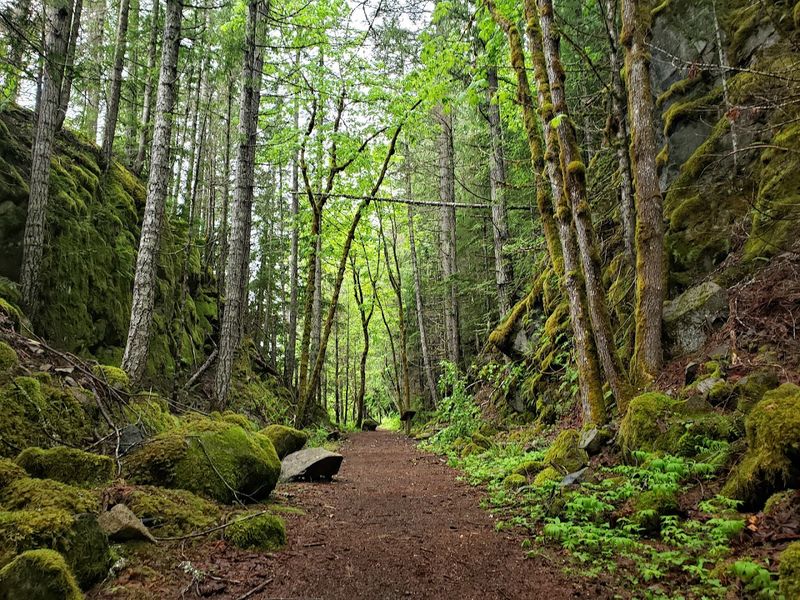
One of the most appealing things about this trail is how accessible it is for a wide range of hikers. The Iron Goat Trail stretches approximately 6 to 9 miles depending on the route you choose, and the terrain is largely flat to gently rolling since it follows an old railroad grade.
That means no brutal switchbacks or knee-punishing descents waiting for you. The trail officially opened to the public on October 2, 1993, following years of volunteer work alongside the U.S. Forest Service.
Several sections are ADA accessible, which is a rare and thoughtful feature for a wilderness trail of this character. Families with younger kids, older hikers, and those with mobility considerations can all find sections that suit their needs comfortably.
Multiple trailheads provide different entry points, including the Martin Creek Trailhead, the Wellington Trailhead, and the Iron Goat Interpretive Site near Scenic.
A Northwest Forest Pass or equivalent national lands pass is required for parking. Arriving early on weekends is a smart move since parking fills up quickly during peak season.
Scenery, Wildlife, And The Mountain Setting
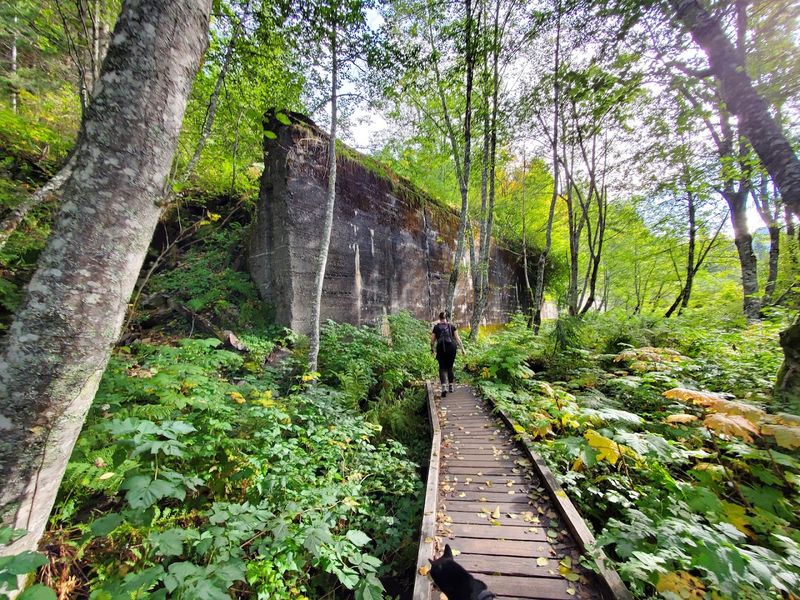
Forget for a moment the tunnels and the history, because the raw scenery on this trail is stunning enough to justify the trip entirely on its own.
The Iron Goat Trail winds through classic Pacific Northwest old-growth forest, where towering Douglas firs and western red cedars create a canopy so thick it filters the light into soft, green-tinged beams. On a clear day, mountain peaks frame the horizon beautifully.
Wildflowers bloom along the trail edges in late spring and early summer, adding bursts of color against the deep forest greens.
Black-tailed deer are commonly spotted in the early morning hours, and bird activity is constant throughout the day. The soundscape here is rich and layered, mixing birdsong with the distant rush of Tye Creek far below.
Located about an hour east of Seattle and northwest of Leavenworth, the trail sits at an elevation where the air carries a crisp, clean quality that feels noticeably different from the city. That freshness alone has a way of resetting your entire mood within the first mile of walking.
Planning Your Visit And What To Bring
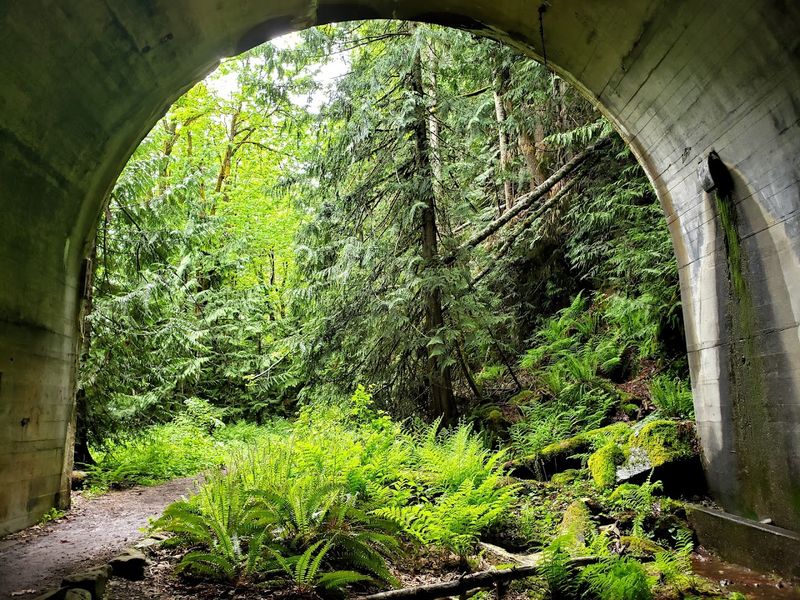
Getting the most out of this trail comes down to a little preparation, and the payoff for that effort is enormous. The trailhead is located near Stevens Pass on US Highway 2, roughly an hour’s drive east of Seattle.
Plugging in the Iron Goat Interpretive Site near Scenic, Washington, will get you to one of the most popular and well-marked access points without any confusion.
Bring layers regardless of the season, because the forest holds moisture and temperatures can shift quickly at this elevation.
A headlamp is genuinely useful for peering into tunnel entrances from a safe distance, and good waterproof footwear will keep your feet comfortable on the often-damp trail surface. Trekking poles are a nice addition for any uneven sections near the snowsheds.
Fall is a particularly rewarding time to visit, when the foliage adds warm color to the green forest and the crowds thin out noticeably. The haunted atmosphere also feels more pronounced on overcast autumn days, when mist drifts through the trees and the tunnels look even darker than usual.
Pack a snack, take your time, and enjoy every strange and wonderful moment of it.