
This Haunting Mississippi Ruin Looks Like The Last Scene Of A Forgotten Southern Mansion
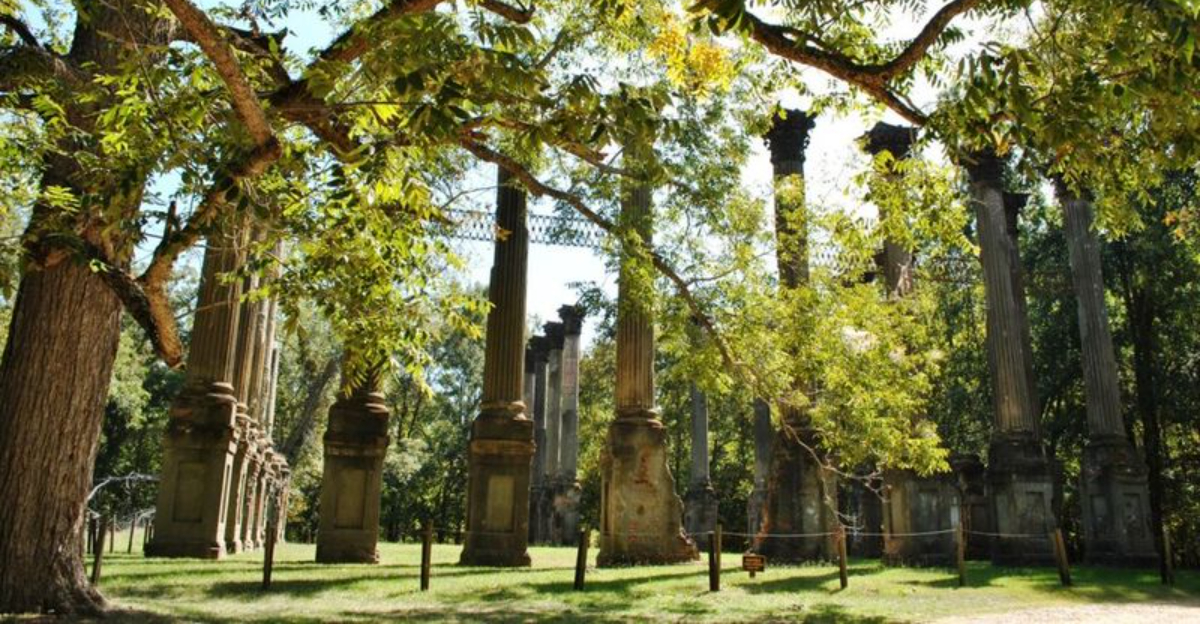
Have you ever stumbled upon a place that feels less like history and more like a memory that refuses to fade? Deep in the quiet landscapes of Mississippi, these ruins rise from the earth like a ghost that never learned how to leave.
Twenty-something towering columns stand in silence, as if they are still holding up a mansion that time forgot to finish erasing. When you first see them, you might think you’re looking at the final frame of a forgotten Southern story.
Paused forever at the moment everything changed. No walls. No roof.
Just stone and sky, locked in an eerie conversation. And if you listen closely enough, the wind moving through those columns almost feels like it’s telling you what the house once was… and what it lost.
The Columns That Refused To Fall
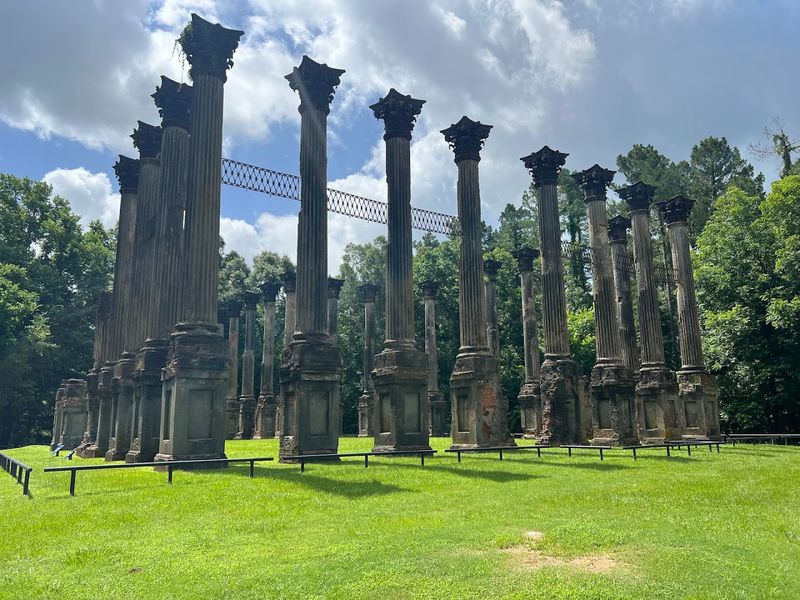
Some things are just built to last, and these columns are proof of that. Twenty-three towering Corinthian columns still stand at Windsor Ruins, each reaching 45 feet into the Mississippi sky like stone fingers refusing to let go of the past.
Originally, the mansion featured 29 of these fluted columns. The ones that survived the fire of 1890 are nothing short of architectural marvels.
Each column was crafted with incredible detail, featuring ornate carved capitals that still show their artistry today.
What makes them even more impressive is the sheer scale. Standing next to one of these columns puts everything into perspective fast.
They are massive, commanding, and somehow still elegant after all these decades.
The columns were built using both skilled craftsmen from New England and enslaved labor, a complicated history that gives this site real emotional weight.
Cast-iron railings still connect some of the columns near their tops, swaying gently in the breeze like a whisper from another century.
Photographers absolutely lose their minds here, and honestly, that tracks. Every angle offers something new.
The columns are the kind of subject that rewards patience and creativity in equal measure.
A Mansion Built For The Ages
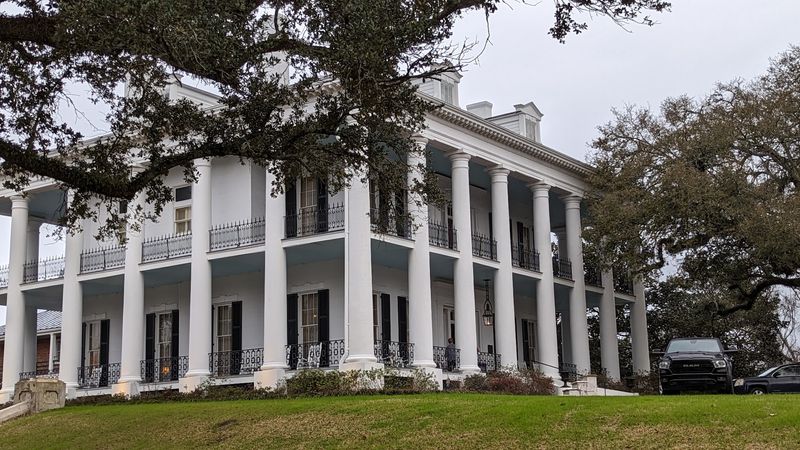
Before the fire, Windsor was not just a house. It was a statement.
Located along Rodney Road, Port Gibson, MS 39150, the mansion rose four stories tall and contained 25 rooms, each equipped with its own fireplace.
Built between 1859 and 1861 for cotton planter Smith Coffee Daniell II, the mansion blended Greek Revival, Italianate, and Gothic architectural styles into one jaw-dropping structure.
Maryland architect David Shroder designed the whole thing, and clearly, he was not thinking small.
What really sets this place apart from typical plantation homes of the era is the forward-thinking design. The mansion had interior bathrooms with running water, fed by a tank stored in the attic.
A rooftop observatory gave sweeping views of the surrounding Mississippi River landscape.
Imagine standing on that rooftop in the 1860s, looking out over cotton fields stretching to the horizon. The mansion was essentially the skyscraper of its time in this region.
Construction cost an estimated $175,000, which translates to millions today. Every detail was intentional, every room purposeful.
Windsor was built to impress, and even in ruins, it absolutely still does.
The Civil War Chapter Nobody Expected
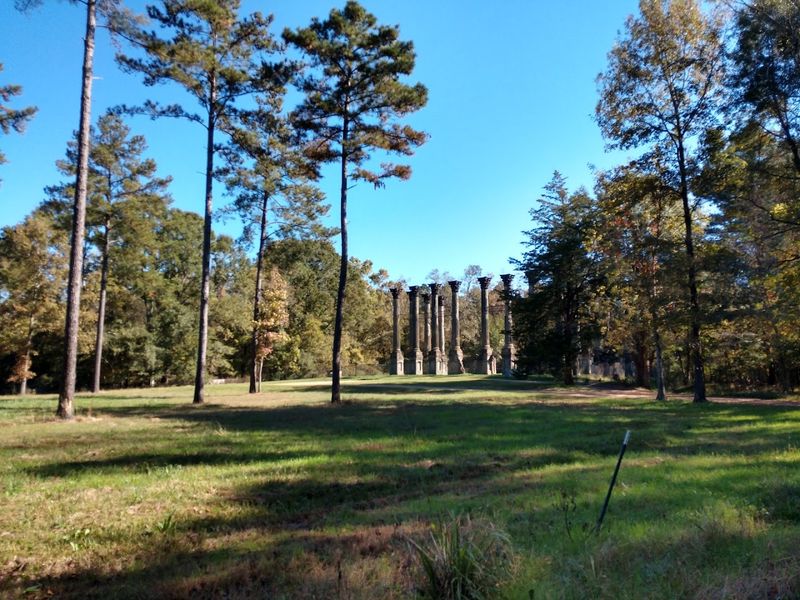
History has a way of turning ordinary places into extraordinary ones, and Windsor Mansion experienced that transformation dramatically during the Civil War. Confederate soldiers used the rooftop observatory to monitor Union troop movements along the Mississippi River.
The mansion’s elevated position made it a perfect lookout point. From that rooftop, soldiers could track activity on the water far below, making Windsor a strategic asset during a turbulent and uncertain time in American history.
Then came the Battle of Port Gibson in May 1863. Union forces gained control of the area, and the mansion shifted roles almost overnight.
The basement became a temporary field hospital for Union soldiers following the battle.
What is remarkable is that Windsor survived the war largely intact. Many grand Southern homes were not so fortunate during this period.
Windsor stood through it all, hosting both sides of the conflict under its roof at different moments.
That dual history gives the ruins a layered emotional quality that is hard to describe but easy to feel. You are standing on ground that witnessed some of the most defining moments in American history, and that awareness settles on you like a warm, heavy coat.
The Night Everything Changed
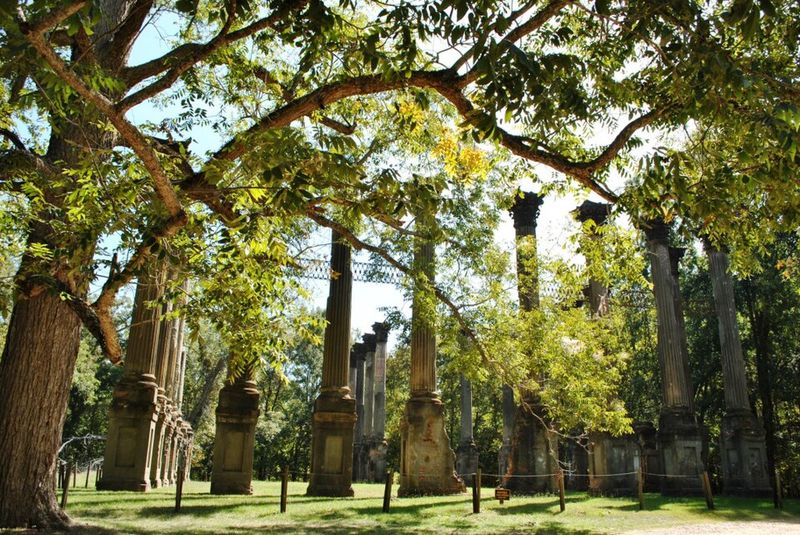
February 17, 1890, is the date that changed Windsor forever. A lit cigar, carelessly dropped into construction debris on the third floor, started a fire that consumed nearly the entire mansion within hours.
The blaze was catastrophic.
Twenty-five rooms, a rooftop observatory, decades of history, all reduced to ash and rubble in a single night. What remained standing were the 23 Corinthian columns, portions of cast-iron stairways, and decorative balustrades.
There is something poetic and heartbreaking about that image. The very bones of the structure survived while everything else vanished.
The columns stood like silent sentinels over the wreckage, watching the smoke rise into the Mississippi night sky.
The fire was accidental, which somehow makes it feel even more tragic. There was no battle, no intentional act.
Just one careless moment that erased one of the grandest homes in the entire state.
Over 130 years later, those columns are still standing. They outlasted the fire, outlasted the decades of weathering, and continue to outlast expectations.
Windsor Ruins is proof that some things refuse to be erased, no matter how hard time tries.
Hollywood Came Knocking At These Columns
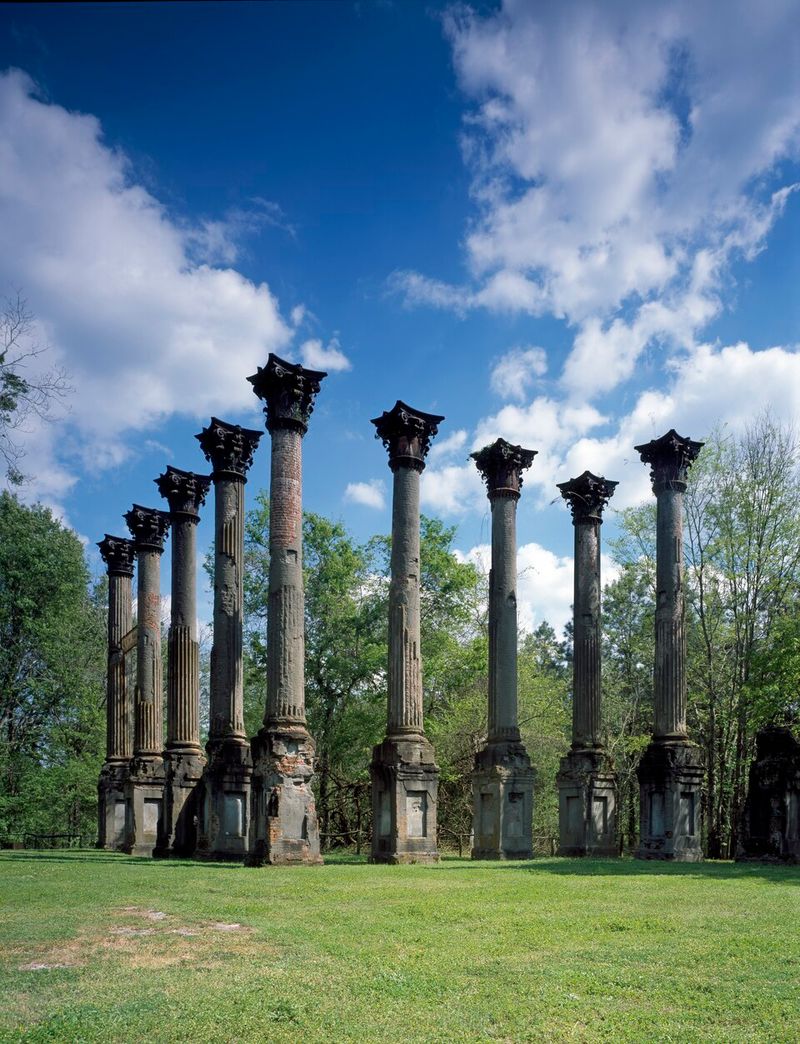
When filmmakers want to capture the haunting beauty of the Old South without building a set from scratch, they come to Windsor Ruins. And honestly, who can blame them?
The site has appeared in two notable films. The 1957 classic Raintree County, starring Elizabeth Taylor and Montgomery Clift, used Windsor’s columns as a backdrop.
Then in 1996, the film Ghosts of Mississippi brought cameras back to this atmospheric location.
There is a reason filmmakers keep returning. No amount of set design can replicate what nature and time have created here.
The columns draped in Spanish moss, the open sky overhead, the quiet isolation of the surrounding Mississippi landscape, it is cinematic without even trying.
Standing among these ruins, you can almost hear a director calling action. The light shifts in extraordinary ways throughout the day, casting long shadows between the columns in the morning and bathing everything in golden warmth at sunset.
Windsor Ruins is the kind of place that makes you feel like you have walked onto a movie set. Except this one is real, rooted in actual history, and far more compelling than anything a screenplay could fully capture.
Preservation Meets Progress At Windsor
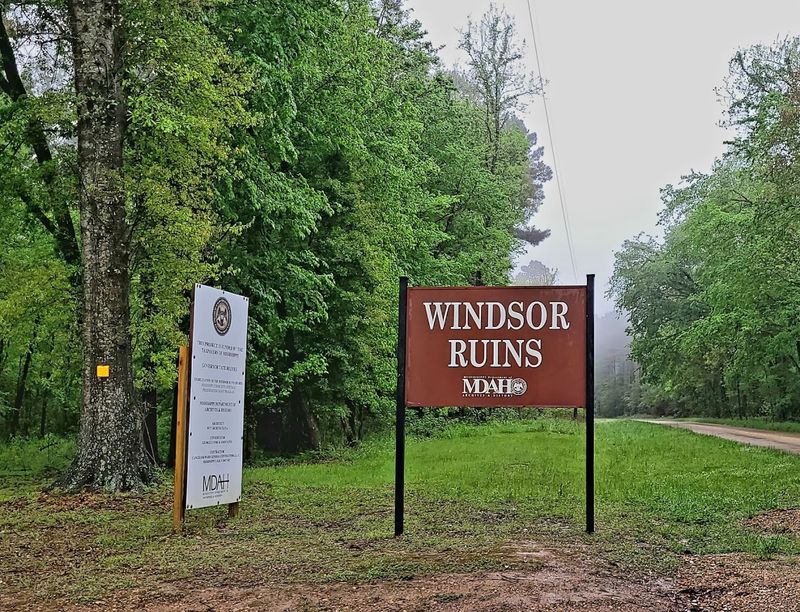
Keeping 160-year-old columns standing is not exactly a simple weekend project. The Mississippi Department of Archives and History has been working hard to make sure Windsor Ruins sticks around for future generations to experience.
A major stabilization project completed between 2023 and 2024 included masonry and stucco repairs on the columns themselves. The project also added an ADA-accessible walking trail, making the site more welcoming for visitors of all abilities.
This kind of preservation work matters more than most people realize. Without ongoing care, even the most resilient structures eventually surrender to weather, moisture, and time.
The fact that these columns have lasted this long is already a minor miracle.
Windsor Ruins was added to the National Register of Historic Places in 1971 and designated a Mississippi Landmark in 1985. Those recognitions helped secure resources and attention for the site over the decades.
The new walking trail wraps around the ruins and gives visitors a clear, safe path to take in the full scope of the site. It is a thoughtful addition that respects both the history of the place and the comfort of the people who come to experience it.
Progress and preservation working hand in hand.
Photography Heaven Hidden In Plain Sight
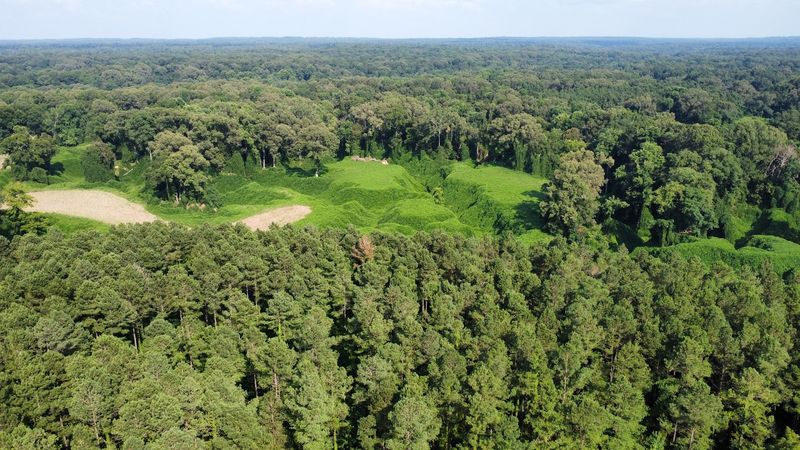
Some places look better in photographs than they do in person. Windsor Ruins is the complete opposite.
Photos simply cannot capture the full scale of what you experience when you are actually standing there.
That said, the photography here is absolutely extraordinary.
The columns create natural frames for compositions. Light filters through the ironwork near the tops of the columns in ways that feel almost designed by a cinematographer.
Golden hour here is something else entirely. When the sun gets low in the sky, the warm light catches the weathered stone and turns everything amber and gold.
Long shadows stretch between the columns, and the whole scene takes on a painterly quality.
Early morning visits offer a different kind of magic. Mist sometimes hangs between the columns, softening everything and giving the ruins an almost dreamlike quality.
Bring a wide-angle lens if you have one, because you will want to capture the full sweep of all 23 columns at once.
The surrounding trees and open Mississippi sky add incredible depth to any shot. Whether you are shooting on a professional camera or just a phone, Windsor Ruins delivers images that will stop people mid-scroll.
That is a rare and valuable thing in today’s world.
The Staircase That Walked Away
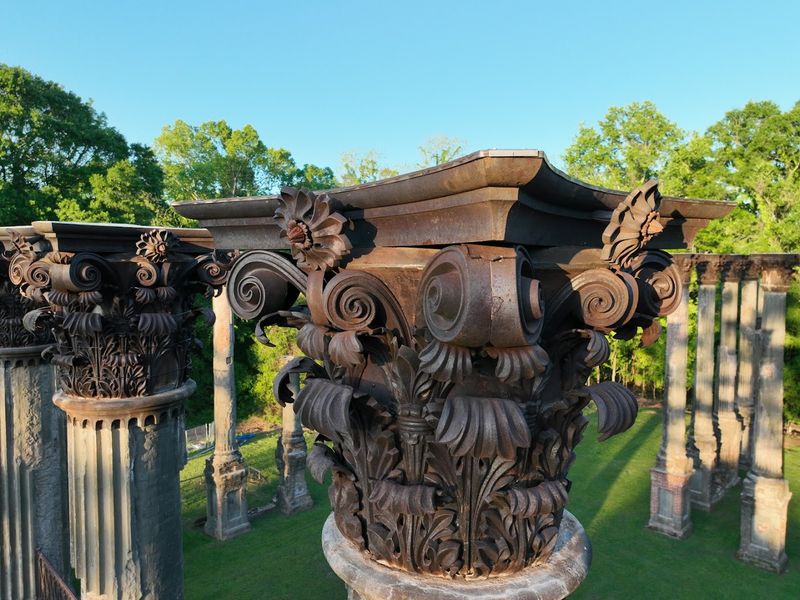
Not everything from Windsor stayed at Windsor. One of the most fascinating footnotes in this story involves a cast-iron staircase that now lives an entirely different life just a few miles away.
After the fire, one of the original cast-iron stairways from the mansion was relocated to Alcorn State University.
Today, it serves as the grand entrance to Oakland Memorial Chapel on campus, still as elegant and detailed as ever.
It is a surprising and wonderful twist. A piece of Windsor’s interior survived not by staying in place, but by being given a new purpose.
The staircase now greets students and visitors at a historically significant university, connecting two very different chapters of Mississippi history.
Alcorn State University, founded in 1871, holds its own remarkable place in American history as the first public historically Black university in the United States. The staircase now stands at the intersection of two powerful legacies.
If you are planning a visit to Windsor Ruins, adding a quick detour to see that staircase at Alcorn is absolutely worth the extra few minutes. It completes the story in a way that no history book quite manages to.
Some artifacts carry stories in their ironwork.
Planning Your Visit To This Mississippi Gem
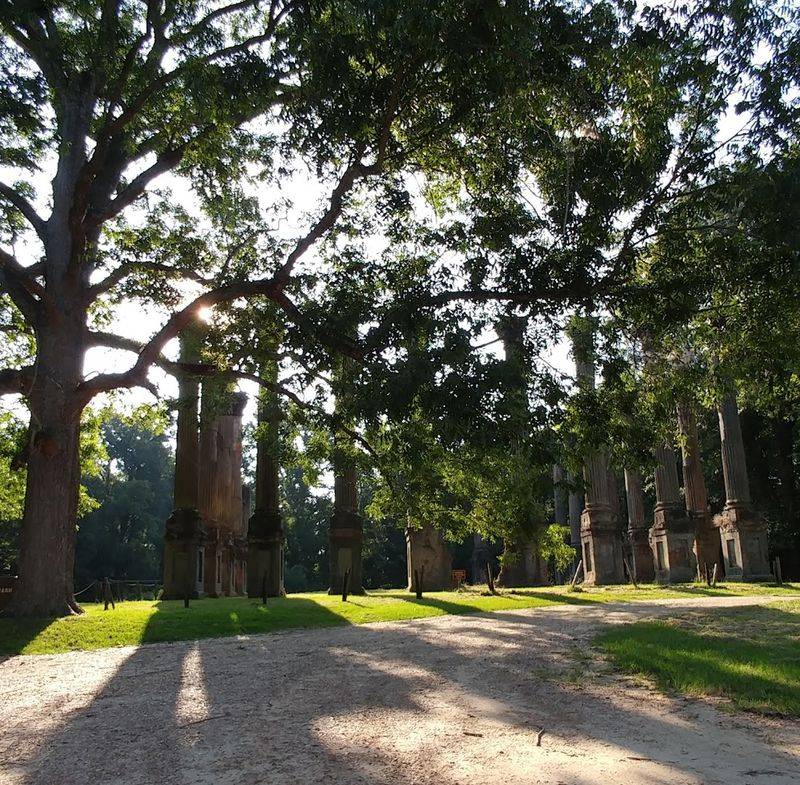
Getting to Windsor Ruins requires a bit of a drive down winding Mississippi back roads, and that journey is honestly part of the experience. The site sits roughly 10 miles southwest of Port Gibson, near Alcorn State University in Claiborne County.
The site is open daily from 8 AM to 7:30 PM, and admission is completely free. There are no gift shops, no ticket booths, no crowds jostling for position.
Just you, the columns, and the quiet hum of the Mississippi countryside around you.
A few practical tips before you go: wear comfortable shoes because the walking trail is gravel. Bring bug spray if you plan to linger, especially during warmer months.
The roads to the site can be affected by flooding after heavy rain, so check conditions before heading out.
Informational plaques are posted around the site to give context and historical background. Reading them before or during your visit adds a lot to the experience.
Plan for at least 30 to 45 minutes to really soak it all in properly.
Windsor Ruins is one of those places that rewards curiosity and punishes rushing. Take your time, look closely at the column details, and let the scale of what you are standing near fully sink in.
Have you ever visited a place that genuinely stopped you in your tracks?