
This Hidden Ann Arbor Alley In Michigan Is Covered In Ever-Changing Murals Where No Visits Look The Same
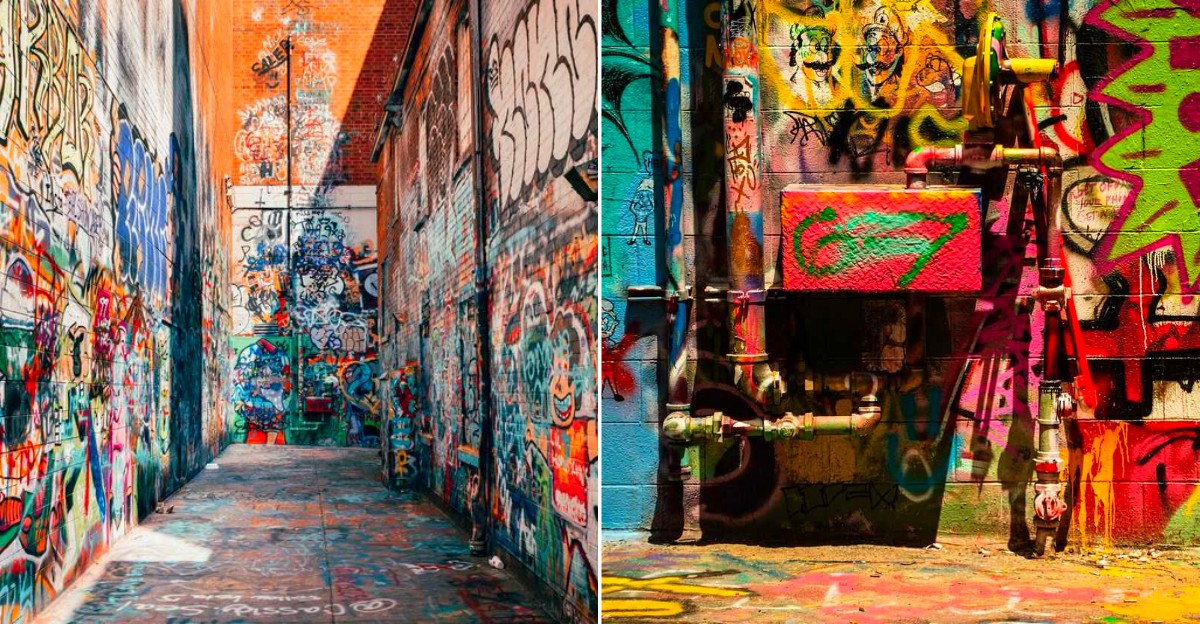
Brick walls stretch longer than a city block, every surface claimed by artists who paint over each other with the understanding that nothing here is permanent. Doors, dumpsters, mailboxes, plus the pavement itself carry color that shifts depending on the hour, the angle, plus the weather.
The alley functions as a gallery that never charges admission plus never bothers with a permanent collection. Pieces appear overnight, dominate a wall for a week, plus vanish under a new layer before the original artist returns for a second look.
Photographers arrive at dawn to catch the light. Tourists wander through at noon. Locals pass through on their way somewhere else without slowing down because the alley is just part of the neighborhood now.
Collaboration replaces competition here. No visit to this alley looks the same because the murals change faster than anyone can photograph them in Michigan.
Know What Lies Beneath
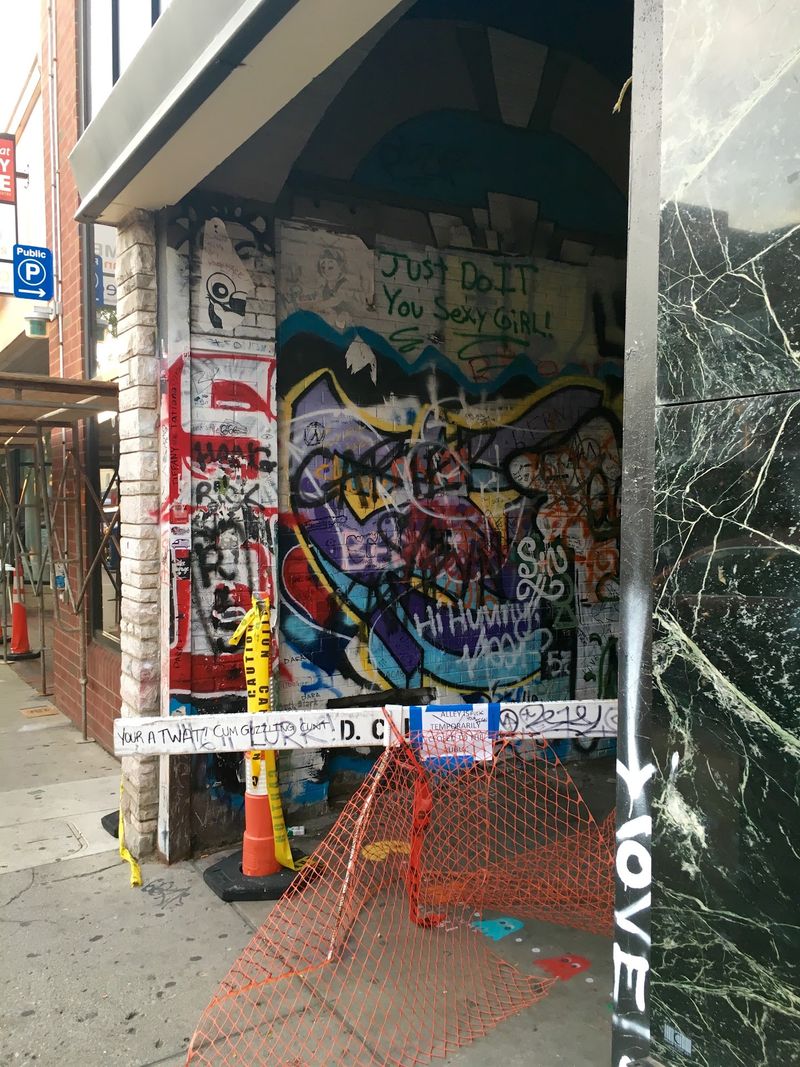
Bright paint now crowds nearly every reachable surface, but the passage has a more formal chapter underneath. In 1999, artist Katherine Cost was commissioned to create Infinite Possibilities, a mural covering more than 5,000 square feet with columns, archways, and flowers.
Local graffiti soon appeared over the finished work, beginning the layering that defines the alley today. Knowing that story changes how the walls read: polished design and unsanctioned expression are not separate exhibits, but overlapping moments.
Search for curved forms, floral traces, or architectural shapes beneath newer paint. You may not identify the original mural, yet its buried presence explains why the place feels less like one artwork and more like a colorful conversation conducted across decades downtown.
Find The Tucked-Away Entrance
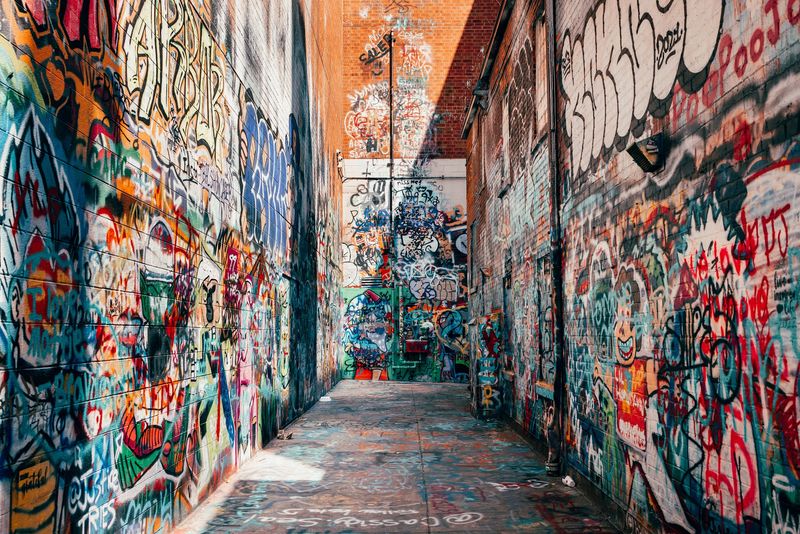
Graffiti Alley opens off East Liberty Street in downtown Ann Arbor, Michigan, right beside 521 E Liberty Street. East Liberty is the street to aim for, with the alley tucked into the busy downtown block rather than marked by its own separate address.
The easiest clue is the sudden wall of color between the storefronts. Once you reach the 500 block of East Liberty, the narrow passage beside Taste Kitchen gives itself away quickly, with layers of paint running deep into the alley instead of stopping at the sidewalk.
There is no dedicated Graffiti Alley parking area, so park in legal downtown street parking or a nearby public garage and finish the trip on foot. Once you reach East Liberty, the alley entrance is right at sidewalk level beside the restaurant.
Expect A Different Scene Every Time
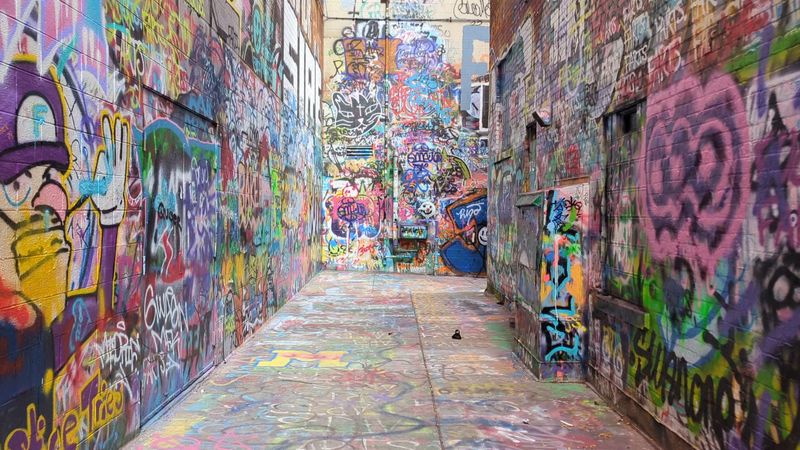
Fresh color can arrive before yesterday’s photograph has even left your phone. Artists paint over earlier names, pictures, and messages, so the alley works like a notebook where nobody tears out the old pages; they simply write across them.
That constant change is the main reason to return. A bold character seen in spring may become a background patch by summer, while a small stencil might survive through several visits.
Photographing one wall straight-on creates a useful record of its temporary state.
Avoid judging the passage as though it were a finished gallery. Instead, notice edges where older colors peek through and letters merge unexpectedly.
The most interesting part is often not a single image, but evidence that change happened.
Slow Down For Tiny Details
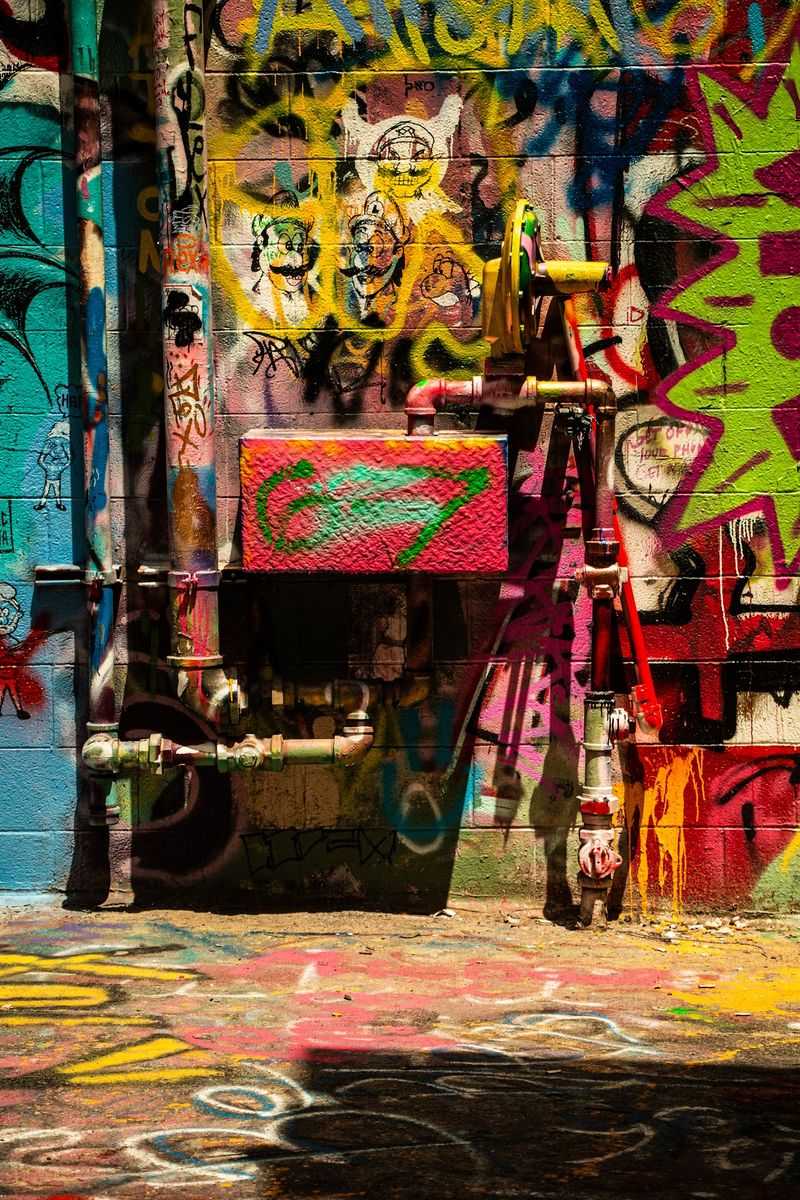
At first glance, the walls shout all at once. Step closer, however, and the noise separates into cartoon faces, abstract shapes, quick tags, careful stencils, short poems, and comments about public life.
Choose one square yard and study it before moving onward. Look at brick seams, pipes, doorframes, and high ledges where paint bends around the alley’s working architecture.
Small marks partly hidden under newer coats can be more revealing than the largest piece.
I like to walk through once for the broad view, then return slowly along the opposite side. That simple second pass changes the whole experience without requiring extra planning.
Give your eyes time to adjust; layered art rewards patience better than a hurried camera sweep does.
Give Working Artists Room
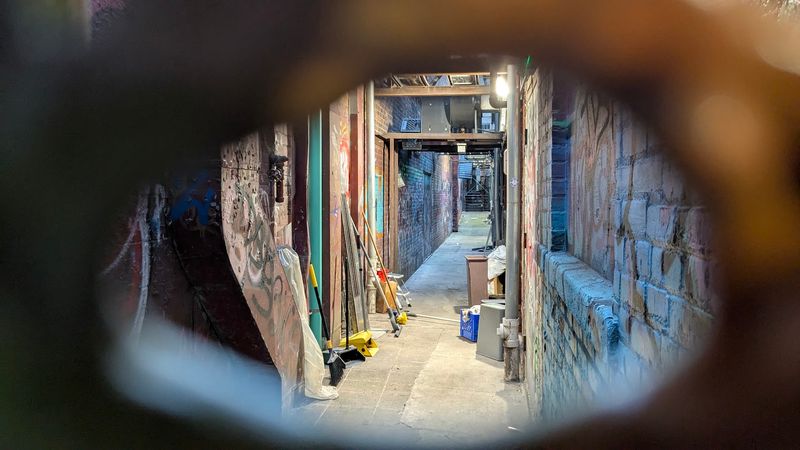
Someone may be painting while you visit, turning a quiet stop into an unexpected live demonstration. Keep enough distance for the artist to move safely, and never touch wet paint or block the narrow route while watching.
Graffiti Alley welcomes visual curiosity, but basic street manners still apply. Ask before photographing a recognizable person at work, keep bags close to your body, and let pedestrians pass.
The passage belongs to daily downtown movement as much as it serves as an art destination.
If you plan to make art yourself, first confirm current local rules and property expectations rather than assuming every surface is available. Respectful behavior protects people, neighboring businesses, and the lively culture that makes a visit memorable anyway.
Photograph More Than One Angle
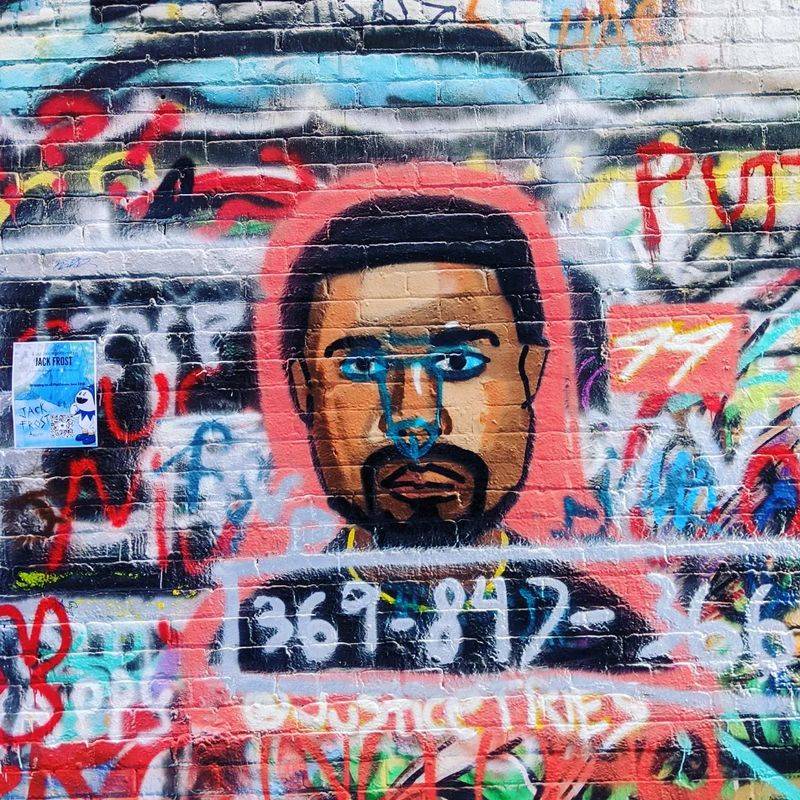
Your camera will find plenty to do here, especially where saturated paint meets rough brick and metal fixtures. For softer color and fewer harsh shadows, visit earlier in the day or when cloud cover turns the alley into a giant outdoor light box.
Take one wide image to show the narrow passage, then move closer for layers, drips, textures, and surprising color pairings. Portraits work well against bold sections, but stand clear of doorways and leave room for others to walk through.
Check the ground before stepping backward for a frame. A phone lens can capture results if you tap to expose for the brightest paint.
Most importantly, photograph what exists now; the same backdrop may vanish beneath tomorrow’s layer.
Choose Daylight For A First Visit
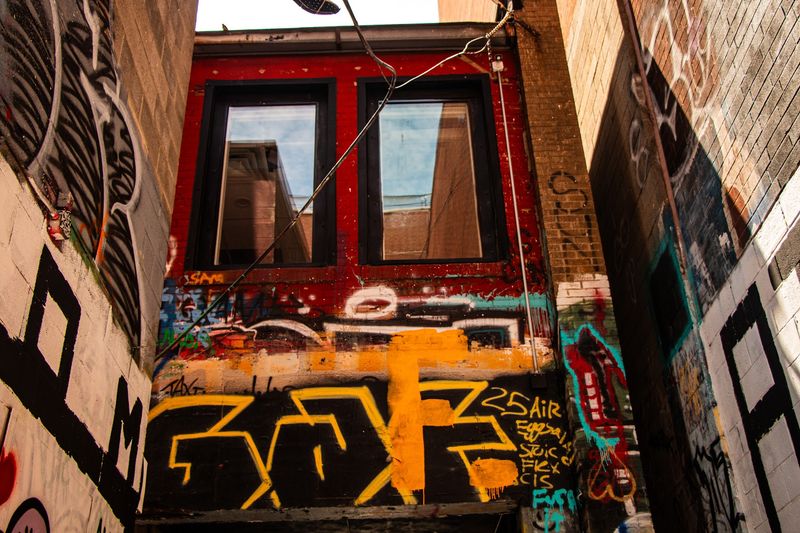
Night gives the paint a moodier edge, yet daylight is the smarter choice for a first visit. The colors are easier to read, photographs need less correction, and the alley’s uneven ground and everyday city clutter remain more visible.
Although the passage is listed as open around the clock, access does not remove the need for awareness. Go with a companion if the area feels unfamiliar, keep valuables secure, and stay attentive rather than staring only through a screen.
If anything feels uncomfortable, return to the busier sidewalk.
Rain or snow can make footing slick, while fresh paint may mark clothing. Sensible shoes, a charged phone, and a quick weather check keep the outing easy without draining its spontaneous charm.
Read The Messages Before Posing
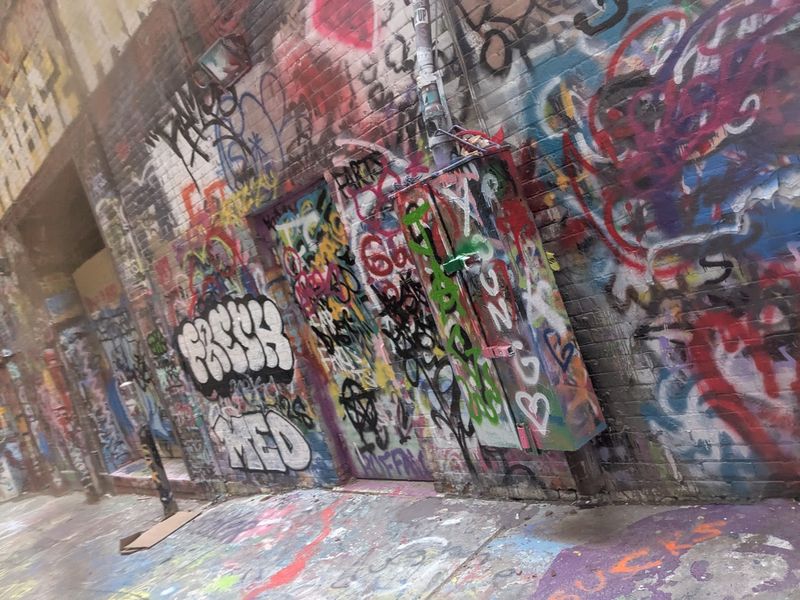
Not every mark aims to be pretty, and that tension gives the alley much of its force. Alongside jokes, names, and playful figures, visitors may find political statements, memorials, or lines of poetry responding to events beyond downtown.
In 2020, a nearly fourteen-foot-tall black-and-white mural honored Black Lives Matter activists and included names such as George Floyd and Breonna Taylor. Later layers may alter major works, which makes dated photographs valuable records of community feeling.
Read thoughtfully before posing in front of a message. Context can turn a colorful background into something solemn, personal, or urgent.
The alley is playful one minute and serious the next, a shift that deserves attention rather than a quick decorative glance from passing visitors.
Let The Weather Change The View
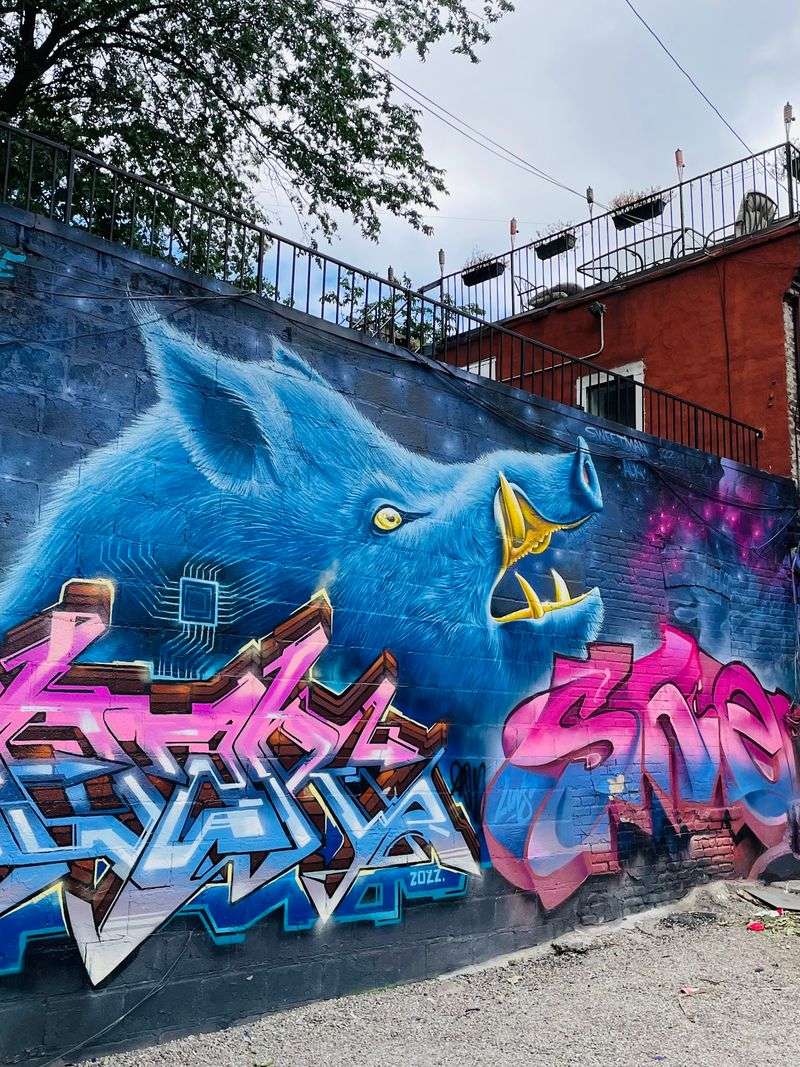
Michigan weather edits the alley almost as boldly as painters do. Summer brings longer light and more downtown foot traffic, while cold months can reveal stark color against gray skies, wet pavement, or snow.
Dress for an outdoor passage, not a climate-controlled gallery. After rain, reflections can double bright shapes in photographs, but puddles and slick patches demand slower steps.
Winter gloves help when holding a phone, and shoes with traction matter more than fashionable footwear.
Changes in daylight also reshape familiar walls. Visit at different times of year and compare the same corner in your pictures.
New paint may be the obvious difference, yet shadows, weather, and bare winter light quietly create another kind of changing exhibition outside.
Allow Time For A Second Pass
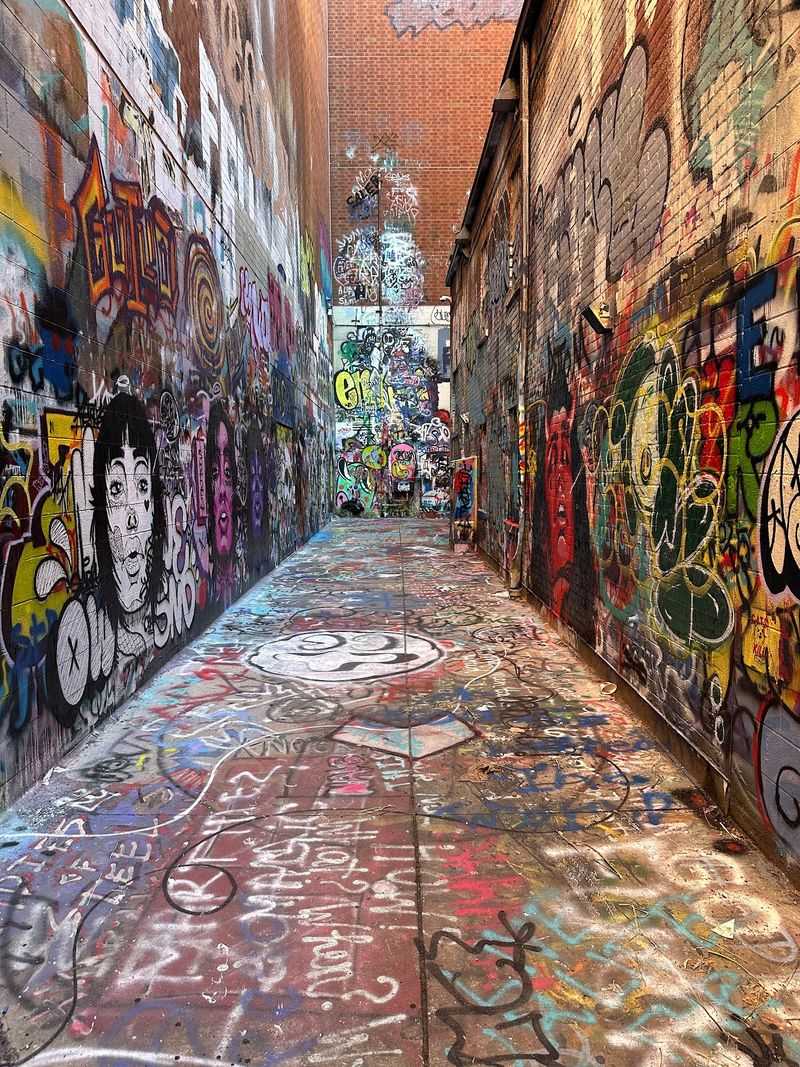
Ten minutes is enough for a quick walk-through, but twenty to thirty minutes gives the details room to breathe. The passage is not a huge museum, so its value comes from looking carefully rather than covering distance.
Build the stop into a downtown route near the Michigan Theater and East Liberty Street. Since admission is free and the alley is open twenty-four hours, there is no ticket window forcing your schedule.
Daylight remains the easiest time for seeing fine lines and taking clear pictures.
Leave a little margin if an artist is working or one wall grabs your attention. Rushing through turns a layered place into wallpaper.
A short pause on each side usually reveals something delightfully odd you missed.
Return With Your Old Photographs
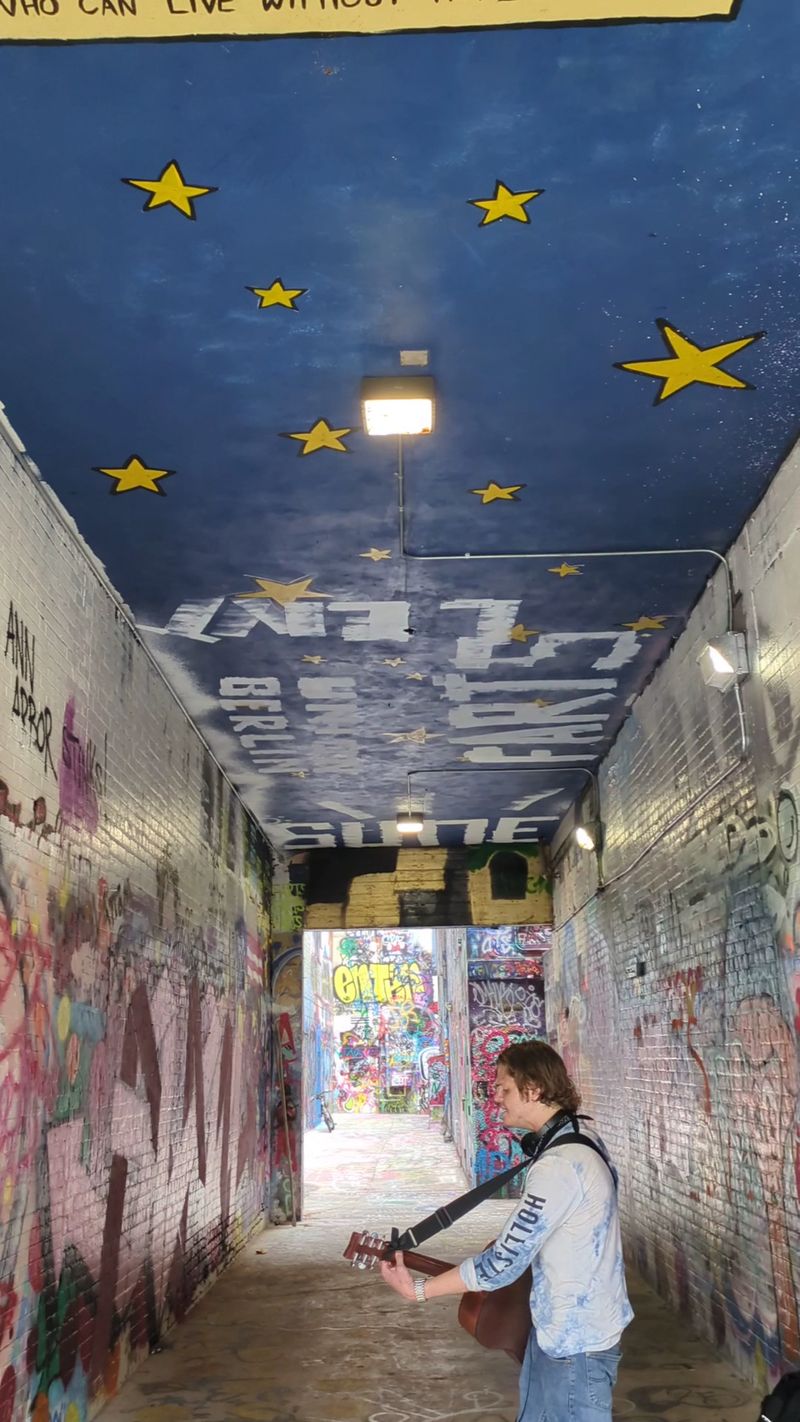
The best souvenir is a dated photograph that proves what the walls looked like on your visit. Save one wide view and one favorite detail, then return months later to frame those spots again.
Side-by-side images show how quickly a face disappears, a slogan gets interrupted, or an old color survives as a thin border. That comparison turns casual snapshots into a modest archive of Ann Arbor’s street culture.
Add the date and nearest entrance to your photo notes so the record stays useful.
Revisiting also prevents the common mistake of treating Graffiti Alley as a one-time checklist stop. Its identity depends on replacement, surprise, and partial memory.
Come back expecting change, not a replica, and the alley delivers beautifully.