
This Hidden Arizona Desert Park Turns Rock Spotting Into An Art-Filled Adventure
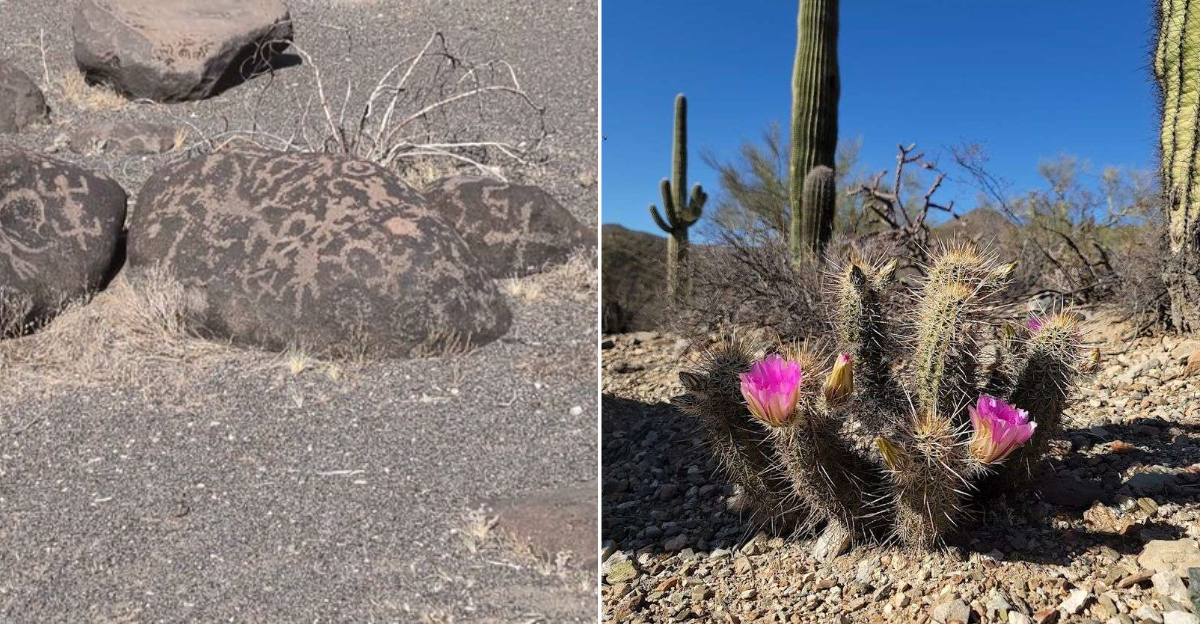
My idea of a perfect weekend usually involves a little bit of mystery and a whole lot of sunshine. While driving through the rugged heart of Arizona, I pulled off the road expecting nothing more than a stretch of dirt and a place to park for the night.
Instead, I discovered a hidden treasure trove where boulders act as storytelling tablets for ancient travelers.
Walking through this desert park feels less like a hike and more like wandering through a sprawling, open-air museum. Every jagged rock face seems to hold a new secret, beckoning me to lean in and trace the history left by those who walked these paths centuries before me.
It is pure, dusty magic hidden right in plain sight.
The Ancient Art On The Rocks
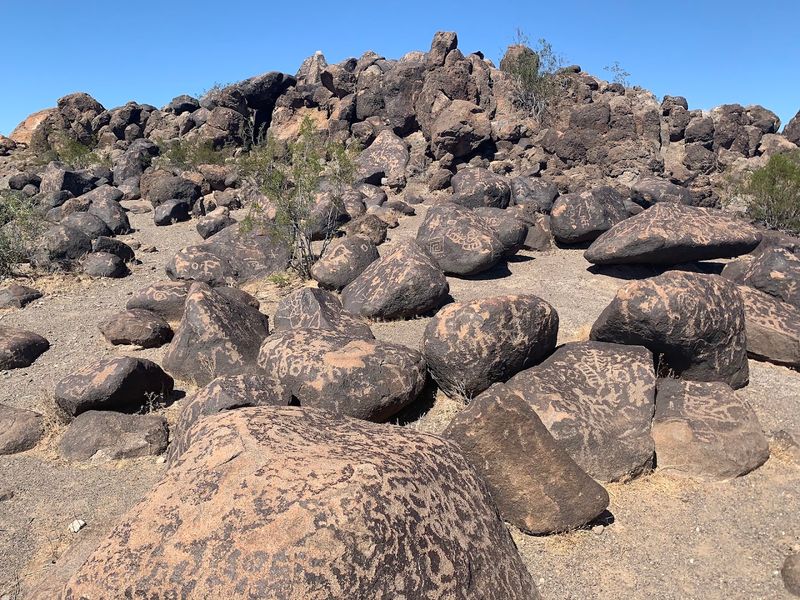
Hundreds of years before GPS or road signs, the Hohokam people were already leaving directions in stone.
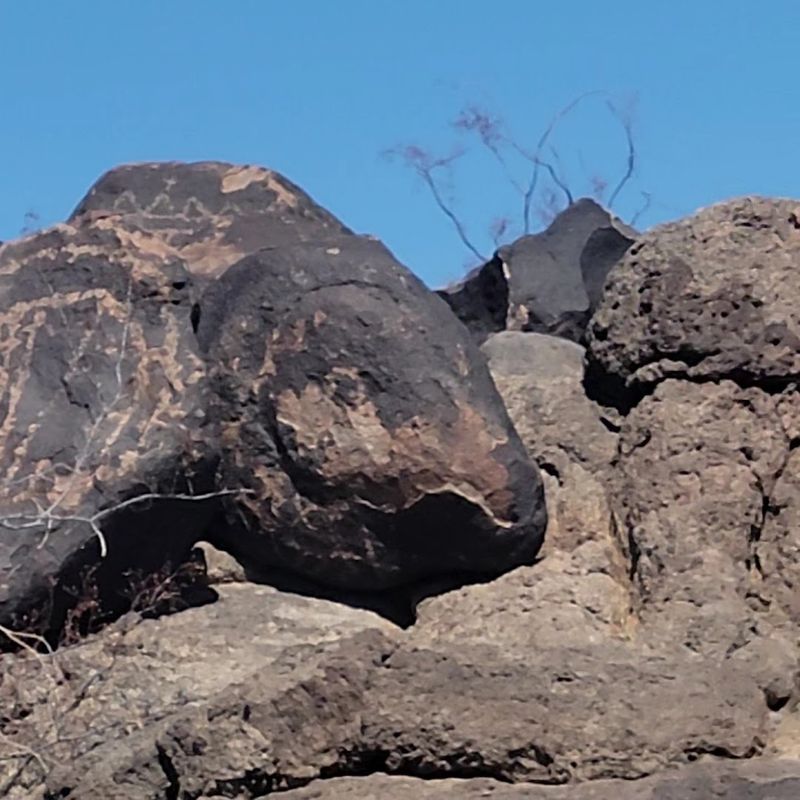
At the Painted Rock Petroglyph Site, located at 46101 Rocky Point Road, Gila Bend, AZ 85337, you will find approximately 800 individual images carved into dark basalt boulders, making it the largest petroglyph site in the region.
The carvings include animals like lizards, snakes, and birds, along with human figures and intricate geometric shapes such as swirls and mazes.
Some of these etchings date back as far as 1,400 years, and archaeologists believe many were created by the Hohokam, a people known for their sophisticated farming and canal systems across southern Arizona.
The petroglyphs face east-southeast, which means early travelers approaching from that direction would have spotted them clearly. Visitors are asked not to touch or climb on the rocks, a rule that helps preserve this irreplaceable artwork for future generations to appreciate.
Walking The Petroglyph Loop Trail
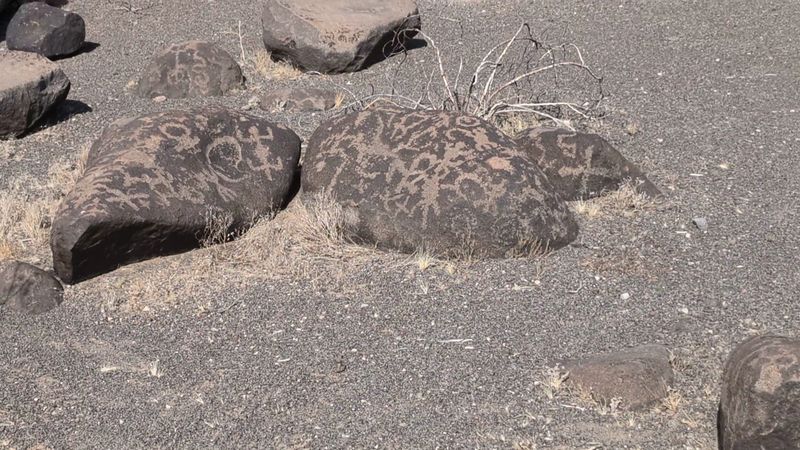
You do not need to be an experienced hiker to explore the main attraction here.
The Petroglyph Loop Trail is a flat, easy 0.3-mile path that circles the cluster of boulder formations where the carvings are concentrated, making it accessible for visitors of nearly all fitness levels, including families with young children.
Informational signs are posted along the trail, giving context about what you are looking at and what certain symbols might have meant to the people who carved them.
Reading these panels while standing just feet away from the actual carvings adds a layer of connection that no museum exhibit can quite replicate.
The trail is best walked in the morning when the light hits the rocks at a low angle, making the carved details easier to see. Bring good walking shoes, sunscreen, and water, because even in cooler months the desert sun can catch you off guard faster than you might expect.
A History That Goes Beyond The Carvings
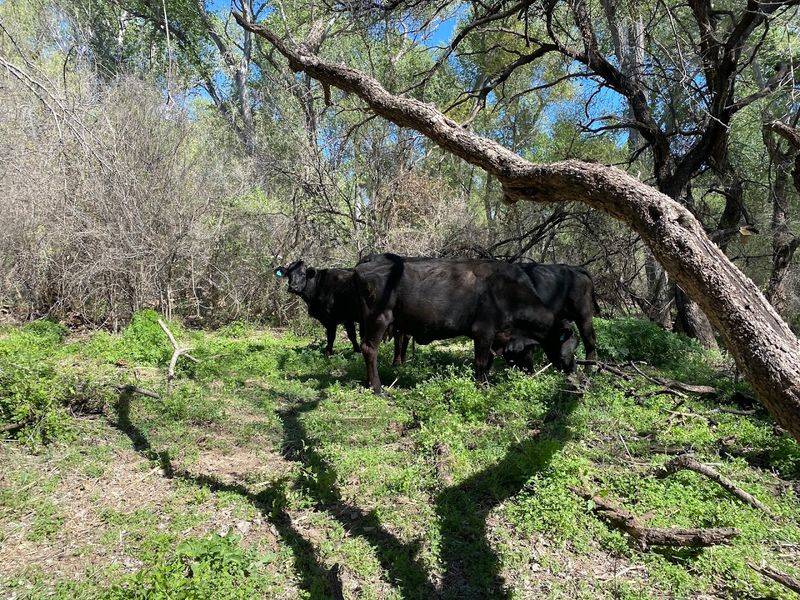
The rocks themselves are only part of the story. This site sits along the path of several historically significant routes, including the Juan Bautista de Anza National Historic Trail, whose 1775 expedition camped nearby while traveling from Mexico to California.
The Mormon Battalion Trail and the Butterfield Overland Stage Route, which operated from 1858 to 1879, also passed through this corridor.
That layering of history is part of what makes this place feel so rich. You are not just looking at ancient indigenous artwork; you are standing in a spot where explorers, soldiers, and stagecoach riders all passed through across different centuries.
Some of them even left their own inscriptions on the rocks, adding a historical footnote to the indigenous art already present.
The site was added to the National Register of Historic Places in 1977 and has been managed by the Bureau of Land Management since 1989. That long record of recognition speaks to just how significant this patch of desert really is.
Camping Under Remarkably Dark Skies
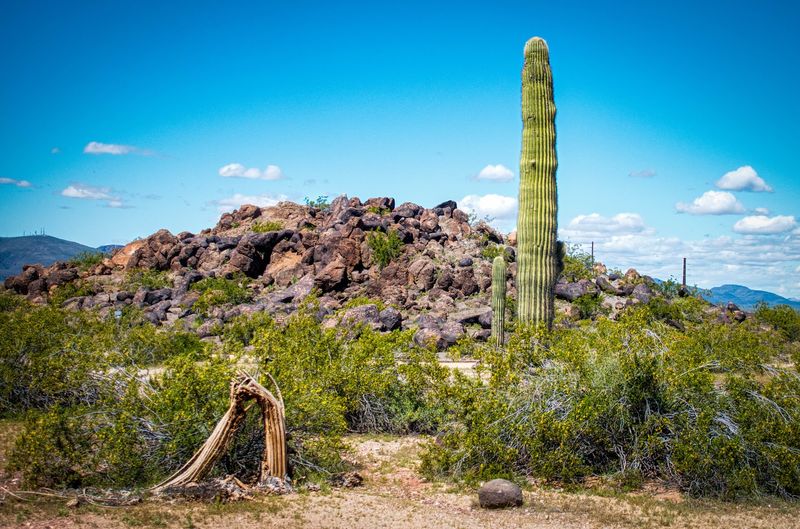
Staying overnight at the Painted Rock Petroglyph Campground transforms the visit from a quick stop into a full desert experience. The campground offers 59 individual sites and two group sites, each with a picnic table and a steel fire ring.
The fee is just $8 per night, which makes it one of the more affordable camping options in the Southwest. This is primitive camping, meaning no water or electric hookups are available, so you will need to bring all your own drinking water.
Two vault toilets are on site, and trash collection is provided. The hardened dirt and gravel roads can accommodate large RVs and trailers under dry conditions, and the generously spaced sites offer a solid amount of privacy between neighbors.
What really sets this campground apart is the night sky. With minimal light pollution this far from Phoenix, the Milky Way stretches across the darkness in a way that city dwellers rarely get to witness, making the drive out here feel completely worth it.
Desert Wildlife And Plant Life Worth Noticing
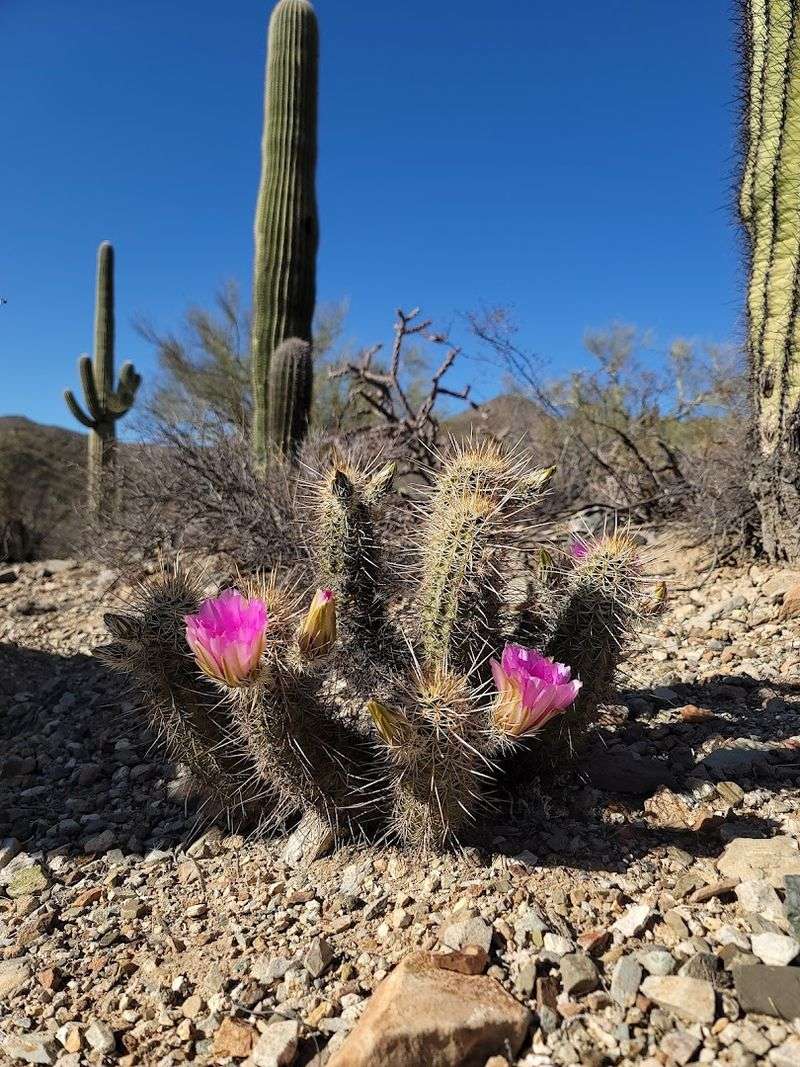
The petroglyphs may be the headline act, but the surrounding Sonoran Desert ecosystem puts on a pretty compelling supporting performance.
Keep your eyes open and you might spot desert mule deer grazing in the early morning, kit foxes slipping between boulders at dusk, or Gambel’s quail trotting across the trail in their signature single-file fashion.
Reptile enthusiasts have a real treat waiting for them here. Chuckwallas and desert iguanas are known residents of the rocky terrain, and they tend to be most active when the sun has warmed the ground enough to suit their tastes.
Birdwatchers will also find this site rewarding across multiple seasons. The plant life is equally worth a slow look.
Saguaro, cholla, and barrel cacti punctuate the landscape alongside creosote bush, ironwood, and palo verde trees. Each of these plants has adapted in clever ways to survive in one of North America’s most demanding environments, and noticing those adaptations adds a whole new layer to the visit.
Best Times To Visit
Timing matters a great deal when planning a trip to the Sonoran Desert. The sweet spot for visiting Painted Rock falls between November and May, when daytime temperatures are manageable and the scenery feels inviting rather than punishing.
Fall, from September through November, is particularly enjoyable, with daytime highs ranging from the mid-70s to upper 80s Fahrenheit and cooler nights dipping into the 50s.
Winter months from December through February bring mild temperatures and reliably clear skies, which is why the campground tends to fill up during this period. A camp host is typically present from October through April, adding a helpful resource for first-time visitors navigating the site.
Summer is a season to skip entirely. Temperatures between June and August can reach 100 to 120 degrees Fahrenheit, making outdoor exploration genuinely unsafe.
Monsoon season also brings flash flooding risks to low-lying desert areas, so always check the weather forecast before heading out regardless of the time of year you choose to visit.
Getting There And Practical Tips For Your Visit
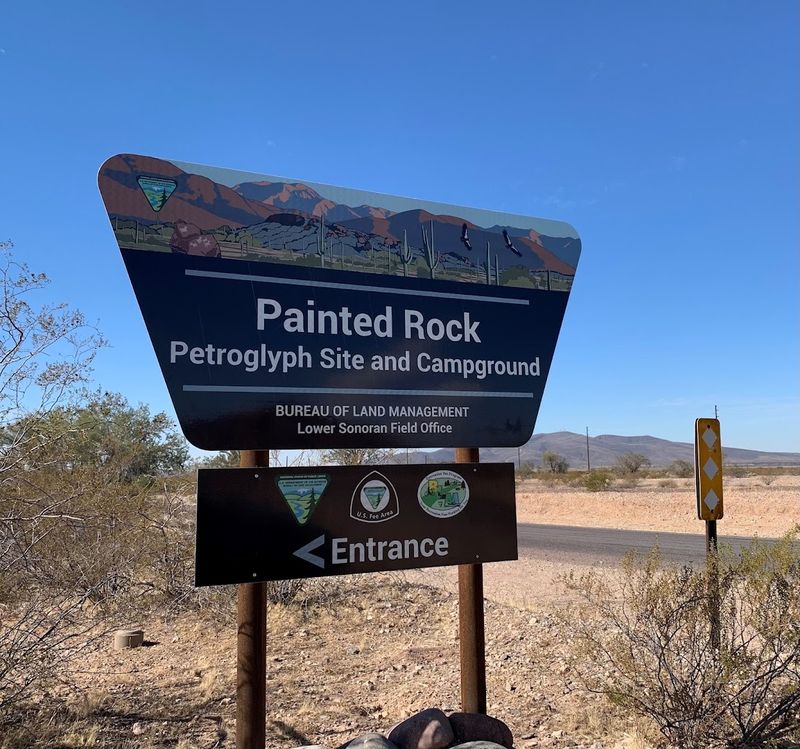
Finding this place is straightforward once you know the route. From Interstate 8, take Exit 102 at Painted Rock Dam Road and head north for about 10.7 miles.
Then turn west onto Rocky Point Road and continue 0.6 miles to the site. Most of the drive is paved, but that last half-mile stretch on Rocky Point Road is unpaved dirt, so take it easy if you are driving a lower-clearance vehicle.
Cell phone service is generally reliable for Verizon and AT&T users, which is reassuring for those who prefer to have a connection while camping remotely.
Some campsites can be reserved through recreation.gov, while others operate on a first-come, first-served basis, so booking ahead during peak season is a smart move.
Dogs are welcome in the campground but must be kept out of the petroglyph viewing area. Bring more water than you think you will need, wear sun protection, and leave the rocks exactly as you found them. The art has lasted 1,400 years and deserves every chance to last another 1,400 more.
Bringing Kids Along For An Educational Desert Day
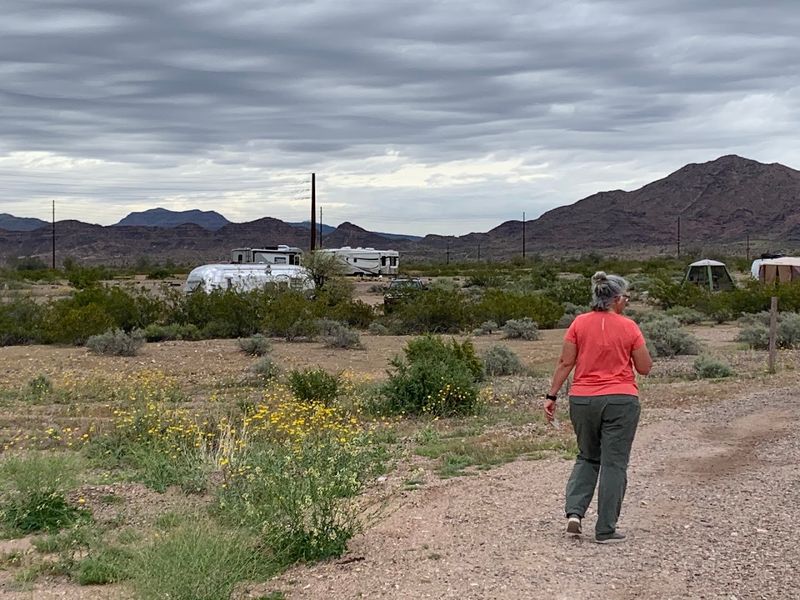
Few road trips stick with kids quite like a visit to a place where history is literally written in stone. The Painted Rock Petroglyph Site is surprisingly kid-friendly, with flat, easy terrain and images that spark genuine curiosity.
Younger visitors often spot animals, spirals, and human figures carved into the rocks before adults do.
Bring along a printed scavenger hunt or let kids sketch what they see in a small notebook. Connecting ancient art to school lessons in history or social studies makes the experience both fun and meaningful. Pack snacks, plenty of water, and sunscreen to keep everyone comfortable.
The open setting gives children room to explore without turning the outing into a difficult hike.
Older kids can take turns guessing what each symbol might have represented. A simple camera challenge can keep everyone watching closely for unusual shapes and repeated patterns.
The visit also creates an easy opportunity to discuss why archaeological sites must be protected. By the time you leave, the rocks may have inspired more questions than answers, which is part of the fun.