
This Hidden Colorado Lake Is The Calm Everyone’s Chasing Right Now
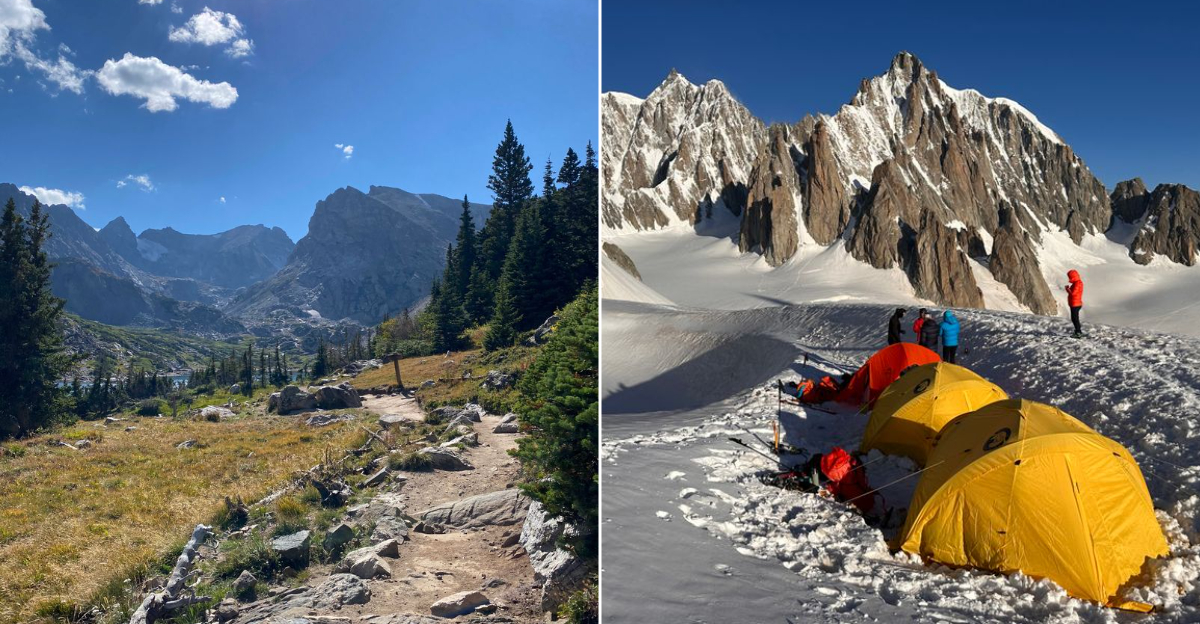
Driving up Brainard Lake Road in Ward, Colorado, I watched the pavement give way to sweeping mountain curves, and suddenly the stress I had been carrying all week felt like a distant memory.
Brainard Lake Recreation Area sits quietly along Brainard Lake Road, tucked into the Indian Peaks Wilderness like nature’s best kept secret, hidden just enough to feel special without being unreachable.
Alpine lakes shimmer beneath jagged peaks that seem to scrape the sky, while trails wind through open meadows bursting with wildflowers so vivid they feel unreal.
The air is crisp, the silence feels intentional, and every turn invites you to slow down and look closer.
I have visited during bright summer afternoons and returned when winter snow muffled every sound, and each season reshapes the landscape in its own way.
In Colorado, places like this remind you that real escape does not require distance, only attention and a willingness to pause.
Morning Light on Alpine Water
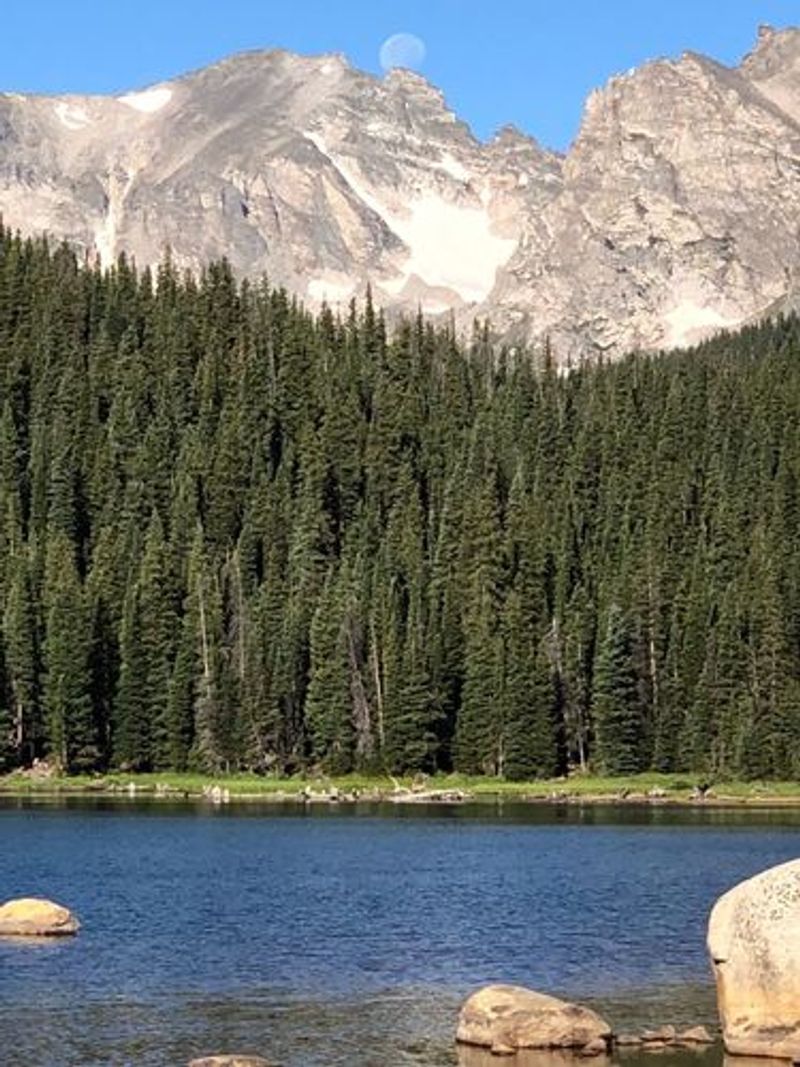
Pulling into the recreation area just after dawn, I realized why photographers camp out here with tripods and thermoses.
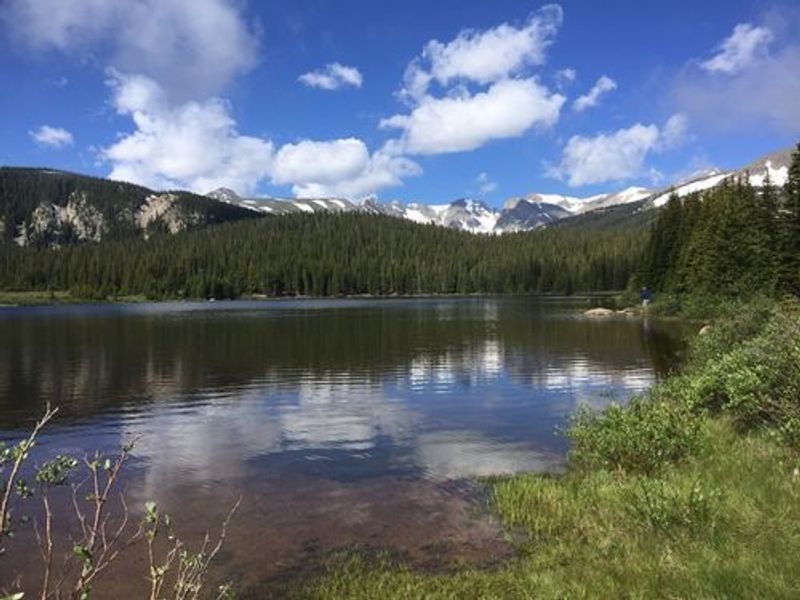
Brainard Lake catches the first rays of sun in a way that turns the water into liquid gold, and the surrounding peaks glow with that soft alpenglow that makes you forget you’re freezing your fingers off. The lake sits calm most mornings, mirroring the Indian Peaks so perfectly that you lose track of where mountain ends and reflection begins.
I walked the shoreline trail with my camera, stopping every few steps because each angle offered something different. The air up here at over 10,000 feet feels thinner, sharper, like it’s been filtered through centuries of pine and stone.
Summer mornings bring wildflowers that carpet the meadows in purple, yellow, and white, creating foregrounds that landscape painters dream about. I watched a moose wade into the shallows one July morning, completely unbothered by my presence, and the stillness of that moment felt like a gift.
The timed entry system means you need to book your spot on recreation.gov in advance, but that same system keeps the crowds manageable and preserves the tranquility that makes this place special. Winter transforms the lake into a snow-covered expanse, accessible only by snowshoe or cross-country skis, and the solitude multiplies.
Every visit reminds me that some places earn their reputation not through gimmicks but through genuine, breathtaking beauty that speaks for itself.
Trails That Reward Without Punishing
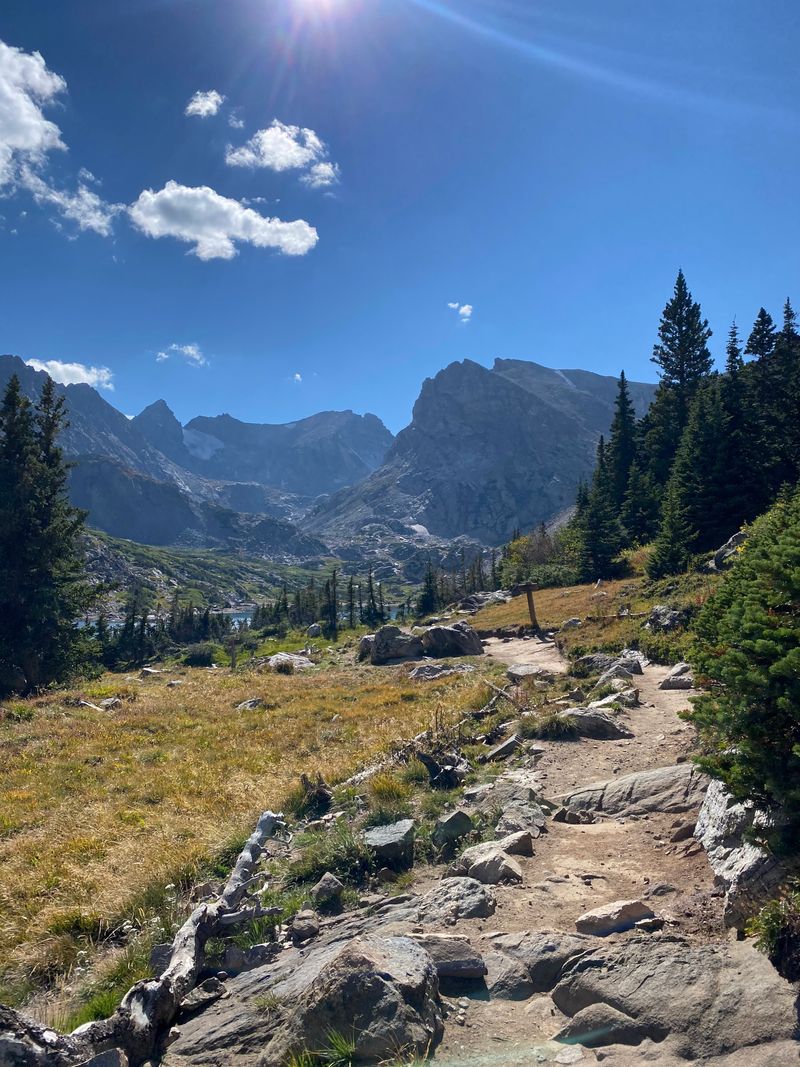
Stepping onto the Lake Isabelle trail, I appreciated how this area manages to feel wild without requiring mountaineering skills to enjoy it.
The trails here range from easy lakeside strolls to moderate climbs that reach other alpine lakes, and most visitors find something that matches their fitness level. I’ve watched families with young kids make it to Long Lake, and I’ve seen serious hikers push on to Mitchell Lake and Blue Lake for more solitude and elevation.
The path to Lake Isabelle stretches about 4.5 miles round trip from the Brainard Lake parking area, gaining elevation gradually through forests that smell like Christmas year-round. Rocky sections appear here and there, but the trail stays well-maintained and clearly marked, reducing the chance of wrong turns or twisted ankles.
Wildflower season in July and August transforms the meadows into botanical gardens, with lupine, paintbrush, and columbine creating color combinations that seem almost artificial. The altitude affects some visitors, so I learned to take breaks, drink water constantly, and listen to my body when it asked for rest.
One advantage of the reservation system is that you won’t find yourself in a conga line of hikers like some popular Colorado trails. I passed other groups, sure, but the spacing felt natural rather than crowded, and I could still find quiet spots to sit and absorb the scenery without someone’s Bluetooth speaker ruining the moment.
Wildlife Encounters Worth the Wait
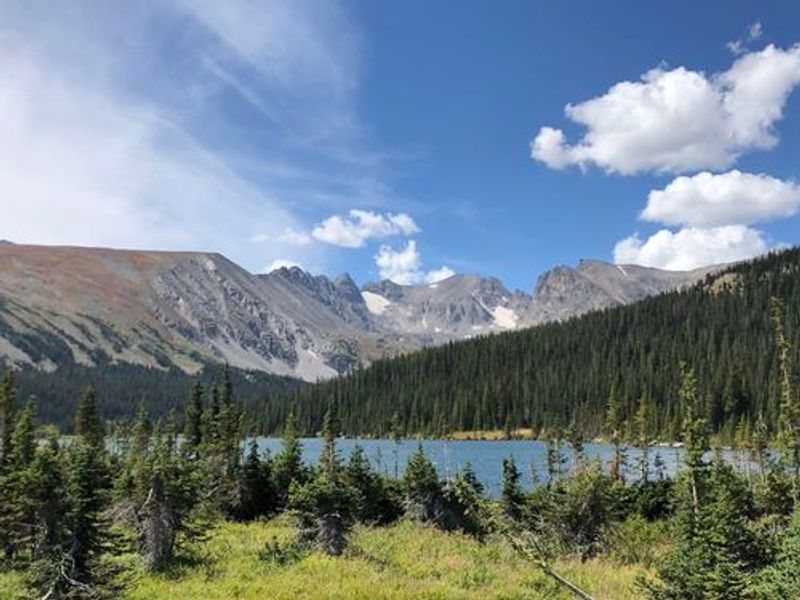
Rounding a bend near Long Lake at dawn, I froze as two massive bull moose lifted their heads from the water, dripping and magnificent in the early light.
Brainard Lake Recreation Area has earned a reputation among wildlife watchers for reliable moose sightings, and the reviews don’t exaggerate. These animals browse the willow-lined shores and wade into the shallows to feed on aquatic plants, seemingly unconcerned by respectful observers who keep proper distance.
I’ve spotted moose here more consistently than anywhere else in Colorado, though bears, marmots, and pikas also call this wilderness home. The key to successful wildlife watching involves arriving early, moving quietly, and carrying binoculars so you can observe without approaching too closely.
One July morning, I watched a cow moose and her calf navigate the shoreline for nearly thirty minutes, and the experience felt more valuable than any zoo visit ever could. The recreation area’s elevation and habitat create ideal conditions for these animals, with abundant food sources and water access throughout the warmer months.
Rangers and signs remind visitors to maintain at least 25 yards from moose, which can become aggressive if they feel threatened or cornered. I learned to watch their body language, backing away slowly if ears went back or hackles raised, and I never positioned myself between a moose and its escape route.
The patience required for good wildlife encounters teaches you to slow down and observe rather than rush through, which might be the best lesson this place offers.
Winter Transforms Everything
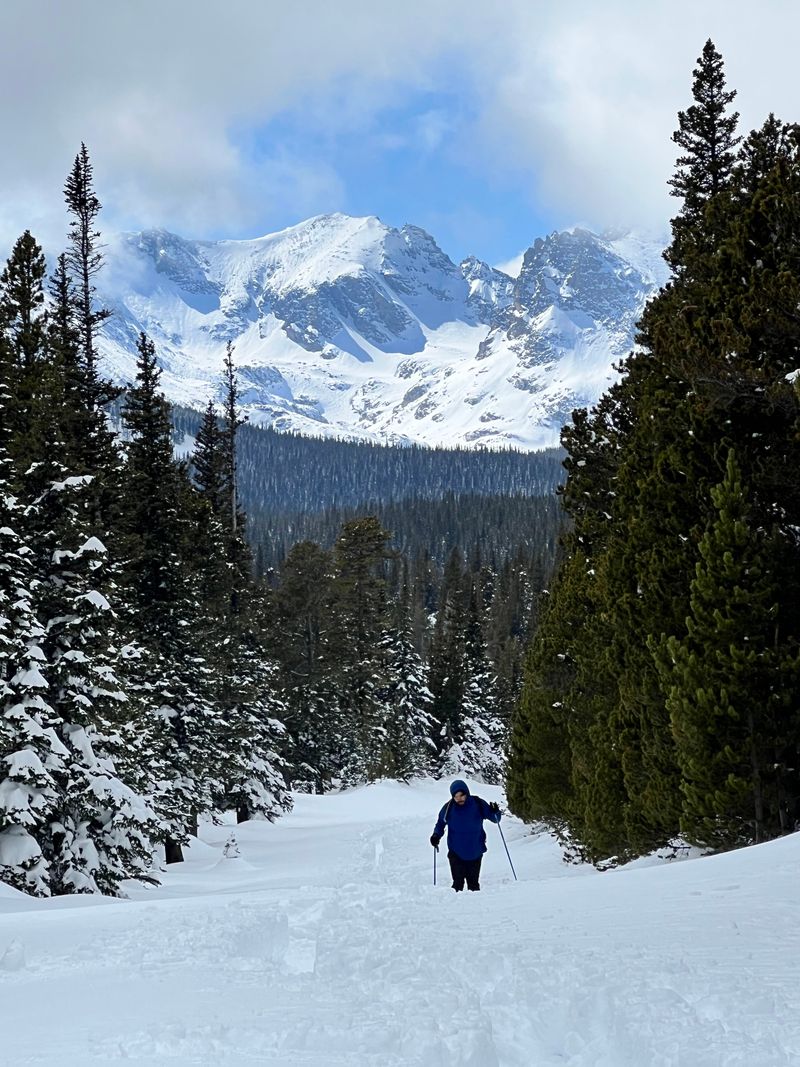
Strapping on snowshoes in late February, I discovered that Brainard Lake wears winter like a completely different personality.
The summer parking lots close, and visitors park at a lower trailhead, adding about 2.5 miles each way to any destination, but the effort filters out casual tourists and rewards those willing to work for it. Snow buries the landscape under several feet of white, muffling sound and creating that peculiar winter silence that feels almost sacred.
I’ve snowshoed to the frozen lake surface multiple times, and each trip revealed different conditions depending on recent storms and temperatures. Some days the snow squeaks underfoot in that way it does when temperatures drop below zero, and other times it packs down into perfect trails that make the journey almost easy.
Cross-country skiers glide past on the groomed sections, and the occasional winter camper hauls gear toward the backcountry, but mostly you’ll find solitude and quiet that summer can’t match. The Indian Peaks look even more dramatic against winter skies, their snow-covered faces catching light in shades of pink and blue during sunrise and sunset.
I learned to dress in layers I could shed as exertion warmed me up, and to bring more water than seemed necessary because altitude and cold air dehydrate faster than you’d expect. Winter visits require more preparation and effort, but the payoff comes in experiencing this landscape in its most pristine, untouched state.
Planning Your Visit Right
Sitting at my computer two weeks before my planned visit, I logged onto recreation.gov at exactly 8 AM when new reservations dropped, and I understood why people set alarms for this.
The timed entry system at Brainard Lake Recreation Area runs from late June through early September, requiring advance reservations for parking during peak season. Spots release two weeks ahead, and popular times like weekend mornings disappear within minutes, so treating this like concert tickets makes sense.
The fee runs $18 for parking without an America the Beautiful pass, dropping to $2 for military and veterans, and the system assigns you a specific time window for arrival. I’ve found that weekday visits offer more availability and smaller crowds, while sunrise slots provide the best light and wildlife opportunities.
The recreation area opens at 5 AM and closes at 10 PM during summer, giving flexibility for early birds and evening explorers alike. If you miss getting a reservation or visit outside the timed entry season, you can park at the Gateway trailhead for free and walk the additional distance to Brainard Lake, adding about 5 miles round trip to your day.
I’ve called the ranger station at (303) 541-2500 with questions about conditions, and they’ve always provided helpful, current information about snow levels, trail status, and wildlife activity. The official Forest Service website at fs.usda.gov offers detailed trail maps and seasonal updates that help with trip planning.
Proper planning transforms a potentially frustrating experience into a smooth adventure that lets you focus on enjoying rather than problem-solving.
What to Pack Beyond the Obvious
Emptying my pack after a particularly challenging July hike, I realized that the items I’d almost left behind had saved the day more than once.
Water tops every packing list, but at high altitude you’ll drain bottles faster than expected, so I now carry at least three liters per person for a full day of hiking. The weather up here changes personality without warning, shifting from sunny and warm to cold and rainy within the same hour, which means layers matter more than fashion.
I pack a warm fleece or down jacket even on summer days, along with a waterproof shell that can block wind and precipitation when storms roll in. Sturdy hiking boots with ankle support handle the rocky sections better than running shoes, though I’ve seen people manage in trail runners if that’s their preference.
Snacks with protein and quick energy keep legs moving when altitude saps strength, and I’ve learned that salty options help maintain electrolyte balance better than purely sweet treats. A basic first aid kit rides in my pack always, along with sunscreen rated SPF 50 or higher because the sun at this elevation burns fast and mercilessly.
I bring a camera with extra batteries since cold drains power quickly, and I never regret having binoculars for wildlife watching and distant peak identification. The bathrooms at trailheads provide basic facilities, but carrying toilet paper and hand sanitizer adds insurance against unpleasant surprises.
Packing smart means you’re prepared for what nature throws at you without carrying unnecessary weight that makes every step harder.
The Bigger Picture Beyond the Lake
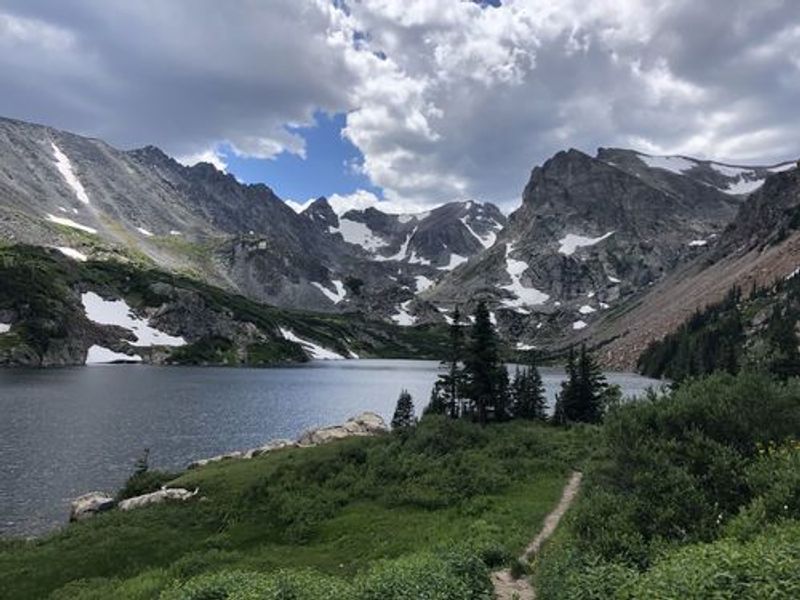
Standing at the shore of Lake Isabelle on my fourth visit to this area, I finally understood that Brainard Lake itself is just the introduction to a larger story.
The recreation area serves as a gateway to the Indian Peaks Wilderness, a 76,000-acre expanse of protected land where trails lead deeper into backcountry that tests skills and rewards perseverance. Long Lake, Mitchell Lake, Blue Lake, and Lake Isabelle each offer their own character and challenges, and serious hikers can string together routes that cover multiple destinations in a single day.
The Continental Divide runs through this wilderness, and some trails climb high enough to cross that geographic spine where water flows either toward the Pacific or Atlantic. I’ve watched weather systems build over the peaks, clouds forming and dissipating in time-lapse speed that reminds you how small and temporary human presence is in these mountains.
The area’s 4.8-star rating from over 400 reviews on Google reflects consistent quality rather than hype, and the enthusiasm in those reviews comes through as genuine rather than performative. People return here season after season because the experience delivers on its promises without gimmicks or artificial enhancement.
Conservation efforts and the timed entry system work together to protect this landscape for future visitors, balancing access with preservation in ways that feel thoughtful rather than restrictive. My last evening there, watching alpenglow paint the peaks in shades of rose and gold, I felt grateful that places like this still exist and that people care enough to protect them properly.