
This Hidden Florida Beach Rewards Visitors With Miles Of Untouched Sand
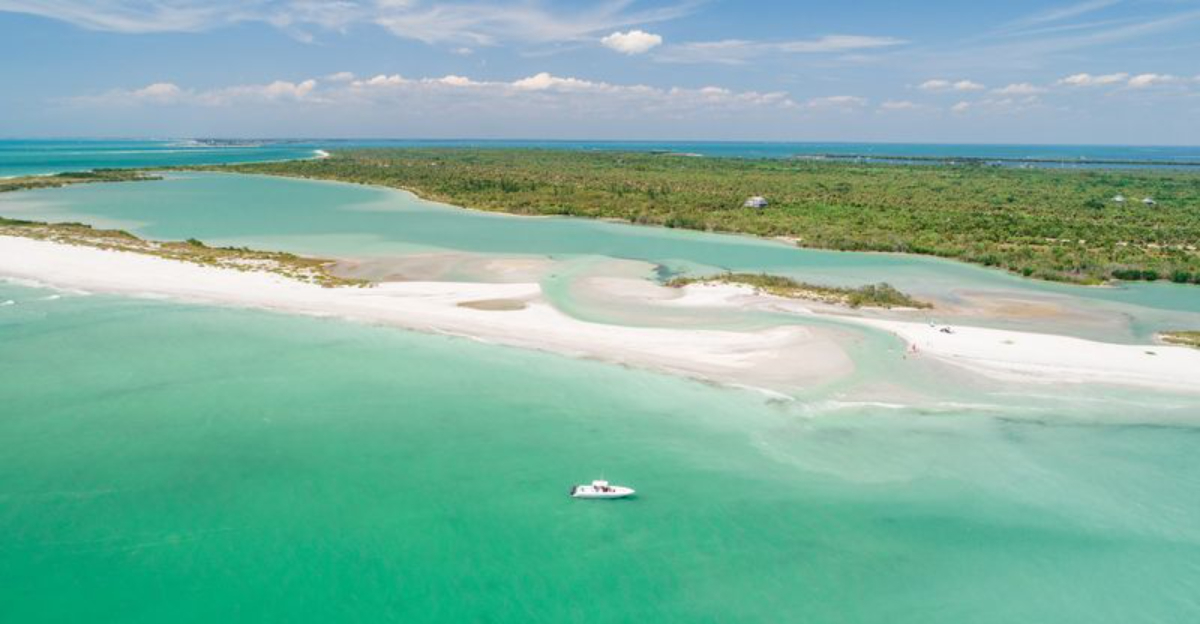
The boat rounds the final stretch, and suddenly the shoreline comes into view, a long, quiet sweep of sand that looks almost too perfect to be real. For a moment, it feels like stepping onto a private island.
This is Florida, but not the version most people expect. Along Florida’s Gulf Coast, there is a place that refuses to follow the usual script.
No crowds, no noise, no packed beaches, just open shoreline, soft sand, and a kind of quiet that is getting harder to find. Getting there takes effort, and that is exactly why it still feels untouched.
What waits on the other side is rare, miles of unspoiled beach, dense coastal forest, and space that invites you to slow down. It is not just another destination, but a reminder of what Florida used to feel like.
And once it is seen, it is not easily forgotten.
Only Accessible By Boat
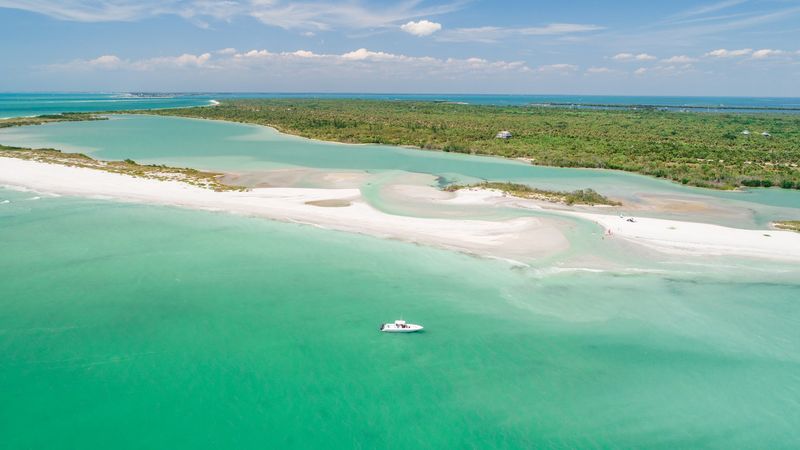
Getting to Cayo Costa State Park is half the adventure, and that is not a bad thing at all. The park sits on a barrier island near Captiva, FL, and there is no bridge or road connecting it to the mainland, which means every single visitor has to arrive by private boat or charter vessel.
That built-in barrier is the secret weapon that keeps the beaches uncrowded even during Florida’s busiest tourist season. Charter boat companies operating out of Pine Island and nearby marinas offer scheduled trips, making the crossing accessible even if you do not own a boat.
The boat ride itself is genuinely enjoyable, with open water views, pelicans gliding overhead, and the occasional dolphin surfacing alongside the hull. Note that the ferry service that once ran to the island was discontinued after Hurricane Ian, so checking current charter options before your visit is a smart first step.
Plan ahead and the reward is enormous.
Nine Miles Of Pristine Shoreline
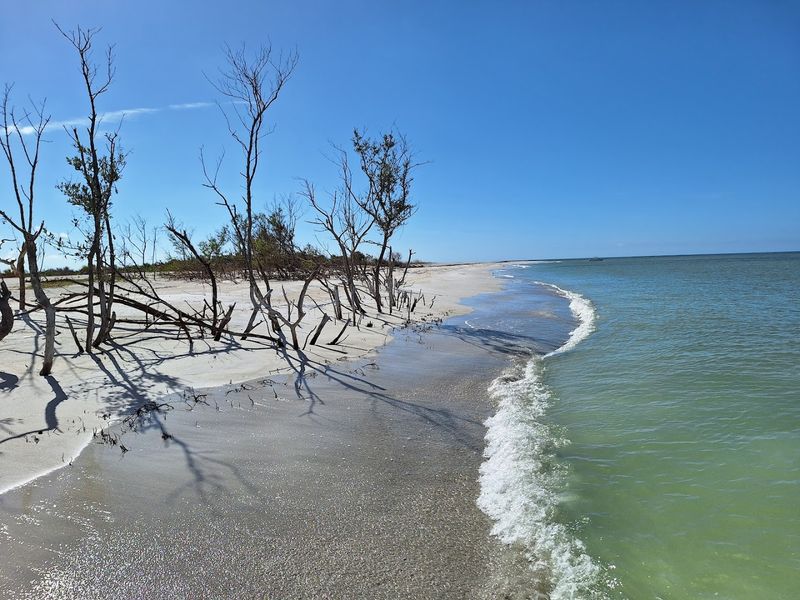
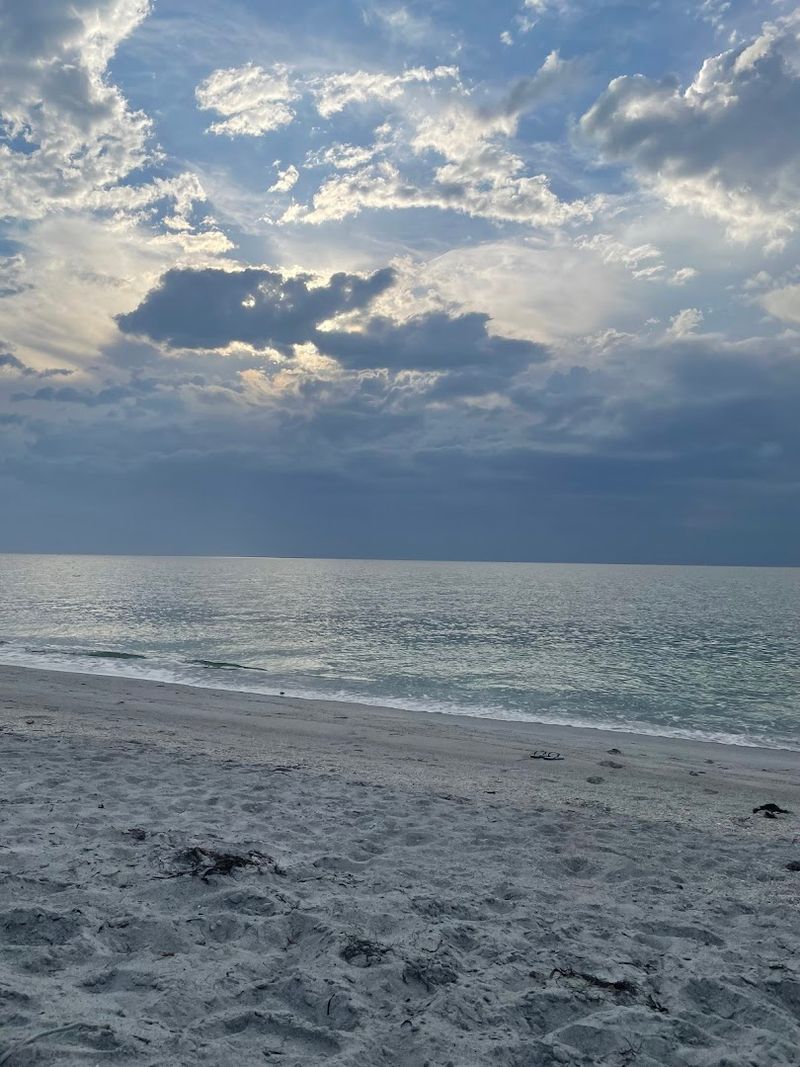
Nine miles of beach sounds like a number pulled from a travel brochure, but standing at one end of Cayo Costa’s shoreline and watching it curve gently out of sight in both directions makes that figure feel completely real. The Gulf side of the island offers wide, flat sand that stays remarkably clean because so few people ever set foot on it.
I walked for nearly two hours one morning without passing more than a handful of other visitors, which is almost unheard of in Florida. The sand here has that fine, pale quality that reflects sunlight in a way that makes the whole beach glow, and the water stays shallow and calm for a good distance out from shore.
On the bay side, the character shifts entirely, with calmer water, sandbars, and a totally different shell selection waiting for curious beachcombers. Visitors who make the effort to explore both coastlines in a single day come away with a much fuller picture of just how varied and stunning this island really is.
World-Class Shelling Opportunities
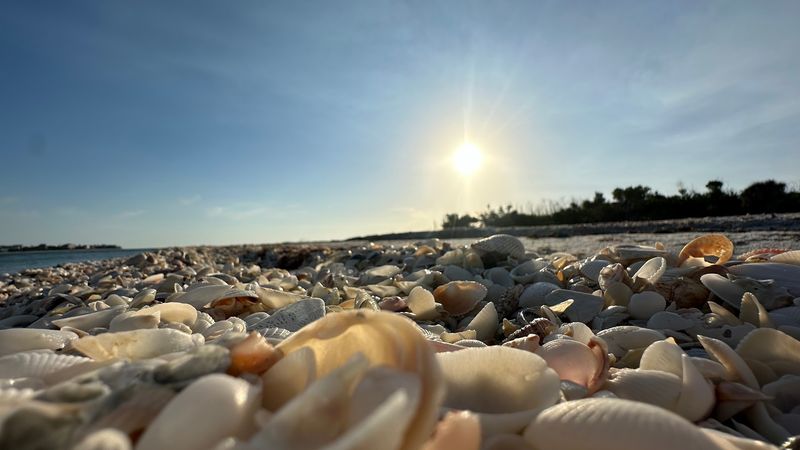
Shell collectors from around the country put Cayo Costa on their bucket lists for one very specific reason: the shelling here is genuinely exceptional. Because the island sees so little foot traffic compared to nearby Lee Island Coast beaches, shells accumulate undisturbed along the waterline and pile up in concentrations that make serious collectors go quiet with focus.
Lightning whelks, fighting conchs, junonia shells, and sand dollars all show up regularly, and the variety shifts with the season and the tide. Low tide right after a storm is widely considered the golden window, when the water retreats and freshly deposited shells carpet the wet sand in a dense, colorful layer.
I once filled a small bag in under thirty minutes without moving more than twenty feet from where I dropped my towel. Bringing a mesh bag and a pair of water shoes makes the experience much more comfortable, since wading into the shallow surf is often where the best finds are hiding just beneath the surface.
Primitive Camping Under The Stars
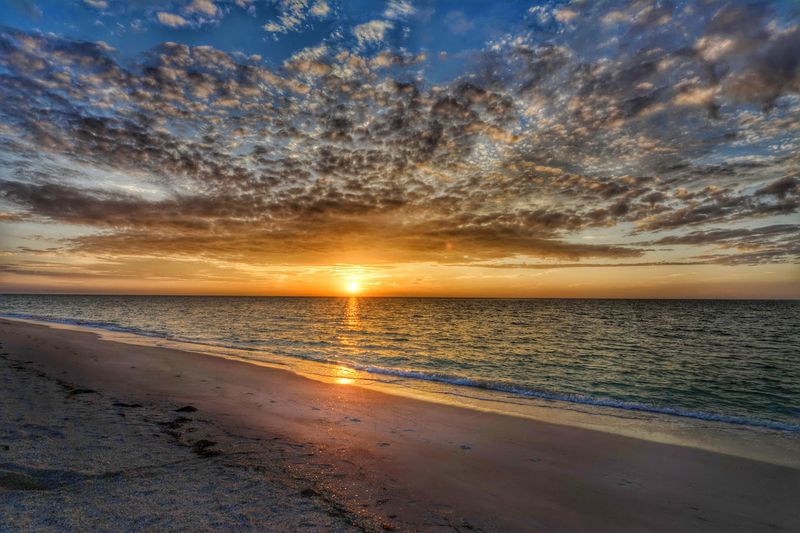
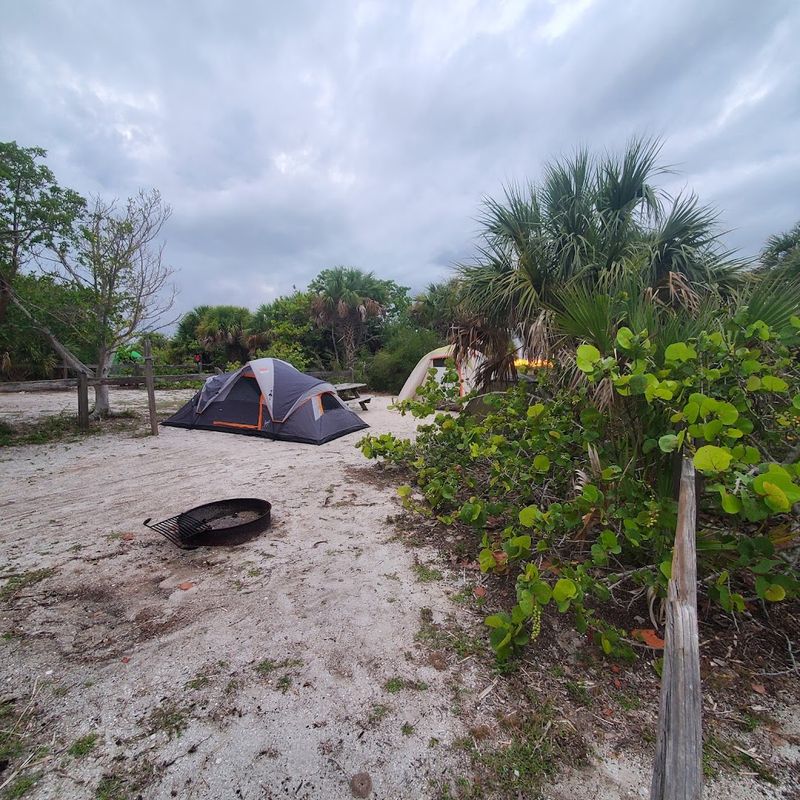
Camping at Cayo Costa is not the kind of experience where you pull up in an RV and plug into a power outlet. The island offers primitive tent sites and a small collection of rustic cabins that strip the experience down to its most essential form, which is exactly what makes it so memorable.
No electricity, no hot water, and no convenience store around the corner means visitors have to prepare thoughtfully before they arrive. Campers who pack well and embrace the simplicity consistently describe their nights here as among the best outdoor experiences they have ever had in Florida.
The campground sits surrounded by palm trees, and the breeze carries the smell of saltwater through the site all night long. Quiet hours are taken seriously by fellow campers, and the sound of distant waves actually lulling you to sleep is not a cliche here, it is just what happens.
Reservations book up far in advance, so planning several months ahead is not excessive for peak season dates.
Exceptional Dark Skies For Stargazing
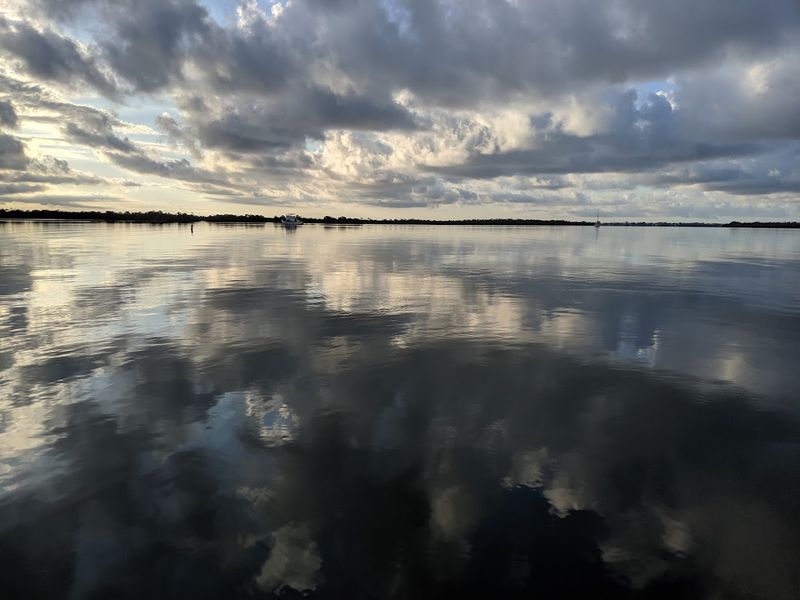
Light pollution is a genuine problem for stargazers across most of Florida, but Cayo Costa sits far enough from major urban centers that the night sky here is something special. On a clear night with no moon, the stars over the island appear in a density that stops people mid-conversation.
The Milky Way is visible to the naked eye under good conditions, and the lack of artificial light on the island means your eyes adjust quickly and fully to the darkness. Campers who stay overnight frequently mention the night sky as one of the unexpected highlights of their trip, even if they came primarily for the beach.
Bringing a basic stargazing app on your phone and a blanket to spread on the sand turns a regular camping night into something that feels genuinely rare. The combination of total quiet, warm Gulf air, and an unobstructed horizon in every direction creates conditions that amateur astronomers and casual sky-watchers alike find hard to forget.
Clear nights in late fall and winter tend to offer the sharpest views.
Rich Wildlife And Natural Ecosystems
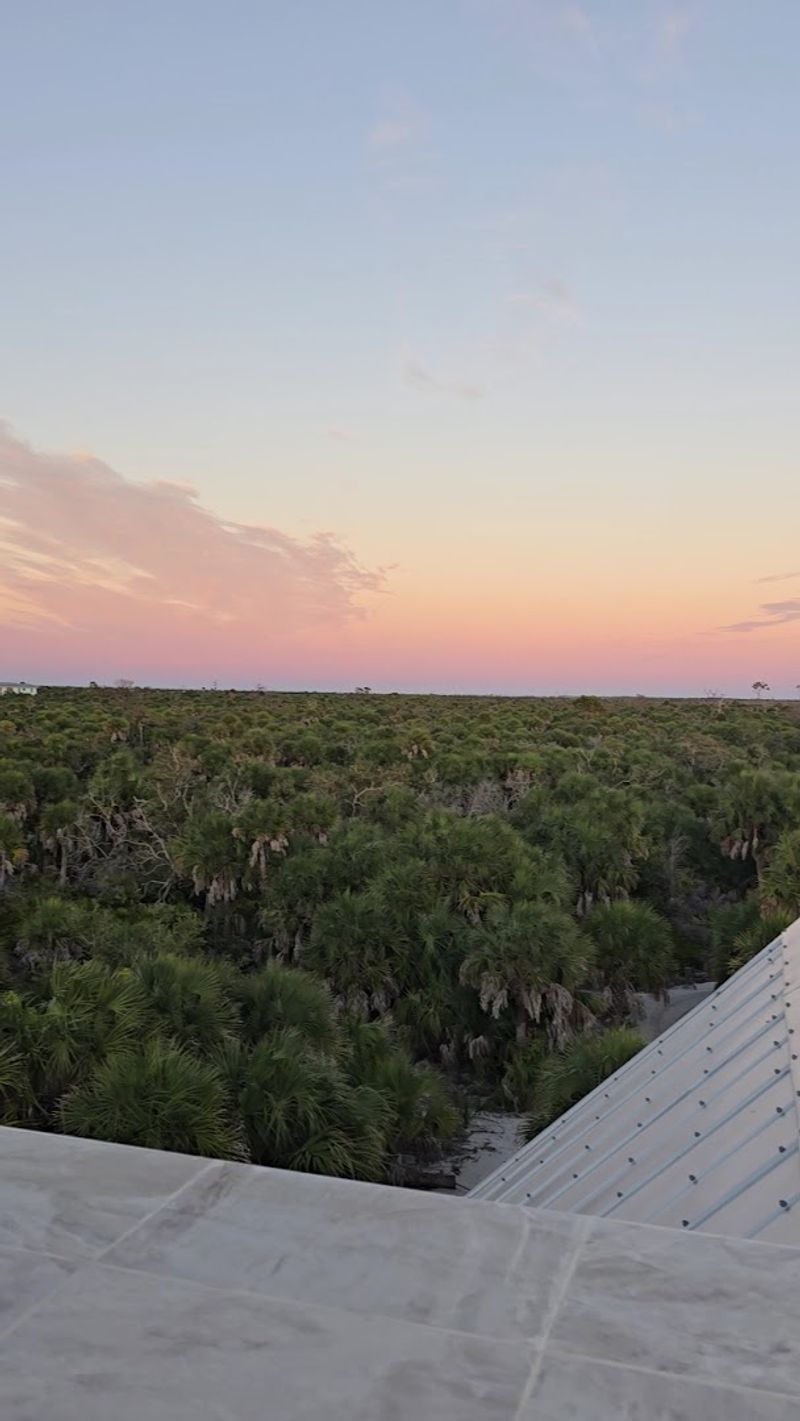
Cayo Costa is not just a beach, it is a functioning subtropical ecosystem that happens to have a spectacular shoreline attached. The island supports nine acres of mixed forest that includes live oak hammocks, mangrove fringes, pine flatwoods, and open grassland, each zone hosting its own community of wildlife.
Dolphins are a regular presence in the waters surrounding the island, and visitors arriving by boat often spot them riding the bow wake on the way in. Osprey, roseate spoonbills, great blue herons, and bald eagles have all been reported by visitors and park staff, making the island a rewarding stop for birdwatchers at any skill level.
Gopher tortoises, which are a protected species in Florida, dig their burrows in the sandy upland areas of the park, and spotting one moving slowly through the scrub is a quiet thrill. The diversity of habitats packed into a relatively small island means that every trail walk turns up something new, and the wildlife here never feels staged or managed, just genuinely wild and present.
Miles Of Trails Through Subtropical Forest
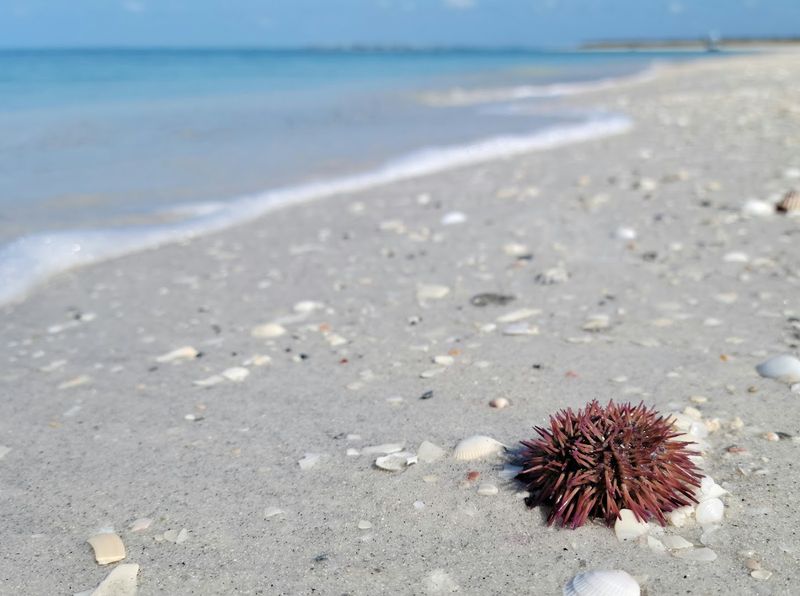
Most visitors come to Cayo Costa for the beach, but the trail system running through the interior of the island is a genuinely underrated reason to visit. The park maintains several miles of well-marked paths that cut through pine flatwoods, palm hammocks, and scrubby coastal forest that feels nothing like the manicured nature walks found at more developed parks.
Renting a bicycle from the park is one of the best decisions a visitor can make, since the trails are flat, the distances between key areas are manageable on two wheels, and pedaling through the shade of the forest offers a welcome break from the open sun of the beach.
The walk from the dock to the Gulf beach takes about fifteen minutes on foot along the main path, and the route passes through a landscape that shifts noticeably as you move from the bay side to the Gulf side of the island. Hikers who take their time on the trails and pay attention to the vegetation changes around them come away with a much deeper appreciation for how much biodiversity this small island holds.
Rustic Cabins For A Comfortable Stay
For visitors who want to spend the night on the island but are not ready for a fully primitive tent experience, the park’s rustic cabins offer a genuinely appealing middle ground. The cabins are small and simple, with basic furnishings and minimal amenities, but they provide shelter, a real bed, and a sense of place that a hotel room simply cannot replicate.
There is no air conditioning or electrical outlets for most of the cabins, so arriving prepared with battery-powered fans, flashlights, and simple meals is part of the planning process. That said, the cabins are well-maintained, and the surrounding palm trees and steady Gulf breeze make the lack of climate control far less uncomfortable than it might sound on paper.
Past visitors have described charging their phones near the park store during the day and reading books in the shade as a surprisingly satisfying rhythm for a couple of days. The cabins book up quickly, especially for winter and spring dates, so checking the Florida State Parks reservation system well in advance is genuinely necessary, not just a suggestion.
A Haven For Kayaking And Paddleboarding
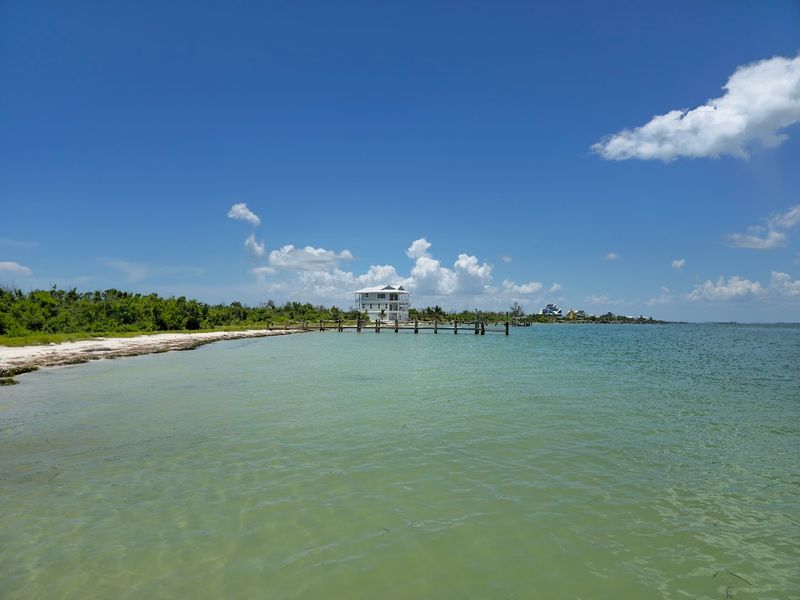
The calm, protected waters on the bay side of Cayo Costa are practically designed for paddling, and the park makes it easy to take advantage of them by offering kayak rentals right on the island. Gliding through the shallow channels between the island and the surrounding mangroves is one of those experiences that earns a permanent spot in your travel memory.
The water on the bay side stays remarkably clear, and paddling over seagrass beds with the bottom visible several feet below the surface has a meditative quality that is hard to find anywhere near a crowded resort beach. Wildlife encounters while kayaking here are common, with rays, small sharks, and fish visible beneath the hull on calm days.
Paddleboarders find the same calm conditions on the bay side, though the Gulf side can get choppy depending on wind and season. Visitors who bring their own kayaks or paddleboards via private boat have the most flexibility, but the rental option makes this activity accessible to anyone who makes the trip, regardless of what gear they packed.
Practical Tips For First-Time Visitors
A little preparation goes a long way at Cayo Costa, and first-time visitors who show up underprepared tend to have a noticeably harder time than those who do their homework. The park store carries basic snacks, drinks, ice, and some camping supplies, but it is small and not a substitute for bringing everything you actually need for a comfortable visit.
Bug spray is non-negotiable, especially from late spring through early fall when no-see-ums and mosquitoes are active at dawn and dusk. High-DEET repellent is the most effective option, and some campers add permethrin-treated clothing and fine mesh netting for extra protection during overnight stays.
Sunscreen, plenty of drinking water, shade structures for the beach, and a reusable bag for shells round out the essential packing list. The park is open daily from 8 AM to 5 PM and can be reached by phone at +1 941-964-0375, and the official website at https://www.floridastateparks.org/park/Cayo-Costa has current information on reservations, charter access, and any closures.
Arriving early on busy days helps secure a good spot at the dock.