
This Hidden Florida Island Is Packed With Fresh Clams, Kayak Trails, And Seafood Festival Events
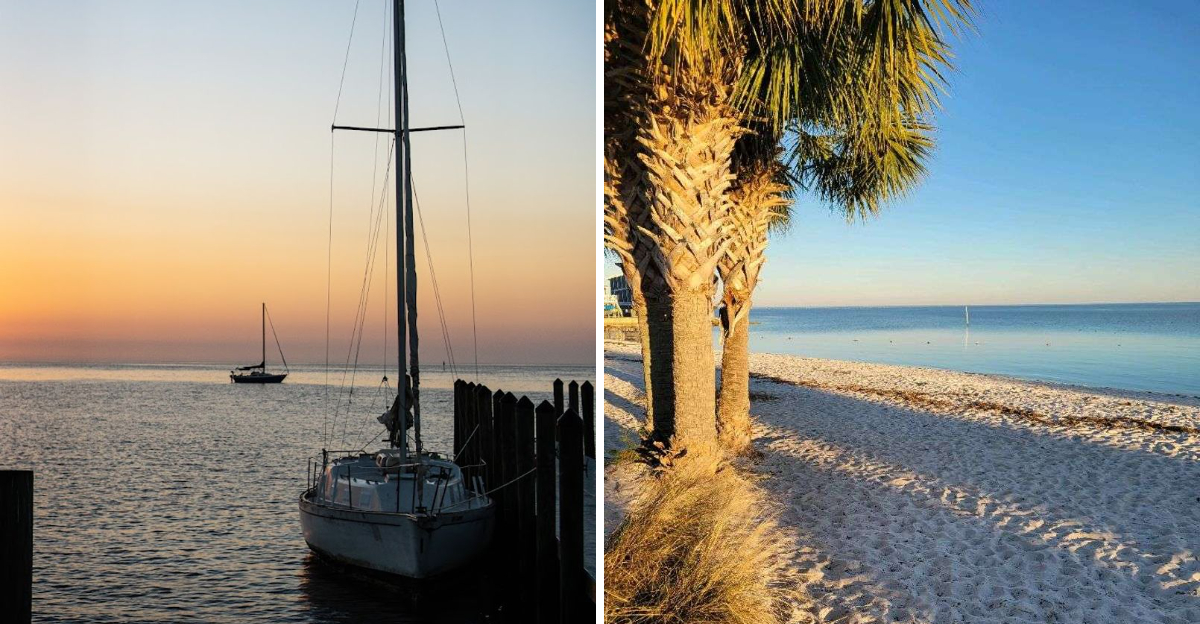
You don’t plan a trip to a place like this in Florida. You find it, then wonder how you missed it.
The drive in feels quieter than it should. Fewer cars, less noise, and then suddenly the road ends at a town that doesn’t try to impress you at all.
Some places in Florida feel too good to share once you find them.
Everything moves differently here. Boats come in with fresh catch, small restaurants fill without rushing, and the water feels like it’s still part of everyday life instead of just a backdrop.
You notice it in the details. Kayaks sliding through the marsh.
Conversations that last longer. No pressure to move on to the next thing.
You know that moment when a place feels real without trying to prove anything?
Fresh Clams Straight From The Water
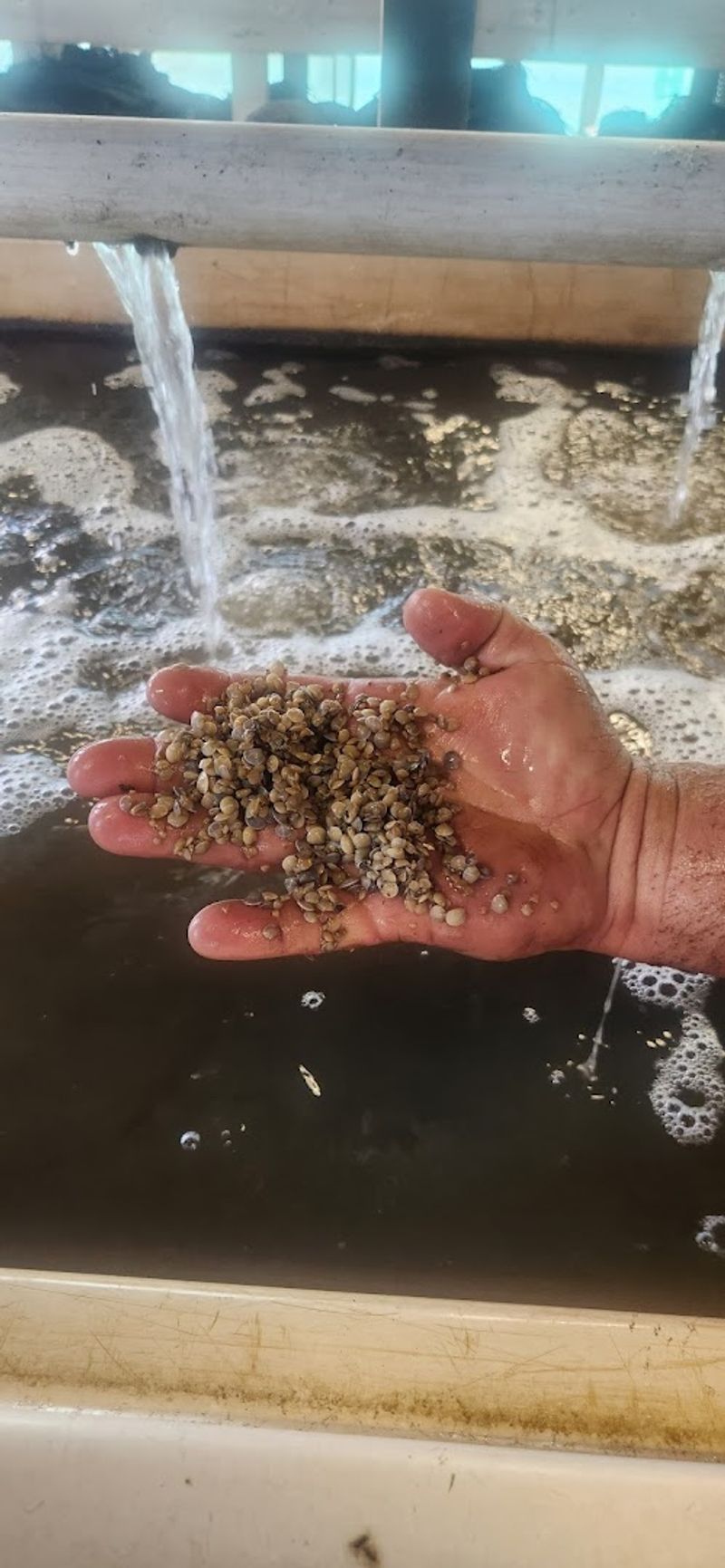
Cedar Key is one of the top clam-farming regions in the entire United States, and tasting a clam here feels like shaking hands with the ocean itself.
The aquaculture industry around this island produces millions of clams every single year, making it a genuine powerhouse in Florida’s seafood economy.
Local farmers work directly in the shallow Gulf waters, tending to their clam beds with the kind of quiet dedication you rarely see anymore.
When I ordered a plate of steamed clams at a waterfront restaurant, I could taste exactly how fresh they were, with a clean, briny flavor that no frozen product could ever match.
Many restaurants here source their clams from farms just a short boat ride away, which means the shellfish on your plate may have been in the water just hours before.
For anyone who loves honest, straightforward seafood with a real story behind it, Cedar Key clams are an experience worth traveling for.
Kayak Trails Through Unspoiled Marshes
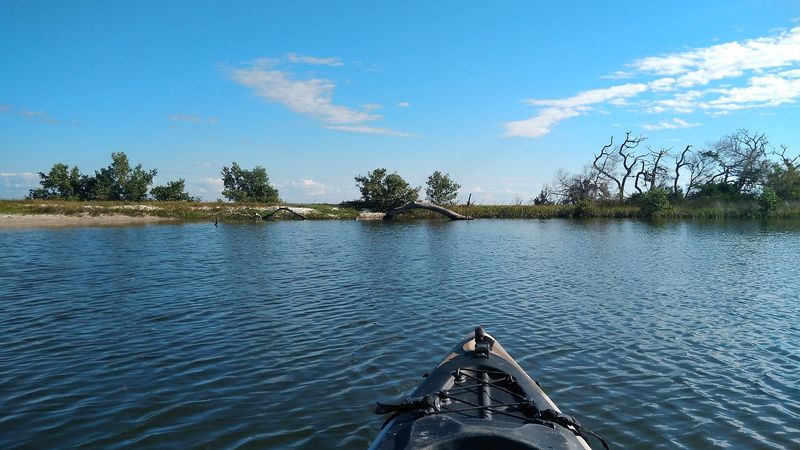
Paddling through the waterways around Cedar Key feels like entering a world that time forgot to update.
The area is laced with kayak trails that cut through salt marshes, mangrove tunnels, and open tidal flats where the only sounds are birds and the soft dip of your paddle.
I launched from a small public ramp early one morning and spent three hours gliding past herons, ospreys, and a curious dolphin that seemed genuinely unbothered by my presence.
The Lower Suwannee and Cedar Keys National Wildlife Refuges together protect hundreds of thousands of acres of coastal habitat, giving paddlers an enormous playground that never feels crowded.
Rentals are available in town for visitors who did not bring their own gear, and guided tours are offered for those who want a local to point out what they might otherwise miss.
Every bend in the trail reveals something new, and that sense of discovery keeps paddlers coming back to these waters season after season.
Cedar Key Seafood Festival
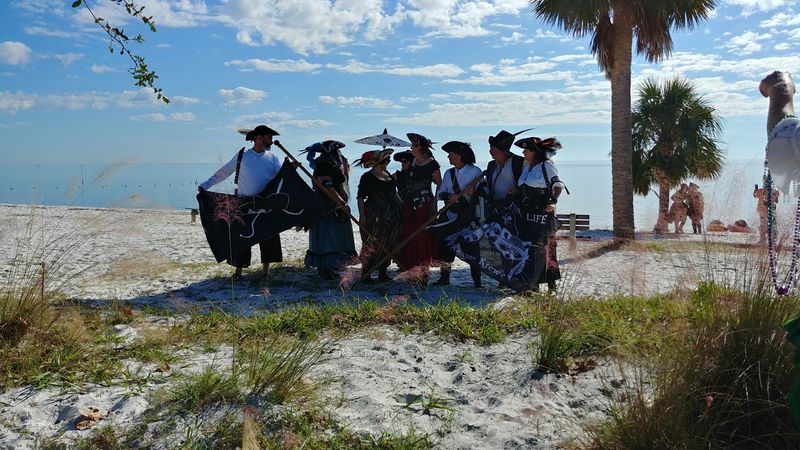
Every October, Cedar Key transforms into the kind of celebration that makes you want to clear your entire weekend calendar the moment you hear about it.
The Cedar Key Seafood Festival draws tens of thousands of visitors to this tiny island for two days of fresh Gulf seafood, live music, local art, and community pride that is genuinely contagious.
Booths line the waterfront streets offering everything from smoked mullet dip to steamed clams, and the smell alone is enough to pull you in from a block away.
I wandered through the festival on a warm Saturday afternoon and found myself stopping at nearly every vendor, convinced each one had something I absolutely needed to try.
Local artists and craftspeople set up alongside the food vendors, making the festival a full cultural experience rather than just a meal.
The event has been running for decades, which tells you everything about how deeply the community values both its seafood heritage and its visitors.
Cedar Key National Wildlife Refuge
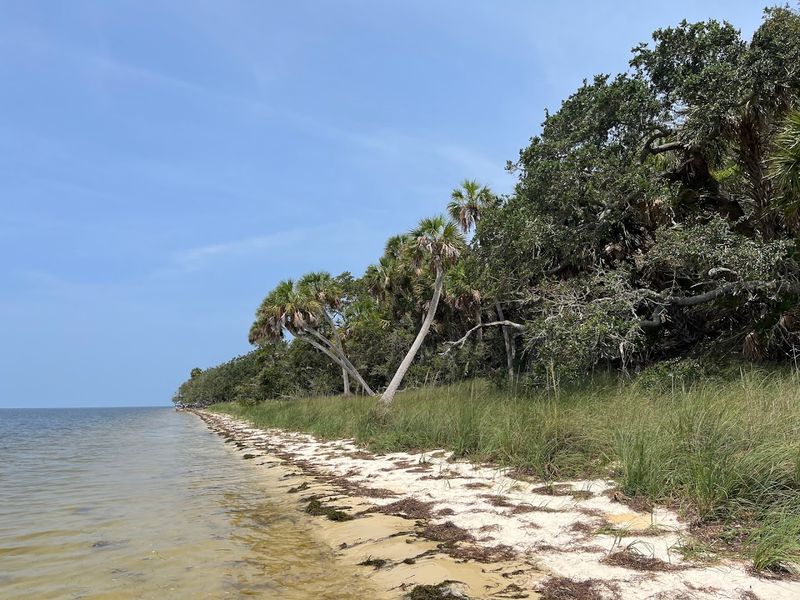
Scattered across the Gulf just offshore from Cedar Key, the islands that make up the Cedar Keys National Wildlife Refuge feel like they belong to a different century entirely.
The refuge protects a cluster of small, mostly uninhabited islands that serve as critical nesting habitat for magnificent frigatebirds, brown pelicans, anhingas, and dozens of other species.
Birders from across the country make the trip specifically to spot species here that are difficult to find anywhere else in Florida, and the refuge delivers reliably.
I joined a boat tour that circled several of the refuge islands, and the sheer number of birds visible from the water was genuinely staggering.
While public access to the islands themselves is restricted to protect nesting colonies, viewing from the water is not only allowed but highly encouraged.
The refuge is a reminder that some of Florida’s most spectacular wildlife experiences require nothing more than patience, a pair of binoculars, and a willingness to slow down.
Cedar Key Museum State Park
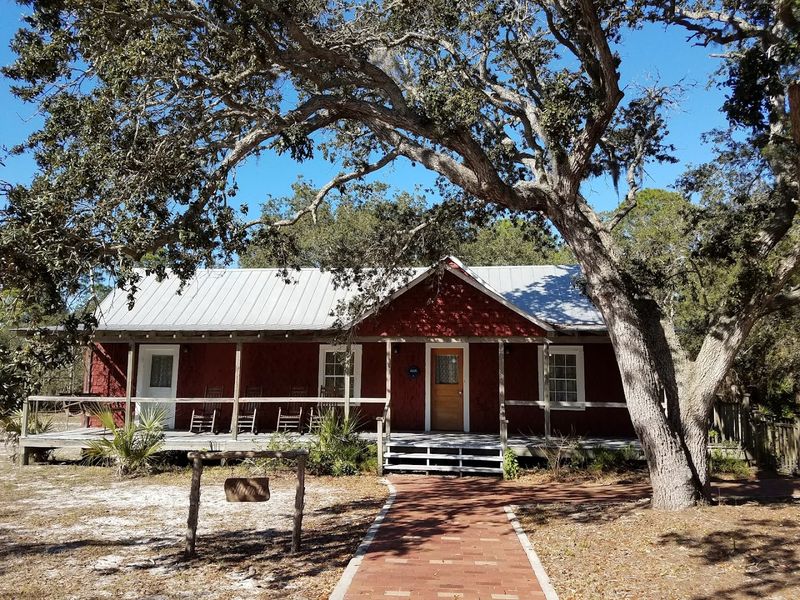
History has a way of sneaking up on you in Cedar Key, and nowhere is that more true than at Cedar Key Museum State Park.
The park centers on a charming 1920s home that once belonged to Saint Clair Whitman, a collector whose passion for shells, Native American artifacts, and local curiosities produced one of the most eclectic small museums I have ever walked through.
The collection inside feels personal and a little wonderfully chaotic, with display cases packed full of items that tell the story of a man who truly loved this corner of Florida.
Outside, a short nature trail winds through native vegetation, giving visitors a quiet moment to absorb the island’s natural character between exhibits.
The park also provides context for Cedar Key’s history as a once-thriving port city that shipped pencils, brooms, and fish across the country during the 1800s.
Spending an hour here before exploring the rest of the island makes everything else you see feel richer and more connected.
Cedar Key Historical Museum
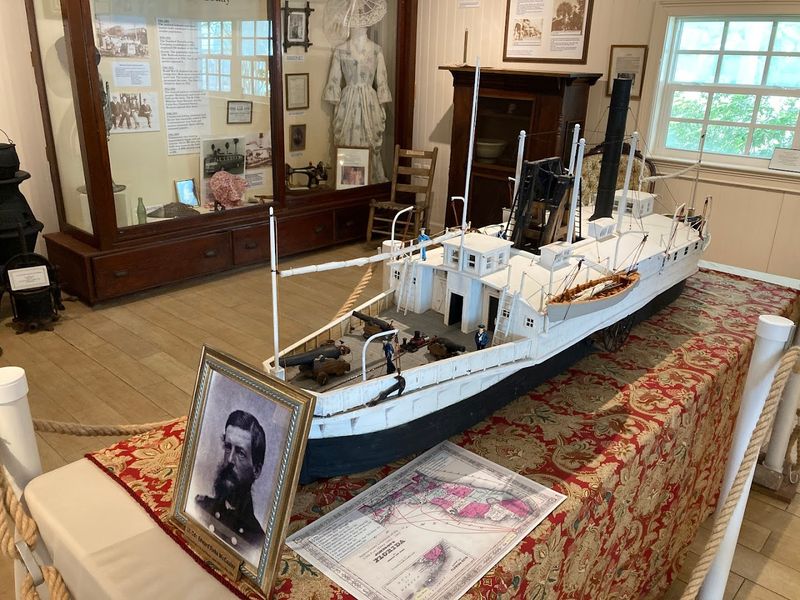
Walking into the Cedar Key Historical Museum feels like flipping through a family photo album that belongs to the entire town.
Located in the heart of the historic district, the museum fills its modest space with photographs, documents, maps, and Civil War-era items that paint a surprisingly detailed portrait of island life across multiple generations.
Cedar Key was once a significant strategic location during the Civil War, and the museum does not shy away from explaining that complicated chapter with honesty and depth.
I spent longer inside than I planned to, mostly because the old photographs kept pulling me in with their quiet, candid glimpses of daily life from more than a hundred years ago.
The staff are enthusiastic and knowledgeable, and if you ask the right questions, they will happily share stories that never made it onto any official display panel.
For a small-town museum, it carries an impressive amount of heart and historical substance that stays with you long after you leave.
Birding Along The Gulf Coast
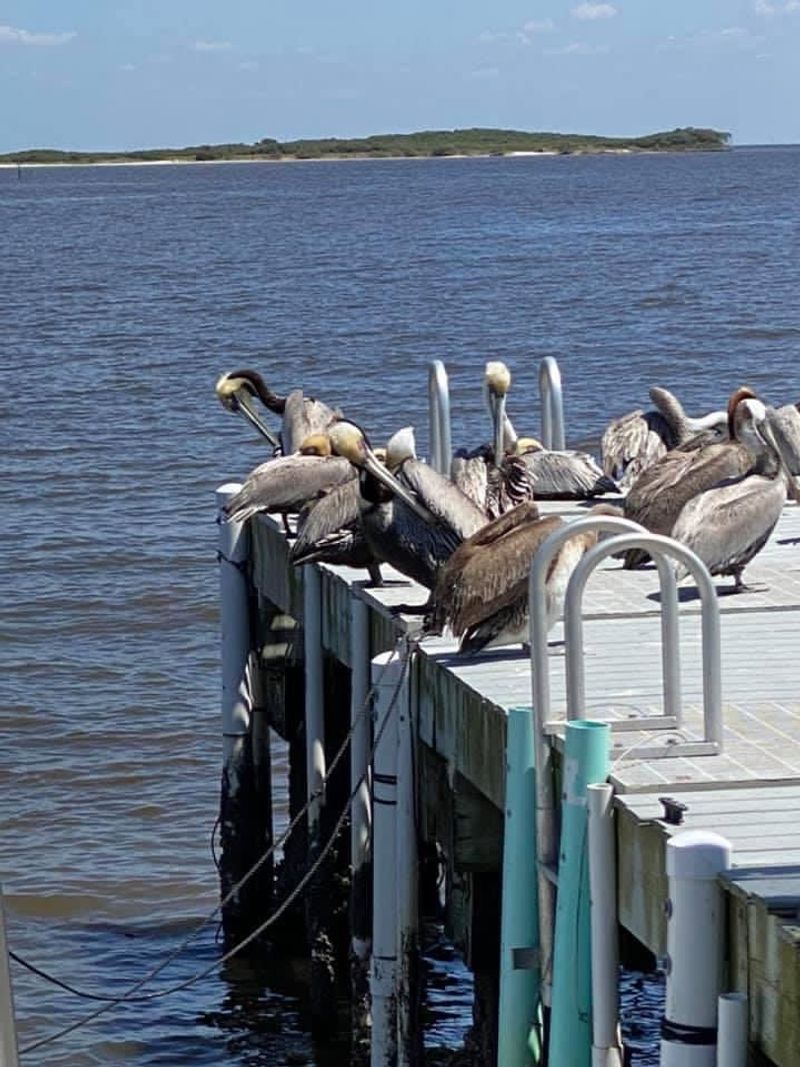
Cedar Key sits along the Gulf Coast in a position that makes it an absolute magnet for migratory and resident bird species throughout the year.
The combination of tidal flats, salt marshes, mangrove edges, and open water creates a layered habitat that supports an almost ridiculous variety of birds within a very small geographic area.
I spotted roseate spoonbills, white ibis, black-crowned night herons, and a pair of bald eagles all within a single morning walk along the waterfront, which felt almost unfair to birders who had to work harder elsewhere.
The fall migration season brings additional species passing through on their way south, and serious birders often time their visits specifically to catch the peak movement.
The city maintains several accessible viewing areas along the water where you can set up a scope or simply stand with a camera and wait for the birds to cooperate.
Few places in Florida offer this kind of effortless birding without requiring a long hike or a special permit to access the best spots.
Waterfront Dining With Local Flavor
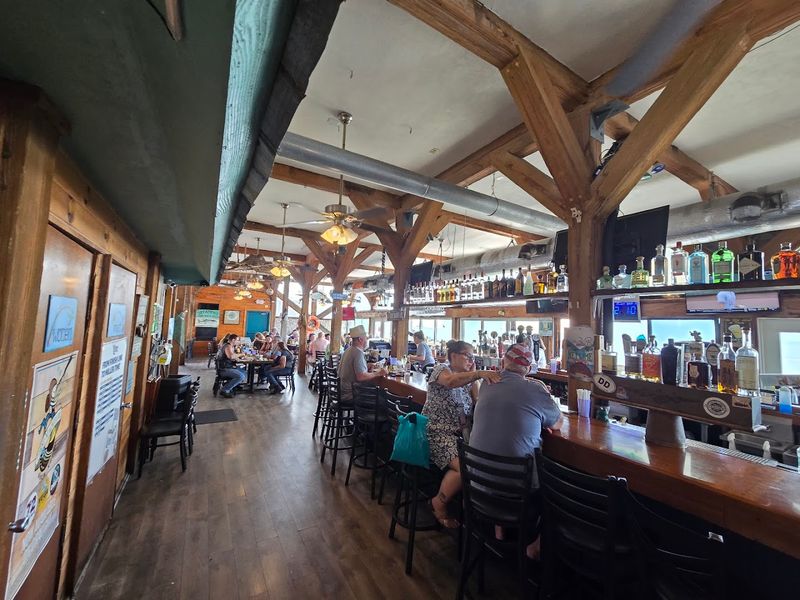
There is something deeply satisfying about eating a meal where the main ingredient was swimming in the same water you can see from your table.
Cedar Key’s waterfront restaurants specialize in exactly that kind of honest, local cooking, with menus built around whatever the boats brought in that morning rather than a corporate supply chain.
Mullet, grouper, stone crab claws when in season, and of course those famous clams show up in every form imaginable, from chowders to po’boys to simple steamed preparations that let the Gulf flavor speak for itself.
I found my favorite spot by following a group of locals who clearly knew where the best lunch was hiding, which turned out to be a small open-air place right on the water with plastic chairs and paper napkins.
The atmosphere at Cedar Key restaurants tends to be relaxed and unhurried, which fits perfectly with the island’s overall personality.
Eating here is less about the restaurant and more about the whole experience of being somewhere that still takes its seafood seriously.
Sunset Views Over The Gulf Of Mexico
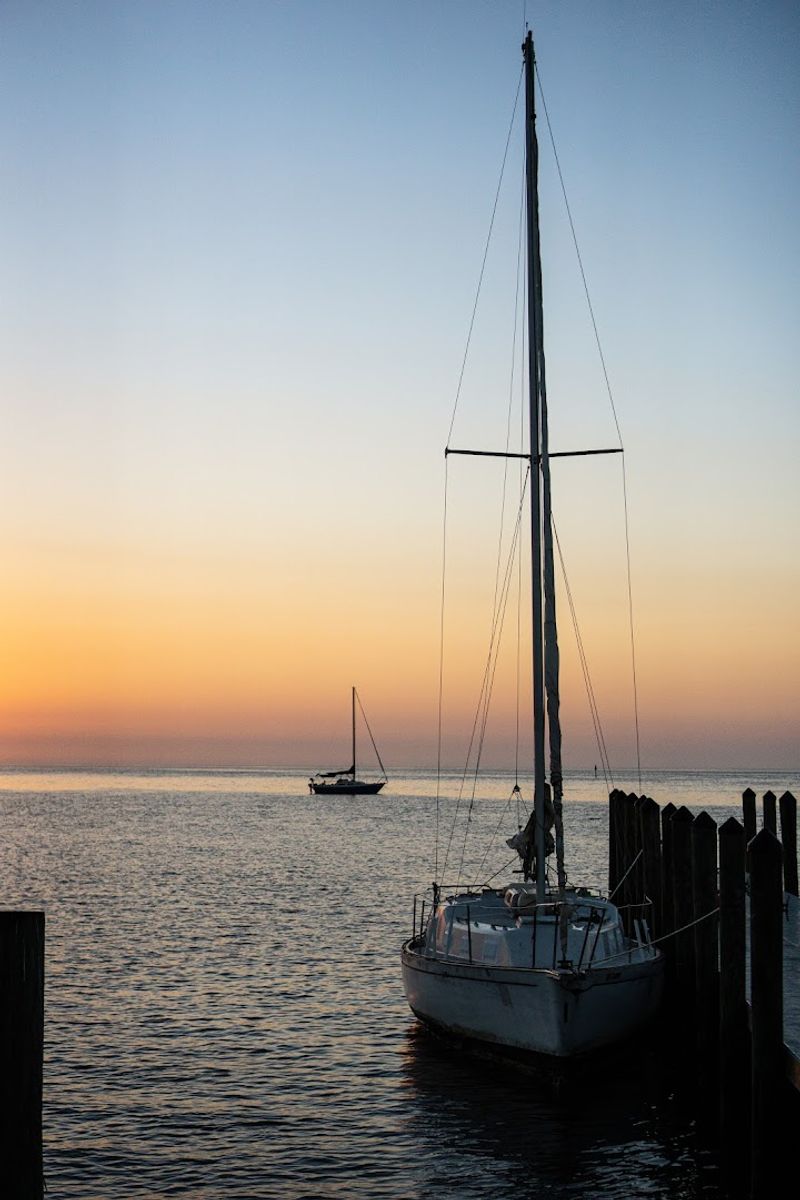
Sunsets on the Gulf side of Florida have a reputation, and Cedar Key earns every bit of it without even trying.
Because the island faces west into the open Gulf of Mexico, the evening sky puts on a show that regularly stops conversations mid-sentence and sends everyone reaching for their cameras at the same moment.
I watched one particular sunset from a bench near the city dock that turned the water into a mirror of orange, pink, and deep purple, and I genuinely lost track of time for about twenty minutes.
The lack of high-rise buildings or bright commercial signage along the waterfront means there is nothing blocking the horizon, which makes the view feel wider and more dramatic than you might expect from such a small town.
Locals and visitors mix easily along the waterfront during the golden hour, sharing the kind of comfortable silence that only a really good sunset can create.
Planning your evening around the sunset in Cedar Key is not optional so much as it is a basic requirement of visiting correctly.
A Laid-Back Island Town With Real Character
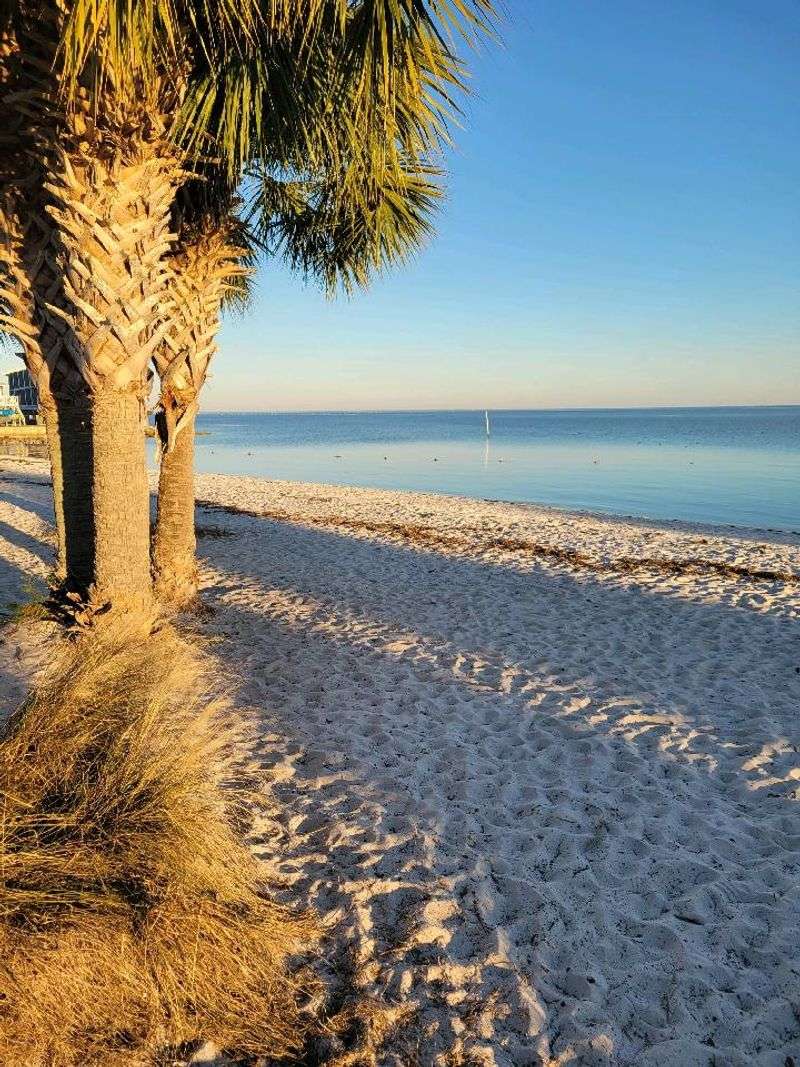
Cedar Key operates at a pace that most of Florida forgot about decades ago, and that slowness is honestly one of its greatest attractions.
The town has fewer than 1,000 year-round residents, which means the streets are quiet, the faces become familiar quickly, and the community pride is visible in every painted building and hand-lettered sign.
Historic wooden structures line the main streets, giving the downtown area a look that feels genuinely preserved rather than artificially restored for tourist appeal.
I rented a bicycle one afternoon and covered the entire island in under an hour, stopping to chat with a gallery owner, a retired fisherman, and a dog who seemed to be the unofficial mayor of Second Street.
The arts community here punches well above its weight for such a small town, with working studios, galleries, and annual arts festivals that attract serious collectors from across the Southeast.
Cedar Key reminds you that a place does not need to be large or loud to leave a lasting impression on everyone who visits.