
This Hidden Florida River Offers A Canoe Trip Straight Into A Lost World
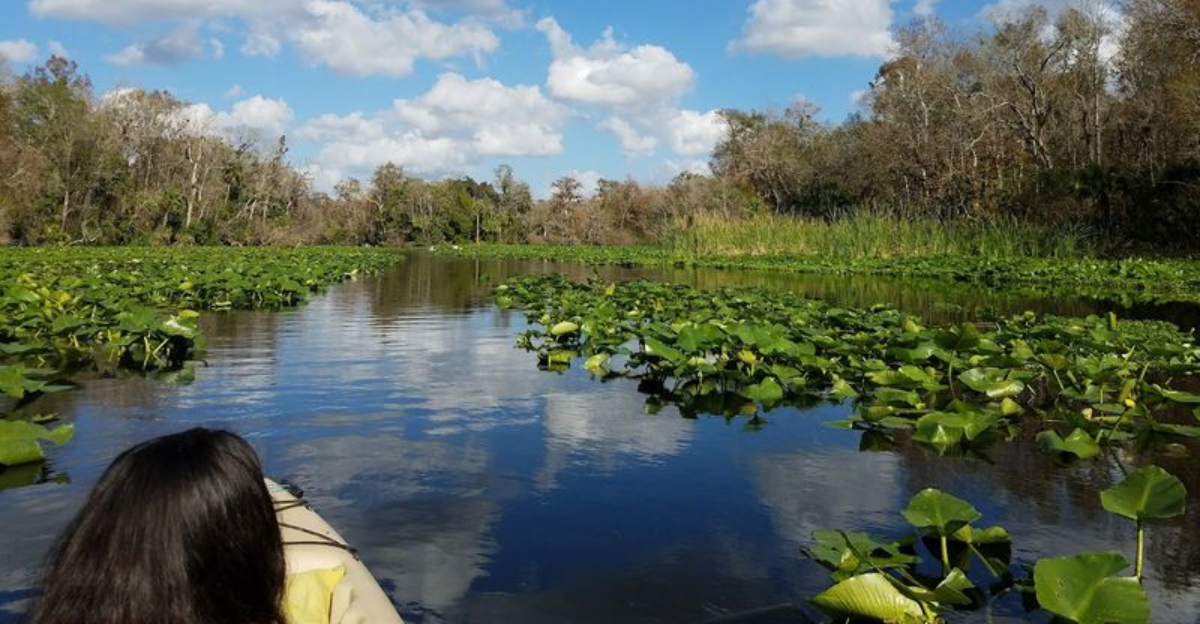
Florida is not supposed to feel this untouched.
That is what makes this river different.
Instead of traffic and noise, everything slows down the moment you step onto the water. No crowds.
No distractions. Just a quiet stretch of river that feels like it has not changed in centuries.
At first, it feels peaceful.
Then it becomes something more.
Trees rise around you. Moss hangs low.
And the only sound is the steady rhythm of your paddle cutting through clear water.
You stop looking at your phone.
You start paying attention.
This is the side of Florida most people never see.
The one that existed long before anything was built around it.
Places like this are easy to miss across Florida.
Until you find one.
And once you do, it changes how you think about everything else in the state.
Crystal Springs Feed This Ancient Waterway
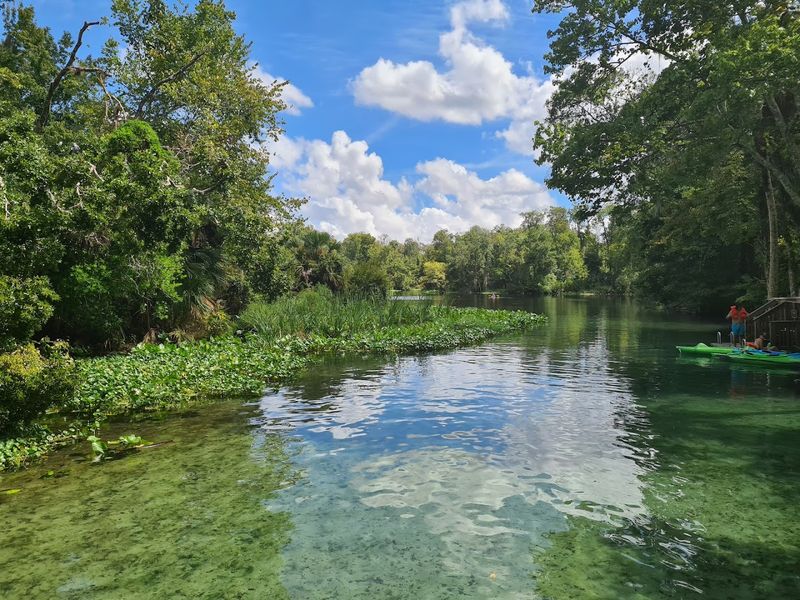
The springs that feed Wekiva River pump out roughly 42 million gallons of water daily, creating that signature clarity that makes you feel like you’re paddling over liquid glass. I remember the first time I peered over the side of my canoe and spotted fish swimming fifteen feet below, every scale visible in the afternoon light.
These springs maintain a constant 72-degree temperature year-round, which means the water feels refreshingly cool during summer months and surprisingly warm when winter air drops into the fifties.
The limestone aquifer beneath central Florida acts like nature’s filtration system, pushing water up through sandy bottoms in spots that locals have mapped over decades of exploration. Wekiva Springs State Park protects the river’s headwaters, where the main spring boils up in a dramatic display of geological force that’s mesmerizing to witness.
I’ve spent entire afternoons just floating near the spring outlets, watching the sand dance and swirl as thousands of gallons surge upward.
This constant flow of fresh spring water creates perfect conditions for the diverse ecosystem that thrives along the river’s thirteen-mile journey to the St. Johns River.
Old Growth Cypress Trees Line The Banks
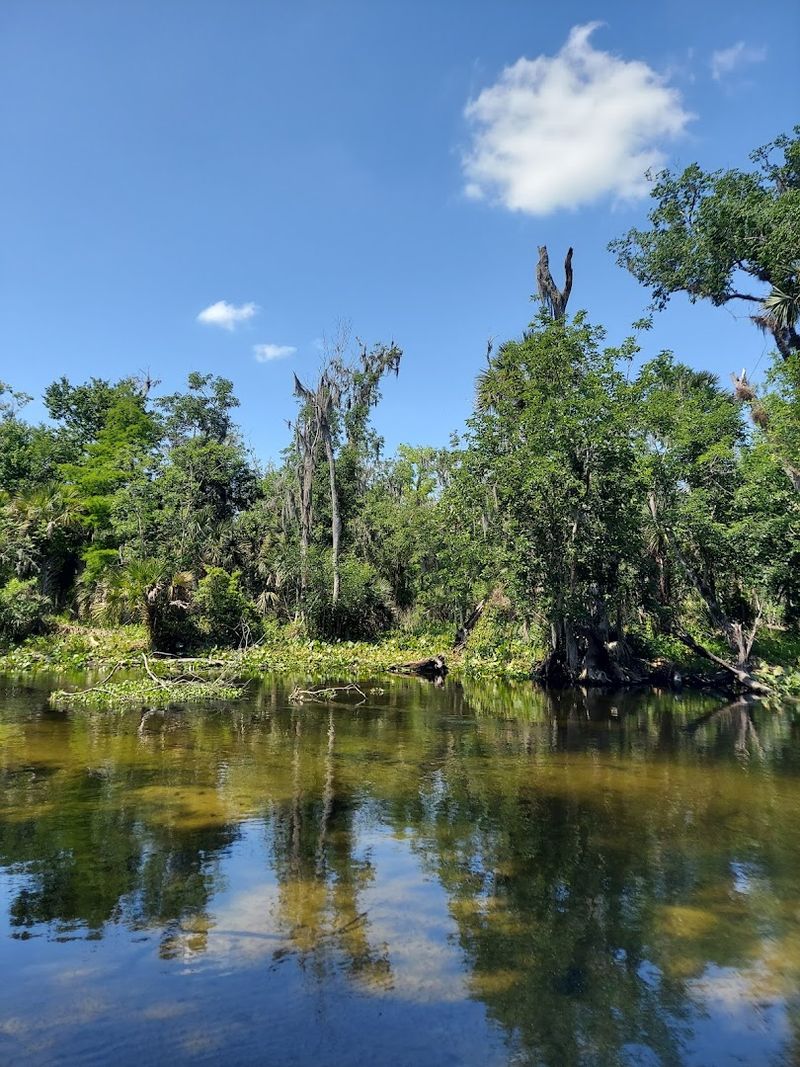
Cypress trees that have stood along Wekiva River for centuries create a canopy so dense that paddling beneath them feels like entering a natural cathedral. Some of these giants measure six feet across at the base, their trunks scarred and weathered by hurricanes, floods, and the simple passage of time.
The cypress knees that poke up around their roots look like wooden stalagmites, and I’ve watched herons perch on them while hunting for fish in the shallows.
Spanish moss drapes from nearly every branch, swaying in the breeze like nature’s own curtains and filtering the sunlight into soft, dappled patterns on the water’s surface. During my autumn paddles, I’ve noticed how the cypress needles turn rusty orange before dropping, one of the few deciduous conifers to put on a seasonal show.
The shade these trees provide becomes a blessing during summer, when temperatures climb into the nineties and any relief from direct sun feels like a gift.
Preservation efforts have protected these old growth stands, ensuring that future paddlers can experience the same sense of ancient wilderness that makes Wekiva River feel timeless and untouched.
Alligators Patrol These Waters Regularly
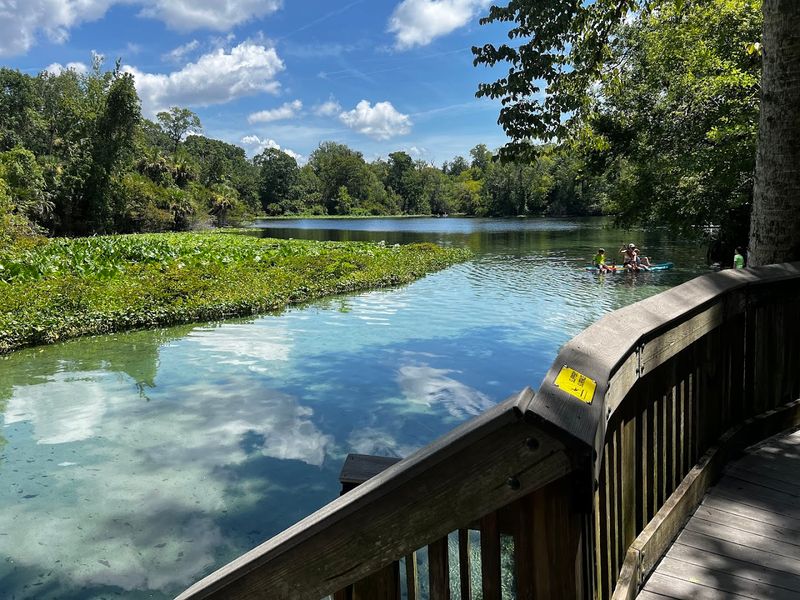
Spotting an alligator on Wekiva River ranks somewhere between guaranteed and inevitable, since these prehistoric reptiles call this waterway home in impressive numbers. I’ve learned to scan the banks and floating logs carefully, because what looks like a weathered piece of driftwood often turns out to be a six-foot gator soaking up morning sun.
The river’s healthy fish population and abundant turtles provide plenty of natural food, which means these gators typically show zero interest in canoeists gliding past.
My most memorable encounter involved a massive specimen that surfaced about twenty feet from my kayak, gave me a long look with those ancient eyes, then submerged without a ripple. Rangers at Wekiva Springs State Park emphasize that alligators have lived here far longer than humans have been paddling through, and respecting their space means keeping a safe distance and never attempting to feed them.
During cooler months, you’ll spot them basking on sunny banks, while summer heat sends them into the water where they become harder to see.
This healthy alligator population serves as evidence of the river’s ecological balance, a reminder that Wekiva River remains genuinely wild despite its proximity to Orlando’s sprawl.
Manatees Seek Refuge In Winter Months
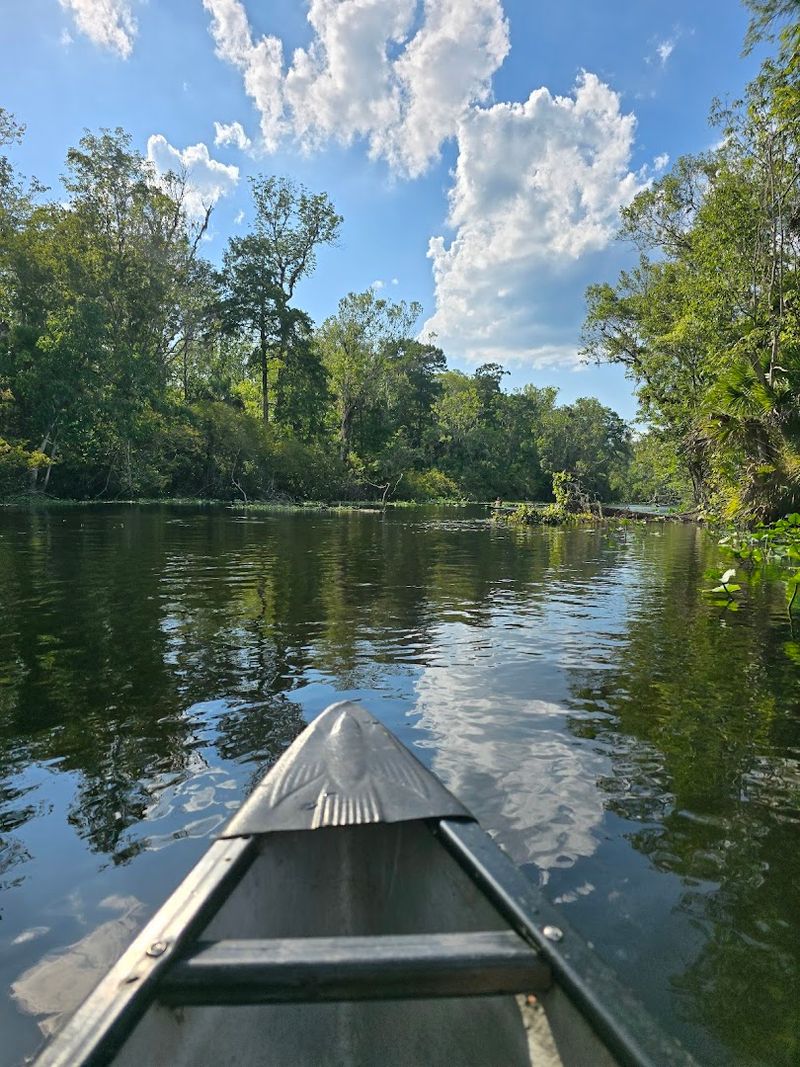
When winter cold fronts push through central Florida and drop water temperatures in the St. Johns River, manatees migrate upstream into Wekiva River seeking the warm spring water that maintains its constant 72-degree temperature. I’ve witnessed dozens of these gentle giants packed into spring runs during January cold snaps, their gray backs breaking the surface as they breathe and rest in the thermal refuge.
These marine mammals can’t survive extended periods in water below 68 degrees, making spring-fed rivers like Wekiva critical to their winter survival.
Watching manatees glide through crystal-clear water ranks among the most magical experiences the river offers, though state regulations require paddlers to maintain distance and avoid disturbing them. The scars on many manatees’ backs tell stories of boat propeller strikes, a sobering reminder of the threats these endangered animals face throughout Florida waterways.
During peak winter months, I’ve counted more than twenty manatees in a single spring run, all seeking the same warm water sanctuary.
Conservation efforts along Wekiva River have created protected zones where manatees can rest undisturbed, ensuring this ancient waterway continues serving as a vital refuge for these remarkable creatures.
Native Americans Lived Along These Banks
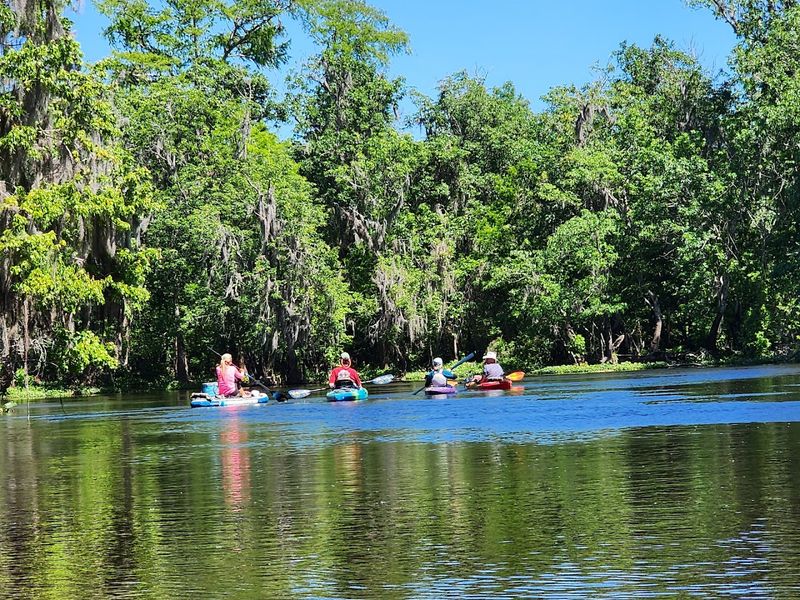
Archaeological evidence reveals that Native American tribes established settlements along Wekiva River more than 6,000 years ago, drawn by the same abundant resources that make the river special today. Shell middens still visible at certain access points contain layers of discarded freshwater mussel shells, fish bones, and pottery shards that tell stories of communities who thrived here for millennia.
The Timucua people were living along these banks when Spanish explorers first arrived in Florida, using dugout canoes to navigate the same waterway I paddle through on weekend mornings.
I’ve stood at interpretive sites where archaeologists uncovered tools, cooking vessels, and evidence of sophisticated fishing techniques that sustained large populations in this river corridor. The name “Wekiva” itself comes from Creek or Seminole languages, though scholars debate whether it means “flowing water” or “spring of water,” both fitting descriptions.
During low water periods, you can sometimes spot depressions in the riverbank where ancient peoples launched their canoes, unchanged pathways connecting past to present.
This deep human history adds another layer to the river’s mystique, reminding paddlers that we’re following routes established thousands of years before modern Florida existed.
Black Bear Sightings Happen Throughout The Year
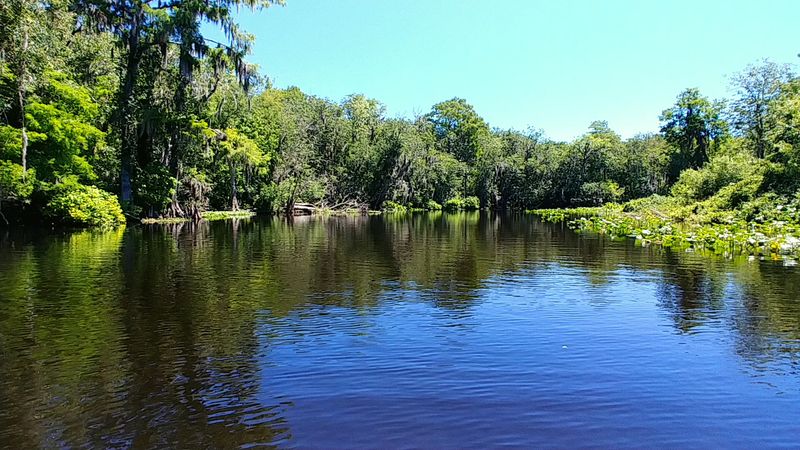
Florida black bears roam the forests surrounding Wekiva River, and catching a glimpse of one ambling along the bank ranks as one of the river’s most thrilling wildlife encounters. I’ve only spotted bears twice during my dozens of trips, but both times left me breathless watching these powerful animals move through palmetto thickets with surprising grace.
The Wekiva River basin supports one of central Florida’s healthiest bear populations, with an estimated 50 to 100 individuals living in the protected corridor.
These bears feed on palm berries, acorns, and various plants that flourish in the river’s floodplain forests, though they’ll also raid campground coolers if given the opportunity. Park rangers emphasize proper food storage when camping along the river, since bears have learned to associate human activity with easy meals.
Most encounters involve spotting a bear from your canoe as it drinks from the river or crosses between feeding areas, and the animals typically retreat into thick vegetation once they notice paddlers.
The presence of black bears signals the ecological health of Wekiva River’s surrounding wilderness, proof that this waterway maintains enough undeveloped habitat to support apex predators in suburban Florida.
Multiple Access Points Make Planning Easy
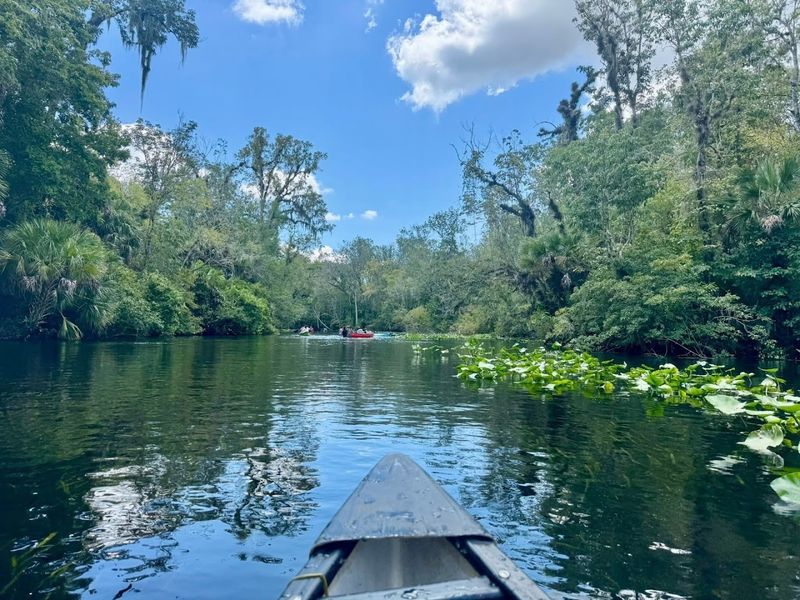
Wekiva Springs State Park provides the most popular launch point, where I can rent a canoe if I don’t bring my own and access the river at its crystal-clear headwaters. The park charges a modest entrance fee and offers ample parking, restrooms, and a sandy beach area where families gather before pushing off into the current.
Downstream access points include Katie’s Wekiva River Landing and Kings Landing, both offering rental services and pickup shuttles for paddlers who want to make a one-way journey.
I’ve found that launching from Wekiva Springs and paddling downstream to Katie’s Landing creates a perfect half-day trip of roughly four to five hours, depending on how often you stop to explore. The state park’s launch area can get crowded on weekends, especially during spring and fall when weather conditions hit that perfect sweet spot.
Advance reservations for canoe rentals during peak season have saved me from disappointment more than once, since rental fleets can sell out by mid-morning on popular dates.
Each access point offers slightly different experiences, with upstream sections running clearer and cooler while downstream stretches widen and slow, giving paddlers options to match their skill level and time commitment.
Birdwatching Opportunities Abound Year Round
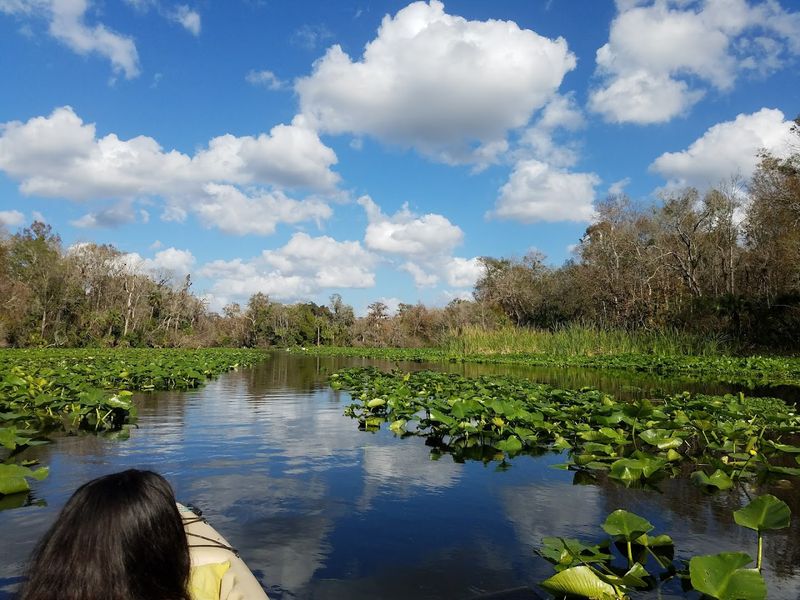
Paddling Wekiva River with binoculars has become one of my favorite ways to spend a morning, since the diverse bird population includes everything from tiny warblers to massive wood storks. Great blue herons stalk the shallows with prehistoric patience, while anhingas perch on overhanging branches with wings spread wide to dry their feathers after diving for fish.
I’ve logged sightings of limpkins, their distinctive wailing calls echoing through the cypress swamps as they hunt for apple snails in the muddy banks.
During winter months, migratory species join the year-round residents, creating opportunities to spot birds that summer far to the north. The river corridor serves as an important flyway, and I’ve watched flocks of sandhill cranes pass overhead while their rattling calls drift down through the canopy.
Osprey nest in tall snags along the river, and witnessing one plunge into the water to snatch a fish never gets old no matter how many times I see it happen.
Serious birders maintain life lists of species spotted along Wekiva River, with counts exceeding 150 different birds documented throughout the year in this relatively compact ecosystem.
Camping Options Let You Extend The Adventure
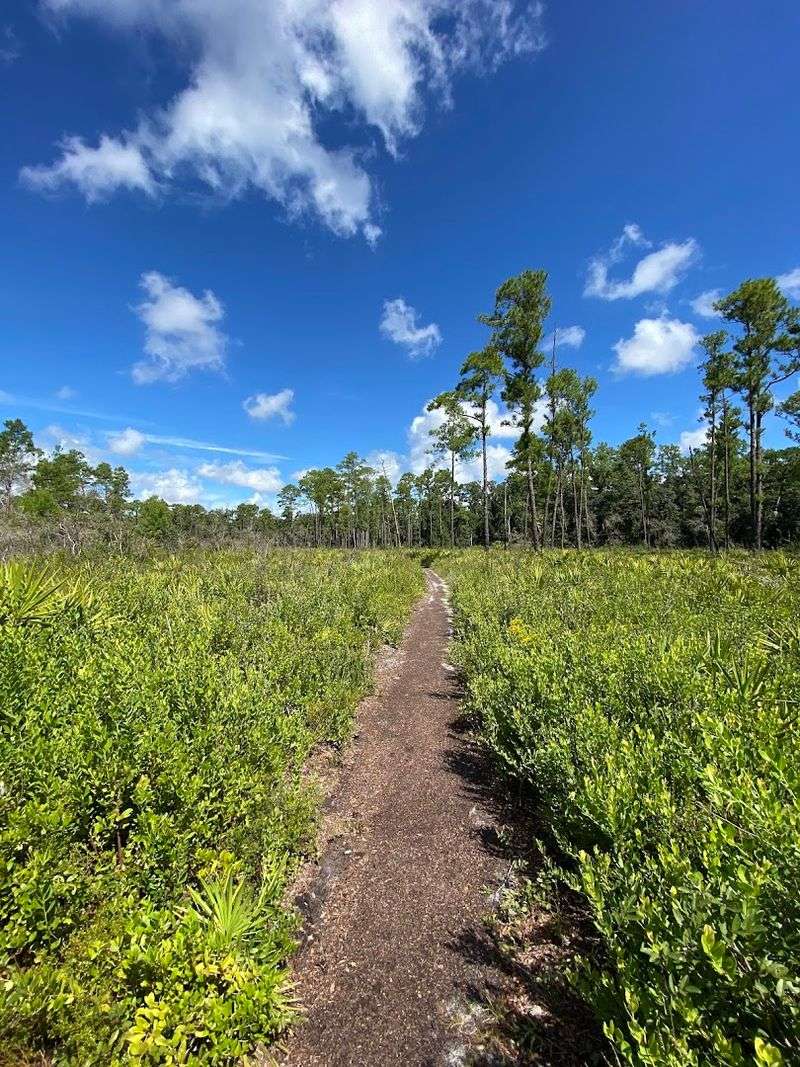
Wekiva Springs State Park maintains developed campsites with amenities like showers and electrical hookups, perfect for paddlers who want to split a long river trip into a comfortable overnight adventure. I’ve reserved sites within walking distance of the river launch, making it easy to start paddling at dawn when wildlife activity peaks and the water lies smooth as glass.
The park also offers more primitive camping areas for those seeking a true backcountry experience, though these sites require more advance planning and preparation.
Camping along the river lets you experience the transformation that happens after day visitors leave, when the forest settles into its nocturnal rhythms and barred owls begin their haunting calls. I’ve spent evenings around campfires listening to the sounds of the river, watching bats swoop overhead catching insects and occasionally hearing the splash of a jumping fish.
Raccoons patrol the campsites after dark, so proper food storage becomes essential to avoid midnight visits from these masked bandits.
Multi-day trips down Wekiva River reveal patterns and details that single-day paddlers miss, deepening your connection to this wild waterway and creating memories that last far beyond the weekend.
Conservation Efforts Protect This Fragile Ecosystem
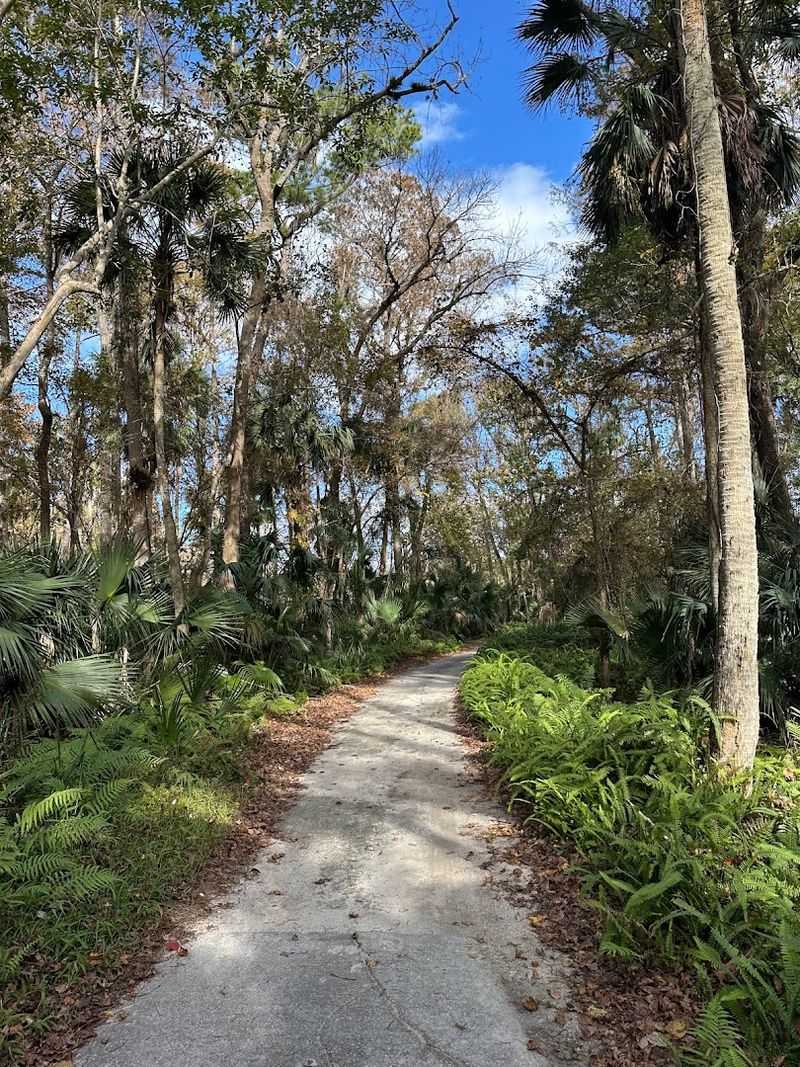
The Wekiva River basin earned federal designation as an Outstanding Florida Water and a National Wild and Scenic River, recognition that brings protection from development and ensures future generations can experience its wild character. I’ve watched conservation organizations work tirelessly to acquire land along the river corridor, creating buffers that prevent suburban sprawl from encroaching on this ecological treasure.
The Wekiva River Basin State Parks system now encompasses nearly 60,000 acres of protected land, an impressive achievement considering Orlando’s explosive growth surrounds this wilderness.
Water quality monitoring happens regularly, with scientists tracking everything from nutrient levels to fish populations to ensure the ecosystem remains healthy. Local advocacy groups organize river cleanups several times yearly, and I’ve joined volunteers pulling trash from remote sections where careless paddlers have left evidence of their passage.
Educational programs teach visitors about the river’s ecological importance and the simple steps everyone can take to minimize their impact.
These conservation successes prove that even in rapidly developing regions, committed communities can preserve wild places, ensuring Wekiva River continues offering its timeless journey into Florida’s natural heart for decades to come.