
This Hidden Florida Trail Ends At A Tiny Waterfall You’ll Never Forget
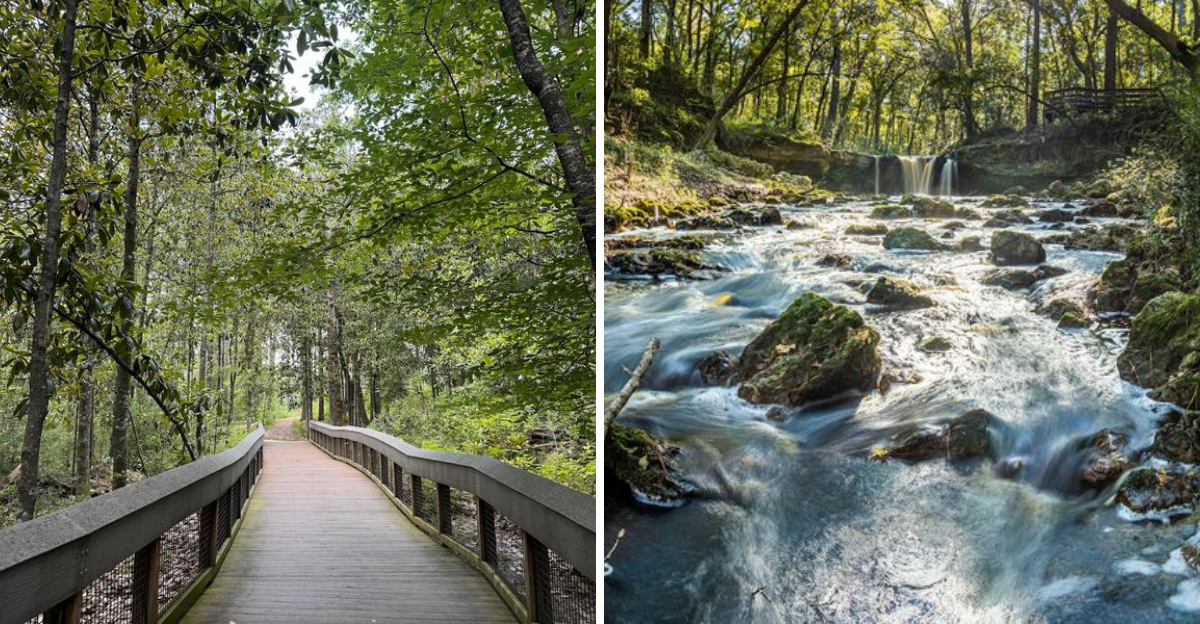
Florida has a reputation for being flat.
This trail quietly argues otherwise.
Most people picture endless beaches, palm trees, and coastal sunsets when they think of Florida. Waterfalls rarely make the list.
In fact, many visitors have no idea the state is home to one at all.
That is the first surprise.
Hidden away from the beaches and theme parks is a peaceful trail where towering trees replace traffic, birdsong replaces city noise, and a rushing waterfall becomes the reward at the end of an easy walk.
That is the contrast.
Florida is filled with famous attractions that attract millions of visitors every year. This one asks for nothing more than a few minutes of your time and rewards you with a landscape that feels completely out of place in the Sunshine State.
You expect another nature trail.
You leave talking about the waterfall.
Some Florida destinations become famous because everyone visits them.
This one stands out because so many people drive right past without ever realizing one of Florida’s most surprising natural wonders is waiting just around the corner.
Florida Actually Has A Real Waterfall Here
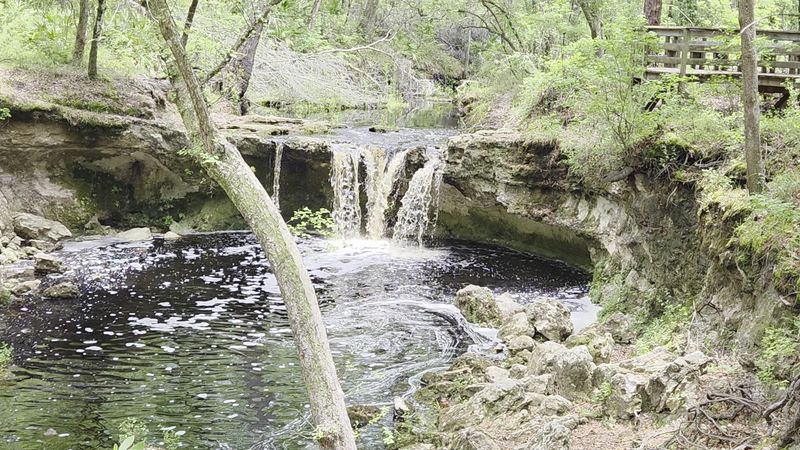
Waterfalls and Florida are not two things most people put together in the same sentence, which is exactly what makes Falling Creek Falls so quietly impressive. The water drops over a natural limestone ledge and tumbles into a ravine below, creating a scene that feels more like the Appalachian foothills than the Sunshine State.
I stood at the overlook for a solid ten minutes just letting the sound wash over me, which is not something I expected to do in northern Florida.
The falls sit along Falling Creek, a tributary that winds through the Columbia County landscape before reaching this dramatic little drop. Limestone formations are common in this part of Florida, and the geology here is what makes the waterfall possible at all.
The surrounding trees, including cypress and magnolia, frame the water beautifully and keep the area cool even on warmer days.
Rangers at the park mention that the falls are most powerful after recent rainfall, so timing your visit after a good storm pays off in a big way. Even during drier stretches, the scene still holds its charm and the sound of moving water never fully disappears.
The Trail Is Only 0.6 Miles Long
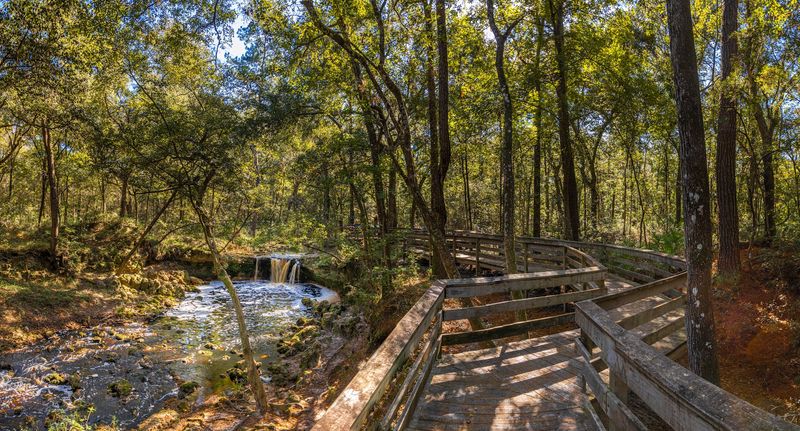
Short trails sometimes get dismissed as not worth the trip, but the 0.6-mile loop at Falling Creek Falls packs a surprising amount of scenery into a very small distance. The path is almost entirely an elevated wooden boardwalk, which means your feet stay clean and dry even after rain.
I finished the loop in about fifteen minutes, but I walked slowly because there was genuinely a lot to look at along the way.
The boardwalk rises above the forest floor, giving you a slightly elevated view of the creek and the surrounding vegetation as you move toward the falls. That elevated perspective makes the approach feel almost theatrical, like the trail is building toward something, which of course it is.
The moment you hear the water before you see it is one of those small travel thrills that sticks with you.
For families with young children, older adults, or anyone who just wants a peaceful outdoor experience without a strenuous workout, this trail length is honestly ideal. You get the full reward of a waterfall destination without needing hiking boots, a packed lunch, or a fitness plan to pull it off.
The Boardwalk Makes It Wheelchair Accessible
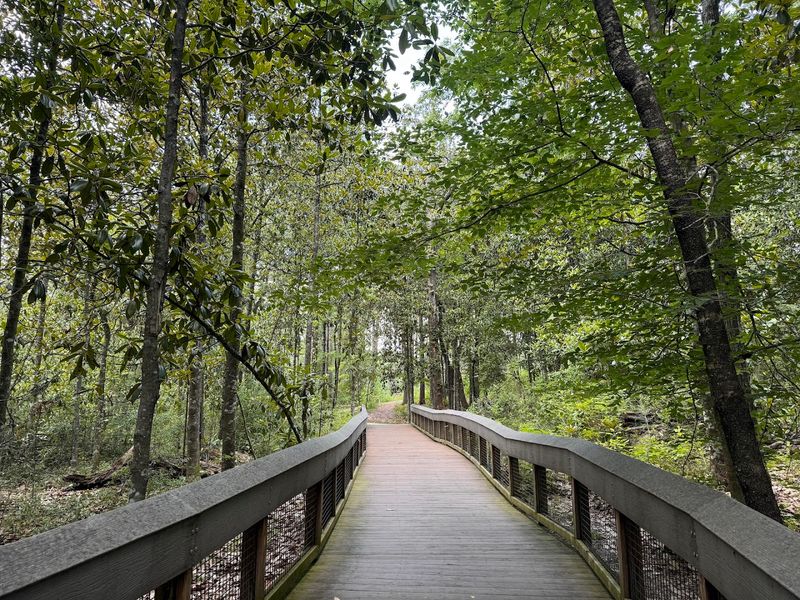
Accessibility at natural attractions can be hit or miss, but the boardwalk at Falling Creek Falls is a genuine win for visitors who need a flat, stable surface to enjoy the outdoors. The entire trail runs on a well-constructed wooden boardwalk that keeps the path level and predictable from start to finish.
That kind of thoughtful design makes a real difference for wheelchair users, stroller-pushing parents, and anyone with mobility considerations.
I noticed on my visit that the boardwalk was in solid condition, with no major gaps or unstable sections along the main route. The elevation of the walkway above the forest floor also means that even after heavy rain, the trail stays usable and mud-free.
That practical detail alone sets it apart from many natural trail experiences in Florida where unpaved paths become difficult after wet weather.
The accessibility of this trail means that multigenerational groups can visit together without anyone being left behind at the trailhead. Grandparents, grandchildren, and everyone in between can make the walk to the falls and share the same view at the end, which is the kind of thing that turns a short outing into a lasting memory.
You Can Hear The Falls Before You See Them
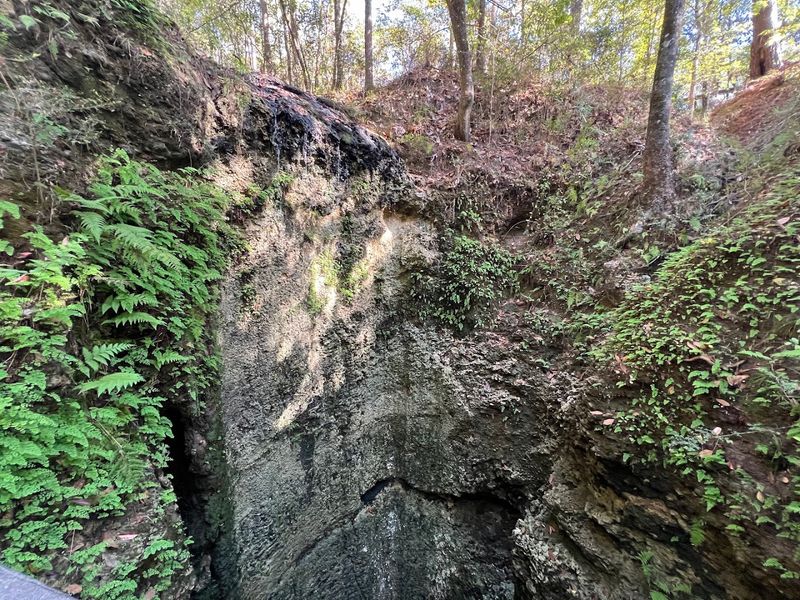
There is something uniquely satisfying about hearing a waterfall before it comes into view, and Falling Creek Falls delivers that experience in a way that feels almost cinematic. As you move along the boardwalk through the shaded canopy, the sound of rushing water starts to build gradually, pulling you forward with a kind of low-key excitement.
By the time the falls appear around the bend, you have already been primed by the sound to appreciate what you are about to see.
That audio preview of the falls is especially effective on days after rainfall, when the water volume is higher and the roar carries further through the trees. On quieter days, the sound is more of a gentle murmur, but it is still enough to signal that something worth seeing is just ahead.
Either way, the sensory buildup makes the reveal feel earned rather than abrupt.
Travel experiences that engage more than one sense at a time tend to leave stronger impressions, and this trail does exactly that without any deliberate staging. The forest sounds, the cool shade, the smell of creek water, and then the visual payoff of the falls all combine into something that is hard to fully capture in a photo but easy to remember years later.
The Falls Drop Over A Limestone Ledge
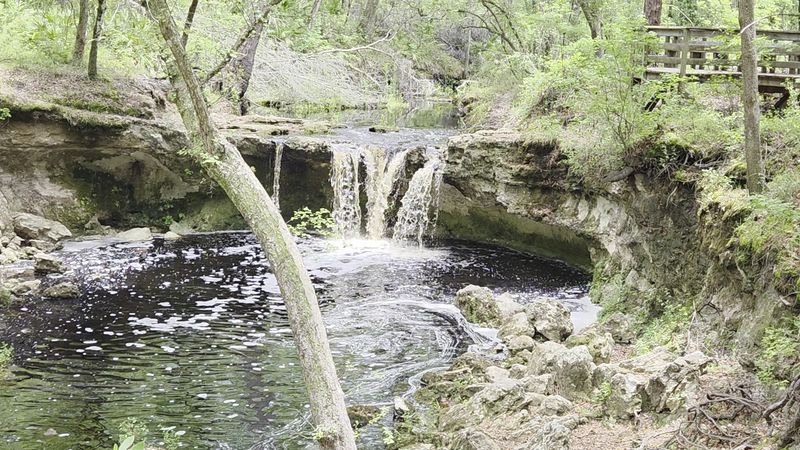
Limestone is the geological backbone of much of Florida, and at Falling Creek Falls that same rock creates the dramatic ledge over which the water drops into the ravine below. The limestone formation gives the falls a clean, defined edge rather than the jagged rocky look you might associate with mountain waterfalls.
Water spilling over a flat stone shelf has its own quiet elegance, and up close the texture of the rock is genuinely fascinating to look at.
The limestone here has been shaped over thousands of years by the movement of water, and you can see traces of that slow sculpting in the curves and grooves along the creek bed. Moss and small plants cling to the wet rock surfaces near the base of the falls, adding patches of vivid green to the scene.
That combination of pale stone, white water, and deep green growth creates a color palette that photographs beautifully in natural light.
Geologically speaking, this type of waterfall formation is rare in Florida precisely because the state is so flat, making the limestone ledge at Falling Creek a legitimate natural curiosity. Standing above that ledge and watching the water disappear over the edge gives you a small but real sense of wonder about what is happening beneath your feet across the entire state.
The Park Has Picnic Areas And A Playground
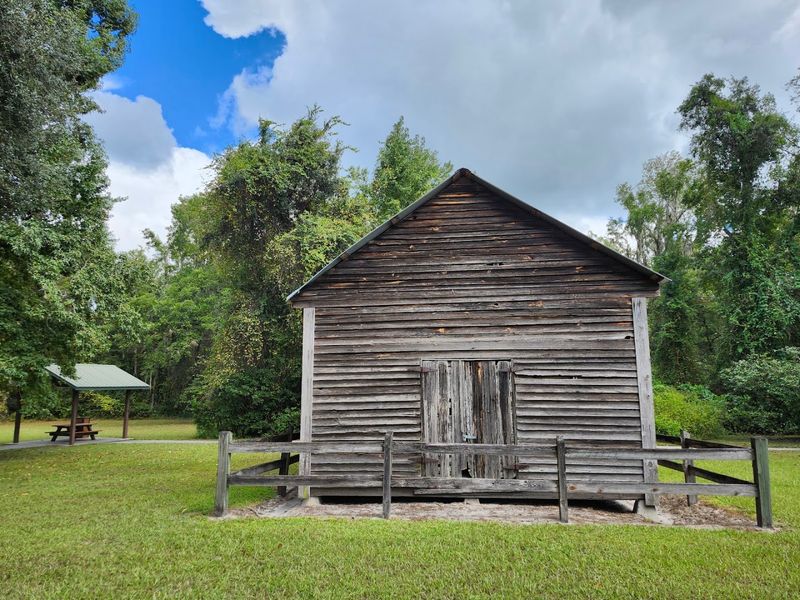
Falling Creek Falls is not just a trail with a waterfall at the end. The surrounding park area includes covered picnic pavilions, open grassy lawns, shaded tables, and a playground, making it a genuinely complete outing for families rather than just a quick stop for hikers.
On the afternoon I visited, a family was already settled under one of the pavilions with a cooler and a spread of food, treating the park like their own backyard.
The picnic areas are well-maintained and positioned under trees that provide natural shade, which matters a great deal in Florida where the sun can be relentless even in spring and fall. Having a shaded place to sit and eat before or after the trail walk turns the visit into a proper half-day event rather than a five-minute photo opportunity.
Clean restroom facilities are also available on-site, which is a detail that parents and road-trippers appreciate more than they usually admit.
The playground adds another layer of appeal for visitors with younger children who might find the boardwalk walk engaging but still have energy to burn afterward. Combining a natural attraction with functional park amenities is the kind of thoughtful planning that makes a place worth returning to, and Falling Creek Falls pulls it off without feeling overcrowded or commercialized.
Historic Remnants Are Part Of The Experience
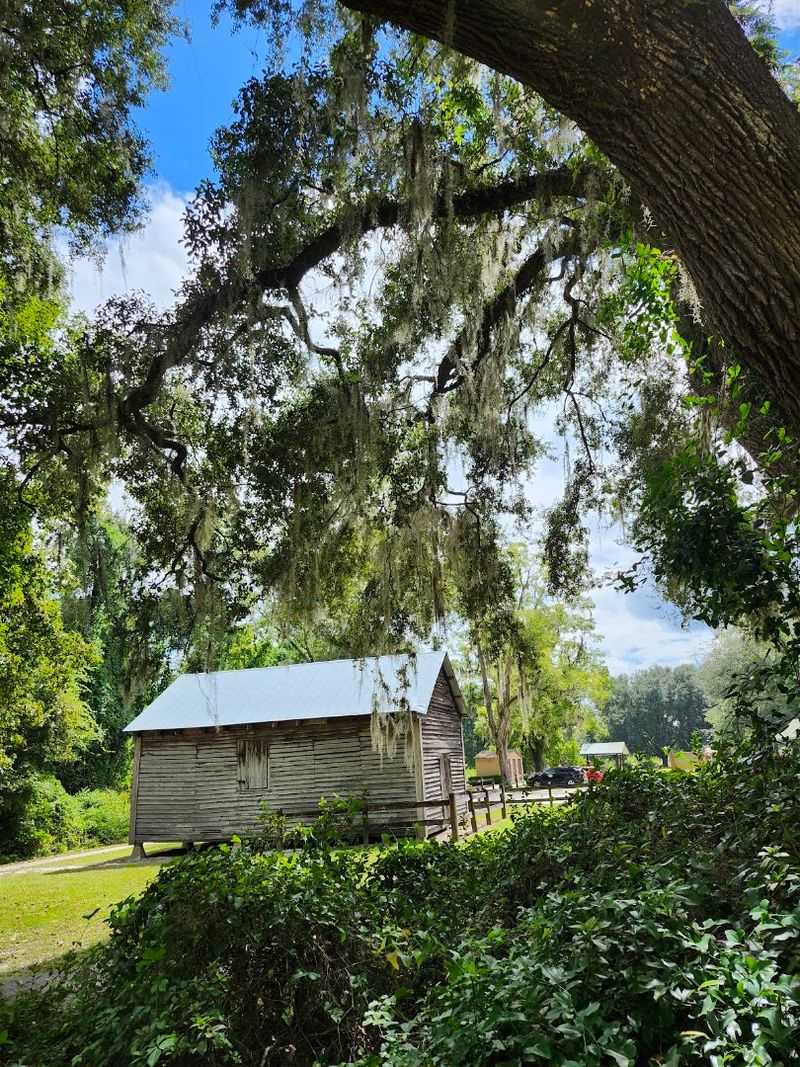
History has a way of sneaking into outdoor spaces when you least expect it, and Falling Creek Falls is no exception. The park includes historic remnants that hint at the area’s past, giving the visit a cultural layer that goes beyond just looking at a waterfall.
I spotted what appeared to be an old structure near the trailhead, and it added a sense of depth to the place that a purely natural site would not have.
Columbia County, where the park sits, has a long history tied to early Florida settlement, and the presence of these historic elements suggests that this stretch of land along Falling Creek has been meaningful to people for a very long time. Interpretive signage in the park helps connect those physical remnants to their historical context, which is helpful for visitors who want to understand what they are looking at rather than just walking past it.
That combination of natural beauty and historical significance is part of what makes this park feel like more than a novelty stop. You leave with a sense of having experienced something layered, a place where the land itself carries stories that go back further than the boardwalk, the pavilions, or even the trail markers pointing the way to the falls.
Water Flow Depends Heavily On Rainfall
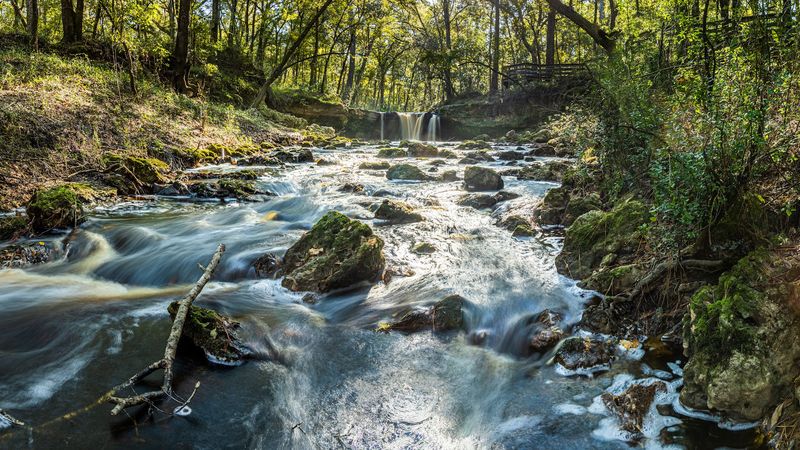
One of the most practical things to know before visiting Falling Creek Falls is that the volume of water going over the falls changes dramatically depending on recent rainfall. After a good storm, the falls roar with enough force to send mist drifting up toward the boardwalk, and the sound carries well into the surrounding forest.
During dry stretches, the flow slows to a trickle, and while the setting is still peaceful, the visual impact is noticeably reduced.
A ranger at the park told a group of visitors near me that the best time to see the falls at their most impressive is in the summer rainy season, when afternoon storms are common across northern Florida. Planning a visit in the day or two following a heavy rain gives you the best chance of seeing the falls the way they look in all those impressive photos online.
Checking a local weather forecast before heading out is genuinely useful advice here, not just a generic travel tip.
Even on a low-water day, the park itself is worth the stop for its shade, quiet atmosphere, and the pleasant walk along the boardwalk. The falls in any condition are still one of the most unusual natural sights in this part of Florida, and the surrounding landscape holds its appeal regardless of how much water is flowing.
No Dogs Are Allowed On The Trail
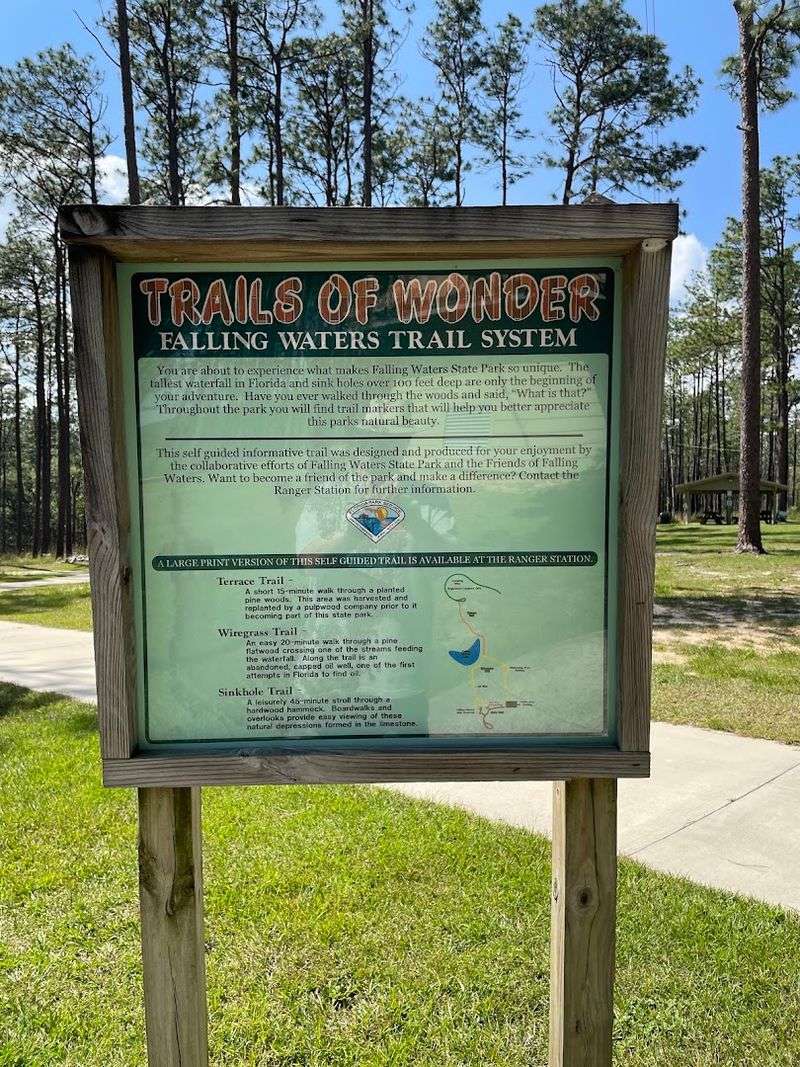
Pet policies at parks can catch visitors off guard, and Falling Creek Falls is one of those spots where dogs are not permitted on the trail or in the park area. That rule is posted clearly at the entrance, so arriving with your four-legged companion and then discovering the restriction at the gate is a situation best avoided with a little advance research.
I noticed the sign on my way in and appreciated that the park made the policy visible rather than tucking it somewhere hard to find.
The no-pets rule likely exists to protect the sensitive creek ecosystem and the wildlife that depends on it, which is a reasonable trade-off for a natural area this compact and ecologically active. The trail and boardwalk run very close to the water and the ravine, and keeping the habitat undisturbed makes sense given how small and contained the space is.
Visitors who do bring small pets sometimes carry them through, as noted by a few reviewers, but the official policy is clear.
If you are planning a trip specifically because you love exploring trails with your dog, it is worth knowing about this restriction ahead of time so you can plan accordingly. There are plenty of other trail options in the Lake City area that welcome pets, making it easy to build a full day that works for everyone in your group.
It Sits Just Minutes From Interstate 75
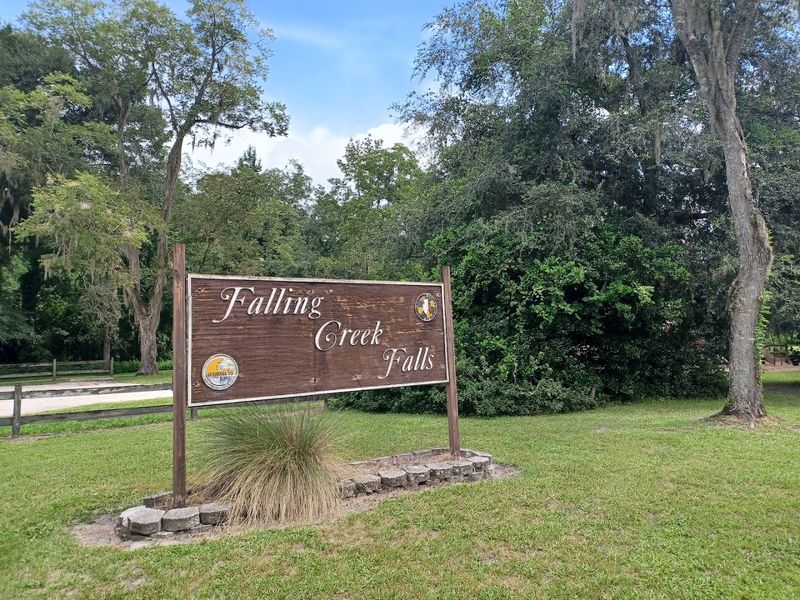
Location is one of the most underrated qualities of Falling Creek Falls, and the fact that it sits just a short drive from Interstate 75 makes it one of the easiest natural detours in northern Florida. If you are driving between Jacksonville and Gainesville, or passing through on a longer road trip, the falls are close enough to the highway that stopping barely disrupts your travel time.
I pulled off the interstate, visited the park, walked the full trail, and was back on the road in under an hour.
The address is 953 Falling Creek Rd, Lake City, FL 32025, and the drive from the I-75 corridor takes only a few minutes once you exit toward Lake City. The roads leading to the park are straightforward, and navigation apps handle the route without any confusion.
That ease of access is a big part of why the park attracts visitors who might otherwise never seek out a waterfall in Florida.
Road trips thrive on unexpected stops, and Falling Creek Falls is exactly the kind of place that turns a routine drive into a story worth telling. The combination of free admission, a short trail, real natural scenery, and a location right off a major interstate makes this one of the most rewarding spontaneous stops you can make in the entire state.