
This Hidden Illinois Aviation Museum Feels Like Stepping Into Top Gun
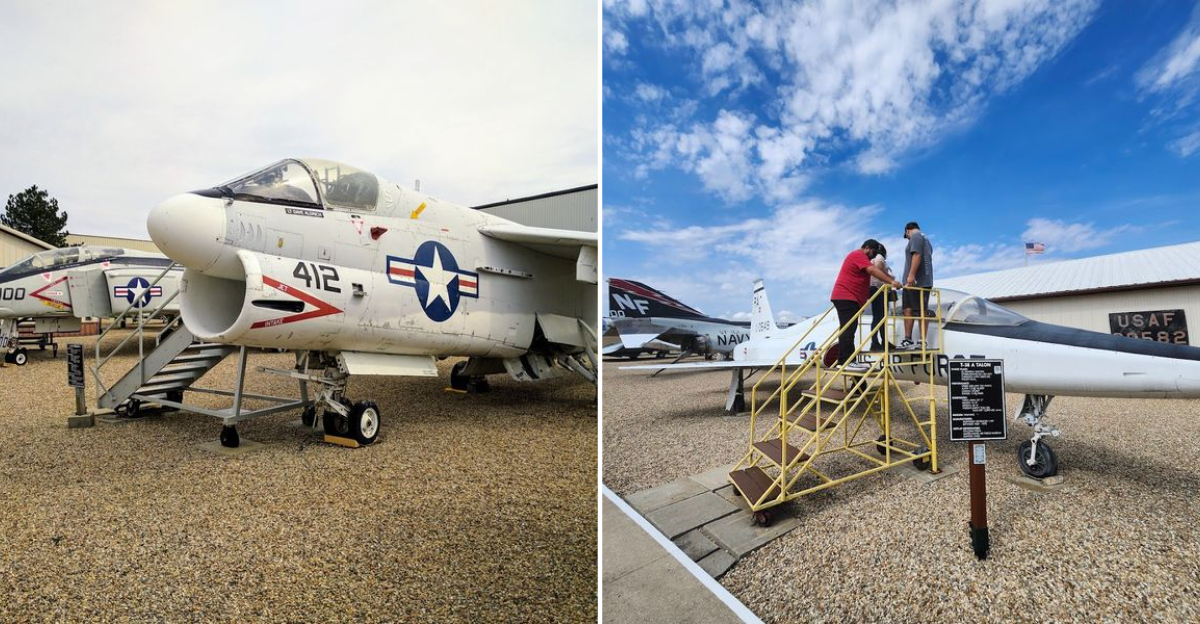
I had no idea a place like this existed in central Illinois until a friend mentioned it during a road trip through Bloomington. We pulled off the highway, and suddenly there it was, a real F-14 Tomcat sitting outside like it owned the place.
The kind of aircraft you expect in a blockbuster film stood right in front of me, close enough to study in detail. This low-key aviation spot in Illinois is easy to miss, yet it delivers a surprisingly powerful experience the moment you arrive.
The outdoor display alone feels unreal, especially when that unmistakable swept-wing jet comes into view. It’s the kind of discovery that turns a routine drive into something memorable and makes you wonder how a place like this isn’t on every travel list already.
The F-14 Tomcat Is The Crown Jewel
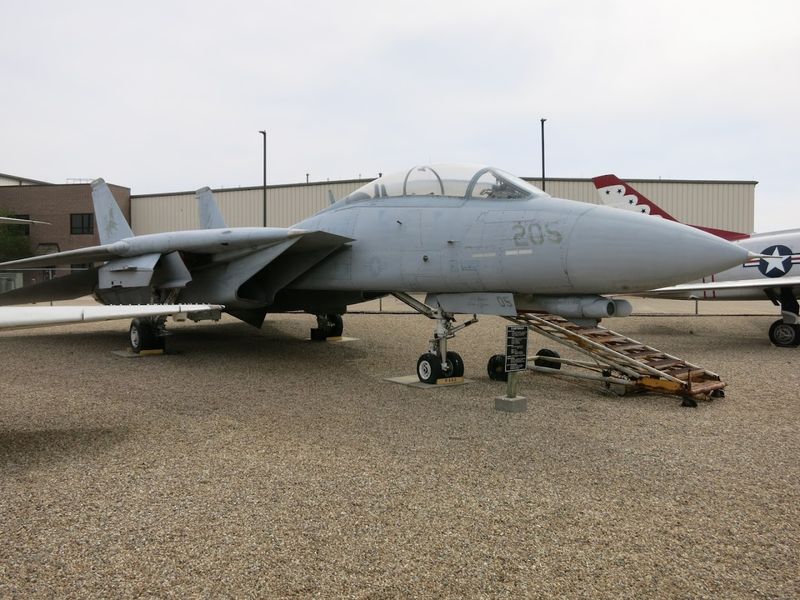
That iconic swept-wing silhouette is unmistakable. The F-14D Tomcat sitting on the grounds of Prairie Aviation Museum is not a replica or a model, it is the real deal, and standing next to it feels genuinely surreal.
This is the same aircraft type made famous by a certain 1980s film about naval aviators, and seeing it up close makes you understand why it became a cultural icon.
What makes this particular jet even more remarkable is that visitors can get unusually close to it in the museum’s hands-on outdoor Airpark. You can run your hand along the fuselage, peer up into the landing gear bays, and get a feel for just how massive and powerful this machine really is.
For aviation fans, this moment alone is worth the drive to Bloomington. The museum keeps the aircraft in excellent condition, which speaks to the dedication of the volunteer team.
Bring a camera, because this is the photo opportunity of a lifetime.
An F-4 Phantom With Real Combat History
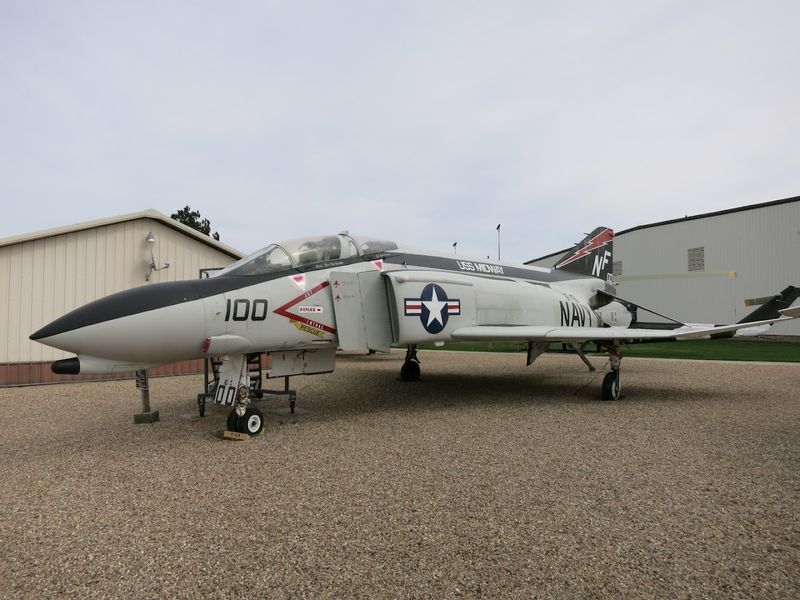
Some aircraft carry history painted right on their skin. The F-4 Phantom at Prairie Aviation Museum is associated with a legendary aerial engagement in May 1972 where the crew charged into a fight against six MiGs and shot down two of them, including one that was about to take down their wingman.
This is not a story from a history book displayed behind glass. It is a machine that was actually there, and you can walk right up to it.
The authenticity of that moment hits differently when you realize the paint markings have survived all those decades.
Prairie Aviation Museum does a remarkable job of contextualizing aircraft like this one so visitors understand the human stories behind the hardware.
History feels alive here rather than archived. If you have any appreciation for military aviation, this Phantom will stop you in your tracks and hold your attention for a long time.
Open Cockpit Days Are An Absolute Highlight
Certain museum experiences stay with you for years, and Open Cockpit Day at Prairie Aviation Museum is exactly that kind of day.
On these special event days, selected aircraft and exhibits are opened up and visitors of all ages can sit inside certain cockpits, which is an experience most aviation fans never expect to have outside of active military service.
What elevates it further is the presence of veteran pilots and volunteers who stand nearby ready to answer questions, share personal stories about flying, and explain what each instrument does.
My favorite part was listening to a pilot describe what it felt like to push one of these jets to its limits. That kind of firsthand knowledge is priceless.
Families with children especially benefit from these events because kids can interact with the aircraft rather than just observe from a distance. Check the museum website for upcoming Open Cockpit Day dates before planning your visit.
Admission Is Remarkably Affordable
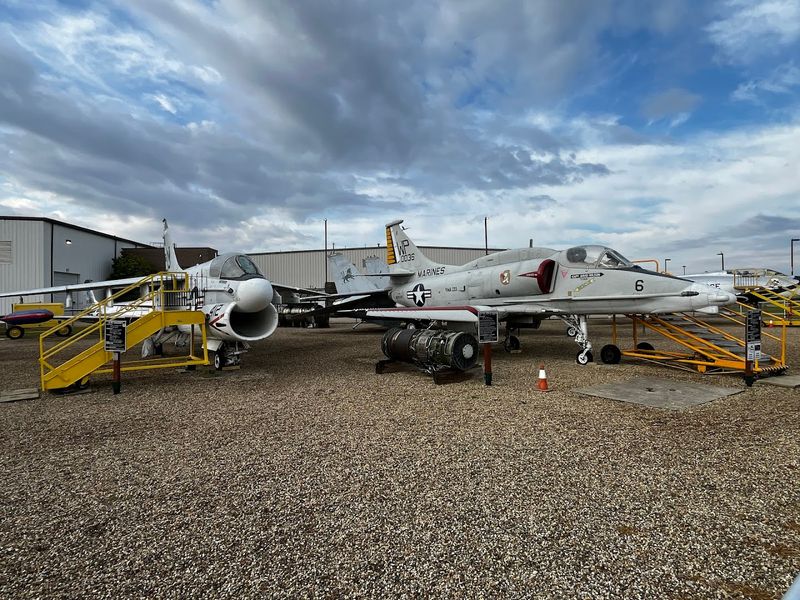
Here is a fact that genuinely surprised me when I first visited: adult admission to Prairie Aviation Museum is just five dollars. For a museum that houses real military aircraft, a NASA section, hands-on exhibits, and knowledgeable volunteer guides, that price feels almost too good to be true.
Even better, some of the outdoor jets are visible from the road, making them easy to spot even before entering the museum grounds. That said, paying the admission fee and exploring the full museum is absolutely worth it.
The indoor exhibits alone justify the cost with aviation history displays, model aircraft collections, historical photographs, and informational binders covering decades of flight history.
Supporting a small community museum like this one through admission fees and donations helps ensure it stays open for future visitors. Five dollars has rarely felt so well spent.
The Indoor Exhibits Are Packed With Aviation History
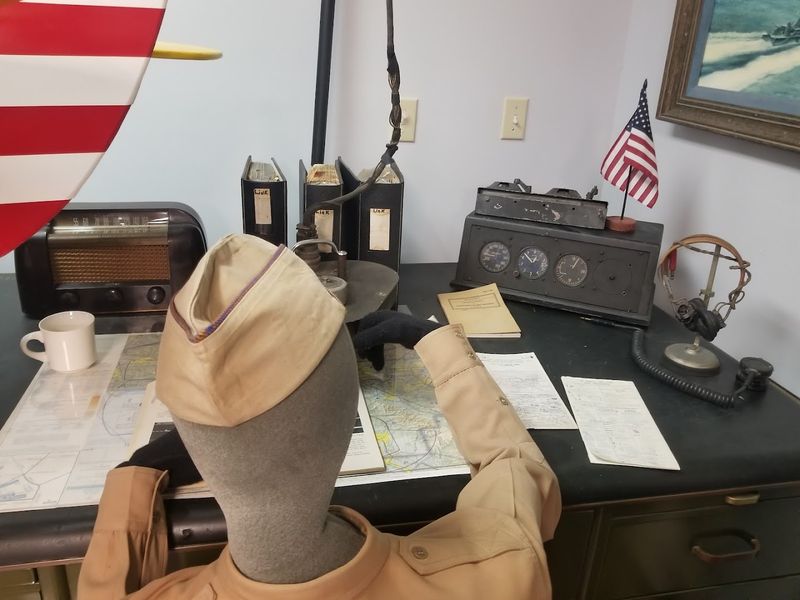
Walking through the front door, the first thing that strikes you is how much history has been packed into a relatively compact space.
The interior of Prairie Aviation Museum holds a dedicated NASA section, aviation memorabilia, detailed informational displays, and rows of model aircraft that range from early biplanes to modern military jets.
Binders and plaques line the walls with stories and specifications that reward anyone willing to slow down and read. I spent far longer than I expected inside because each display seemed to connect to the next in a way that built a complete picture of how aviation evolved over the decades.
The museum team clearly puts serious thought into curation. Nothing feels randomly placed or under explained.
There is a particular warmth to the indoor space that reflects the passion of the volunteers who maintain it.
Even visitors who come primarily for the outdoor aircraft often find themselves spending just as much time exploring the exhibits inside.
A Huey Helicopter That Commands Attention
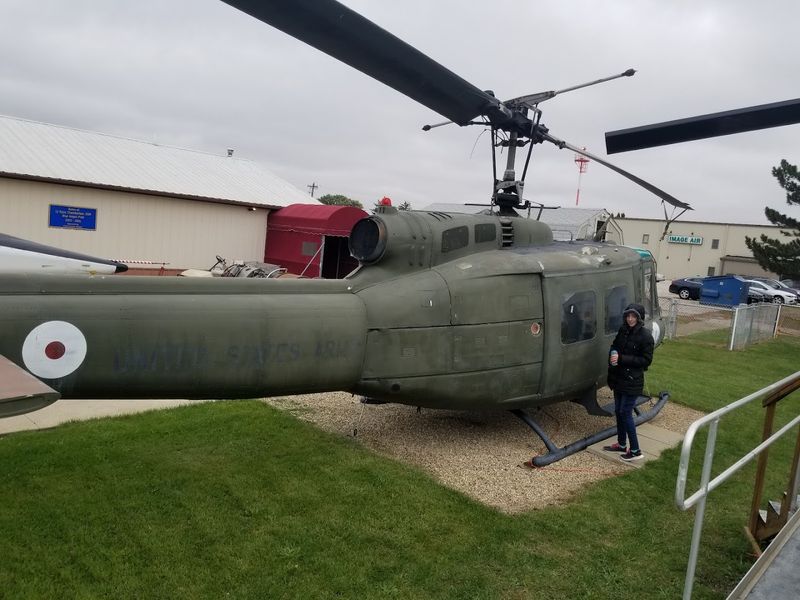
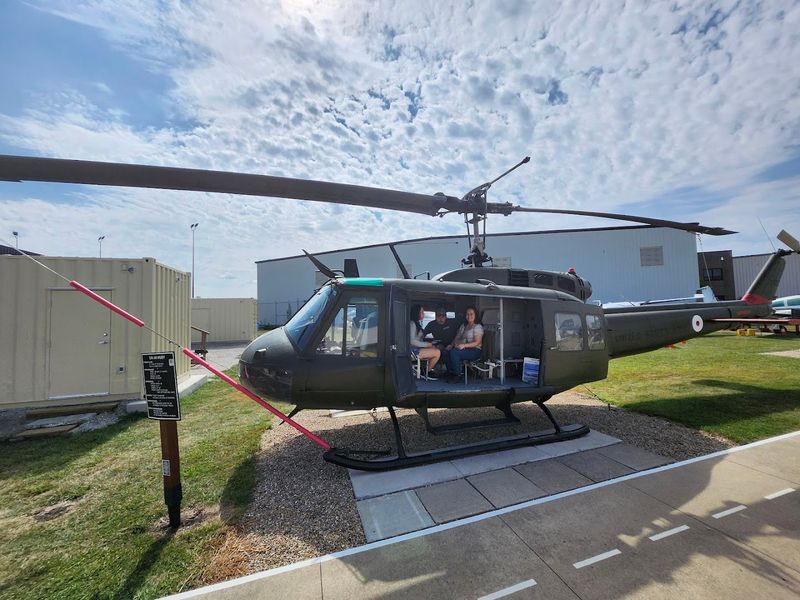
Not every highlight at Prairie Aviation Museum has wings. The Bell UH-1 Huey helicopter on display is one of the most recognizable military aircraft in American history, and seeing it in person brings a strong sense of connection to the conflicts it served in.
That distinctive rotor sound is practically cultural memory at this point.
The Huey sits in the outdoor display area where visitors can get close and examine the airframe, the rotor system, and the interior configuration. For anyone with a family connection to military service, standing next to this aircraft carries genuine emotional weight.
The museum does a solid job of providing context for each outdoor aircraft so you understand not just what it is, but what it did and why it matters. The Huey is a perfect example of a machine that shaped history in ways that extended far beyond the battlefield.
Practical, rugged, and instantly recognizable, it earns its place in the Prairie Aviation Museum collection without question.
Volunteers Who Actually Flew These Aircraft
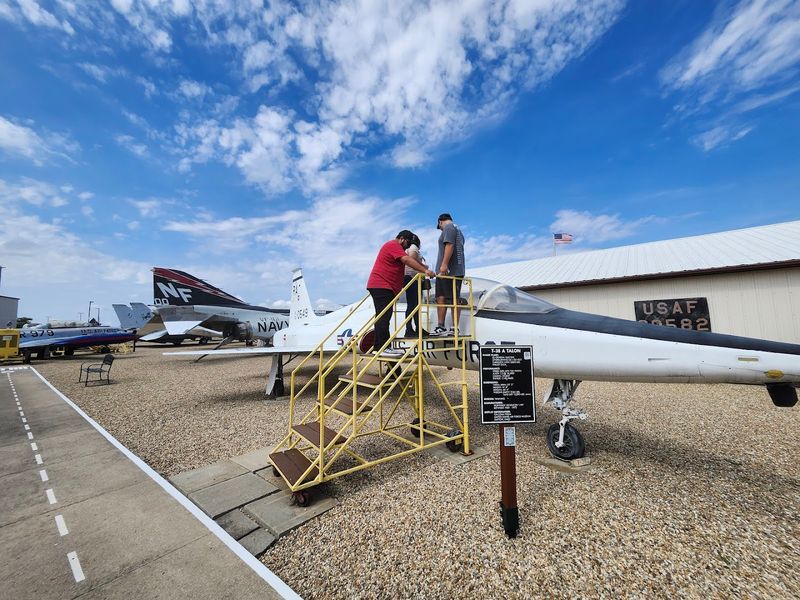
One of the most unexpected pleasures of visiting Prairie Aviation Museum is the quality of the people who volunteer there. On any given visit, you might find yourself talking to someone who actually flew one of the aircraft on display, and that changes the entire experience from passive observation to living history.
During Open Cockpit Days especially, volunteer pilots and veterans gather to share firsthand accounts of what it was like to operate these machines in real conditions. The technical knowledge combined with personal experience creates conversations you simply cannot have at a larger, more impersonal institution.
I spoke with one volunteer who walked me through the cockpit layout of one of the jets with the kind of detail that only comes from having actually sat in that seat. That interaction turned a cool photo opportunity into something genuinely memorable.
The human element at Prairie Aviation Museum is arguably its greatest asset, and it is something no exhibit label or wall display can replicate.
Kids Of Every Age Have A Fantastic Time Here
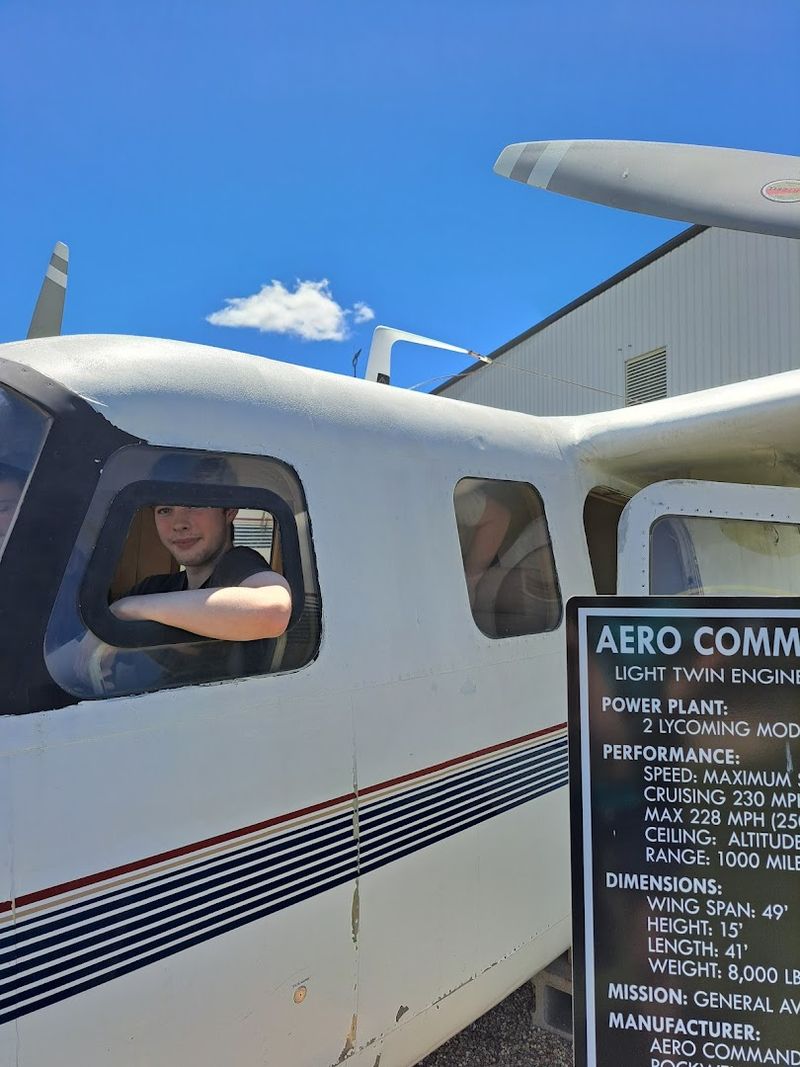
Prairie Aviation Museum manages something that many museums struggle with, it genuinely works for visitors from age two to ninety-seven.
The outdoor aircraft are tactile and exciting for young children who want to touch, climb, and explore. The indoor displays offer enough depth to keep older kids and adults thoroughly engaged for a full afternoon.
Families who visited on Open Cockpit Day have found that even toddlers get swept up in the excitement of sitting inside a real aircraft cockpit. There is something about being physically inside a piece of history that fires up the imagination in a way no screen can match.
The museum layout is straightforward and easy to navigate, which reduces stress for parents managing multiple kids.
The outdoor path winds past each aircraft in a logical sequence, and the indoor space is compact enough that nobody gets lost or overwhelmed. Prairie Aviation Museum proves that world-class experiences do not require world-class square footage.
The Museum Sits Right Near Bloomington Airport
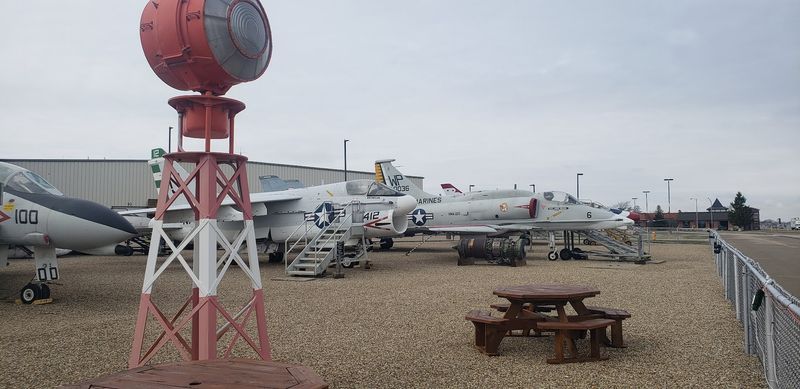
Location matters more than people often realize, and Prairie Aviation Museum has a fitting one.
Situated at 2929 E Empire St in Bloomington, IL, the museum sits close to the Central Illinois Regional Airport, which means visitors occasionally get the bonus of watching real aircraft in the air while examining historic ones on the ground.
The museum is easily visible from the main road, so if you are driving through Bloomington for any reason, you are likely to spot the aircraft on the grounds and find yourself pulling over without having planned to. That spontaneous discovery is part of what makes this place so charming.
Bloomington-Normal is a college town with a relaxed, friendly atmosphere, and the museum fits perfectly into that character.
It is not a tourist trap or a polished commercial attraction, it is a community institution that has quietly preserved aviation history for decades. That authenticity is rare and worth going out of your way to experience firsthand.
A Small Museum With An Outsized Impact On Visitors
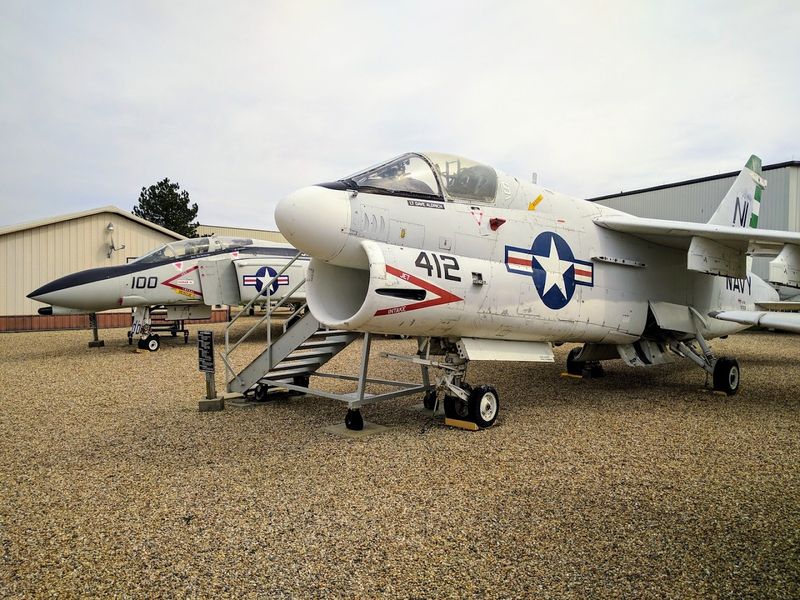
Size is not the measure of a museum’s impact, and Prairie Aviation Museum is living proof of that. The building itself is modest, but the impression it leaves on visitors is anything but.
First-time visitors consistently find themselves surprised by how much is packed into the space, both inside and outside.
What sets this museum apart from larger institutions is the intimacy of the experience. You are not roped off from the aircraft or separated from history by a glass barrier.
You can walk up, touch the jets, peer into cockpits, and have a real conversation with someone who has personal knowledge of these machines.
The museum operates with genuine community spirit, driven by volunteers who clearly care about preserving aviation history for future generations. Admission fees and donations go directly toward maintaining the collection and keeping the museum accessible to everyone.
If central Illinois is anywhere near your travel route, Prairie Aviation Museum deserves a spot on your itinerary without hesitation.