
This Hidden Illinois Gem Offers Waterfront Sunsets And Cozy Antique Stores
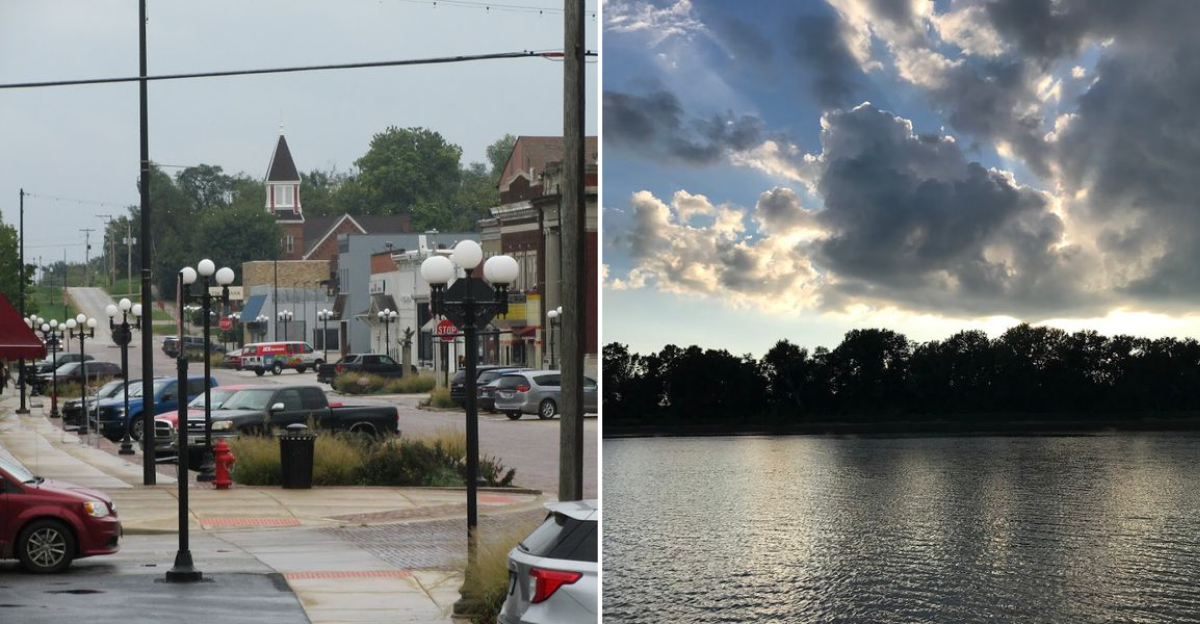
I’ll be honest: before I stumbled upon this small city in Illinois, I had no idea a place like this existed in the middle of the state. I arrived with no expectations and left wondering how I had missed it for so long.
Set along the Illinois River in Mason County, this small city of just under 3,000 residents moves at its own unhurried rhythm. Mornings feel soft and quiet, and by evening the light stretches wide across the water.
Downtown, sturdy brick storefronts hold antique shops filled with objects that carry their own stories. I spent hours drifting between them, losing track of time.
What struck me most was not just the scenery but the feeling of the place. People made eye contact, offered a nod, and held the door without hesitation.
In Illinois, it is easy to pass towns like this on the highway. It is much harder to forget one after you have stayed a while.
Riverside Sunsets Paint The Sky
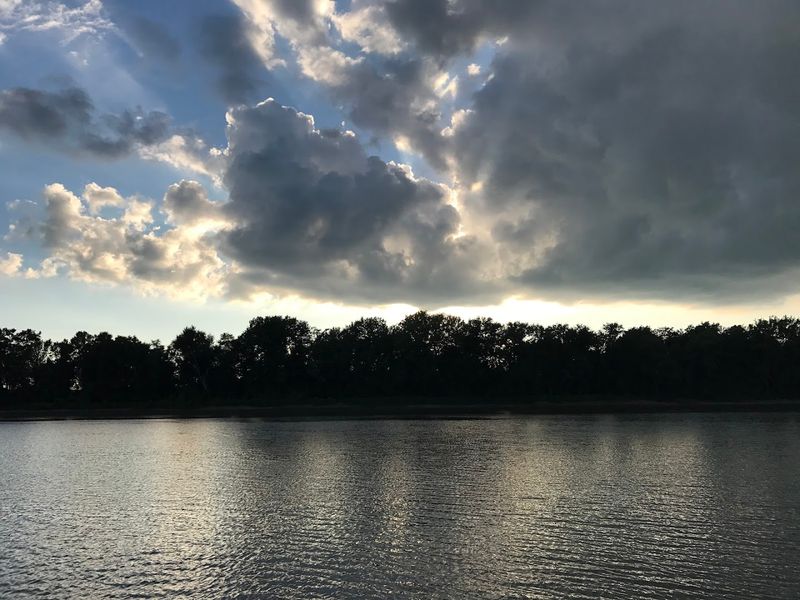
Standing along the Illinois River as the sun dips below the horizon, I watched the sky shift into layers of orange, pink, and deep purple, each color mirrored softly on the water’s surface. The view stretches wide across the river on clear evenings, uninterrupted and expansive, with nothing blocking the horizon.
There are a handful of easy riverfront spots where I could settle onto a bench or walk right up to the water’s edge. The stillness makes the moment feel even bigger.
I could hear the gentle lap of the current against the shoreline as the light slowly changed. Local photographers often gather here, tripods planted and cameras ready, and after witnessing it myself, I understood the draw.
Arriving about thirty minutes before sunset gives you the full show from first glow to final fade. It’s a simple ritual, quietly spectacular, and it unfolds night after night in Havana, Illinois.
Antique Shops Fill Downtown Streets
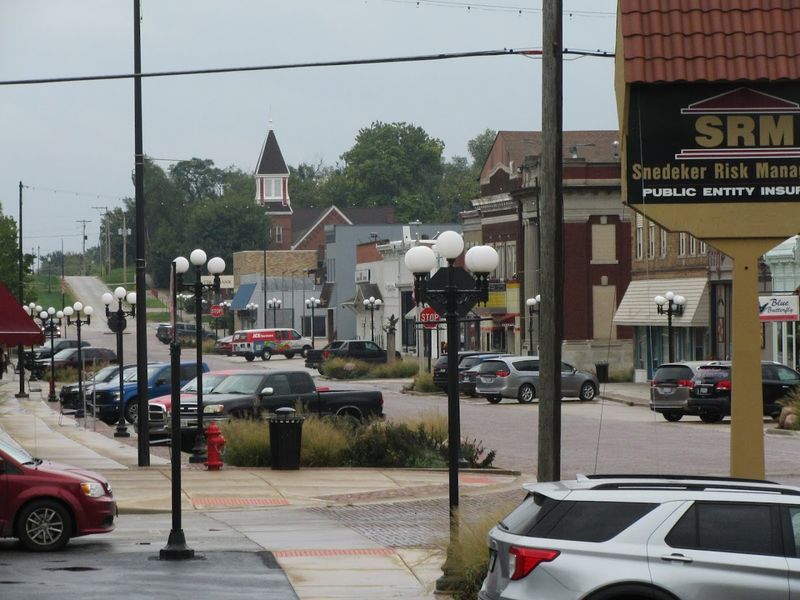
Walking through downtown Havana feels like entering a treasure hunter’s paradise. Downtown includes several antique and resale shops featuring everything from vintage furniture to old farm tools and collectible glassware.
I spent an entire afternoon hopping from store to store, and I still didn’t see everything. What I loved most was how each shop had its own personality and specialty.
One focused heavily on vintage kitchenware and Depression glass, while another was crammed with old books and postcards from decades past.
The shop owners were incredibly knowledgeable and happy to share stories about their items, which made browsing feel more like a history lesson than shopping.
Prices were refreshingly reasonable compared to antique stores in bigger cities. I found several items I’d been searching for online at much better prices here.
Whether you’re a serious collector or just enjoy looking at old things, these shops offer hours of entertainment.
Many stores are within walking distance of each other, making it easy to explore multiple locations in one visit without moving your car.
Historic Architecture Lines The Streets
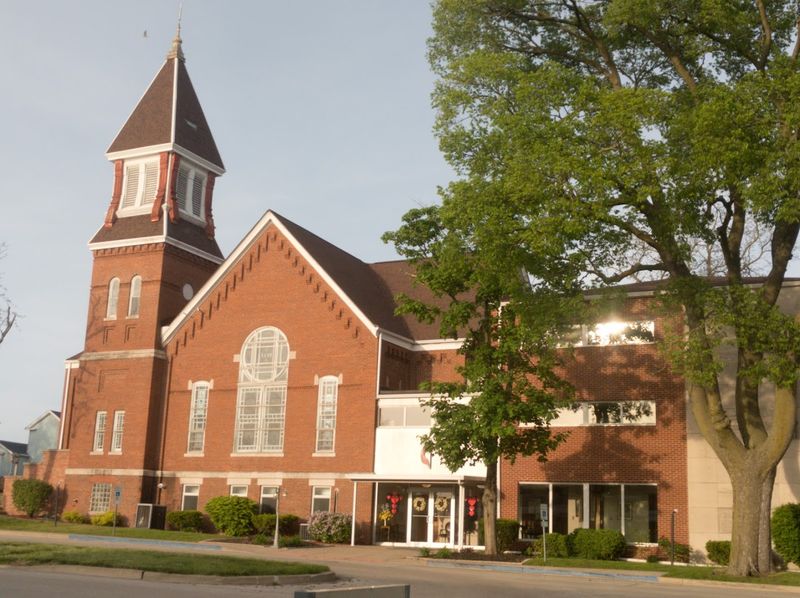
Havana’s downtown architecture immediately caught my attention with its well-preserved buildings dating back to the late 1800s and early 1900s.
Many of these brick structures still feature their original facades with detailed cornices, large storefront windows, and decorative elements that you just don’t see in modern construction. Walking these streets feels like traveling back in time.
The Mason County Courthouse stands as one of the most impressive buildings, with its distinctive architecture serving as a focal point for the downtown area.
I noticed that many business owners have taken care to maintain the historic character of their buildings rather than covering them with modern materials. This preservation effort creates a cohesive look throughout downtown that enhances the overall atmosphere.
Some buildings highlight their historic character, offering glimpses into their original purposes and past uses. I learned that some structures served different functions over the years, adapting to the town’s changing needs while maintaining their exterior charm.
Photography enthusiasts will find endless subjects here, especially in the golden hour when sunlight hits the brick facades. The architectural consistency creates a genuine sense of place that makes Havana feel authentic rather than manufactured for tourism.
Illinois River Recreation Awaits
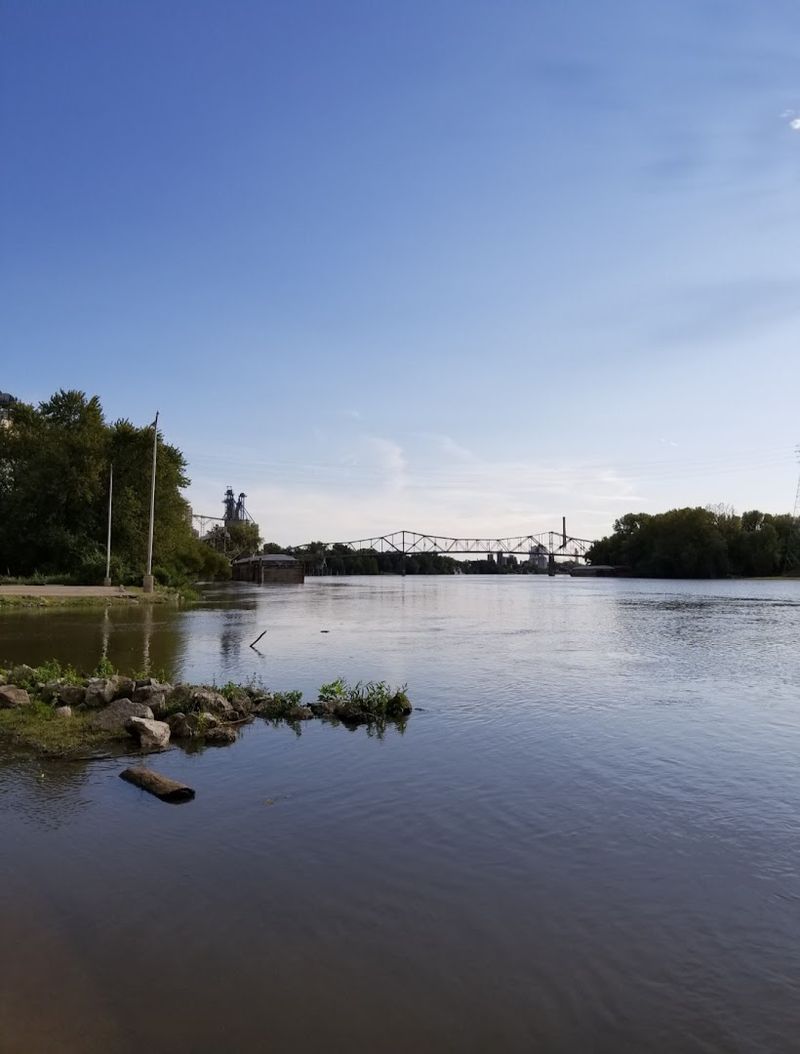
Beyond just pretty views, the Illinois River provides plenty of hands-on recreational opportunities. During my visit, I saw people fishing from the banks, launching small boats, and simply enjoying time near the water.
The river is popular with local anglers, especially those targeting catfish and bass, and several residents shared stories about their favorite fishing spots.
Boat launches provide easy access for those wanting to get out on the water. Kayakers and canoers also take advantage of the calmer sections of river for peaceful paddling experiences.
The surrounding natural areas offer chances to spot wildlife, including various bird species that make the river corridor their home.
I appreciated how accessible the riverfront is, with areas where you can park nearby and walk right to the water’s edge. Most river activities are low-cost and easy to access, though anglers should have a valid Illinois fishing license before casting a line.
Families bring picnic supplies and spend entire afternoons by the river, while serious anglers come prepared for full-day fishing adventures.
The river essentially serves as Havana’s backyard playground, offering free or low-cost recreation that brings both residents and visitors together in appreciation of this natural resource.
Small-Town Hospitality Feels Genuine
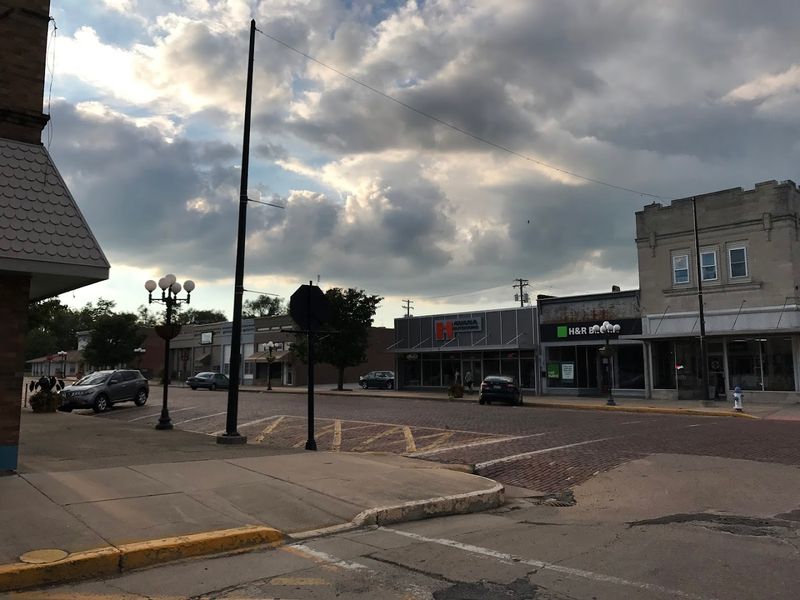
One of the most refreshing aspects of visiting Havana was the genuine friendliness of the people. Shop owners actually remembered me from one day to the next, and strangers struck up conversations without any awkwardness.
This isn’t forced hospitality designed to extract tourist dollars but rather the natural way people interact in small communities.
When I asked for restaurant recommendations, locals didn’t just name places but offered detailed descriptions of menu items and even directions with helpful landmarks.
Several people asked where I was visiting from and seemed genuinely interested in my answer. This level of engagement felt worlds apart from the anonymous interactions common in larger cities.
I noticed that businesses operated on a more relaxed schedule, with owners sometimes chatting with customers well past closing time if the conversation was good. This flexibility and personal touch made every interaction feel more human and less transactional.
The sense of community was evident everywhere, from people greeting each other by name on the street to the way locals supported each other’s businesses.
Visiting Havana reminded me that this kind of authentic small-town hospitality still exists and thrives in places that haven’t been overrun by commercial tourism.
County Seat History Runs Deep
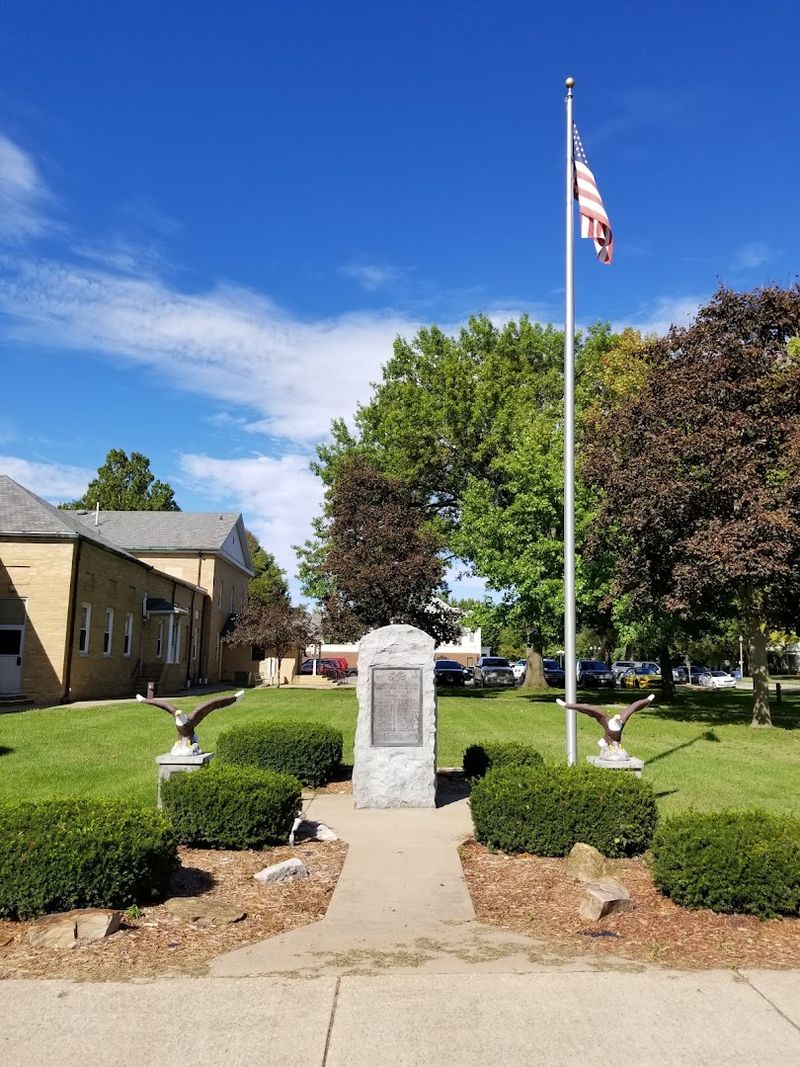
As the county seat of Mason County, Havana carries a historical significance that extends beyond its size. The city has served this role since the county’s formation, making it a center for government and civic life in the region.
This status brought development and importance to the town throughout the 19th and 20th centuries, shaping the community you see today.
I explored some of the historical markers and learned about Havana’s role in Illinois river commerce during earlier eras. The city’s position on the Illinois River made it a strategic location for trade and transportation before modern highways changed how goods moved through the region.
Many of the older buildings downtown were constructed during these prosperous periods when river traffic brought business to town.
The courthouse area serves as a natural gathering point, with benches and green space where people still congregate. I watched as residents conducted business, met friends, and went about their daily routines in spaces that have served similar purposes for over a century.
Understanding this history added depth to my visit because I could see how the past continues to influence the present. Havana isn’t just preserving history as a museum piece but living within it as a functioning community.
Population Reflects Authentic Small-Town Life
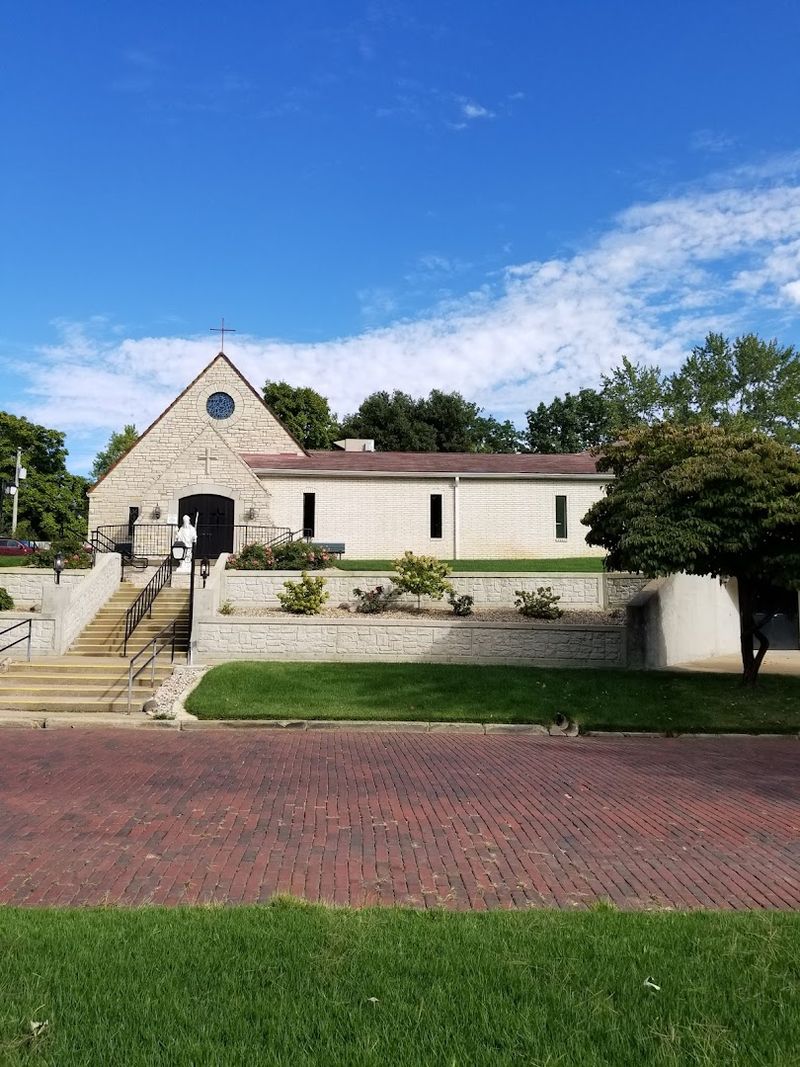
With a population hovering just under 3,000 residents, Havana represents true small-town America. This size creates a unique atmosphere where the pace of life naturally slows down and community connections run deeper.
During my visit, I noticed how this population size affects everything from traffic patterns to the way businesses operate. The smaller population means you can walk downtown without dodging crowds or waiting in long lines.
Parking is typically easy to find, and you can often have meaningful conversations with shop owners who aren’t rushed by heavy foot traffic. This scale also means that community events feel more intimate and inclusive rather than overwhelming.
I learned that the population has declined slightly from previous decades, a trend affecting many rural communities.
However, this hasn’t diminished the town’s spirit or the quality of life it offers. Instead, the residents I met seemed committed to maintaining their community’s character and supporting local businesses.
The population size also means housing is affordable and space is abundant compared to urban areas. For anyone seeking an escape from crowded cities or looking for a place where life moves at a more manageable pace, Havana’s size is actually one of its greatest assets.
Central Illinois Location Offers Easy Access
Havana’s location in central Illinois makes it surprisingly accessible from several larger cities. Situated in Mason County along the Illinois River, the town lies between Peoria and Springfield, making it a manageable day trip or weekend destination from either city.
I drove in from Springfield, and the journey took about an hour depending on your starting point and traffic. The location also means you’re experiencing authentic central Illinois landscape and culture.
Rolling farmland surrounds the area, and the Illinois River creates natural boundaries and recreational opportunities.
Unlike towns that feel isolated, Havana benefits from being connected to the wider region while maintaining its distinct identity.
I appreciated that getting here didn’t require navigating complicated urban traffic or dealing with highway congestion. The drives through surrounding countryside were pleasant, with scenic views of agricultural land and occasional glimpses of the river.
For visitors coming from Chicago or St. Louis, Havana makes a good stopping point or destination for those exploring Illinois beyond the major metropolitan areas.
The central location means you can easily combine a visit here with trips to other regional attractions, creating a longer itinerary that showcases different aspects of Illinois life and landscape.
River Town Character Defines The Experience
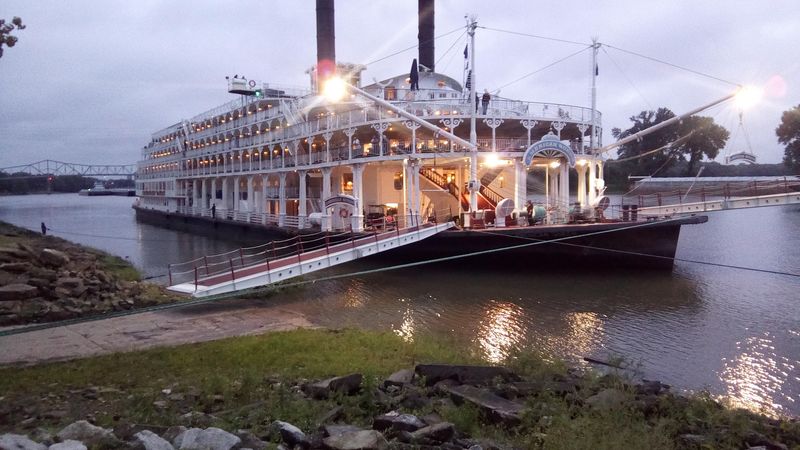
Everything about Havana is shaped by its relationship with the Illinois River. This river town character influences the local economy, recreational activities, and even the pace of life.
I found that many longtime residents have deep connections to the river through fishing, boating, or simply living near its banks for generations.
The river serves as both a physical and cultural focal point. Businesses orient toward it, parks and public spaces cluster along it, and conversations frequently reference river conditions or fishing reports.
This connection creates a cohesiveness that some communities lack because residents share a common geographic feature that influences daily life.
I noticed how the river’s presence affects everything from the local climate to the types of birds you see overhead. The waterway creates its own ecosystem that extends into the town itself.
You’ll notice river influences throughout town, from fishing conversations to shops that stock river-related gear and supplies. This isn’t a manufactured theme but rather an organic relationship between place and people.
Understanding Havana means understanding its river town identity, which has persisted through changing economic conditions and population shifts. The river remains constant, continuing to shape community life just as it has for over a century.
Affordable Escape From Urban Life
Perhaps the most compelling reason to visit Havana is what it represents as an alternative to expensive, crowded urban destinations.
During my stay, I was struck by how affordable everything felt compared to cities. Antique prices were reasonable, food was budget-friendly, and simply being here didn’t require constant spending to enjoy yourself.
The town offers a mental escape as much as a physical one. Without traffic noise, crowds, or the constant stimulation of urban environments, I found myself relaxing in ways that don’t happen during typical vacations.
Walking through quiet streets, watching the river, and browsing shops at my own pace created a restorative experience that felt valuable beyond any dollar amount.
For anyone feeling overwhelmed by modern life’s pace and expense, Havana provides a reset button. You don’t need a detailed itinerary or reservations because the town reveals itself naturally as you explore.
I spent minimal money yet felt like I’d gained something valuable through the experience.
This accessibility makes Havana particularly appealing for budget-conscious travelers, retirees, or anyone seeking authentic experiences over manufactured attractions. Sometimes the best destinations are the ones that don’t try too hard, and Havana succeeds by simply being itself.