
This Hidden Lancaster, Pennsylvania Arboretum Offers Rare Trees And Peaceful Walks For Free
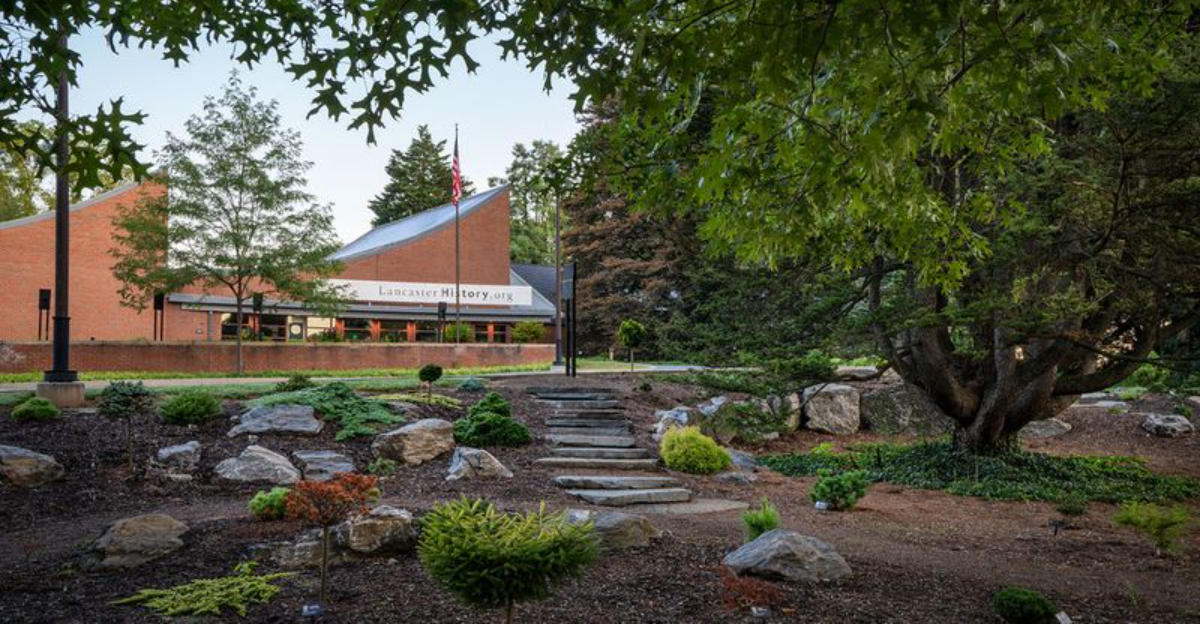
Free places with this much calm always feel like a small win.
In Lancaster, Pennsylvania, this arboretum gives visitors rare trees, quiet paths, and the kind of easy breathing room that can reset an entire afternoon.
It is not loud, flashy, or trying to compete with bigger attractions, which is part of its charm.
The appeal is in the simple pleasure of walking slowly, spotting something unusual, and realizing a peaceful escape does not need a ticket or a packed schedule.
For anyone who likes nature without a big production, this is the kind of stop that feels both refreshing and surprisingly rewarding.
A quick walk has a funny way of stretching once the shade gets good and the pace slows down, and more than once, that kind of unplanned pause has been exactly what my day needed.
Free And Open Dawn To Dusk
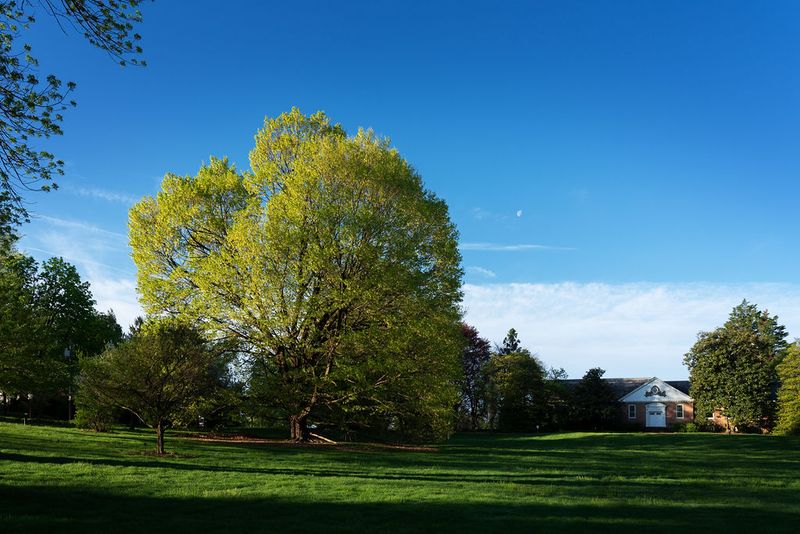
Not many green spaces in Pennsylvania give you this much calm without charging a fee, and the Louise Arnold Tanger Arboretum does exactly that.
Admission is completely free, and the grounds are open to the public from dawn to dusk, seven days a week.
That kind of easy access is surprisingly rare, even among public gardens. Most botanical gardens charge entry fees that can add up quickly, especially for families planning visits.
Here, you can bring the kids on a Sunday morning, come back alone on a Tuesday evening, or slip in for a quiet walk before sunset without worrying about a single ticket or reservation.
The arboretum trusts its visitors, and that trust creates a relaxed, unhurried atmosphere that is hard to put a price on. Free access truly is one of its best features for locals and travelers alike.
A Surprisingly Diverse Tree Collection
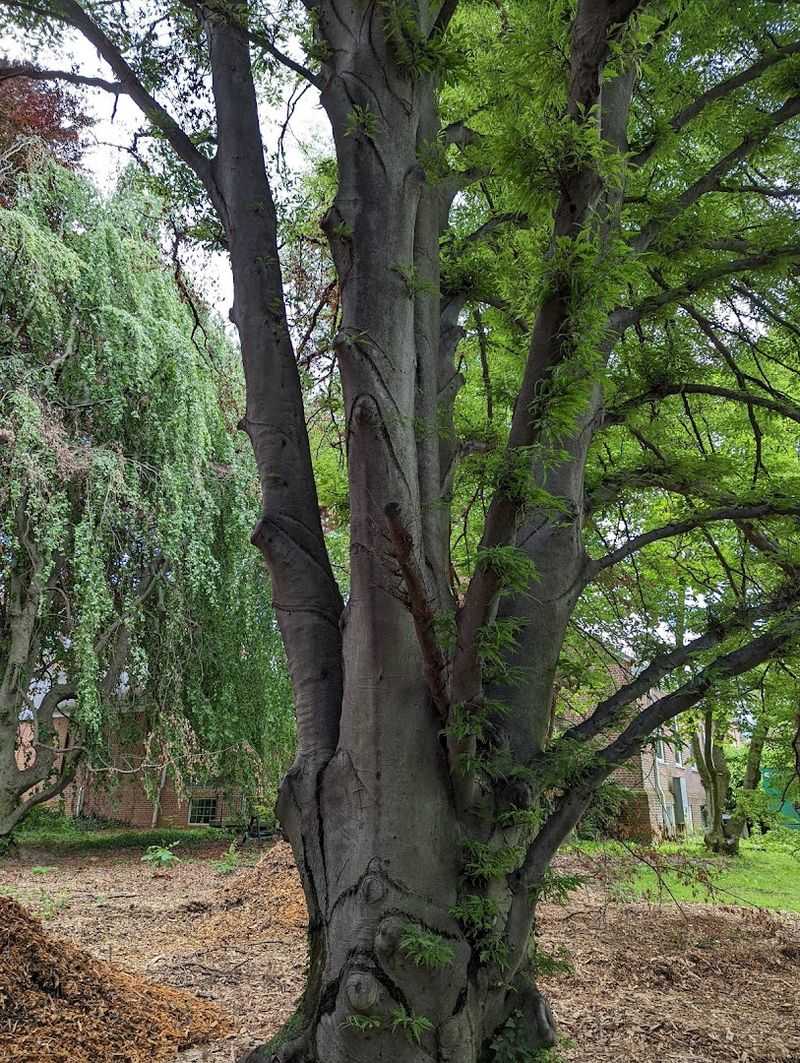
Walking through the Louise Arnold Tanger Arboretum feels a bit like flipping through a well-organized encyclopedia of trees, except the encyclopedia is alive and smells wonderful.
The collection here spans an impressive range of species, from native Pennsylvania hardwoods to rare ornamental varieties that most people have never heard of.
Each tree is thoughtfully labeled, giving you the common name alongside the scientific name so you can actually learn something while you stroll.
The variety covers different growth stages too, meaning you can see both young saplings and fully mature specimens side by side.
That range gives you a real sense of how dramatically trees change over time.
Whether you are a casual nature lover or someone who genuinely geeks out over dendrology, the breadth of species on display here will keep your eyes busy and your brain happily engaged for a solid visit.
The Rare Franklinia Alatamaha Tree
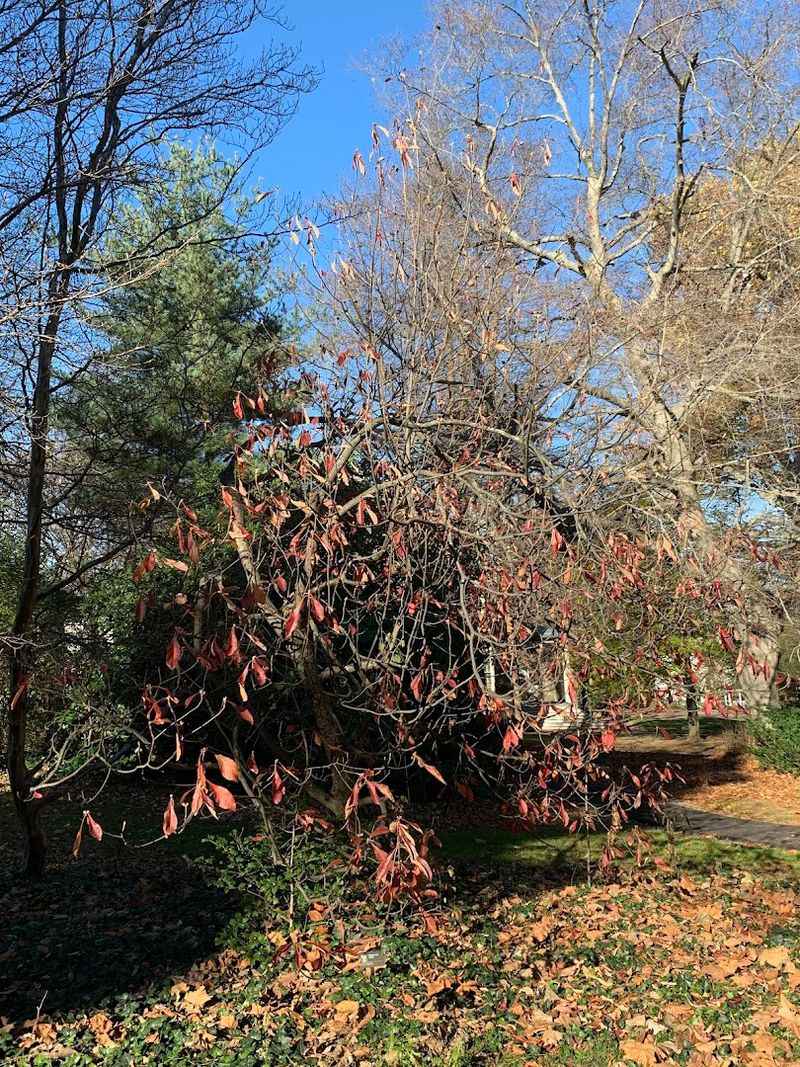
One of the most quietly thrilling things about the arboretum is its Franklinia alatamaha, a tree so rare that it is considered extinct in the wild.
This species was last spotted growing naturally in Georgia back in 1803, and every single living specimen today traces its roots back to seeds collected before that point.
Finding one in a public arboretum in Lancaster, Pennsylvania is genuinely exciting for anyone who follows botanical history.
The tree produces beautiful white flowers with golden stamens in late summer, making it visually striking as well as historically significant.
It is the kind of plant that makes you stop mid-stride and just stare for a moment.
The fact that you can stand next to something so rare, in a free public space, without any fuss or fanfare, is exactly the kind of understated magic that makes this arboretum worth seeking out.
The Impressive Dwarf Conifer Section
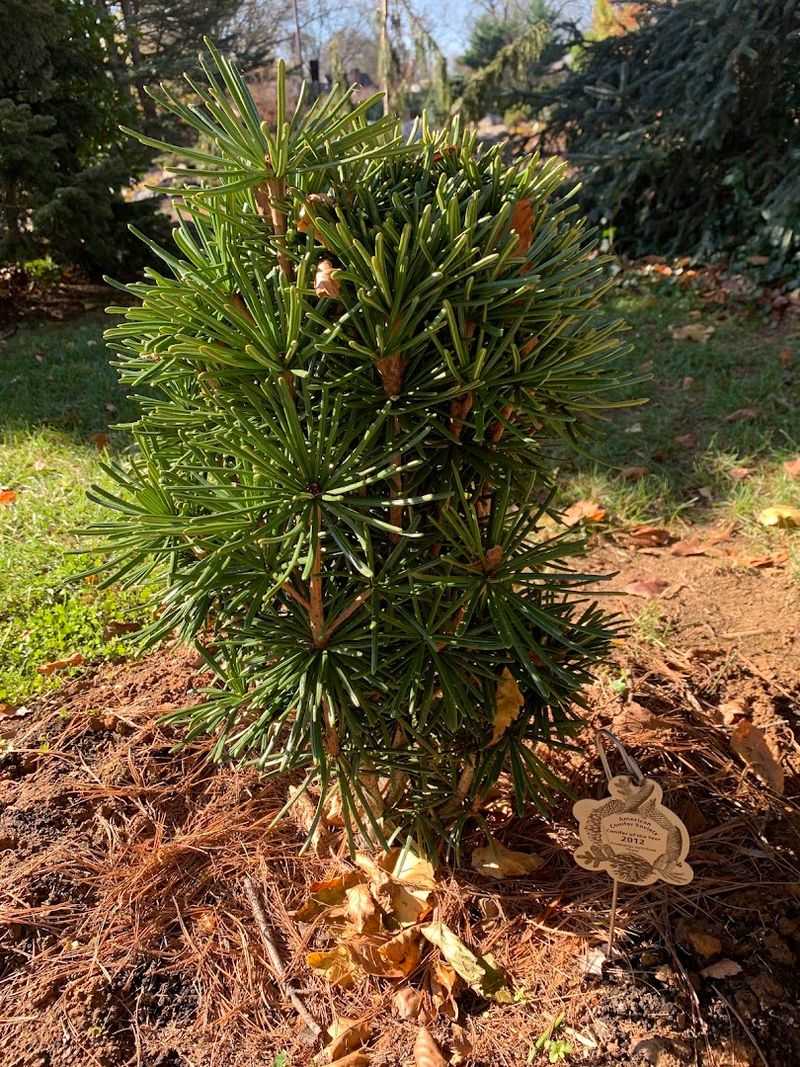
Conifers often get overlooked in favor of flowering trees, but the dwarf conifer section at the arboretum makes a strong case for giving these compact evergreens their moment in the spotlight.
The collection features a variety of shapes, colors, and textures, from tight globe-shaped spruces to spreading low junipers that hug the ground like green carpets.
Dwarf conifers are fascinating because they grow so slowly that a specimen looking fully mature might actually be several decades old.
That slow patience is something you can almost feel when you stand among them. Gardeners especially tend to linger here, picking up ideas for their own yards back home.
Even if you have zero interest in gardening, the visual contrast between the miniature conifers and the towering deciduous trees nearby creates a kind of natural theater that is genuinely enjoyable to walk through at any time of year.
One Of The Largest Maple Trees You Will Ever See
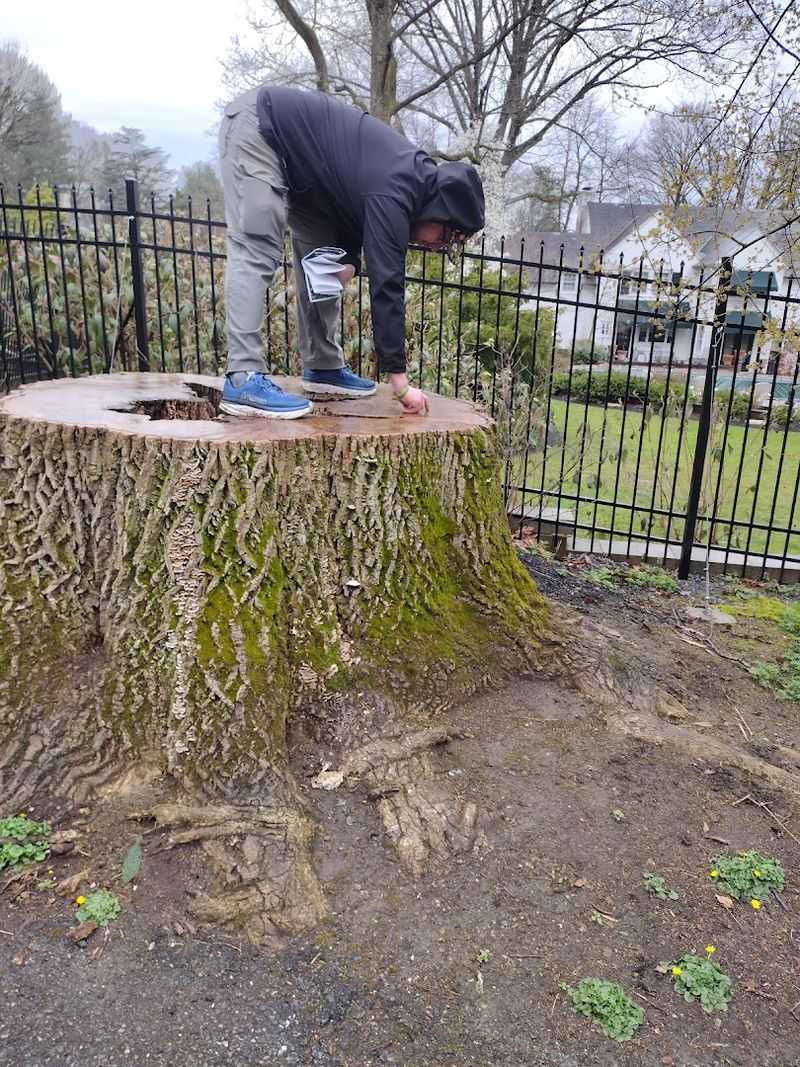
Among all the trees on the grounds, one maple stands apart in a way that stops people cold.
Its trunk is enormous, the kind that makes you instinctively reach out to measure it with your arms and quickly realize you fall several people short of wrapping around it.
The canopy spreads wide and high, creating a pool of shade underneath that feels almost like stepping into a cool, green room on a hot Pennsylvania summer day.
Trees like this one carry a sense of deep time with them, having witnessed decades of changing seasons on these grounds.
Standing beneath it, looking straight up through the layered branches, gives you one of those perspective-shifting moments that are hard to manufacture and impossible to fake.
Big, old trees have a way of making modern worries feel very small, and this maple delivers that feeling better than almost anything else in the arboretum.
Clear And Informative Tree Labels Throughout
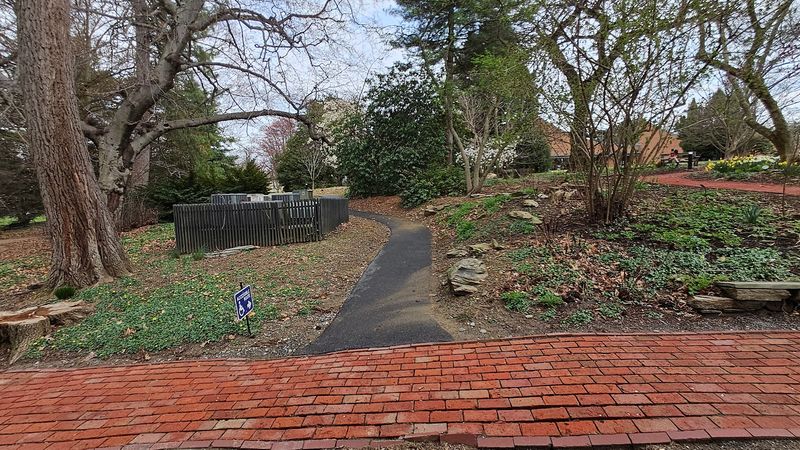
One small detail that elevates the experience here above a simple park walk is the labeling system.
Nearly every tree on the grounds carries a clear marker showing both the common name and the scientific name, turning a casual stroll into something genuinely educational without feeling like homework.
For families with curious kids, these labels spark great conversations.
For adults who studied botany years ago and want to dust off that knowledge, they serve as satisfying reminders.
The labels are mostly accurate and maintained with care, which matters more than it might sound. There is nothing more frustrating than a misidentified specimen in a place meant to teach.
Here in Lancaster, Pennsylvania, the arboretum takes that responsibility seriously, and the result is a space where you can actually trust what you are reading as you move from tree to tree, building your knowledge one label at a time.
A Peaceful Setting For Quiet Walks
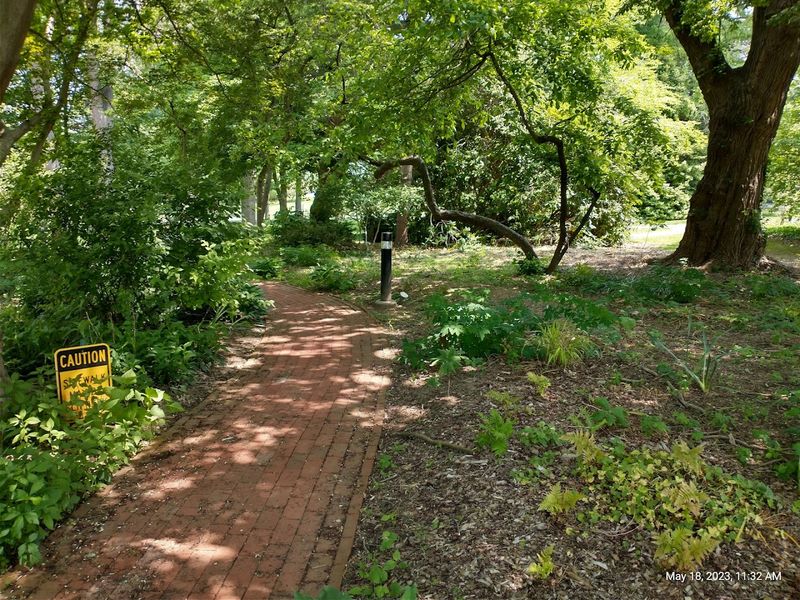
There is a particular kind of quiet that only exists in places surrounded by old trees, and the Louise Arnold Tanger Arboretum has it in abundance.
The paths wind gently through the collection, giving you enough space to slow down, breathe, and actually pay attention to what is growing around you.
Lancaster, Pennsylvania is a lively city with plenty of activity, which makes this tucked-away green corridor feel all the more refreshing.
The atmosphere here leans tranquil rather than busy, and on most visits, you will find the grounds calm enough to hear birdsong clearly.
It is a good spot for solo reflection, a quiet conversation with a friend, or simply a mental reset on a hectic week.
The unhurried pace the arboretum naturally encourages is one of its most underrated qualities, and it is the kind of place that sends you home feeling genuinely lighter than when you arrived.
Historic Location Near Wheatland Estate
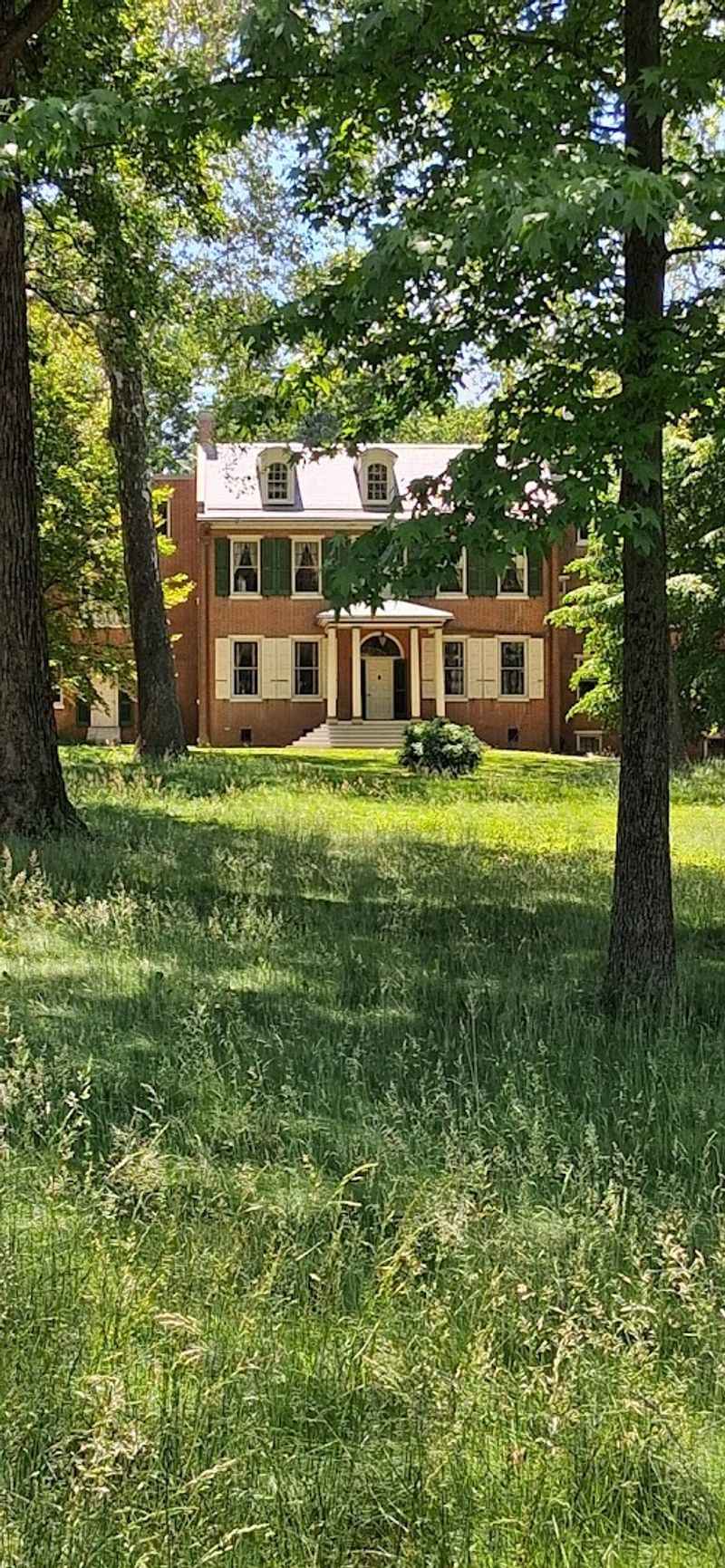
The arboretum shares its grounds with one of Lancaster, Pennsylvania’s most historically significant sites: Wheatland, the home of President James Buchanan.
That connection adds a layer of history to what is already a compelling natural space, making the visit feel richer than a typical tree walk.
Buchanan was the 15th President of the United States, and Wheatland served as both his home and his retreat throughout much of his political career.
The estate’s mature landscape and the arboretum’s tree collection blend together in a way that feels organic rather than forced.
Standing among trees that may have been growing on these grounds for well over a century, with a Victorian mansion visible nearby, gives the whole experience a satisfying sense of layered time.
History and horticulture rarely share the same address this comfortably, and that combination makes this Pennsylvania destination genuinely unlike most arboretums you will visit.
Easy Navigation And Accessible Layout
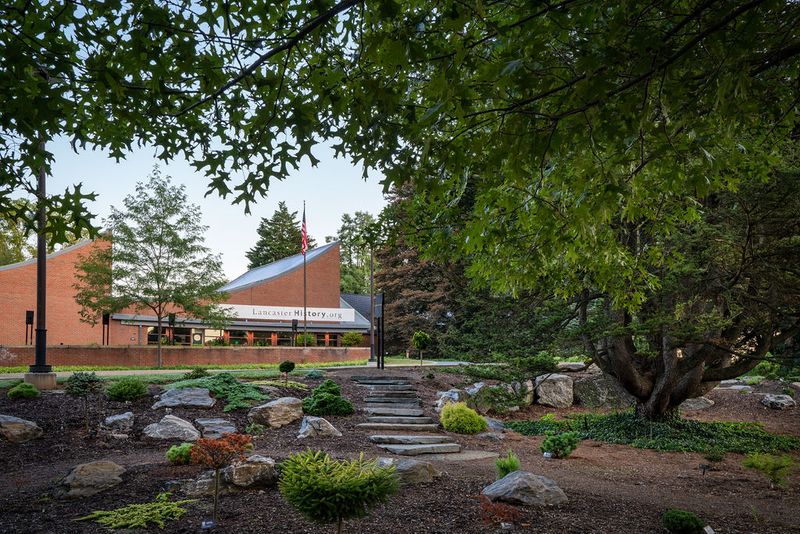
Not every arboretum is easy to get around, but the layout here is straightforward enough that first-time visitors rarely feel lost.
The grounds are relatively flat and open, which makes the walk comfortable for most ages and physical abilities without demanding serious effort.
That accessibility matters, because a space this educational should be welcoming to everyone, from young children just learning what a conifer is to older adults enjoying a gentle afternoon stroll through Pennsylvania’s urban green spaces.
One small practical note worth knowing: some GPS navigation apps have been known to route visitors toward a blocked entrance, so it pays to double-check your approach before arriving.
The correct address is 230 North President Avenue, Lancaster, PA 17603, and confirming that detail before you set out saves any unnecessary circling.
Once you are inside, though, the layout is intuitive and the experience flows naturally from one section to the next.
A Local Treasure Worth Spreading The Word About

Places like the Louise Arnold Tanger Arboretum thrive when more people know they exist.
It sits at 230 North President Avenue in Lancaster, Pennsylvania, maintained by LancasterHistory, and it operates as a genuine public resource for anyone who wants to connect with nature, learn about trees, or simply enjoy a free outdoor space in the city.
The arboretum holds a 4.6-star rating from visitors, which speaks to how consistently the experience delivers.
Pennsylvania has no shortage of beautiful natural spaces, but this particular arboretum earns its place among them not through scale or spectacle, but through quiet consistency and genuine horticultural care.
Telling a friend about it, sharing it online, or simply returning on a different season to see how the trees have changed is the best way to honor a space this good.