
This Hidden Maine Town Captures Classic New England Charm
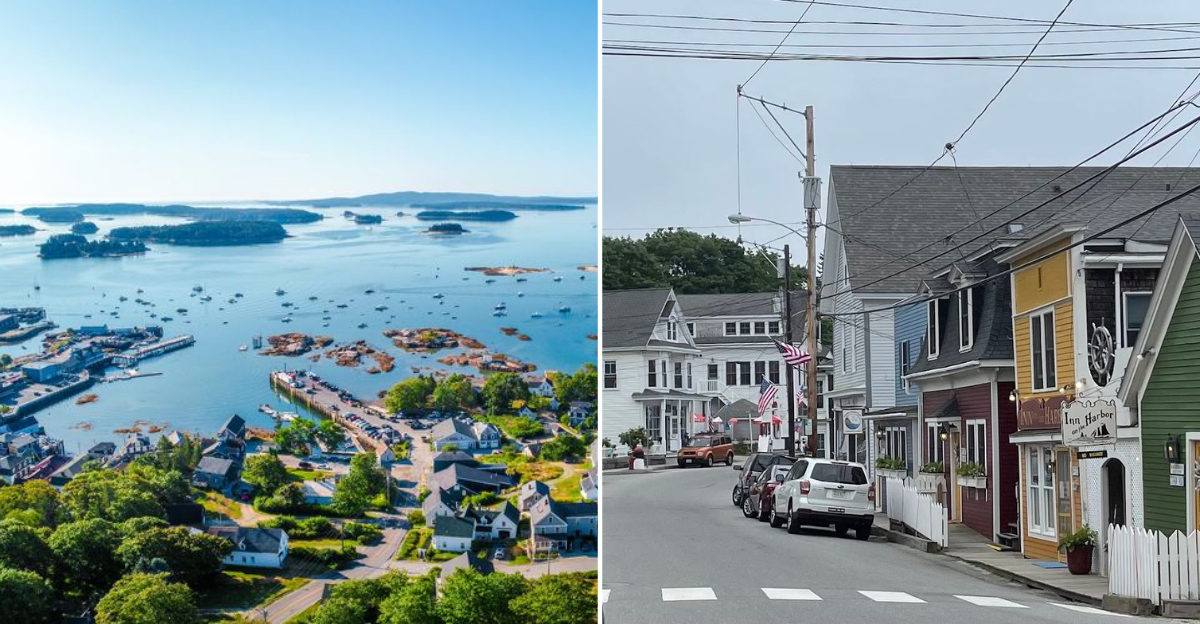
A quick turn off Route 15 on Deer Isle led me to a spot on the Maine coast so calm and quietly beautiful that I just sat there for a minute before getting out. Lobster boats drifted on still water, old wooden buildings lined the harbor, and there wasn’t a chain restaurant in sight.
This little fishing town, with just over 1,000 people, has a way of sneaking up on you. Nothing flashy, nothing trying too hard, just real life, shaped by the ocean and long-standing traditions.
It feels like the kind of place you find by accident and then can’t stop thinking about.
A Fishing Town That Has Never Lost Its Soul
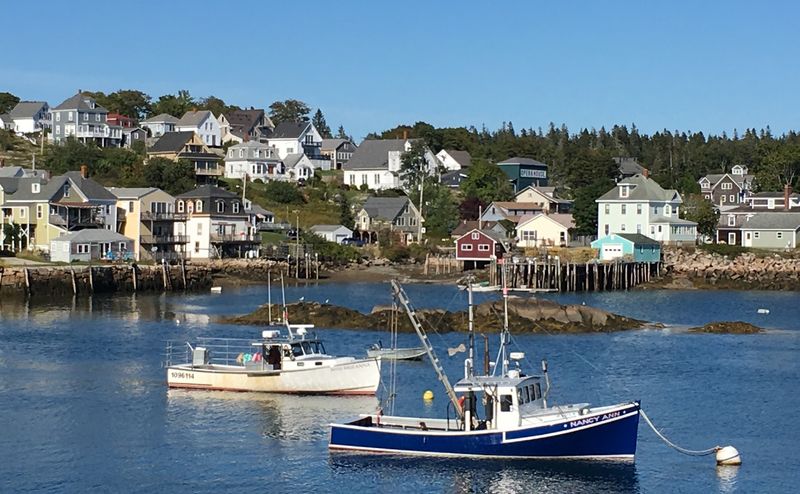
Some places wear their history on their sleeves, and Stonington wears it like a well-broken-in pair of rubber boots. This town has been a working fishing community since the mid-1800s, and that identity has never wavered.
The harbor is still packed with lobster boats, and the men and women who crew them are not performing for tourists. They are simply doing what their families have done for generations.
Walking along the waterfront on a weekday morning, I watched traps being hauled, lines being coiled, and bait being loaded with the kind of focused efficiency that comes from decades of practice. There is no theatrical quality to any of it.
It is just work, honest and rhythmic.
Stonington has been the top port in Maine by lobster landing value in recent years, which is remarkable for a town of this size. That seafood economy shapes everything here, from the pace of daily life to the pride residents carry in their craft.
The Granite Legacy Carved Into Its Identity
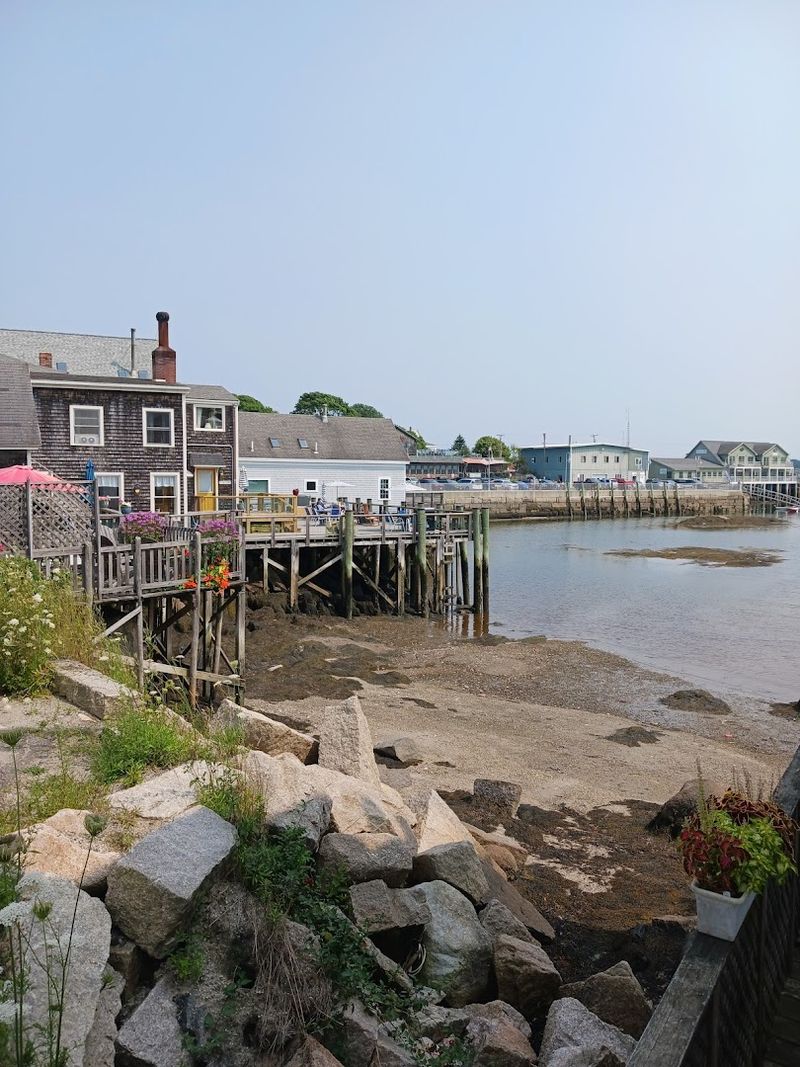
Before lobstering dominated the economy, granite was the industry that put Stonington on the map. The island of Deer Isle sits atop some of the finest granite deposits in the northeastern United States.
From the late 1800s into the early 1900s, stonecutters and quarrymen shaped that rock into building blocks for some of America’s most iconic structures.
Granite from this region was used in prominent projects including the John F. Kennedy memorial site in Arlington, Virginia, and has also been associated with work at Rockefeller Center in New York City.
That is a staggering legacy for a town of roughly a thousand people. Old quarry pits still exist on the island, some now filled with crystal-clear water that local kids use for swimming.
The Deer Isle Granite Museum in town tells this story with photographs, tools, and scale models that bring the quarrying era back to life. It is a small museum with a surprisingly big story, and it gave me a completely new appreciation for the ground beneath my feet.
The Harbor View Is Simply Unmatched
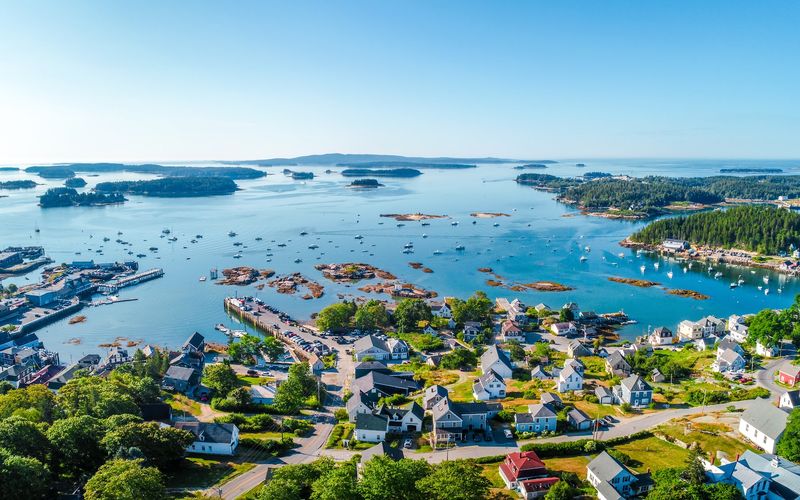
Fair warning: the views here are the kind that make you forget you were supposed to be somewhere else. The harbor at Stonington opens up into Penobscot Bay, and from several vantage points around town, you can see dozens of small wooded islands scattered across the water like green puzzle pieces.
I found a quiet spot on a rocky hillside just above the main street and spent an embarrassingly long time just watching the boats move in and out.
The way the light shifts on the water throughout the day is genuinely mesmerizing. Morning brings a silver shimmer, midday turns the bay a deep navy, and late afternoon wraps everything in gold.
Photographers and painters make pilgrimages here specifically for these views, and it is easy to understand why. The combination of working harbor, natural islands, and open sky creates a composition that feels almost too perfect to be real.
Stonington does not need a filter. It is already doing the most, effortlessly.
An Artist Colony Hiding In Plain Sight
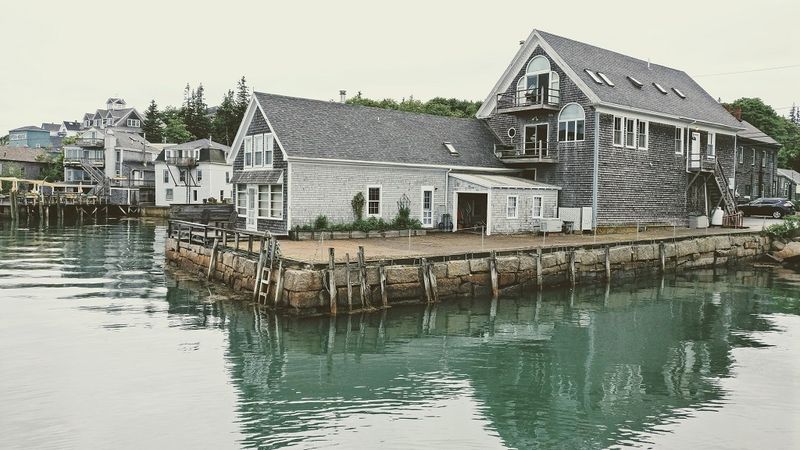
Stonington has quietly become one of Maine’s most compelling art destinations, and it has done so without any fanfare or marketing campaign. Artists began arriving decades ago, drawn by the same light and landscape that hooks everyone else.
Many of them stayed, opened studios, and built a creative community that now feels deeply woven into the town’s fabric.
The Opera House Arts center hosts performances, exhibitions, and cultural events throughout the year in a beautifully restored historic building right in the heart of town.
Walking down Main Street, I passed several galleries showing paintings, sculptures, and photographs that ranged from traditional seascapes to boldly abstract work. The quality was genuinely impressive for such a small town.
What I appreciated most was that the art scene here does not feel curated for outsiders. It feels like something that grew organically because creative people found a place that inspired them and decided not to leave.
That authenticity comes through in every canvas and carved piece you encounter.
The Slow Rhythm Of Small-Town Life
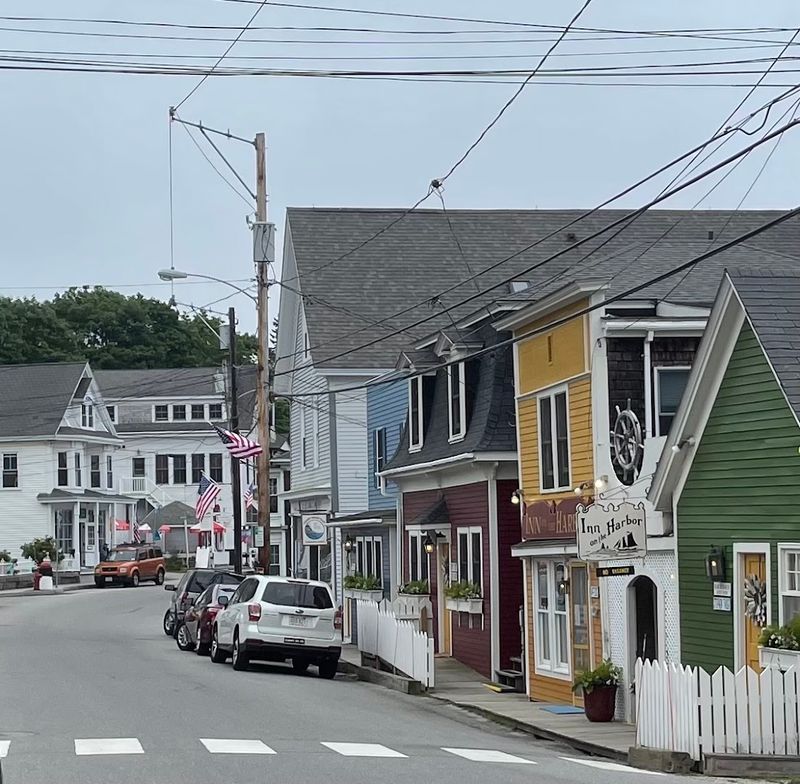
There is a pace to life in Stonington that the modern world has largely forgotten. Nothing here feels rushed.
Conversations happen on sidewalks without anyone checking their phone. Shop owners actually know their customers by name.
The general store carries exactly what you need and nothing you do not.
I spent one afternoon just wandering without any particular destination, which turned out to be the best decision I made all trip.
I stopped at a small bakery for coffee and ended up chatting with the person behind the counter for twenty minutes about everything from fishing seasons to the best hiking trails nearby. That kind of unhurried interaction is genuinely rare now.
Stonington has about 1,056 year-round residents according to the 2020 census, and that number gives you a sense of just how intimate the community is. Visitors are welcomed warmly, but the town does not bend itself out of shape to accommodate them.
It simply continues being itself, which is more than enough.
Ferry Rides To The Wild Islands Beyond
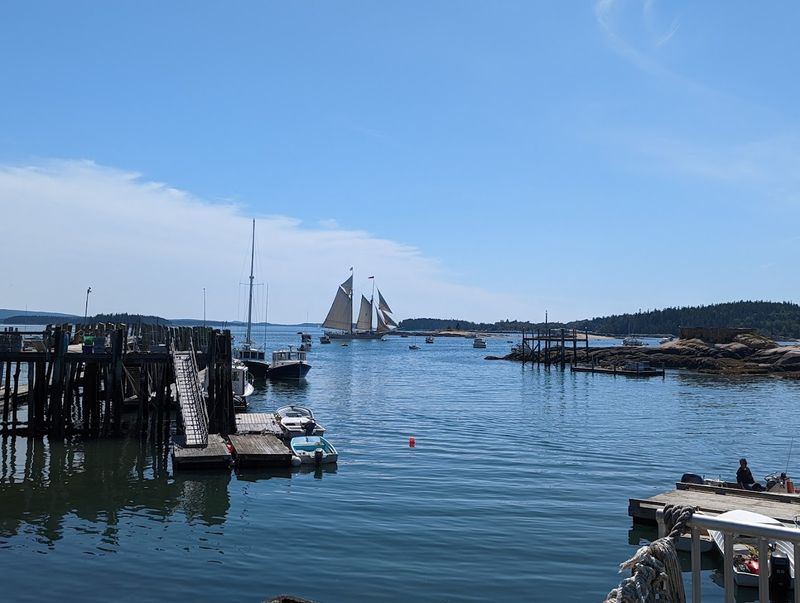
One of Stonington’s best-kept secrets is that it serves as the jumping-off point for Isle au Haut, a remote island that is largely part of Acadia National Park. The ferry ride itself is a treat, cutting through island-dotted water with seabirds wheeling overhead and the smell of salt air filling your lungs at every breath.
Isle au Haut offers some of the most rugged and uncrowded hiking in the entire national park system. Because access is limited by ferry capacity, the trails stay quiet even in peak summer.
I hiked the Western Head trail on a July afternoon and encountered fewer than ten other people the entire time. That kind of solitude is almost unheard of in a national park in summer.
The Stonington ferry dock sits right in the heart of town at the town pier, making it easy to combine a morning in Stonington with an afternoon on the island. It is one of those logistical happy accidents that makes a trip feel perfectly designed, even when it was not.
Seafood So Fresh It Barely Needs A Recipe
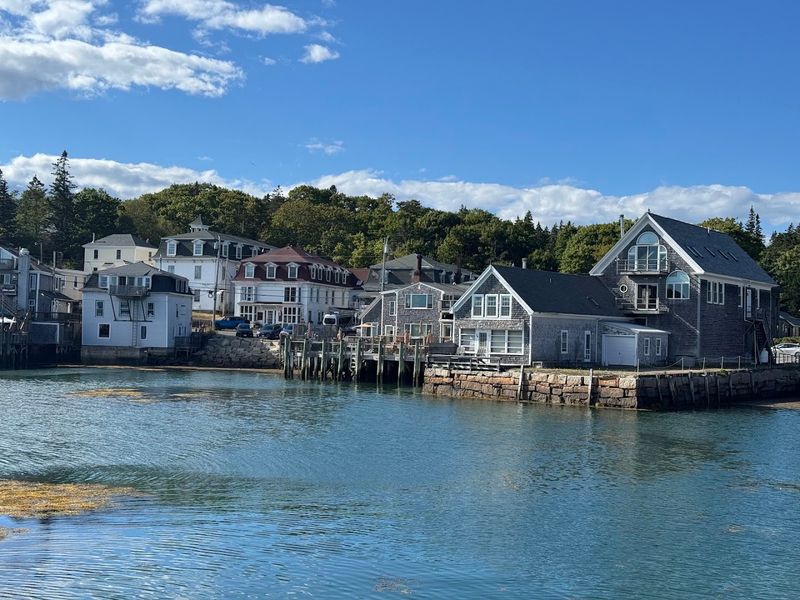
Eating in Stonington is not a complicated affair, and that is exactly the point. When lobster is coming off the boat a hundred yards from where you are sitting, there is very little need for elaborate preparation.
The freshness speaks so clearly that a little butter and a cracker is all the ceremony required.
I had my best meal of the trip at a no-frills waterfront spot where I ordered a whole lobster and a cup of chowder and ate at a picnic table with the harbor breeze doing its best to steal my napkins.
The chowder was thick, creamy, and loaded with clams. The lobster was sweet in a way that only comes from water this cold and this clean.
Beyond lobster, the local seafood options include crab, scallops, and fresh fish that rotate with the season. Stonington is not a destination for foodies chasing trendy tasting menus.
It is a destination for anyone who wants food that tastes exactly like where it came from, prepared with honesty and care.
Hiking Trails For Every Fitness Level
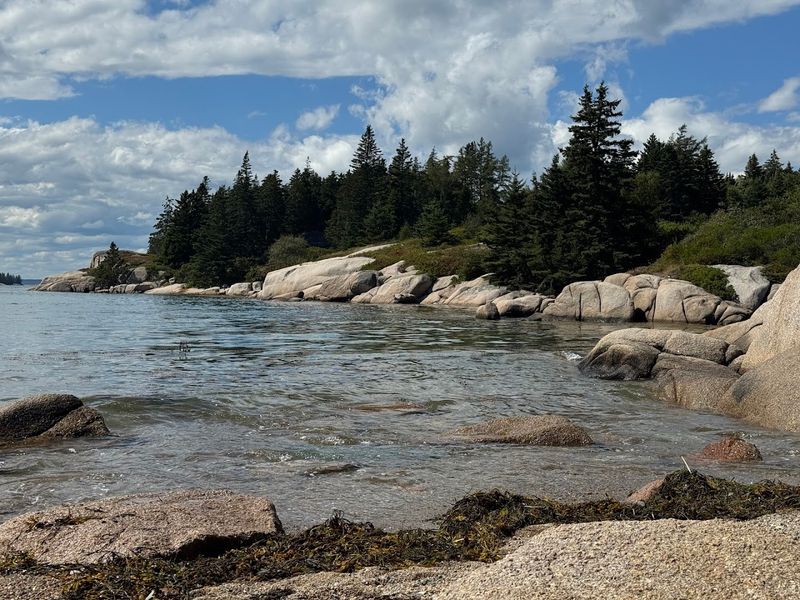
You do not have to take the ferry to find great hiking around Stonington. Deer Isle itself offers a satisfying variety of trails that wind through spruce forests, across granite outcroppings, and along the shoreline with views that justify every uphill step.
Settlement Quarry Preserve is one of my personal favorites in the area. A short trail leads to an open granite ledge with sweeping views across the water toward the outer islands.
It takes maybe twenty minutes to reach the top, but the payoff is completely disproportionate to the effort. I sat up there for an hour and did not feel even slightly guilty about it.
The Edgar M. Tennis Preserve, located on Deer Isle near Stonington, offers a longer loop through wooded terrain and along the coast with views over Pickering Cove.
Both preserves are managed by the Island Heritage Trust and are free to access. Stonington is genuinely one of those places where simply walking around outside counts as a highlight of the trip.
The Dramatic Beauty Of Each Season
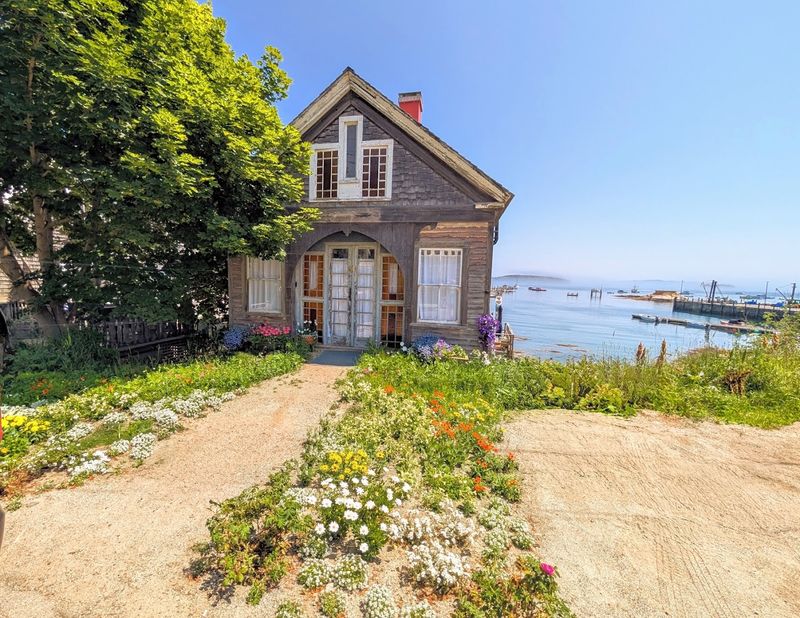
Stonington is not just a summer destination, even though July and August bring the most visitors. Each season here has its own distinct personality, and some of the most memorable visits happen outside the peak window.
Fall is particularly spectacular, with the surrounding forests turning red and gold while the harbor empties of tourist boats and returns to its working-town self.
Winter in Stonington is quiet in the most profound sense. The population contracts, the pace slows even further, and the landscape takes on a stark, almost cinematic quality.
Icy fog rolling across the harbor at dawn is the kind of sight that stays with you long after the trip is over.
Spring brings the return of the fishing season in full force, along with migrating birds that stop along the coast during their journeys. Birders make dedicated trips to Deer Isle during spring migration for exactly this reason.
No matter when you arrive, Stonington has something specific and memorable waiting for you.
A Town That Stays True To What It Has Always Been
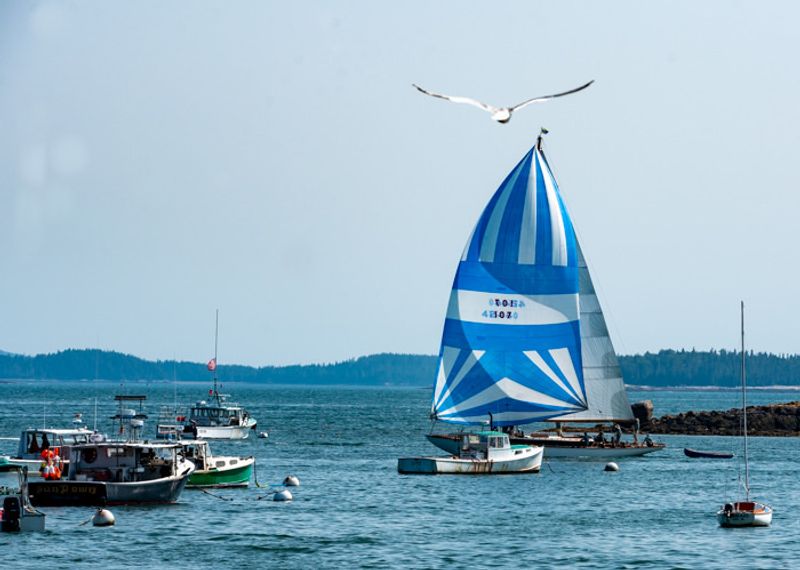
What makes Stonington genuinely special is not any single attraction but the fact that it has resisted the pressure to become something other than what it is.
Many coastal New England towns have gradually traded their working-class identity for boutique shops and vacation condos. Stonington has not done that, and the locals are quietly proud of it.
The town still smells like brine and diesel and fresh-cut wood. The buildings are functional rather than decorative.
The conversations overheard at the dock are about tides and traps and weather, not real estate trends or restaurant reservations. That authenticity is increasingly rare and increasingly valuable.
Stonington, Maine, located at the southern end of Deer Isle in Hancock County is one of those places that reminds you what travel used to feel like before everything became a curated experience.
It is rough around the edges in the best possible way, and leaving it felt a little like closing a book you were not ready to finish.