
This Hidden Michigan Aviation Spot Feels Straight Out Of Top Gun
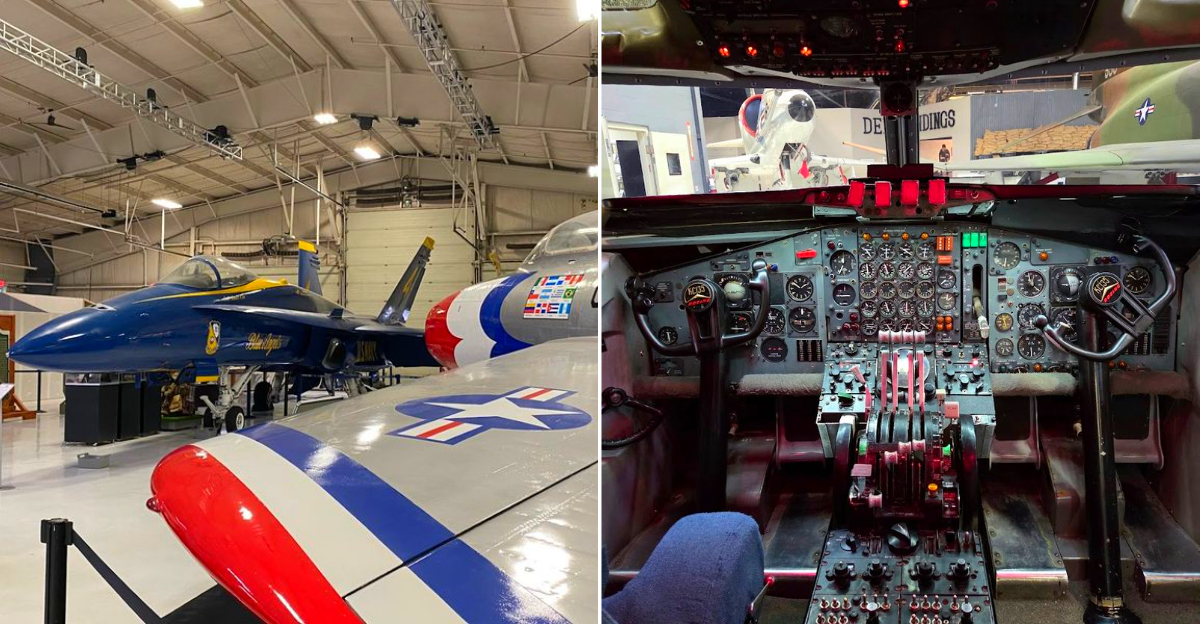
Walking into this hangar in Belleville feels like a polite trap; you expect a tidy, modest aviation stop, but the sheer gravity of the history here hits you with the force of a prop engine.
There is a wonderful sort of nerve in the way the stories of Ford-built B-24 Liberators and the real-life “Rosie the Riveters” start filling the space, turning a simple museum visit into a high-octane encounter with the Greatest Generation.
This Smithsonian-affiliated gem manages to bridge the gap between World War II industrial might and hands-on STEM exhibits without ever losing that vital, human pulse that makes history actually stick.
Michigan’s best aviation museum features historic B-24 Liberator exhibits, WWII warbirds, and interactive STEM displays for families.
It is a masterclass in how a local airport can hold the weight of a global turning point while still feeling like a hidden neighborhood treasure. Ready to see the aircraft that changed the world up close?
Start With The Runway Mood
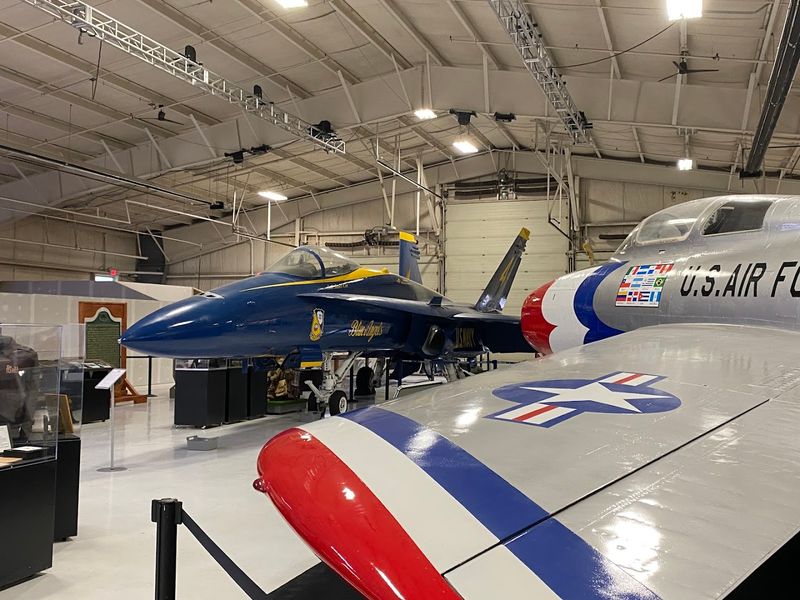
The first thing to understand is that this museum borrows energy from the active airport around it. You are not wandering through a silent storage room, but through a place where aviation still feels awake, practical, and slightly restless.
The Top Gun feeling comes less from movie polish than from scale, metal, and proximity. Combat aircraft sit close enough for you to notice rivets, canopy shapes, worn edges, and the strange elegance of machines built for urgent jobs.
Give yourself a slow first lap before reading every panel. The museum rewards orientation, because once Willow Run, World War II production, and later aircraft eras click together, the whole visit feels sharper and more personal.
Aviation History On The Tarmac
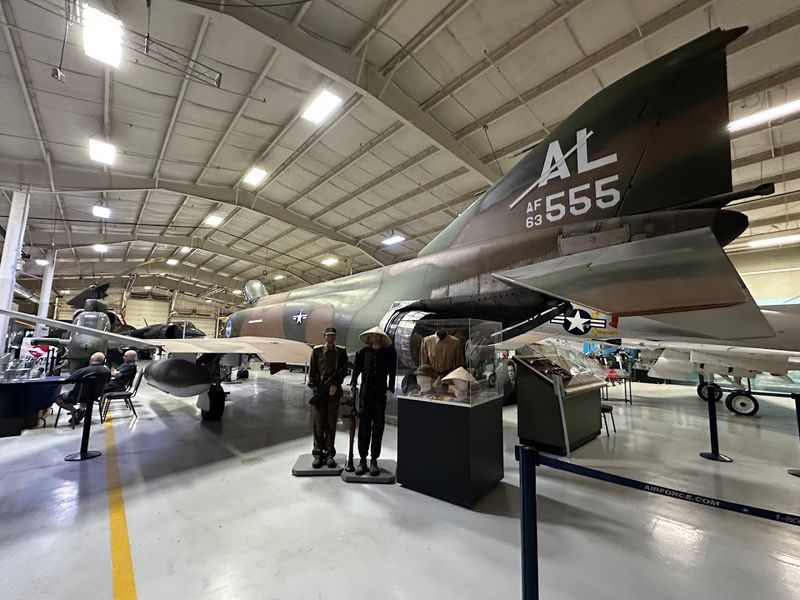
The thunder of radial engines and the sharp, metallic tang of hydraulic fluid set a powerful tone for this historic hangar.
The move is to check the schedule for a vintage flight experience, where you can actually take to the sky in a historic B-17 or B-25, or spend time in the exhibits dedicated to the “Rosies” who built these birds.
You’ll find Yankee Air Museum at 47884 D St, Belleville, MI 48111, located on the grounds of Willow Run Airport. The transition from the open runways to the packed exhibits of the hangar marks your arrival at a premier destination for discovering the incredible aerospace legacy that was forged right here in Michigan.
Look For Yankee Lady First
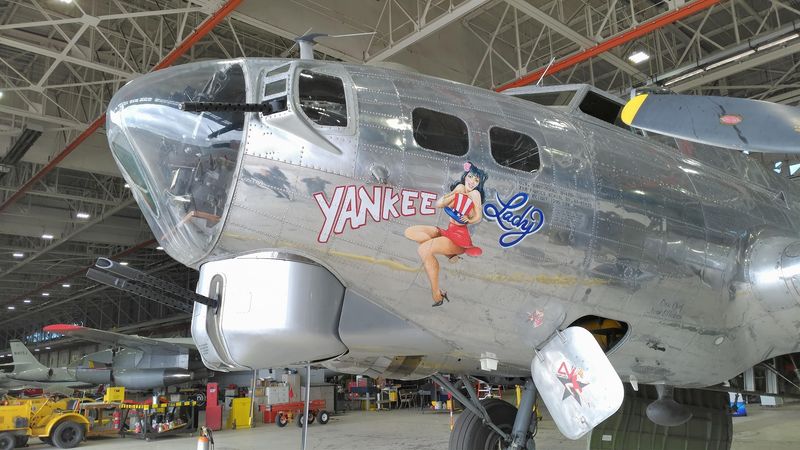
Some aircraft do not merely sit in a collection, and the Boeing B-17G Flying Fortress called Yankee Lady is one of them. Its shape has that unmistakable long-distance seriousness, the kind that makes even casual visitors lower their voices a little.
What makes it remarkable is not only its fame, but its condition. Yankee Lady is among fewer than a dozen B-17s worldwide maintained in flyable status, which changes how you look at every cable, turret, and polished surface.
If you are considering an Air Adventure flight, check dates well ahead, since historic aircraft rides operate seasonally and require booking. Even from the floor, this plane has gravitational pull.
Follow Rosie’s Reply To Its Story
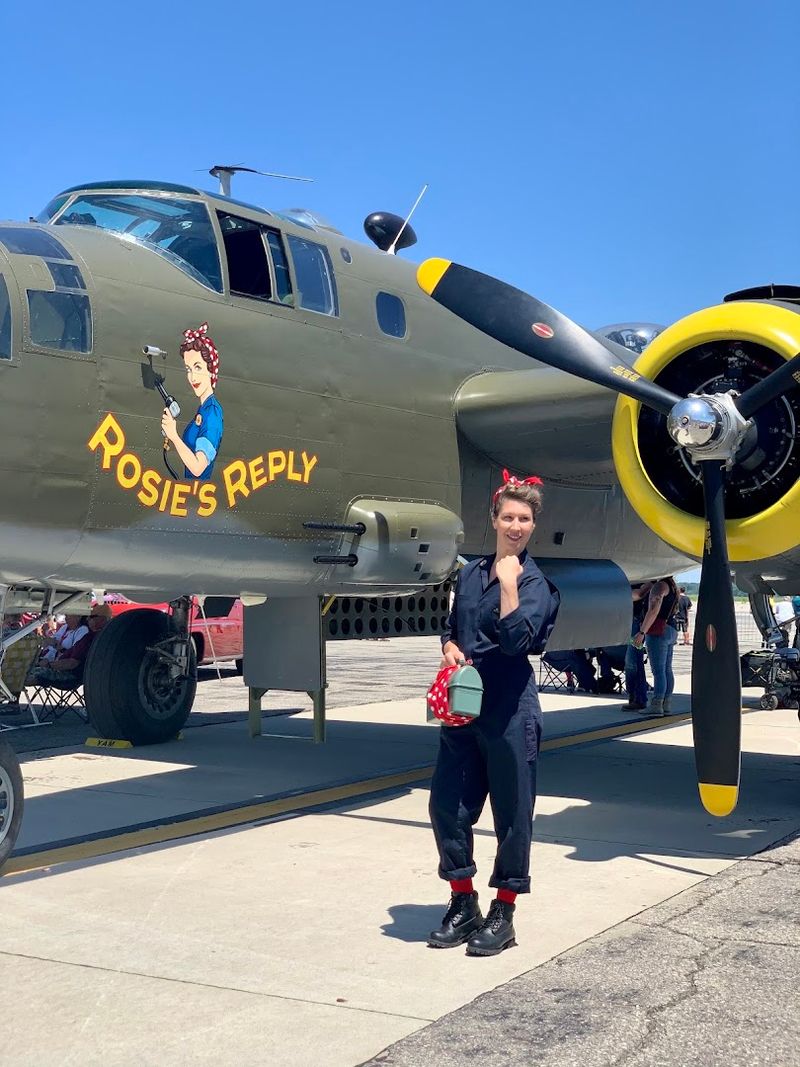
Rosie’s Reply carries a name that points straight back to Willow Run’s wartime workforce. The North American B-25 Mitchell on site is not just another handsome bomber, it is a flying historical document with combat service in its past.
This aircraft is especially rare because it is one of only two B-25D models still flying. That fact makes the preservation feel almost stubborn in the best possible way, as if volunteers refused to let an important voice disappear.
Stand near it after you have seen the Rosie the Riveter material, not before. The name lands differently when you have absorbed the factory story, the women workers, and Michigan’s industrial wartime rhythm.
Spend Real Time With Willow Run
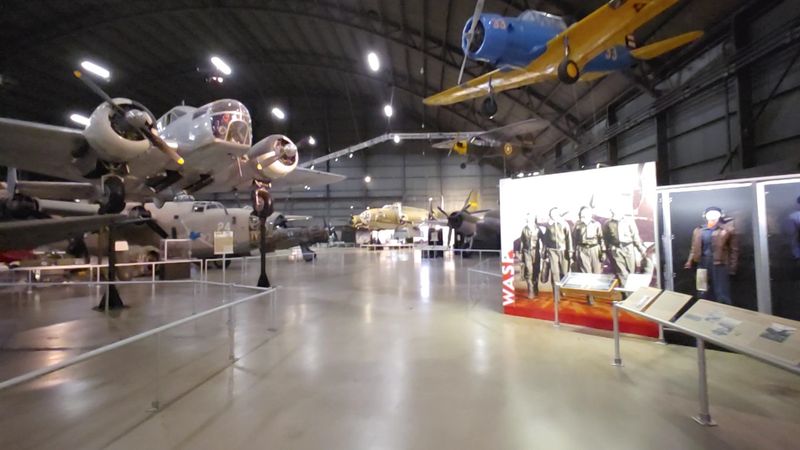
The Willow Run story is the museum’s deep engine, and it deserves more than a glance. Ford Motor Company built B-24 Liberator bombers here during World War II in a plant that reached millions of square feet and reshaped industrial production.
At peak operation, about 42,000 people worked there, and nearly 8,700 B-24s were produced. The famous pace, sometimes described as one bomber an hour, becomes easier to imagine when you study the assembly line dioramas and artifacts.
Do not rush this section because it supplies the place’s moral weight. The aircraft impress, but the workers explain why Belleville and Willow Run matter far beyond aviation trivia.
Ask The Volunteers Questions
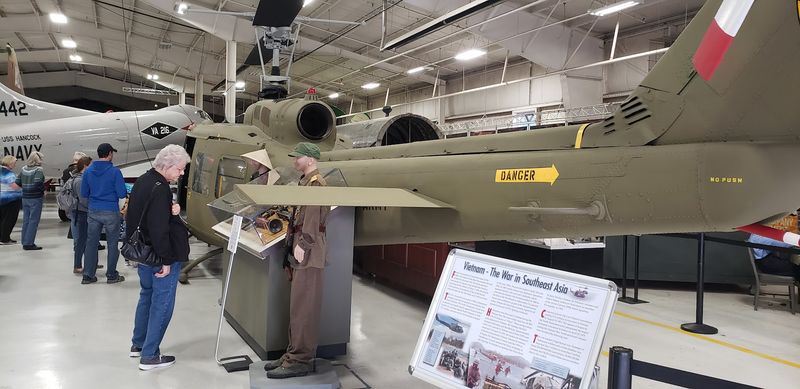
A good question here can open a door you did not know was in the room. The museum’s volunteers and guides often know details that turn hardware into biography, especially around Willow Run, wartime service, and restoration work.
You may hear how particular aircraft were used, why a design mattered, or how Michigan’s factory culture supported the war effort. That kind of conversation gives the displays texture without making the visit feel like homework.
My favorite tactic is simple: ask what most people miss. It usually leads to a small panel, a personal story, or a mechanical detail that would have slipped by quietly, which is exactly the fun of a place like this.
Check Air Adventure Dates Early
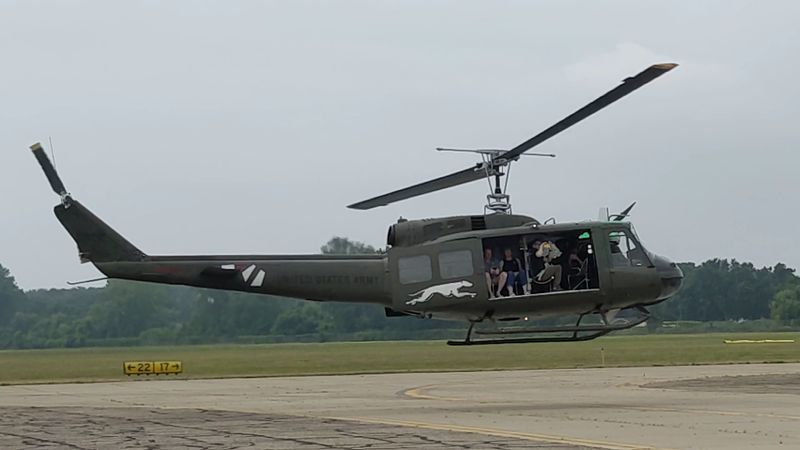
The museum’s Air Adventures are the closest thing to stepping from exhibit mode into living history. Depending on schedule and availability, flights may include aircraft such as Yankee Lady, Rosie’s Reply, a Douglas C-47 Skytrain, a UH-1 Huey, or a Ford Tri-Motor.
These rides are typically offered from May through October, so timing matters. They are not casual add-ons you should assume will be available when you arrive, especially for the best-known aircraft.
If flying is on your list, use the museum’s official website before planning your day. Even if you stay earthbound, knowing these machines still fly makes the static exhibits feel wonderfully unsettled.
Do Not Skip The Restoration Work
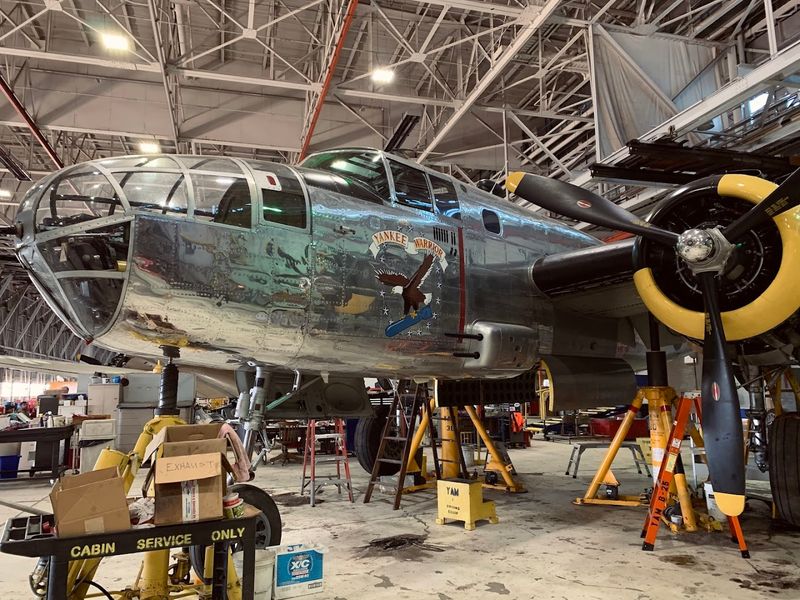
Restoration areas have a different sound in the imagination: not roar, but patience. The museum’s ongoing projects, including work connected with aircraft such as the Consolidated PB4Y-2 Privateer and Boeing B-52D Stratofortress, show preservation as a long conversation with metal.
Volunteers may spend years helping return damaged or neglected aircraft to display condition, and sometimes flight-worthy condition. The work depends on accuracy, research, careful fabrication, and period-appropriate parts whenever possible.
Watch for the unfinished surfaces and open sections, because they teach what polished exhibits cannot. A restored aircraft can look inevitable, but this corner reminds you it was rescued piece by piece.
Let The Hands-On Corners Slow You Down
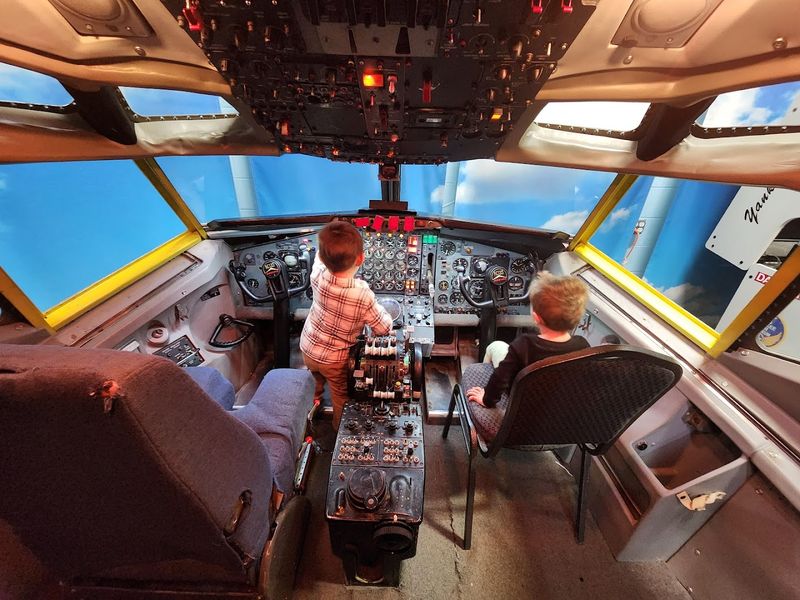
Not everything here asks you to stand back politely. The museum includes interactive aviation and STEM elements, cockpit trainers, and hands-on displays that help visitors understand flight through motion, controls, and small mechanical decisions.
That matters because aircraft can become abstract when viewed only as beautiful objects. Touching a trainer control or watching a child puzzle through a flight concept pulls the whole subject back into the body.
Families should build in extra time for these areas instead of treating them as side attractions. They are useful palate cleansers between heavier wartime sections, and they make the museum approachable without sanding off its seriousness.
Plan Around Open Cockpit Days
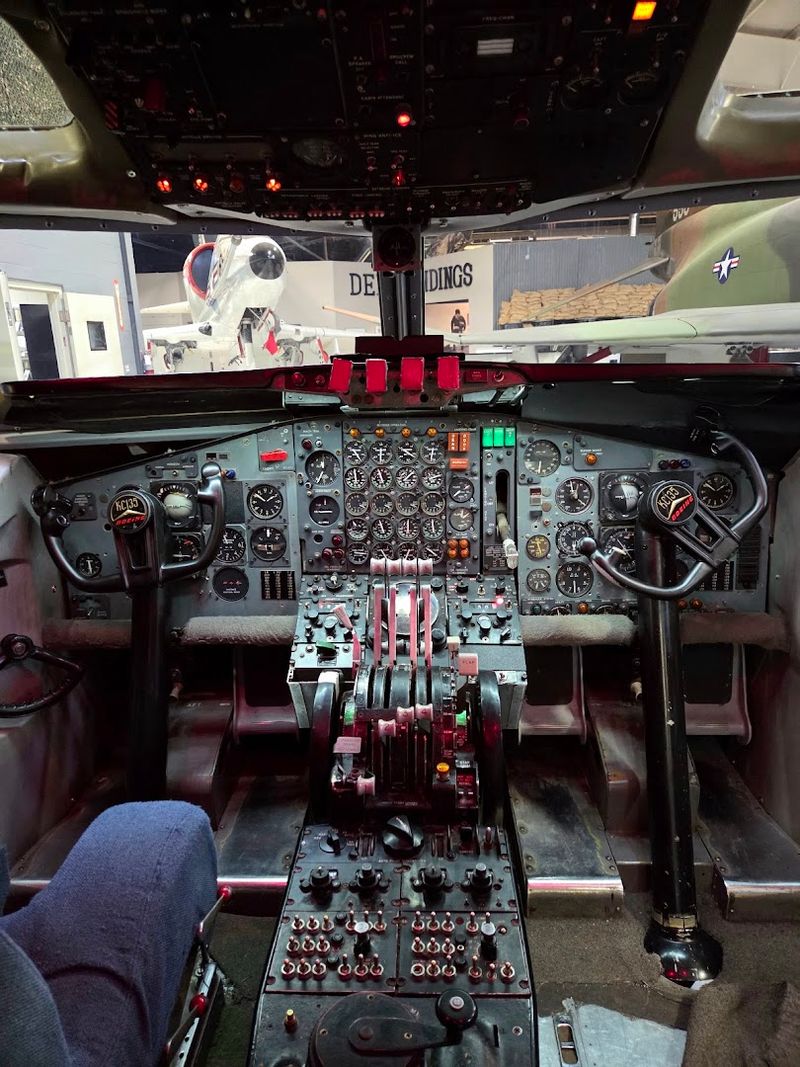
There is a peculiar thrill in seeing a cockpit from the correct side of the glass. On Open Cockpit Days, when scheduled, visitors can climb into select aircraft and feel how cramped, busy, and purposeful these machines really are.
Instrument panels have a way of humbling modern assumptions. Instead of sleek screens and tidy icons, you meet switches, gauges, levers, and labels arranged for people making fast decisions under pressure.
Check the calendar before you go, because these access events are not everyday offerings. If your timing works, make it a priority, especially with older kids or anyone who thinks museums are mostly for looking, not doing.
Use Events For The Big Rumble
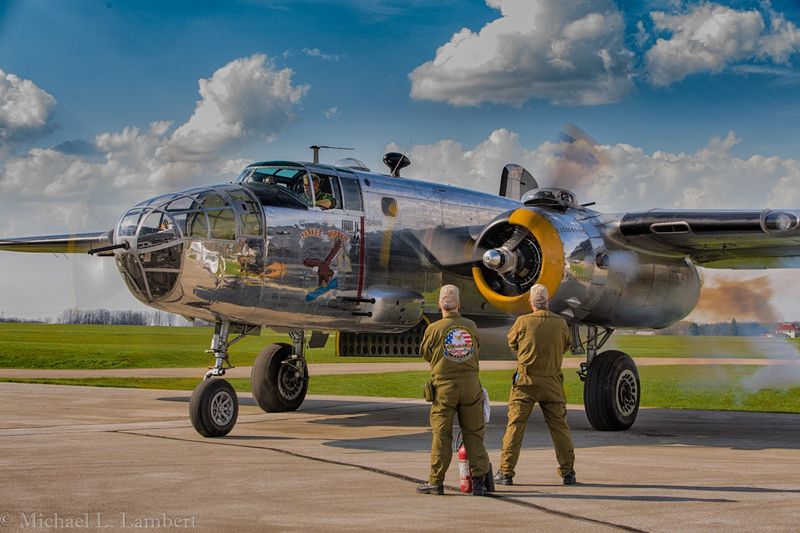
Summer changes the museum’s personality. Events such as Thunder Over Michigan bring flying demonstrations, static aircraft displays, and the kind of overhead sound that makes everyone pause mid-sentence and look up.
Wings & Wheels adds another angle by pairing historic aircraft with rare cars, which somehow makes the engineering conversation broader and more local. It feels like Michigan showing off its mechanical vocabulary in several dialects at once.
If you prefer quiet galleries, choose an ordinary operating day. If you want the bigger sensory version, watch the museum calendar, prepare for crowds, and remember that August airshow energy is a very different animal.
Give Yourself Three Hours Minimum
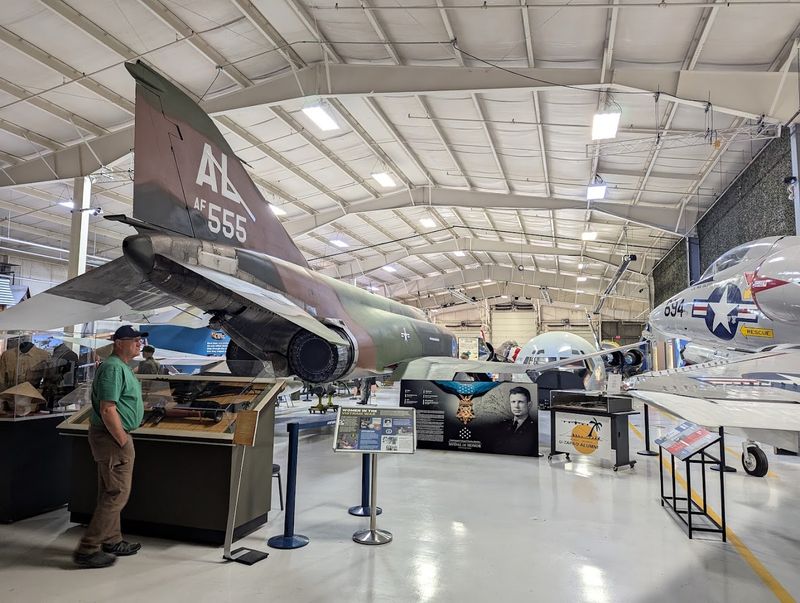
The address, 47884 D St in Belleville, looks straightforward on a map, but the experience deserves unhurried time. General admission has been listed at $13 for adults, with discounts for seniors, veterans, military members, and children, though current pricing should be confirmed before you go.
Regular hours are generally daytime, with Monday closed and shorter Sunday hours, so check the official site for updates. Parking is close, and the museum is manageable without feeling empty.
Plan three to four hours if you like reading, asking questions, and circling back. This is not a giant institution, but it is dense, and the best moments often arrive on the second pass.