
This Hidden Michigan Waterfall Lights Up At Night, And Most People Do Not Know It Exists
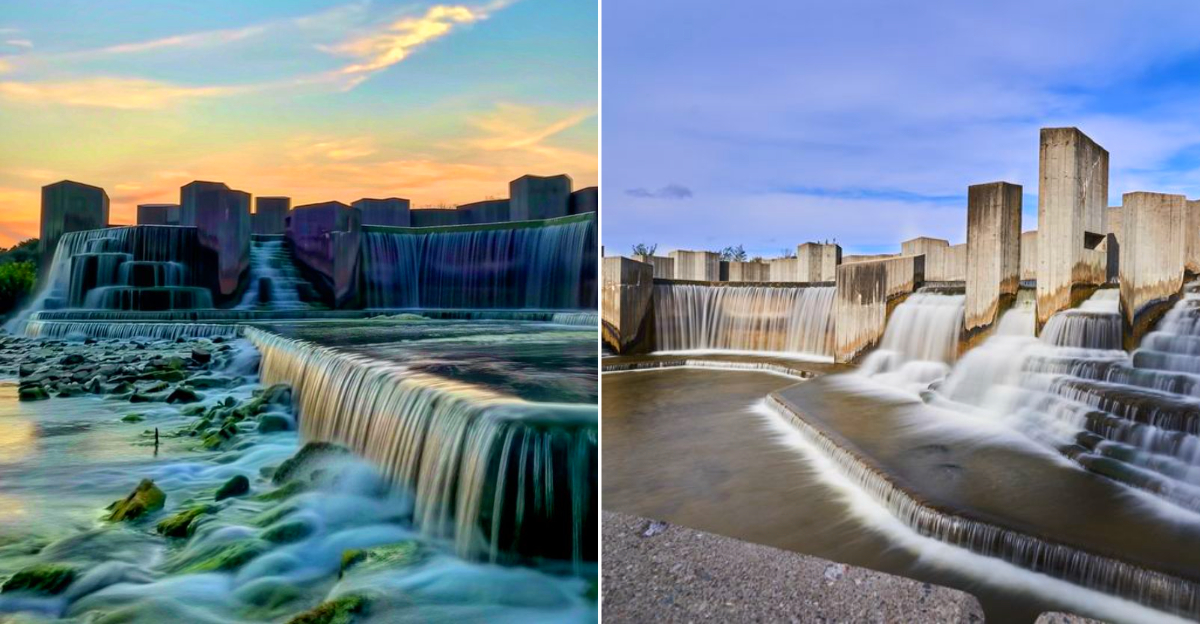
Nobody told me the waterfall would be lit. I showed up in the late afternoon expecting a trickle over some rocks, the kind of cascade you forget by the time you reach the parking lot. Instead I found a wide cascade dropping over a stone ledge into a pool that catches the sky.
During the day the water looks silver against dark rock. After sunset the lights come on from underneath plus the falls turn gold, blue, then green in a cycle that makes you question whether someone designed this on purpose.
I sat on a bench for an hour. Families walked by. Couples took photos. A dog jumped in the pool at the bottom.
The trail leading to the falls is short, maybe ten minutes from the lot. A Michigan waterfall lit from below after dark is the kind of thing you assume someone would mention, plus nobody does.
Check Current Park Hours
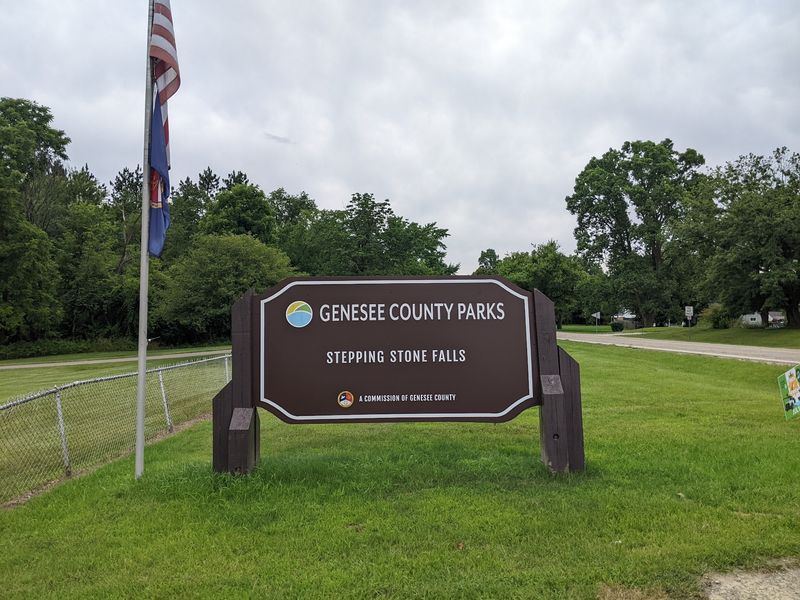
A locked gate makes a poor ending to an evening adventure, so check official park information shortly before leaving home.
Posted hours generally extend well beyond sunset, with later closing times commonly listed for Fridays and Saturdays, but schedules may change during holidays, severe weather, construction, or seasonal operations.
The Genesee County Parks website and office are the best sources for current access details, especially when traveling a long distance. Give yourself enough time to park, walk around, watch the lights, and return without rushing near closing.
Restroom availability may also be seasonal, so plan ahead before bringing children or older relatives. A quick check protects the evening from unnecessary surprises and leaves more attention for the glowing falls.
Carpenter Road Hands You Off To The Falls
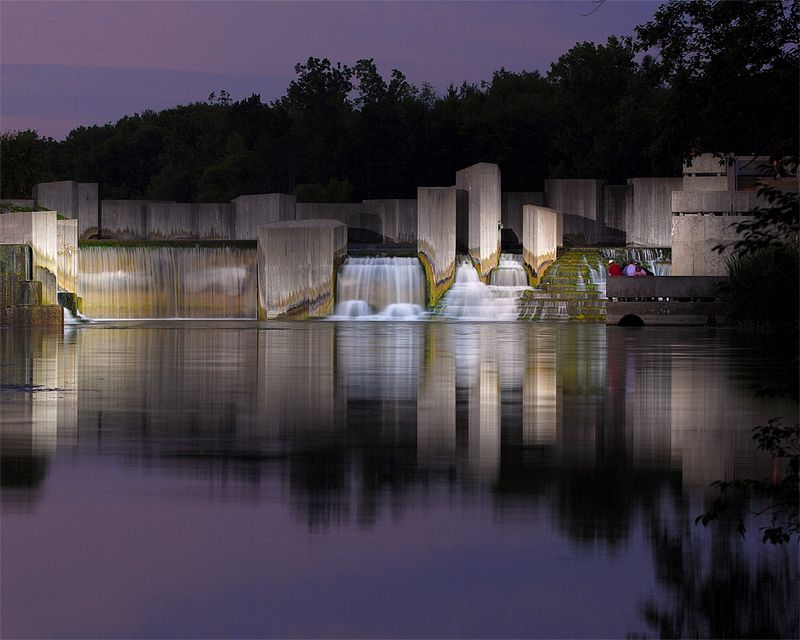
Stepping Stone Falls sits at 5161 Branch Road in Flint, Michigan, on the Flint River where it meets Mott Lake. From I-75 or I-69, take I-475 north to Exit 11 for Carpenter Road, then head east toward Branch Road.
At the four-way stop, turn north onto Branch Road and continue for about one mile to the park entrance. The official directions make this junction especially useful because there are multiple Branch Roads in the broader Flint area.
Pull into the Stepping Stone Falls parking area and continue from there on foot. Most parking surfaces are gravel, with paved accessible spaces near the trails, and a paved pathway leads through the falls area toward the overlooks.
Choose An Accessible View
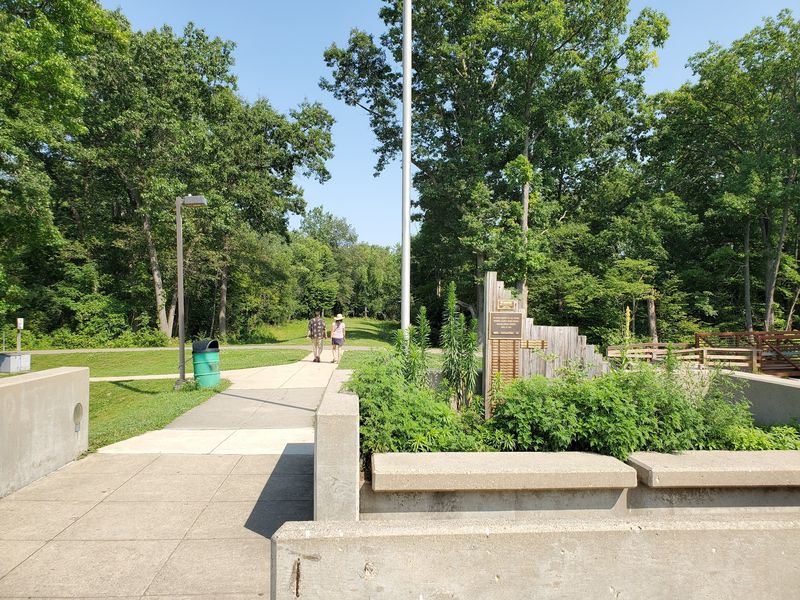
Broad paved paths make the first approach pleasantly simple, and several upper viewpoints provide clear looks across the water without requiring visitors to tackle every stair. The falls themselves include stepped viewing levels, so people with limited mobility should remain on the smoother upper routes and select an overlook that feels comfortable.
Benches placed along park paths offer useful rest stops, while the nearby parking area keeps the main attraction within manageable reach. Wheelchair users may find many routes suitable, although surfaces, temporary closures, and weather conditions can affect access.
Bring any needed mobility equipment and avoid assuming each lower platform is reachable. From above, the repeating concrete shapes and rolling water remain fully visible, proving that the easiest view can still be impressive.
Study The Man-Made Design
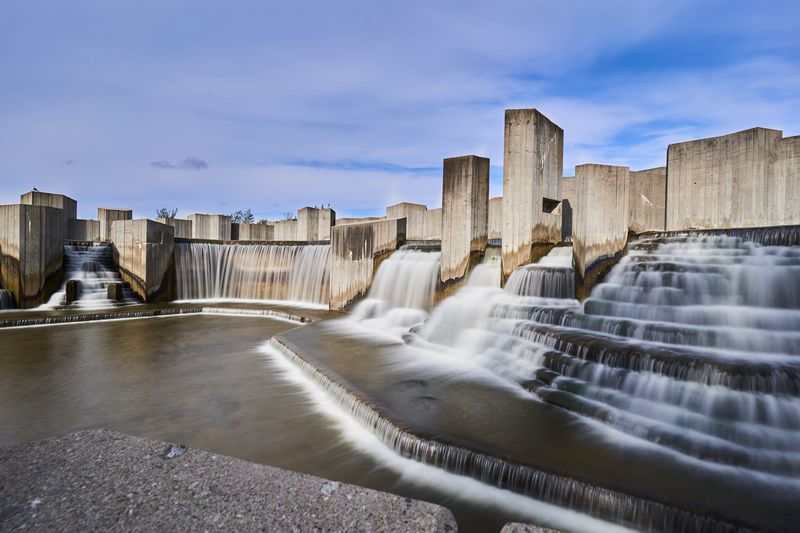
Concrete rarely gets invited to play the romantic lead, yet the geometric spillway gives this waterfall its unmistakable character. Built as part of the water system connecting C.S.
Mott Lake and the Flint River, the structure guides water across repeated levels, producing many narrow cascades instead of one natural plunge.
Walk between designated viewpoints and notice how each angle rearranges the pillars, channels, and silver ribbons of water. Lower positions emphasize the force and sound, while upper areas reveal the broader engineering pattern.
The falls are not a wilderness feature, and that fact makes them more interesting rather than less worthy. Treat the structure as working infrastructure, remain behind barriers, and resist climbing onto concrete that may be slick, restricted, or dangerously close to powerful currents.
Pack A Simple Picnic
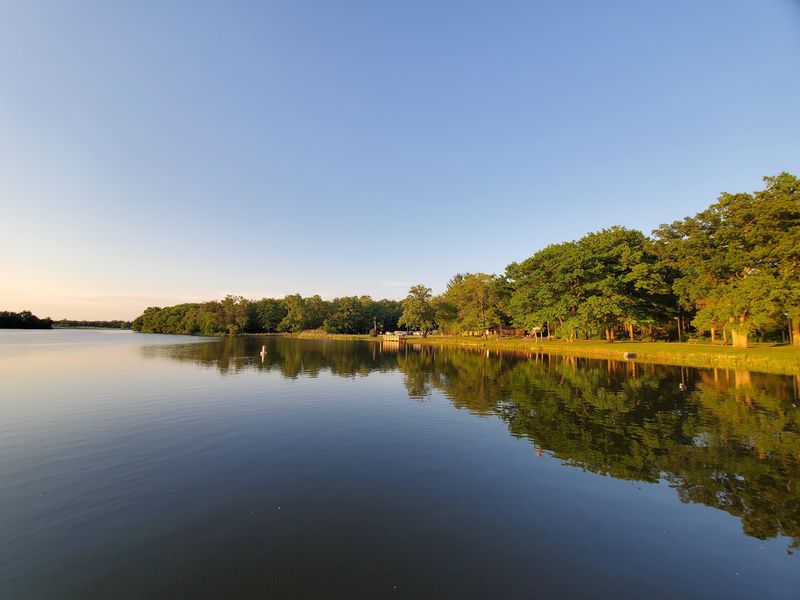
Food options are not the main attraction around the falls, which is precisely why a packed meal earns its place in the car. Picnic areas let visitors turn a short waterfall stop into an unhurried afternoon beside Mott Lake and the Flint River, with rushing water providing cheerful background noise.
Bring drinking water, easy food, napkins, and a bag for every scrap you create. Families planning to use a grill should verify current park rules and any fire restrictions before arriving, then use only approved facilities.
Choose a table away from busy paths and keep food guarded from birds. Once lunch ends, wipe the table and remove litter, since clean grounds protect wildlife and preserve the relaxed setting that makes this compact park feel surprisingly removed from traffic.
Bring Protection From Evening Bugs
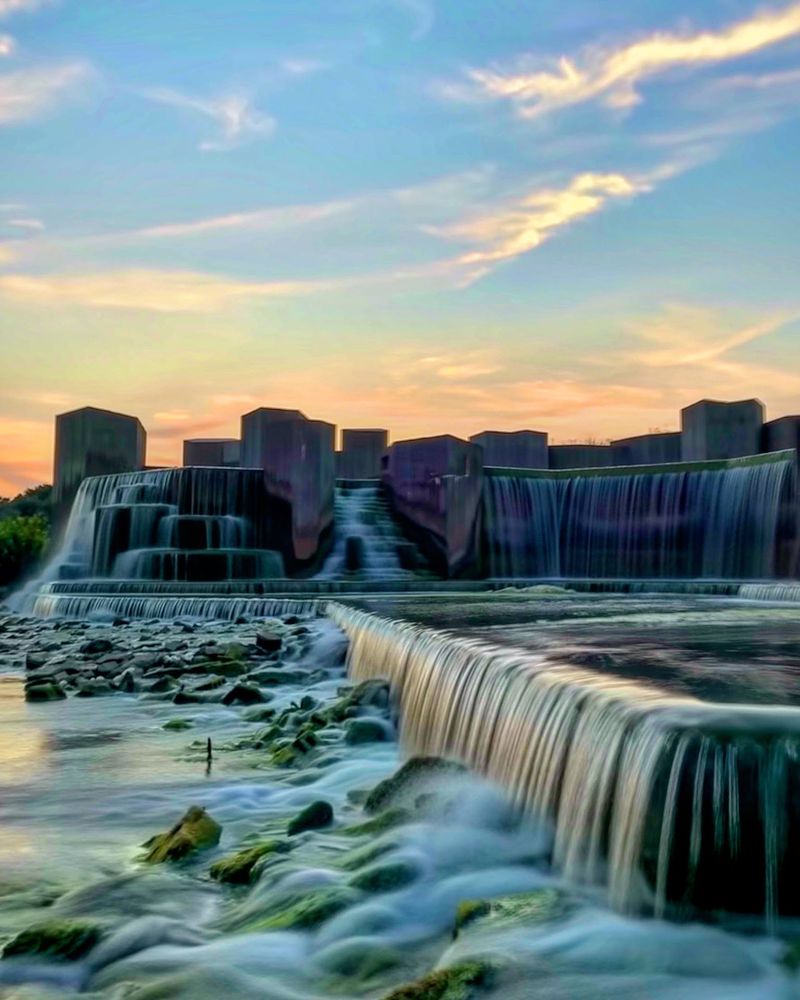
Near dusk, the river may deliver its smallest welcoming committee: gnats and mosquitoes gathering around damp ground, vegetation, and warm bodies. Their numbers vary with temperature, recent rain, wind, and season, but protection is sensible when waiting beside the illuminated water for an extended period.
Apply insect repellent according to its label, wear light long sleeves, and consider long pants if bugs usually find you first. A small face net can help during especially active evenings without adding much weight to a day bag.
Avoid spraying chemicals toward the river, wildlife, or other visitors. Breezier overlooks may feel more comfortable than sheltered corners, so move if one location becomes bothersome.
Preparation keeps minor buzzing from stealing attention during the park’s most colorful transformation.
Follow The Paved Trails
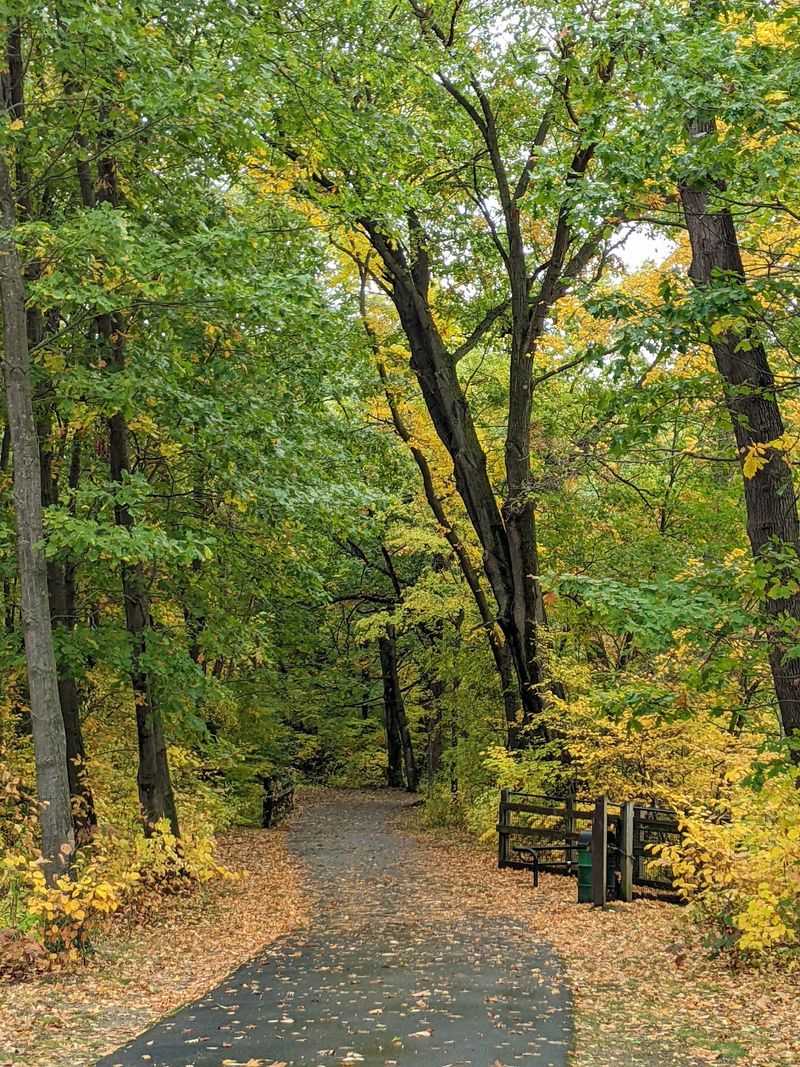
The waterfall may be the headline, but the paved routes give restless legs a worthwhile second chapter. Stepping Stone Falls connects with the wider Flint River Trail network, creating options for walking, running, or cycling through wooded stretches and along portions of the water.
Start with a short loop near the viewing areas if time is limited, or consult an official trail map before extending the outing. Cyclists should slow near families, announce passes politely, and yield where signs require it.
Comfortable shoes remain useful even on smooth pavement because wet leaves, ice, and scattered debris can reduce traction. Carry water, note where you parked, and turn back before darkness complicates navigation.
The route feels calmer when nobody must race the closing clock.
Watch Wildlife Without Feeding It
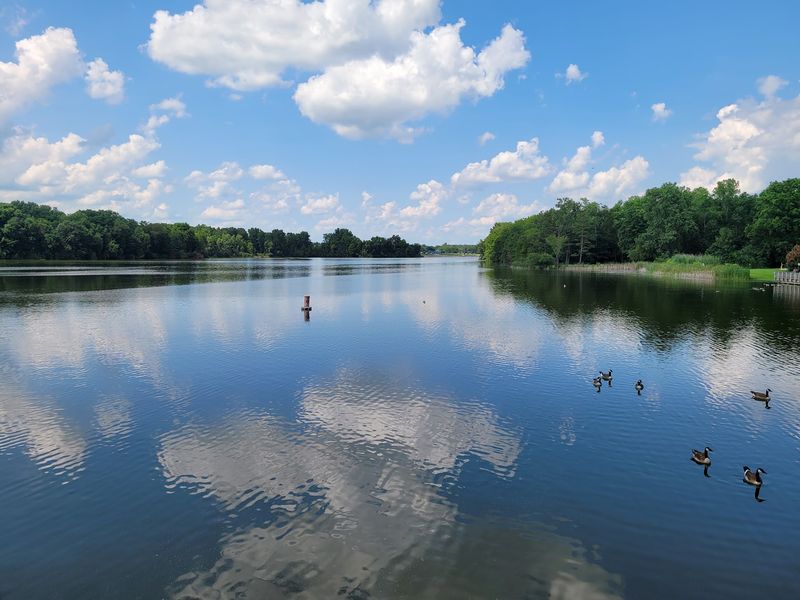
A patient pause beside the rail can reveal nearly as much movement as the waterfall itself. Ducks and geese regularly use the water, fish may appear near the surface, and observant visitors can sometimes spot herons, egrets, or other birds around the shoreline.
Binoculars improve the show without disturbing animals, while a phone held quietly captures better moments than chasing wildlife along the bank. Skip bread, popcorn, and other human snacks, even when birds or fish gather expectantly.
Feeding can encourage crowding, poor nutrition, aggressive behavior, and polluted water. Keep children close, give nesting birds extra room, and carry all food scraps away.
Dawn and quieter weekday periods often support calmer watching, though changing seasons determine which species happen to visit.
Photograph Water From Several Angles
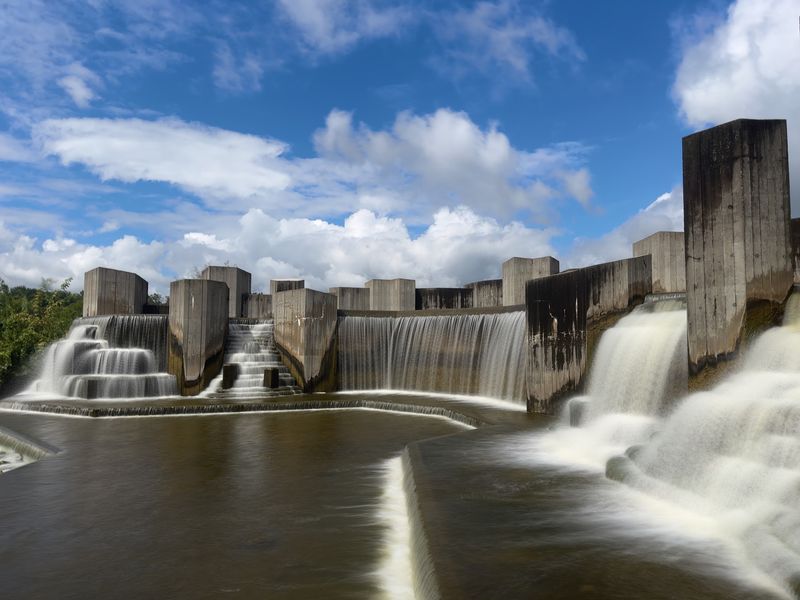
Colorful water can confuse a camera, turning bright cascades into pale streaks or muddy patches without careful exposure. Begin with a steady grip or tripod at an approved overlook, disable the flash, and tap the brightest part of the falls on a phone screen before lowering exposure slightly.
A wide image records the geometric structure, while closer frames highlight glowing channels and textured water. Try photographs during blue hour, when the sky retains color and the lights already show, rather than waiting for complete darkness.
Keep tripods clear of walkways and never lean across barriers for a dramatic angle. Wipe mist from the lens, take a few horizontal and vertical versions, then put the camera down long enough to hear the actual cascade.
Match The Visit To The Season
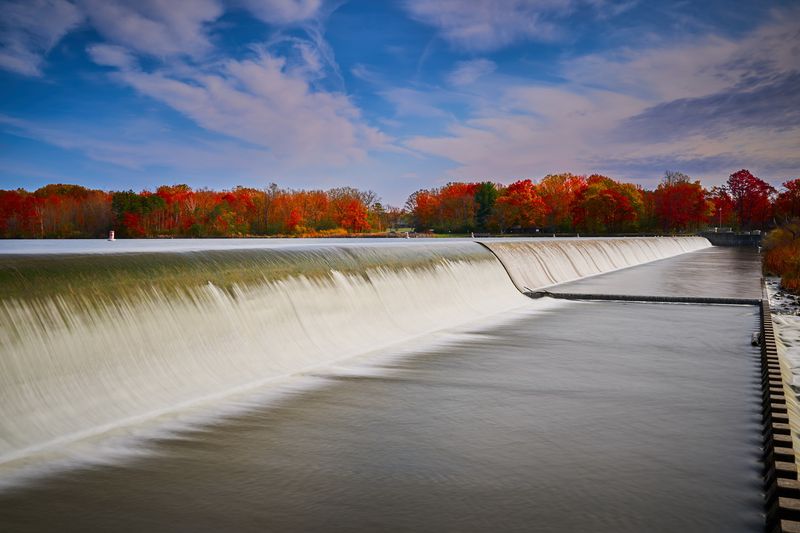
Autumn gives the gray concrete a lively frame of gold, orange, and red, while summer surrounds the falls with deep greenery. Spring can bring cool air and lively water views, and winter may create striking frosty scenery, although snow and ice demand extra caution.
Check the forecast, dress in layers, and choose footwear suited to current surfaces rather than the calendar alone. Rain can deepen colors but also make stairs and viewing platforms slippery.
Hot evenings call for water and sun protection before dusk, while colder visits require gloves that still allow a secure railing grip. Seasonal restroom access may vary, so confirm facilities beforehand.
Every month changes the setting, yet safety should decide which paths deserve exploration on arrival.
Leave Time For Quiet Listening
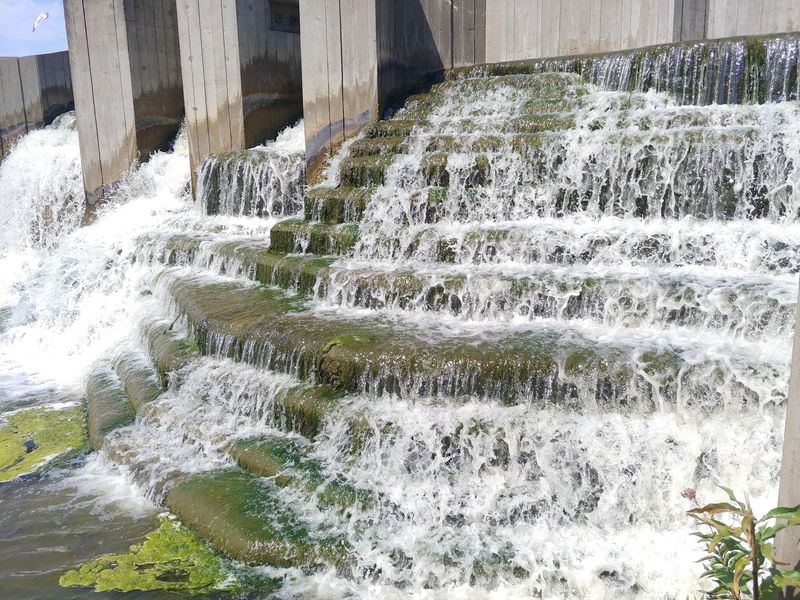
Oddly enough, the best part may arrive after everyone has taken the obvious photograph. Sit on a bench or pause at an overlook, and the steady rush of water begins covering distant traffic and scattered conversation with a broad, calming sound.
Allow fifteen unplanned minutes instead of treating the park like a roadside checklist. Silence phone alerts, watch changing reflections, and notice how birds move between the river and Mott Lake.
Children can count cascade levels or search for different bird shapes without leaving the path. Evening visitors should remain aware of companions, closing time, and the route back to parking.
A slower pace reveals why this engineered landmark works as a genuine retreat, not merely a brightly lighted curiosity near Flint.