
This Hidden Mine In South Carolina Lets You Hunt For Real Gems
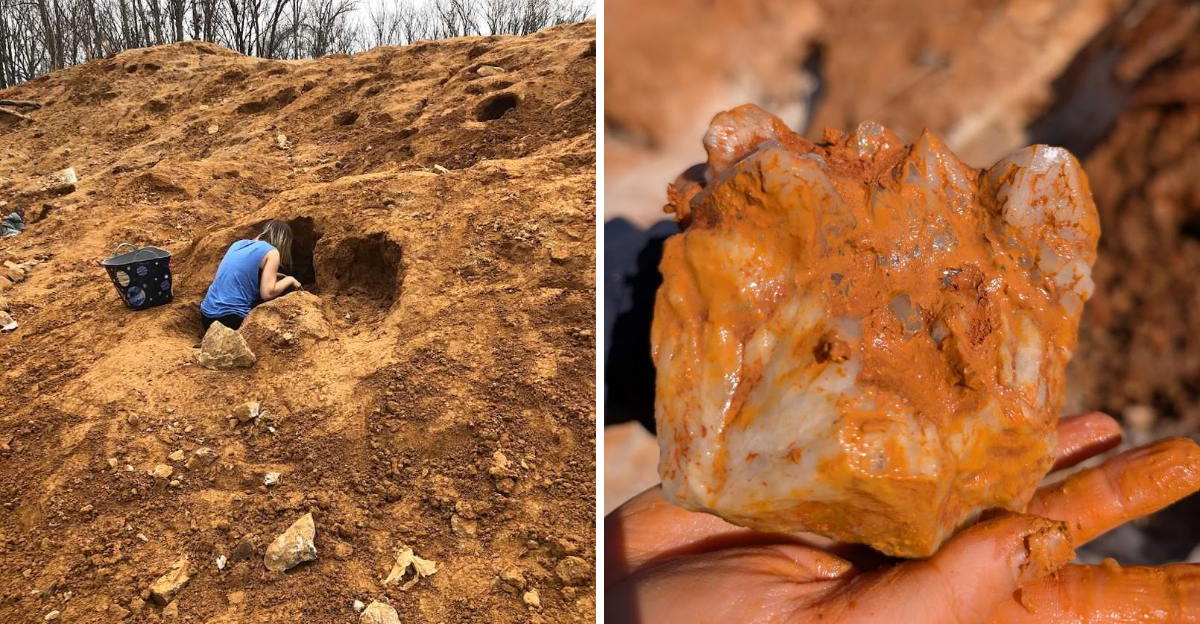
Most people don’t expect to dig real crystals out of the ground in South Carolina, and that’s exactly why this place feels so addictive once you start.
You turn off the main road near Abbeville and suddenly everything changes. Dirt paths, red clay, buckets, shovels, and people covered in mud holding rocks that catch the sunlight like hidden treasure.
Places like this in South Carolina don’t feel polished or touristy, they feel raw in the best possible way.
At first, it seems simple enough. Dig a little, sift through gravel, maybe find something small.
Then a crystal catches the light, and suddenly hours disappear without you noticing.
People don’t stay clean here. They stay longer than planned, chase one more find, and leave with pockets heavier than when they arrived.
It’s not just about what you uncover.
It’s the thrill of knowing something incredible might be sitting right beneath your feet.
And once that feeling hits, it’s hard to stop digging.
Pay Once, Dig All Day
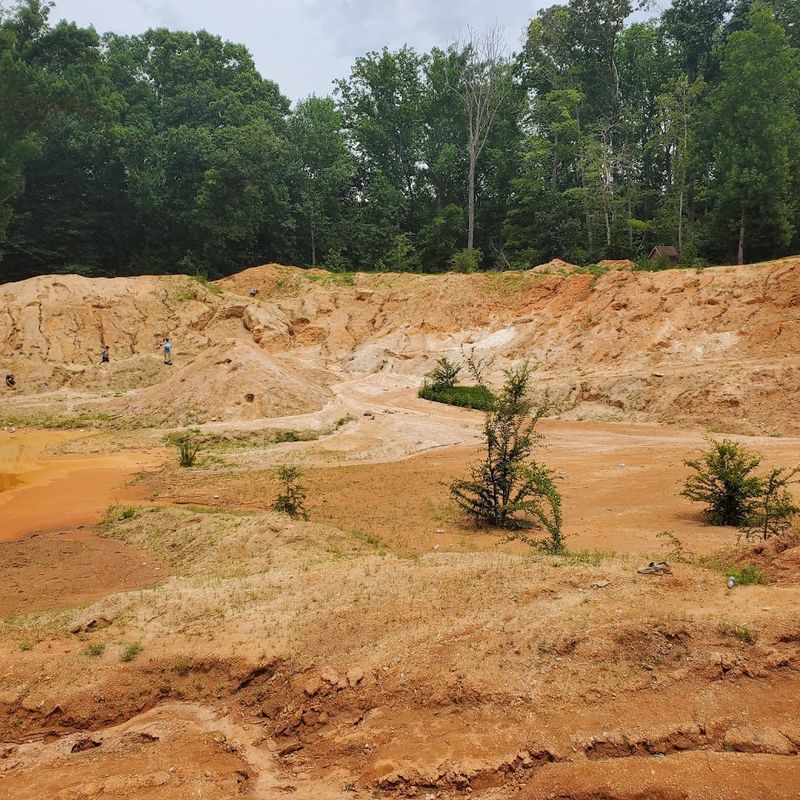
For twenty dollars, I got an all-day pass to roam across acres of open digging sites without anyone rushing me or limiting what I could keep.
The moment David at the check-in table handed me my wristband, I realized this was not some tourist trap where you sift through pre-salted buckets of gravel. This was real mining on actual ground that once produced commercial-grade quartz, and every single crystal I found was mine to take home.
I watched families arrive with coolers and folding chairs, settling in for marathon digging sessions that stretched from morning until the afternoon sun started slanting low. Some folks worked methodically in one spot for hours while others wandered between different pits, testing their luck in fresh dirt.
The freedom to explore at my own pace, without time limits or find limits, made the experience feel less like a paid attraction and more like being granted access to a private treasure field.
Crystals Everywhere You Look
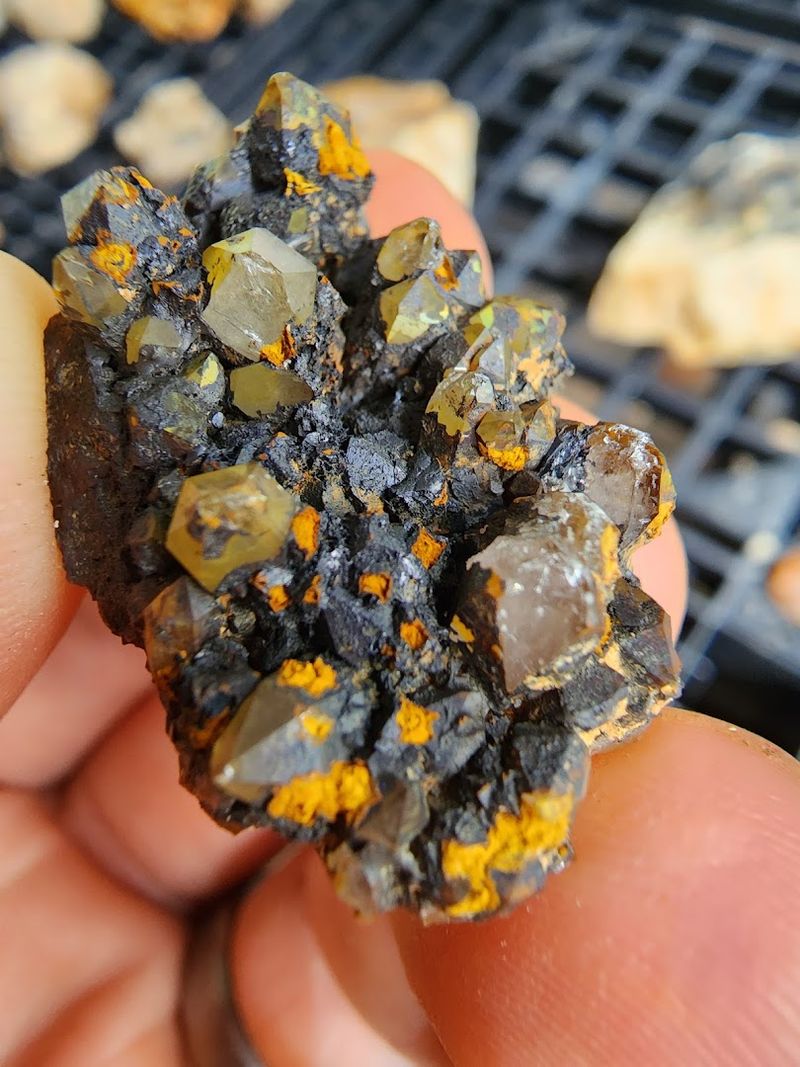
Walking across the main pit area, I kept spotting quartz points glinting in the dirt like tiny glass shards scattered by some generous geology fairy.
The ground here is absolutely loaded with crystals ranging from thumbnail-sized chips to palm-filling clusters that make your heart skip when you uncover them. I found clear quartz, milky quartz, smoky quartz, and even a few pieces with that golden citrine tint that catches light like bottled sunshine.
One woman near me pulled up a cluster the size of a softball, still caked in red clay, and everyone within earshot stopped digging to admire it. The variety surprised me most, because I expected maybe one or two types of quartz, but instead discovered that each pit seemed to have its own personality and dominant crystal style.
After just an hour of casual surface picking, my bucket already held more specimens than I could have bought at any rock shop, and I had barely scratched the literal surface.
David Makes Every Visit Better
David, the mine caretaker, greeted me with the kind of genuine warmth that immediately made me feel like a regular even though it was my first visit.
He pointed me toward a fresh pit that had just been opened up, explained which tools worked best in different soil types, and even helped identify a crystal I thought might be something special. His knowledge runs deep, covering everything about the geology of the site, the history of the mining operations, and the best techniques for finding specific types of crystals.
I watched him patiently answer the same questions from newcomers throughout the day, never showing a hint of impatience or annoyance. When my niece got a bit too enthusiastic with her digging and strayed into an off-limits area, David redirected her kindly but firmly, and she actually thanked him for the correction.
Meeting someone who genuinely loves what they do and shares that enthusiasm freely made the whole experience feel more like visiting a knowledgeable friend than paying for access to a commercial site.
Bring Your Own Gear
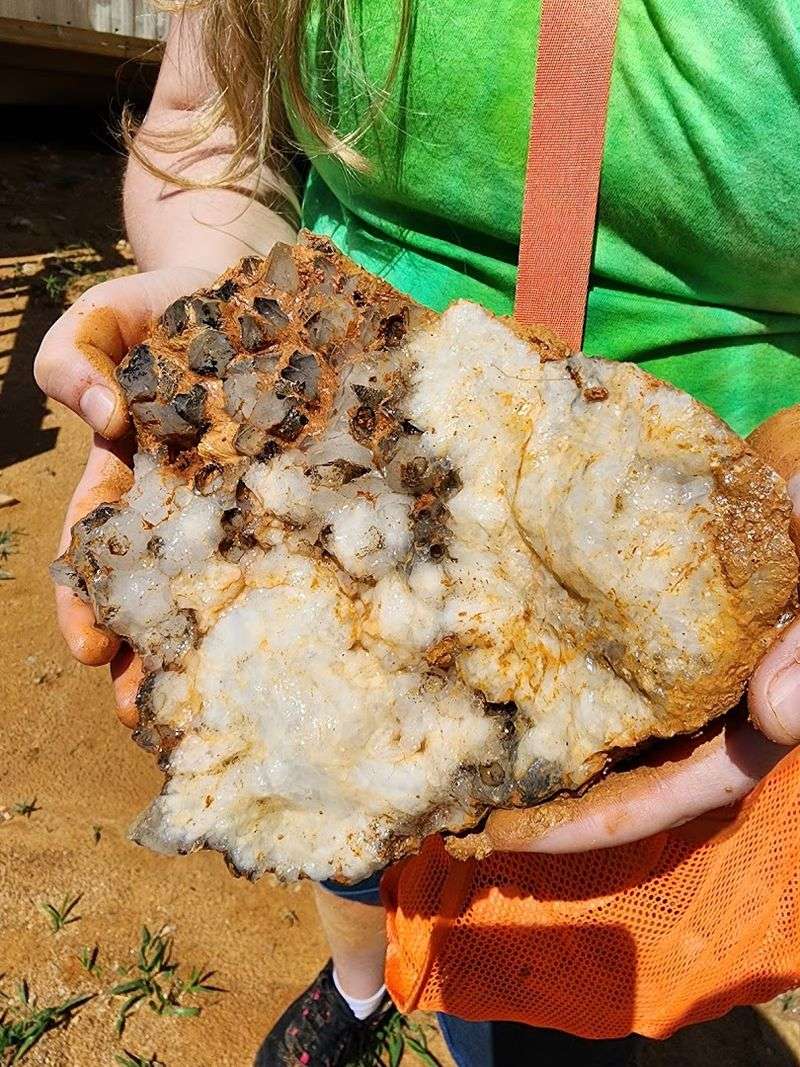
I learned the hard way that showing up empty-handed means a very short, very frustrating visit, because the mine provides the land but you provide absolutely everything else.
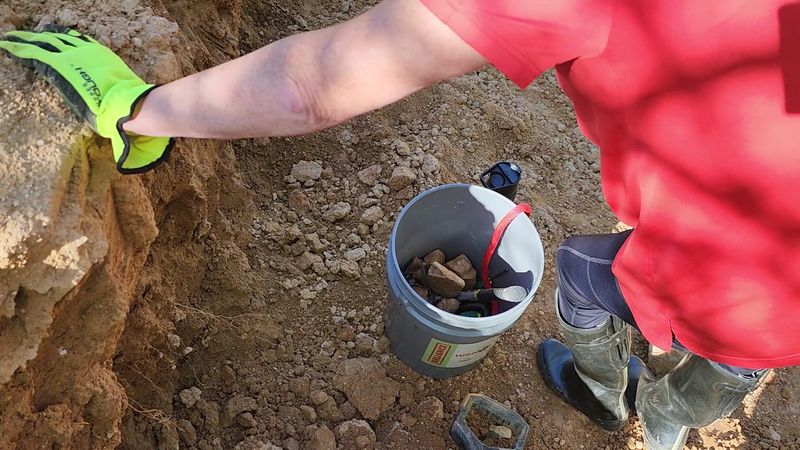
My second trip came equipped with five-gallon buckets, a sturdy garden shovel, a hand pick for breaking up clay, thick gardening gloves, knee pads that saved my joints, and spray bottles filled with water for rinsing finds on the spot. Other diggers had brought folding camp stools, small rakes, brushes of various sizes, and even handheld screens for sifting through loose material.
The parking area looked like a tailgater convention, with people hauling coolers, tool bags, and wagon loads of equipment toward their chosen digging spots. I noticed the most successful hunters carried organized setups with dedicated buckets for different crystal types and sizes.
Watching experienced rockhounds work with their well-worn tools and efficient systems made me realize this place rewards preparation and commitment rather than casual curiosity, though beginners like me still managed to find plenty with basic equipment.
Mud Becomes Your New Best Friend
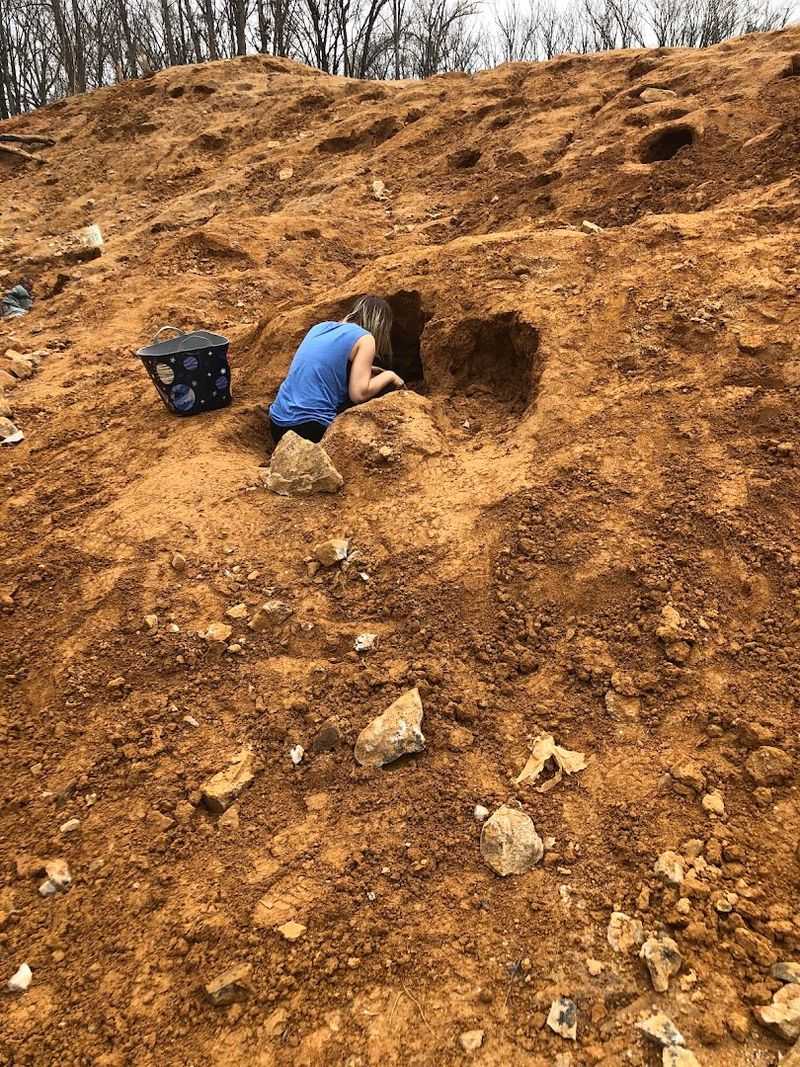
Within fifteen minutes of starting my first dig, I looked down and realized my jeans, shirt, boots, and hands were all varying shades of rust-colored clay that would probably never completely wash out.
The soil here is thick, sticky South Carolina clay that clings to everything it touches and turns into a slippery, stubborn coating when wet. I watched a dad try to wipe his son’s face clean after the kid rubbed his muddy hands across his cheek, only to make the smudge three times larger and infinitely messier.
Nobody at Diamond Hill stays clean, and after the initial shock, I found the mud strangely liberating, like permission to be a kid again without worrying about appearances. The port-a-potties offer hand-washing stations, but most people just embrace the dirt until they finish for the day.
I now keep a complete change of clothes in my car, plus old towels for the drive home, and I consider anything I wear to the mine as permanently designated mining attire that will never see the inside of a nice restaurant again.
Space To Spread Out

Even on busy weekend days when the parking lot fills up, the mine is so expansive that I rarely felt crowded or like I was competing for digging space with other hunters.
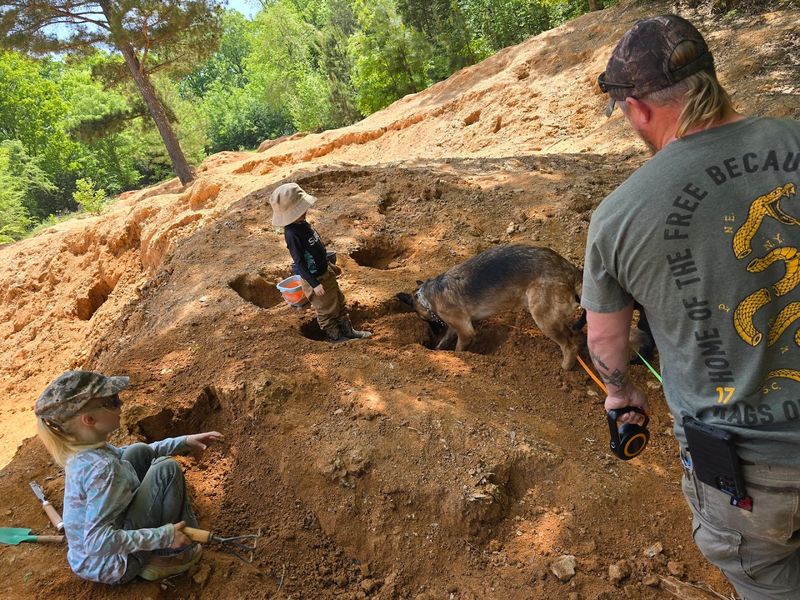
The property covers enough acreage to accommodate dozens of groups simultaneously, each staking out their own territory in different pits and levels. I set up in one corner and spent three hours working without another person coming within twenty feet of my spot, despite the steady stream of vehicles arriving throughout the morning.
Families with young children claimed shaded areas near the edges while serious rockhounds headed deep into the larger excavated sections, creating a natural spacing that gave everyone room to work. The layout includes multiple distinct digging areas at different elevations, so if one spot feels too crowded or picked over, you simply walk to another section and start fresh.
This sense of having your own private mining claim, even on peak days, made the experience feel more authentic and less like standing in line at an amusement park attraction.
Pack Your Own Provisions
The mine sits miles down rural roads with absolutely nothing nearby except farmland and forest, which means bringing your own food and drinks is not optional but essential.
I packed sandwiches, plenty of water, salty snacks, and fruit for my day-long dig, and I still wished I had brought more because the physical work and South Carolina heat burned through my supplies faster than expected. The picnic tables scattered around the property offer shaded spots for lunch breaks, and watching everyone unpack their coolers felt like a potluck where nobody shared but everyone approved of everyone else’s menu choices.
One family near me had brought an entire feast including a camp stove for heating soup, which seemed excessive until the afternoon wore on and I realized their planning was actually brilliant. The nearest convenience store requires a drive back toward the highway, and leaving means losing your momentum and your good digging spot.
Smart visitors treat this like backcountry camping in terms of self-sufficiency, arriving with everything needed for a full day without relying on any nearby amenities whatsoever.
Weather Dictates Your Success
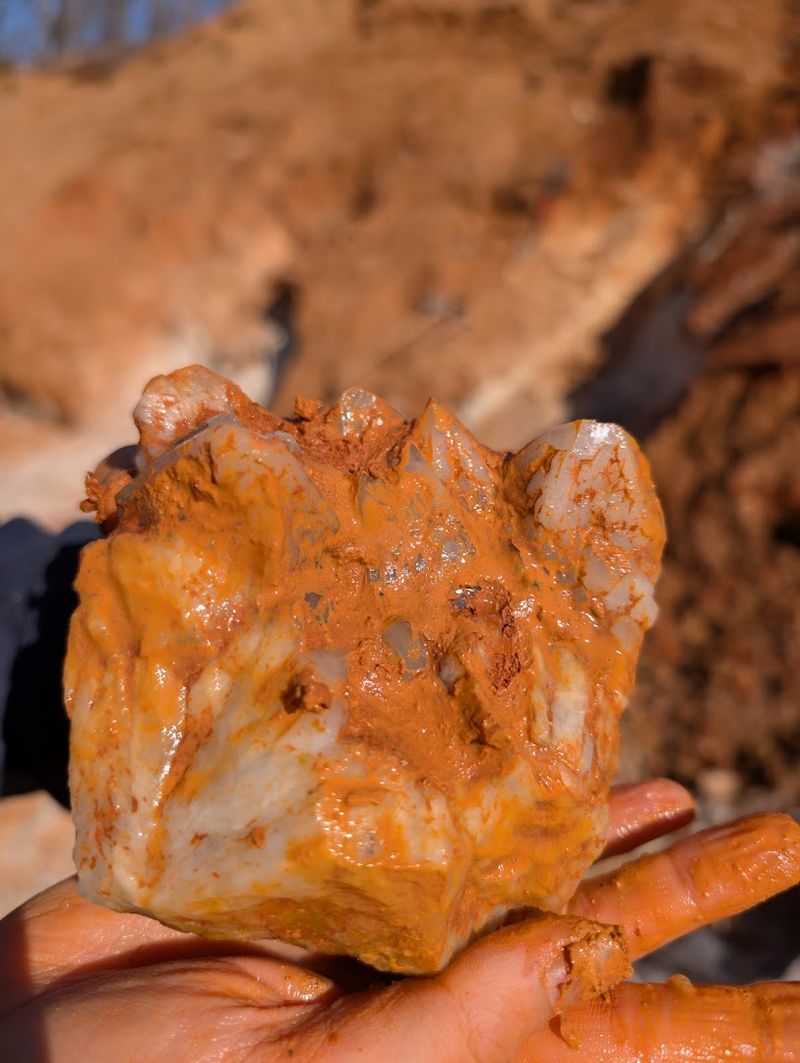
Timing your visit around recent rainfall can mean the difference between struggling through rock-hard clay and easily spotting freshly exposed crystals in soft, workable soil.
I arrived once after a solid overnight rain and found the ground perfect for digging, with moisture loosening the clay enough to work easily but not turning everything into soup. The rain also washes dirt off surface crystals, making them catch the light and practically announce their location to anyone walking past.
Summer heat, on the other hand, turns the experience into an endurance test where shade becomes as valuable as the crystals themselves, and I learned to start early and take frequent water breaks. Winter digging offers cooler comfort but harder ground, requiring more muscle and better tools to break through frozen or compacted layers.
Several experienced hunters told me spring and fall provide the ideal conditions, with moderate temperatures and occasional rain keeping the soil at that perfect consistency where it crumbles apart easily but does not stick to everything like peanut butter.
Kids Find Just As Much As Adults
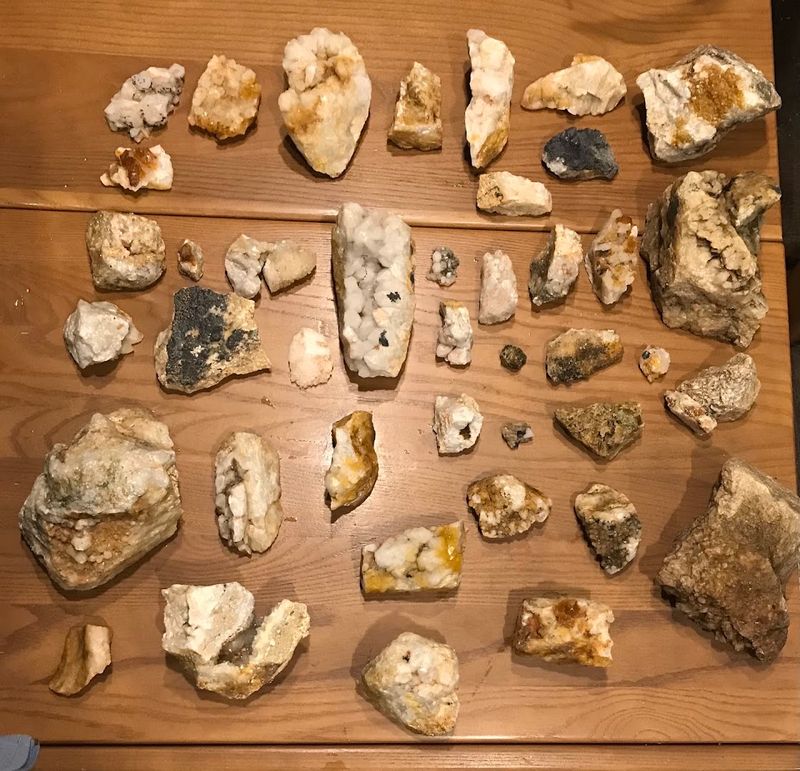
My niece, barely nine years old, found a gorgeous smoky quartz cluster within her first thirty minutes while I was still figuring out how to properly break up clay chunks.
Children seem to have a natural advantage at this kind of treasure hunting, possibly because they stay closer to the ground and notice small details adults overlook, or maybe just because they approach it with pure enthusiasm instead of overthinking technique. I watched several families working together, with kids racing between digging spots and proudly displaying every single find to their parents, no matter how small or common.
The mine staff clearly enjoys hosting young visitors, and David even gave my niece a special beetle toy and some cicada shells as parting gifts, which thrilled her almost as much as her bucket of crystals. The all-ages appeal means this works perfectly as a family activity that keeps everyone engaged without needing separate entertainment for different age groups.
Seeing a four-year-old and a grandmother both equally excited about their finds reminded me that the joy of discovery does not require any particular skill level or experience.
You Will Definitely Return
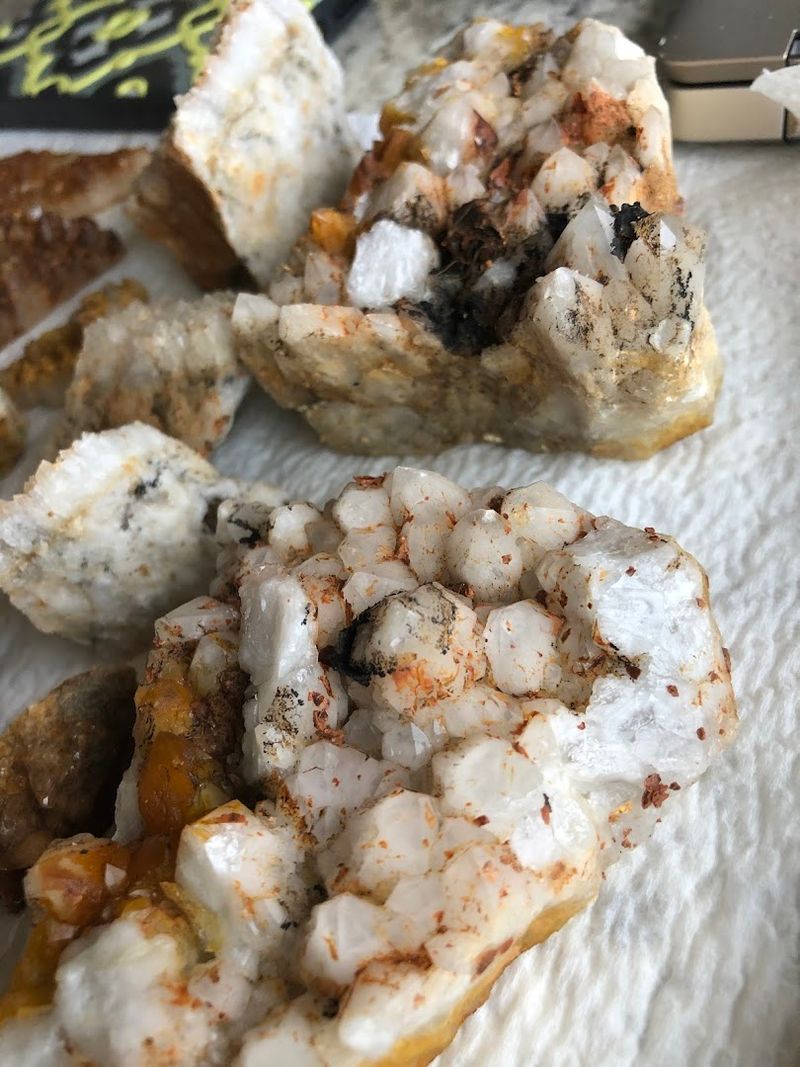
Loading my buckets into my car at the end of that first visit, I found myself already planning which weekend I could come back and spend even more time digging.
Something about the combination of physical work, tangible rewards, peaceful surroundings, and the addictive thrill of not knowing what the next shovelful might reveal creates a hook that keeps pulling people back repeatedly. I met visitors who drive from Florida, Georgia, and North Carolina on regular trips, treating Diamond Hill as their go-to destination for weekend getaways.
The mine has become one of those rare places where I genuinely lose track of time, looking up after what feels like an hour only to discover three have passed. Each visit reveals new areas to explore, different crystal formations to discover, and fresh appreciation for the simple satisfaction of finding something beautiful through your own effort.
My collection at home now includes specimens from multiple trips, each one tagged with the date and location within the mine where I found it, creating a personal history that makes every piece more valuable than anything I could purchase.