
This Hidden Museum In Florida Has A Tower With Views That Will Take Your Breath Away
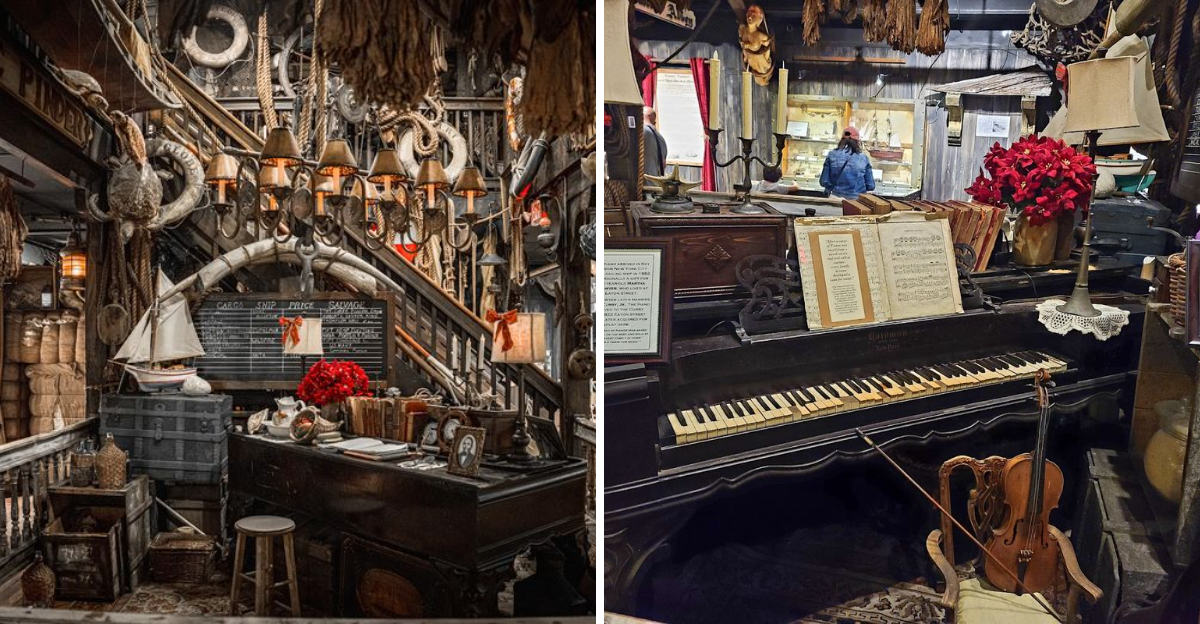
Florida has countless museums, but here is a question worth asking. What if one of the most exciting history lessons in Florida feels more like stepping into a pirate-era adventure?
In the heart of Key West, there is a place where the island’s maritime past comes alive the moment you walk through the doors. Weathered wood, nautical artifacts, and stories of shipwreck hunters create an atmosphere that feels pulled straight from the 19th century.
Visitors do not just read about history here. They experience it.
Real treasures recovered from the ocean tell stories of storms, lost cargo, and daring salvagers who once scanned the horizon for ships in trouble.
Then comes the climb.
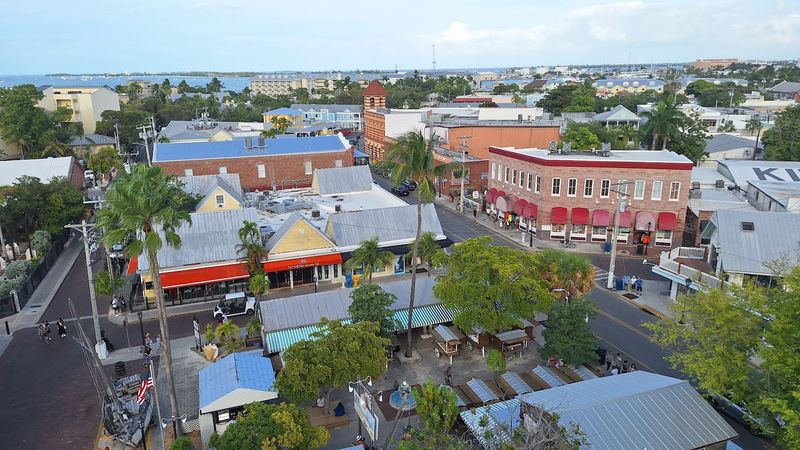
A tall observation tower rises above the surrounding streets, and each step upward feels like stepping further into the past. At the top, the view opens into a breathtaking sweep of Key West and the sparkling waters that shaped its legendary shipwrecking history.
In Florida, history rarely feels this adventurous.
Authentic Artifacts From Real Shipwrecks
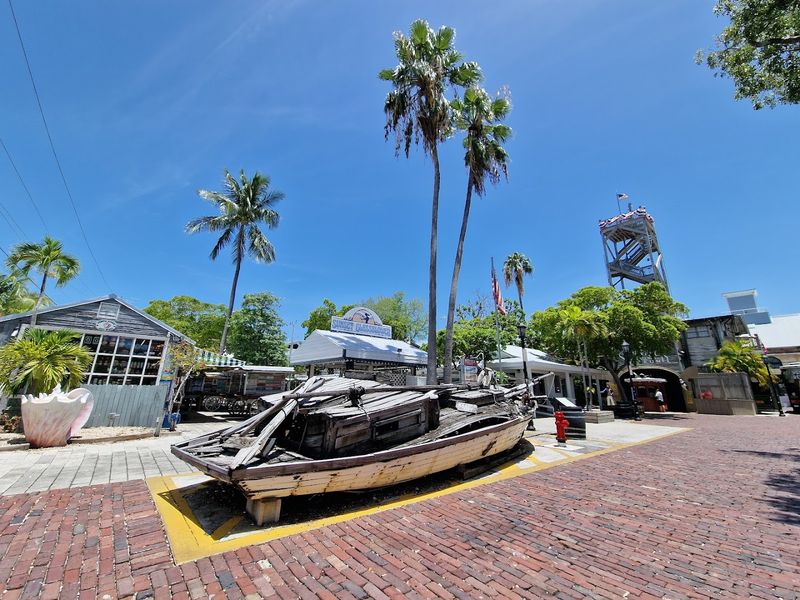
Walking past glass cases filled with items that actually rested on the ocean floor for decades creates a connection to history that replicas simply cannot match. Silver bars you can actually lift, elephant tusks that survived underwater journeys, and pieces from the USS Maine all tell stories of commerce, tragedy, and survival on the high seas.
The museum prides itself on displaying genuine recovered items rather than reproductions, giving visitors a tangible link to Key West’s maritime past. Each artifact comes with context about the vessel it came from and the circumstances of its recovery, transforming random objects into chapters of larger narratives.
Touching that heavy silver bar or examining porcelain that traveled thousands of miles before sinking creates a visceral understanding of what wrecking meant to this island community. The collection spans different eras and types of vessels, from trading ships loaded with exotic goods to military craft caught in storms.
These aren’t just museum pieces behind velvet ropes. They’re conversation starters that make you wonder about the hands that last touched them before the sea claimed its prize, and the determined salvagers who brought them back to light.
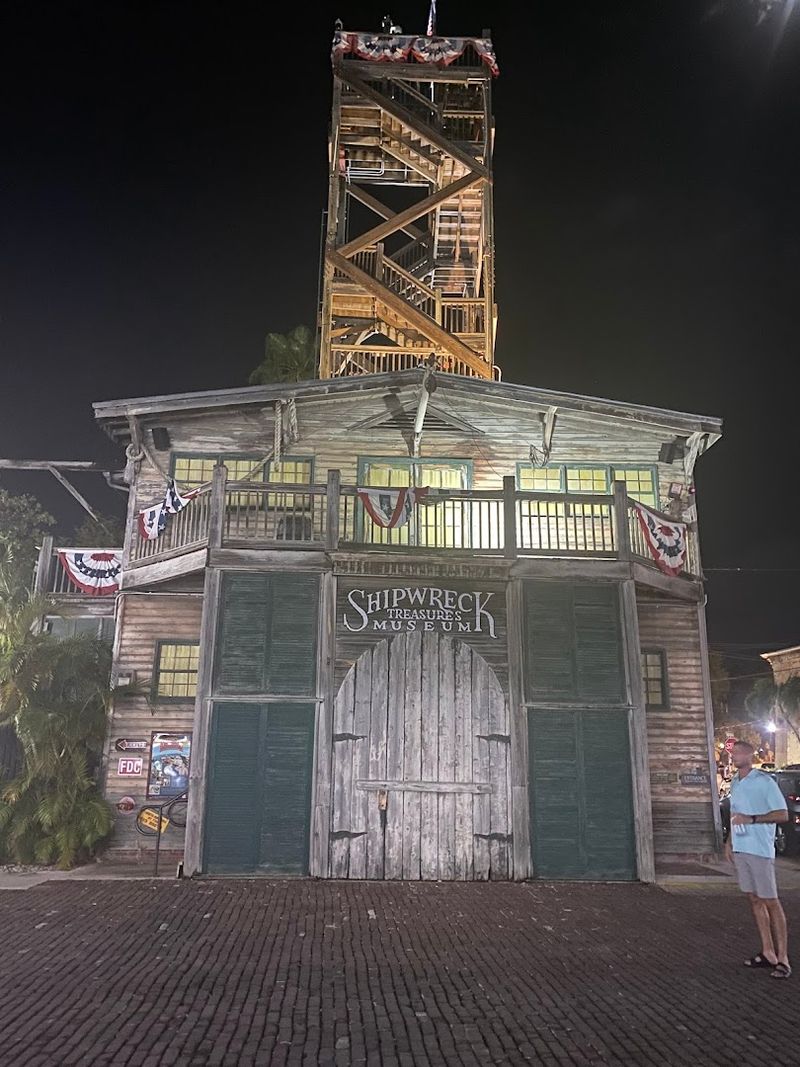
The 65-Foot Lookout Tower Experience
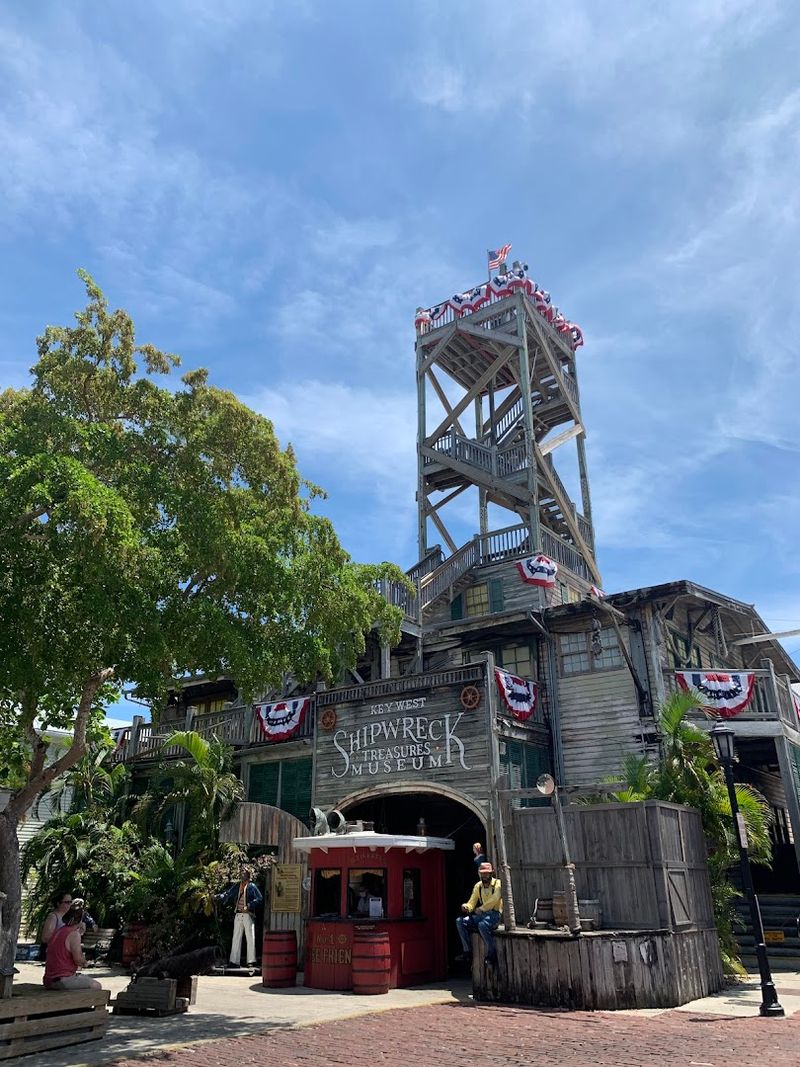
Climbing roughly 100 steps might sound daunting, but each level brings you closer to what many visitors call the best view in all of Key West. The tower recreates the actual lookout posts that wreckers used in the 1800s to spot ships in distress, and standing where they once stood adds historical weight to the spectacular scenery.
From the observation deck, you get a complete 360-degree sweep of the island, the surrounding waters, and the endless Florida sky. On clear days, you can see for miles in every direction, understanding immediately why this vantage point was so valuable to salvagers racing to reach wrecked vessels first.
The wind picks up as you ascend, and the wooden structure creaks in ways that remind you this isn’t some modern steel construction. Traditional bells hang at intervals, and ringing them as you climb has become a visitor tradition that connects you to the sailors and wreckers who once depended on such signals.
Even visitors who usually avoid stairs find the payoff worth the effort, and many spend longer than planned at the top, picking out landmarks and watching boats navigate the channels below.
Captain Joe’s Entertaining Historical Presentations
Museums can feel stuffy and lecture-heavy, but Captain Joe turns historical education into genuine entertainment that keeps even restless kids engaged. His character portrayal on the second floor blends accurate information with humor, magic tricks, and the kind of storytelling that makes you forget you’re learning.
Visitors consistently mention him in reviews as a highlight of their visit, praising his knowledge, energy, and ability to make 19th-century wrecking come alive through jokes and interactive demonstrations. He answers questions while staying in character, creating an immersive experience that feels more like theater than a typical museum tour.
The combination of factual accuracy and playful delivery means adults get substantive information while children stay interested, making it one of those rare attractions that truly works for all ages. His presentations cover everything from how wreckers operated legally to the economics that made Key West the richest city per capita in America during the wrecking era.
Meeting Captain Joe feels less like encountering a museum employee and more like bumping into a time traveler who genuinely lived through the stories he shares, complete with the wit and wisdom that experience would bring.
The Recreated 1850s Wrecker’s Warehouse Setting
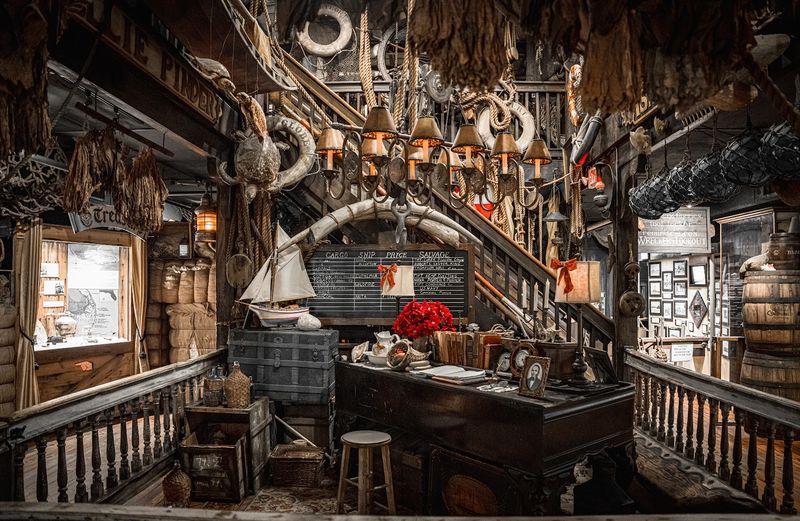
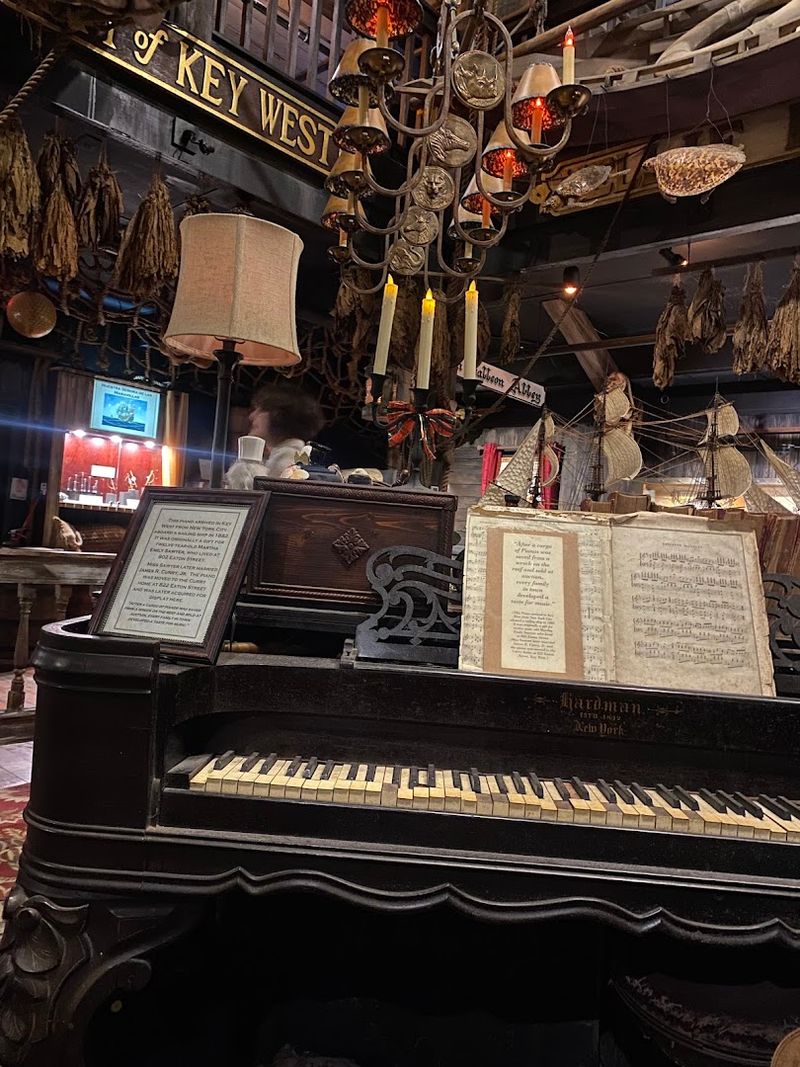
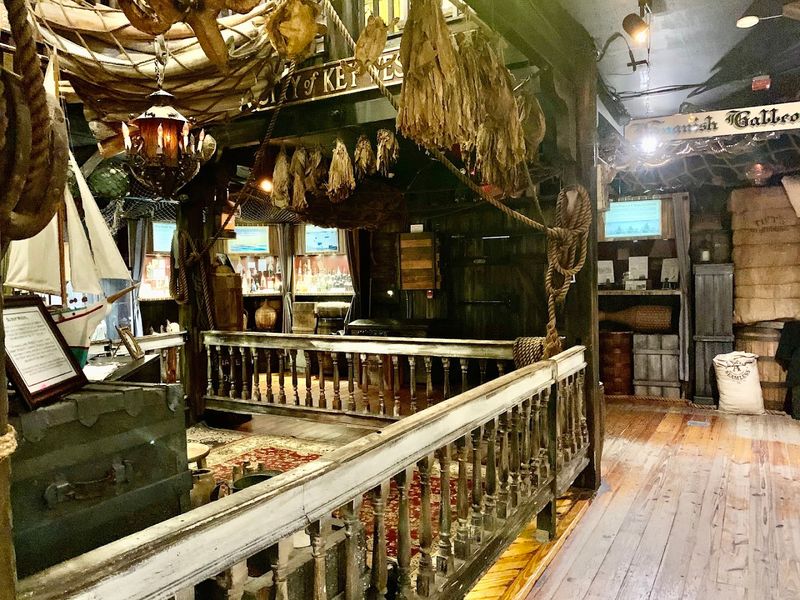
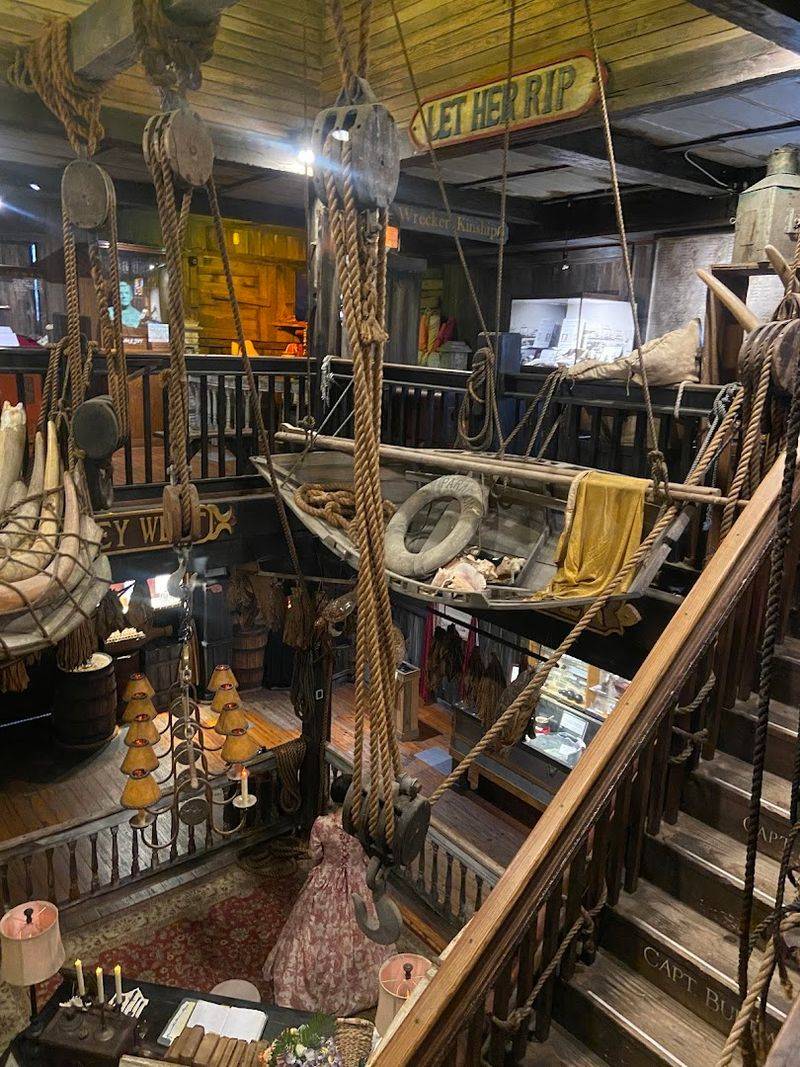
Stepping through the entrance transports you into a carefully crafted environment that looks, sounds, and even smells like an authentic mid-19th-century maritime warehouse. The aged wood, creaking floors, and nautical equipment scattered throughout create an atmosphere that modern museum designs often sacrifice for sleek presentation.
The building’s multi-level structure mimics the layout of an actual ship in places, with narrow passages and steep stairs that give landlubbers a taste of what moving through a vessel felt like. This architectural choice serves both practical and educational purposes, housing exhibits while creating an immersive environment.
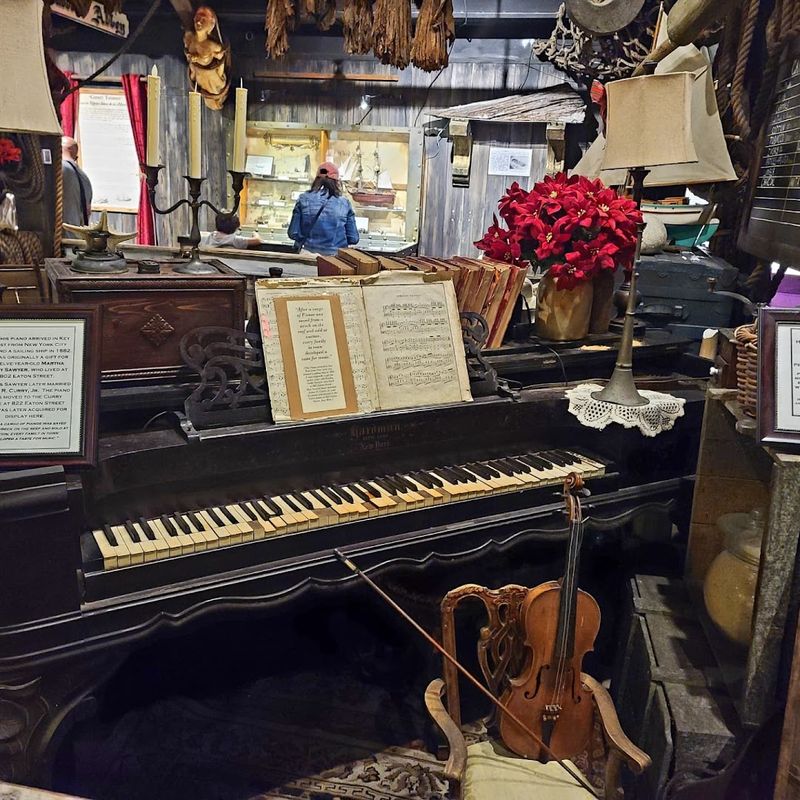
Period details extend beyond the major structural elements to smaller touches like the type of lighting used, the style of display cases, and the way information is presented to visitors. The designers understood that context matters when telling stories about the past, and surrounding artifacts with appropriate settings helps them make sense.
Walking through these spaces feels fundamentally different from viewing shipwreck materials in a sterile modern gallery. The setting itself becomes part of the story, helping visitors understand not just what wreckers salvaged, but where they worked and how their warehouses functioned as the economic engines of early Key West.
Educational Films On The Wrecking Industry
Before diving into the artifacts, visitors encounter well-produced documentaries that establish the historical and economic context of Key West’s wrecking industry. These films explain how dangerous reefs, heavy maritime traffic, and salvage laws combined to create a unique economy that defined the island for decades.
The videos cover topics that casual visitors might not know to ask about, like the legal framework that governed wrecking, the competition between salvage companies, and the technological changes that eventually ended the era. Production quality is solid, with clear narration and historical images that bring the past into focus.
Starting with these films gives first-time visitors a framework for understanding everything else they’ll see in the museum. Without that context, a silver bar is just a heavy piece of metal, but with it, that bar becomes evidence of international trade routes, insurance practices, and the risks sailors took crossing dangerous waters.
The documentaries run at intervals throughout the day, and many visitors mention them specifically in reviews as helpful orientation tools that made the rest of their visit more meaningful and easier to comprehend.
Interactive Elements For All Ages
Museums work best when they let visitors do more than just look, and this one delivers with touchable elements like that famous silver bar visitors can actually lift and feel. The weight of real salvaged silver creates a memorable moment that photos alone could never provide.
Children especially benefit from these hands-on opportunities, which transform what could be a boring parade of old stuff into an engaging exploration where they participate rather than just observe. The museum balances preservation with accessibility, protecting fragile items while making sturdier pieces available for direct interaction.
Beyond physical objects, the live historical interpreters create interactive experiences through their performances and willingness to answer questions in character. This approach turns passive viewing into active learning, with visitors driving the conversation based on their interests.
The tower climb itself serves as an interactive element, requiring physical participation that contrasts with the more contemplative indoor exhibits. Ringing bells, climbing stairs, and scanning the horizon from the observation deck engage different senses and learning styles than reading placards or watching videos.
These varied interactive opportunities mean visitors of different ages and interests find something that resonates, making it genuinely family-friendly rather than just kid-tolerant.
Prime Location Near Other Key West Attractions
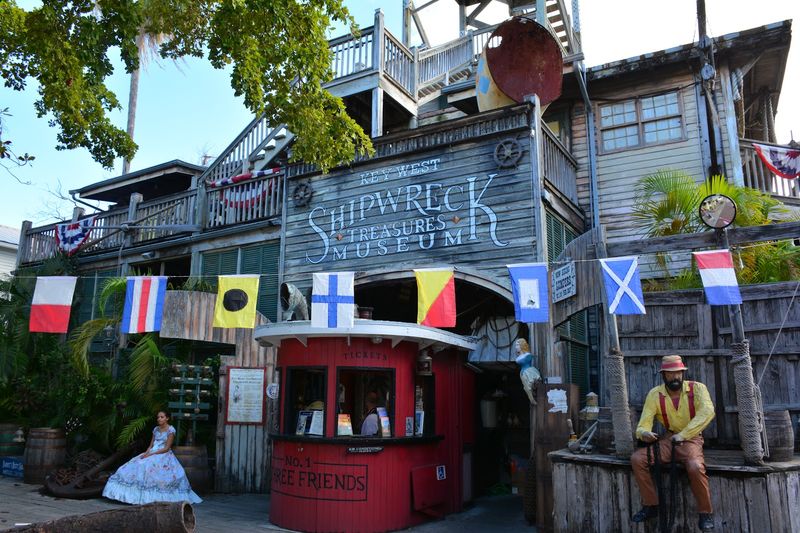
Situated at 1 Whitehead Street puts you within easy walking distance of Mallory Square, the Key West Aquarium, and several other downtown museums, making it simple to build a full day of exploration. The location means you can park once and hit multiple attractions without dealing with Key West’s notoriously tight parking situation repeatedly.
Proximity to the aquarium matters especially because admission to the Shipwreck Museum comes included with aquarium tickets, a money-saving combination that many visitors discover only after arriving. This bundling makes financial sense while encouraging people to experience both aspects of Key West’s maritime heritage.
The nearby sculpture park offers a pleasant outdoor complement to indoor museum time, featuring biographies of significant local figures that add another layer to your understanding of the island’s history. Being able to step outside between attractions helps prevent museum fatigue, especially on hot Florida days.
Downtown Key West’s compact layout means you can easily walk from the Shipwreck Museum to restaurants, shops, and waterfront areas without needing transportation. This walkability transforms what could be an isolated attraction visit into part of a larger Key West experience, with each stop informing and enhancing the others.
The Economic History Of Wrecking
Most people don’t realize that shipwreck salvaging once made Key West the wealthiest city per capita in the entire United States, a fact that reshapes how you see this laid-back island town. The museum dedicates significant space to explaining the economics behind wrecking, from how salvage rights were awarded to what percentage of recovered cargo went to different parties.
Understanding the money involved helps explain why competition between wrecking companies was fierce and why lookout towers like the museum’s were so important. Spotting a wreck first often meant the difference between a fortune and nothing, creating a race-to-the-scene dynamic that added urgency to an already dangerous occupation.
The exhibits detail how international trade routes, insurance practices, and maritime law intersected in Key West’s harbor, transforming the island from a remote outpost into a bustling commercial center. Wreckers weren’t pirates or scavengers but licensed professionals operating within a legal framework, though that framework certainly rewarded speed and skill.
Learning this economic context makes the artifacts more meaningful because you understand what they represented financially, not just historically. That elephant tusk wasn’t just exotic cargo, it was someone’s investment, someone else’s livelihood, and eventually a wrecker’s payday.
Accessibility And Visitor-Friendly Features
The museum operates seven days a week from 9 AM to 5 PM, providing consistent hours that make planning easy whether you’re squeezing it into a cruise port stop or building a multi-day Key West itinerary. No complicated seasonal schedules or random closure days to navigate.
Staff members get consistent praise in reviews for helpfulness, from the ticket counter employees who explain combo deals to the docents scattered throughout who answer questions and provide additional context. This human touch elevates the experience beyond what signage alone could achieve.
Fair warning about the tower: those 100 steps are real stairs, often steep, and the structure can be dark inside with narrow passages. Visitors with mobility issues should know this going in, though the ground-level exhibits are fully accessible and substantial enough to make a visit worthwhile even without the climb.
The museum’s size works in its favor for many visitors, offering enough content to feel worthwhile without requiring the stamina that massive institutions demand. Most people spend 30-40 minutes exploring, though history enthusiasts and those who linger at the tower often stretch that to over an hour.
Discount tickets are available through the trolley tour system, and the aquarium combo deal provides genuine value for families trying to manage vacation budgets.
A Unique Perspective On Key West History
While most Key West attractions focus on Ernest Hemingway, Duval Street nightlife, or beach activities, the Shipwreck Museum tells a different story about what made this island significant before tourism took over. The wrecking era shaped Key West’s development, architecture, and culture in ways that still echo today.
Learning about this chapter helps you see the island differently as you walk around afterward, recognizing that many historic buildings were financed by salvage money and that the harbor’s layout reflects its commercial past. The museum provides context that transforms Key West from a pretty vacation spot into a place with a complex, fascinating history.
The exhibits don’t shy away from the moral ambiguities of wrecking, acknowledging questions about whether salvagers ever contributed to the wrecks they profited from, even as they explain the legal safeguards meant to prevent such abuses. This nuanced approach respects visitors’ intelligence while telling a complete story.
Compared to the Mel Fisher Museum’s focus on specific treasure finds, the Shipwreck Museum takes a broader view of maritime heritage, examining an entire industry rather than individual discoveries. Both approaches have merit, but this one provides more insight into how ordinary Key West residents lived and worked during the island’s economic peak.