
This Hidden Pennsylvania Coal Mine Tour Offers A One-Of-A-Kind Adventure
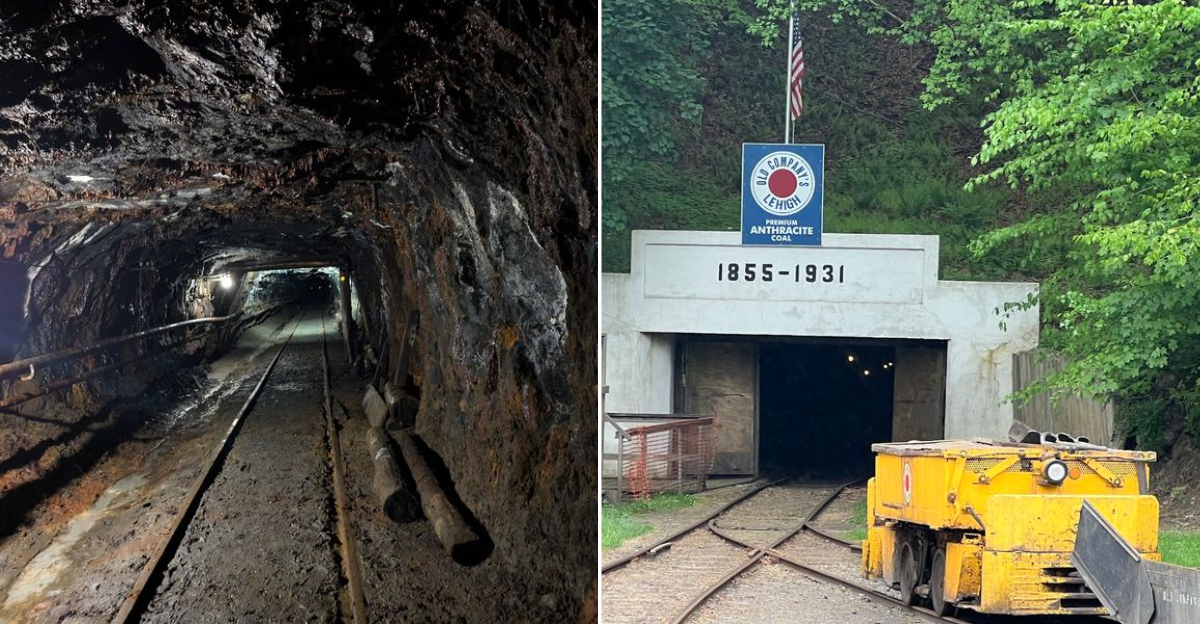
Pennsylvania was built on coal, grit, and stories buried deep beneath the surface. Venture into one of the state’s historic coal mines and you step straight into that legacy.
The air turns cool and earthy, boots crunch over gravel, and dim lights reveal tunnels carved by hand generations ago.
Call it an underground adventure, a descent into history, a rare chance to see the backbone of Pennsylvania up close.
Guides share tales of hard work and daily life underground as carts sit frozen in time along the tracks.
Rock walls glisten faintly, and every echo reminds you how far below the modern world you have traveled.
Pennsylvania offers plenty of scenic attractions above ground, yet few experiences feel this immersive. I once thought I would feel nervous heading down into the mine.
Instead, I found myself completely fascinated, leaning in to hear every story and walking back into daylight with a deeper respect for the people who shaped this place.
Riding the Authentic Mine Train Into History
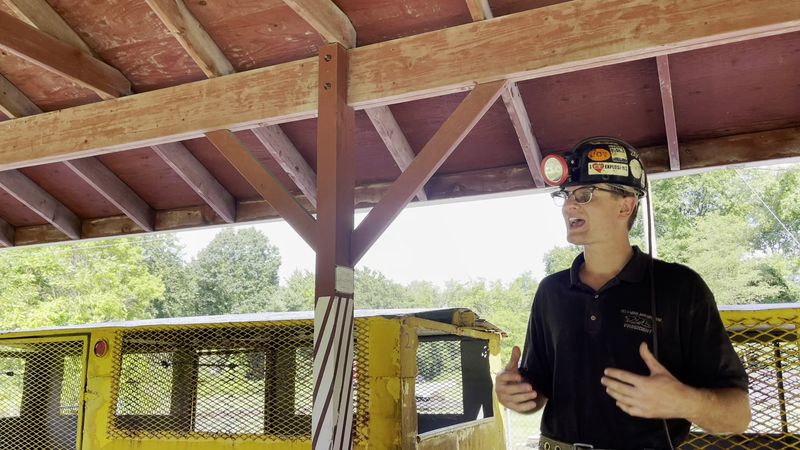
The adventure begins the moment you climb aboard the original mine train that once transported miners to their work sites deep inside the mountain. These aren’t replica carts built for tourists.
They’re the real deal, complete with worn wooden seats and metal frames that have carried countless workers over the decades.
As the train chugs forward into the darkness, you’ll notice the temperature dropping immediately.
The tunnel walls close in around you, and suddenly you’re experiencing exactly what miners felt every single day. The ride lasts several minutes, giving you time to adjust to the dim lighting and cool air.
I found myself ducking instinctively as we passed through lower sections, even though the clearance was adequate.
Your guide will point out various features along the way, including original track systems and ventilation shafts.
The train ride alone is worth the admission price, but it’s just the beginning of your underground journey through Pennsylvania’s coal mining heritage.
Expert Guides With Generational Mining Knowledge
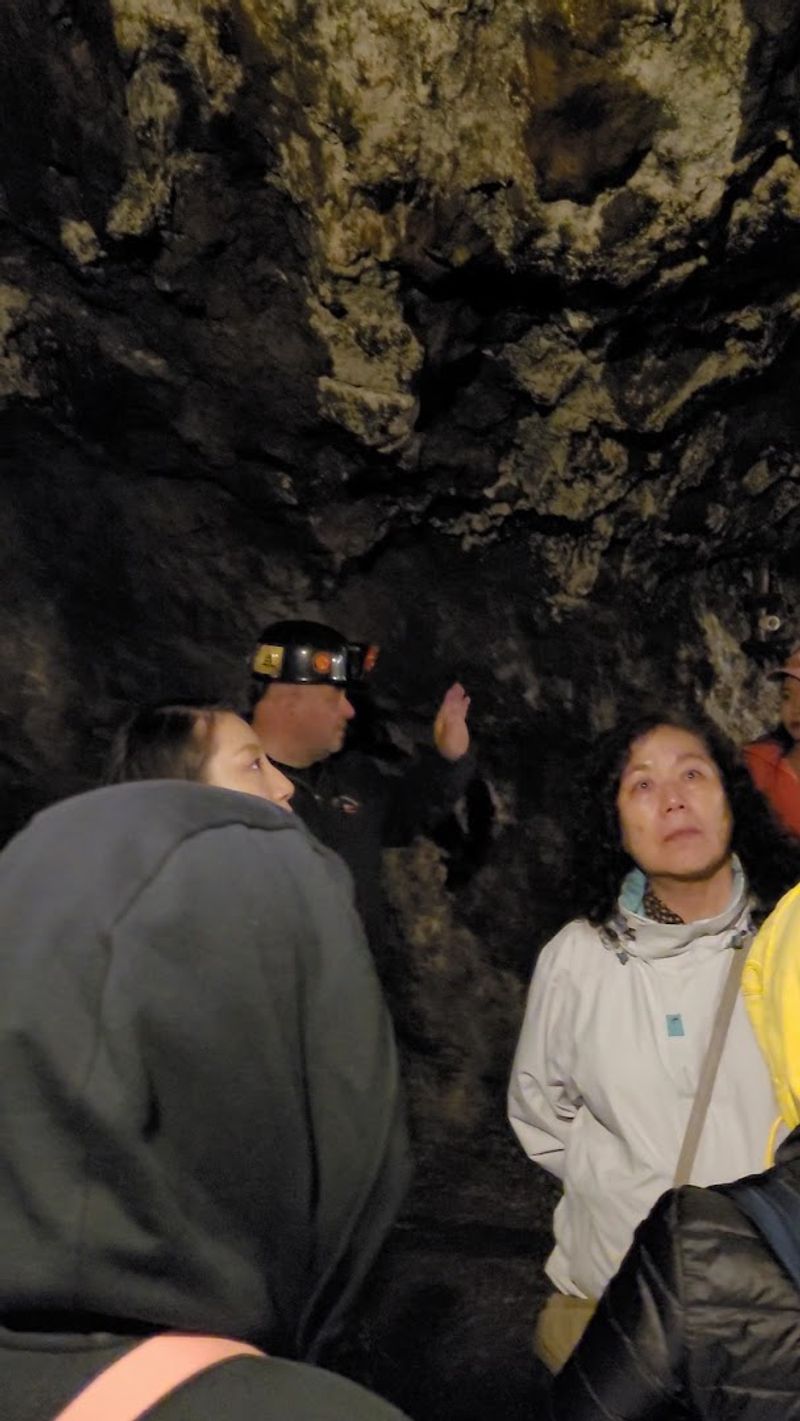
What sets No. 9 Coal Mine apart from other historical sites is the caliber of the tour guides who lead you through the tunnels.
Many of them are fourth or fifth generation coal miners whose families worked in these very mines. Daryl, Eddie, Janet, and Zach are just a few of the knowledgeable guides mentioned repeatedly in visitor reviews.
These guides don’t just recite memorized facts. They share personal stories handed down through their families, making the experience incredibly intimate and real.
When Daryl talks about his ancestors who worked in the mines, you can hear the pride and respect in his voice.
I was amazed by how much information they packed into the hour-long tour. Every question I asked received a detailed, thoughtful answer.
The guides understand the equipment, the techniques, the dangers, and the daily lives of miners in ways that textbooks simply cannot convey. Their passion for preserving this history shines through every word.
The Underground Hospital and Medical Facilities
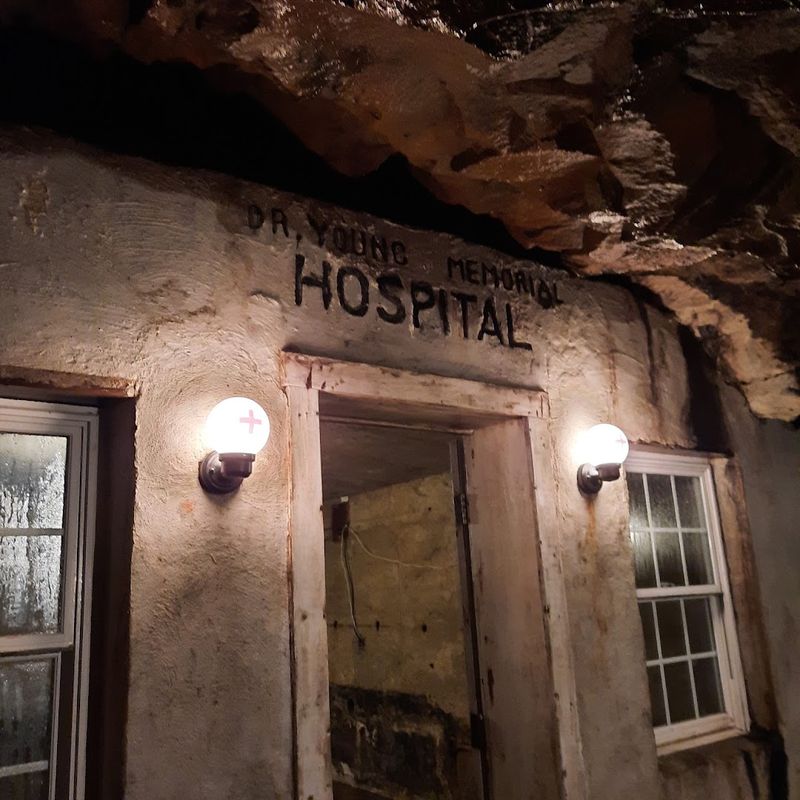
One of the most sobering stops on the tour is the underground hospital where injured miners received immediate treatment.
Mining accidents were common, and having medical facilities inside the mine could mean the difference between survival and tragedy.
The hospital area includes original medical equipment and supplies that were kept on hand for emergencies.
Standing in that cramped medical space, I tried to imagine a doctor working by lamplight to treat a crushed limb or severe burns.
The conditions were far from sterile, and the equipment was basic by today’s standards. Yet this facility represented a significant advancement in worker safety for its time.
Your guide will explain the types of injuries miners commonly suffered, from black lung disease to cave-ins and equipment malfunctions.
The hospital serves as a powerful reminder of the human cost of coal mining. Even visitors from Ohio and other states find this section particularly moving, as it connects to the broader story of American industrial labor.
Constant Fifty-Five Degree Temperature Year-Round
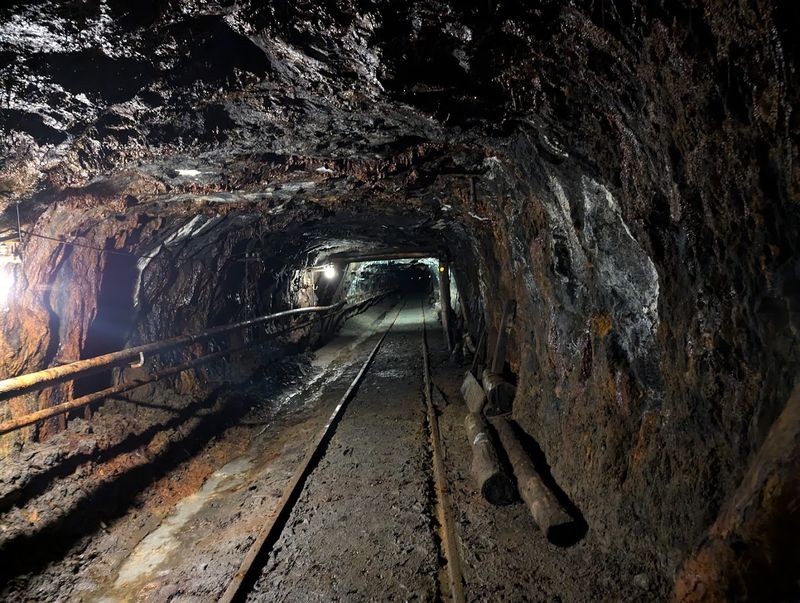
Before you descend into the mine, the staff will offer you a jacket, and I strongly recommend taking one.
The temperature inside stays at a constant fifty-five degrees Fahrenheit throughout the year, regardless of the weather outside.
On a hot summer day, this feels refreshingly cool at first. But after spending an hour underground, that damp cold seeps into your bones.
The chill isn’t just from the temperature. High humidity makes fifty-five degrees feel much colder than you’d expect.
Water constantly drips from the ceiling, creating puddles on the floor and occasionally landing on your head or shoulders. I wore a hooded sweatshirt and was grateful for it by the end of the tour.
Miners worked in these conditions for eight to twelve hour shifts, often performing backbreaking physical labor.
The constant cold affected their health, contributing to respiratory problems and joint issues.
Experiencing this temperature firsthand gives you tremendous respect for the endurance and toughness of coal miners throughout Pennsylvania’s history.
Muddy Floors and Authentic Working Conditions
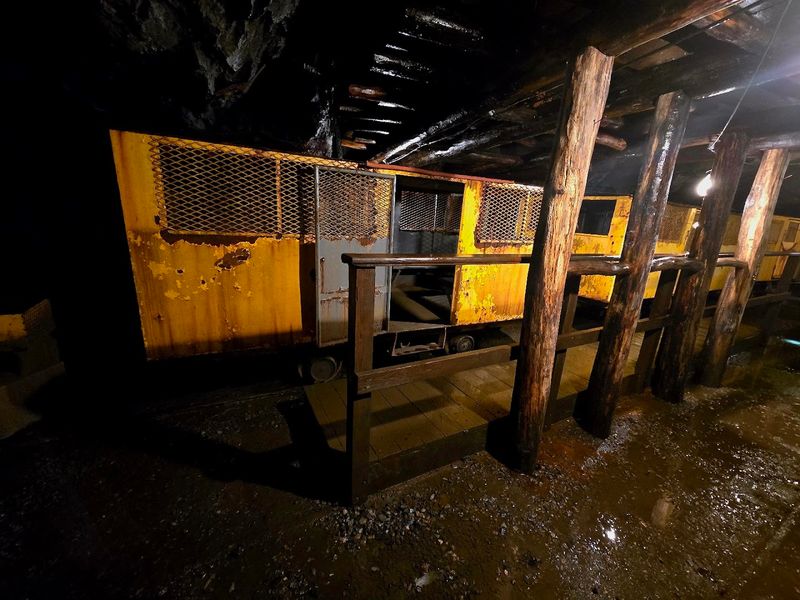
Multiple visitors warn about the muddy conditions inside the mine, and they’re absolutely right to do so. Wear shoes or boots that you don’t mind getting dirty, because they will get muddy.
The floors are covered with water and mud throughout most of the tour route. I made the mistake of wearing relatively new sneakers and spent the rest of my trip trying to clean them.
The muddy conditions aren’t a maintenance issue. They’re an authentic representation of what miners dealt with daily.
Water seeps through the rock constantly, creating perpetually wet conditions.
Miners worked in boots that were soaked through by the end of every shift. Some developed trench foot and other problems from the constant moisture.
The staff maintains the tunnels safely while preserving the authentic environment.
Visitors from as far as Ohio and Illinois comment on how the mud and dampness make the experience feel genuine rather than sanitized.
This isn’t a theme park version of mining history where everything is cleaned up and comfortable.
Complete Darkness Demonstration Experience
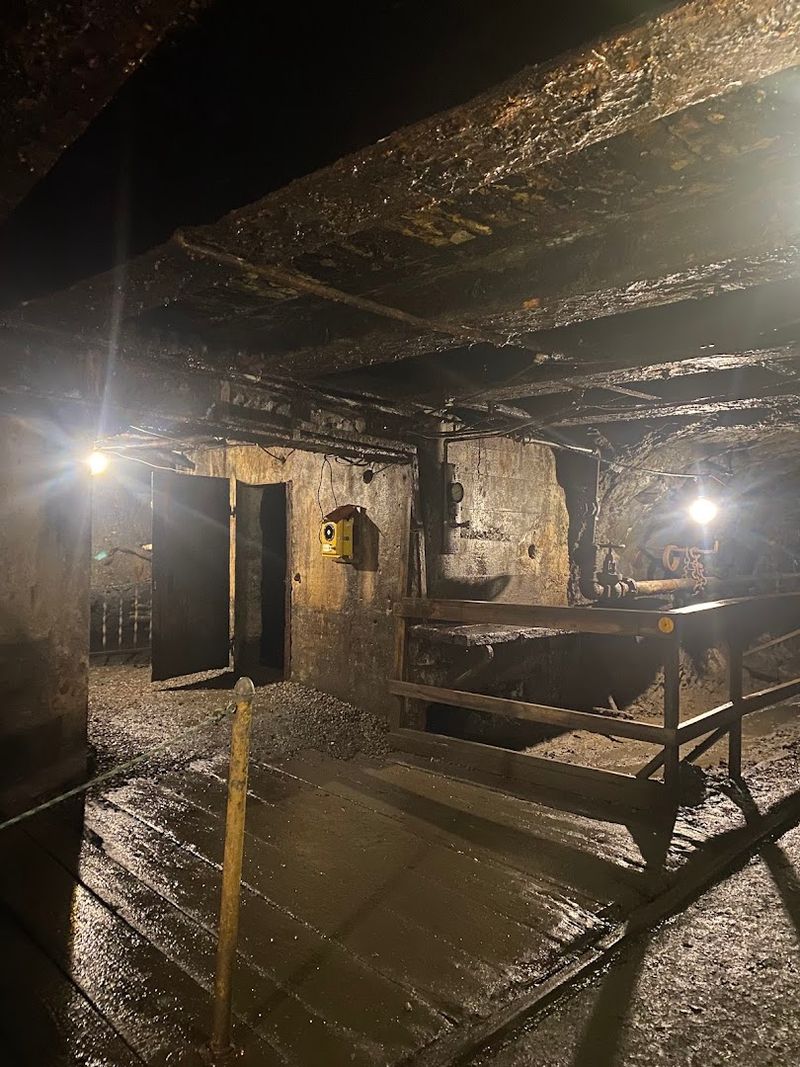
Perhaps the most memorable moment of the entire tour happens when your guide turns off all the lights.
Suddenly you’re plunged into absolute, complete darkness unlike anything you’ve probably ever experienced.
You literally cannot see your hand in front of your face. The darkness is so total that your eyes keep trying to adjust, searching desperately for even the tiniest bit of light that doesn’t exist.
This demonstration lasts only a minute or two, but it feels much longer. I heard nervous laughter from other visitors as we all stood there in the void.
Then the guide explains how miners worked in these conditions before electric lighting, relying on small oil lamps that provided minimal illumination and consumed precious oxygen.
When the lights come back on, everyone feels a sense of relief. That brief experience of total darkness helps you understand the psychological toll of mining work.
Imagine spending your entire workday in near darkness, hundreds of feet underground, with tons of rock above your head.
Free Museum With Extensive Historical Exhibits
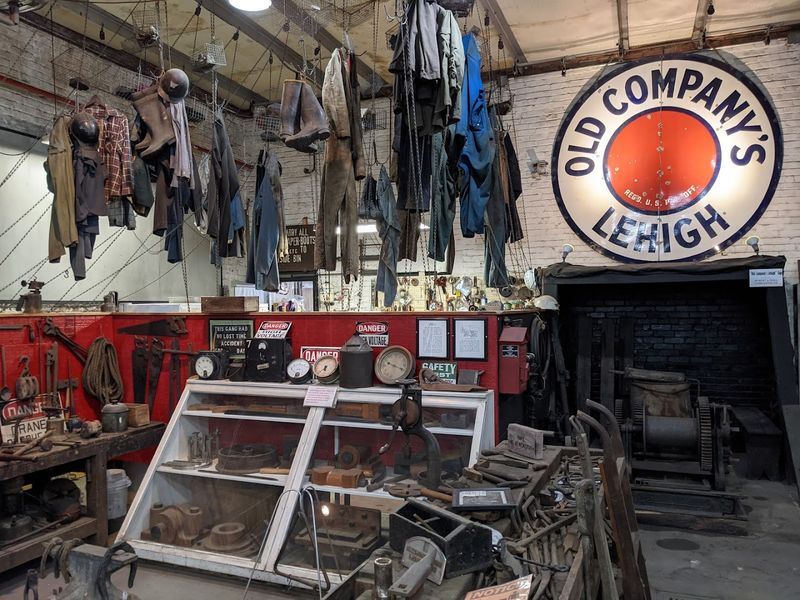
Your admission ticket includes access to the museum, which is actually free to visit even without taking the mine tour.
The museum building houses an impressive collection of mining artifacts, photographs, documents, and equipment.
I spent nearly an hour browsing the exhibits before my scheduled tour time, and I could have easily spent longer.
The displays cover everything from the geology of anthracite coal to the daily lives of mining families. You’ll see the tools miners used, the clothes they wore, and the lunch pails they carried.
Photographs show mining towns throughout Pennsylvania, including nearby communities where miners and their families built their lives.
There are exhibits about child labor in the mines, which was common in the early days of the industry.
A video presentation provides additional context about the region’s mining history and the economic impact of coal on Pennsylvania’s development.
Even visitors from Ohio find connections to their own state’s industrial heritage. The museum staff clearly put tremendous effort into creating educational, engaging displays.
Child Labor History and Breaker Boys
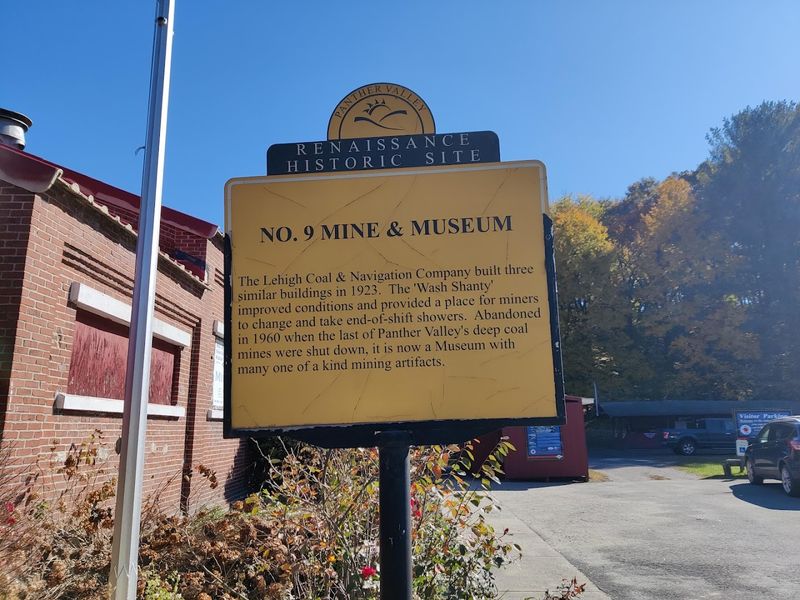
One of the most difficult but important aspects of the museum and tour covers the history of child labor in Pennsylvania’s coal mines.
Boys as young as eight or nine worked as breaker boys, sitting for hours sorting coal by hand and removing impurities. The work was dangerous, painful, and robbed children of their education and childhood.
The exhibits don’t shy away from these harsh realities. You’ll see photographs of young boys with coal-blackened faces, their small hands damaged from handling sharp coal pieces all day.
Many suffered injuries from the machinery or developed respiratory problems that plagued them for life. Some never made it to adulthood, losing their lives in mining accidents.
This history resonates powerfully with visitors, especially those with children.
I watched families from Ohio and other states discussing what they’d learned, using it as a teaching moment about labor rights and workplace safety.
The mine’s commitment to presenting the complete story, including its darkest chapters, makes the experience more meaningful and honest.
Affordable Admission and Family-Friendly Pricing
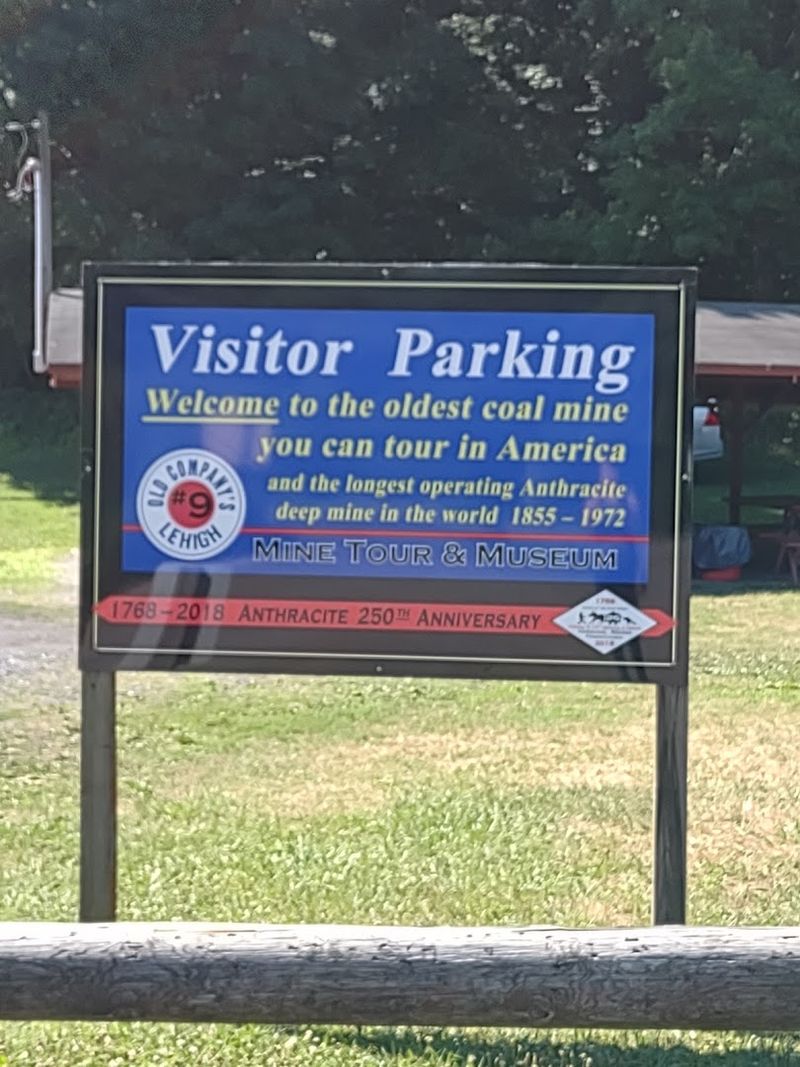
At a time when many attractions charge premium prices, No. 9 Coal Mine and Museum offers remarkably affordable admission. Visitors consistently mention that the tour is worth twice what they paid.
The reasonable pricing makes it accessible for families, school groups, and budget-conscious travelers exploring Pennsylvania’s coal region.
Free parking is available on-site, which is another cost savings compared to attractions in larger cities where parking fees can rival admission prices.
The combination of free museum access, reasonable tour pricing, and no parking fees means you can enjoy a full morning or afternoon of education and adventure without breaking the bank.
The affordability doesn’t mean the experience is cheap or low-quality. Everything from the knowledgeable guides to the well-maintained facilities shows that this is a labor of love.
The staff genuinely wants to share this important history with as many people as possible.
Groups traveling from Ohio and neighboring states often mention the excellent value, especially compared to more commercialized tourist attractions in the region.
Seasonal Operations and Special Events
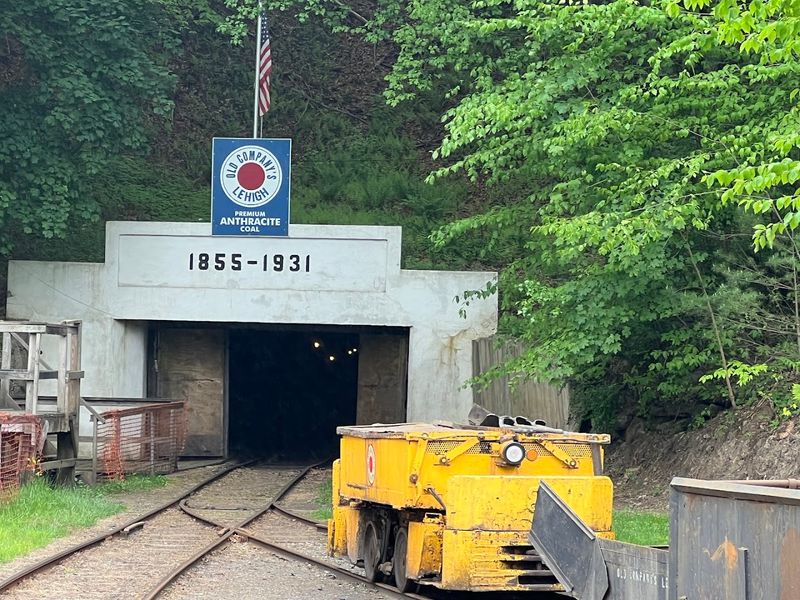
No. 9 Coal Mine and Museum operates seasonally, typically from April through October or November, depending on weather conditions.
This limited season makes advance planning important if you’re traveling from Ohio or other states specifically to visit.
I recommend calling ahead to confirm operating hours and tour times, as the schedule can vary.
The mine hosts special events throughout the season, including festivals that celebrate the region’s mining heritage.
These events often feature additional exhibits, demonstrations, live music, and food vendors.
Visiting during a festival gives you an even richer experience, with opportunities to meet local residents and learn more about the community’s connection to coal mining.
Tour times are scheduled throughout the day, and it’s wise to arrive early to browse the museum before your scheduled tour.
The entire experience, including museum time and the hour-long mine tour, typically takes two to three hours.
Some visitors return multiple times, bringing different family members or friends to share the experience. The seasonal nature of operations adds to the authentic feel of this working historical site.