
This Hidden Pennsylvania Nursery Is Filled With Rare Wildflowers And Plants That Bring Butterflies To Your Garden
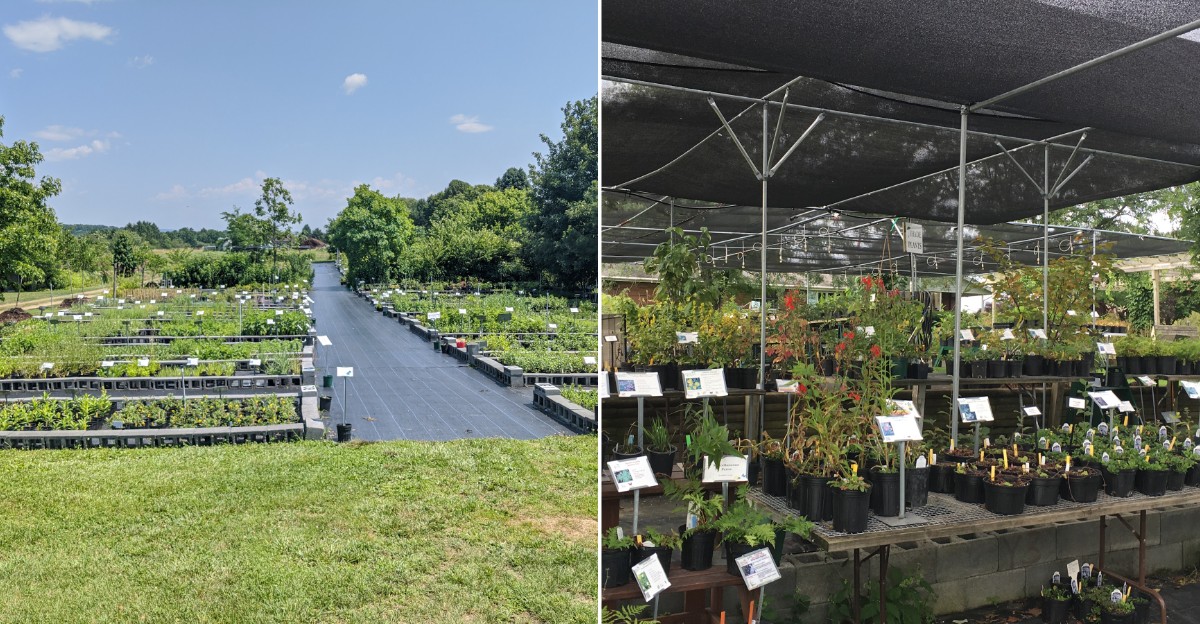
Some of the plants here take up to three years to grow from seed before they’re ready to leave.
Every one is nursery-propagated, and none are dug from the wild.
The whole operation sits behind a dentist office, out of view from the highway. I love that a place this serious about wildflowers stays so quietly out of sight.
Gardeners in Pennsylvania can find hundreds of native species on ten acres of grounds.
The property is certified as a Monarch Waystation and a wildlife habitat. I believe that tells you exactly who the real VIP guests are.
The plants are grown without neonicotinoid or systemic pesticides, so the bees and butterflies get a safe meal.
So how many caterpillars could your backyard be feeding right now?
The Nursery Behind The Dentist Office Is Worth Finding
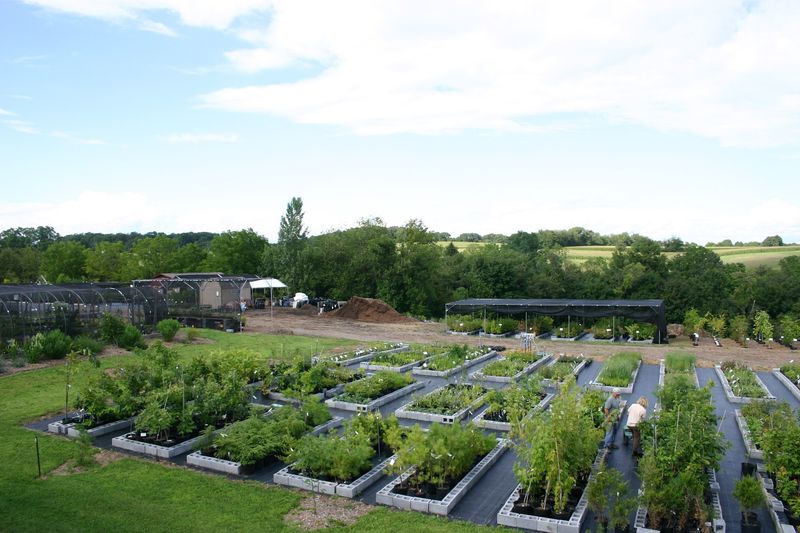
Edge of the Woods Native Plant Nursery has one of the sneakiest locations around.
It sits behind a dentist office, so you can’t really spot it from the highway.
That quiet setting fits the name perfectly. The nursery feels tucked away from traffic, with woods close by and rows of plants spread across the grounds.
Susan Tantsits and Louise Schaefer founded the business in 2003. Their goal was simple and pretty bold for the time, which was making native plants easy for everyday gardeners to buy.
Native plants are species that naturally belong in a region. They grew up alongside local insects, birds, and soil, so they tend to fit right in.
That matters more than most people realize. Many butterflies and moths need specific native plants to raise their young, and fancy imported flowers often can’t help them.
So this spot isn’t a garden center with a native corner. Native plants are the whole point here, from the front tables to the back of the property.
You might drive past it a dozen times without noticing. Once you know it exists, though, Pennsylvania gardening starts to look a little different.
Nothing Here Was Ever Dug Up From The Wild
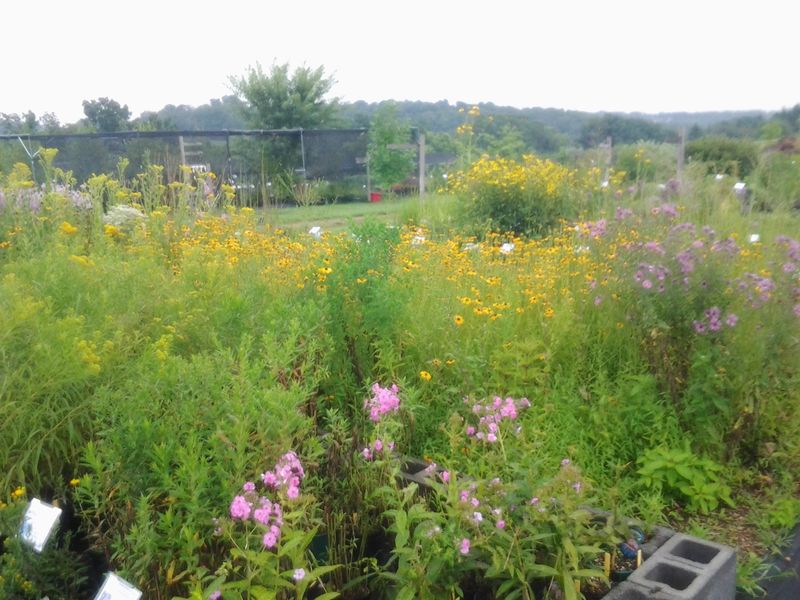
Wild plant collecting can quietly damage fragile natural areas. That’s why the nursery’s sourcing rule stands out so much.
Every plant sold is propagated in a nursery setting. Some are grown on site, and others come from licensed growers, but none are taken from wild populations.
Many plants start from seed here. That choice helps keep genetic variety strong, which gives plant communities a better shot at handling pests, weather, and change.
Growing from seed takes real patience. Some plants need up to three years before they’re ready for sale, which is slower than a lot of shoppers would guess.
The payoff shows up underground. Plants with sturdy, well-developed roots usually handle transplant shock better once they reach your yard.
I like how the slow approach respects both the plant and the gardener. Nobody wants to pay for a perennial that sulks for a season and then vanishes.
So when you pick up a pot here, it comes with a backstory you can feel good about. No woodland got raided to fill your flower bed, and that’s a pretty nice bonus.
Monarchs Get The Royal Treatment Here
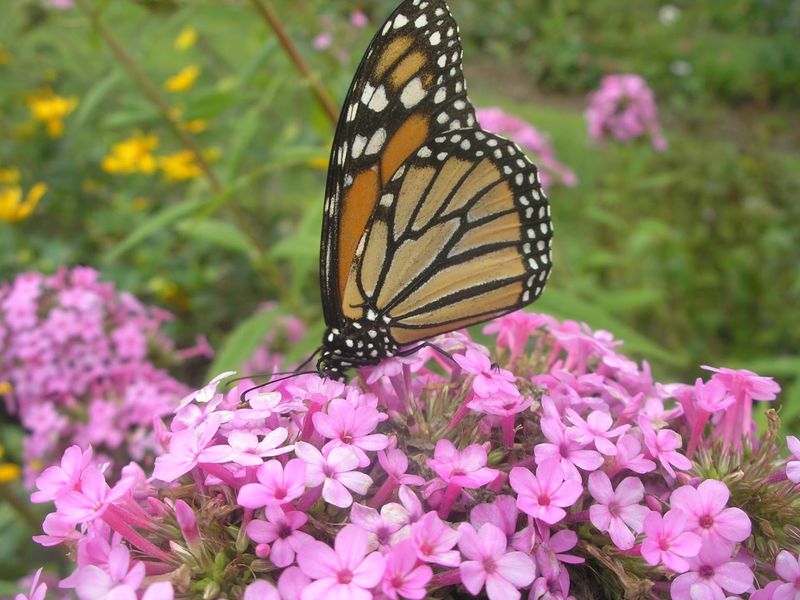
Monarchs have serious taste, and they only lay eggs on milkweed.
The nursery takes that seriously enough to be certified as a Monarch Waystation through Monarch Watch.
It also holds a Wildlife Habitat certification from the National Wildlife Federation. In other words, the grounds are set up to feed and shelter local creatures, not just look nice.
Here’s a big reason pollinator fans love this place. Plants are not treated with systemic, neonicotinoid, or organophosphate pesticides.
Those chemicals can move through a whole plant, including the nectar and pollen. Organic pesticides are used only occasionally, when absolutely necessary.
That means native plants like butterfly milkweed can serve their purpose.
Bees, butterflies, and birds can visit your new plants without exposure to the systemic pesticides the nursery avoids.
Native wildflowers also support caterpillars, and caterpillars feed baby birds. One healthy plant can kick off a surprisingly busy little food chain.
Pick a few milkweeds, add some asters or coneflowers, and see who shows up. Your yard could become the neighborhood’s favorite snack stop by midsummer.
Ten Acres Of Gardens Show You What Plants Become
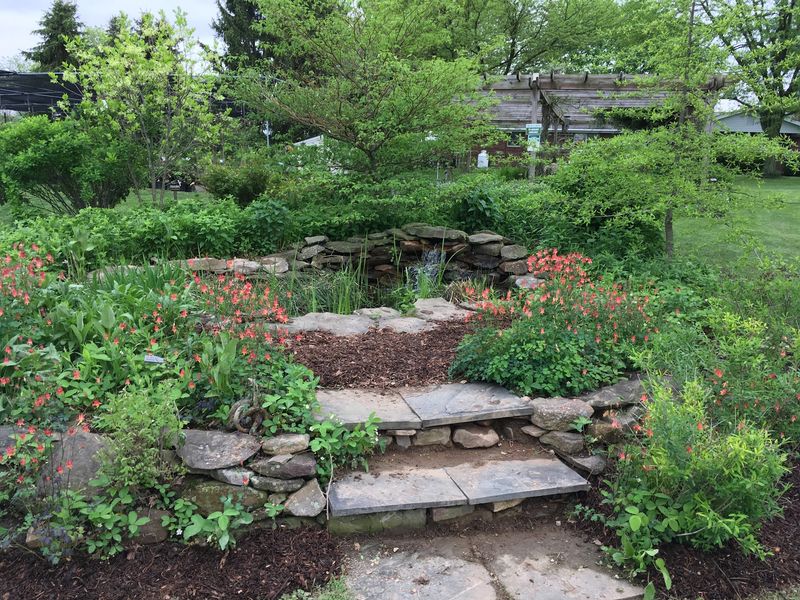
A tiny plant in a pot rarely tells the full story. Ten acres of grounds here fill in the rest.
The property includes demonstration gardens planted with mature native species. You can see how tall things grow, how wide they spread, and what they look like in a real setting.
The gardens include an American Chestnut orchard, which is a fun one to spot. American chestnuts were once a major tree in eastern forests before blight wiped out most of them.
There’s also a meadow and a rain garden. The rain garden shows how native plants can soak up runoff in wet, soggy spots.
A hillside walking trail adds even more to explore. It’s a nice way to stretch your legs between shopping decisions.
Since these gardens change week by week, every visit can look different. New blooms open, and visiting pollinators keep the scene lively.
I can’t imagine a better shopping tool than seeing the grown-up version first. It sure beats squinting at a plant tag and hoping for the best.
Rare Finds Hide Among Hundreds Of Species
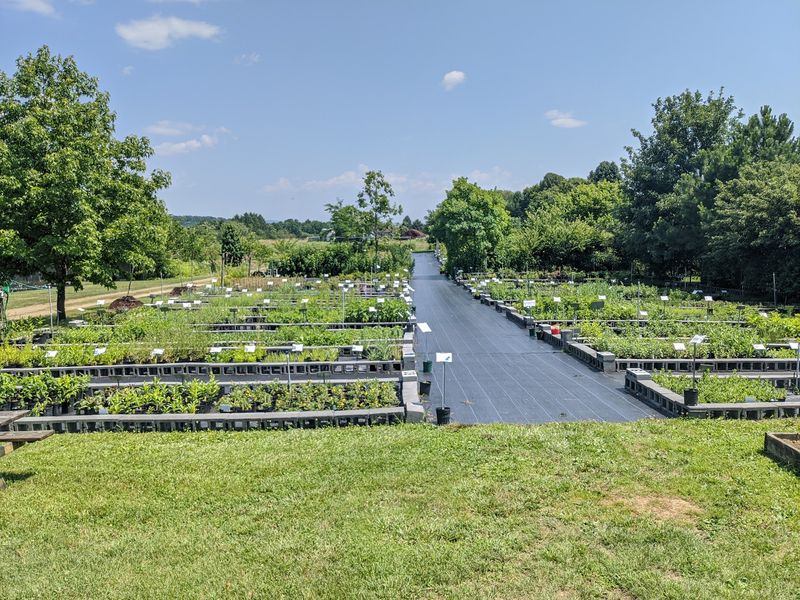
Plant hunters, this is your playground. The inventory usually runs from about 250 to 300 native species.
That lineup covers trees, shrubs, grasses, ferns, aquatic plants, and loads of perennials. Many of these species are hard to find at regular nurseries.
Shopping is easier than that huge number suggests. The nursery is organized into sections, so similar plants are grouped together.
Perennials make up a big part of the stock. Plugs are offered too, which are small young plants that are easy to tuck into the ground.
Plugs need some patience, but they skip a lot of digging. They’re handy for filling bigger areas, like a new meadow patch.
Some popular items can sell out, so timing matters. Spring brings eager crowds of planters, but many native plants look their best in summer.
That’s a useful tip for anyone tempted to visit only in April. A midsummer trip may show off blooms you’d never notice in an early-season pot.
Bring a list, but leave a little room. Something unexpected might sneak into your cart.
Signs That Actually Answer Your Questions
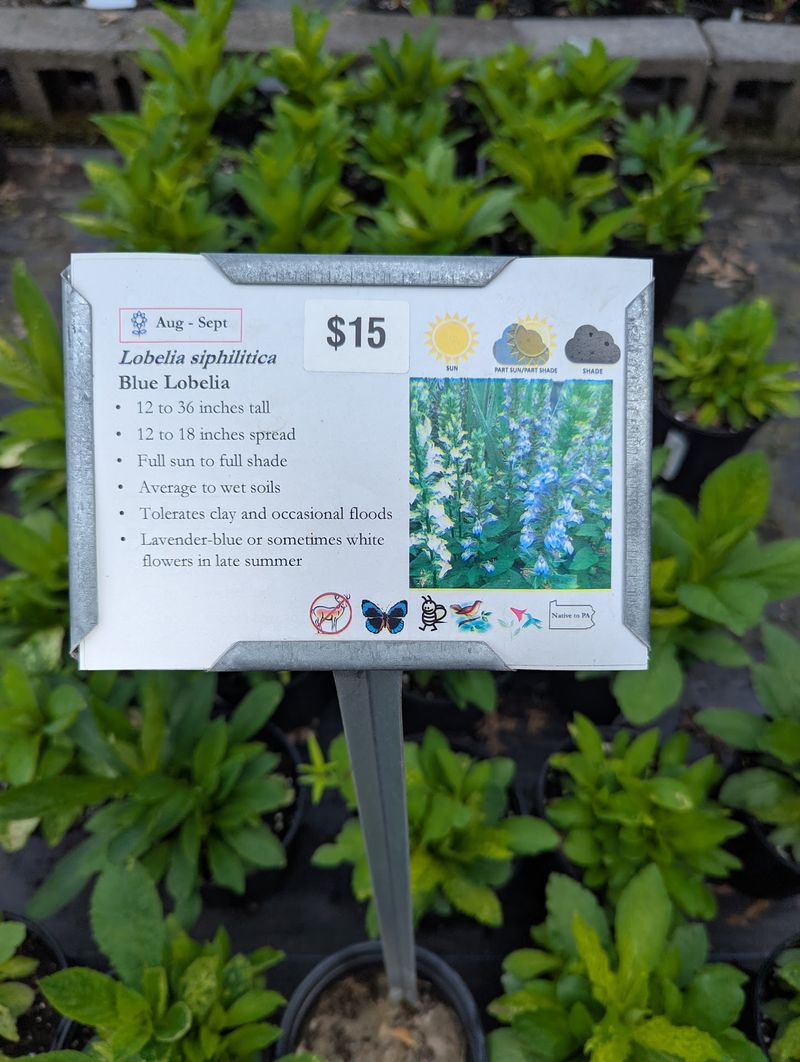
Plant tags usually say about three words and a cheerful picture. The signs here do a lot more work.
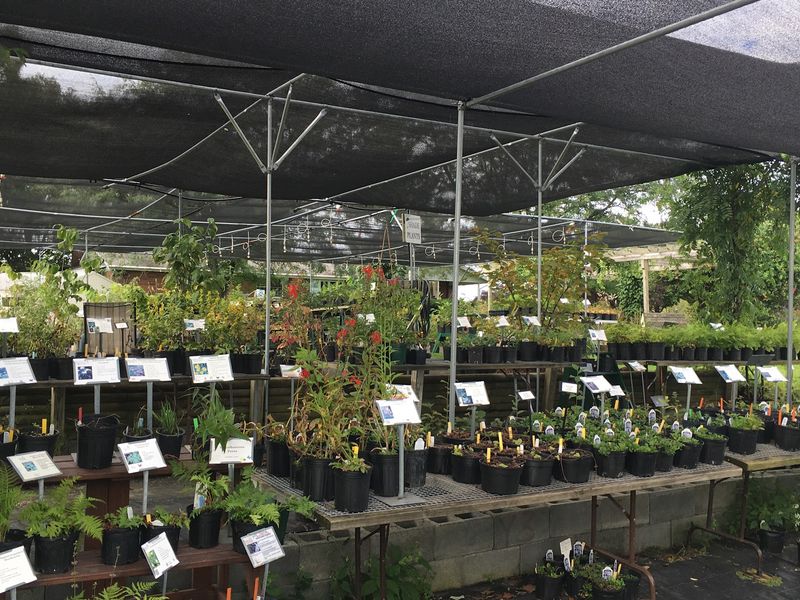
Each plant section has signage explaining its role in the ecosystem. That includes value for pollinators, birds, and butterflies.
The signs also cover growing needs like sun, soil, and moisture. Deer tolerance gets mentioned too, which is huge news for anyone who’s lost hostas overnight.
Icons help make choices quicker. You can scan for what you need without reading a mini textbook every few steps.
The nursery also offers plant lists for tricky situations. There are lists for clay soil, dry areas, and deer-resistant choices, among others.
Sample garden designs are available as well. Those can help beginners turn a pile of good ideas into a plan that actually fits.
The staff includes people with degrees in horticulture and biological sciences. Their job is helping you make smart, earth-friendly choices for your yard.
Between the signs and the experts, guessing becomes optional. Your shady clay corner might finally get the right plant.
Tuesday Morning Tours Come With Blooms And Buzz
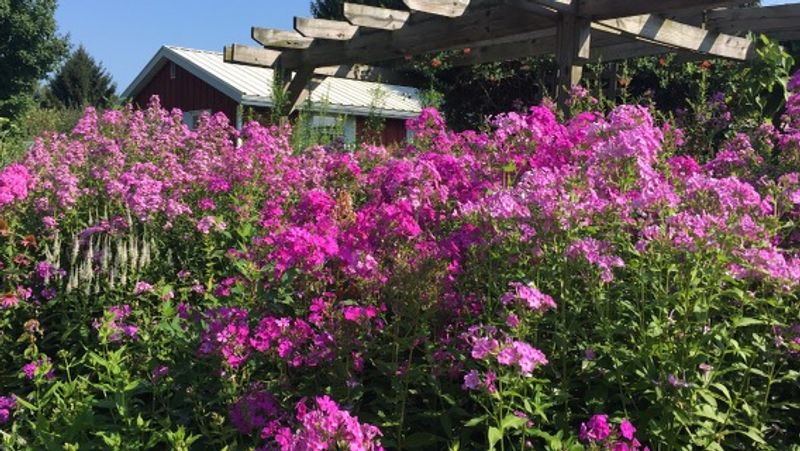
Free garden tours might be the best deal on the property. They usually run Tuesday mornings at 10 a.m. from April through October.
Each tour lasts about 45 minutes to an hour. Guides point out what’s blooming and which birds and pollinators are visiting.
Groups are kept small, limited to five people. That leaves plenty of room for questions, even the slightly embarrassing ones about destroying a coneflower.
Registering ahead is recommended because spots are limited. A little planning goes a long way here.
The learning doesn’t stop with tours. The nursery hosts talks, presentations, and workshops on all kinds of native plant topics.
Community outreach is part of the mission too. Edge of the Woods Native Plant Nursery has worked with local groups like the Boy Scouts and Girl Scouts.
I like how teaching sits right beside selling here. A nursery that wants you to understand your plants clearly wants them to thrive.
For new gardeners, a tour is a low-pressure start. You’ll leave knowing more, and maybe with a short list of new favorites.
Plan Your Trip Like A Smart Gardener
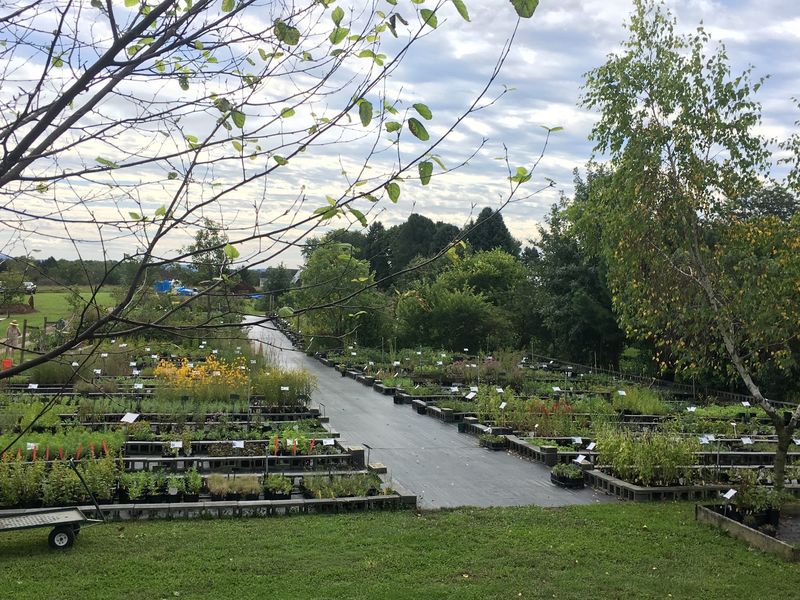
Comfortable shoes are a must. Everything is outdoors, and paths are grass and gravel that can get wet.
You’ll find the nursery at 2415 PA-100 in Orefield, Pennsylvania. It’s in the Lehigh Valley, northwest of Allentown.
The retail season generally runs April through October. Hours are typically 9 a.m. to 4 p.m., Monday through Saturday, so it’s smart to check before heading out.
Sun protection is a good idea too. Plenty of plants here love sunny spots, and you’ll be standing in those spots with them.
Pack a hat, sunglasses, sunscreen, and water. Your future flower bed will appreciate a shopper who doesn’t wilt.
Pets should stay home, which helps protect the plants and grounds. Smoking is not allowed on the property either.
Bring a measuring tape or yard photos if you’re planning a big project. Staff can help much more when they know your space.
Leave room in your car, too. A few flats of native perennials can fill a back seat faster than expected.
Bigger Dreams Get A Helping Hand Year-Round
Not every yard project fits in a hatchback. For bigger plans, the nursery offers landscaping services year-round.
That’s a nice option when the retail season is closed. Design and installation help can keep a project moving even in colder months.
Native landscaping can replace lawn patches, tired foundation beds, or areas full of invasive plants. The goal is a yard that supports local wildlife while still looking great.
Native plants also tend to suit local conditions. Once they settle in, many need less fussing than plants from far-off places.
The demonstration gardens make planning easier. You can see full-grown versions of possible picks before committing to a design.
Edge of the Woods Native Plant Nursery brings all of its plant knowledge to these projects. That means your yard gets choices backed by real ecological thinking.
Across Pennsylvania, small yards can add up to big habitat. Each pollinator patch helps connect the dots for butterflies and bees.
Start with one bed or go all in. Either way, the butterflies won’t complain about the upgrade.