
This Hidden Pennsylvania Park Is Filled With Tiny Waterfalls Hidden Among The Trees
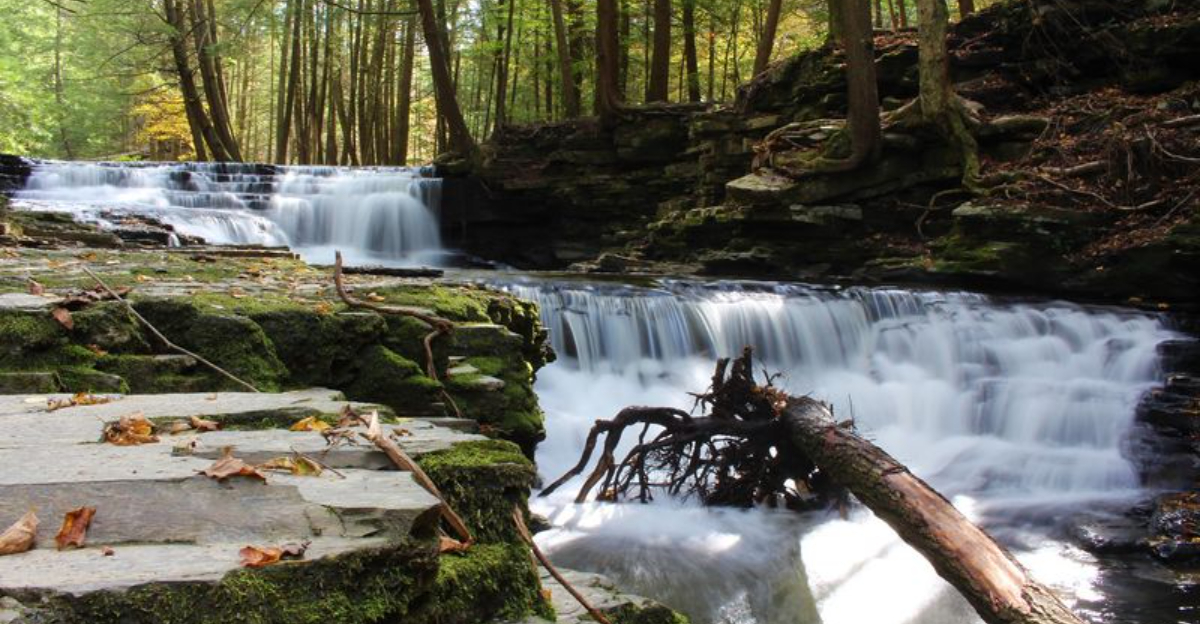
Tiny waterfalls have a way of making a walk feel like a discovery instead of exercise. Pennsylvania has parks where the best moments do not announce themselves loudly.
They wait between the trees, spilling over rocks, turning a quiet trail into something that feels almost secret. That is the appeal of a place like this.
You do not need a huge overlook or a difficult climb to feel rewarded. Sometimes the magic is smaller, softer, and better found at a slow pace.
A hidden park filled with little cascades gives visitors a reason to pay attention, because the next turn might bring the prettiest sound of the day.
Give me a trail where the water keeps surprising me, and I will happily pretend I am only stopping for photos while actually avoiding the walk back.
The Park Sits On Over 400 Acres Of Forest In Susquehanna County
Four hundred acres sounds like a number until you are actually standing inside them, surrounded by trees so tall they block out much of the sky above you.
Salt Springs State Park encompasses 405 acres in Susquehanna County, Pennsylvania.
The Friends of Salt Springs Park also own 437 adjoining acres that are open to the public, bringing the landscape they manage to 842 acres.
DCNR lists the visitor address as Silver Creek Road and Salt Springs Road, while the Friends use 2305 Salt Springs Road.
A protected old-growth hemlock stand occupies the Fall Brook Natural Area rather than most of the property.
Elsewhere, trails cross younger forest, meadows, wetlands, and other habitats that make the park feel much larger and more varied once visitors begin exploring.
Pennsylvania parks with surviving old-growth hemlocks are genuinely rare, and that protected grove adds to the sense of stepping into a landscape with unusually deep natural history in this region.
Three Small Waterfalls Cascade Through Fall Brook Gorge
Most parks promise one waterfall and make you hike three miles to find it.
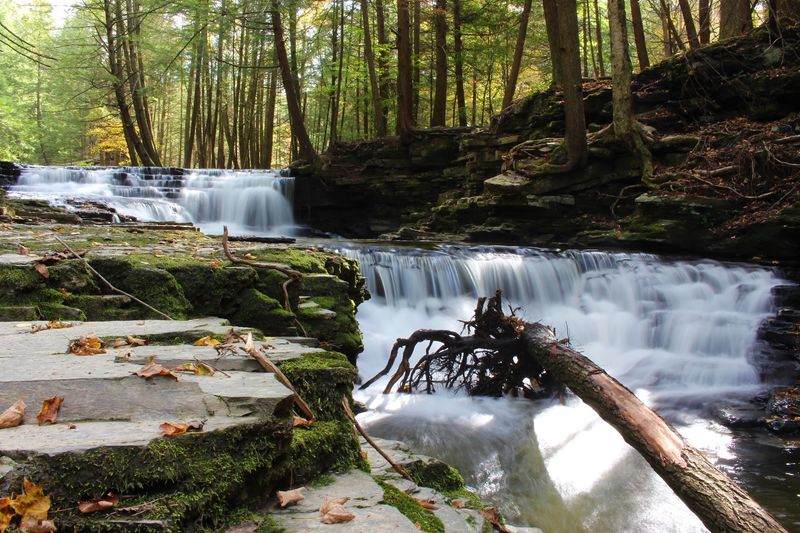
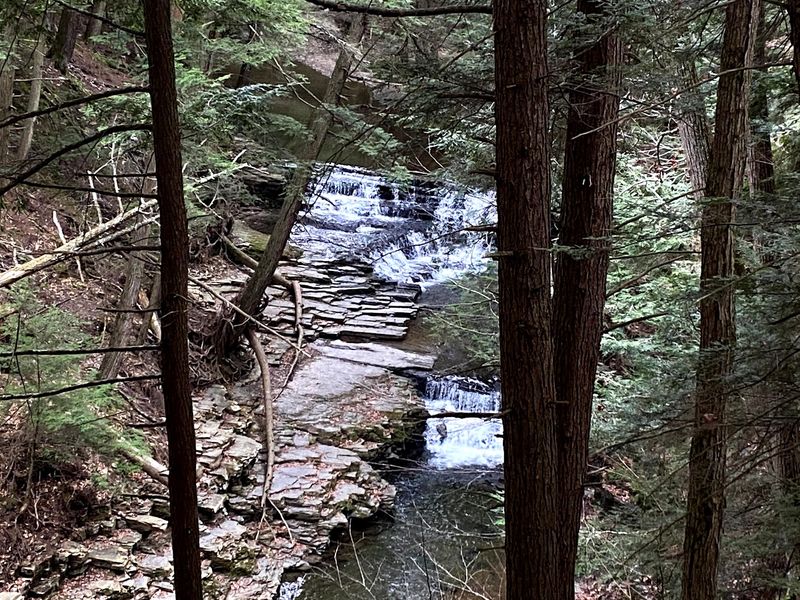
Salt Springs State Park works differently, placing three falls close together inside the rocky Fall Brook Gorge, where each one appears during a short exploration.
The waterfalls here are not towering drops but cascades, each measuring about ten feet high.
They tumble over layered rock inside a cool, mossy setting, creating a sequence that feels more intimate than a single dramatic overlook.
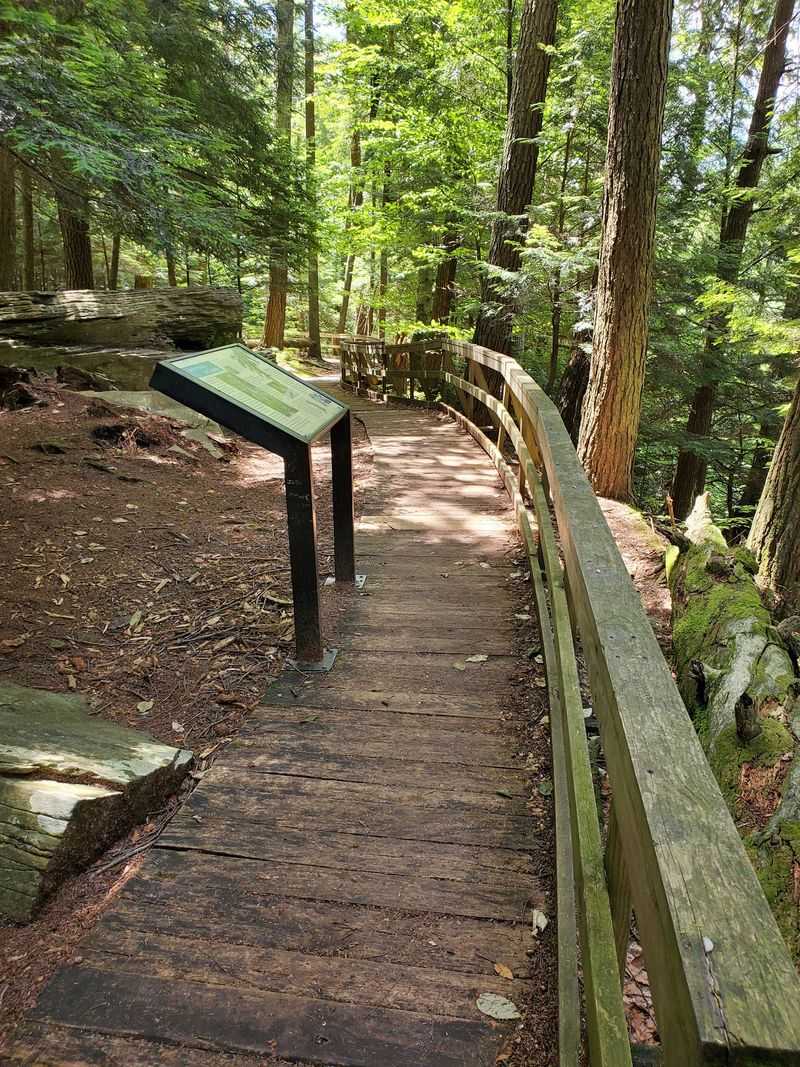
The Friends’ trail description directs visitors onto Hemlock Trail, which climbs the eastern rim, becomes a raised boardwalk, and reaches an observation platform overlooking the falls.
Fall Brook Trail connects beyond Hemlock Trail above the waterfalls. Gorge Trail follows the western rim and should not be described as running beside the creek.
Pennsylvania has bigger waterfalls in other parks, but few settings combine three closely grouped cascades, an eighty-foot gorge, and surviving old-growth hemlocks in such a compact area.
Old-Growth Hemlocks Line The Trails And Create A Cathedral-Like Canopy
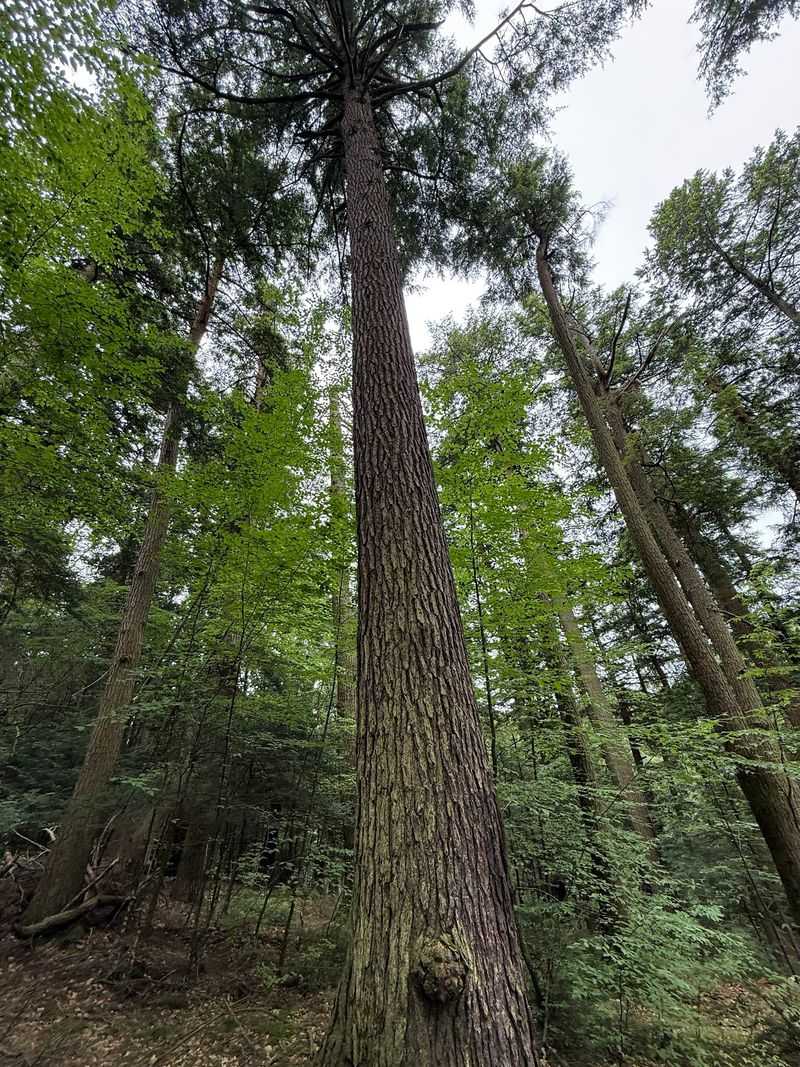
Walking under the hemlocks at Salt Springs State Park is one of those experiences that can stop you mid-step without any particular reason.
Eastern hemlocks can live for several hundred years, and the old-growth trees protected around Fall Brook Gorge are veterans.
Many are estimated to be more than 300 years old, with broad trunks, deeply ridged bark, and branches that filter sunlight before it reaches the forest floor.
Pennsylvania designated the eastern hemlock as its state tree, and this surviving stand gives visitors a sense of why that choice made sense.
The best-known old-growth route is Hemlock Trail, not Gorge Trail.
It climbs from near the picnic area, becomes a raised boardwalk, follows the eastern rim of the gorge, and reaches an observation platform overlooking the waterfalls.
Hikers who arrive in summer are often surprised by the cool, shaded conditions beneath the hemlocks.
Mosses, liverworts, and ferns thrive in the moist gorge, while Fall Brook continues tumbling through the forest below.
The Salt Springs Themselves Are A Genuinely Unusual Natural Feature
There are not many places in Pennsylvania where methane bubbles through mineral-rich water, but Salt Springs State Park is one of them.
The salt spring is the feature that gave this park its name. Located about 300 feet from the mouth of Fall Brook Gorge, near the southeast end of the picnic area, its water contains high levels of chloride, sodium, and dissolved solids.
The bubbles come from methane created as organic matter breaks down in ancient sedimentary rock. That alone makes it worth finding.
Indigenous people traveling through the region knew of the spring and extracted salt from its water before European settlement.
Entrepreneurs later tried to produce salt commercially, but the available brine never yielded enough profit. Oil and gas exploration also failed to establish a lasting operation.
The park does not present the spring as drinking water, so visitors should observe it rather than taste it.
Finding the bubbling spring still adds a fascinating geological and historical layer to a walk through the woods.
The Gorge Trail Includes Steep Sections That Reward The Effort
Not every trail here is a casual stroll, and that is a selling point for hikers who want something more than a flat path through the trees.
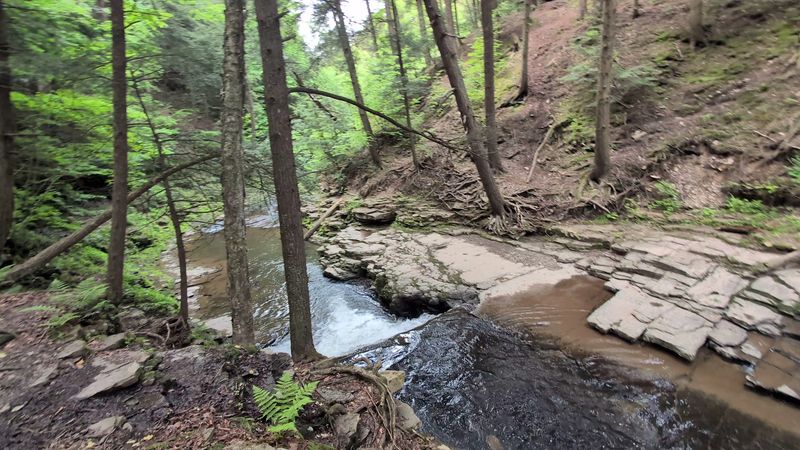
The 0.4-mile Gorge Trail begins south of the Wheaton House with a steep but short ascent.
It then levels out and parallels the gorge, passing remnants of an old flagstone quarry and following a meadow before ending at Buckley Road.
It is a point-to-point trail rather than a complete loop, so hikers should plan their return route before setting out.
A separate Gorge Trail Spur begins on Salt Springs Road and provides an easier approach that avoids the steepest opening climb.
Trail descriptions and color-coded blazes help with navigation, but carrying the official park map remains an especially smart move because several routes meet throughout the property.
Visitors seeking direct waterfall views should use Hemlock Trail and its observation platform instead of assuming Gorge Trail follows the creek below.
Good footwear with dependable traction makes a noticeable difference on the steeper stretches.
Wildlife Sightings Are Common Along The Trails And Near The Creek
Bring your eyes to this park, because the forest around Salt Springs State Park has a habit of putting things in your path that you did not plan on seeing.
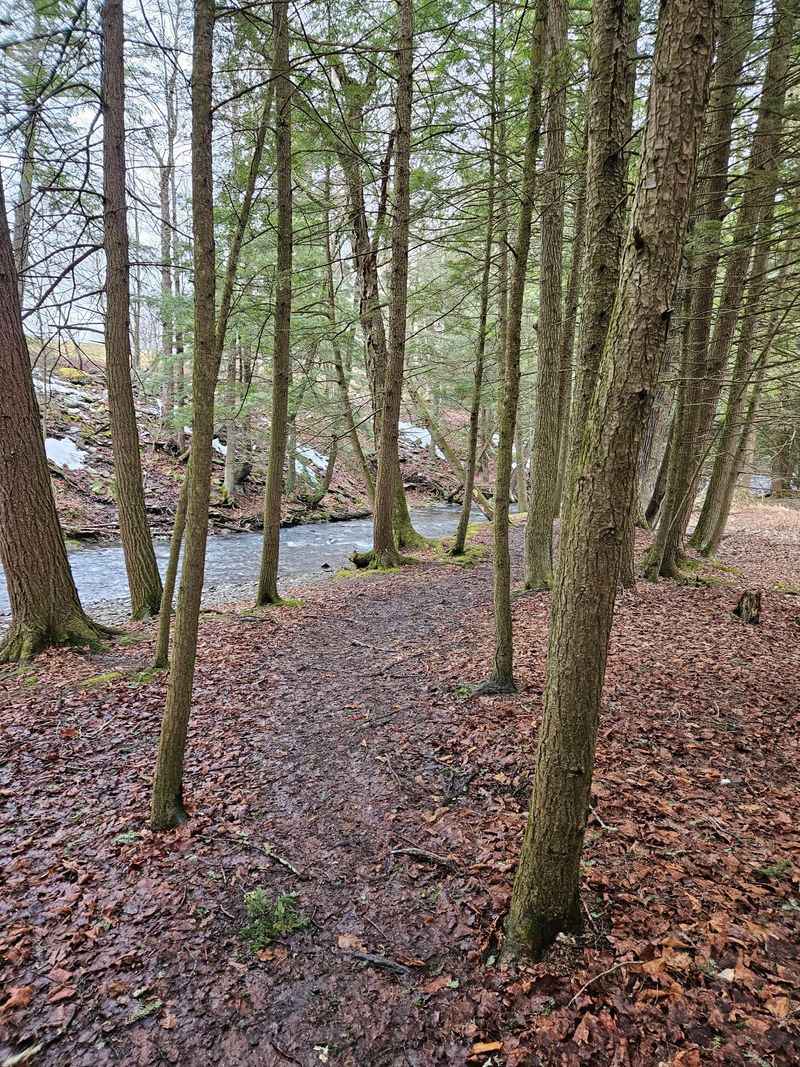
Tiny orange salamanders appear on and near the rocks along the gorge trail, especially after rain when the moisture draws them out.
Frogs are common near the creek edges, deer move through the tree line at dusk, and red squirrels are vocal and easy to spot in the hemlock canopy.
Birds are present in strong numbers throughout the year, with the dense forest providing habitat for a wide variety of species.
The creek itself, Fall Brook, supports its own small ecosystem.
The water runs cold and clear, and the rocky bottom creates the kind of shallow, well-oxygenated environment that salamanders and other amphibians depend on.
Pennsylvania forests are known for their amphibian diversity, and this park delivers on that reputation in a way that feels completely unscripted.
Slow down on the trail and the wildlife tends to reveal itself on its own schedule.
Camping Is Available On-Site With Spacious And Well-Maintained Sites
Spending a night here changes the experience completely, and the campground at Salt Springs State Park makes that option possible for visitors who plan ahead.
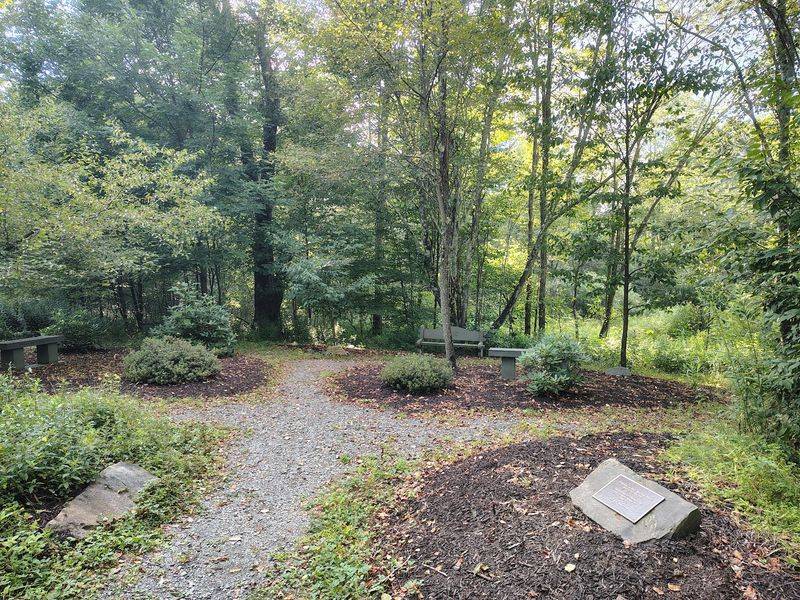
The park offers 14 rustic campsites, most near Silver Creek, along with three camping cottages.
Some sites are walk-in only, while several accommodate vehicles or campers up to 30 feet long, but there are no utility hookups.
The restroom facilities are non-flush or composting, and water is available from outdoor faucets near the Wheaton House and restrooms.
Campers are advised to bring drinking water because the available well water is posted as nonpotable.
The campground sits close enough to the trailheads that morning hikes are possible before day visitors arrive.
Each campsite includes a picnic table and fire ring, pets are permitted, and reservations are handled through the Friends of Salt Springs Park.
This is a rustic campground rather than a connected modern facility, and no official source promises public Wi-Fi near the restroom building or elsewhere in the camping area.
The Picnic Area Offers A Shaded And Relaxed Spot Right Near The Creek
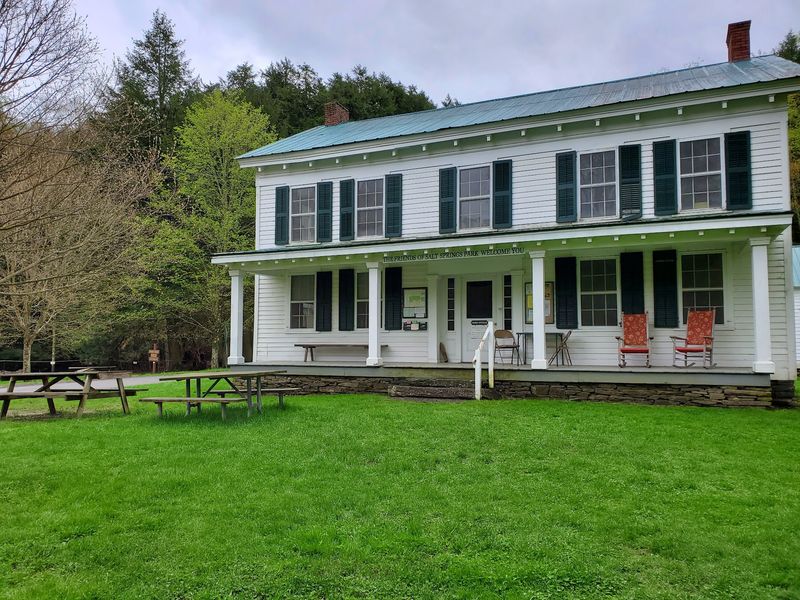
Some parks make you earn your lunch with a long hike before you get anywhere comfortable. Salt Springs State Park skips that requirement.
The picnic area here sits close to the parking lot, with tables positioned in the shade near the creek.
Getting food and gear from a car to a table does not require a long carry, which makes it practical for families with younger children or anyone who just wants a relaxed afternoon without committing to a full trail.
The sound of the creek runs in the background the whole time, which turns an ordinary lunch into something that feels a bit more deliberate.
A covered pavilion with multiple tables is also available for larger group gatherings, and the whole area is described by regular visitors as clean and well-kept on consistent visits.
The park has hosted outdoor celebrations including weddings in the picnic and open areas, which says something about how the space feels to people who have options about where they want to spend a meaningful day.
Pennsylvania outdoor settings do not get much more pleasant than this one.
Large Boulders Hidden In The Forest Are Worth The Detour To Find
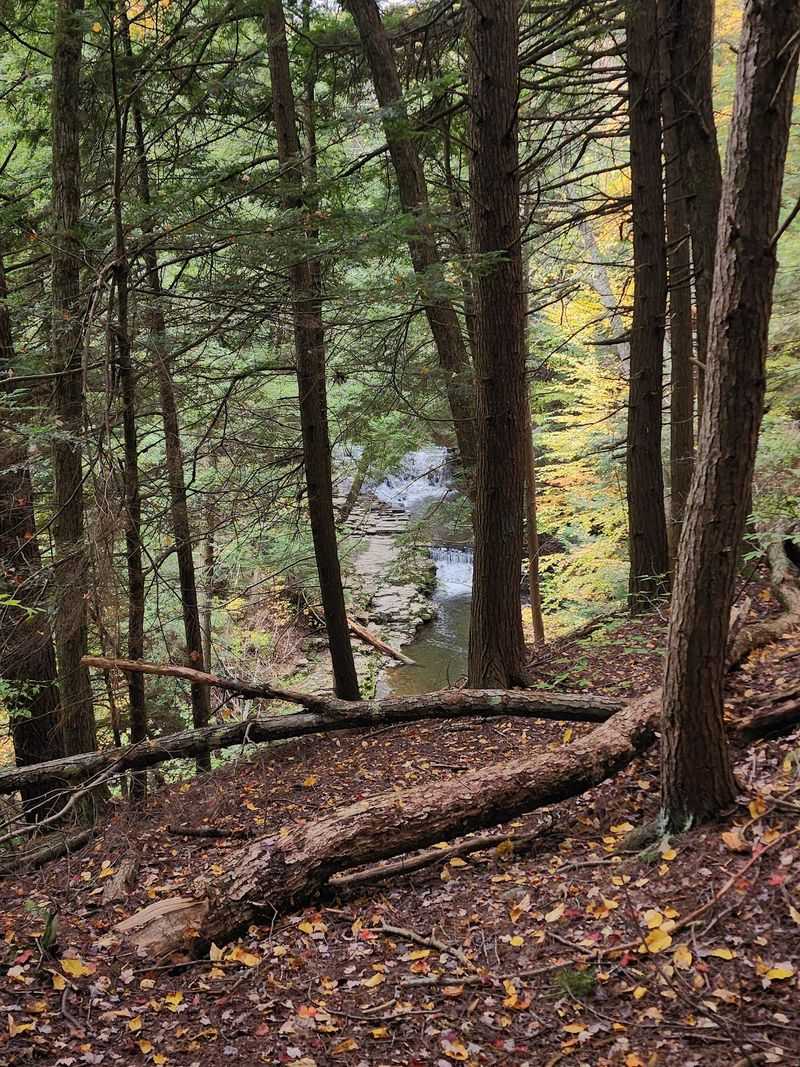
Large boulders do appear throughout the broader Salt Springs Park landscape, but visitors do not need to scramble up an unmarked slope or leave established routes to find interesting rock formations.
Cliff Trail is the clearest documented option. This 1.5-mile, blue-blazed route begins at the Friends Land parking area, climbs an old logging road, connects with Summit Trail, passes Frog Pond, and later descends through a section where the official trail description specifically notes boulders and cliffs.
Other marked routes also reveal the park’s geology. Meadow Trail passes a shale outcrop and a rock formation resembling chairs and tables, while Gorge Trail crosses remnants of an old flagstone quarry above Fall Brook Gorge.
These features are worth slowing down to examine, especially where mosses, ferns, and wildflowers grow around the stone.
Staying on maintained trails avoids the unsupported claim that a particular hidden boulder field offers a gorge overlook and reduces the risks of steep, unmarked terrain.
Pennsylvania’s layered sandstone and shale are still clearly visible without encouraging an off-trail scramble that park materials do not recommend.
Fall Foliage Turns The Park Into Something Especially Worth Seeing In Autumn
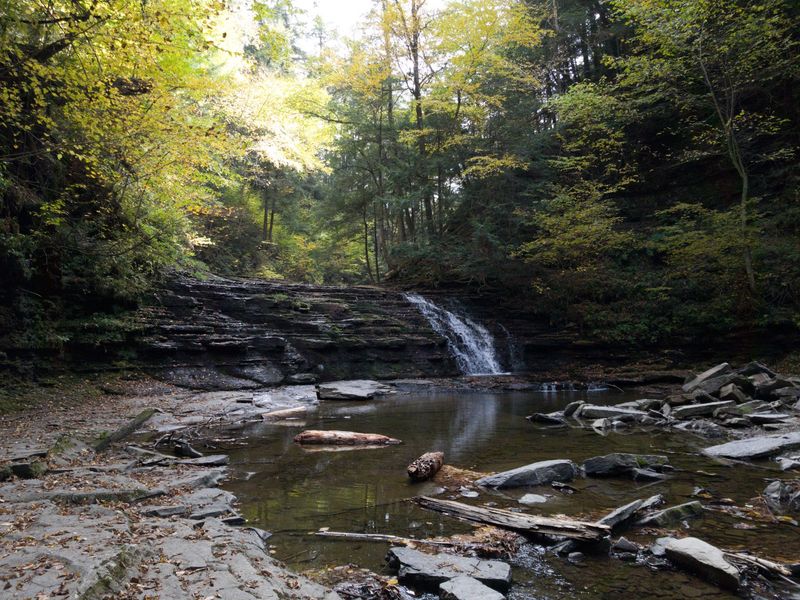
Timing a visit to late September or early October at Salt Springs State Park adds a layer to the experience that the summer crowds mostly miss.
The forest here shifts into full autumn color during that window, with the hardwoods turning red, orange, and yellow against the still-green hemlocks below.
The contrast between the deciduous canopy and the evergreen hemlock understory creates a layered color effect that looks especially striking inside the gorge, where the walls frame the view on both sides.
Photographers tend to find this combination unusually rewarding.
Wildlife activity picks up in the fall as well, with deer moving more frequently through the tree line and birds staging for seasonal movement.
The trails are less crowded than in peak summer, the air is cooler, and the sounds of the forest carry differently when the leaves begin to thin.
Pennsylvania autumns are genuinely beautiful across the state, but this park delivers that seasonal change in a setting compact enough that you can take in the full effect without driving from one overlook to the next.