
This Hidden South Carolina Town Is The Perfect Weekend Escape
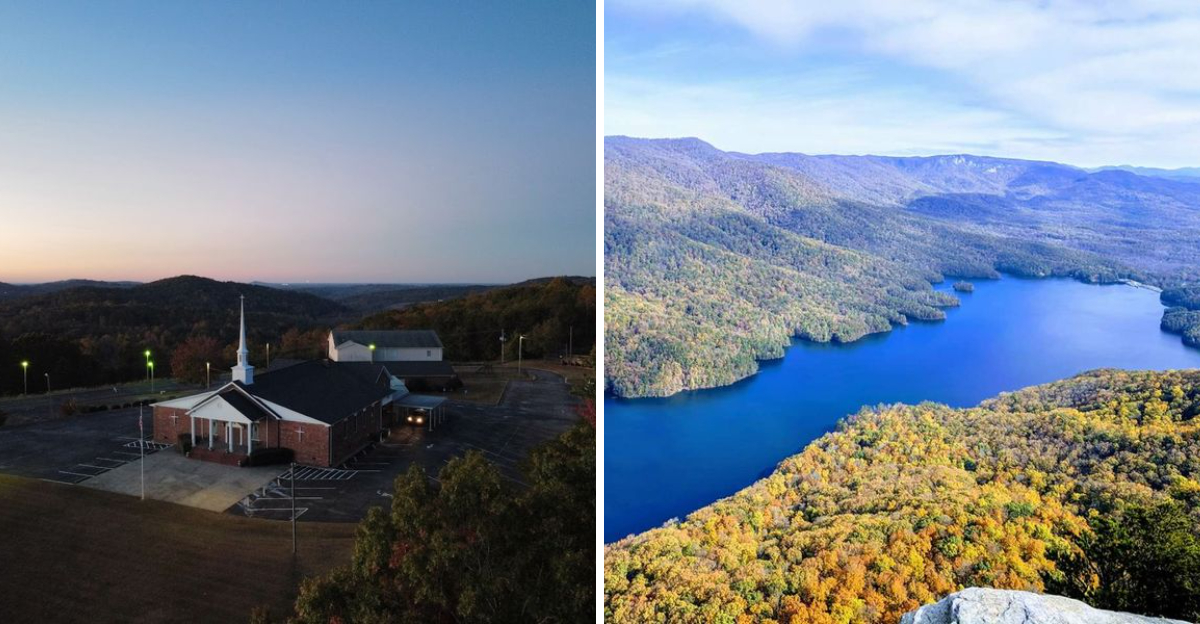
Quick stops are supposed to stay quick.
This one did not.
What looks like a small, quiet town turns into something else the moment you slow down. No rush.
No pressure. Just a place that moves at its own pace without trying to impress anyone.
At first, it feels simple.
Then you start to notice it.
Porches filled with people who wave like they know you. Streets that feel lived in, not rushed through.
A kind of calm that is hard to find anywhere else.
This is not the version of South Carolina most people expect.
It is softer. Slower.
And a lot harder to leave than you would think.
You come planning to stay an hour.
It rarely works out that way.
Places like this are easy to overlook in South Carolina.
Until you give them a little time.
And once you do, you start planning your way back.
A Town That Grew Around Justice
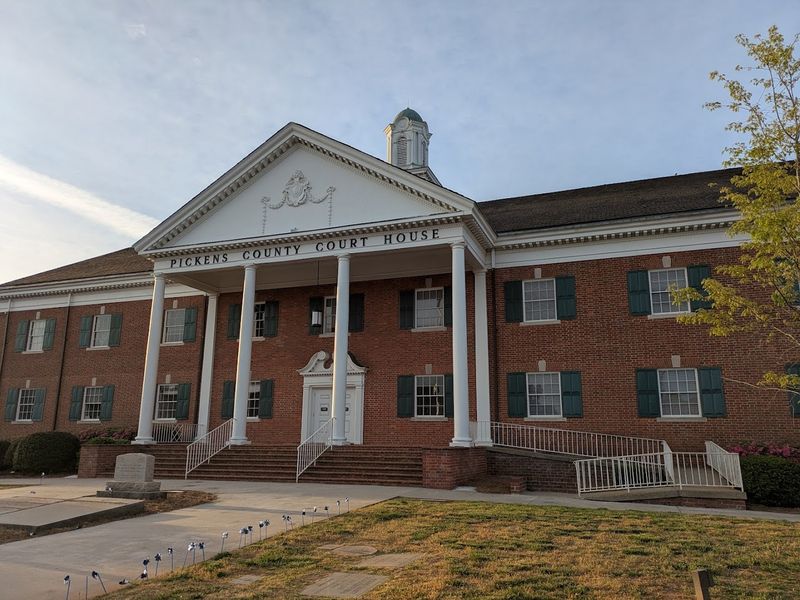
Pickens started life as Pickens Courthouse, and that origin story still shapes everything about the place today, especially within the broader context of South Carolina.
The town literally grew up around the need for a county seat, which gives it a certain civic dignity that newer communities often lack. Walking through the older sections, I noticed how the layout still revolves around that central purpose, with buildings radiating outward in a pattern that makes intuitive sense once you understand the history.
This wasn’t a railroad town or a mill town or some speculator’s fever dream.
It was built to serve a function, and that practical foundation seems to have inoculated it against the worst excesses of development that plague other small towns. The courthouse legacy means Pickens has always been a gathering place, a spot where people from the surrounding county come together, and that tradition continues in ways both obvious and subtle.
I found that sense of purpose oddly comforting in a world where so many places feel interchangeable, and it’s part of what makes towns like this stand out across South Carolina.
Mountains in Your Peripheral Vision
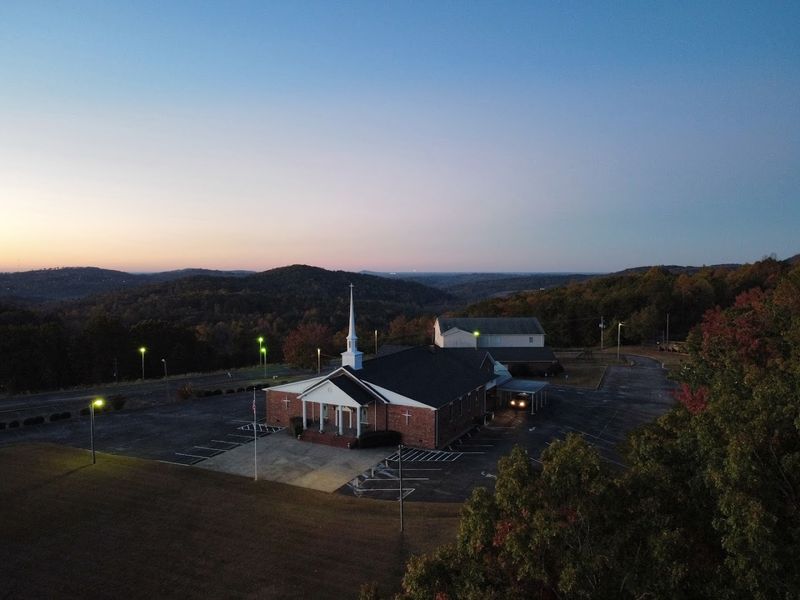
Geography blessed Pickens with a location that puts the Blue Ridge foothills close enough to shape the weather, the light, and the entire mood of the place.
I’m not talking about dramatic peaks that demand your attention.
These mountains work more subtly, appearing in the gaps between buildings, framing the end of residential streets, and turning every sunset into a layered event with ridgelines stacked like watercolor washes. The elevation here sits at that sweet spot where you get mountain coolness without mountain isolation, and the air carries a different quality than the flatlands an hour south.
During my stay, I kept catching myself glancing toward those foothills, using them as a compass without quite realizing it.
The mountains also mean that weather rolls through with personality, bringing afternoon clouds that build over the ridges and occasional fog that settles into the valleys like it’s been invited. This topography makes Pickens feel nestled rather than exposed, protected rather than hidden.
Population That Knows Your Name
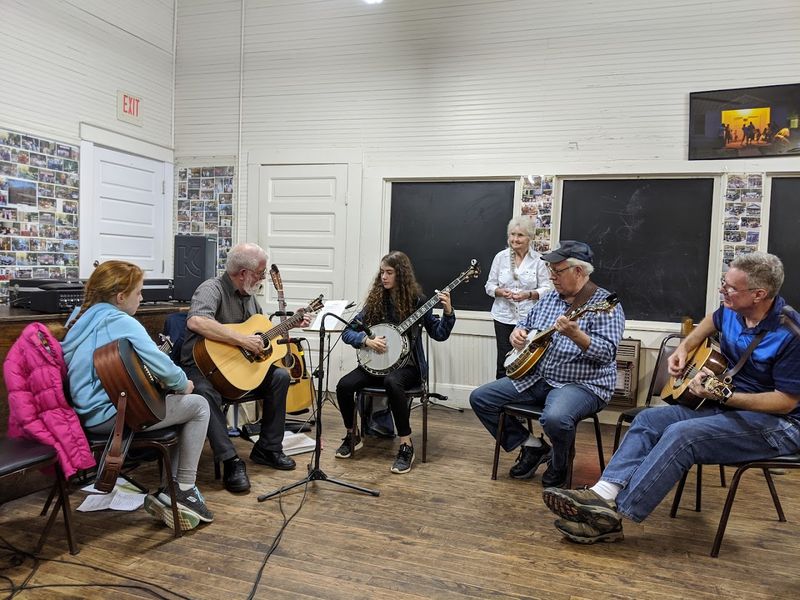
With just over 3,000 residents, Pickens operates at that magical population size where anonymity becomes nearly impossible and somehow that feels like a feature rather than a bug.
I stopped at a local diner for breakfast my first morning, and by my second visit the waitress already remembered my coffee order and asked if I wanted “the usual.”
This wasn’t small-town shtick or calculated charm.
It was simply what happens when the same faces cycle through the same places often enough that patterns emerge and people pay attention. The population size also means local government stays accessible, with city officials you might run into at the grocery store rather than hidden behind layers of bureaucracy.
I watched a woman stop the mayor on the sidewalk to discuss a pothole, and the conversation felt neighborly rather than formal.
This scale of community won’t appeal to everyone, especially those who treasure urban anonymity, but for a weekend escape it offers a refreshing change from cities where you can live for years without learning your neighbor’s name.
From Town to City Without the Attitude
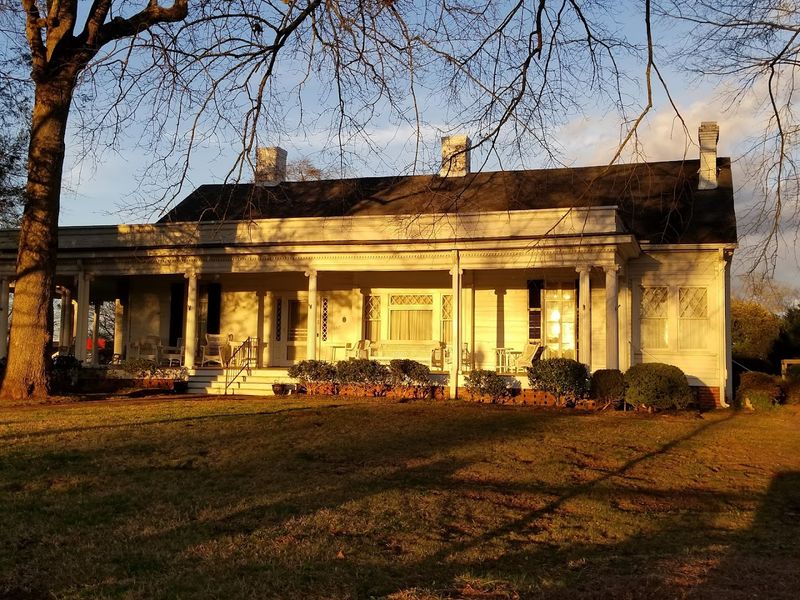
Pickens officially became a city in 1998, though nobody bothered telling the Census Bureau until 2001, which tells you everything about the local attitude toward formality and self-promotion.
This classification change didn’t trigger any identity crisis or spark a building boom.
The place still feels like a town in all the ways that matter, with the city designation functioning more as an administrative detail than a personality shift. I found this restraint remarkable in an era when every hamlet seems desperate to rebrand itself as the next big thing.
Pickens took its promotion to city status and essentially shrugged, continuing to operate with the same low-key confidence it always had.
The late Census Bureau notification particularly amuses me because it suggests a community so unconcerned with external validation that even updating official records felt like a low priority.
This isn’t false modesty or strategic positioning.
It’s a town that became a city and decided that distinction didn’t require changing much of anything about how it actually functions.
County Seat Advantages
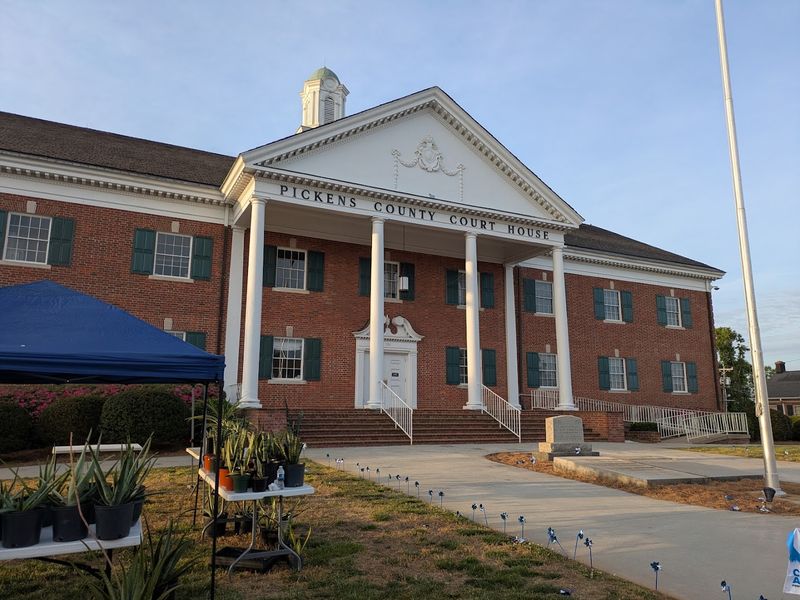
Serving as the Pickens County seat gives this small city resources and stability that similar-sized towns often lack.
County government means steady employment, regular foot traffic from residents handling official business, and a built-in reason for the place to maintain its infrastructure and public spaces. I noticed this advantage in subtle ways during my visit: better-maintained roads than I expected, a surprisingly robust library, public buildings that looked cared for rather than neglected.
The courthouse function also attracts supporting businesses like law offices, title companies, and bail bondsmen, which creates an economic ecosystem more diverse than you’d find in a purely residential community.
This isn’t exciting economic development in any conventional sense.
Nobody’s writing breathless articles about Pickens as the next tech hub or creative class destination.
But county seat status provides something potentially more valuable: a boring, reliable foundation that weathers recessions and trend cycles better than communities dependent on more volatile industries. For a weekend visitor, this translates into a town that works properly, with services and amenities that punch above their weight class.
Main Street That Still Functions
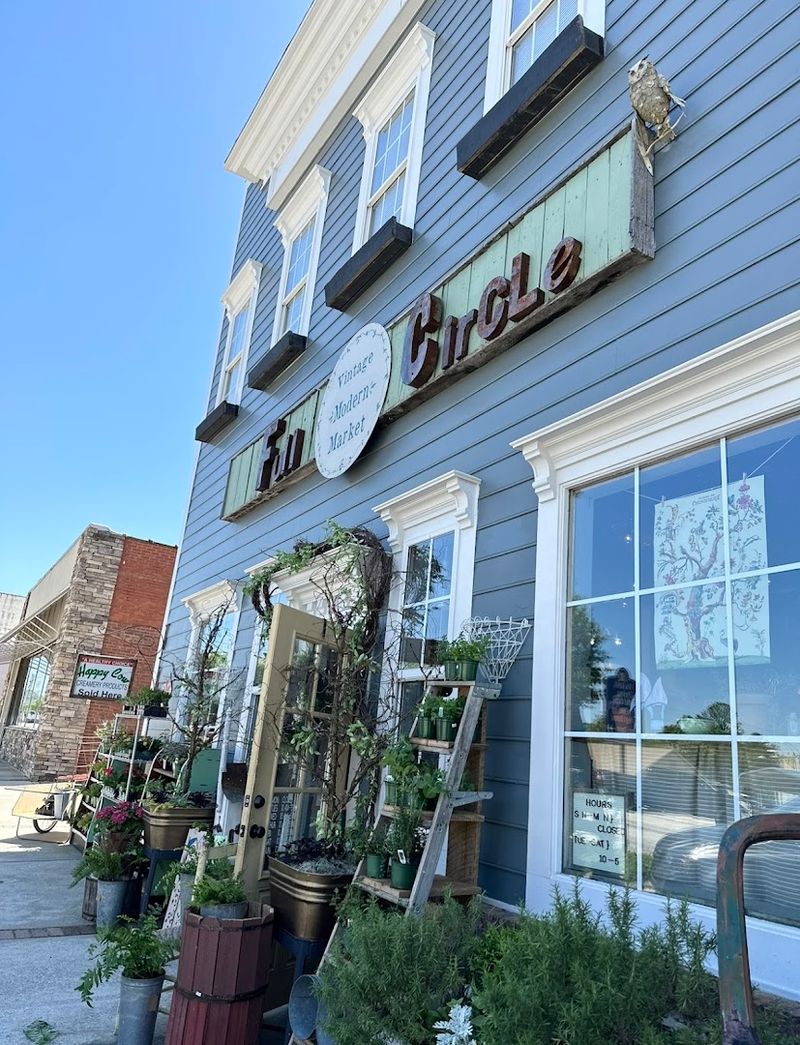
Pickens maintains a downtown that actually serves daily needs rather than existing purely as a historic preservation project or weekend tourist attraction.
I found working businesses, not just antique stores and tea rooms.
The storefronts include practical establishments like insurance offices, a pharmacy, and places where locals clearly conduct regular business rather than just browsing for nostalgia. This functionality matters because it means downtown stays occupied and maintained throughout the week, not just when visitors show up.
I walked Main Street on a Wednesday morning and found genuine activity, people running errands and conducting business rather than performing small-town life for an audience.
The buildings show their age honestly, with some renovation and some benign neglect, creating a streetscape that feels authentic rather than stage-managed.
Nobody’s trying to recreate some idealized 1950s fantasy here.
The downtown works because it evolved naturally, adapting to changing needs without abandoning its original purpose or surrendering entirely to strip mall convenience. For a weekend escape, this means you can actually experience how a small Southern city operates rather than just touring a carefully curated version of its past.
Gateway to Mountain Adventures
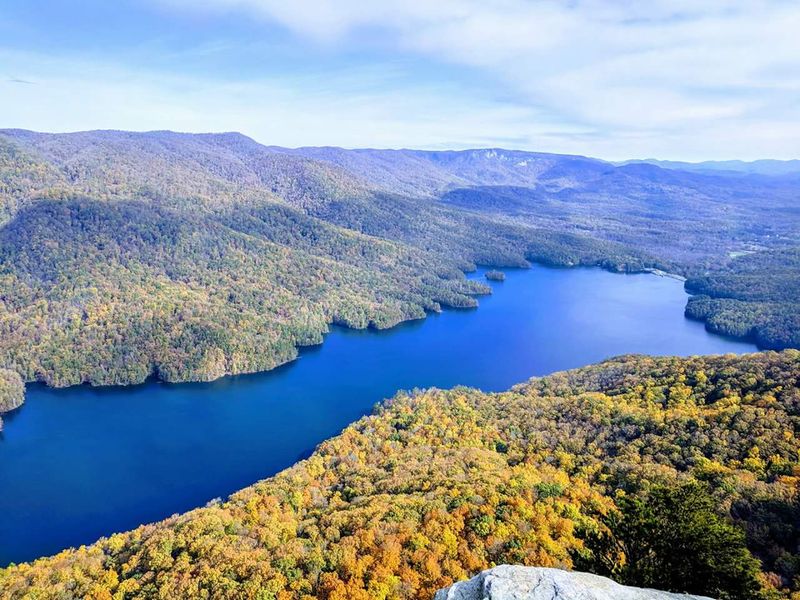
Location puts Pickens within easy striking distance of serious mountain recreation without requiring you to commit to full wilderness isolation.
Table Rock State Park sits close enough for a morning hike, and the entire Blue Ridge escarpment unfolds within a short drive, offering trails, waterfalls, and overlooks that would justify a trip on their own merits. I used Pickens as a base camp, heading into the mountains for daytime adventures and returning to town for showers, meals, and comfortable beds.
This arrangement worked better than staying at a remote cabin because it combined outdoor access with small-town amenities, giving me options when weather turned bad or energy ran low.
The town’s position also means you can sample different mountain areas without committing to a single location, trying various trails and parks while maintaining a consistent home base.
Local businesses understand this dynamic, with several shops catering to outdoor enthusiasts needing last-minute gear or trail information.
Pickens functions as a civilized launching point into wilder country, offering that valuable combination of mountain proximity and town convenience that’s harder to find than you might expect.
Pace That Resets Your Nervous System
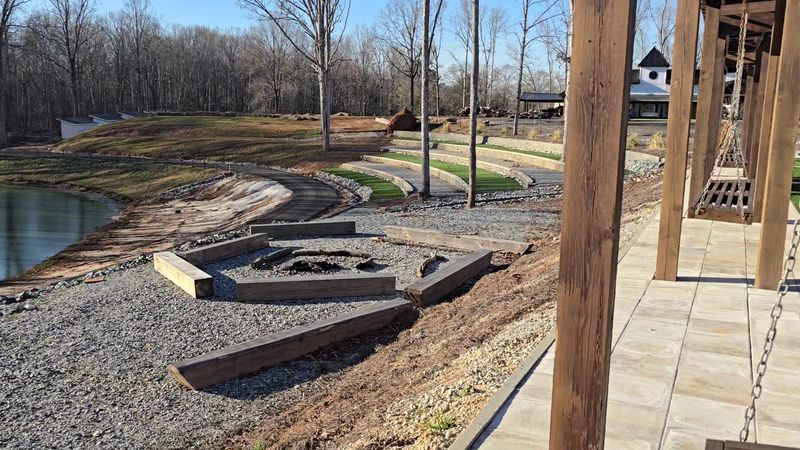
Pickens operates at a tempo that feels jarring for about the first six hours, then becomes surprisingly addictive once your body remembers what actual rest feels like.
Traffic moves slowly not because of congestion but because nobody sees much point in hurrying.
Conversations happen at a speed that allows for actual thought between sentences, and the general absence of urgency stops feeling lazy and starts feeling sane. I found myself automatically slowing down to match the local rhythm, walking instead of rushing, lingering over coffee instead of gulping it while checking my phone.
This wasn’t some conscious decision to practice mindfulness or embrace slow living.
The pace simply infected me through repeated exposure, like catching a benign virus that makes you calmer instead of sick.
By my third day, I noticed my shoulders had dropped about two inches from where they normally live, and I’d stopped checking the time compulsively.
This reset effect represents one of Pickens’ most valuable offerings, though it’s nearly impossible to quantify or advertise. You can’t really explain to someone how a town’s pace can recalibrate your entire nervous system.
Affordable Weekend Escape
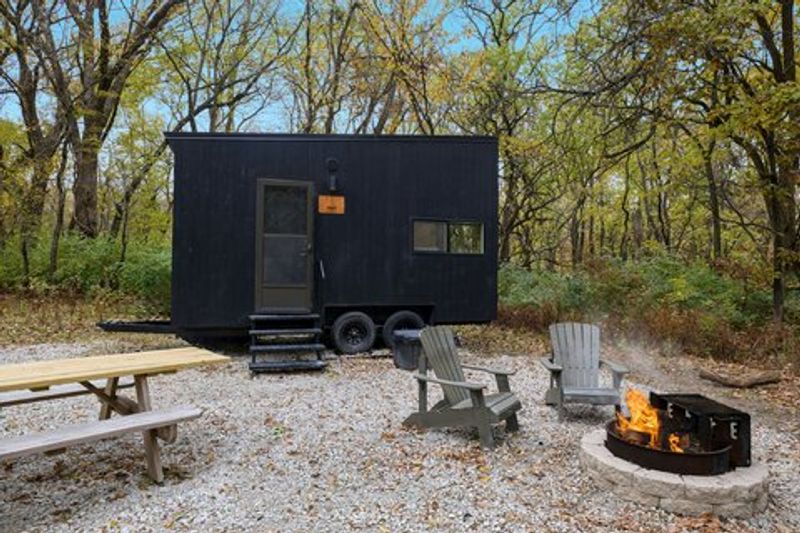
Unlike mountain resort towns that price out regular visitors, Pickens maintains a cost structure that makes weekend escapes financially feasible rather than budget-breaking splurges.
Lodging options skew practical rather than luxurious, with rates that won’t require a second mortgage or months of advance planning.
Meals cost what food should cost, not what it costs in places where every restaurant assumes you’re on vacation and therefore willing to pay inflated prices. I ate well throughout my stay without experiencing the sticker shock that often accompanies small-town dining in more discovered destinations.
This affordability matters because it removes the pressure to maximize every moment and extract maximum value from your investment.
You can relax without mentally calculating whether each activity justifies its cost.
The reasonable prices also mean you can visit more frequently, turning Pickens into a regular reset rather than a once-in-a-lifetime splurge.
I left knowing I could return next month if I wanted, which fundamentally changes the relationship you develop with a place. Affordable weekend escapes have become rare enough that finding one feels like discovering a pricing error that nobody’s bothered to correct.
Genuine Rather Than Performed
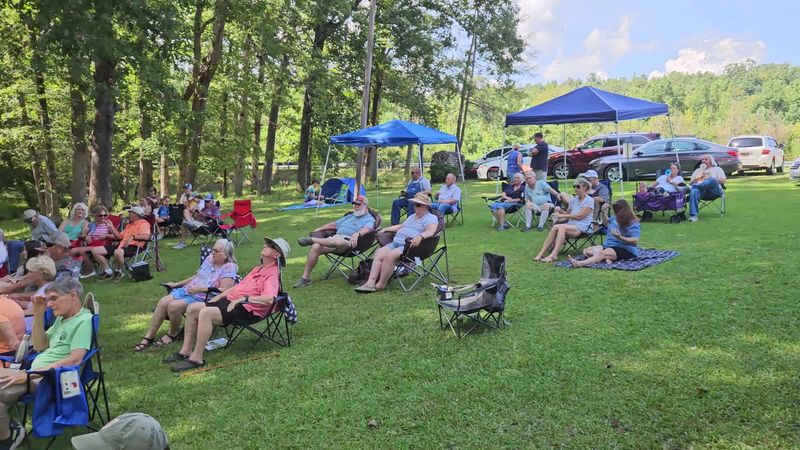
Pickens doesn’t perform its small-town identity for visitors because it doesn’t really think of itself as a tourist destination requiring performance.
The place simply exists, going about its business with or without outside attention, which gives it an authenticity that more self-conscious communities often lack. I never felt like I was touring a living museum or participating in someone’s carefully staged vision of small-town life.
People were friendly without being aggressively welcoming, helpful without treating me like a walking dollar sign.
The town square wasn’t manicured within an inch of its life, and nobody seemed particularly concerned with projecting a specific image.
This genuine quality can’t be manufactured or faked, no matter how much money gets thrown at consultants and downtown revitalization projects.
It emerges naturally when a place has enough confidence in its own identity that it doesn’t feel compelled to perform for outsiders.
I’ve visited dozens of small towns trying desperately to become destinations, and that desperation always shows in ways both obvious and subtle. Pickens offers something increasingly rare: a place being itself without apology, agenda, or particular awareness that being itself might constitute its greatest appeal.