
This Hidden Spot In Ohio Is Filled With Stone Sculptures, Stories, And Absolute Surprises
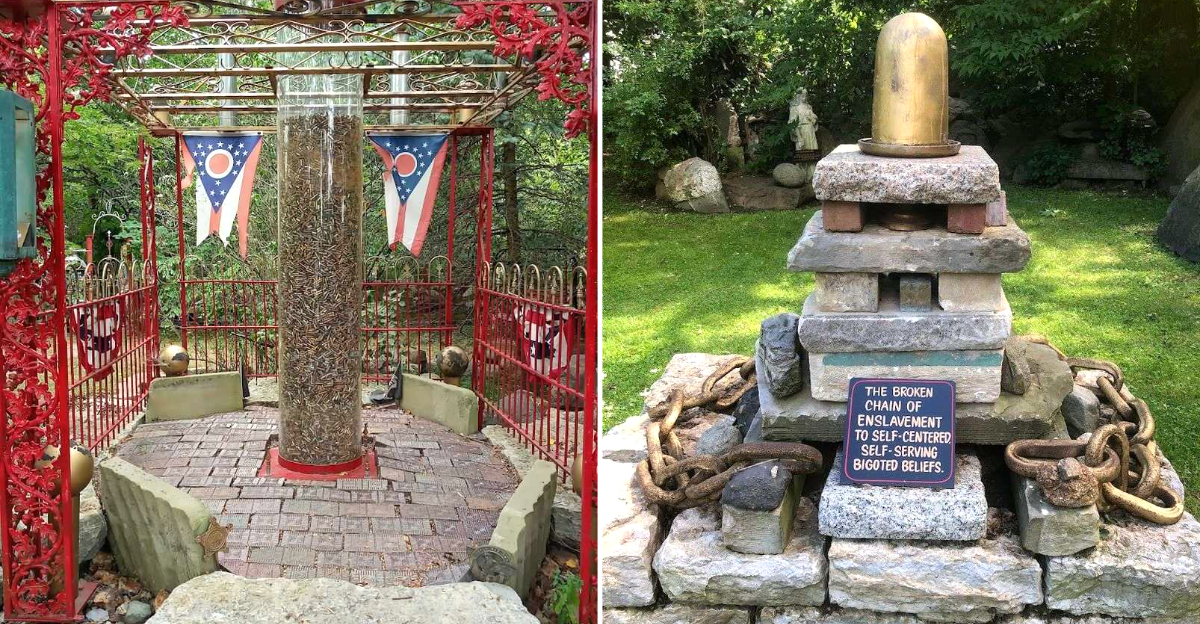
Some of Ohio’s most memorable places do not look like much at first, and that is exactly what makes this one so striking.
On a quiet street in a small town, there is an outdoor space that catches people completely off guard, not with flashy attractions or polished presentation, but with the kind of personality and purpose you feel almost as soon as you step inside.
What unfolds here is far more than a backyard filled with stonework. It is a deeply personal creation shaped over decades, with carefully placed rocks, meaningful artifacts, and an atmosphere that feels thoughtful, peaceful, and unlike anything most visitors expect to find in Ohio.
The longer you wander, the more it starts to feel like one of those places that stays with you long after you leave.
If you enjoy unusual roadside discoveries with real character behind them, this is the kind of stop that earns a place on the itinerary very quickly.
The Man Behind the Magic
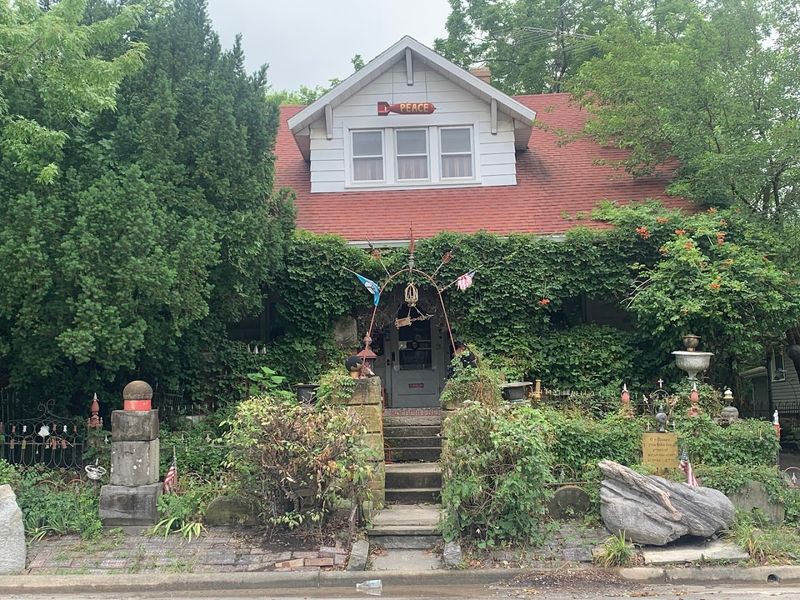
Some places are defined by their geography, but this one was shaped entirely by one human being’s stubborn, beautiful vision. Jim Bowsher, a Wapakoneta, Ohio native, spent decades turning his backyard into a sprawling outdoor sanctuary devoted to peace, tolerance, and human history.
He was a self-taught historian, geologist, and collector who believed that objects carry meaning and that stones carry memory. Every rock, artifact, and sculpture on the property was placed with a specific purpose in mind.
Jim spoke at universities and community events, sharing his philosophy with anyone willing to listen. He was known for welcoming visitors personally and chatting with them about the stories behind each piece.
Jim passed away in 2024, but The Temple of Tolerance, located at 203 S Wood St, Wapakoneta, OH 45895, remains open to the public year-round as a remarkable record of his life’s work and everything he believed in.
What the Temple of Tolerance Actually Is
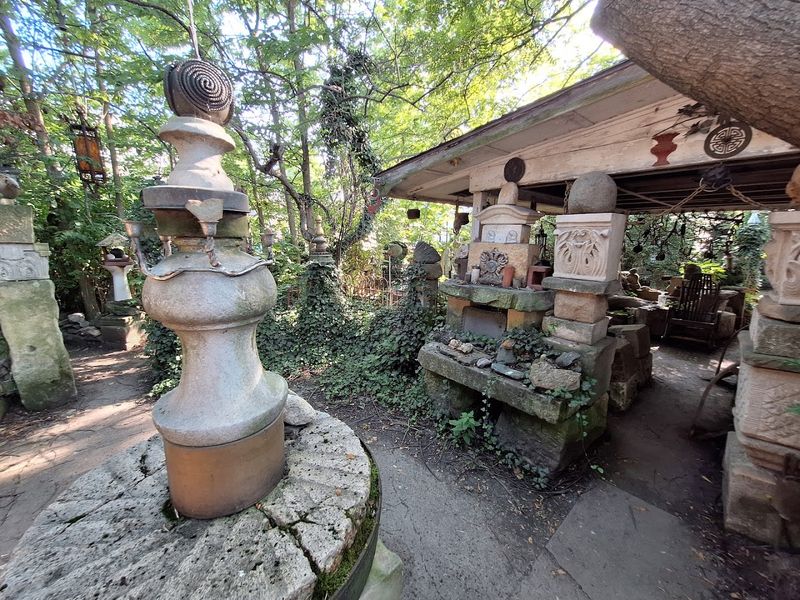
Most people expect a building when they hear the word temple. What you actually find here is closer to a two-acre outdoor labyrinth of stone, history, and quiet wonder.
The property is far larger than it looks from the street. Once you pass the house and head toward the back, the space opens up in a way that genuinely surprises you.
There are winding stone paths, handmade seating areas, towering rock formations, and dozens of artifacts tucked into corners and alcoves throughout the garden.
Everything feels intentional rather than random. Stones from across Ohio and beyond were catalogued by Jim personally, each one assigned a meaning or historical connection.
Vintage and antique items are placed alongside geological specimens, creating a layered experience that rewards slow, curious exploration.
Children love the nooks and crannies, while adults tend to slow down and get thoughtful. It is the kind of place that feels different depending on your mood, your age, and how much time you are willing to give it.
The Stone Pyramid You Can Actually Climb
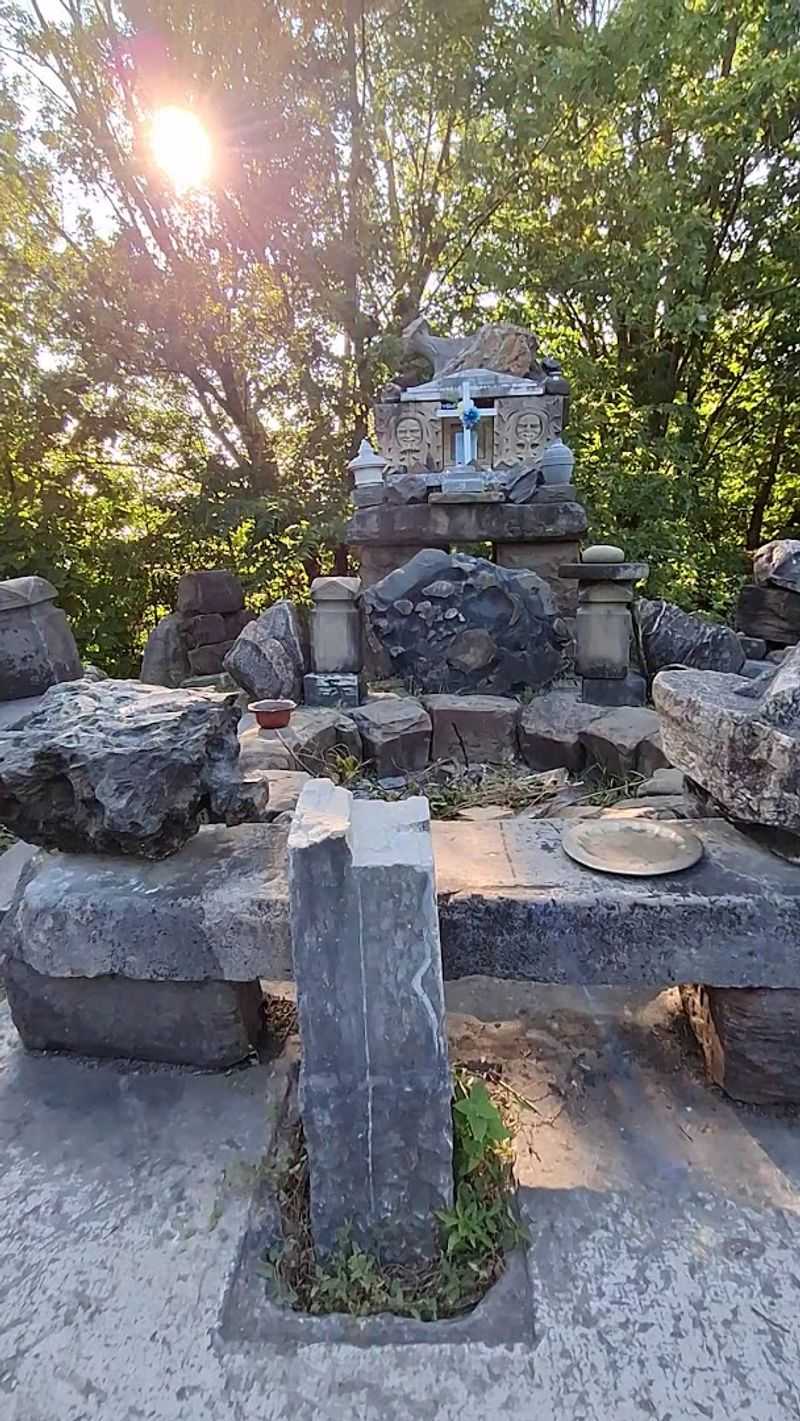
Right in the heart of the garden stands a stone pyramid that you can actually walk up. That detail alone sets this place apart from most outdoor art spaces.
The climb is not difficult, but it does require a little attention to your footing. At the top, there is a small altar-like structure that gives the whole thing a ceremonial, almost ancient quality.
The view from up there lets you see the full spread of the garden below, which helps you appreciate just how much work went into this place.
Kids absolutely love scrambling to the top, and honestly, so do adults who are not afraid to channel their inner ten-year-old. Sitting up there for a few minutes with the garden laid out around you is one of those quiet, surprisingly moving experiences.
Bring snacks if you want to linger. A few visitors have mentioned eating lunch up on the pyramid, which sounds like the most underrated picnic spot in all of Ohio.
The Winding Stone Mazes and Hidden Paths
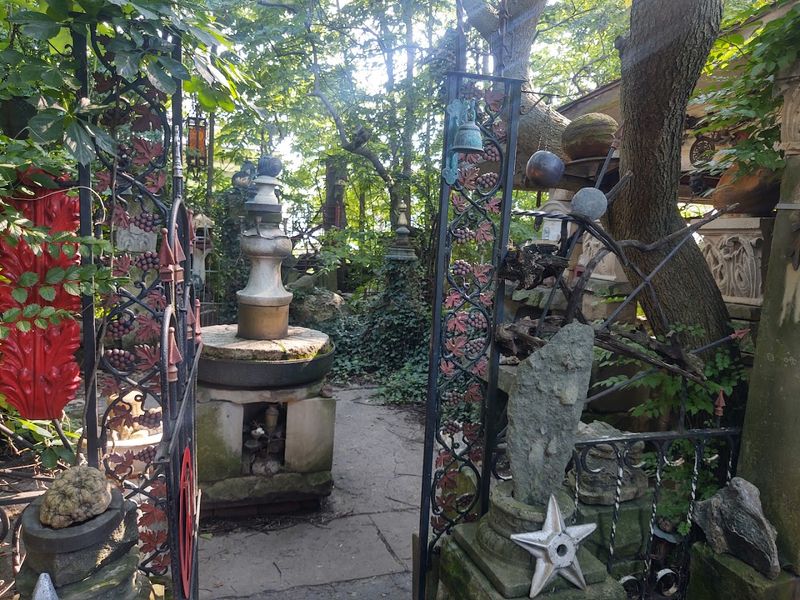
Getting a little lost here is part of the fun. The garden is essentially a maze of stone walls, narrow pathways, and unexpected openings that keep pulling you forward to see what is around the next corner.
The maze quality is not accidental. Jim designed the layout so that visitors would slow down and engage with each section rather than rushing through.
Every turn reveals something new, whether it is a carved stone, a vintage sign, a seating nook, or a surprising artifact that makes you stop and wonder how it got there.
The paths are mostly walkable, though some sections can feel more overgrown than others depending on the season. Wearing comfortable shoes is a smart move, and a little bug spray during warmer months will serve you well.
Each visit genuinely feels different. Return visitors consistently report noticing things they completely missed on previous trips, which says a lot about the depth and density of what is hidden throughout the space.
Artifacts, Antiques, and Historical Treasures
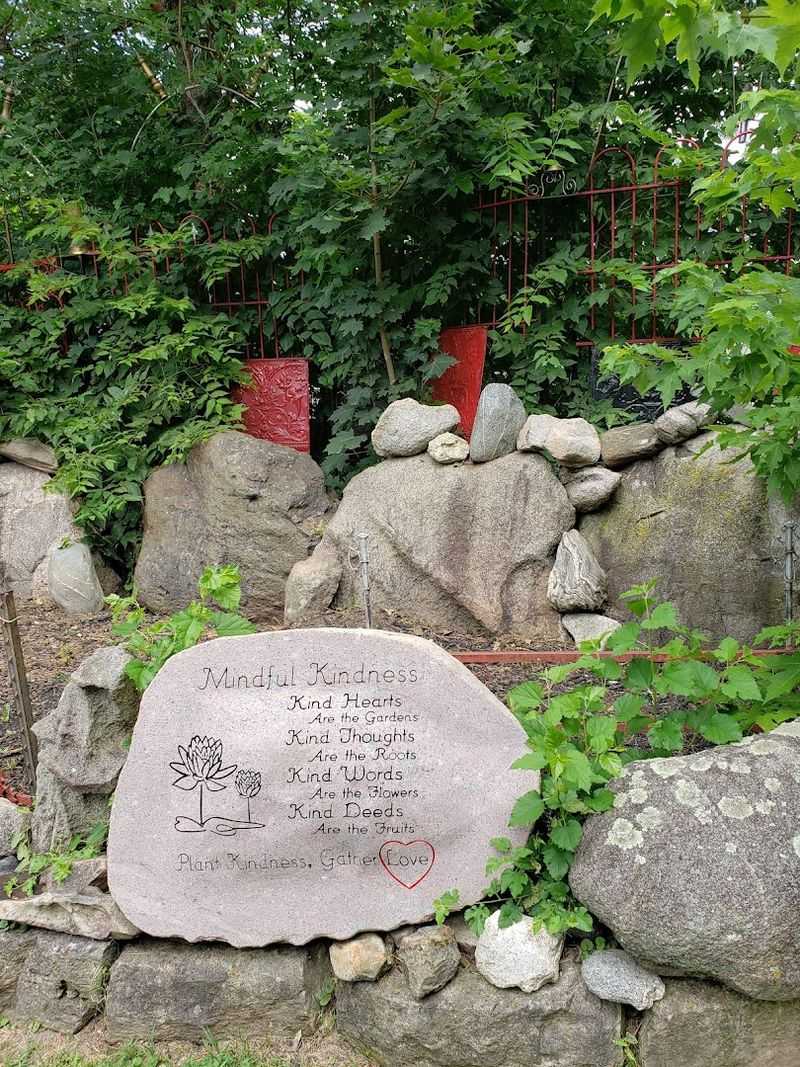
The stone work is impressive, but the artifacts scattered throughout the garden add an entirely different layer to the experience. Jim was a collector with a historian’s eye, and the objects he gathered span a wide range of eras, cultures, and stories.
You will find items with political significance placed alongside geological specimens and handmade sculptures. Some pieces come from across Ohio, while others were brought by visitors from entirely different parts of the country and world.
The mix creates a kind of living archive that feels personal and global at the same time.
According to Jim himself, every single stone was catalogued, and every artifact was placed with intention. That level of care shows.
Nothing here feels like junk or filler. Even the most ordinary-looking rock tends to have a story attached to it once you start paying attention.
Children who visit often develop a genuine curiosity about geology and history as a result of spending time here, which speaks to the quietly educational power of the whole collection.
The Atmosphere and Spiritual Feel of the Space
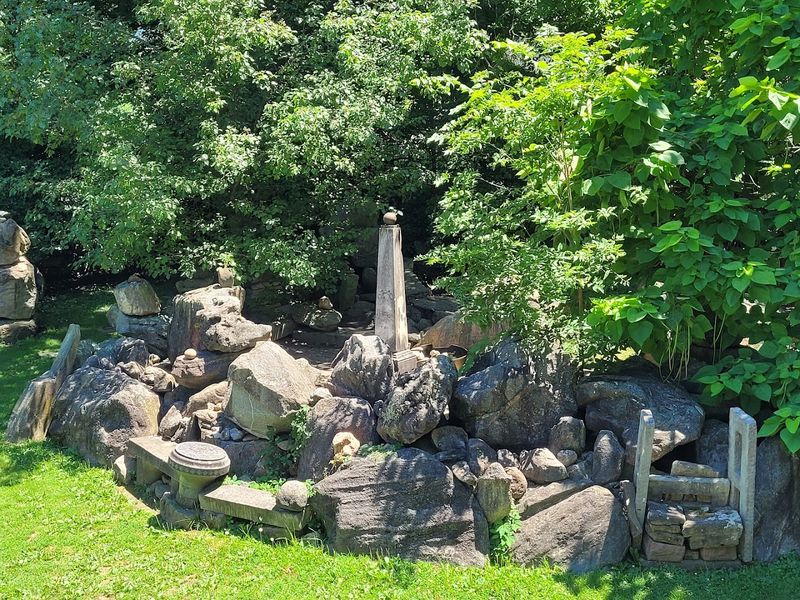
There is something in the air at this place that is genuinely hard to put into words. Multiple visitors across years of reviews have described feeling an unexpected sense of peace the moment they start exploring the garden, and that tracks with my own experience there.
The combination of natural materials, intentional design, and the evident care that went into every corner creates an atmosphere that feels set apart from the noise of everyday life. It is not loud or flashy.
The whole energy of the space is calm, grounded, and quietly welcoming.
Whether you have a spiritual practice or not, the garden tends to slow people down in a way that feels genuinely restorative. Some visitors come specifically to meditate or reflect.
Others just find themselves sitting on a stone bench longer than they planned, not quite ready to leave.
The name says it all, really. Jim built this as a sanctuary for peace and tolerance, and that intention is felt throughout every inch of the property in a way that is hard to shake once you have experienced it.
How to Enter and What to Expect on Arrival

First-time visitors are often nervous about walking onto what looks like someone’s private property. That hesitation is completely understandable, but it is also completely unnecessary here.
The property is open year-round and free to the public. You simply park on the street, walk up the driveway, and enter via the driveway to the right of the house.
The house is a private residence, so the usual respectful visitor behavior applies. Do not wander onto the porch uninvited, keep noise reasonable, and treat the space with the care it deserves.
A donation box is available on the porch, and contributions genuinely help with the ongoing upkeep of the property.
The garden feels a bit like a secret on your first visit, which makes the whole experience feel even more rewarding. That first moment when the space opens up behind the house is one you will not forget quickly.
Perfect for Families and Kids of All Ages
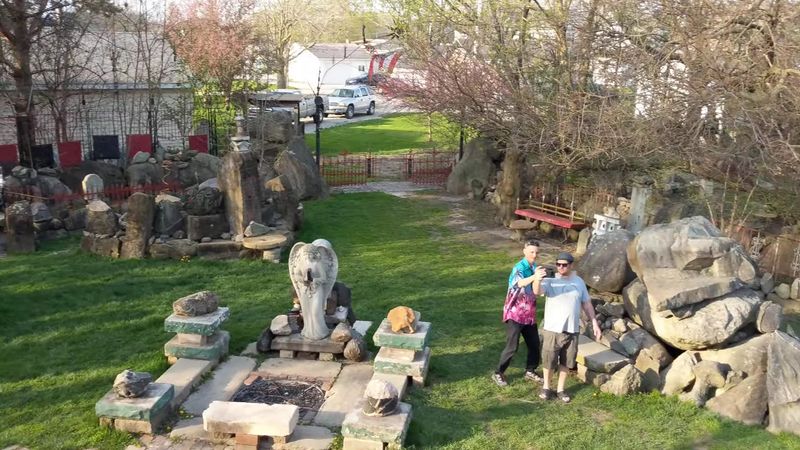
Bring the kids. Seriously.
This place is one of those rare outdoor spaces that genuinely holds a child’s attention without any screens, rides, or organized activities involved.
The garden has a natural playground quality to it. There are nooks to crawl into, stones to climb, paths to follow, and surprises around every turn.
Children as young as four have been known to spend a happy hour or more exploring, and parents report that the kids stay engaged the whole time without much prompting.
The educational value is a quiet bonus. The geological specimens, historical artifacts, and thoughtfully placed sculptures give curious kids a lot to ask questions about.
More than one family has come away with a new rock collection started at home after a visit here.
Pack a snack and plan to stay longer than you think you will need. The stone tables throughout the garden make for a great impromptu lunch spot, and there are swings and seating areas that let younger visitors take a breather between adventures without anyone having to leave early.
The Best Time to Visit and Seasonal Tips
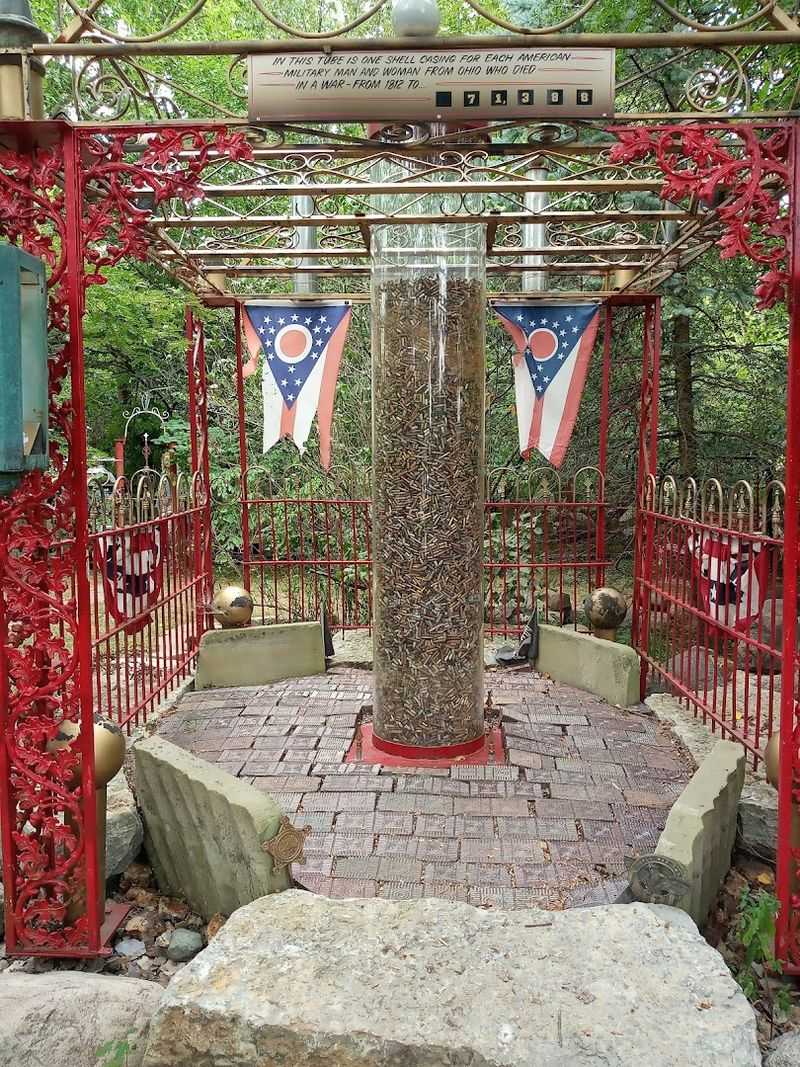
The garden is open year-round, which gives you a lot of flexibility when planning a visit. That said, the experience changes noticeably with the seasons.
Spring and summer bring full green canopy cover, which makes the whole space feel more lush and immersive. The overgrowth that some visitors mention actually adds to the atmosphere during warmer months, giving the garden a slightly wild, exploratory quality.
Bug spray is worth bringing from late spring through early fall.
Autumn turns the garden into a genuinely beautiful setting, with falling leaves adding color to the stone surfaces and the overall atmosphere feeling crisp and reflective.
Winter visits have their own appeal too, with the bare trees revealing the full structural layout of the stone formations in a way that warmer months partially conceal.
Morning visits tend to be quieter, which suits anyone who wants the meditative quality of the space without other visitors around. Weekday afternoons are another good window for a peaceful, unhurried experience throughout most of the year.
The Legacy Jim Bowsher Left Behind
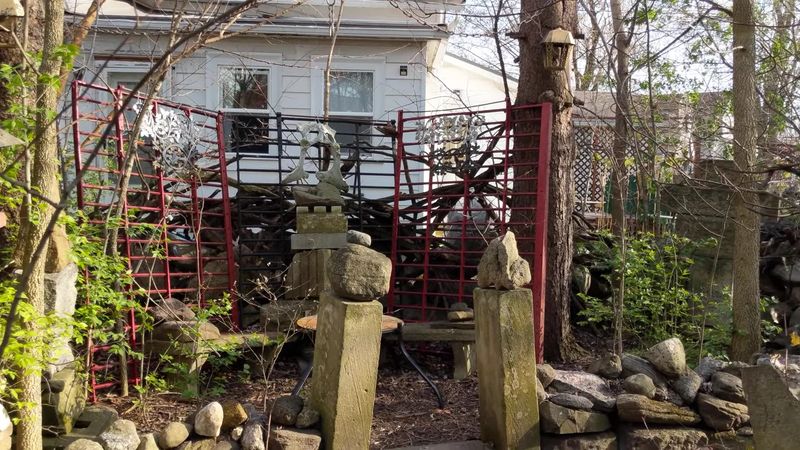
Jim Bowsher was not just a builder. He was a teacher, a historian, a community figure, and a deeply principled human being who used stone and artifact to communicate ideas that words alone could not fully carry.
He taught children about geology and history through hands-on interaction with the collection. One family from Tennessee shared how Jim helped their ten-year-old son craft a sword in 1994, inscribed with the words Temple of Tolerance.
That child grew up to pass the same love of geology and history on to his own children, which is exactly the kind of legacy Jim was building toward.
He spoke at universities, welcomed strangers into his yard, and gave his time generously to anyone who showed genuine curiosity. The garden itself is the physical record of a life lived with intention and care.
His passing left a real gap in the community, but the space he created continues to speak for him. Many visitors describe feeling his presence in the garden, as if the place itself carries his energy forward into every new visit.
Community Events and Gatherings at the Garden

The Temple of Tolerance has never been just a private art project. Over the years, it grew into a genuine community gathering space where people came together for music, reflection, and celebration.
Bluegrass music sessions took place on Thursday evenings at various points in the garden’s history, drawing local musicians and listeners who appreciated the unusual and atmospheric setting. The combination of live folk music and stone sculptures under open sky made for a pretty hard-to-replicate evening.
Weddings have also been held here, which makes a certain kind of sense. The space carries a ceremonial quality that lends itself to meaningful occasions.
There is something about the stone altar at the top of the pyramid that invites that kind of gathering.
Even on ordinary days without scheduled events, the garden draws a small but steady stream of visitors who end up chatting with each other over shared curiosity about what they are seeing.
It has a way of turning strangers into friendly conversation partners, which feels very much in the spirit of what Jim intended when he built it.
Why This Place Deserves a Spot on Your Road Trip
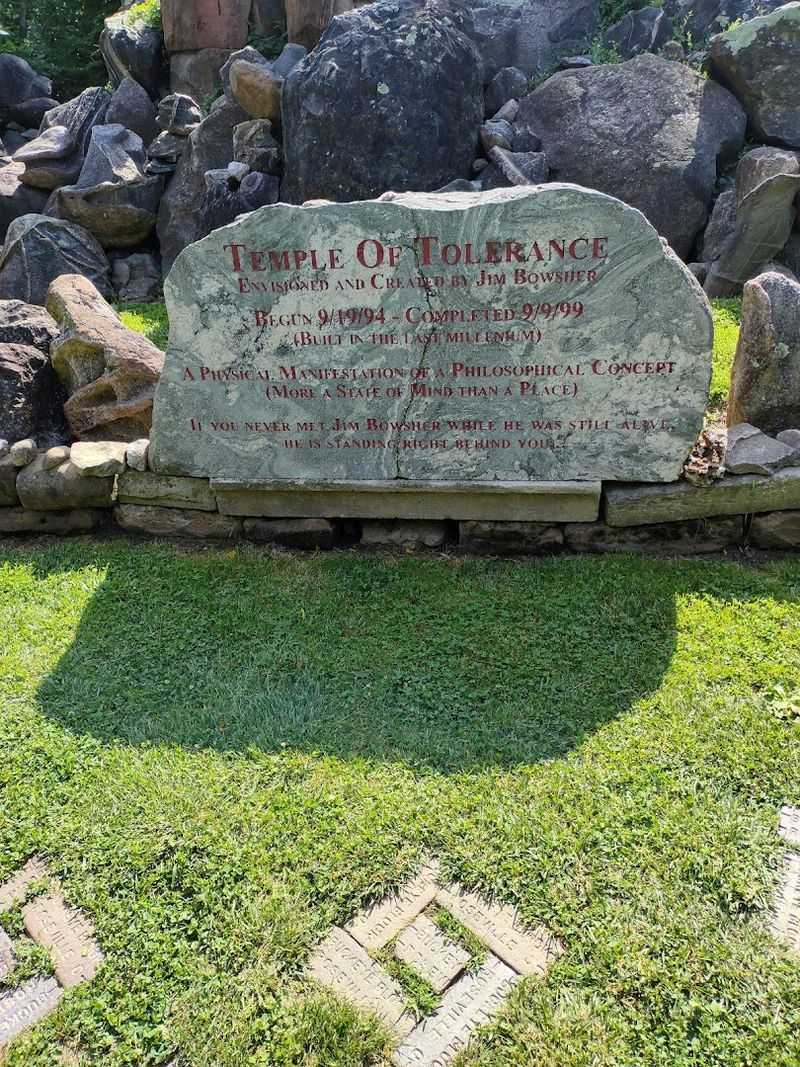
There are roadside attractions, and then there are places that genuinely shift something in you. The Temple of Tolerance falls firmly into the second category.
It is completely free to visit, open year-round, and requires nothing from you except a willingness to slow down and pay attention. For road trippers passing through northwestern Ohio, it is the kind of stop that ends up being the most memorable part of the whole trip, even if it was added to the itinerary at the last minute.
The donation box on the porch is worth using. Maintaining a two-acre outdoor space with stone structures and hundreds of artifacts is not cheap, and continued visitor support helps preserve Jim’s vision.
You can reach the property at 203 S Wood St, Wapakoneta, OH 45895, and more information is available at jimbowsher.com. Spend an hour, bring your family, take your time with the details, and let the place do what it does best, which is surprise you in the quietest and most lasting way possible.