
This Hidden U.P. Michigan Spring Turns An Old Mining Discovery Into A Scenic Stop
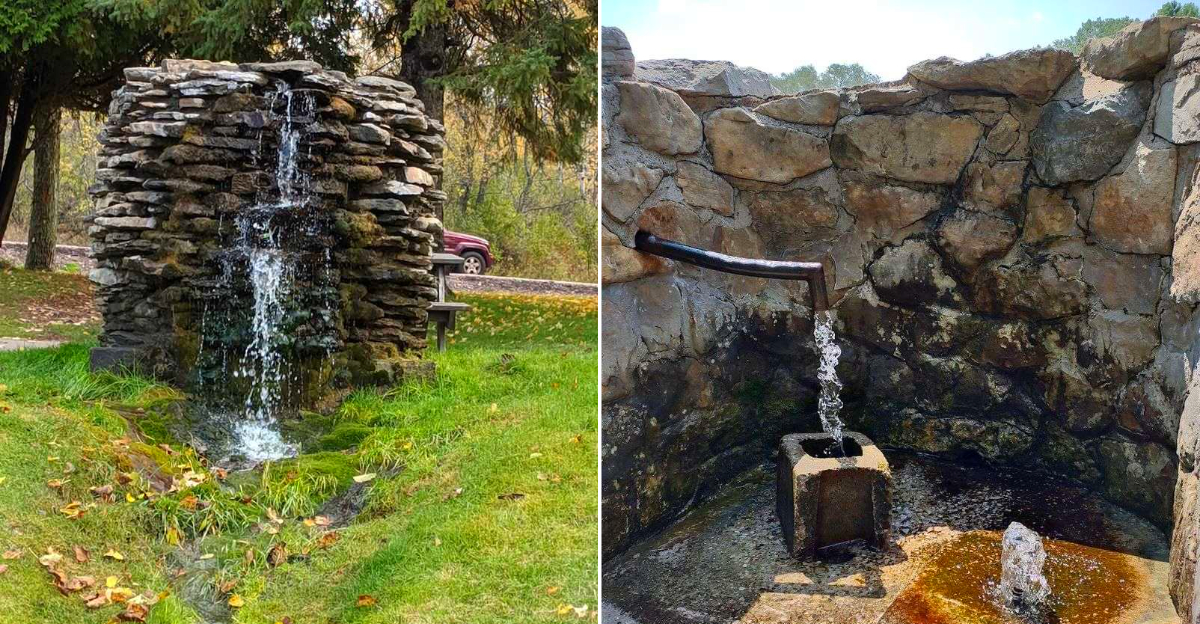
Some roadside stops barely deserve the brake pedal. This one does. Along US-2, where I would normally expect a quick stretch, a map check, and maybe a mildly suspicious gas station snack, you suddenly get a spring with a backstory strange enough to make the pause feel necessary.
Cold water rushes from a century-old mining accident, which is exactly the kind of accidental poetry Michigan does better than people realize.
This Upper Peninsula spring gives Michigan travelers a quick but memorable US-2 stop with cold flowing water, mining history, picnic space, and quiet roadside charm.
What I like most is how unshowy it feels. There is a stone spring house, shade, room to sit, and just enough history to make the place feel rooted instead of random. It is practical, odd, refreshing, and much more interesting than another forgettable pull-off when you are crossing the U.P.
Start With The Story Under The Water
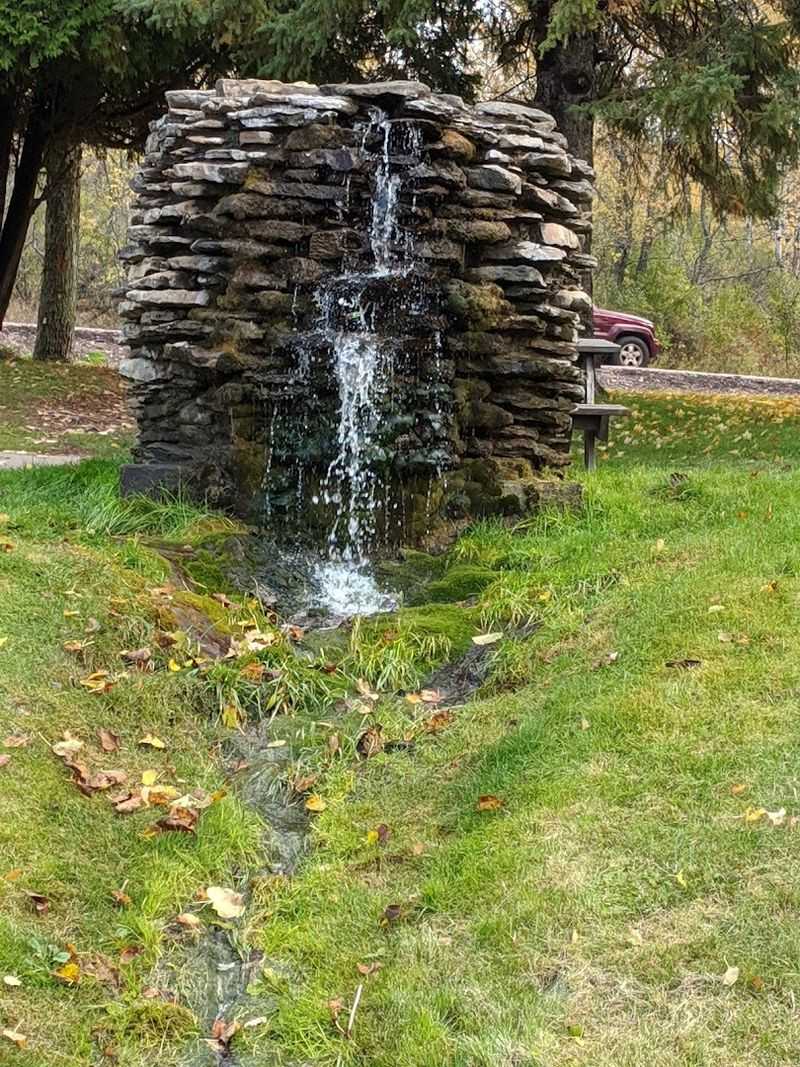
The first thing worth knowing is that Norway Spring was not planned as a scenic attraction. In 1903, the Oliver Mining Company drilled a 1,094-foot hole here while searching for iron ore, cut through porous strata, and released pressurized groundwater. That accident created the artesian flow people still stop for today.
Knowing that history changes the mood of the place. What looks like a simple roadside water stop is really a lesson in geology, industry, and unintended beauty, all happening beside a highway.
Before you fill a bottle, read the historical marker. It gives the stop some depth, and suddenly the cold water feels connected to the whole mining landscape around Norway and Vulcan.
Roadside Refreshment
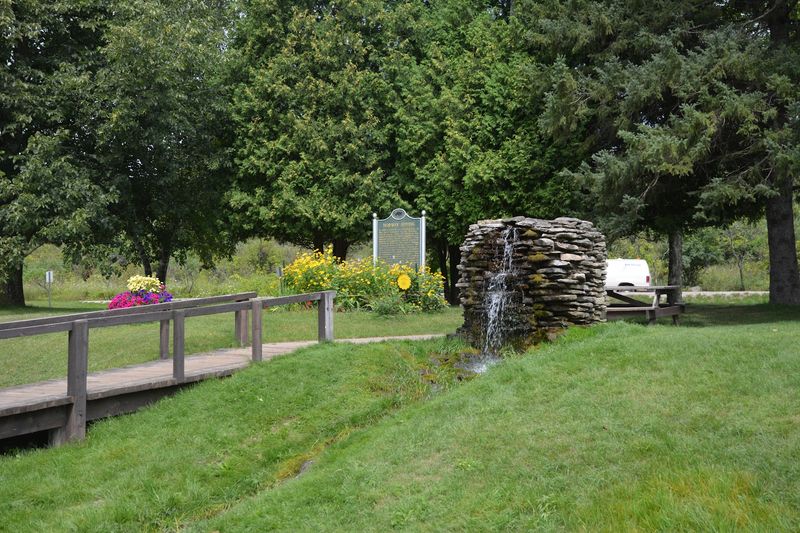
To reach Norway Spring at US-2 Roadside Park, Norway, MI 49870, travel along the US-2 corridor through the southern portion of the Upper Peninsula. The spring is located approximately one mile west of the main intersection in the city of Norway.
It is situated on the north side of the highway, marked by a distinct stone structure and a designated roadside turnout. The approach follows the primary east-west artery connecting Iron Mountain to Escanaba. As you drive toward the western edge of the city, look for the historical markers and the small park area nestled against the hillside.
This site is a frequent stop for travelers along the highway, offering a natural artesian flow that has been accessible to the public for decades.
Bring Containers, Because This Is Not A Symbolic Sip
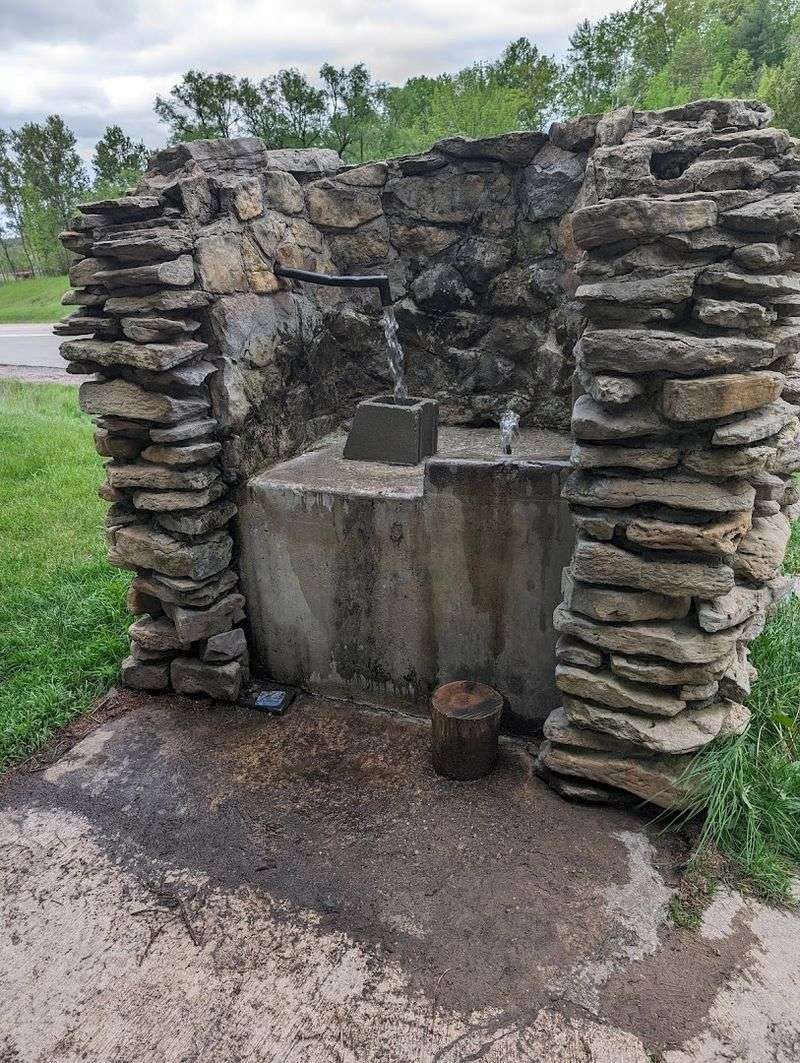
Norway Spring is the kind of place where one bottle often turns into three. The water flows steadily from the stone structure, and many visitors arrive prepared with jugs, camping containers, or a whole backseat of empties. This is a practical stop as much as a scenic one.
The spring is known locally for fresh, clean, cold water, and it even won a regional water taste-off in 2006. That fact sounds almost too neat, but after a drink, the enthusiasm makes sense.
You will have a better visit if you come ready. Pack clean containers, keep the area tidy, and expect that other people may be there doing the exact same happily efficient ritual.
Look Closely At The Stonework And The Human Touch
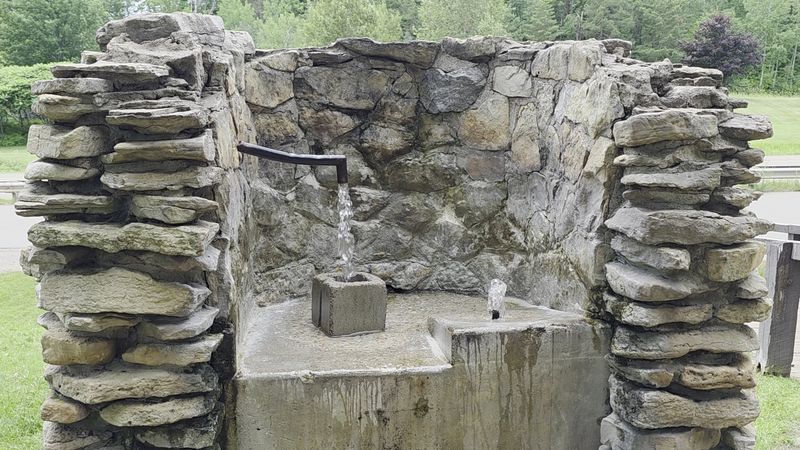
The spring itself is not just a hole in the ground with water pouring out. It has a human-shaped presence, with a stone well or fountain structure that gives the site a sense of care and permanence. That built frame makes the geology easier to approach, almost like an invitation.
There is something pleasing about how the place balances utility and character. It is neither flashy nor neglected, and that middle ground suits a site born from industry but cherished as a local landmark.
Spend a moment looking beyond the water stream. The masonry, layout, and modest design choices help explain why this stop feels memorable even though its scale is small and its purpose is refreshingly straightforward.
Read The Marker For The Older Chapter Most People Miss
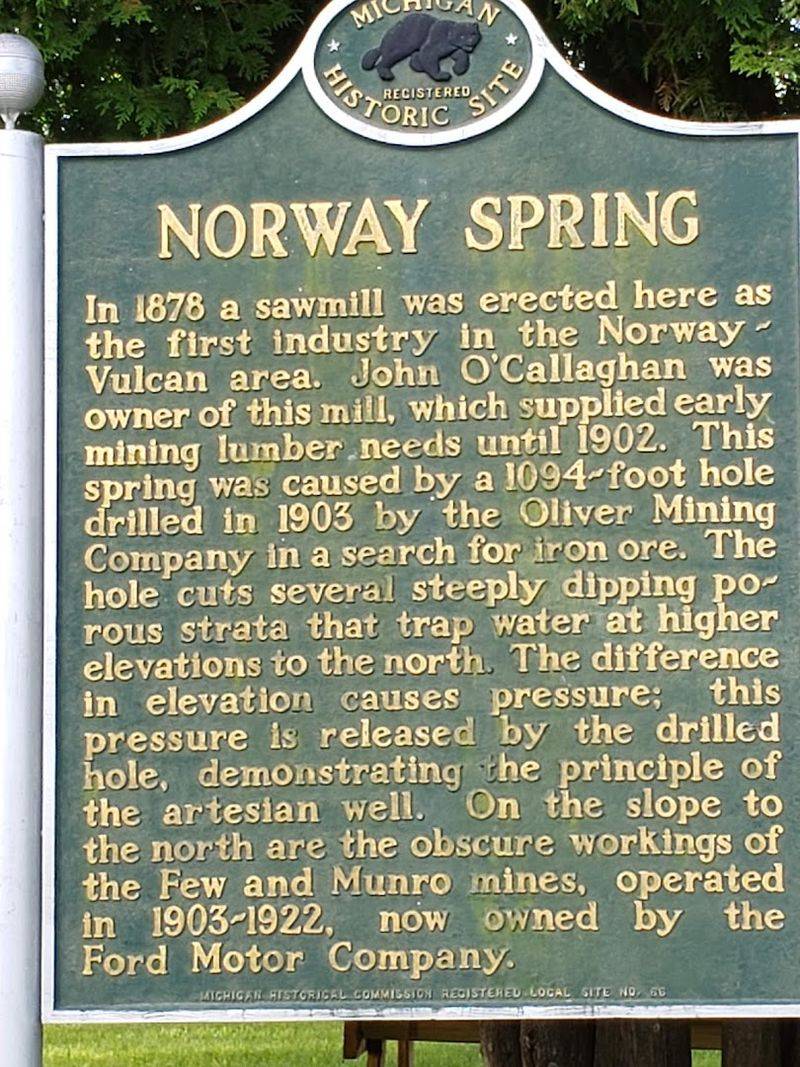
The mining story gets most of the attention, but the site’s earlier history is just as interesting. Before the spring existed, John O’Callaghan operated a sawmill here from 1878 to 1902, supplying lumber for early mining needs in the Norway-Vulcan area. That means the ground had an industrial purpose before the drill ever struck water.
This layered history gives the stop more texture than its size suggests. A small park beside the road becomes a compact summary of how lumber, mining, and settlement shaped this corner of the Upper Peninsula.
If you are traveling with someone who likes local history, this is an easy place to convert a quick pause into a meaningful stop. The marker does a lot of work in very little space.
Treat It As A Roadside Park, Not Just A Water Source
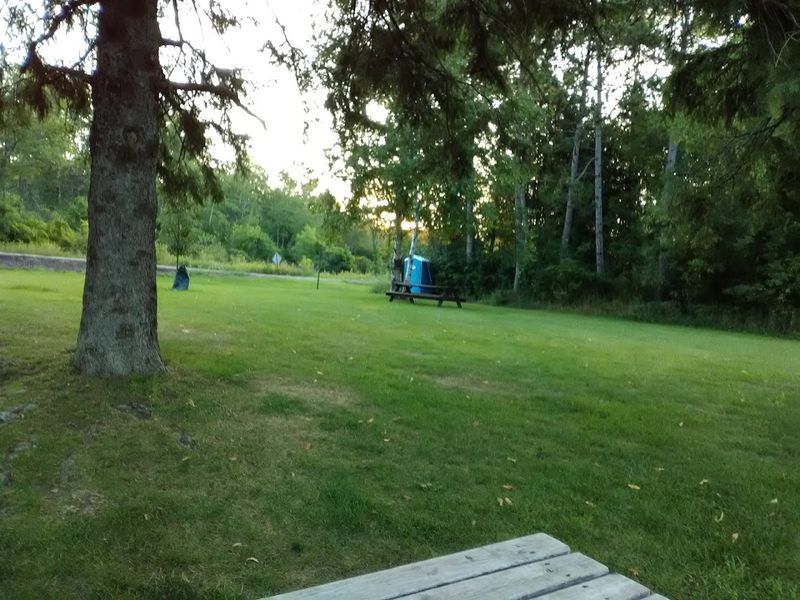
It is easy to think of Norway Spring as a quick fill-up point and miss the rest of the park. The grounds are small but pleasant, with shade and picnic space that make the stop feel usable rather than decorative. That distinction matters on a long drive.
I liked how the place invites ordinary behavior instead of dramatic sightseeing. People pause, refill, sit down, read the marker, and then continue on their way, which feels very Upper Peninsula in its practical, unfussy rhythm.
Bring a snack or lunch if your timing works out. Even a short sit at the tables helps the site reveal itself as more than a novelty, especially on a warm spring or summer day.
Use The Location To Your Advantage
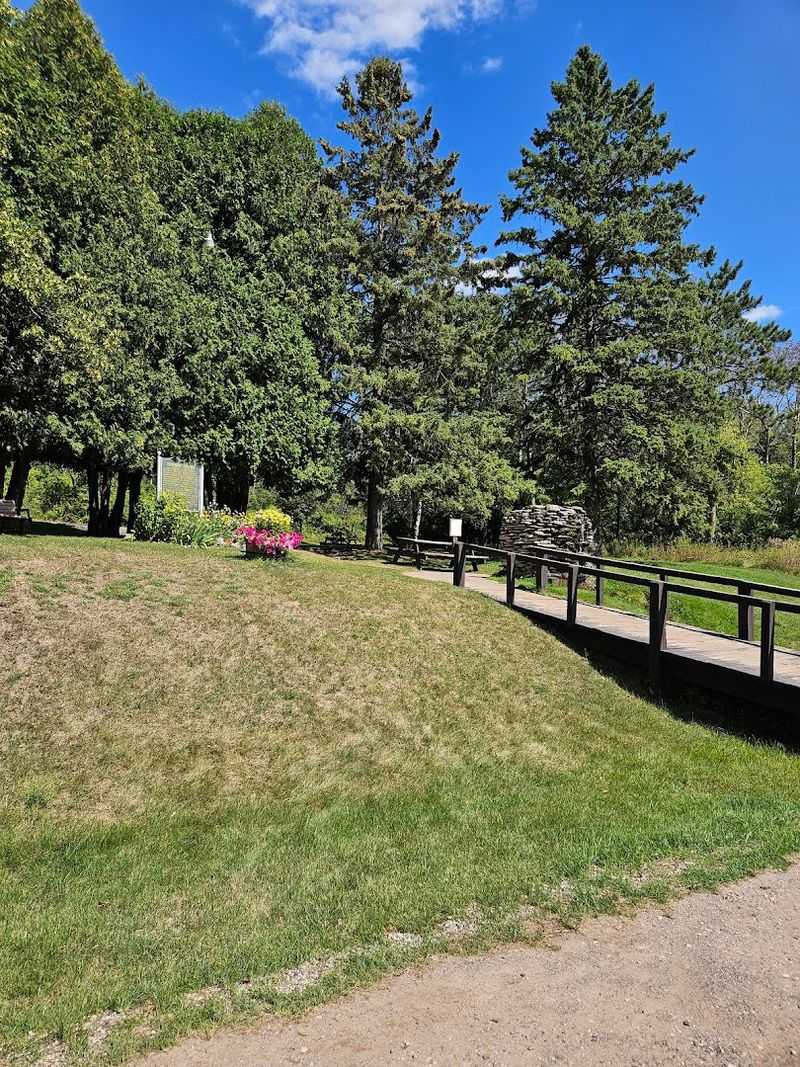
One reason Norway Spring works so well is simple geography. It sits at the intersection of U.S. 2 and Scenic Drive, about a mile outside town, on the north side of US-2 when traveling west. You do not need to commit to a detour that becomes its own expedition.
That easy access makes it ideal for road trips across the southern Upper Peninsula. The stop is public, free, and straightforward, which removes the usual friction that can make small attractions feel harder than they are worth.
Keep it in mind as a planned pause rather than a lucky accident. If you are already passing through the area, Norway Spring is one of those rare stops that asks very little and gives back more than expected.
Go In Spring Or Summer, But Know The Flow Is The Real Constant
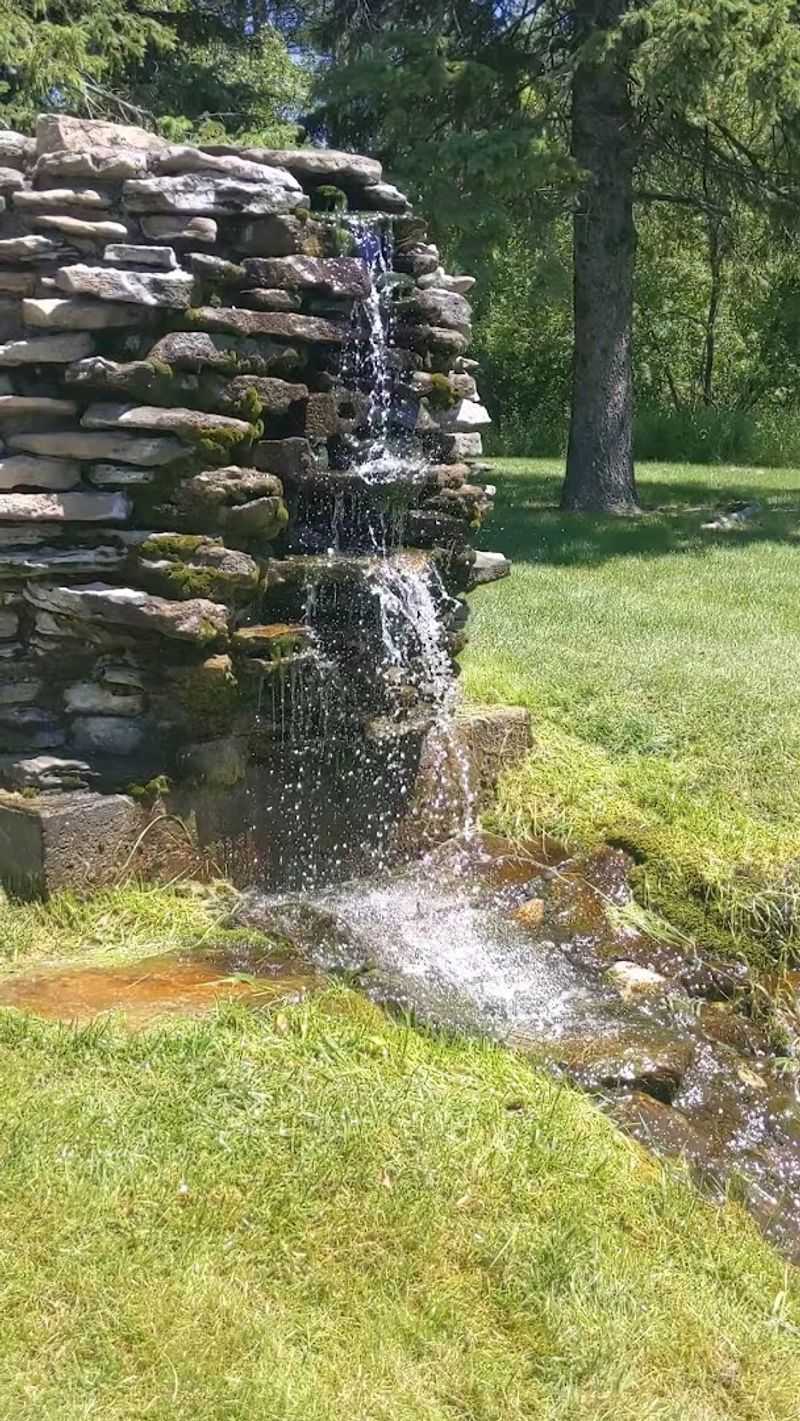
Spring is an especially fitting time to visit a place called Norway Spring, because the whole stop seems to wake up with the season. Trees leaf out, the park looks freshly tended, and the cold water feels almost comic in contrast to the warming air.
It has that Upper Peninsula trick of being crisp and inviting at once. Some sources note public use from April through September, while others say the spring flows year-round. The important fact is that the artesian well itself is continuous, which explains the site’s reputation for reliability.
For the easiest, most comfortable visit, aim for the milder months. You will get the nicest balance of shade, access, and time to linger without hurrying back to the car.
Pay Attention To The Local Rhythm
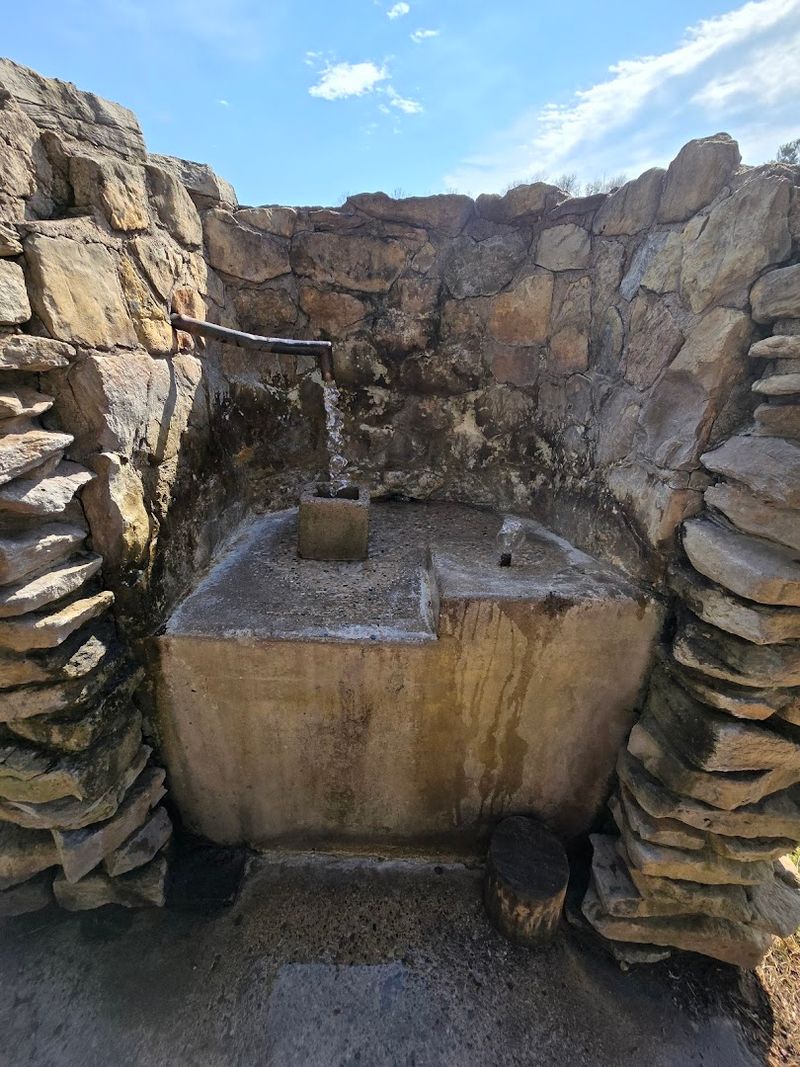
What makes Norway Spring feel alive is not just the water but the pattern of use around it. People come to fill bottles and jugs, sometimes quickly, sometimes with the unhurried air of a regular errand, and that repeated habit gives the stop a sense of community.
The spring is useful, not merely picturesque. That practical culture shapes the atmosphere. You are stepping into a shared routine, one based on access, trust, and the pleasure of good cold water available without fuss or fee.
Be considerate when you visit. If others are filling containers, give everyone room, move efficiently, and treat the place like the valued local resource it clearly is rather than a set piece for a passing photo.
Do Not Skip The Geology Hiding In Plain Sight
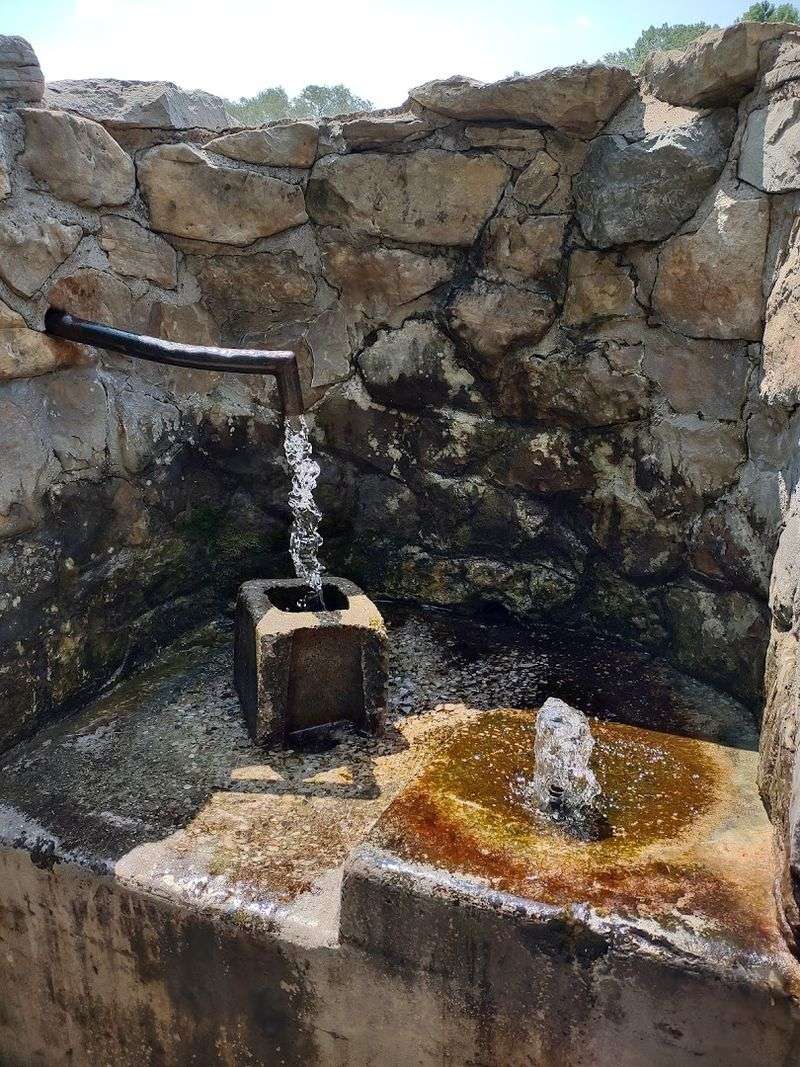
For such a small stop, Norway Spring offers an unusually clear example of how geology shapes everyday experience. The drilled hole cut through steeply dipping porous rock layers that trapped groundwater at higher elevations to the north, and the pressure difference pushed water upward through the opening.
In other words, the place doubles as a working demonstration of an artesian well. You do not need a science background to appreciate that. The explanation is readable, the result is visible, and the whole thing turns abstract hydrogeology into something refreshingly physical and immediate.
I find that part especially satisfying on a road trip. Instead of a sign describing something distant or vanished, the site lets you watch the principle still operating in real time.
Let The Stop Stay Small
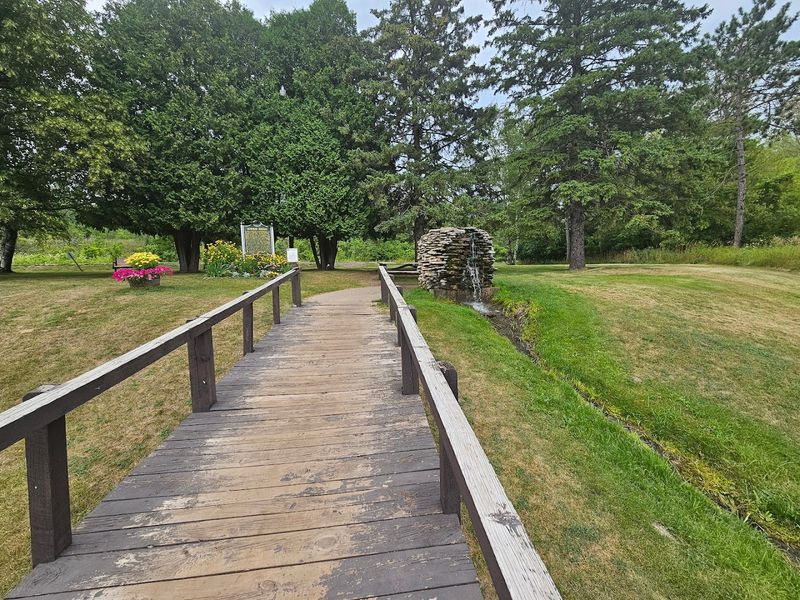
Norway Spring is best approached with the right scale in mind. It is a roadside park, a historical place, and a dependable spring, not a grand attraction with hours of programming or a long checklist of things to do. Its strength is concentration, not spectacle.
That is exactly why it works. In a few minutes, you can encounter local history, industrial accident, geologic oddity, public utility, and a genuinely pleasant place to stand with cold water in your hand.
Give it the dignity of attention instead of expecting entertainment. If you let the stop remain what it is, small, useful, and quietly distinctive, it becomes one of those Upper Peninsula places that stays in memory longer than larger, louder destinations.