
This Hidden U.S. Landmark Lets You Stand In Arizona, Nevada, And Utah At Once
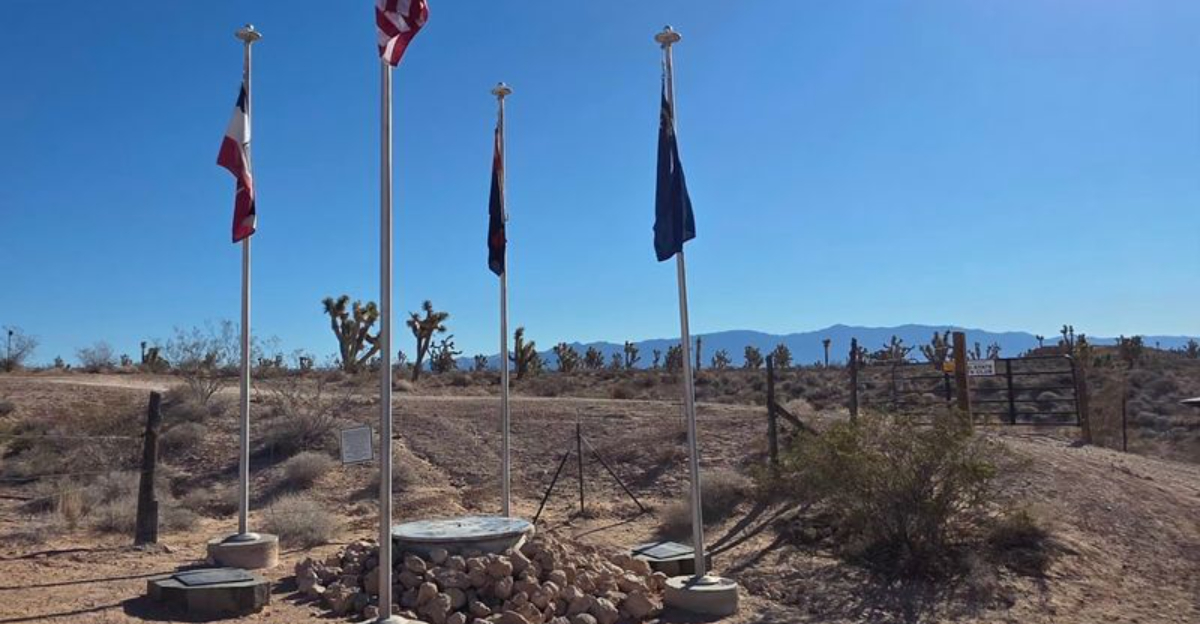
It sounds like one of those fake “did you know” facts, until you realize it’s a real place in the middle of absolute nowhere. No crowds, no big signs, no dramatic entrance.
Just desert, silence, and a single point where three states quietly agree to meet. Here, you can literally stand with one foot in Utah, one in Nevada, and one in Arizona.
No tricks, just pure geography doing its thing. It’s not flashy like the more famous state markers.
In fact, it’s the opposite. Remote, minimal, and weirdly satisfying because of it.
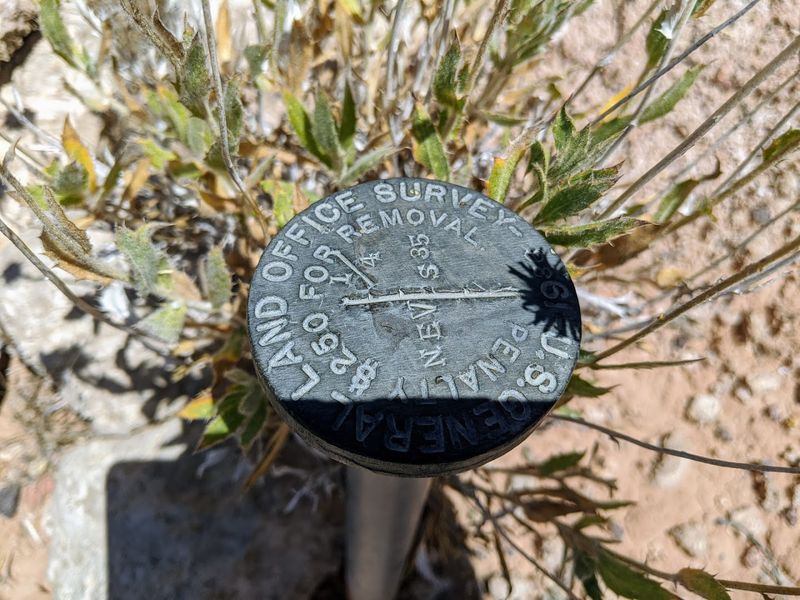
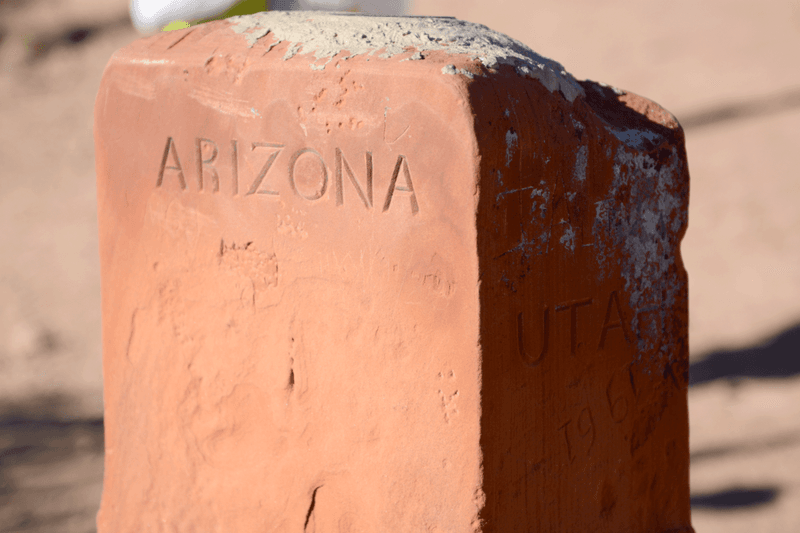
Marked by a simple monument, this spot has been defining borders since the 19th century, when surveyors mapped it out with nothing but basic tools and serious precision. And somehow, that simplicity is exactly the point.
Just you, three states, and the oddly cool realization that you’re standing exactly where they all collide.
What Exactly Is The Three Corners Monument?
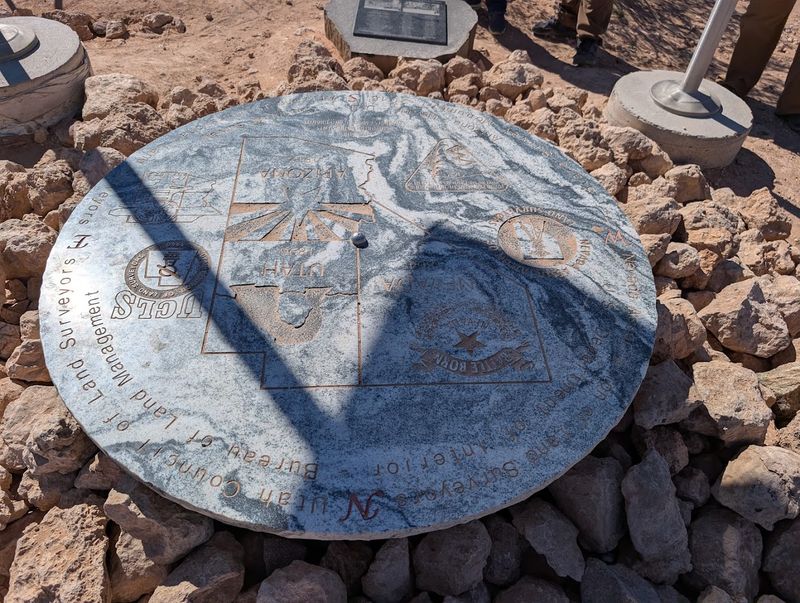
Not every landmark needs a gift shop and a two-hour wait to be worth your time. The Three Corners Monument is proof of that.
It marks the precise geographic point where the borders of Arizona, Nevada, and Utah converge into one single spot.
You can literally stand with one foot in two states and stretch your arms toward a third.
This is not an official federally managed monument with a visitor center or guided tours. It is more of a geographic curiosity, the kind of thing cartographers and road trip enthusiasts absolutely geek out over.
The spot sits in a remote desert region near the Beaver Dam Wash area, surrounded by rugged terrain and wide open skies.
The appeal here is simple but powerful. There are very few places in the world where multiple jurisdictions converge at a single point.
The United States has the famous Four Corners for four states, but tri-state points are far less celebrated and far more mysterious. That mystery is exactly what makes this place magnetic.
People who stumble onto this spot often describe a weird, giddy feeling. It is hard to explain why standing on an invisible line feels exciting, but it absolutely does.
Geography suddenly becomes something physical and real rather than something you memorized in school. This monument turns a map into an experience you can actually feel beneath your feet.
How To Find This Off-The-Beaten-Path Gem
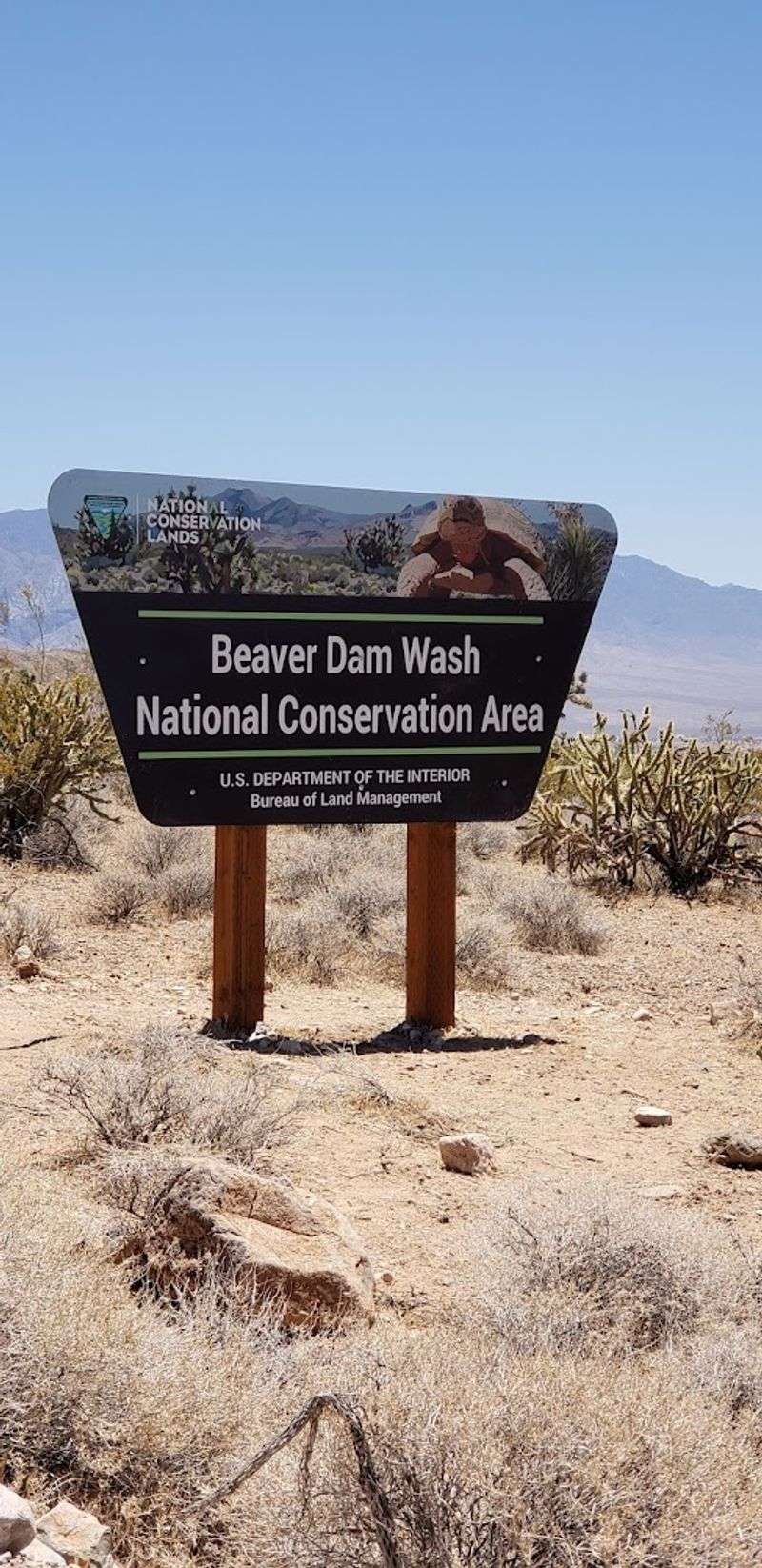
Getting to the Three Corners Monument is part of the adventure, and fair warning, it is not a Sunday cruise. The landmark sits near the Beaver Dam Wash National Conservation Area, close to Mesquite, Nevada, which is located along Interstate 15 near the Nevada-Arizona border.
Mesquite serves as a great base camp before you head out into the backcountry.
From Mesquite, you will need a vehicle with decent clearance because the roads leading toward the tri-state point are unpaved and can get rough depending on the season.
A standard sedan might struggle, so an SUV or truck is a smarter call. The terrain is classic Mojave-meets-Great-Basin desert, which means dry, dramatic, and absolutely beautiful.
Navigation apps do not always pinpoint this location perfectly, so downloading offline maps or using coordinates is a good move.
The general area is within the Beaver Dam Wash watershed, a landscape shaped by ancient floods and millions of years of erosion. It feels like driving into a painting.
Timing matters too. Early morning visits are ideal because temperatures in this desert region can climb fast once the sun is fully up.
Bringing plenty of water is not a suggestion, it is a requirement. The remoteness of this spot is exactly what keeps it crowd-free, but that remoteness also means you need to come prepared and stay sharp.
The Geography Behind The Magic
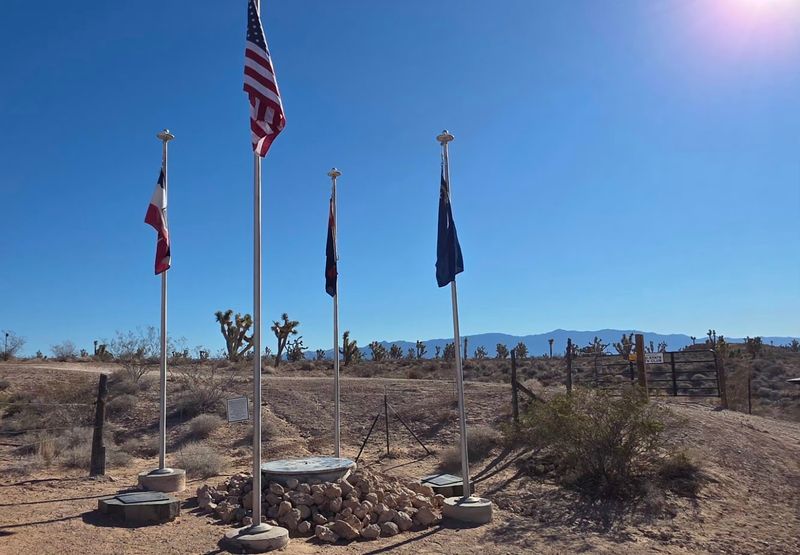
State borders are not random lines. They follow rivers, mountain ridges, survey measurements, and sometimes just political agreements made centuries ago.
The Arizona-Nevada-Utah tri-state point is the result of surveys conducted during the 19th century as the United States carved the West into territories and eventually states.
Nevada became a state in 1864, Arizona in 1912, and Utah in 1896. Each of these states was shaped by a combination of geographic features and surveying work that happened long before GPS existed.
Surveyors used stars, compasses, and sheer determination to draw lines across hundreds of miles of wilderness.
The Beaver Dam Wash area itself is geologically fascinating. It sits at the edge of the Mojave Desert and the Great Basin, creating a unique ecological transition zone.
The wash has been carved by seasonal floods over thousands of years, creating a riparian corridor that supports wildlife and plant life unusual for such an arid region.
Standing at the tri-state point, you are also standing at the crossroads of three completely different ecosystems, legal systems, and histories.
Arizona leans Sonoran Desert. Nevada carries that Great Basin energy.
Utah brings canyon country vibes. The fact that all three touch at one single point is genuinely remarkable when you think about the scale of the landscape around you.
Geography has never felt this personal or this cool.
Why This Spot Beats A Crowded Tourist Trap
There is a certain magic in finding a place that has not been filtered, curated, and turned into a theme park.
The Three Corners Monument has none of the long lines, overpriced parking, or elbow-to-elbow crowds that tend to come with famous landmarks. What it does have is total, glorious quiet.
The Four Corners Monument, by comparison, draws hundreds of thousands of visitors every year. It has vendors, an admission fee, and the kind of foot traffic that makes it hard to get a photo without a stranger photobombing your shot.
The Three Corners spot is the opposite experience entirely.
Out here, you might share the space with a few curious hikers or a hawk circling overhead, but that is about it. The silence is the kind that makes you realize how rarely you actually experience it.
There is no ambient noise, no background chatter, just wind and your own thoughts bouncing around a vast desert canyon.
That solitude creates a different kind of connection to the place. You are not performing an experience for social media, you are actually having one.
The lack of infrastructure forces you to be present, to look around, to notice the texture of the rocks and the color of the sky. Some of the best travel moments happen in exactly these kinds of forgotten, uncelebrated corners of the world.
This is one of them.
Wildlife And Nature Around Beaver Dam Wash
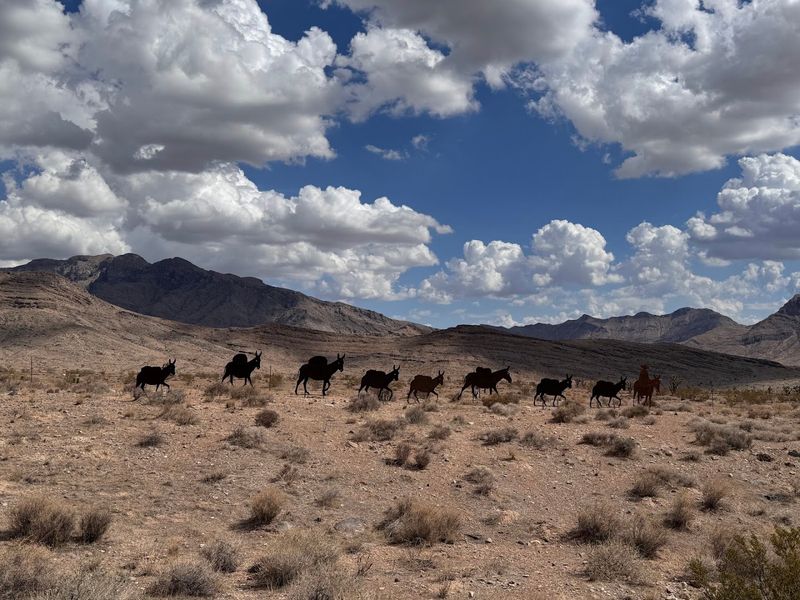
Beaver Dam Wash is not just a backdrop for a geography selfie. It is one of the most ecologically interesting spots in the entire region.
The wash supports a surprising variety of wildlife, including species that are rare or even endangered, making it a quiet treasure for nature enthusiasts.
The Beaver Dam slider, a subspecies of turtle found only in this watershed, is one of the most notable residents. This little reptile has adapted to the seasonal floods and dry spells that define life along the wash.
Spotting one in the wild feels like winning a very specific, very nerdy lottery.
Birds thrive here too. The riparian corridor created by the wash attracts species that would not normally survive in the surrounding desert.
Songbirds, raptors, and migratory species all use this green ribbon of habitat as a rest stop during their seasonal journeys. Bringing binoculars is always a good call.
Desert plants along the wash include cottonwoods, willows, and a surprising array of wildflowers that bloom after winter rains. The contrast between the lush wash and the dry surrounding desert is striking and beautiful.
Beaver Dam Wash earned its protected status as a National Conservation Area for good reason. It is a living, breathing ecosystem hiding inside one of the most arid landscapes in North America, and it rewards anyone patient enough to slow down and look closely.
The Best Time Of Year To Make The Trip
Timing a visit to the Three Corners Monument is not complicated, but it does matter. The desert around Beaver Dam Wash can be brutally hot in summer, with temperatures regularly climbing above 100 degrees Fahrenheit between June and September.
Visiting during those months means you need to be out and back before noon or risk a very uncomfortable afternoon.
Spring is widely considered the sweet spot. March through May brings mild temperatures, occasional wildflower blooms, and longer daylight hours that give you plenty of time to explore without rushing.
The light during spring mornings is also extraordinary, that golden-hour glow that makes every rock face look like it was lit by a cinematographer.
Fall is another strong option. October and November cool things down significantly, and the crowds, minimal as they already are, thin out even further.
The desert takes on a different character in autumn, quieter and more contemplative, with shorter days that create a sense of urgency and focus.
Winter visits are possible but require more preparation. Temperatures can drop sharply at night, and dirt roads in the area can become muddy or impassable after rain or snow.
Always check local weather and road conditions before heading out in winter months.
Whenever you go, the experience of standing at that tri-state point feels timeless, like the desert has been waiting patiently for you to show up and notice it.
Tips For Making The Most Of Your Visit
Showing up prepared makes the difference between a great adventure and a frustrating one. Start with water.
Bring more than you think you need, because the desert will humble you fast if you underestimate it. A general rule for desert hiking is at least one liter per hour of activity, and more if temperatures are high.
Sunscreen and a hat are not optional accessories out here.
The UV exposure in the high desert is intense, and the reflective quality of light-colored rock surfaces amplifies it. A wide-brimmed hat, UV-blocking sunglasses, and a good SPF will keep you comfortable and protected throughout your visit.
Download offline maps before you leave cell service behind. Apps like Gaia GPS or AllTrails have solid coverage of the Beaver Dam Wash area and can help you navigate the unpaved roads without stress.
A fully charged phone and a portable battery pack are also smart additions to your kit.
Tell someone where you are going before you head out. Remote areas like this require a basic safety protocol, and letting a friend or family member know your plans adds a layer of security that costs nothing.
Bring snacks, wear layers, and give yourself more time than you think you need.
The best moments at places like this happen when you are not rushing. Standing at three state borders at once is worth savoring, so why would you speed through it?