
This Hidden Underground River In Illinois Flows Through A Massive Cave You Can Explore
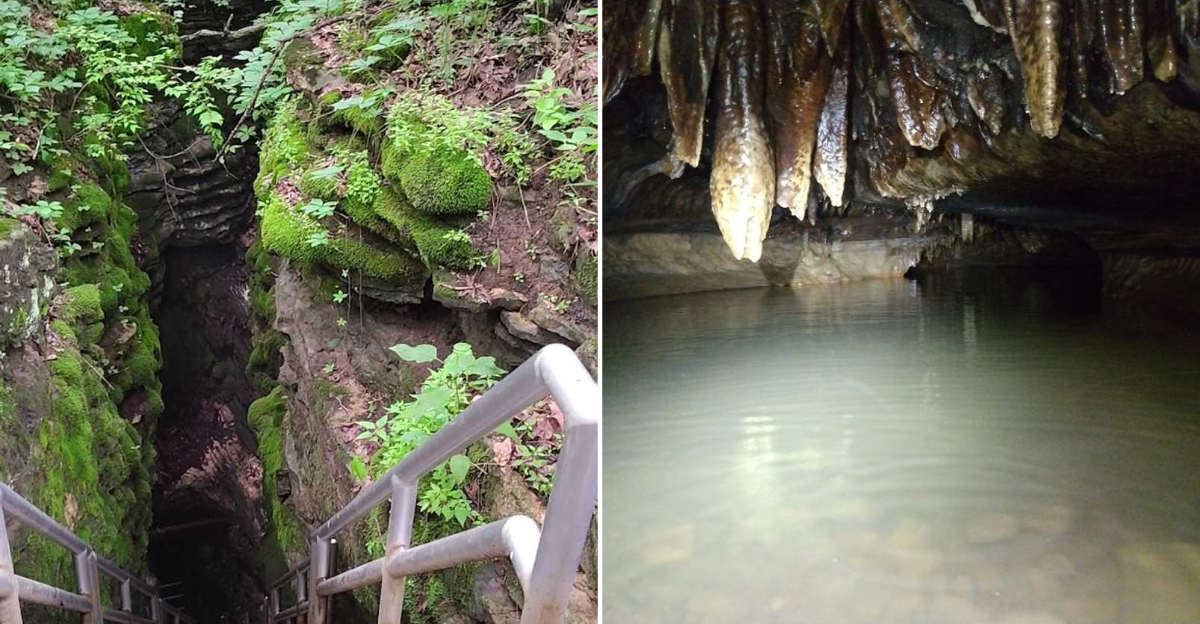
Somewhere beneath the rolling farmland of southwestern Illinois, an underground stream flows in complete darkness through a cavern most people have never heard of.
I stumbled across this underground world almost by accident, and what I found completely rewired my idea of what an adventure in the Midwest could look like.
The cave stretches deep into the earth, filled with ancient rock formations, crystal-clear streams, and creatures that have never seen sunlight.
Illinois hides this world well, but a full-scale underground adventure exists beneath ordinary farmland, waiting for anyone willing to wade into the dark and follow the sound of moving water.
An Underground Stream Beneath Illinois Farmland
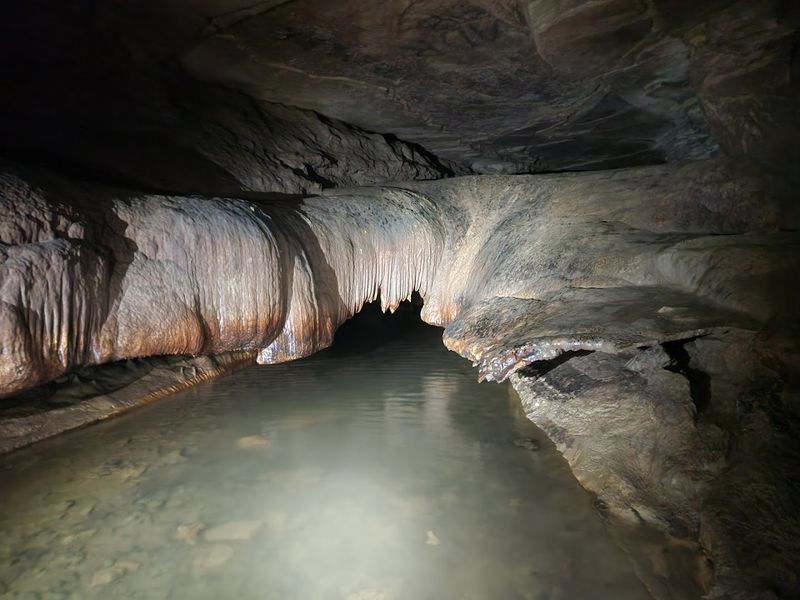
Most people driving through Monroe County, Illinois have no idea that an underground stream flows silently beneath their feet.
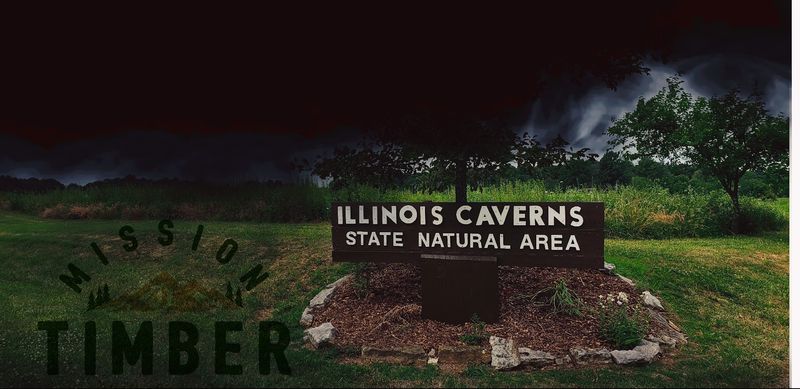
The underground stream inside Illinois Caverns State Natural Area at 4369 G Rd, Waterloo, IL 62298 is one of the most remarkable natural features in the entire state, and it is completely real.
The river carved its way through soft limestone over thousands of years, creating the cave system visitors explore today. Walking through it means wading through knee-deep water for much of the journey, so waterproof boots are not just a good idea, they are practically essential gear.
The cave itself stays close to 58 degrees Fahrenheit year-round, which feels refreshing in summer but noticeably cold once you spend hours wading through underground water. Neoprene socks can make a surprisingly big difference in comfort.
The river is the heartbeat of the cave, and following its path feels like reading a story written by geology itself.
How The Cave Was Formed?
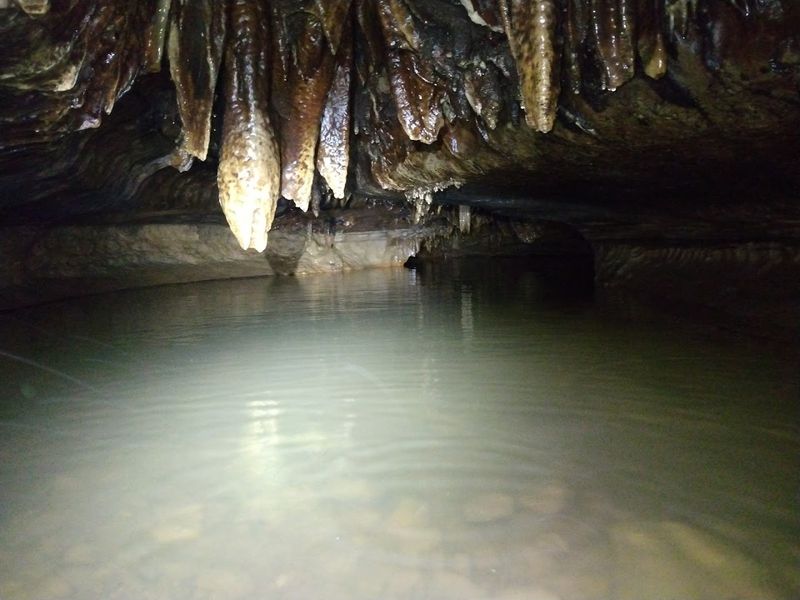
Limestone is surprisingly vulnerable to water. Over millennia, slightly acidic rainwater filtered through the soil above Monroe County and slowly dissolved the bedrock below, creating the sprawling cave network that now makes up Illinois Caverns State Natural Area.
The result is a cave filled with impressive formations, including stalactites hanging from the ceiling and stalagmites rising from the floor. Some of these formations took hundreds of thousands of years to grow just a few inches, which makes every careful footstep feel like a responsibility.
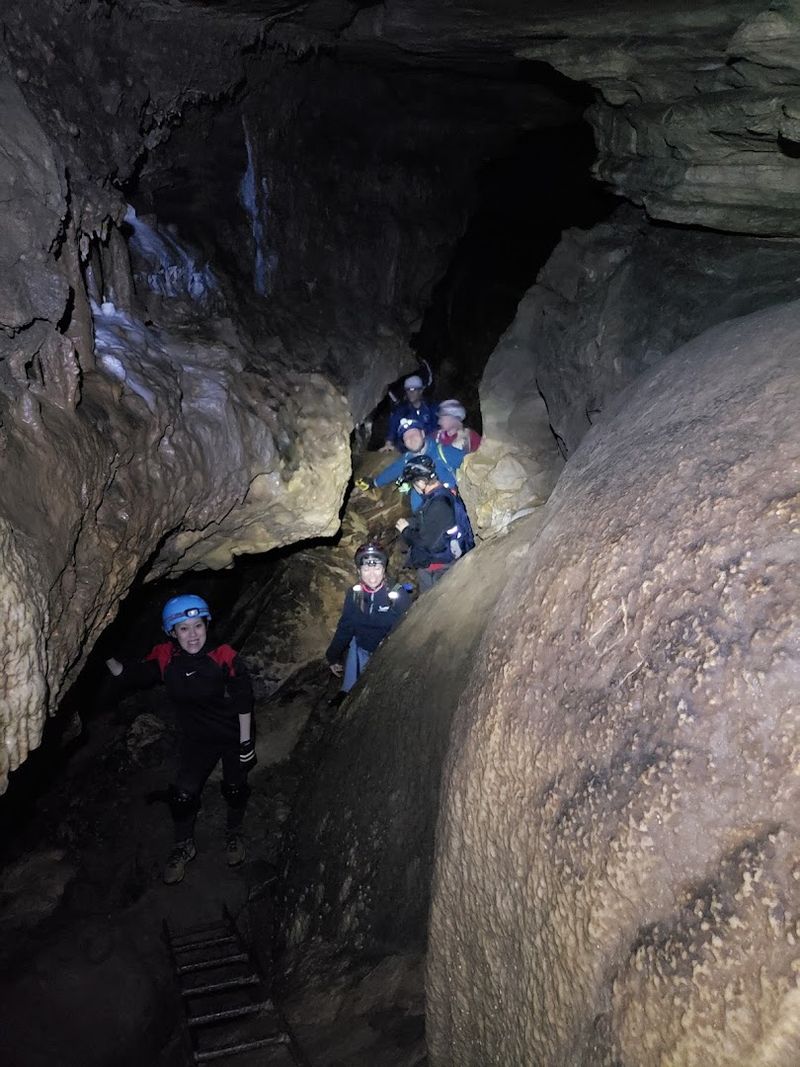
The cave formed within layers of limestone bedrock that slowly dissolved as groundwater moved through the rock over thousands of years. Visitors often notice calcite crystals glittering in the beam of their headlamps as they move through the passages.
Seeing these formations up close, without glass barriers or guided lighting rigs, creates a raw and immediate connection to deep geological time that no museum exhibit can truly replicate.
Entering Through A Sinkhole Staircase
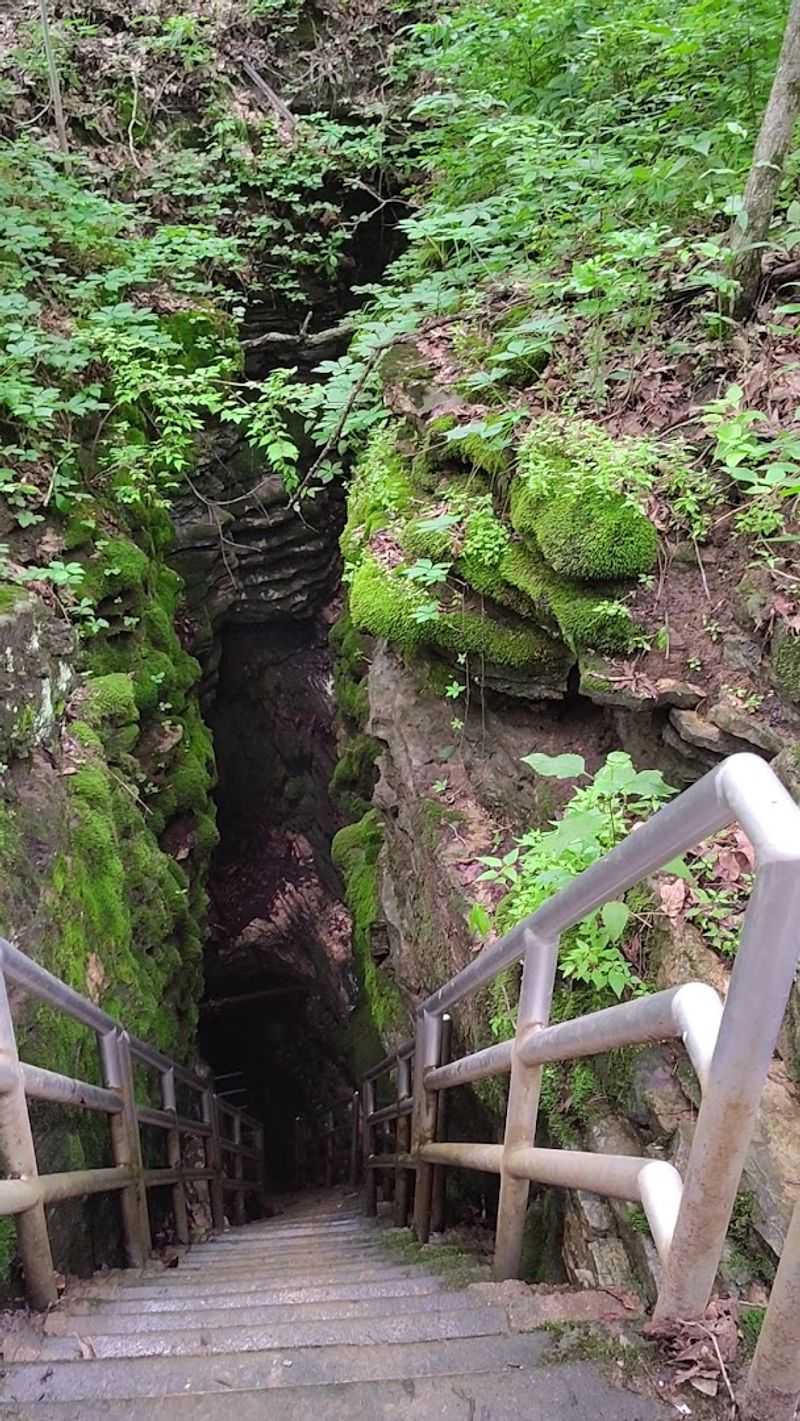
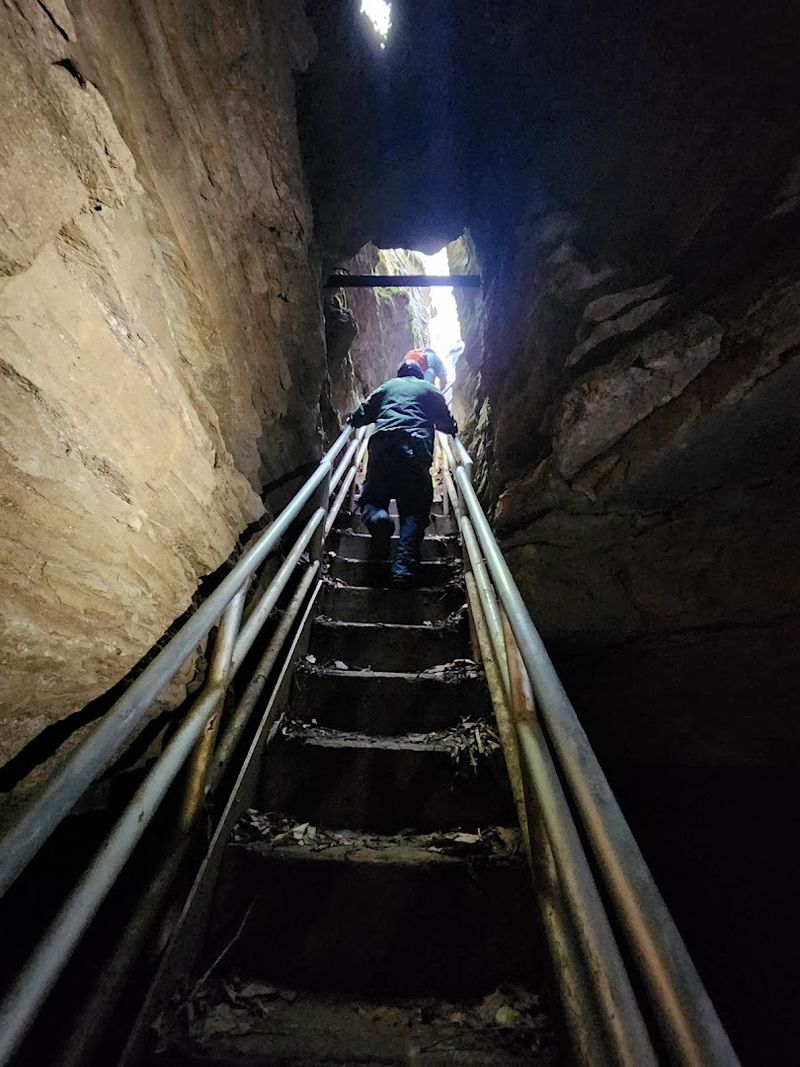
The entrance to Illinois Caverns is not a gentle slope or a paved walkway. Getting inside requires descending a steep staircase built into a natural sinkhole, and the drop feels both dramatic and a little thrilling before you even reach the cave floor.
Sinkholes form when the ground above a cave system collapses inward, creating a funnel-shaped depression. This one serves as the natural doorway to the cavern below, and standing at the top of those stairs looking down into the darkness genuinely sets the mood for the adventure ahead.
The staircase is manageable for most physically fit visitors, but the steps can be slippery, especially after rain. Holding the handrail on the way down is strongly recommended.
Once you reach the bottom and step through the cave entrance, the temperature drops noticeably, the sounds of the outside world fade away, and the real exploration begins in earnest.
A Rare Self-Guided Cave Adventure
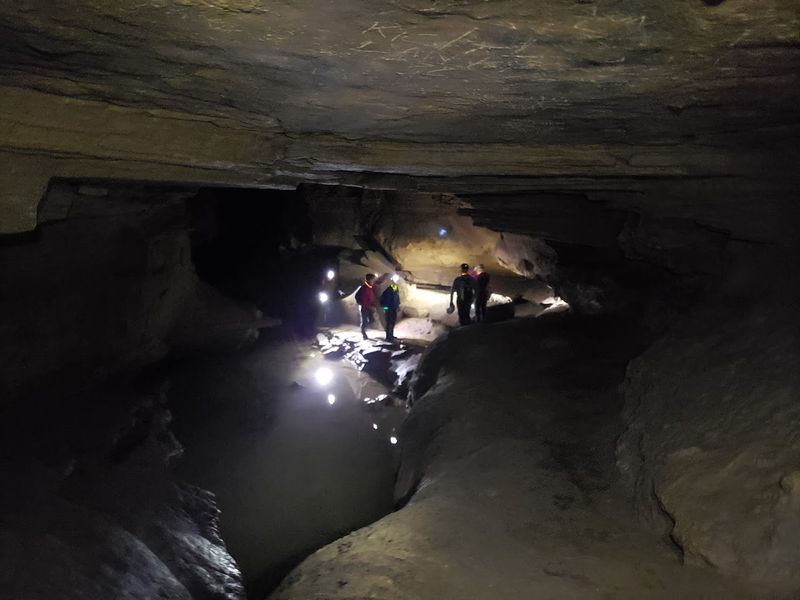
Many caves in the United States only allow access through guided tours with fixed schedules and strict group sizes. Illinois Caverns operates very differently, offering a self-guided experience that puts the adventure squarely in your own hands.
After checking in at the small station near the entrance, signing a waiver, and confirming your gear, your group is free to explore at its own pace. That freedom transforms the visit from a passive tour into a genuine expedition.
You decide how far to go, which side passages to investigate, and how long to linger in any given chamber.
Illinois Caverns contains several miles of mapped passages, and the amount visitors explore varies widely depending on their experience, preparation, and how long they choose to stay underground. The self-guided format rewards curiosity and preparation in equal measure.
For anyone who has ever wanted to feel like an actual explorer rather than a tourist following a rope line, this cave delivers that experience authentically.
Three Light Sources Per Person
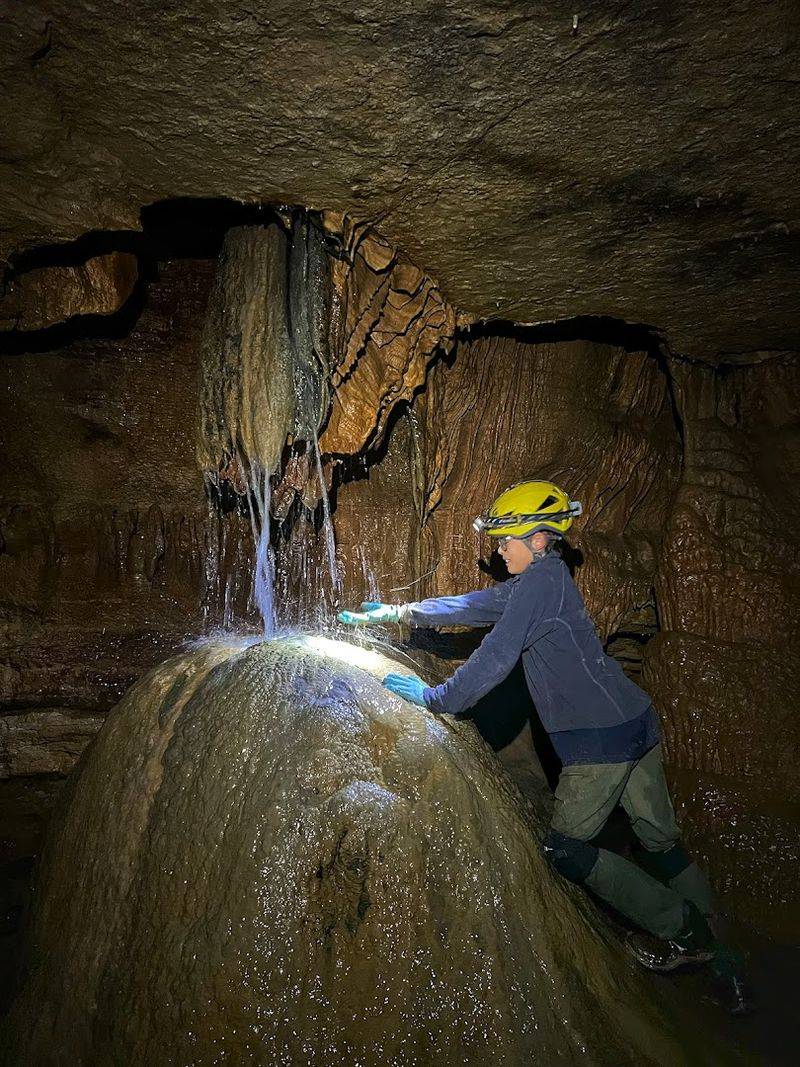
Illinois Caverns is not a theme park with atmospheric lighting installed along the walls. It is a genuine wild cave, and when your light goes out inside, the darkness is absolute and total in a way that most people have never experienced above ground.
That is why the park requires every single visitor to carry three separate light sources before entering. A headlamp is considered one source, a handheld flashlight counts as another, and a backup light rounds out the requirement.
Fresh batteries for each are just as important as the lights themselves.
Visitors are required to carry three separate battery-powered light sources, and staff will typically check gear at the permit station before allowing groups to enter the cave. The cave also loans helmets to visitors who arrive without one, which is a genuinely helpful touch.
Going underground with proper lighting is not just a rule, it is the single most important safety decision you will make all day.
Wildlife Lives In The Darkness
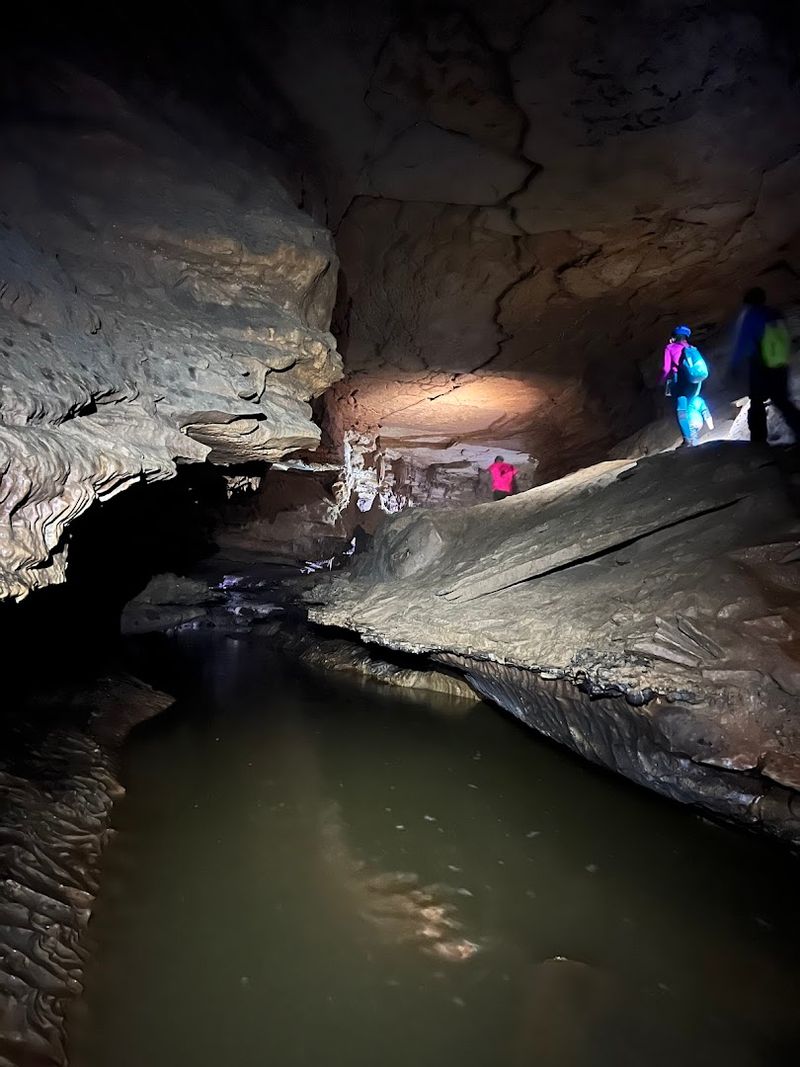
One of the most quietly astonishing moments inside Illinois Caverns comes not from the rock formations but from the living creatures sharing the space with you. The cave supports a small but fascinating ecosystem of animals adapted to permanent darkness.
Cave salamanders are among the most memorable residents, their pale bodies moving slowly along the wet rock walls.
Tiny cave crustaceans such as the endangered Illinois cave amphipod have been documented in the cave’s underground stream, along with other specialized invertebrates adapted to life in permanent darkness. These animals are genuinely rare and worth pausing to observe carefully.
Bats are another important part of the cave ecosystem, and visitors should avoid disturbing them or their roosting areas.
The presence of so much wildlife reminds you that this cave is not an empty geological curiosity but a fully functioning habitat. Treat it gently, and it will continue to thrive for future visitors to enjoy.
The Cave Stays 58 Degrees
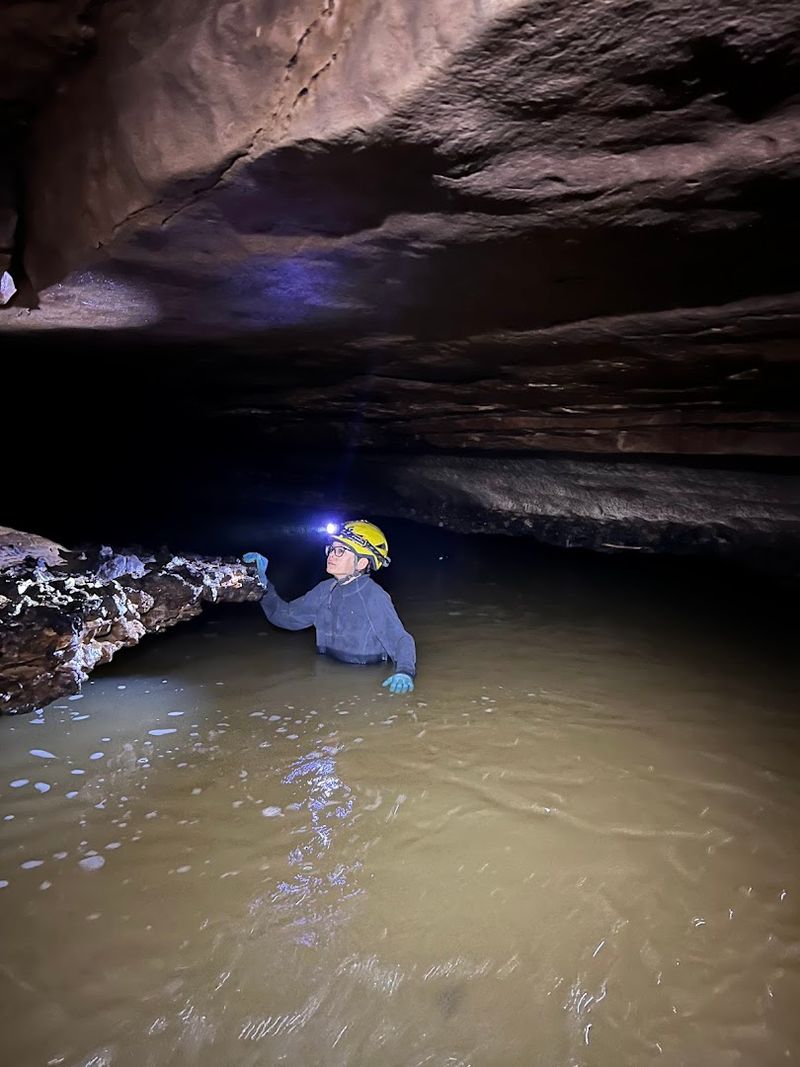
Spending several hours wading through a 58-degree underground stream is a very different physical experience from a warm-weather hike.
The cave temperature at Illinois Caverns stays constant throughout the year, which is refreshing in July but genuinely cold when you factor in hours of wet feet and damp clothing.
Smart visitors layer up with moisture-wicking base layers and bring waterproof or neoprene footwear to manage the constant water contact. Long pants and long sleeves are strongly advisable, even on the hottest summer days above ground.
Once you are underground and moving through the river, staying warm through activity becomes your best strategy.
Packing a dry change of clothes and shoes to leave in your car is one of the most practical decisions you can make before the trip.
The park provides a changing area with separate sections for men and women near the check-in station, so the transition from soaked explorer to comfortable human is refreshingly straightforward after a long day underground.
Groups Of Four Are Required
Illinois Caverns has a firm policy that visitors must arrive in groups of at least four people to be permitted entry. This rule exists for solid safety reasons, since a wild cave with no staff inside and no lighting infrastructure requires enough people to help one another if something goes wrong.
Planning around this requirement actually makes the experience better. Sharing the cave with three or more friends or family members turns the exploration into a collaborative adventure, with everyone contributing their light sources and keeping track of the group in the dark passages.
Families with school-aged children are welcome, and the experience tends to be genuinely memorable for younger adventurers who are old enough to handle the physical demands.
The minimum age is generally considered to be school age, though parents should assess their own children honestly before committing. Arriving with a well-prepared group transforms the cave from a challenging outing into a story everyone will retell for years.
A Cave With Many Names
Long before it carried its current official name, this cave was known locally as Birksville Cave, a name that older visitors and longtime residents of Monroe County still recognize with genuine affection.
For generations, the underground passages here have fascinated locals, drawing curious explorers from the surrounding farming communities.
Eventually, the site was incorporated into the Illinois state park system and designated a State Natural Area, giving it formal protection and allowing for managed public access.
Public access was suspended for more than a decade at one point, making the eventual reopening a meaningful moment for regional outdoor enthusiasts who had grown up hearing stories about it.
That history adds a layer of meaning to any visit. Walking through passages that generations of local families explored before you creates a quiet sense of continuity.
Over time, the cavern has outlasted changing names, ownership, and decades of regional history, carrying that long story in every stalactite and every bend in the underground stream.
Tips For Visiting Safely
Illinois Caverns State Natural Area typically operates on a seasonal schedule and is generally open from April through October, Thursday through Sunday from 9:00 AM to 4:00 PM, with no entry or remaining in the cave allowed after 3:00 PM.
The site is closed on Mondays and Tuesdays. You can reach the park by phone at 618-458-6699, and more information is available through the Illinois Department of Natural Resources website.
Calling ahead before your visit is a smart move, especially since the cave operates seasonally and may close temporarily due to weather, water levels, or wildlife protection measures. Arriving early gives your group the maximum amount of time to explore without feeling rushed toward the exit.
Signing the waiver at the check-in station is mandatory, and helmets are available to borrow if you do not own one. Bring a dry bag to protect any electronics or valuables you carry inside.
Most importantly, go with people you trust, move carefully on slippery surfaces, and take the time to simply absorb the extraordinary underground world you are walking through.