
This Hidden Underwater Ghost Town In South Carolina Has A Story Most People Don’t Know
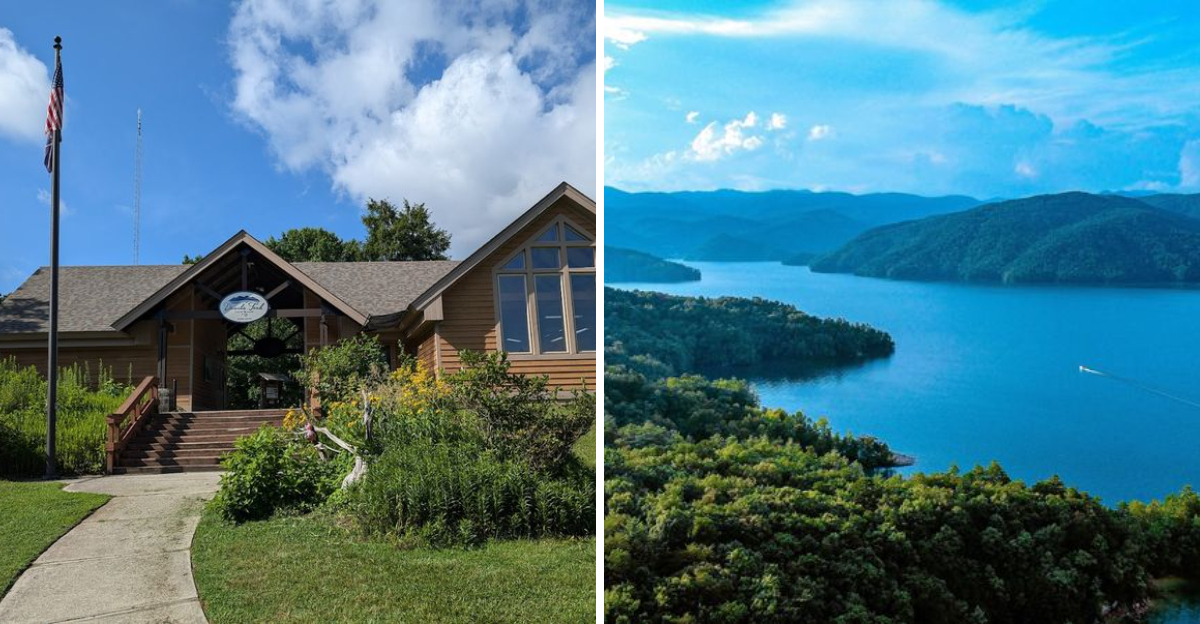
Beneath the blue-green surface of Lake Jocassee in South Carolina, there is an entire hidden world that most visitors have no idea exists.
At first glance, the lake looks peaceful. Clear water, mountain views, paddle boards drifting across the surface, the kind of place people come to relax for the afternoon.
But far below that calm surface sits something few expect to find.
Entire communities in South Carolina disappeared beneath this lake, and parts of them are still down there today.
When the 7,500-acre reservoir was created in 1973 inside Devil’s Fork State Park, old homes, cemeteries, roads, and structures were swallowed by rising water and frozen in time beneath the lake’s depths.
Now, scuba divers explore pieces of that submerged world hidden nearly 350 feet below the surface.
The contrast makes Lake Jocassee feel completely different once you know the story. Beautiful from above, but carrying layers of mystery and history underneath every ripple.
And once you realize what’s hidden beneath the water, it becomes impossible to see this South Carolina lake as just another scenic getaway.
The Valley That Vanished Underwater
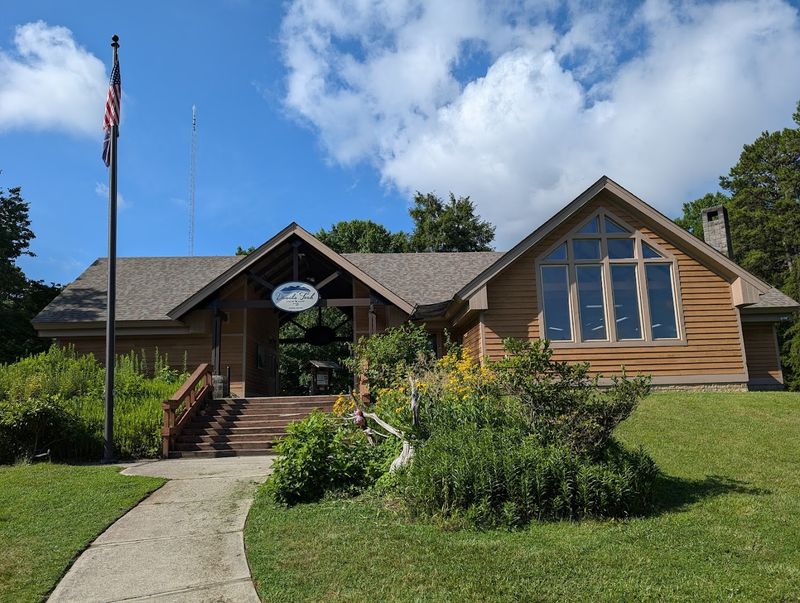
Before Lake Jocassee existed, the Jocassee Valley was a real, living community nestled in the Blue Ridge Mountains of upstate South Carolina.
Families had farmed this land for generations, building homes, churches, and schools along the banks of the Keowee and Toxaway rivers.
When Duke Power partnered with the state in 1973 to create a hydroelectric reservoir, the entire valley was deliberately flooded, erasing a way of life that had existed for over a century.
The name Jocassee itself comes from Cherokee legend, linked to a young woman named Jocassee whose story of love and heartbreak became deeply connected to these mountains.
Visitors today glide across the surface in kayaks and boats, completely unaware that below them sits the skeletal outline of a valley that once echoed with the sounds of everyday life, now preserved in cold, clear water forever.
Cemeteries Still Rest Below The Surface
One of the most surprising facts about Lake Jocassee is that several old cemeteries were not fully relocated before the valley was flooded in 1973.
Some graves were moved to higher ground, but others remained, and their markers now sit silently on the lake floor, visited only by scuba divers brave enough to venture into the cold, dark depths.
The water temperature stays remarkably cold year-round because clean Appalachian mountain rivers continuously feed the reservoir, which actually helps preserve what lies below.
Divers who have explored these underwater sites describe the experience as deeply moving, with old headstones still standing upright in the silt, some dating back to the 1800s.
It is a sobering reminder that beneath every beautiful lake, there may be a story worth knowing, and at Jocassee, that story belongs to real families whose roots still anchor the valley floor.
Duke Power Built This Lake On Purpose
Lake Jocassee was not formed by nature but was engineered deliberately as part of a massive hydroelectric project in the early 1970s.
Duke Power Company, working alongside the state of South Carolina, constructed the Jocassee Dam on the Keowee River, and once the dam was complete, the valley behind it slowly filled with water over several months.
The project was designed to generate electricity for the growing population of the Carolinas, making it a practical decision that came with a significant human cost for the families who called the valley home.
Residents were given notice and compensated for their land, but many felt the loss of their ancestral homes went far beyond any dollar amount.
Today, the same dam that erased a community continues to power thousands of households, making Lake Jocassee one of the most quietly consequential engineering projects in South Carolina history.
Crystal Clear Water Hides A Dark Past
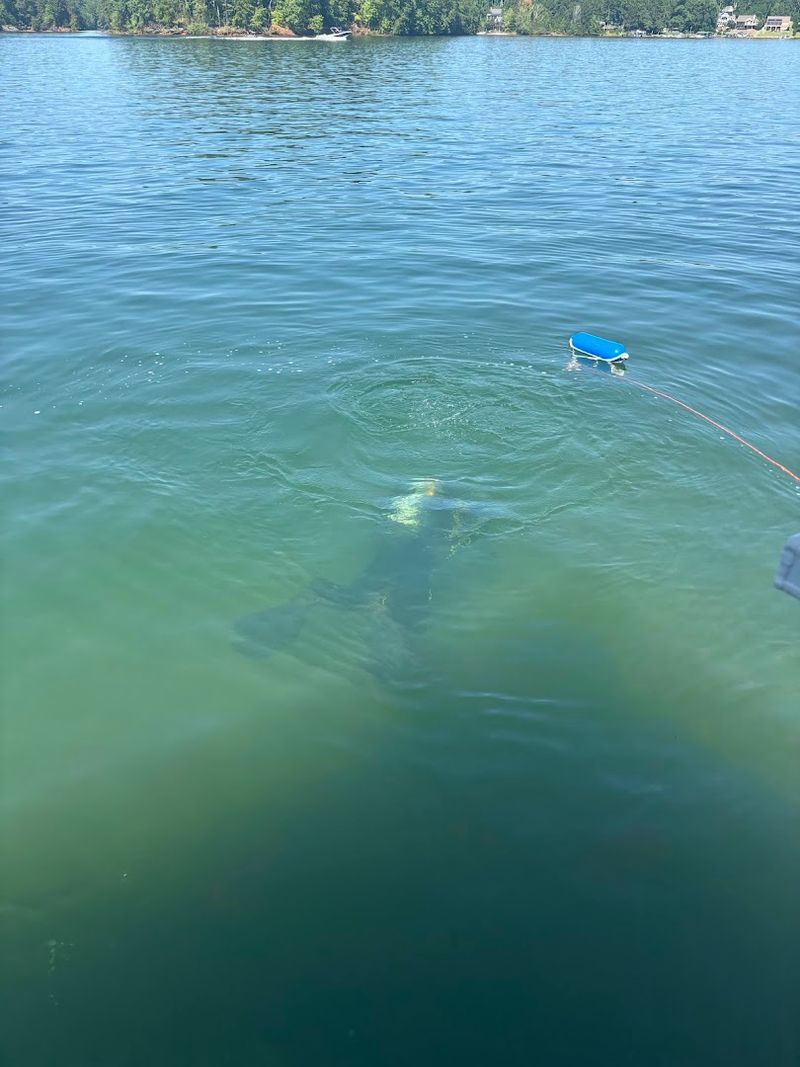
Visitors consistently rave about the water clarity at Lake Jocassee, with visibility reaching at least eight feet on a calm day, sometimes much more.
That extraordinary clarity comes from the cold, clean Appalachian mountain rivers that feed the lake continuously, keeping the water cool and refreshing even during the hottest South Carolina summers.
What makes this clarity so striking is the contrast it creates: the water is beautiful enough to see straight down to the ghostly remnants of the world below, including old tree stumps, building foundations, and road traces still etched into the lakebed.
Scuba divers regularly report seeing the outlines of former roads and structural foundations during their underwater explorations, making every descent feel like flipping through a history book written in silt and stone.
Somehow, the very thing that makes Jocassee so visually gorgeous is also what makes its hidden past so hauntingly visible to those willing to look.
A Cherokee Legend Gave The Lake Its Name
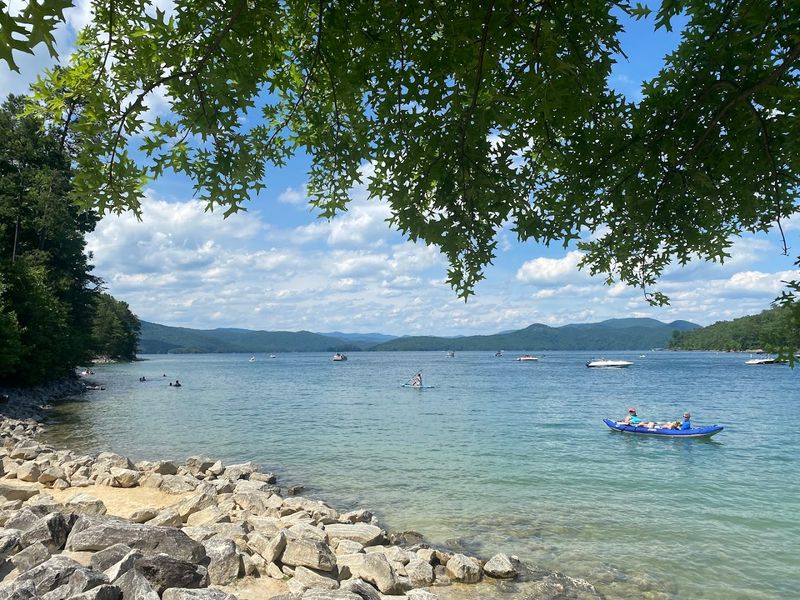
Long before any dam was built, the name Jocassee already carried weight in this corner of South Carolina, rooted in Cherokee oral tradition.
The legend tells of a young Cherokee woman named Jocassee who fell in love with a warrior from a rival tribe, and after his tragic end, she paddled her canoe into the river and disappeared beneath the water to be with him forever.
The valley and its river carried her name for generations, and when the reservoir was created in 1973, that name transferred naturally to the new lake.
It is a poetic, if bittersweet, detail that a lake formed by flooding a community would carry the name of a woman who chose to vanish beneath the water herself.
The legend gives Lake Jocassee a layer of meaning that no map can fully capture, connecting the landscape to centuries of human emotion tied to these mountains.
Scuba Diving Here Feels Like Time Travel
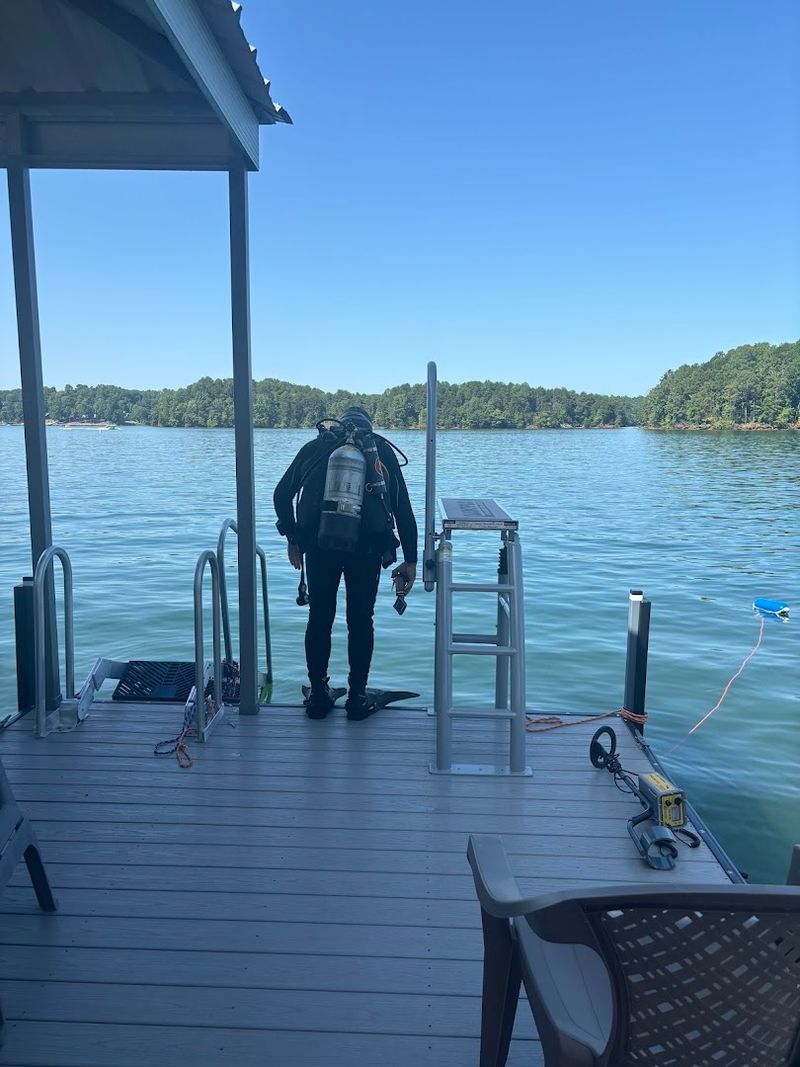
Few lakes in the eastern United States offer a scuba diving experience quite like Lake Jocassee, and that is not an opinion, it is a fact backed by the diving community.
The combination of exceptional water clarity, cold temperatures that preserve submerged structures, and the genuine historical artifacts resting on the lakebed makes every dive feel like an expedition rather than a recreational swim.
Divers have reported finding old chimneys, stone walls, fence lines, and even the occasional household item scattered across the lakebed, each one a quiet artifact of the community that once thrived here.
The depth reaches up to 350 feet in some areas, giving experienced divers plenty of territory to explore across multiple visits without ever seeing the same thing twice.
Whether you are a certified diver or simply curious, the stories that come back up from the depths of Jocassee are consistently ones that stay with people long after they dry off.
Waterfalls Pour Directly Into The Lake
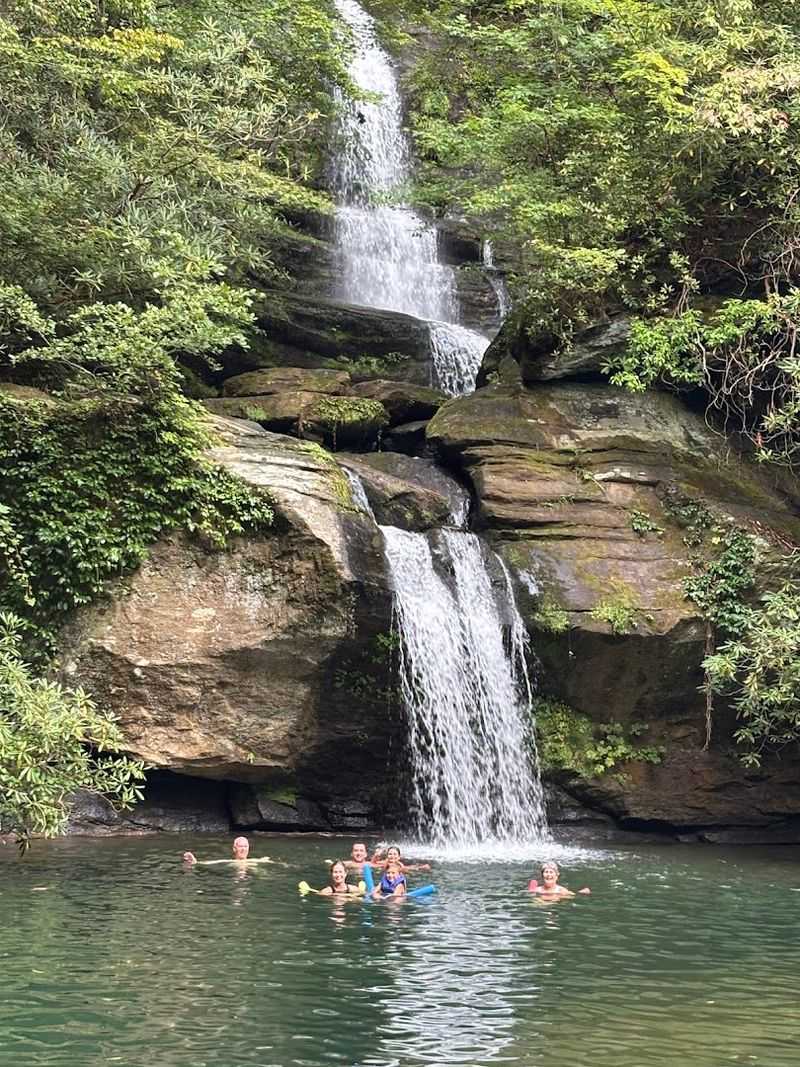
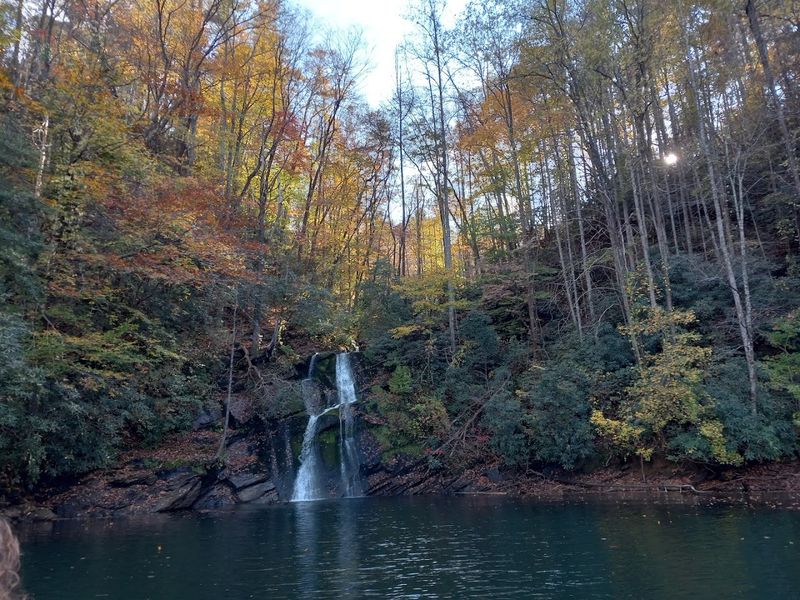
One of the most visually striking features of Lake Jocassee is the number of waterfalls that spill directly into the water from the surrounding mountain ridges.
Because the lake was carved out of a valley fed by multiple mountain streams, those streams continue to cascade down rocky faces and drop straight into the reservoir, creating natural spectacles that draw kayakers and boaters from across the region.
Laurel Fork Falls and Whitewater Falls are among the most celebrated, with some visitors calling the boat ride out to these falls one of the best experiences in all of upstate South Carolina.
Getting to most of the waterfalls requires a boat or a very serious kayak commitment, since the lake is far larger than it appears on a map and the coves can be disorienting.
Renting a boat or booking a guided charter tour through a company like Jocassee Charters is widely recommended by visitors who want the full waterfall experience without getting lost along the way.
The Lake Sits Inside A State Park With Strict Rules
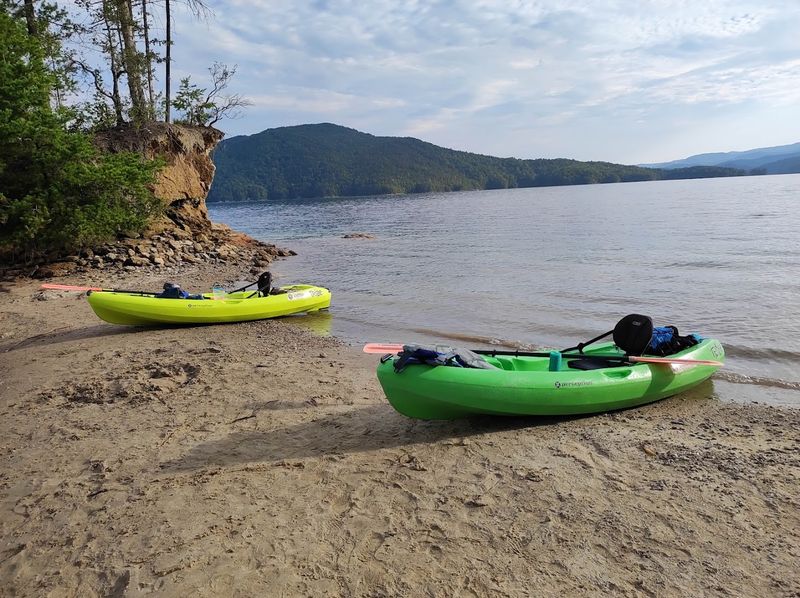
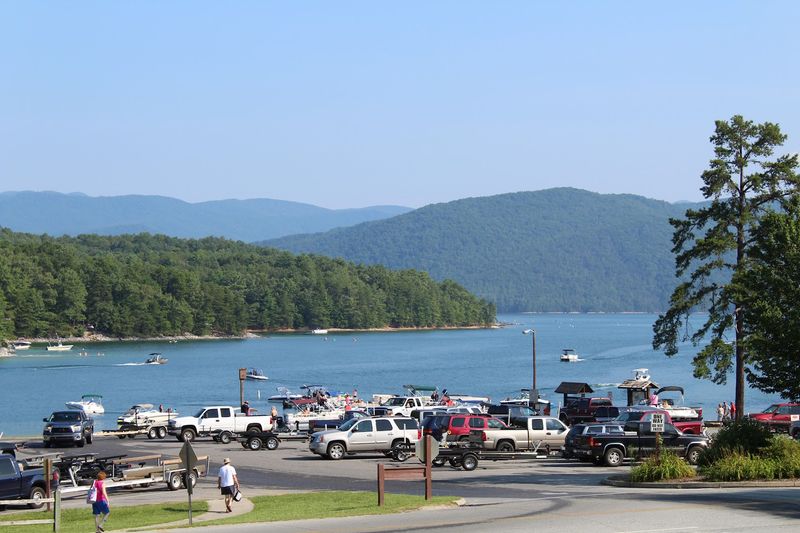
Access to Lake Jocassee runs through Devil’s Fork State Park, the only public access point to the lake, and that exclusivity is a big part of why the water has stayed so clean and undeveloped over the decades.
The park charges an entry fee, and during the busy summer months, the number of boats allowed on the water each day is capped, so reserving a spot in advance is strongly recommended for anyone bringing their own vessel.
Camping is available at the park with both standard and electric sites, along with villas that can be rented for a more comfortable overnight stay surrounded by mountain scenery.
Some visitors find the rules a bit rigid, but those same rules are exactly why Lake Jocassee looks nothing like the overdeveloped shorelines found at nearby Lake Keowee.
When you visit, use Devil’s Fork State Park as your GPS destination, since searching directly for the lake can send navigation apps in unhelpful directions through the mountains.
The Depth Reaches A Jaw-Dropping 350 Feet
At its deepest point, Lake Jocassee plunges to approximately 350 feet, making it one of the deepest lakes in the entire southeastern United States.
That staggering depth is a direct result of the valley topography that existed before the flooding, since the original river channels carved deep paths through the mountain terrain that the rising water simply followed and magnified.
For scuba divers, this depth opens up a range of exploration possibilities that most freshwater lakes simply cannot offer, with different layers of visibility, temperature, and historical artifacts at varying depths.
For swimmers and casual visitors, that depth is a good reminder to stay within designated swimming areas and to respect the cold water, which can be surprisingly chilly even on a blazing summer afternoon.
The sheer scale of what lies beneath the surface, both in depth and in history, is what separates Lake Jocassee from every other reservoir in South Carolina and keeps people coming back to explore more.
The Lake Covers Over 7,500 Acres Of Mountain Beauty
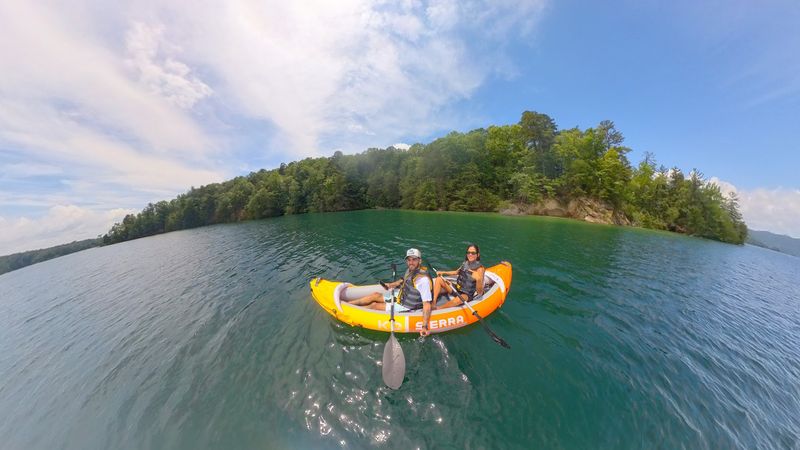
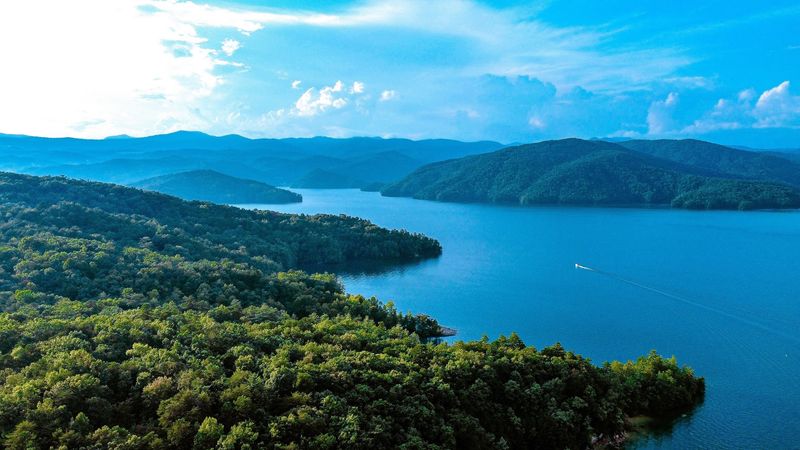
Stretching across 7,500 acres in the Blue Ridge foothills of Oconee and Pickens counties, Lake Jocassee is a genuinely massive body of water that surprises first-time visitors with its scale.
Many people arrive expecting a modest mountain lake and instead find a sprawling reservoir ringed by forested ridges that seem to go on forever in every direction, with coves, inlets, and hidden corners around every bend.
The size of the lake is part of what makes it so special for water sports, since there is room for fishing, paddle boarding, kayaking, cliff jumping, and boat tours all happening simultaneously without the lake ever feeling crowded, at least on weekdays.
Weekend mornings can get busy at the park entrance, so arriving early is consistently the top tip shared by regulars who know the rhythm of the place.
Rated an impressive 4.8 stars across hundreds of reviews, Lake Jocassee has quietly earned a reputation as one of the most beautiful and rewarding lake destinations anywhere in the American South.