
This Hidden Washington Beach Town Feels Like The Coast Locals Wish Stayed Secret
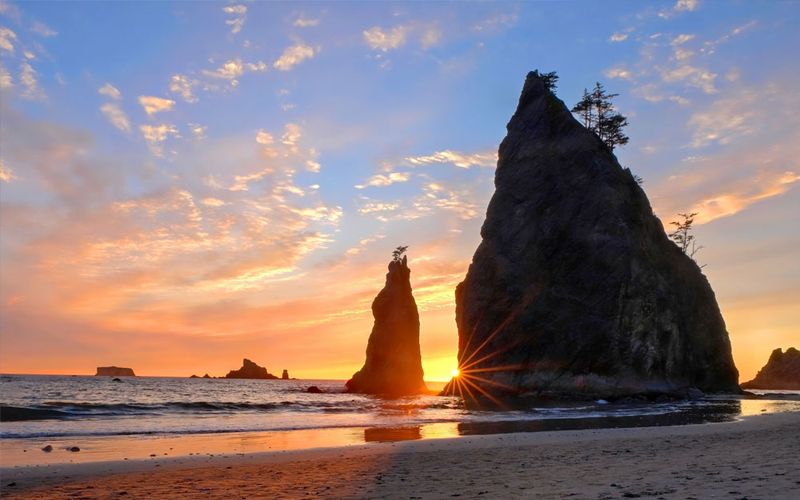
I thought I knew Washington’s coast. I’d walked the tide pools, seen the sunsets, and braved the inevitable rain storms. But pulling off Highway 101 and driving the final few miles into La Push felt less like an arrival and more like crossing a threshold.
The road narrowed, the trees pressed in, and suddenly, the Pacific Ocean roared in a way that felt immediate and personal. The moment I stood on First Beach, staring out at the massive sea stacks and breathing in the sharp, cold air, I realized this wasn’t just a place to visit-this was a commitment.
It was raw, fiercely beautiful, and instantly, selfishly, I understood why every local I had asked about it gave me the same tight-lipped look, implying: Don’t tell anyone. The secret wasn’t just about the location; it was about the feeling. A wild sense of discovery that I absolutely did not want to share.
First Beach Delivers Raw Pacific Power
Walking onto First Beach feels like stepping into nature’s amphitheater where waves perform their eternal show. Located right next to the village, this accessible stretch of sand showcases the full fury of the Pacific Ocean with waves that crash against sea stacks in spectacular displays of white foam.
Surfers brave the cold waters here, drawn by swells that can reach impressive heights during winter storms. The beach extends for about a mile, offering plenty of room to explore tide pools and watch seabirds circle overhead.
I remember my first visit when the mist was so thick I could barely see twenty feet ahead, yet the sound of those massive waves kept pulling me forward. The raw energy here reminds you just how small we are compared to the ocean’s might.
Second Beach Hides Behind Forest Trails
Reaching Second Beach requires a short three-quarter-mile hike through old-growth forest that feels like walking through a green tunnel. The trail winds between massive Sitka spruce and western hemlock trees draped in moss, creating an enchanted atmosphere before you even glimpse the ocean.
When you finally emerge onto the sand, towering sea stacks dominate the view, including the famous Crying Lady Rock formation. Driftwood logs scattered across the beach provide perfect spots for picnics or simply sitting to absorb the scenery.
This beach attracts photographers who camp overnight to catch sunrise lighting up the rock formations. The combination of forest approach and dramatic coastline makes Second Beach feel more remote than it actually is, rewarding those willing to make the easy trek.
Third Beach Offers Backcountry Solitude
Getting to Third Beach means committing to a 1.4-mile hike that descends through dense coastal forest, making it the least visited of La Push’s main beaches. Serious backpackers use this beach as a starting point for multi-day coastal hikes through Olympic National Park’s wilderness coast.
Giant’s Graveyard, a collection of dramatic sea stacks just offshore, creates one of Washington’s most photographed coastal scenes. During low tide, you can explore caves and tide pools teeming with starfish, anemones, and tiny crabs.
The extra effort required to reach Third Beach means you’ll share the space with fewer people, mostly dedicated hikers and campers. Strawberry Point sits at the southern end, offering even more exploration opportunities for those willing to time their visit with the tides.
Rialto Beach Features Hole-In-The-Wall
Rialto Beach sits just north of La Push proper, accessible by car and featuring one of the coast’s most iconic natural formations. The massive driftwood piles here are legendary, with logs the size of small cars stacked in chaotic beauty along the high tide line.
Hole-in-the-Wall, a natural rock arch carved by centuries of wave action, becomes accessible during low tide when you can walk through its opening. Tide pools surrounding the formation host colorful sea stars, green anemones, and purple sea urchins.
My kids spent an entire afternoon searching those pools, squealing with delight at every discovery while I tried to keep them from getting soaked by sneaker waves. The beach stretches for miles northward, perfect for long contemplative walks where your only companions are shorebirds and the occasional seal.
James Island Stands Guard Offshore
Rising dramatically from the ocean just off First Beach, James Island serves as La Push’s most recognizable landmark with its flat top and steep sides. The Quileute Tribe considers this sea stack sacred, and it remains an important part of their cultural heritage and traditional stories.
During extreme low tides, a land bridge occasionally appears, though crossing to the island is prohibited to protect both the sensitive ecosystem and respect tribal sovereignty. Seabirds nest in huge numbers on the island’s cliffs, creating a constant chorus of calls that carries across the water.
Watching sunset paint James Island in shades of gold and purple ranks among the Pacific Northwest’s finest natural shows. The island’s silhouette changes throughout the day as light and weather conditions shift, making it endlessly photogenic from every angle along the beach.
Quillayute River Meets The Sea
Where the Quillayute River flows into the Pacific, two powerful forces of nature collide in a dynamic mixing zone that changes with every tide. The river carries fresh water from the Olympic Mountains through dense rainforest before reaching its dramatic ocean terminus at La Push.
Fishermen gather here during salmon runs, casting lines where the species they’re pursuing make their final push toward spawning grounds upstream. Harbor seals often patrol the river mouth, waiting to snag an easy meal from the concentrated fish populations.
The riverbanks provide excellent wildlife watching opportunities, with bald eagles perched in riverside trees and river otters occasionally making appearances. Standing at this convergence point, you can feel the competing currents pulling at the sand beneath your feet, a physical reminder of nature’s constant motion.
Coastal Rainforest Surrounds Everything
Olympic National Park’s temperate rainforest wraps around La Push like a green embrace, with some areas receiving over 150 inches of rain annually. Moss hangs from every branch, ferns carpet the forest floor, and the air feels perpetually damp with that earthy petrichor smell.
Trails leading to the beaches wind through groves where trees grow to astounding sizes, their trunks wider than cars and their canopies blocking most sunlight. Banana slugs, some as long as your hand, slide across the path in their unhurried yellow glory.
During my last visit in March, the forest was so saturated that water dripped from every surface, creating a constant gentle patter like nature’s own rain stick. This lush ecosystem makes La Push feel more like a Pacific island than mainland America, isolated and wonderfully different.
Quileute Reservation Preserves Culture
La Push sits within the Quileute Indian Reservation, home to a tribe that has lived along this coast for thousands of years. The Quileute people maintain their cultural traditions while welcoming visitors to experience the natural beauty of their ancestral lands.
Respect for tribal sovereignty and customs is essential when visiting, as this remains a living community rather than just a tourist destination. The tribe operates the resort and manages beach access, balancing preservation of their homeland with economic opportunities from tourism.
Learning about Quileute history and their deep connection to these beaches and forests adds meaningful context to any visit. Their stewardship has helped keep La Push relatively unspoiled compared to other coastal areas, protecting it for future generations while sharing its beauty with respectful visitors.