
This Historic 1800s Church In Arkansas Is A Must-Visit
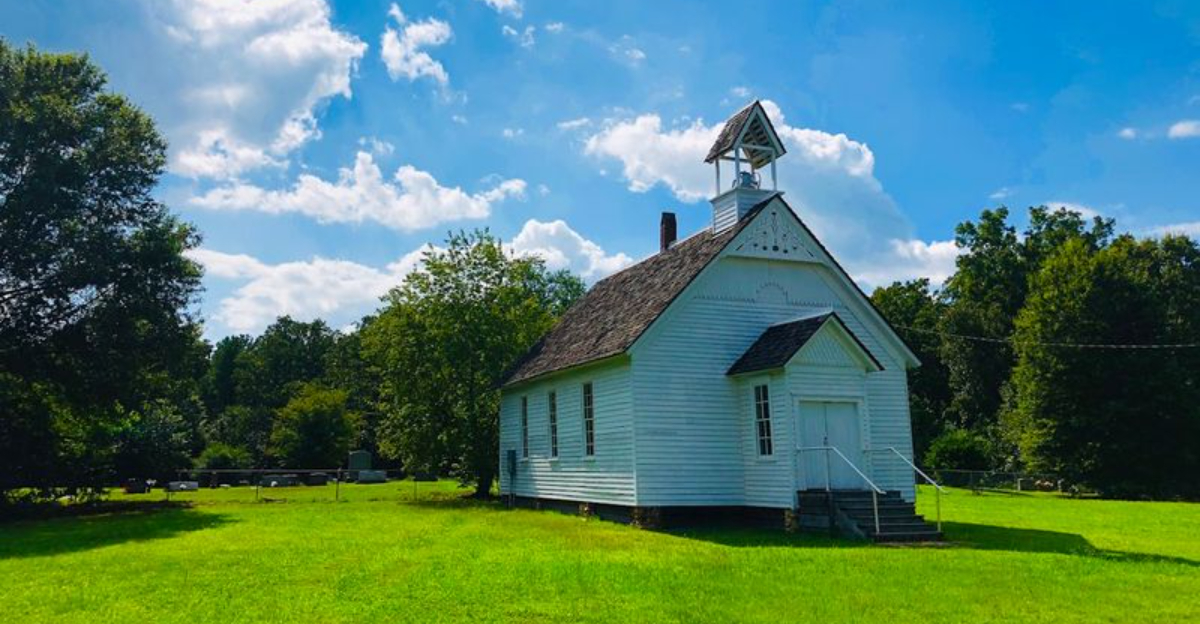
You do not have to be a history buff to feel something the moment this little church comes into view. It is small and almost startlingly quiet, but that is exactly why it works so well.
The building does not compete for attention. It simply stands there with nearly 170 years of stories pressed into the wood.
In Arkansas, that kind of survival is no small thing. This place was built before the Civil War, long before modern roads changed the rhythm of rural travel, and it still feels connected to the people who first gathered here.
The lane slows you down. The old boards pull your eyes closer.
The calm around the grounds makes the visit feel personal. It is the rare roadside stop that asks for almost nothing, then leaves you thinking about it long after you drive away from the quiet country road that led you there.
A Quiet Landmark With Deep Arkansas Roots
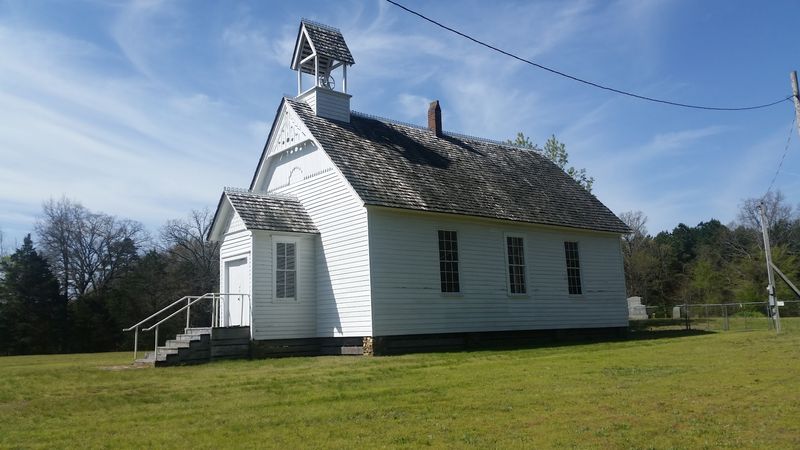
Few buildings in the entire state carry the historical weight that this small, unassuming structure does so quietly and gracefully.
Completed in late 1856, this church holds the remarkable distinction of being the oldest documented church building in Arkansas, a title that no other structure in the state can honestly claim.
The timber used in its construction came from white oak trees that began growing in the early 1600s, meaning the wood itself predates the nation by well over a century.
That kind of layered history is almost dizzying to think about when you are standing right beside it.
In 1992, its significance was formally recognized with placement on the National Register of Historic Places, cementing its role as a protected piece of American heritage.
The church stands as a quiet but powerful tribute to the early settlers of rural White County and the faith that anchored their daily lives.
You can find this extraordinary piece of living history at Smyrna Methodist Church, Jaybird Ln, Searcy, AR 72143.
Weathered Woodwork That Feels Frozen In Time
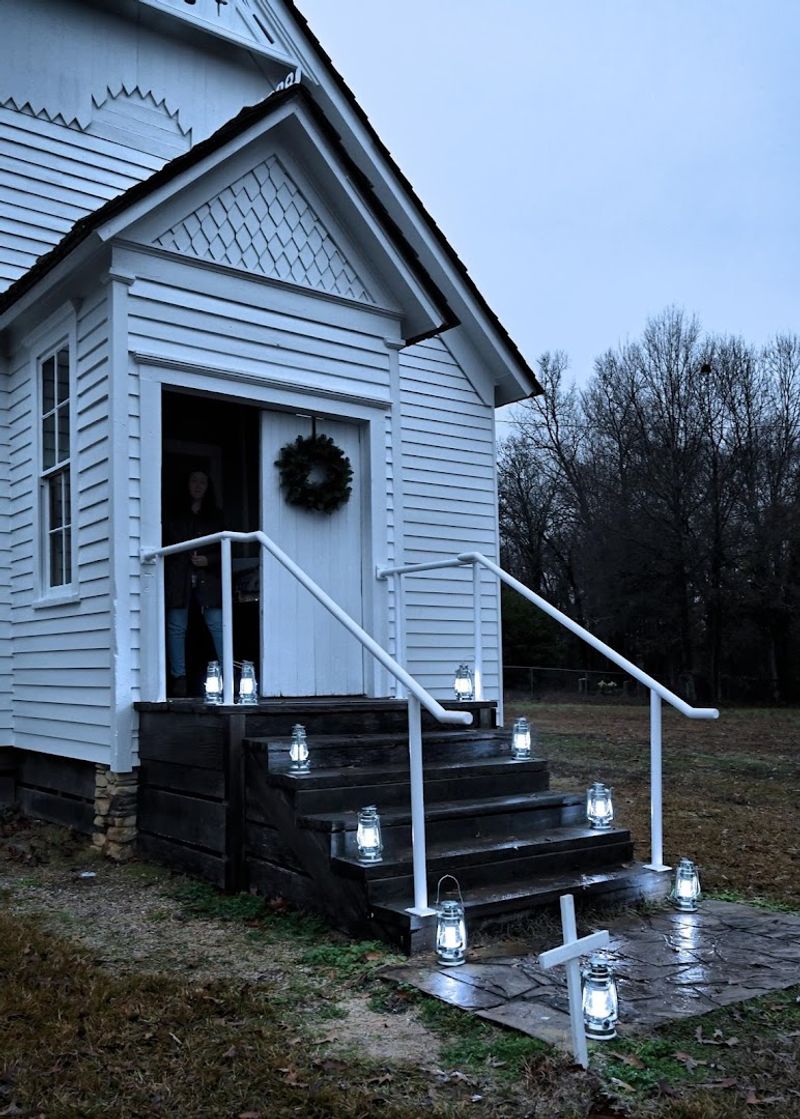
The first thing that truly captures your attention is the exterior of the building, which reads like a slow, textured poem written in old wood.
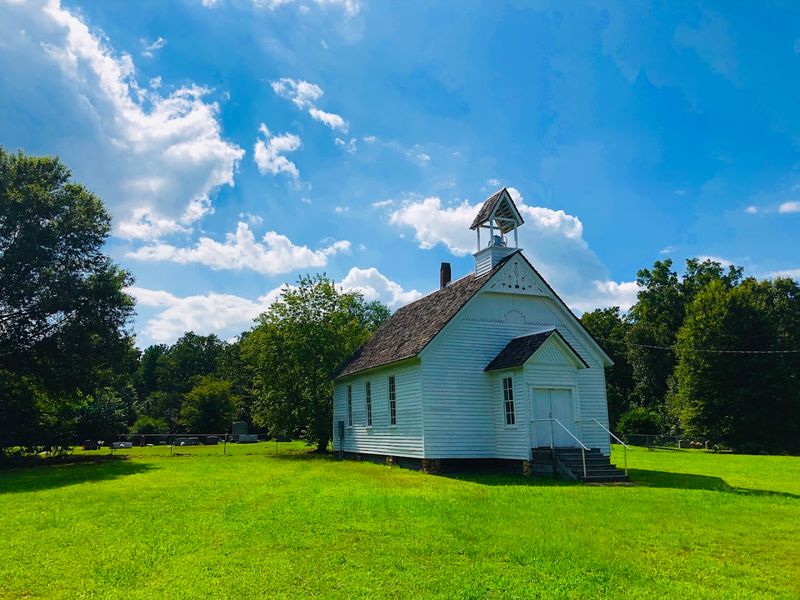
A single-story wood-frame structure, it features original weatherboard siding that has aged gracefully through nearly 170 years of Arkansas seasons.
The diamond-cut shingles adorning the gabled vestibule add an intricate handcrafted detail that feels both refined and deeply personal for a rural congregation of that era.
Recent restoration efforts have been careful and deliberate, preserving the authentic pre-Civil War appearance without stripping away the character that time itself has added.
Every plank, every nail, and every knot in the wood tells a story that no museum display could fully replicate.
Restoration specialists have worked to ensure that what you see today is as close as possible to what worshippers saw when they first arrived in 1857.
Standing this close to wood that has outlasted empires and conflicts, you start to understand why preservation work like this matters so deeply to communities everywhere.
A Country Lane Leading To Another Century
Getting here is genuinely part of the experience, and the drive along Jaybird Lane sets the mood long before the building comes into view.
Located west of Searcy and just south of Arkansas Highway 36, the route feels like a gentle transition from the modern world into something much older and quieter.
Jaybird Lane itself carries its own historical significance, as it once connected to the Old Military Road, a major route that served travelers heading toward Little Rock in earlier centuries.
That context makes the simple act of driving down this lane feel unexpectedly meaningful, almost like retracing the footsteps of people who had no idea history was watching them.
The surrounding landscape is open and rural, with mature trees framing the road in a way that feels naturally cinematic without trying to be.
On a clear morning, the light through the branches creates shifting patterns on the lane that make you want to slow down even further.
The journey itself quietly prepares you for the contemplative mood that the church delivers the moment you step out of your car.
Simple Architecture With Serious Historic Charm
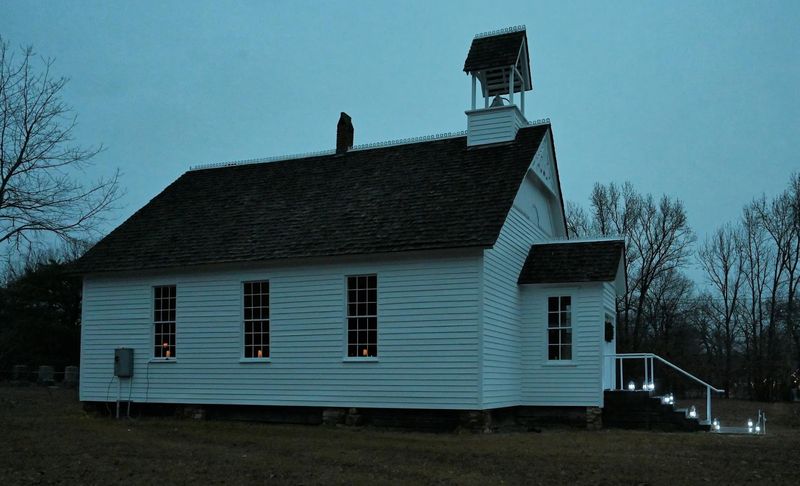
Greek Revival architecture was the design language of choice for many mid-19th century American buildings, and this church speaks that language with quiet confidence.
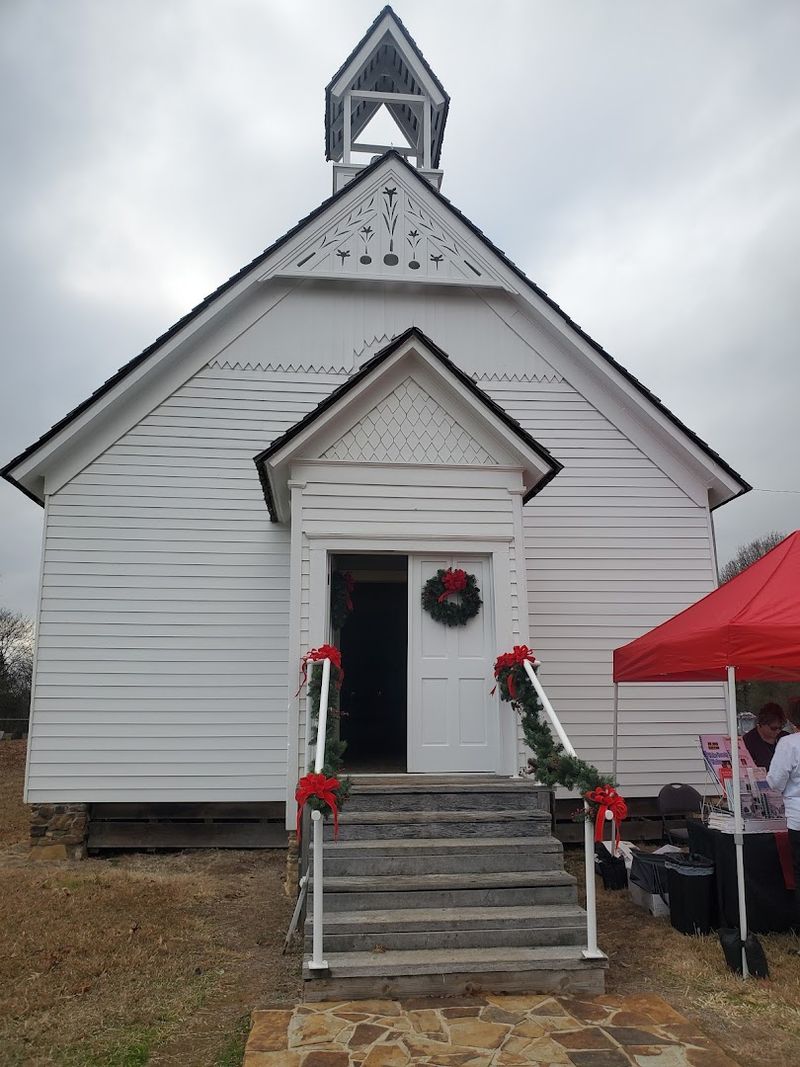
The projecting gabled vestibule is trimmed with delicate vergeboard woodwork, adding a refined decorative touch to what is otherwise a beautifully restrained structure.
Rising from the roof ridge is a small open belfry, a feature that once called the surrounding community to worship and still gives the roofline a dignified silhouette against the sky.
One particularly interesting detail is that the building originally had a side door where a north middle window now stands, a design feature typical of eastern seaboard “low” church traditions of that period.
The nine-over-nine windows are another thoughtful period detail, chosen partly because transporting large panes of glass across rural terrain was a significant logistical challenge in the 1850s.
Every architectural choice reflects the practical realities and aesthetic sensibilities of its time, making the building a readable document of 19th-century rural life.
The overall effect is a structure that feels both humble and historically articulate, rewarding anyone who takes a moment to look closely.
A Peaceful Setting Made For Slow Wandering
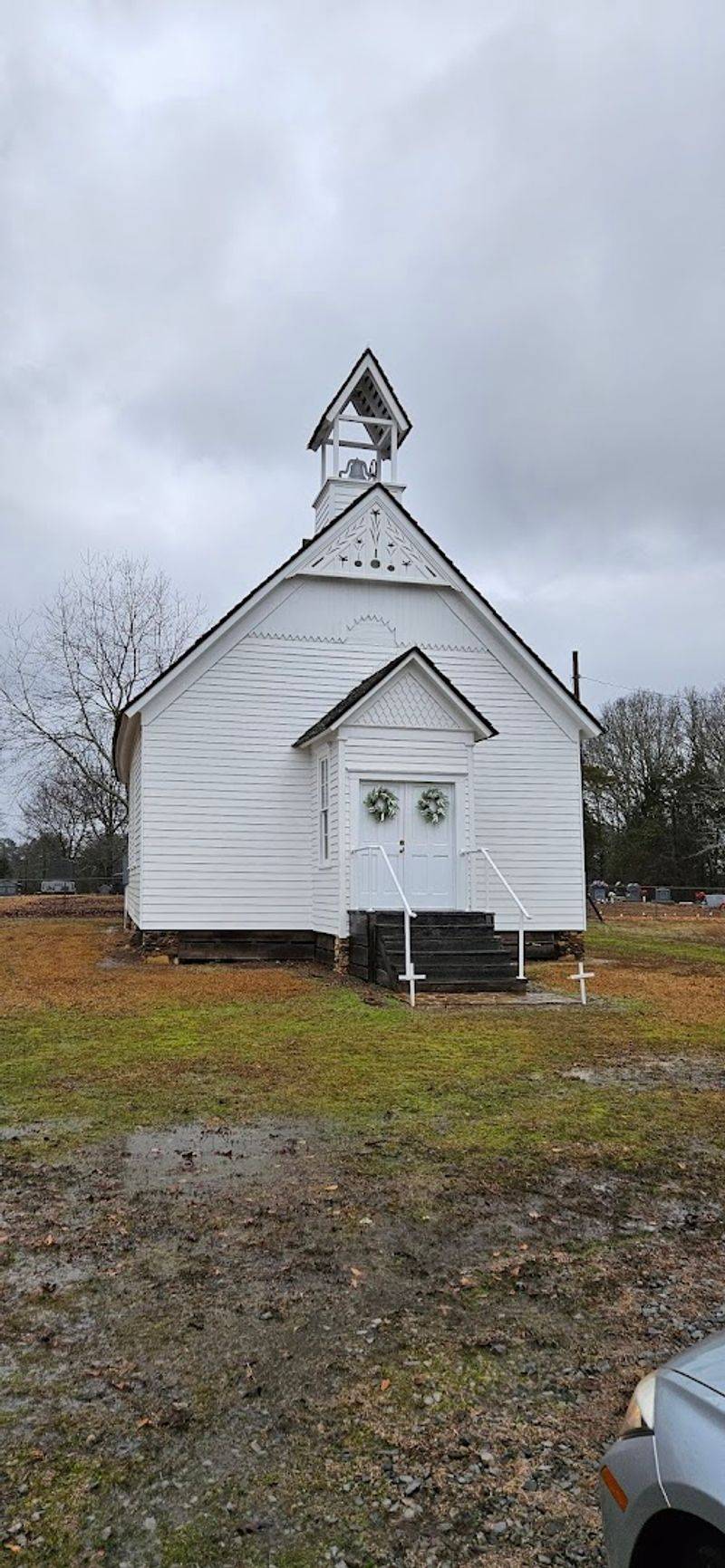
Not every historic site invites you to linger, but this one practically insists on it with its unhurried rural atmosphere.
Set amid mature trees in White County, the church grounds offer a kind of stillness that feels increasingly rare in a world that rarely pauses.
A historic cemetery sits nearby, adding a contemplative layer to the property that encourages visitors to slow their pace and pay attention to the details around them.
The grounds are well-maintained and owned by the City of Searcy, which has made the property available for community events and private gatherings over the years.
Knowing that the space continues to serve the community in new ways gives the visit a warmth that purely museum-style preservation sometimes lacks.
I spent a quiet hour simply walking the perimeter, reading names on old stones, studying the texture of the exterior walls, and listening to the wind move through the surrounding trees.
Few travel experiences offer the combination of historical depth and sensory calm that an afternoon spent here can deliver so effortlessly and without any crowds.
Old Walls That Still Hold A Sacred Stillness
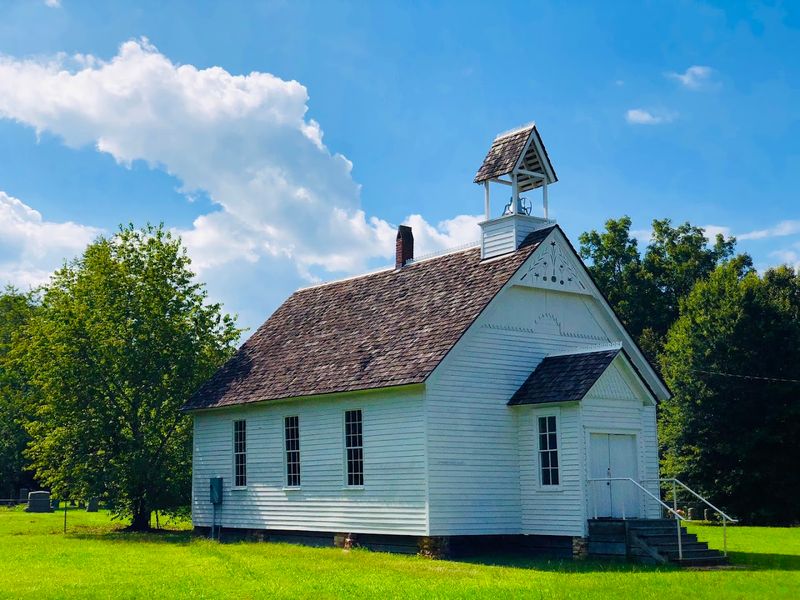
Regular Sunday services ended here in 1973, when declining attendance finally brought the congregation’s long chapter to a close after more than a century of active worship.
Yet the sacred quality of the interior has not faded, and stepping inside feels like entering a space that has held onto something intangible and sincere across all those decades.
One story that has been passed down involves a Civil War-era moment when a father was leading prayer inside while young men outside spotted his son returning from the conflict, a scene that captures both the weight of that period and the central role the church played in community life.
Artifacts and mementos from this building have been carefully preserved at St. Paul United Methodist Church in Searcy, ensuring that the congregation’s memory lives on in a tangible way.
The wooden pews and simple interior finishes reflect a theology of unadorned sincerity, where the focus was entirely on faith rather than ornamentation.
That philosophy is still readable in every corner of the room, even now when the pews sit empty and the congregation has moved on.
The stillness here is not empty; it feels full of everything that was once spoken, sung, and prayed within these four walls.
A Hidden Corner Of Rural Arkansas History
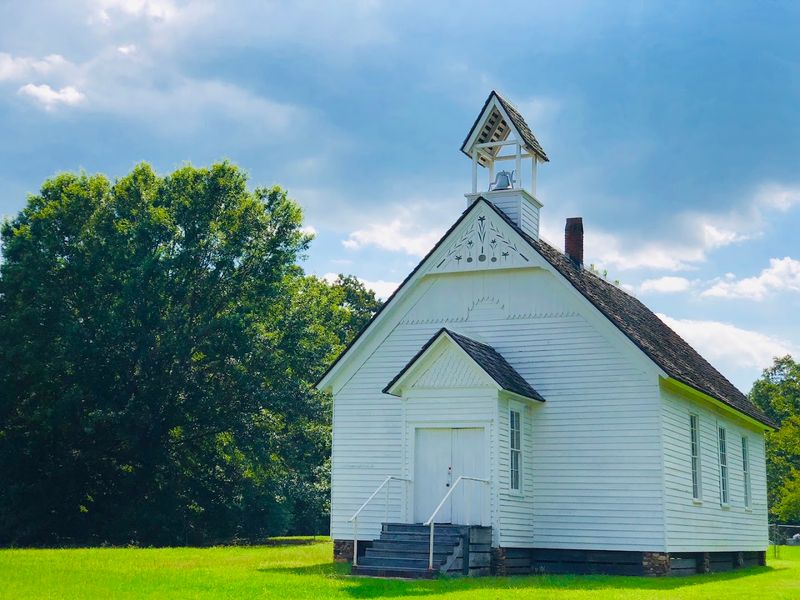
White County has its share of historical landmarks, but very few can claim the kind of pre-Civil War survival story that this church represents so vividly.
Built between 1856 and 1857, it emerged from a split with a shared Union Church that had previously served multiple denominations together, giving its founding a layered and genuinely compelling backstory.
Today it stands as one of only a small number of antebellum churches still intact anywhere in Arkansas, a category that grows smaller with every passing decade.
Its construction at that particular historical moment, just before the Civil War reshaped everything about Southern life, makes it a rare physical bridge between two very different American eras.
Researchers, historians, and preservation advocates have all taken an active interest in this site precisely because so few buildings of its age and type have survived in the region.
Visiting here gives you a tangible connection to a chapter of history that textbooks can describe but never quite bring to life the way the real thing does.
Every weathered board is a primary source, and that is a kind of access that no archive can fully replicate for a curious traveler.
A Tiny Church With A Timeless Presence
What strikes you most on the way out is not any single architectural detail or historical fact but rather the cumulative feeling the place leaves behind.
Today the church is rented for intimate weddings and small community gatherings, which means new memories are still being layered onto the old ones within these historic walls.
That continuity between past and present is what separates a truly living landmark from a building that has simply been preserved for observation from a distance.
Ongoing restoration work ensures that the structure will remain stable and accessible for future visitors who have not yet discovered it exists.
For a solo traveler who enjoys quiet, historically rich stops, this is the kind of place that earns a permanent spot in your personal travel highlights without any effort at all.
The church does not need dramatic scenery or elaborate programming to make an impression; it does the work entirely through authenticity and age.
Long after you leave rural Arkansas behind, the memory of standing beside this small, enduring building has a quiet way of staying with you.