
This Historic Arkansas Museum Turns Local History Into A Massive Time Capsule
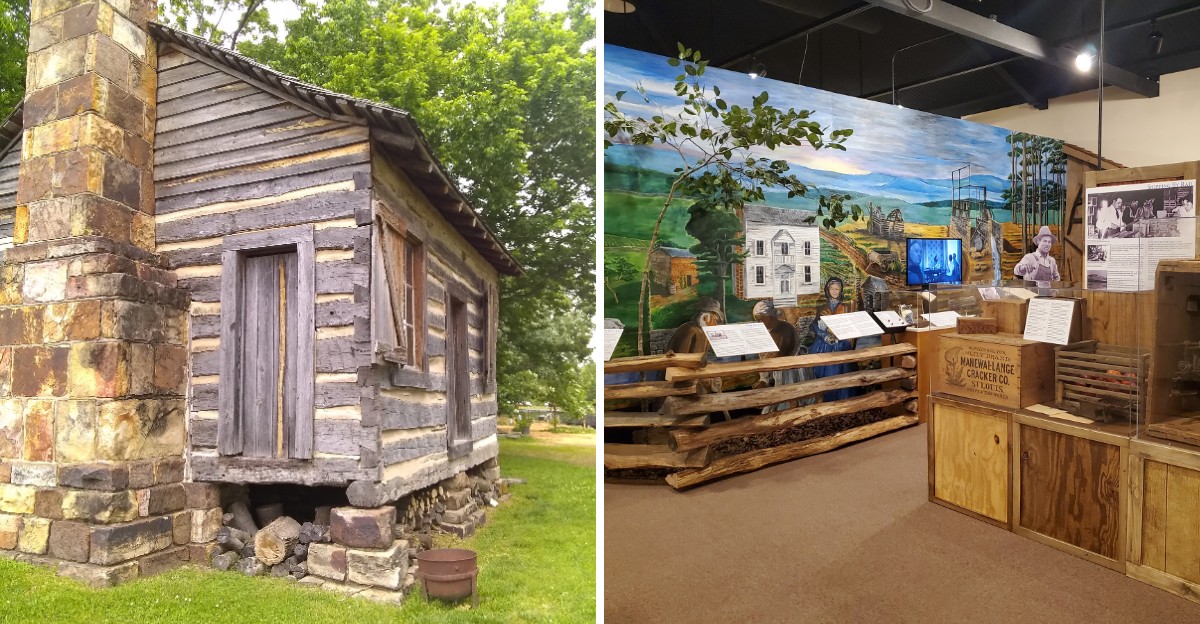
replace step into and do not reveal so many details Who knew a short walk could cover more than a century of Ozark life? This Arkansas museum makes it possible, and the buildings are only part of the attraction.
An 1850s cabin still stands as a reminder of how much could fit inside a single room. The general store dates to the 1870s, back when a trip for household supplies could double as a neighborhood catchup.
Then there’s a barn from the 1930s, with old farm equipment offering another glimpse into the region’s working past. Step inside the main museum and the faces in historic photographs tell stories that old walls cannot.
It’s the small connections that make a visit memorable. You might arrive curious about a cabin and leave wondering what daily life looked like for the family who lived there.
That is quite a journey for a place where the buildings are only a short stroll apart.
An Entrance That Opens The Past
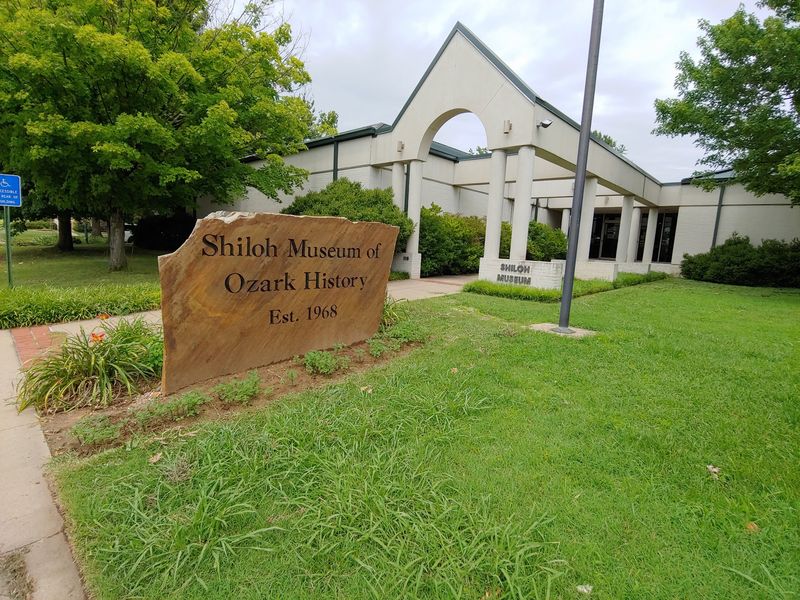
A modern front door is the last thing most people expect at the start of a trip into the old Ozarks. Yet that clean entrance is exactly where the journey backward begins.
Inside, the main building holds interactive exhibits that invite visitors to explore regional history. The setup works well for curious kids and grown-ups who still like pushing buttons.
The museum’s name carries a quiet history lesson of its own. Shiloh was the early name of the settlement that later grew into today’s city, so the label reaches back to the town’s roots.
I love that the name itself works as the very first artifact. It turns a simple sign into a small clue about the past.
The museum is a regional history center that focuses on the Arkansas Ozarks and the people who lived there. Its collection includes seven historic buildings, along with a research library for anyone hunting family records or local stories.
One of those buildings, the historic meeting hall, stands a block north of the main campus.
Doors open at 10 a.m. Monday through Saturday and close at 5 p.m., with Sundays off and certain holiday closures.
All of this waits at the Shiloh Museum of Ozark History, 118 W Johnson Ave, Springdale, Arkansas 72764.
An 1850s Log Cabin Frozen In Time
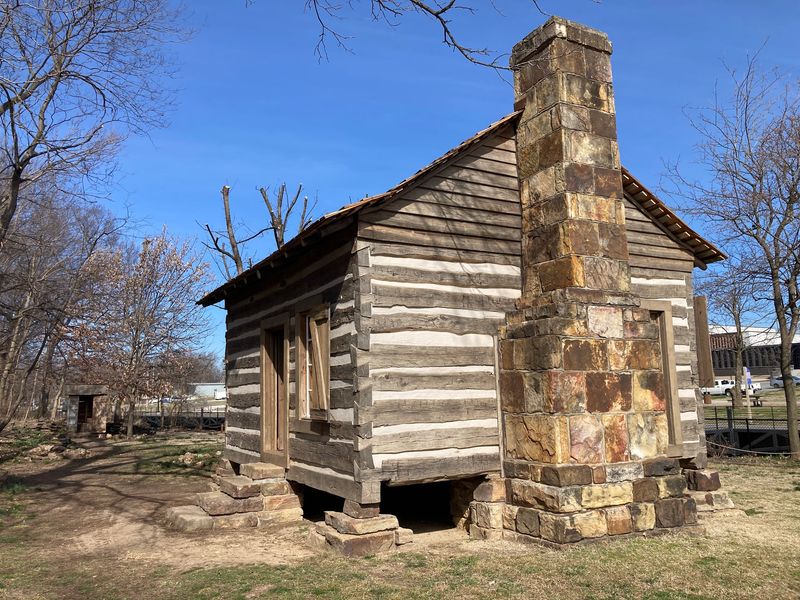
Hand-cut logs stacked tight and notched at the corners tell a story long before anyone reads a sign. The log cabin on the museum grounds dates back to the 1850s, which makes it one of the oldest pieces of the collection.
Cabins like this were the starter homes of the Ozark frontier. Families cleared land, felled trees, and built shelters with simple tools and a lot of muscle.
The space inside feels small by modern standards. A whole household once cooked, worked, and slept within walls that today might fit a single bedroom.
Honestly, I find that tiny footprint more impressive than any mansion. It shows how much life people squeezed into so little room.
Visitors can step close and study the craftsmanship up close. The rough surfaces and wide gaps between logs hint at cold winters and plenty of chinking work.
The cabin was moved to the grounds so it could be protected and shared. Preserving it this way keeps a rare building standing for new generations to see.
Kids especially tend to notice what is missing, like electric lights and running water. That simple comparison sparks better history questions than any textbook chapter.
Some homes are built to impress, but this one was built to last.
A General Store From Another Century
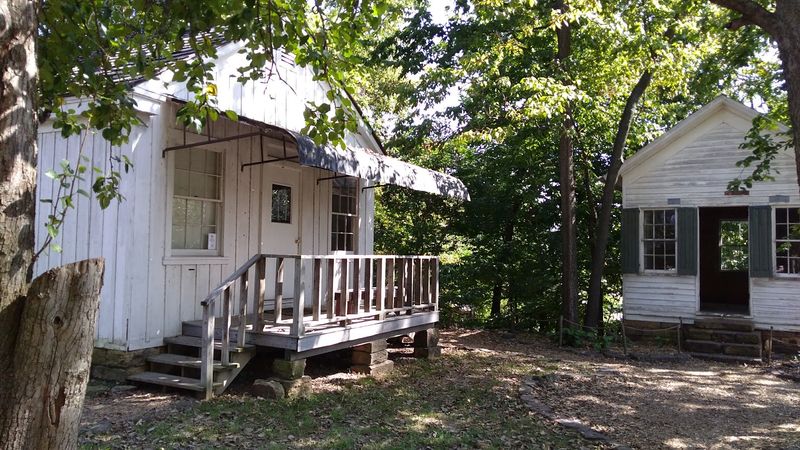
Long before online shopping carts, Ozark families counted on the general store for many household necessities. One of the historic buildings at the museum is an 1870s general store, giving visitors a peek at how buying and selling once worked.
Stores like this sold fabric, tools, canned goods, and sometimes even news. People often traded farm goods such as eggs for the things they could not grow or make.
The general store also served as a gathering place. Neighbors swapped stories on the porch while waiting for supplies, so a quick errand could easily stretch into an afternoon.
The historic store is currently closed for regular interior visits, but visitors can glimpse the inside from its front porch. The building itself offers a look at commercial life in an earlier Ozark community.
I get a kick out of how a single room once had to do the job of an entire shopping mall. It was one-stop shopping long before anyone coined the phrase.
For families, the building makes an interesting teaching moment. Children can imagine how neighbors once bought everyday supplies, long before supermarket aisles became part of ordinary shopping trips.
The store also has a history beyond selling goods. Over the years, the building served several purposes, including use as a post office and residence.
Retail therapy has rarely looked this charming.
Inside The Lives Of Early Ozark Settlers
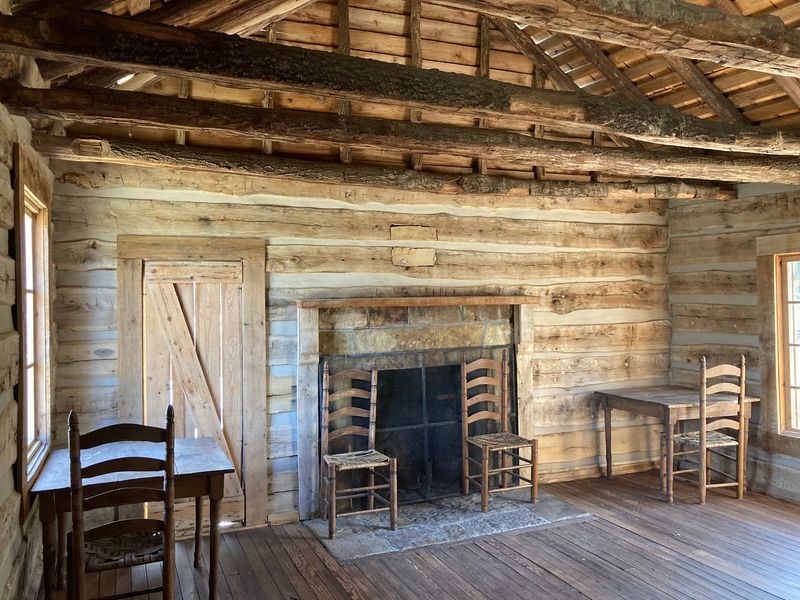
Daily life in the early Ozarks took grit, patience, and a talent for making do. Exhibits inside the main building trace how settlers carved out homes in the rugged hills.
Artifacts on display include everyday objects that once filled kitchens, barns, and fields. Seeing the actual tools people used makes their hard work feel real rather than distant.
Farming shaped much of the region’s story. Northwest Arkansas once grew huge apple crops, and that orchard era helped define the local economy for years.
The museum covers more than pioneers, too. Its exhibits follow the region forward through changing towns, industries, and ways of living.
Hands-on displays let younger visitors explore without feeling stuck behind glass. Touching, turning, and testing objects helps history stick better than plain reading.
I appreciate how the stories focus on ordinary people instead of only famous names. Those quieter lives often reveal the most about a place.
Wall panels use clear writing that suits curious readers of many ages. Parents and kids can move through the rooms side by side and chat about what they spot.
Settler life looks tough on paper, yet these exhibits show plenty of creativity hiding inside that toughness.
Old Photographs Bring History Alive
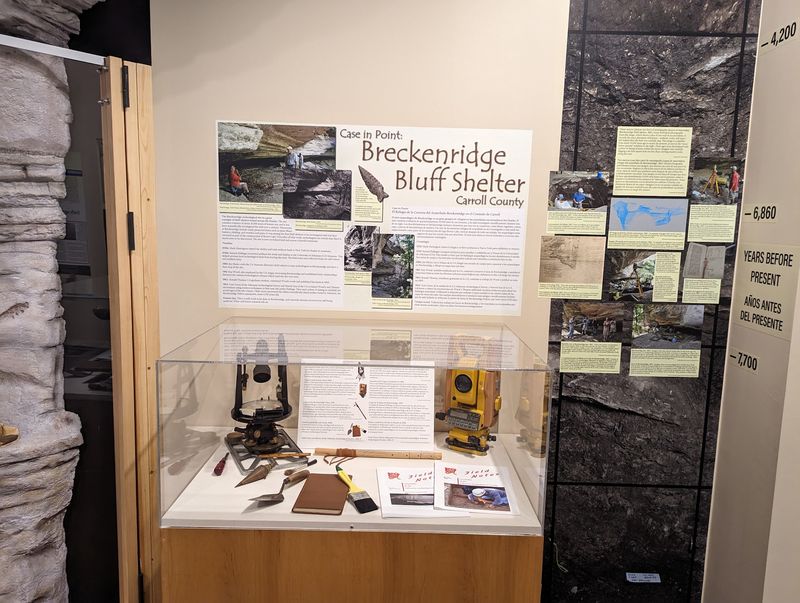
Faces from long ago gaze out of black-and-white prints, and suddenly the past has real people in it. The museum is well known for its large collection of historic photographs of the Ozark region.
These images capture farms, main streets, schools, and family gatherings across many decades. Each picture freezes a single moment that would otherwise have slipped away.
Photographs appear throughout the exhibits, adding context to the artifacts nearby. A plow means more once visitors see a farmer actually guiding one across a field.
The research library connects to this treasure as well. Researchers, students, and family history fans can use it to dig into local records and images.
Old photos have a funny way of starting conversations. Visitors often spot clothing, cars, or hairstyles that look wildly different from today.
I think a single faded snapshot can say more than a whole page of dates. It shows mood, weather, and personality all at once.
The collection keeps growing as people share images from their own albums. That community effort helps preserve memories that might have stayed hidden in an attic.
Every print is a tiny window, and together they open a wide view of the hills.
A 1930s Barn Full Of Stories
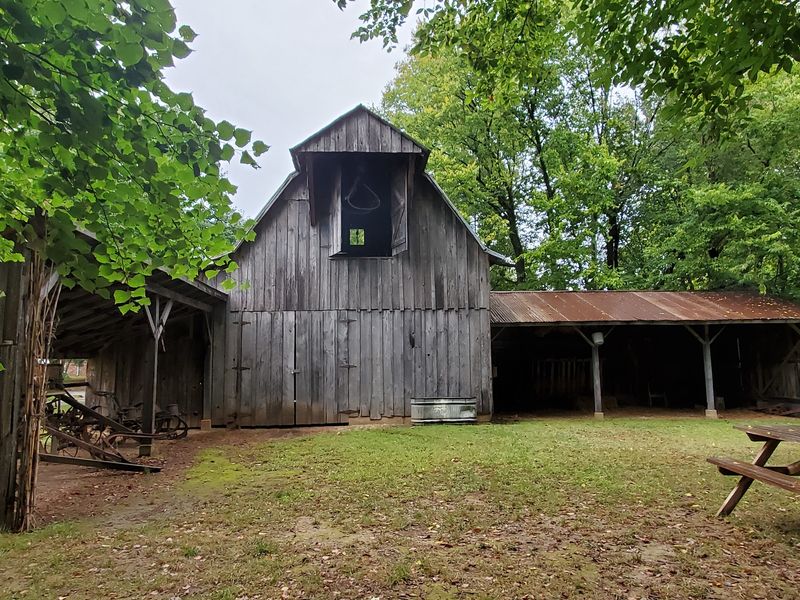
Big doors, tall rafters, and weathered boards give the 1930s barn a presence that is hard to miss. It stands among the historic buildings on the grounds as a reminder of the region’s farming roots.
Barns were the working heart of many Ozark farms. They sheltered animals, stored hay, and protected tools through stormy seasons.
The 1930s brought hard times across the country. Farm families in the hills leaned on buildings like this one to keep their operations running when money was tight.
Walking around the barn helps visitors picture a typical farmyard of that era. The size alone hints at how much daily work happened inside its walls.
Here is a structure that has clearly heard its share of moos, clucks, and creaky doors. I would happily trade a few modern walls for that kind of character.
The barn also pairs nicely with the older cabin nearby. Comparing the two shows how building styles changed over roughly eighty years.
Photographers often enjoy the textured wood and classic shape. The grounds around the barn make a pleasant spot for a slow stroll between buildings.
Hay may be gone, but the stories are still stacked to the rafters.
Historic Buildings Like A Time Capsule
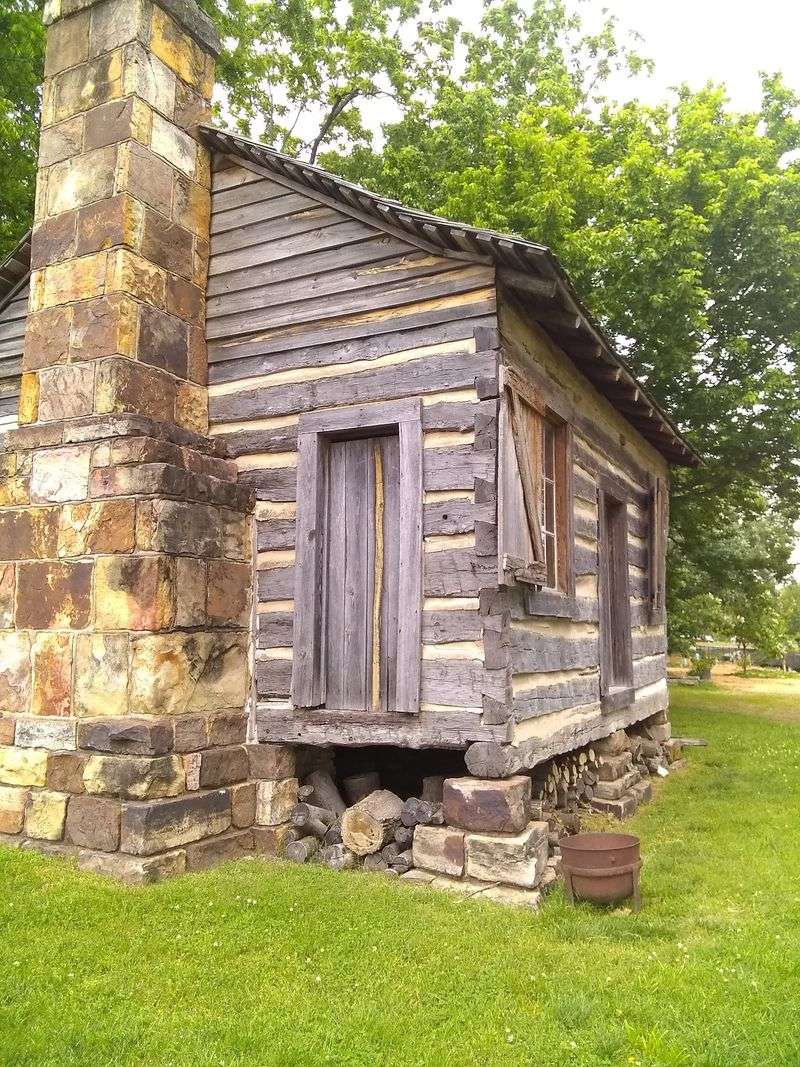
Seven historic buildings belong to the museum’s collection, and each one tells a different chapter of local life. Most stand on the main campus, while the historic meeting hall is located a block north.
Together, they offer an outdoor look at different periods of Ozark history.
Besides the cabin, store, and barn, the collection includes a 19th-century home and a former country doctor’s office. Their mix of ages shows how the community grew and changed.
Visitors can explore the grounds and see several historic structures during regular museum hours. Interior access varies, however.
The general store and meeting hall open for special programming, while the historic Smith-Searcy House is temporarily closed.
Preserving old buildings takes steady care and planning. Roofs, floors, and walls all need attention so they can survive the seasons ahead.
It strikes me as clever to preserve these buildings within a shared historic setting. Several structures were moved here from nearby communities, while others remain on their original sites.
The grounds also make a pleasant spot to pause between exhibits. Mature trees shade parts of the property, and the paths lead visitors past buildings that have survived remarkable changes in the surrounding region.
Visitors can connect what they learned indoors with the real structures outside. That connection turns facts into something solid and familiar.
A time capsule usually stays buried, but this one invites everyone to come take a look.
A Glimpse Of The Ozarks Long Ago
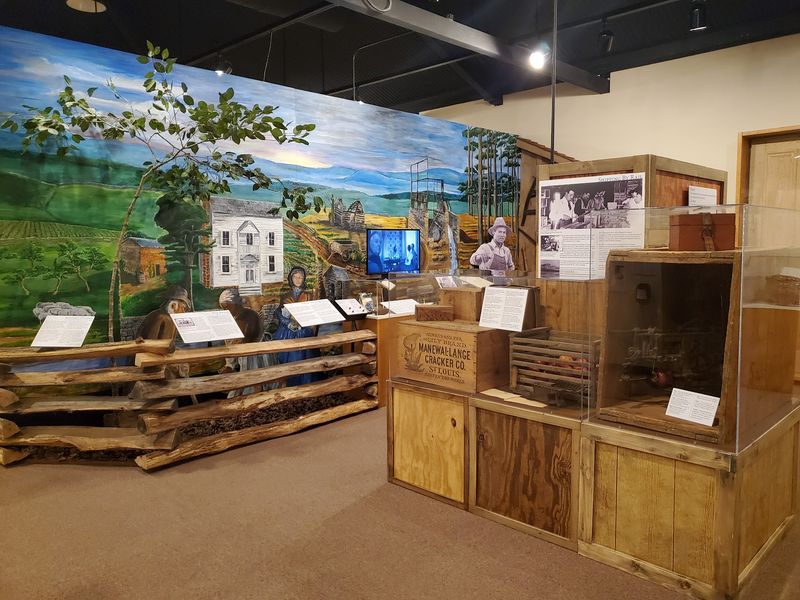
Rolling hills, small towns, and hardworking families shaped the Ozarks into the region people know today. The museum gathers those threads into one place that is easy to visit and easy to enjoy.
Its mission centers on the history of the Ozark region as a whole. Exhibits and buildings work together to show change over many generations.
Programs and events give the museum a lively community feel. Local groups also use its meeting spaces, which keeps the campus busy beyond regular exhibit visits.
The research library adds depth for those who want more. Students and genealogy fans can spend hours tracing names, places, and old records.
Planning a stop is simple, since the museum opens Monday through Saturday from 10 a.m. to 5 p.m. A visit fits nicely into a morning or an afternoon in Springdale.
I find it refreshing that the past here feels welcoming instead of dusty. Every building and display seems to invite a closer look.
The campus offers a rare chance to see the old Ozarks and the modern region in the same afternoon. That blend makes the trip feel both meaningful and fun.
History here is not locked away. It is waiting on a sunny city block, ready for its next curious guest.