
This Historic Arkansas Tavern Restaurant Feels Frozen In Time, And It’s Worth Visiting In 2026
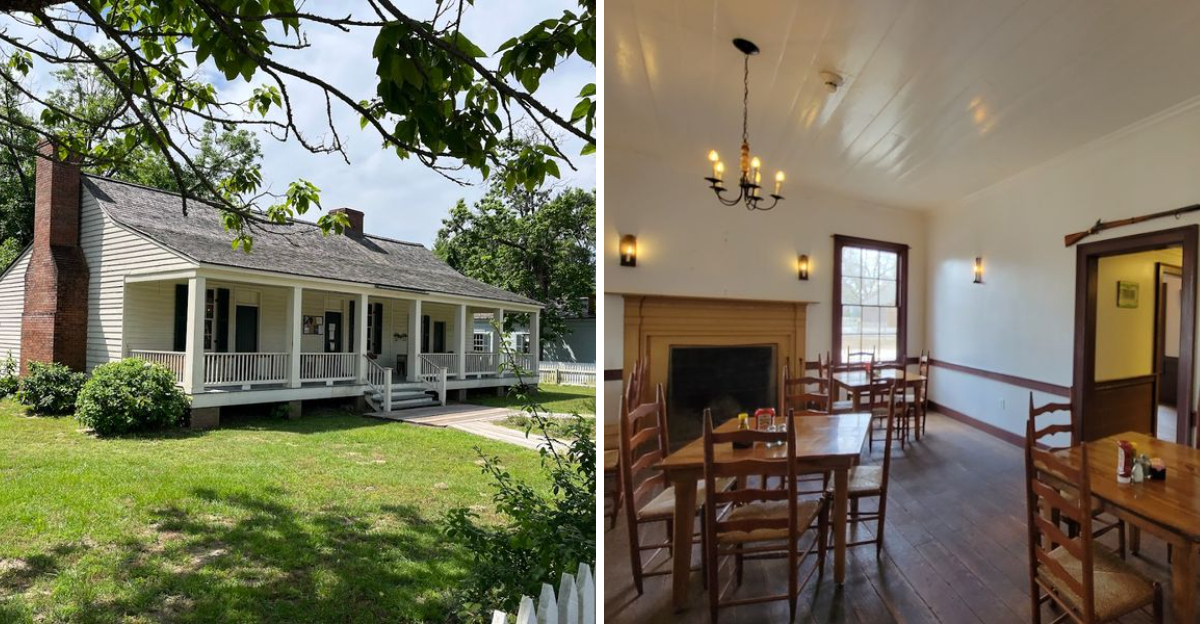
Picture a quiet moment. You walk into a building that dates back to the early 1800s, long before much of modern Arkansas took shape.
Candlelight fills the room, wooden tables feel worn in the best way, and you take your seat. Before long, plates of fried chicken and traditional sides are set down, warm and familiar.
The flavors feel rooted, not reinvented. There is no rush here.
Cornbread comes out fresh, conversations take their time, and the whole place moves at its own steady pace. You look around more.
You stay a little longer. Meals like this remind you how different things feel when they are not trying to keep up.
It is calm, consistent, and quietly memorable in a way that lingers long after you leave, inviting you to slow down again next time.
Dining Inside A Restored Frontier Tavern
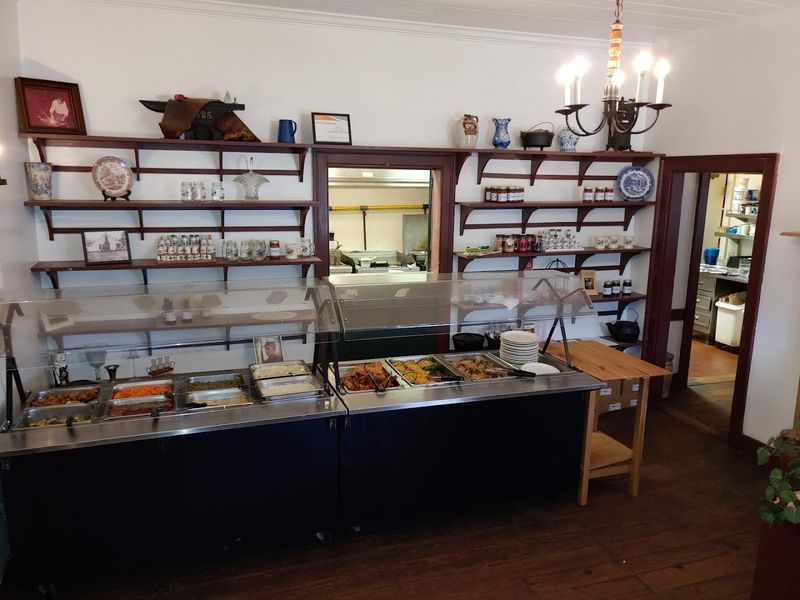
The moment I stepped through the door, the soft flicker of candlelight caught my eye before anything else did, casting warm pools of amber across the rough-hewn wooden tables and plank floors that have been here far longer than most buildings I have ever eaten in.
There is something quietly theatrical about a candlelit dining room that does not rely on mood lighting as a gimmick. Here, the candles feel practical and honest, like they belong to the building rather than to some interior designer’s concept board.
The walls carry the weight of real history, and the furnishings are not reproductions meant to suggest the past but actual restored pieces that connect you to the people who once passed through on the Southwest Trail.
Sitting down to a meal here feels less like choosing a restaurant and more like being let into someone’s home from a different century. The space stays quiet enough that you can hear the conversation at the next table, and somehow that feels right.
This is Williams Tavern at 105 Carroll St, Washington, AR 71862, and it earns every bit of its reputation.
Immersive Atmosphere Rooted In Early Nineteenth Century Life
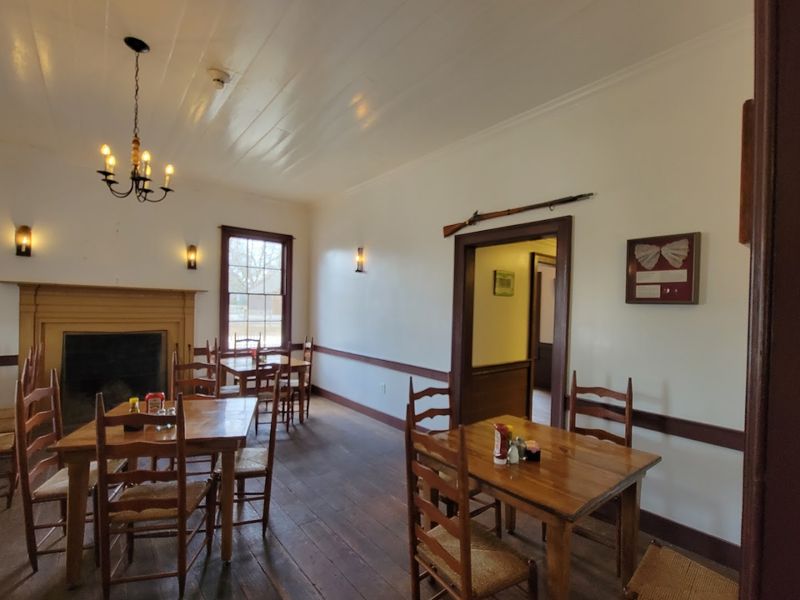
Exploring Historic Washington State Park before sitting down for a meal here creates a layered kind of immersion that most restaurants simply cannot manufacture no matter how hard they try.
The building was originally constructed to serve travelers moving along the Southwest Trail, and that original purpose, welcoming strangers, feeding people who had come a long way, still feels baked into the walls. You do not need a guided tour to sense it.
Period furniture, low ceilings, and the absence of anything that screams modern convenience work together to create an atmosphere that holds steady throughout your entire visit. There is no background playlist competing for attention, no glossy menu insert advertising limited-time offers.
What you get instead is a room that asks you to slow down and pay attention to where you actually are. Guests who arrive expecting a polished dining experience sometimes need a moment to recalibrate, but those who lean into the simplicity tend to leave talking about the atmosphere more than anything else on their plate.
That shift in expectation is half the experience here.
Traditional Southern Dishes Inspired By Historic Recipes
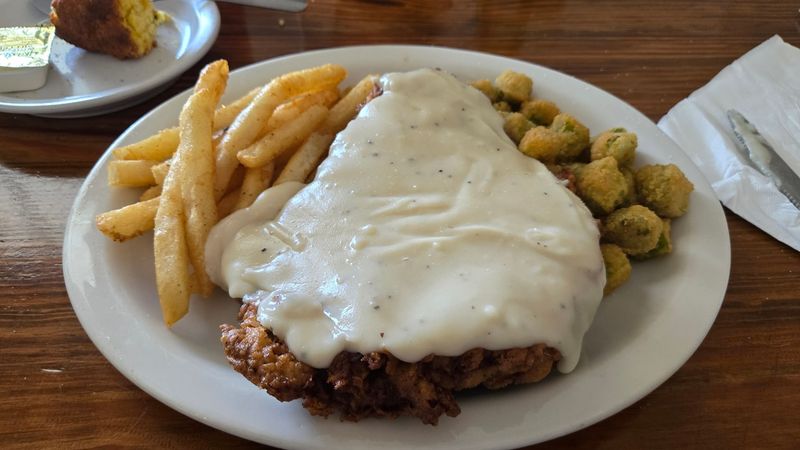
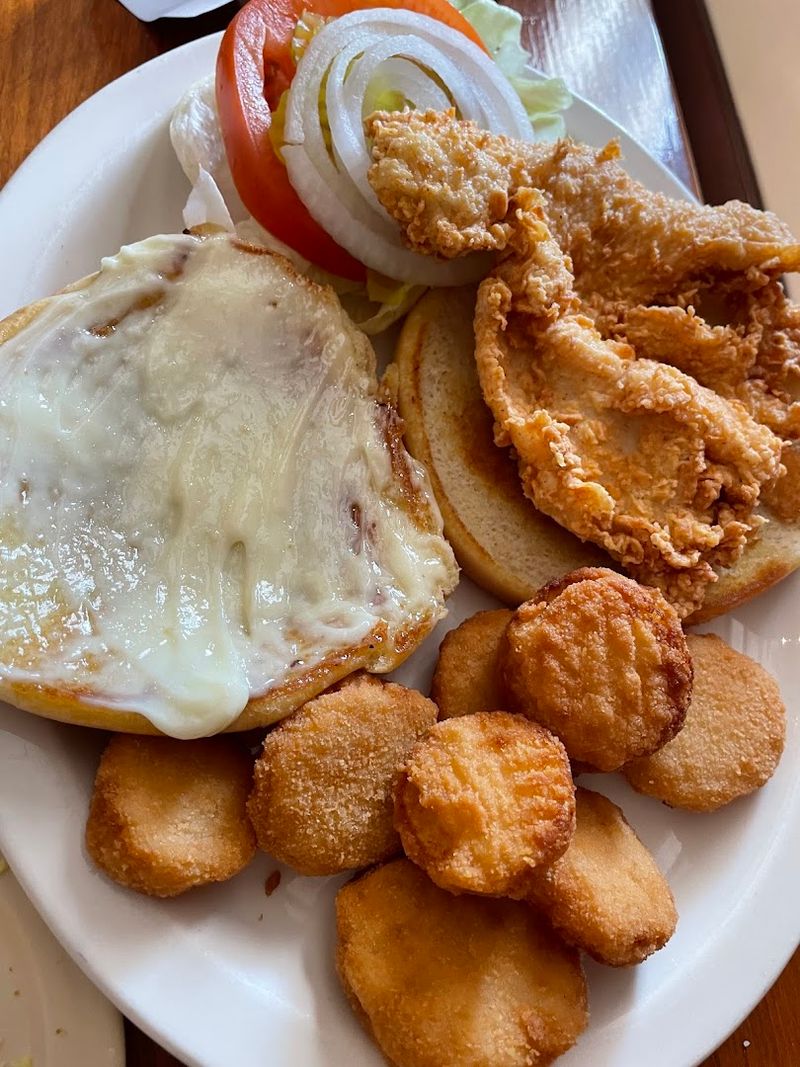
The fried chicken here has developed a reputation that travels well beyond Hempstead County, and after one bite I understood exactly why people drive out of their way for it. Crispy on the outside, tender inside, and served alongside classic sides that spark genuine debate among regulars, it is the kind of dish that reminds you why Southern cooking earned its devoted following.
Beyond the headliner, the supporting cast on this menu holds its own without any trouble. Fried okra arrives with a satisfying crunch, green beans taste like they have been cooked low and slow with intention, and the black-eyed pea salad brings a brightness that balances the heavier plates nicely.
Homemade desserts round out the meal in a way that feels almost mandatory. The peach cobbler, when it is available, draws specific praise from nearly everyone who orders it, and other classic desserts have earned their own loyal following among repeat visitors.
Nothing on this menu feels like it was designed to photograph well for social media. It was designed to feed people properly, and it does exactly that with the kind of confidence that only comes from cooking the same honest recipes over and over again.
Wooden Interiors That Preserve Period Authenticity
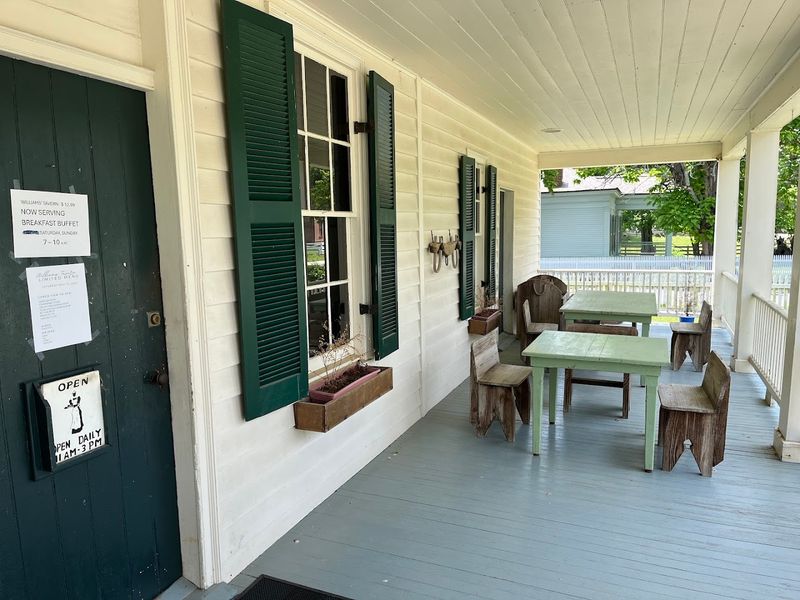
There is a difference between a restaurant that decorates with reclaimed wood and a restaurant that simply is reclaimed wood, and Williams Tavern falls firmly into the second category. Every plank, beam, and joint in this building carries real age, and the texture of that age is visible and touchable in a way that no renovation project could fake convincingly.
When the building was relocated to Historic Washington State Park and carefully restored, the priority was clearly preservation rather than polish. The result is a space that feels worn in the best possible sense, like a well-read book or a well-traveled road.
Sunlight comes through the windows at angles that highlight the grain of the wood and the unevenness of the floors, small imperfections that remind you constantly that this structure predates almost everything around it. That visual honesty is rare and genuinely refreshing.
Guests who take a moment to look closely at the walls and ceiling before their food arrives tend to appreciate the meal more once it lands on the table. The setting primes you for something straightforward and real, and the kitchen delivers on that unspoken promise with every plate that comes out.
A Living History Setting Beyond The Dining Room
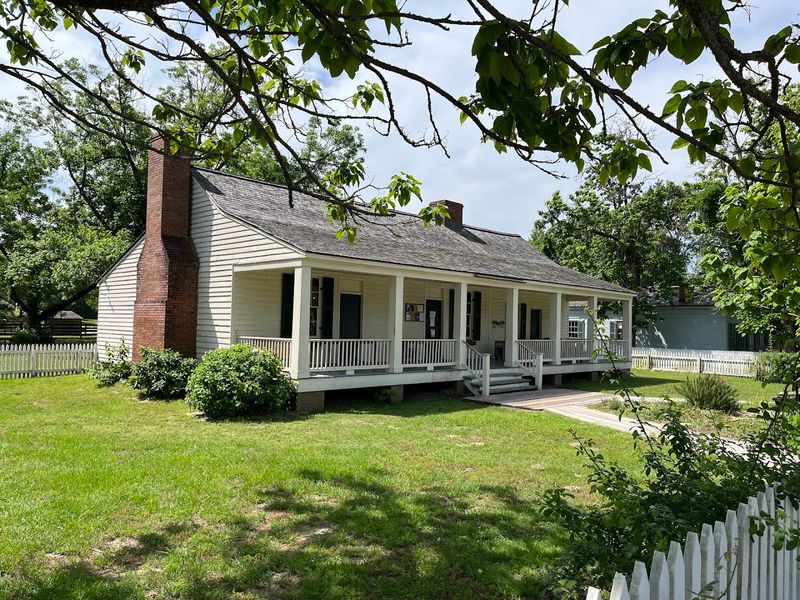
One of the things that sets a meal here apart from nearly any other lunch stop in Arkansas is that the restaurant exists inside a fully functioning living history park, which means the experience does not begin and end at the front door.
Historic Washington State Park surrounds the tavern with preserved buildings, period demonstrations, and interpretive exhibits that turn a simple lunch outing into something closer to a full day of discovery. Arriving early and walking the grounds before your meal sharpens your appetite in more ways than one.
The park setting also means that the people you share a dining room with are often fellow explorers who have just come from touring an old homestead or watching a period craft demonstration. That shared context creates a relaxed, curious energy in the dining room that you rarely find at a standard restaurant.
Families with children tend to find this combination especially rewarding since the history outside gives kids something to talk about over their plates of cornbread and fried okra. The tavern and the park around it function as a single, coherent experience, and treating them that way makes the visit significantly more satisfying than stopping in for lunch alone.
Slow Paced Meals That Reflect A Different Era
Nobody here is rushing you out the door, and that unhurried quality is either the best thing about dining at this tavern or the one thing that requires a small attitude adjustment depending on what kind of diner you are.
Service moves at a pace that matches the building, deliberate and unpretentious, with the focus on making sure your food is prepared properly rather than turning the table quickly. On busy days that patience is tested more than on quiet ones, and the reviews make clear that wait times can stretch longer than expected when the kitchen is stretched thin.
Coming in with a flexible afternoon rather than a tight schedule transforms that potential frustration into something that actually enhances the experience. A slow meal in a room this old feels appropriate in a way that is hard to articulate but easy to feel once you are sitting in it.
Ordering the daily special, leaning back, and letting the meal arrive when it arrives is genuinely the right approach here. The cornbread and dinner rolls that come to the table early help considerably, and more than one visitor has admitted that those rolls alone were worth the drive out to Washington.
Seasonal Ingredients Prepared With Old Style Techniques
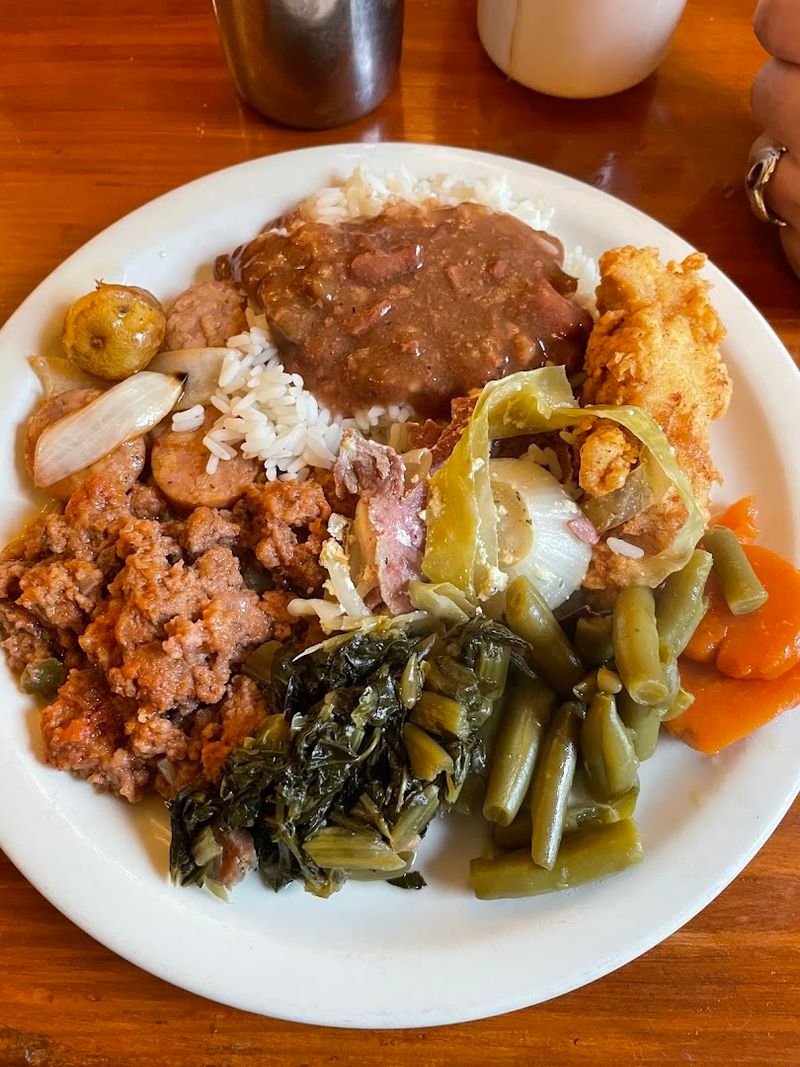
The menu at Williams Tavern leans on traditional Southern staples while still offering enough variety to keep regular visitors coming back to see what is on offer rather than defaulting to the same order every time. Squash, zucchini, corn, and other vegetables often appear as sides, and the difference between something cooked with care and something rushed is obvious on the first bite.
Old style preparation techniques, long cooking times, simple seasoning, and honest fat, show up throughout the menu in ways that remind you why these methods survived as long as they did. The green beans taste like they have been cooking since morning, which is not a complaint but a compliment of the highest order in Southern food culture.
Jalapeno cornbread arrives at the table warm and with enough personality to stand on its own without butter, though butter is never a bad idea. The kitchen clearly understands that restraint and patience produce better results than complexity and novelty.
That philosophy extends to the homemade desserts, where peach cobbler made from scratch consistently stands out against anything engineered for mass production. Availability may vary, but whatever is offered that day is almost certainly your best bet.
A Rare Experience Where Dining Feels Like Time Travel
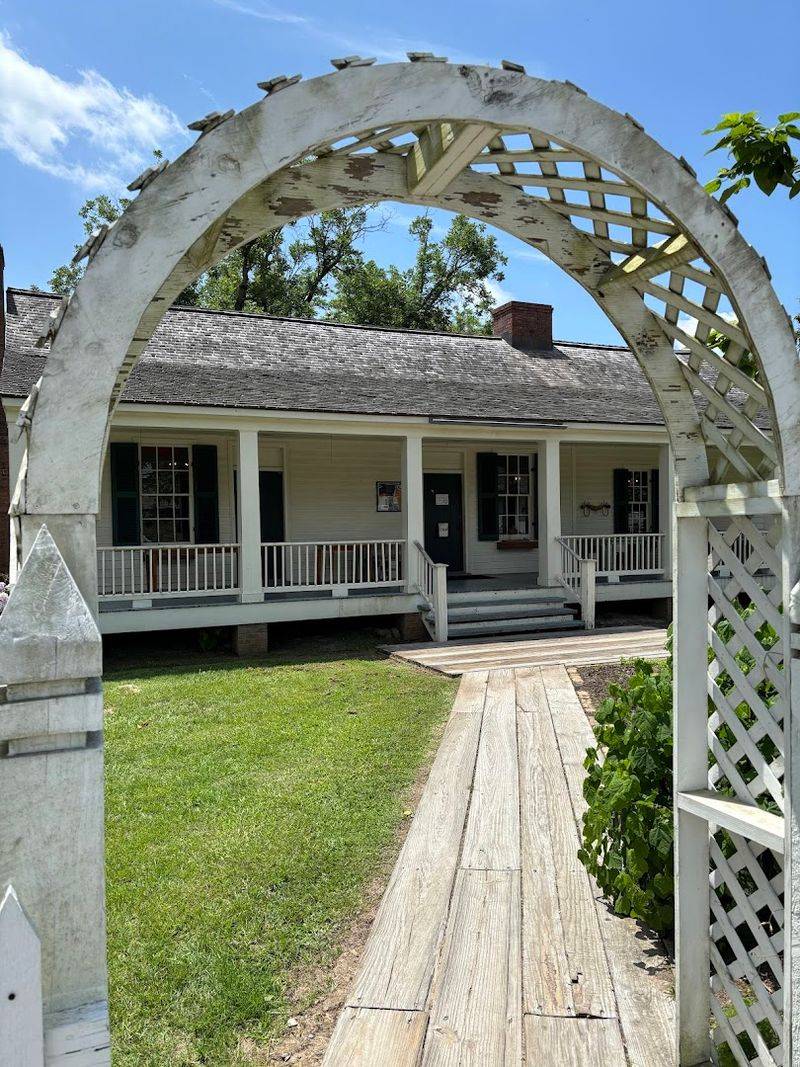
Very few restaurants in the United States can honestly claim that eating there feels like stepping into a different century, but Williams Tavern makes that case without straining for it. The building, the food, the pace, and the setting all point in the same direction without any one element overplaying its hand.
Repeat visitors talk about the place with a kind of quiet affection that goes beyond food quality or service speed. There is an emotional texture to eating in a building this old, inside a park dedicated to preserving the way life looked and felt generations ago, that lingers after the meal is finished and the drive home has begun.
The covered porch adds another layer to the experience, offering a spot to sit with a dog, catch a breeze, and watch other visitors wander the park grounds between bites. On days when a local band plays outside, the whole scene tips into something genuinely memorable.
Planning a visit in 2026 means choosing to spend a few hours somewhere that does not try to compete with the modern world and wins precisely because of that refusal. Williams Tavern is typically open several days a week, and it is worth every mile of the drive to get there.