
This Historic Colorado Train Climbs Higher Than Any Railway In North America
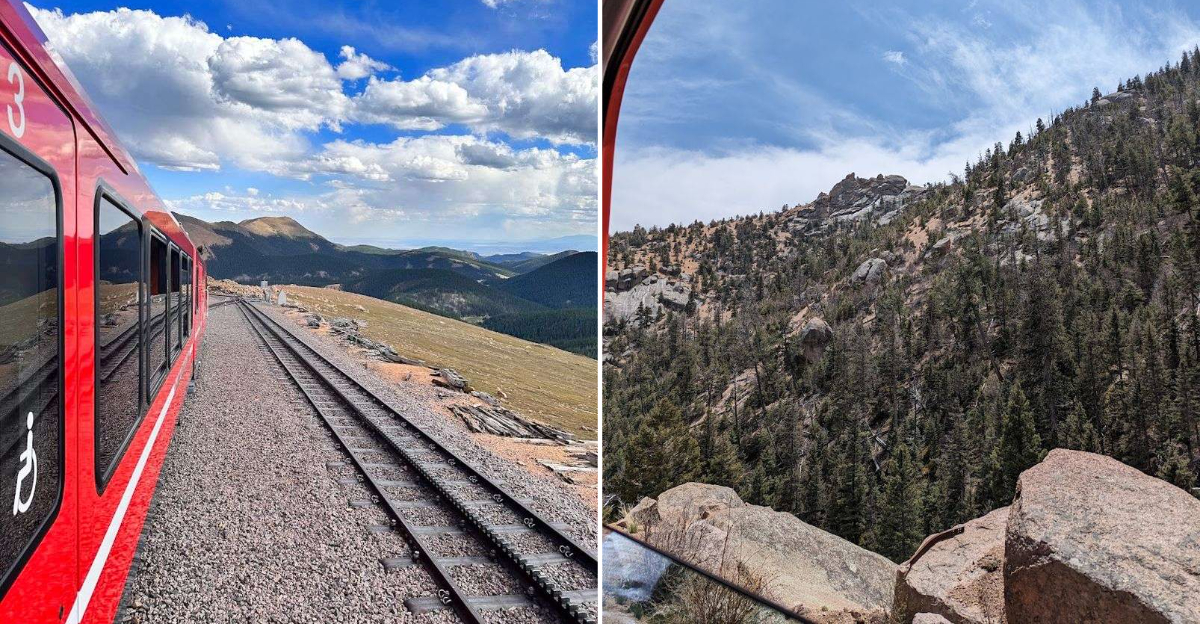
Some rides take you somewhere beautiful. This one makes the climb feel like the entire point.
Since 1891, a mountain railway near Manitou Springs has carried passengers toward a 14,115-foot summit with views that keep widening until the landscape seems unreal. Few outings in Colorado balance history, engineering, and spectacle this effortlessly.
The train moves steadily upward while forests thin, rocks sharpen, and the air turns noticeably cooler. That gradual transformation is what makes the journey so memorable.
Children press toward the windows, adults forget their phones, and everyone starts watching the horizon. At the top, the reward is not just elevation.
It is the strange thrill of reaching North America’s highest summit accessible by rail without rushing a single moment. Bring layers, bring curiosity, and save room for awe.
Somewhere above Colorado’s Front Range, this century-old ride still proves that the slow way up can be the unforgettable part.
A Railway Built to Reach the Unreachable
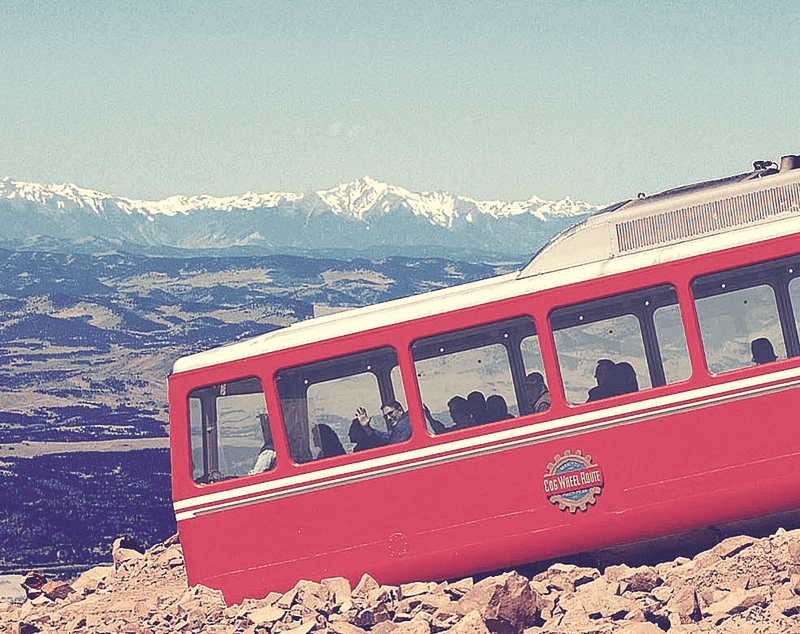
Few railways on the continent can claim a history as quietly extraordinary as this one. Operating out of 515 Ruxton Ave in Manitou Springs, Colorado, the Pikes Peak Cog Railway has been sending trains up one of America’s most iconic mountains since 1891, making it one of the oldest and highest cog railways in the world.
That is not a minor footnote; that is the whole headline.
The railway uses a specialized cog-and-rack system that grips the steep track, allowing the train to climb grades that would make a standard locomotive give up entirely. The final push to the summit reaches a jaw-dropping 27-degree angle, steep enough that passengers seated facing forward feel a noticeable tilt backward, almost like a very polite roller coaster that respects your personal space.
The round trip covers significant elevation change, climbing from the depot to a summit sitting above 14,000 feet. Tickets sell out fast, especially during peak season, so booking online in advance is strongly recommended.
Choosing your seat ahead of time matters too, as views vary noticeably depending on which side of the car you land on. Pro Tip: The three-seat side of the car offers the widest, longest panoramic views for most of the ascent.
What the Ride Actually Feels Like From the Inside
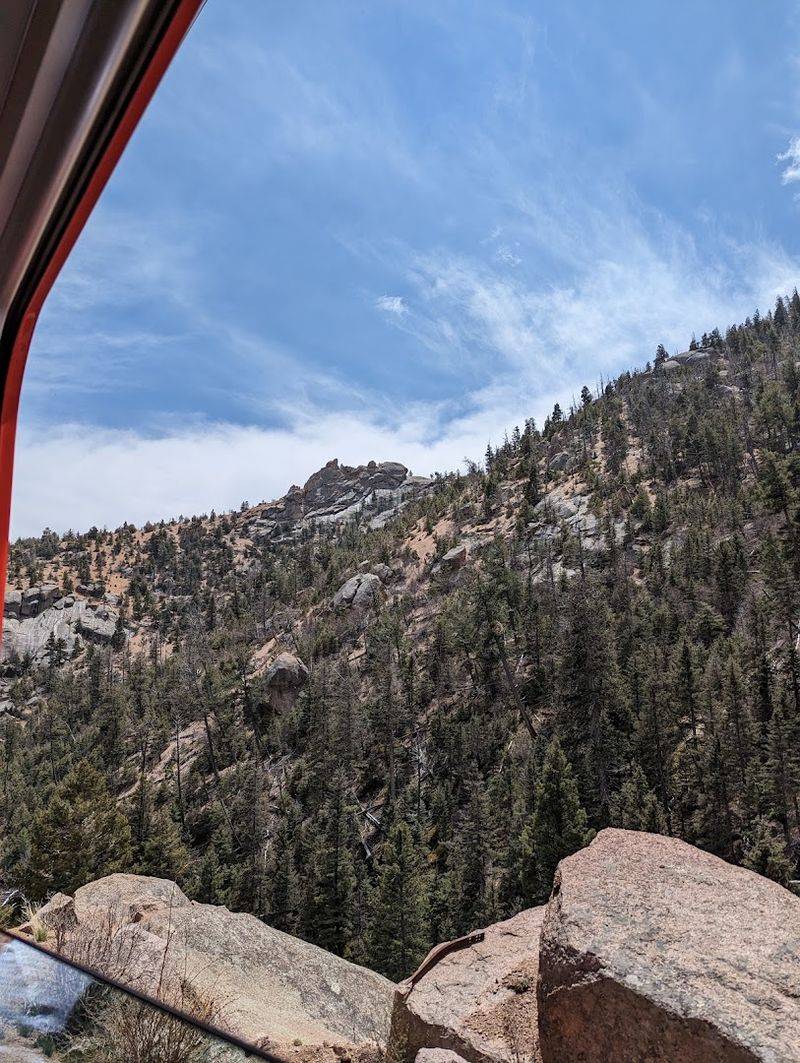
Forget white-knuckle tension. The ride up Pikes Peak is genuinely smooth, comfortable, and relaxed in a way that surprises most first-timers who expected something more dramatic.
The cars are modern, the seats are assigned, and the pace is steady enough that you can actually absorb what you are seeing outside the window rather than bracing for impact.
Conductors make the journey considerably more entertaining than expected. Visitors consistently mention standout guides by name, describing them as funny, knowledgeable, and generous with history, wildlife facts, and well-timed jokes.
Expect stories about the mountain, Colorado history, and the railway itself woven throughout the ride up. On the way down, many conductors walk car to car to answer lingering questions personally.
Wildlife sightings are a genuine bonus, not a marketing promise. Deer, yellow-bellied marmots, and bighorn sheep have all been spotted along the route by passengers who were paying attention.
The train runs daily from 8 AM to 5 PM, and the full round trip takes roughly three to four hours including time at the summit. Best For: Travelers who want a fully narrated, guided mountain experience without the stress of driving a steep mountain road themselves.
The Summit: What Waits at 14,115 Feet
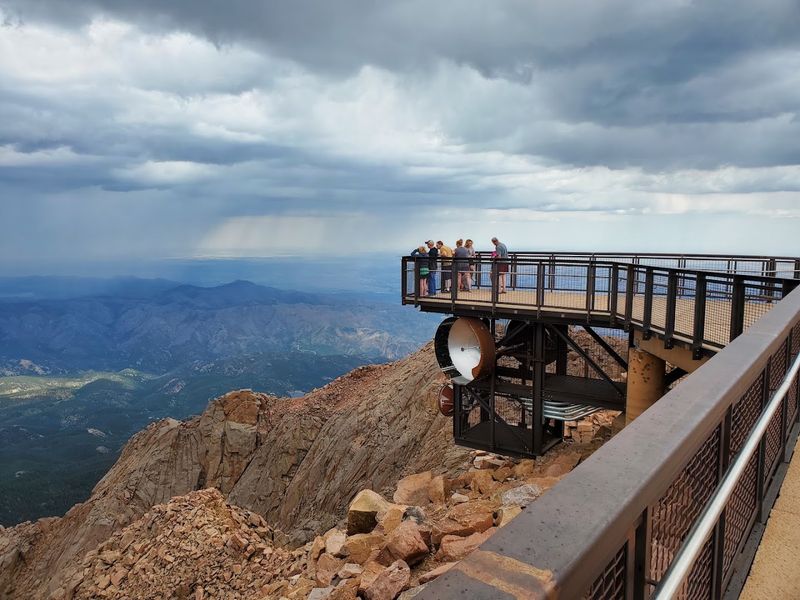
Standing at the top of Pikes Peak is one of those moments that makes you go quiet without meaning to. On clear days, the views stretch in every direction across the Rocky Mountains, and on exceptional days, visitors report being able to see as far as Kansas.
The air is noticeably thinner up here, about 30 percent less usable oxygen than at sea level, so moving slowly and drinking water is genuinely practical advice rather than just a polite suggestion.
The summit has a modern visitor center with restrooms, a snack bar, and a place to warm up, because the temperature at the top routinely runs 30 to 40 degrees colder than at the depot below. Layers are not optional.
The famous Pikes Peak summit donuts have become something of a local legend among visitors, and the hot chocolate pairs well with the view when your fingers are reminding you that summer is relative at this elevation.
Time at the top is limited to roughly 40 to 60 minutes depending on the departure, so having a loose plan helps. Insider Tip: Send one person ahead to grab food and save seats while others explore the exhibit area, a small strategy that pays off noticeably during busy departures.
Altitude Awareness: What You Need to Know Before You Go
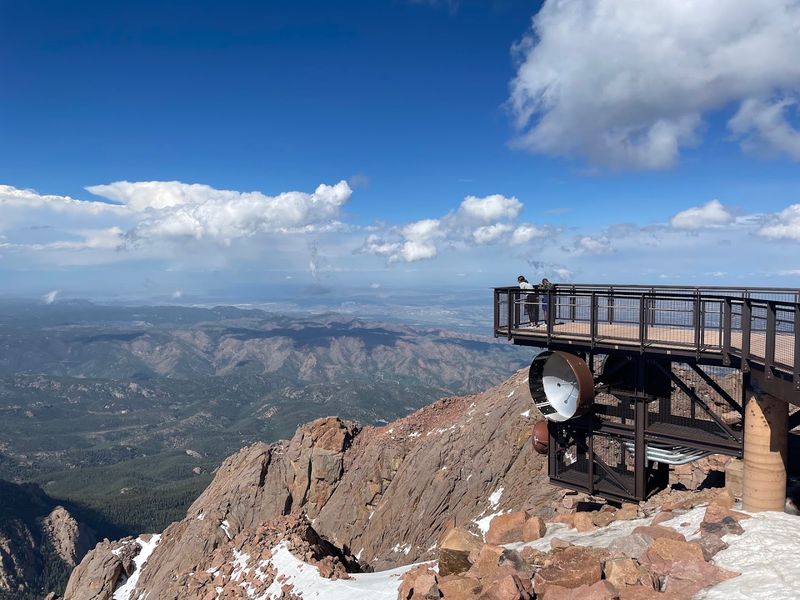
Altitude sickness is real, and Pikes Peak sits high enough to catch people genuinely off guard. At over 14,000 feet, the reduced oxygen affects visitors differently, and some people feel winded, lightheaded, or nauseous even if they felt perfectly fine at the depot.
Children and adults alike can be affected, and it does not necessarily correlate with fitness level.
Preparation the day before makes a measurable difference. Hydrating well, eating a solid breakfast, and avoiding heavy exertion before the trip are all practical steps that experienced visitors swear by.
Some travelers bring altitude patches or purchase small oxygen canisters before arrival, since the ones sold at the summit gift shop are available but priced at a premium compared to what you might find elsewhere in town.
Moving slowly once at the top, avoiding sudden sprints toward the view, and sitting down if you feel unsteady are all reasonable responses to the elevation. The thin air is not a reason to skip the trip, but it is a reason to take it seriously.
Common Mistakes to Avoid: Skipping water on the train ride up, wearing only a light layer, and rushing around the summit all tend to make altitude effects noticeably worse for unprepared visitors.
Seat Selection and Timing: The Details That Change Everything
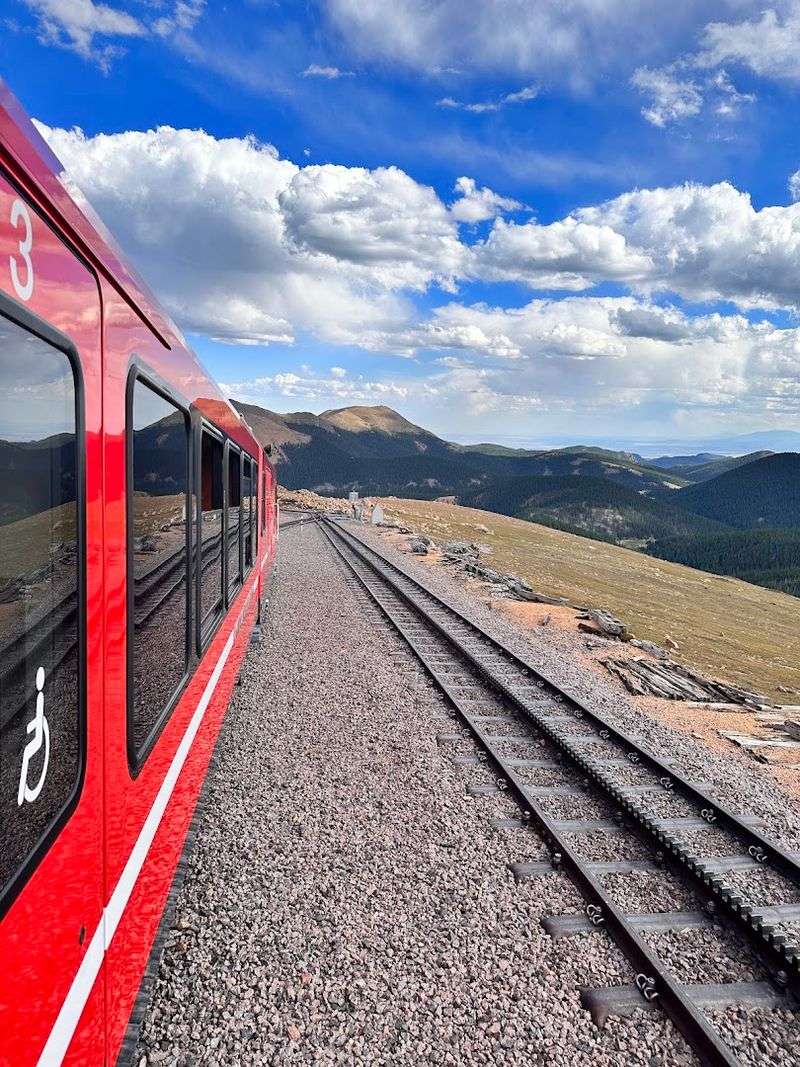
Here is where a little homework pays off in a big way. Seats on the Pikes Peak Cog Railway are assigned, which means you can choose your spot when booking online, and that choice genuinely shapes how much of the scenery you actually see.
The three-seat side of each car offers the most expansive views for the majority of the climb, particularly during the upper portion of the route where the landscape opens up dramatically.
Because the train returns to the depot in reverse, passengers face backward on the way down. Keeping this in mind when selecting your seat helps you plan which direction gives you the best forward-facing experience on the ascent.
The left side going up, facing away from the mountain, consistently earns praise from visitors for its unobstructed long-range views at higher elevations.
Timing matters just as much as seating. Morning departures tend to offer clearer skies, as clouds often build throughout the day from evaporating snowmelt at higher elevations.
Visibility can drop significantly by afternoon. Planning Advice: Book the earliest departure available, purchase tickets online well in advance especially for summer and holiday weekends, and arrive at the depot at least 20 to 30 minutes before your scheduled departure since the train leaves exactly on time, no exceptions.
Parking, Shuttles, and Getting There Without the Headache
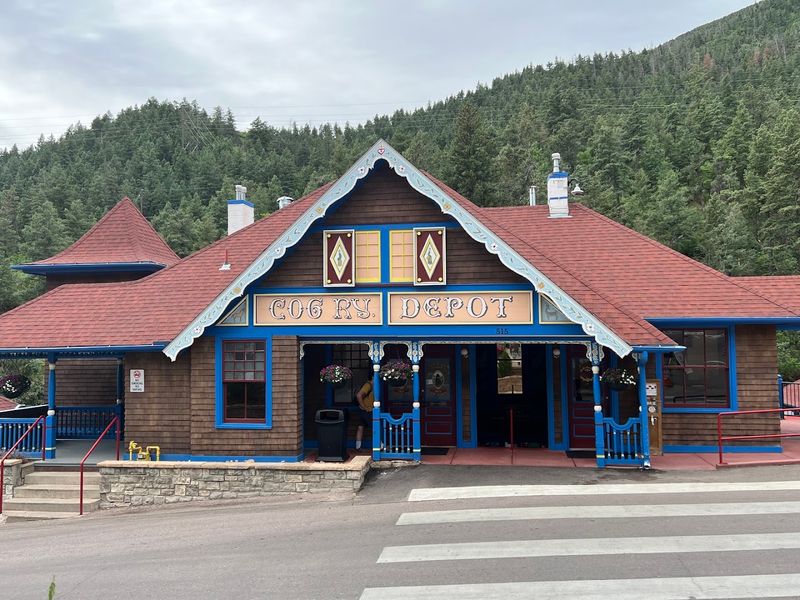
Parking near the depot at 515 Ruxton Ave is limited, and the road leading to the station gets busy quickly, especially on weekends and summer mornings. On-site parking carries a fee on top of the ticket price, which catches some visitors off guard.
The good news is that smarter options exist and are worth using.
Several off-site parking areas in and around Manitou Springs offer free or significantly cheaper parking, with free shuttle service running to the depot. The Dillon Mobility Hub is one option visitors have specifically recommended as both affordable and convenient.
The shuttle system gets busier later in the day as foot traffic from nearby trails increases, so earlier departures work in your favor on multiple levels.
One small logistical note worth knowing: the train station has two sets of restrooms, one inside the main waiting room and a second set at the far end of the tracks that almost nobody finds on their own. That second set typically has no line at all, which is useful information when 300 passengers are all arriving at once before a departure.
Quick Verdict: Skip the on-site parking, use the shuttle, arrive 30 minutes early, and you will sidestep the two most common friction points that otherwise put a dent in an otherwise excellent day out.
Why This Trip Earns Its Place on Any Colorado Itinerary
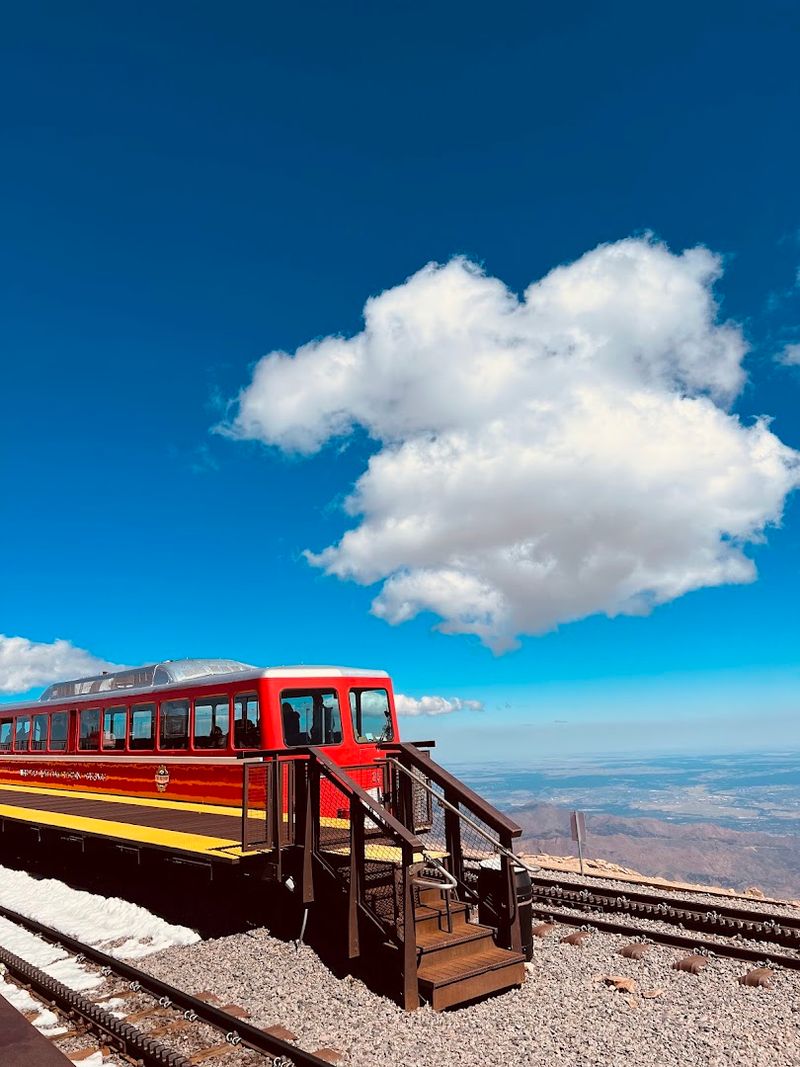
There is a particular kind of travel experience that works for almost everyone in the group, regardless of age, fitness level, or how much enthusiasm people showed in the parking lot. The Pikes Peak Cog Railway lands squarely in that category.
Grandparents, young kids, couples, and solo travelers have all found something genuinely memorable in the same three-hour window.
The railway is wheelchair accessible, the boarding process is relaxed, and the narrated ride does the heavy lifting in terms of keeping passengers engaged without requiring anyone to do anything particularly strenuous. Families with younger children should know that the ride itself is about an hour each way, which is long enough that a small card game or activity can help keep restless travelers occupied during quieter stretches.
Manitou Springs itself is worth time before or after the train. The small downtown area sits just minutes from the depot and offers a walkable main street with local character that fits naturally into the rhythm of a day already built around the railway.
Who This Is For: Anyone visiting Colorado who wants a guided, scenic, historically grounded mountain experience that does not require hiking boots, a high fitness level, or a willingness to drive a switchback road at elevation. The train handles all of that for you, and it has been doing so since 1891.