
This Historic Florida District Has Free Roaming Chickens And Feels Frozen In Time
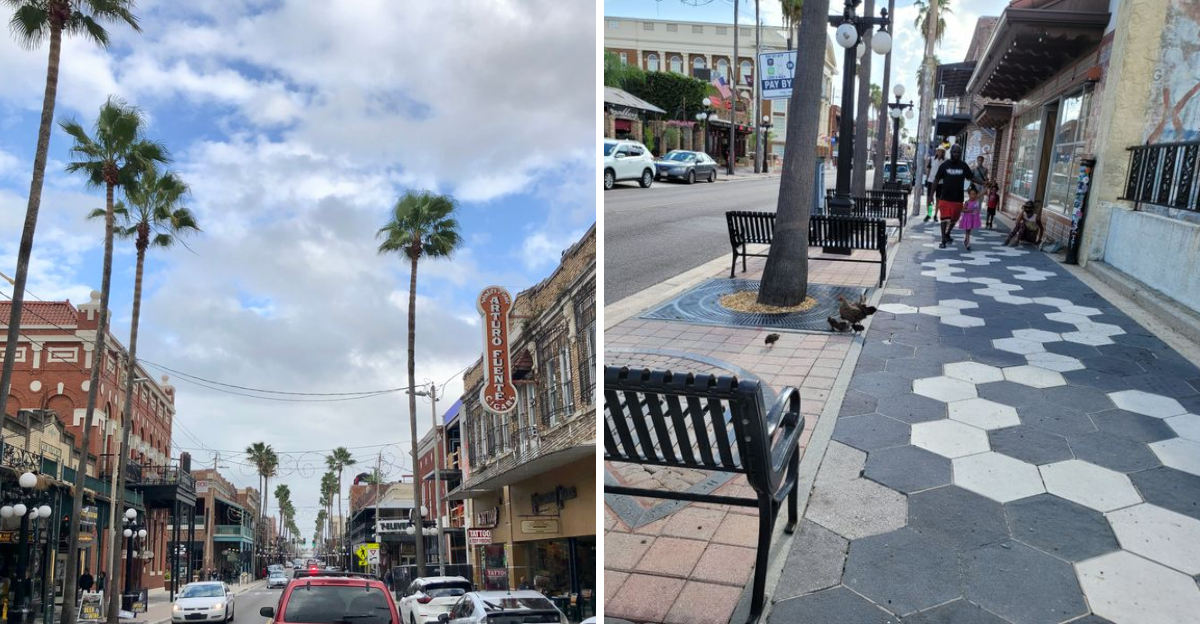
Some Florida neighborhoods feel carefully planned. Ybor City clearly had other ideas.
Step onto 7th Avenue in Tampa and things stop feeling predictable.
Ybor City Historic District keeps its brick streets and iron balconies exactly how they are. And somehow, that works perfectly.
Cafecito shows up right on time. So do the chickens, acting like this is the most normal thing in the world.
This is the kind of Florida place where you stop checking directions and just keep walking.
If you like spots that feel relaxed, slightly amusing, and very hard to forget, Ybor City earns its reputation.
Morning On 7th Avenue: First Impressions And Free Roaming Chickens
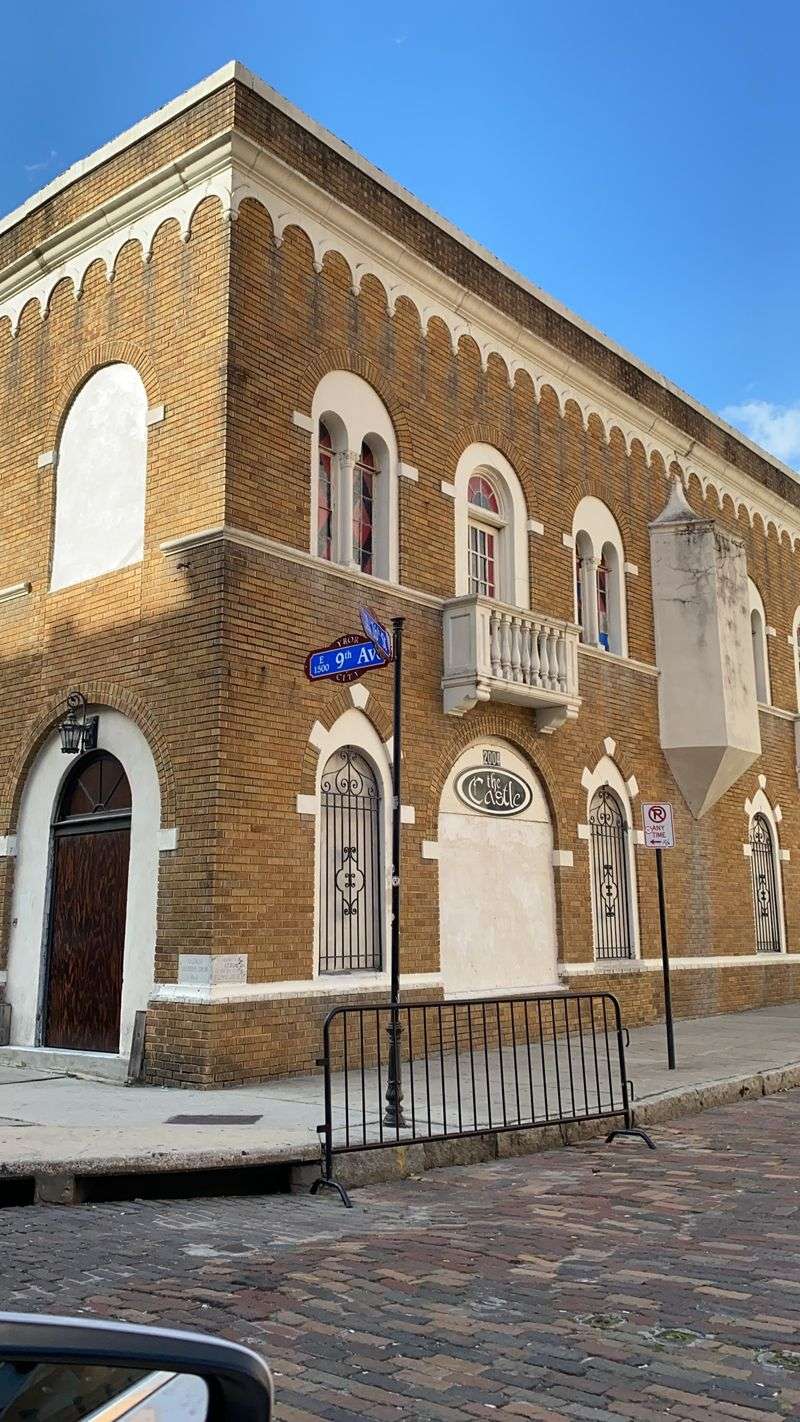
Start early and the district greets you with soft light and the gentle cluck of chickens trotting across brick streets. You will notice weathered brick facades, iron lace balconies, and hand painted signs that lean into the morning like old storytellers.
The air carries a whisper of espresso and tobacco, and the rhythm of footsteps is slow, curious, open.
Walk past narrow storefronts where bakers slide guava pastries onto trays, and baristas pull Cuban shots that land like tiny thunderclaps. A rooster preens near a mosaic doorway as if he is the unofficial mayor, reminding you that history here is not in a museum case.
It settles in the cracks, rides the breeze, and perches on the window rails with a knowing stare.
Traffic is light, so you can hear door hinges, soft laughter, and the hiss of steam. This first hour sets your pace: wander, look up, let small details tug you along.
If you need a target, follow the scent trail toward 7th Avenue’s cafes. Reward yourself with something sweet, then linger and watch the street wake up around you, one cluck and coffee sip at a time.
A Time Capsule Of Brick And Iron: Architecture That Holds Stories
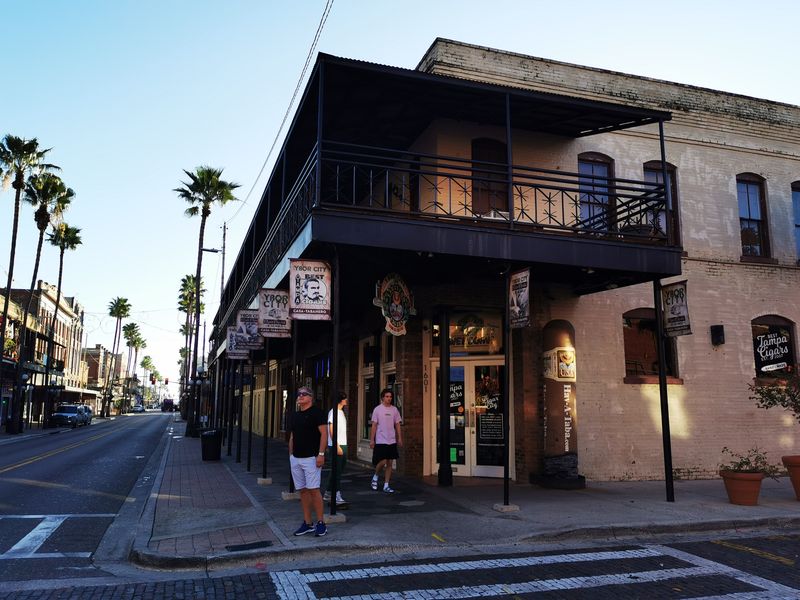
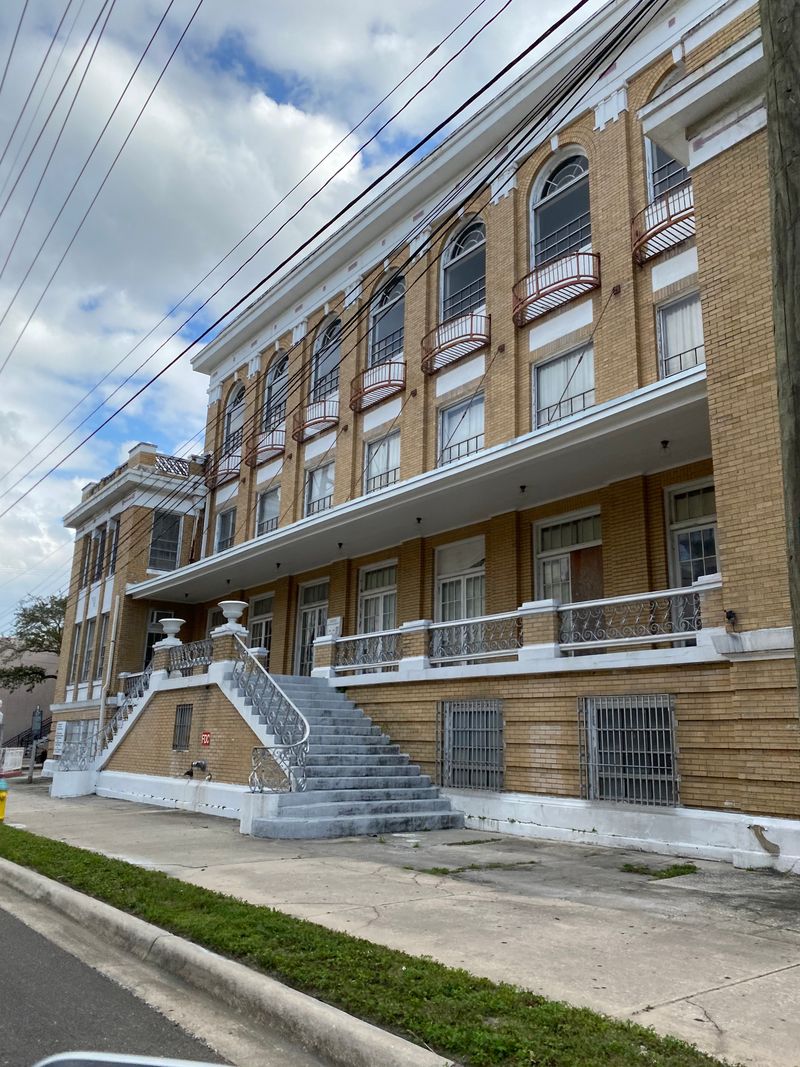
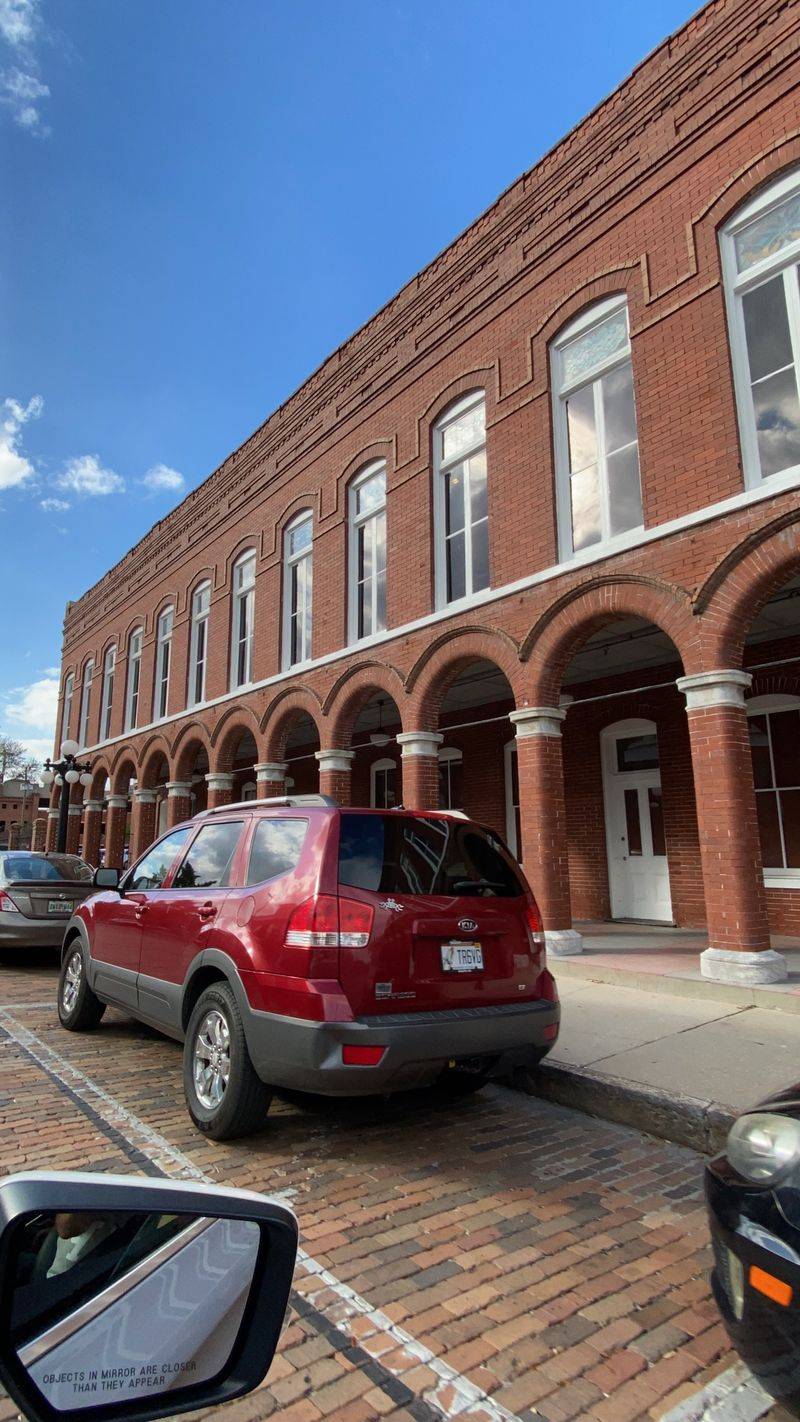
Stand at a corner and let your eyes travel up the brick. You will see arched windows, pressed tin cornices, and balconies with ironwork that curls in soft, deliberate patterns.
Every façade feels handcrafted, more workshop than showroom, and the repetition of red brick makes the district pulse with warm continuity.
Step closer and the materials speak. Bricks are scuffed by a century of footsteps and storms, the paint layers read like growth rings, and vintage neon signs buzz softly above shaded arcades.
Some buildings keep their original company names etched in stone, modest but proud, while others wear murals that celebrate the neighborhood’s Latin soul.
Architecture here is not sterile. It is scuffed in the best way—textured, human-scaled, and meant for walking.
You can reach out and touch the iron railings, feel the warmth in the metal, and picture evenings when these balconies were packed with conversation. Take your time, duck down alleys where the echoes sharpen, and let the geometry of staircases and window lines guide your next turn.
Cuban Coffee And Guava Dreams: Tasting The Morning
You cannot do Ybor without a cafecito. The shot lands sweet and strong, with that caramelized sugar foam that kisses your lip and says wake up, friend.
Pair it with Cuban toast that crackles when you press your fingertips, or a guava pastelito whose flaky layers crumble like confetti over your napkin.
Pull up a stool and watch the ritual. The barista packs the portafilter, taps it with a practiced rhythm, and the machine answers with a hiss that feels theatrical.
The smell is deep and roasted, part coffee, part memory, and it mingles with pastry butter drifting in from the oven like a soft announcement of good things.
Prices vary, but plan for a few dollars per drink and pastry, and expect counter service to move quickly even when a small crowd forms. Most spots open by morning, with hours stretching into late afternoon.
If you can, return later for a cortadito, because the afternoon light inside these cafes turns honey colored and makes the tiny cups glow like treasures.
Ybor City Museum State Park: Where The Story Comes Together
The Ybor City Museum State Park ties the threads together in one compact, well-curated space. Housed in a historic bakery, it layers the immigrant story with artifacts, photographs, and a timeline that feels genuinely human-scaled rather than academic.
You move from case to case and can almost hear a chorus of languages in your head—Spanish, Italian, German, English—all braiding into one neighborhood.
Docents share approachable context about factory life, mutual aid societies, and how a purpose-built working district evolved into a cultural engine for Tampa. The stories focus on people and daily rhythms rather than institutions, making the history easy to connect with.
Outside, the garden courtyard offers a quiet pause, with fragrant plants and shaded benches where you can linger and let the energy of 7th Avenue fade to a friendly murmur.
Hours can vary by season and staffing, so it is smart to check ahead online or call before you go. Admission is usually modest—think single-digit dollars per adult—with discounts for children.
Accessibility is thoughtfully considered, with ground-level entry and helpful staff, though some historic interior spaces may feel tight. It is an excellent first stop, giving you the vocabulary and context to decode everything you will notice on the streets afterward.
Chickens As Citizens: The District’s Feathered Mascots
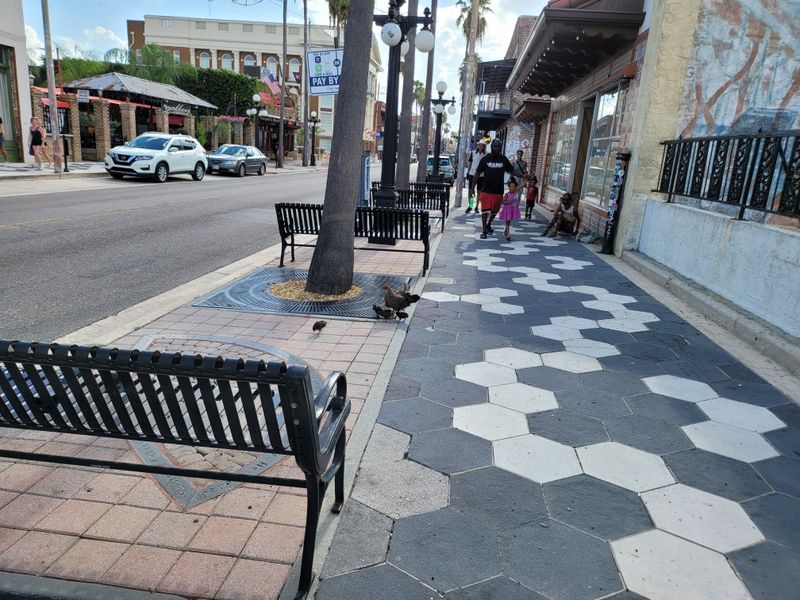
Here the chickens are not scenery, they are neighbors. You will find hens shepherding chicks across crosswalks, roosters perched on curbs, and the occasional feathered traffic jam that makes everyone smile.
Locals give them space, and you will, too, because they lend the streets a living heartbeat.
They are protected and widely loved, a quirky reminder of the district’s working class past and open air rhythm. The birds seem to know the shady spots, and they slide into them like seasoned regulars.
Resist the urge to chase or feed them, and remember that they have a schedule you cannot guess. Watching them is the best game in town.
Mornings are busiest, when the light is gentle and the brick still cool. Keep your camera ready, but be mindful of traffic and people moving around you.
If a rooster crows from a balcony, consider it your personal soundtrack. You came for history, and you get it with feathers and attitude, right at ankle level.
Sips And Sounds: Nightlife That Glows Without Rushing
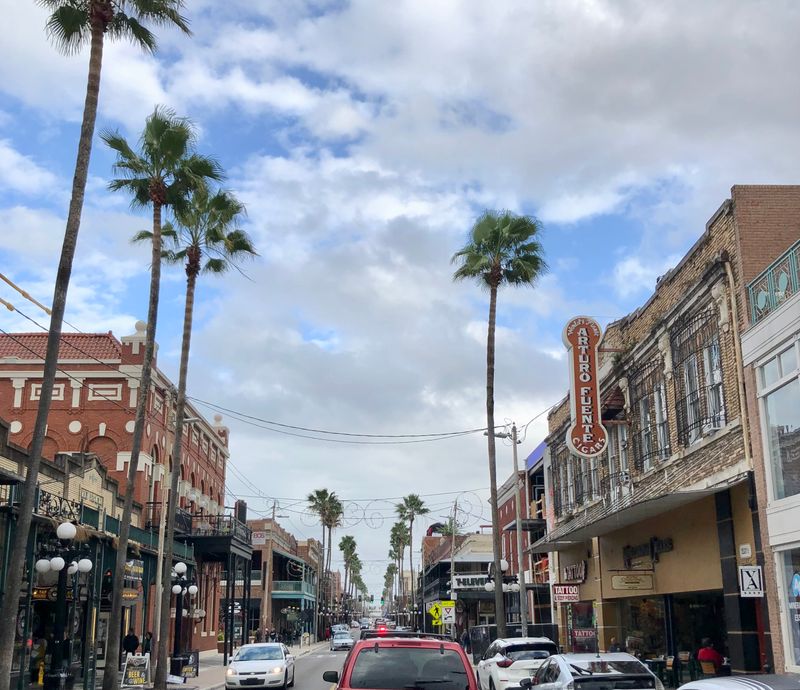
As daylight softens, Ybor City’s neon warms up like a stage set. Music pours from open doors, a mix of rock, salsa, and singer-songwriter stories that drift beneath the balconies.
You feel the pace change without losing the neighborhood’s old bones. The brick catches the glow, the air carries hints of citrus and night blooms, and the streets invite you to wander a little longer.
Venues often post their lineups outside, making it easy to dip in for a set or two without a big commitment. Covers usually range from modest to mid-tier, depending on the act and the night.
If you are craving something quieter, slip into a lounge for a classic cocktail and a conversation that does not require shouting.
Street life is lively, especially on weekends and during events, so plan rides or parking with the evening rush in mind. Comfortable shoes matter, because exploring on foot is still the best move here.
You will leave with a tune stuck in your head and the sense that the district glows from the inside out.
The Tampa Baseball Museum: Neighborhood Pride In Nine Innings

Baseball roots run deep in Tampa, and Ybor gives the story a front porch. The Tampa Baseball Museum lives in the restored childhood home of Al Lopez, and it feels intimate, like stepping into a family scrapbook.
Exhibits map the local pipeline that produced major league talent and neighborhood legends.
You will find gloves, uniforms, and photos that trace sandlot games to stadium spotlights, with context that keeps the story grounded. There is pride here, not just in wins, but in community fields, coaches, and weekend rituals that shaped generations.
The house creaks a little, in a good way, reminding you that sport is woven into daily life.
Hours can vary, and admission is usually reasonable, with discounts for kids. Parking nearby is manageable, though you might prefer to park once and walk from 7th Avenue.
The museum rewards patience: read the captions, listen to a short oral history clip if available, and picture the district buzzing after a big game. You will leave with a smile and a new lens on Ybor’s identity.
La Setima’s Rhythm: Street Art, Murals, And Memory
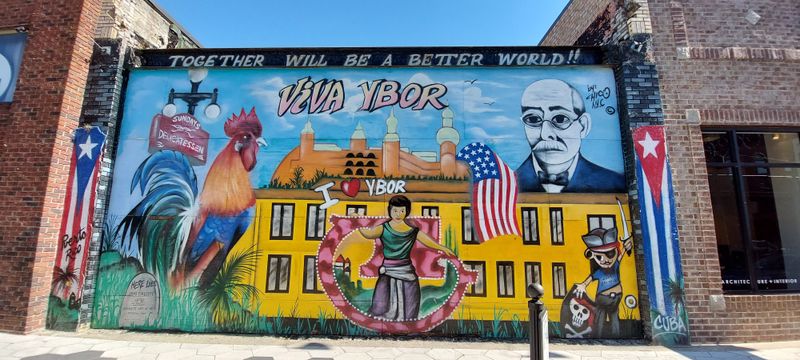
Murals splash memory across brick like a second skin. You will see roosters standing heroic, workers immortalized mid-craft, and portraits of families who gave the district its heartbeat.
The colors are bold, the edges crisp, and the messages proud without ever feeling staged.
Walk slowly and trace the stories block by block through Ybor City. Some pieces honor mutual aid societies, others nod to immigrant journeys and the long push for fair labor and dignity.
Tiles, mosaics, and hand-painted signs add smaller chapters, tucked near doorways and in pocket plazas where you can pause without blocking the flow of foot traffic.
Art here is alive. Walls get refreshed, commissions rotate, and new voices appear, so expect discovery rather than a checklist.
Morning and late afternoon light make the paint glow without glare and keep the sidewalks cooler. If you plan to photograph, step aside and mind the curb, because cars can creep close.
The street is a gallery you do not have to whisper in, and the curators are the neighbors themselves.
Practical Magic: Parking, Streetcars, And Easy Ways To Roam
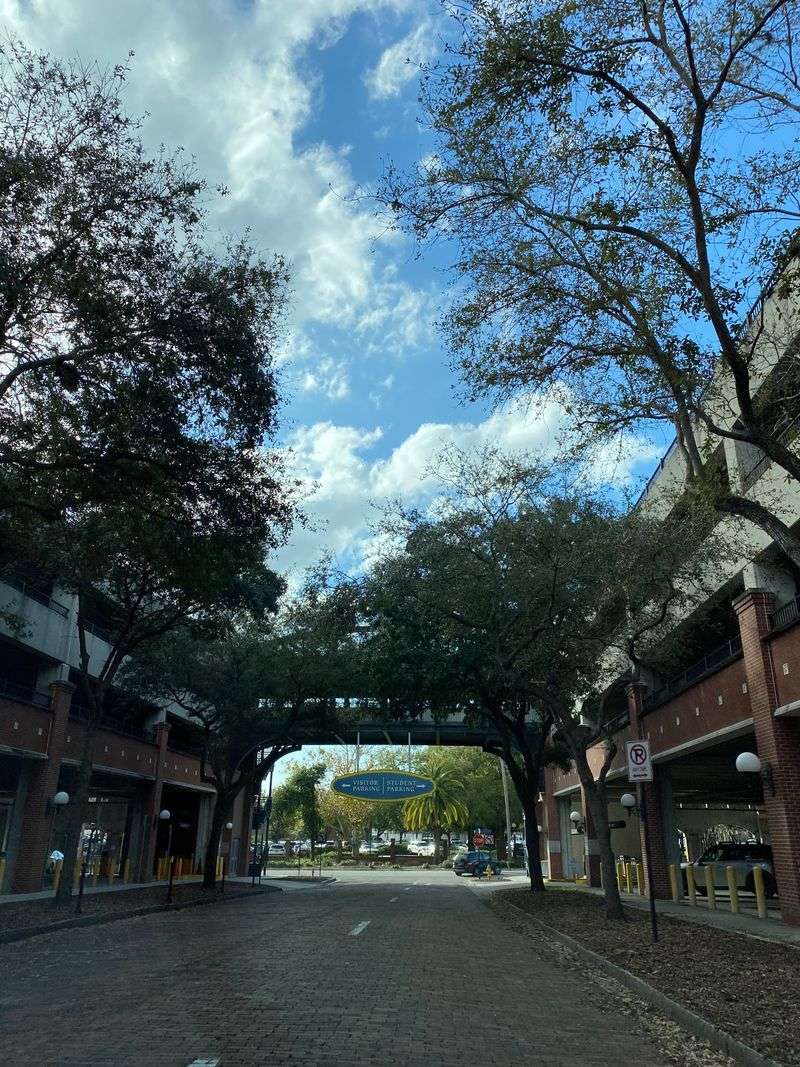
Getting around is refreshingly simple if you plan a little. Public garages and lots sit near the main drag, with rates that shift by time and event days.
Metered street parking appears in pockets, but watch signs, because time limits and enforcement can surprise a distracted wanderer.
The TECO Line Streetcar connects Ybor with Channel District and downtown, and it is a fun way to glide in without worrying about a spot. Hours and frequency vary, so check the schedule, but riding it feels like a small victory you will brag about later.
For accessibility, curb ramps and wide sidewalks are common on the main streets, though some bricks can be uneven, so pace yourself and pick smooth paths.
Most shops keep late morning to evening hours, later on weekends, and the scene swells at night. If you plan multiple stops, park once and treat the district like an open air museum.
Bring water, sunscreen, and patience for Florida weather, which flips from sun to sudden shower with zero warning. The payoff is a day that flows.
Flavor Map: Cuban Sandwiches, Croquetas, And Family Tables
Follow your nose and you will land at a counter where bread is pressed flat with a friendly sizzle. The Cuban sandwich here is a love letter in layers: roast pork, ham, Swiss, mustard, pickles, all locked inside crust that cracks like a tiny firework.
Croquetas arrive hot and crisp, a two bite comfort you will think about later.
Menus often read like family albums, with recipes carried across oceans and perfected on weeknights. Prices are approachable, especially at lunch, and portions place a gentle challenge on your appetite.
Ask staff for favorites, and you will get a story with your plate, sometimes about an aunt or grandmother who taught the technique.
Seating ranges from counter stools to shaded patios that catch a breeze. If lines look long, wait anyway, because turnover is quick and the reward lands hot.
For dietary needs, choices vary by spot, so ask early and kindly. Then let the first bite do the talking, because this is the kind of food that teaches you something about a place in exactly one mouthful.