
This Historic Florida Hotel Has Been Turned Into A Museum And Café You Can Visit
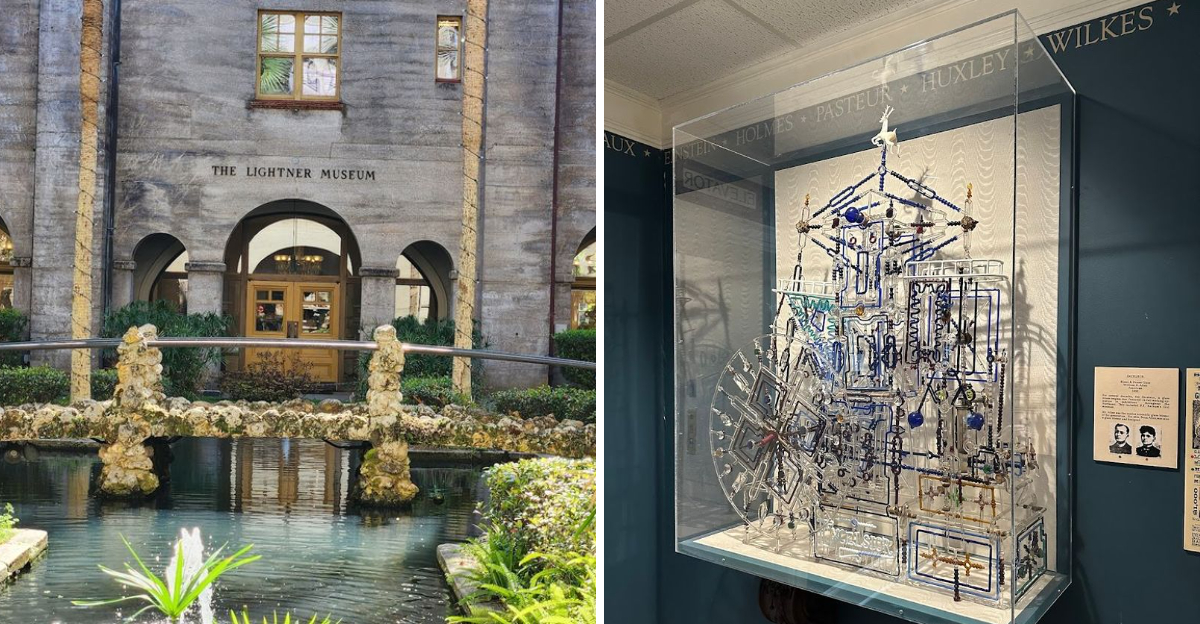
There’s a side of St. Augustine, Florida where history does not sit quietly behind glass, it surrounds you the moment you walk through the door.
The kind where grand architecture rises overhead, sunlight filters through towering windows, and every room feels like it belongs to another era.
Florida is home to a museum so visually rich it feels more like stepping into a preserved moment in time.
What was once a lavish Gilded Age hotel now unfolds as a series of stunning gallery spaces filled with objects that tell stories without needing explanation.
You move from room to room, noticing details you did not expect.
Old-world elegance, unusual collections, and displays that feel both beautiful and slightly mysterious.
Nothing here feels ordinary.
And by the time you reach the end, it becomes clear this is not just a museum visit.
It is an experience that stays with you long after you leave.
The Hotel Alcazar Was Built By Henry Flagler In 1888
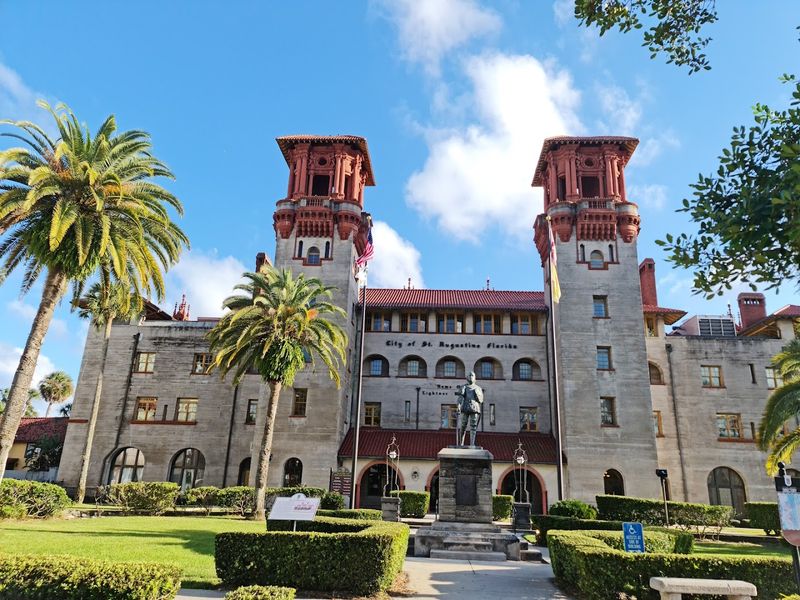
Few buildings in Florida carry as much swagger as the one that became the Lightner Museum. Henry Flagler, the railroad tycoon who helped shape modern Florida, commissioned the Hotel Alcazar in 1888 as a companion to his even grander Ponce de Leon Hotel directly across the street.
Designed in the Spanish Renaissance Revival style, the Alcazar was built to impress wealthy tourists arriving on Flagler’s Florida East Coast Railway. The building features ornate arches, decorative towers, and original tile floors that still hold their charm over a century later.
Flagler spared no expense, filling the property with amenities that were considered jaw-dropping for the era. Visiting the Lightner Museum today means walking through a building that once catered to some of the wealthiest people in America.
The architecture alone makes the trip to 75 King St worth every step.
The Building Once Had The World’s Largest Indoor Saltwater Pool
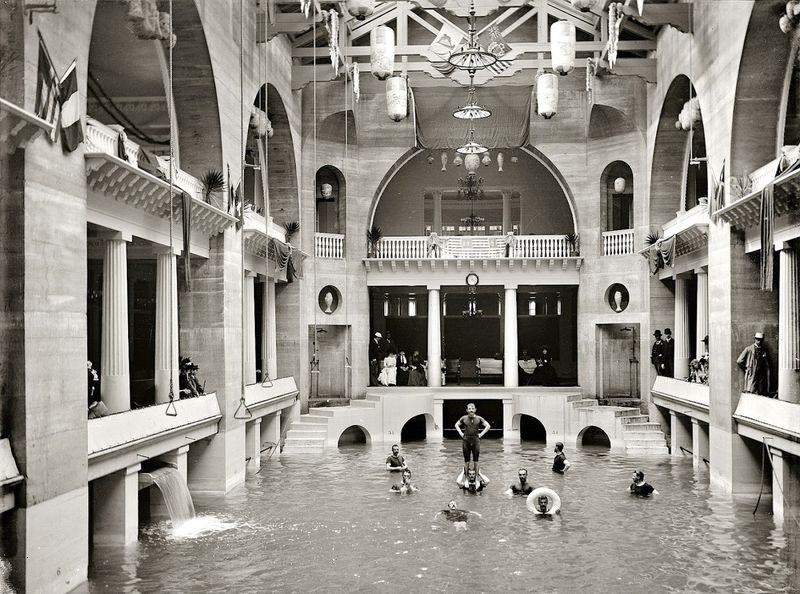
Before fitness centers and resort pools became standard, Hotel Alcazar was already making a splash with something truly record-breaking. The hotel once boasted the largest indoor saltwater swimming pool in the world, a massive structure that drew guests from across the country.
The pool area was fed with heated saltwater and surrounded by elaborate architecture that made it feel more like a Roman bathhouse than a hotel amenity. Turkish baths and a full spa rounded out the wellness offerings, which were remarkably advanced for the late 1800s.
Today, that same dramatic pool space has been transformed into an event and wedding venue that still manages to take your breath away. When I stood at the edge of the old pool floor and looked up at those soaring arched ceilings, I genuinely forgot what century I was in.
It is one of those spaces that photographs cannot fully capture until you are standing inside it yourself.
Chicago Publisher Otto Lightner Saved The Building In 1947
After the Great Depression forced Hotel Alcazar to close its doors, the magnificent building sat largely dormant for years, its gilded glory slowly gathering dust. Then came Otto Lightner, a Chicago-based publisher who ran a popular magazine called Hobbies: The Magazine for Collectors, and everything changed.
Lightner purchased the building in 1947 with a vision that was as quirky as it was brilliant. He wanted a home for his enormous personal collection of Victorian-era objects and antiques, and he believed the grandeur of the old hotel was the perfect backdrop.
Rather than converting the space into something unrecognizable, Lightner preserved much of the original architecture while filling the rooms with thousands of fascinating objects. His collecting philosophy was famously inclusive, encouraging everyday people to collect anything from matchbook covers to bottle caps.
That spirit of curious, joyful accumulation still pulses through every corner of the museum he left behind.
The Museum Holds A Remarkable Collection Of Victorian-Era Artifacts
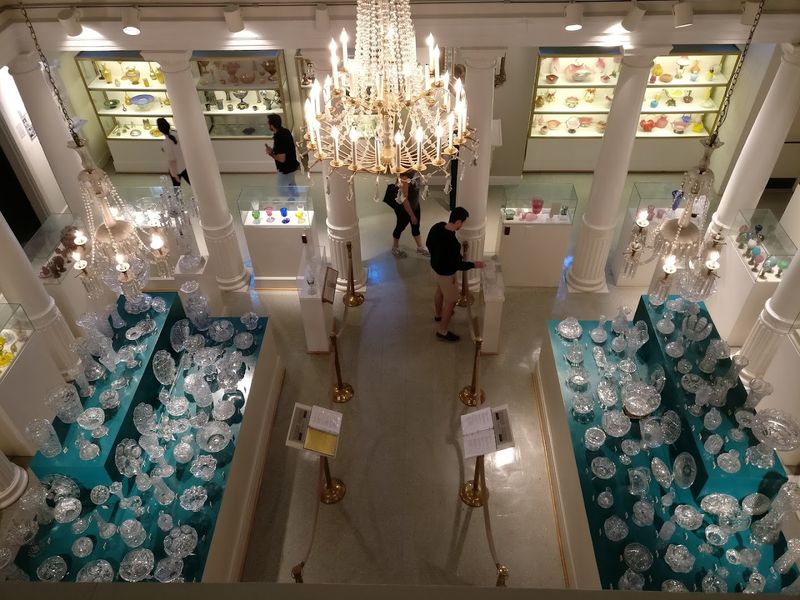
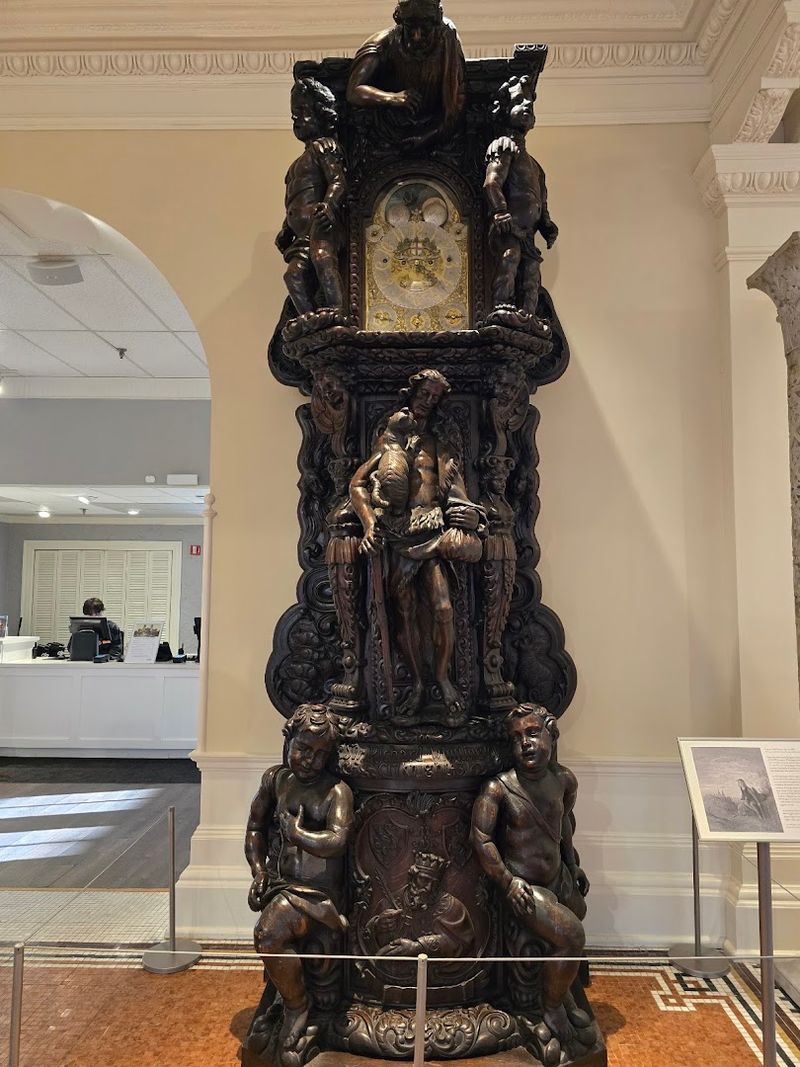
Step through the front doors and the sheer variety of what awaits you is almost disorienting in the best possible way. The Lightner Museum houses thousands of objects spanning the late 19th and early 20th centuries, with collections that range from delicate cut glass and crystal to ornate furniture, stained glass panels, and mechanical musical instruments.
Each item comes with a description card that provides background information, so you never feel lost or overwhelmed by what you are looking at. One reviewer called it a collection of collections, and that phrase really does capture the experience perfectly.
Unlike museums that focus on a single theme, the Lightner rewards wandering and curiosity. You might spend twenty minutes admiring a case of hand-blown glass, then round a corner and find yourself face to face with a mummy exhibit that nobody warned you about.
Every room holds a fresh surprise, and that unpredictability is a huge part of its charm.
The Mechanical Musical Instruments Exhibit Is A Hidden Treasure
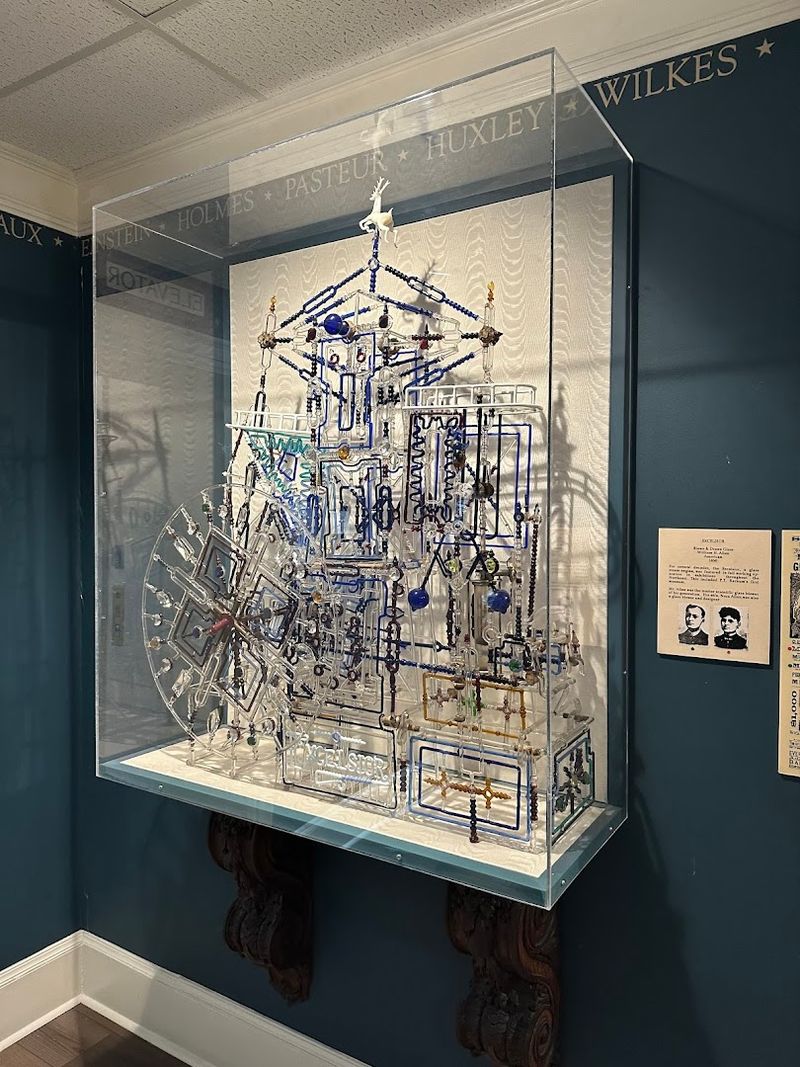
Tucked among the many galleries at the Lightner Museum is one exhibit that consistently surprises visitors: the mechanical musical instruments collection. Before recorded music existed, wealthy households and entertainment venues relied on elaborate automated devices to fill rooms with sound.
The museum’s collection includes beautifully crafted music boxes, orchestrions, and other self-playing instruments from the Gilded Age, many of which feature intricate woodwork and decorative metalwork that make them as visually impressive as they are historically significant. Several visitors have noted that they wished there were more opportunities to hear these instruments actually play, which speaks to just how compelling the collection feels.
Standing in front of a large orchestrion, I kept trying to imagine what it must have sounded like filling a grand hotel lobby with music on a Saturday evening in 1895. The instruments represent a fascinating chapter in entertainment history, and the museum presents them with the care and context they genuinely deserve.
A Stunning Café Now Operates Inside The Former Pool Building
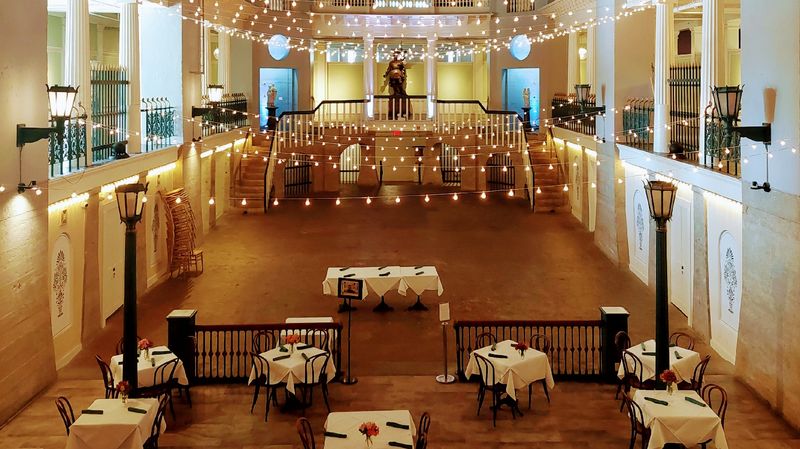
Lunch at the Lightner Museum is not your average museum cafeteria experience. The café operates inside the dramatic former pool building, surrounded by soaring arched ceilings and the original architectural details of the 1888 hotel, making it one of the most atmospheric dining spaces in all of St. Augustine.
The setting alone would justify a visit, but the food holds its own too, drawing both museum guests and locals who simply want a beautiful place to enjoy a meal. One important tip that multiple visitors have passed along: reservations are strongly recommended, especially for dinner, because the space fills up quickly and walk-ins are not always guaranteed a table.
I made the mistake of assuming I could walk in on a busy Saturday afternoon, and I ended up admiring the space from the doorway instead of sitting in it. Plan ahead, book your table in advance, and give yourself the full experience that this extraordinary room deserves.
The Museum Spans Three Floors With Something New Around Every Corner
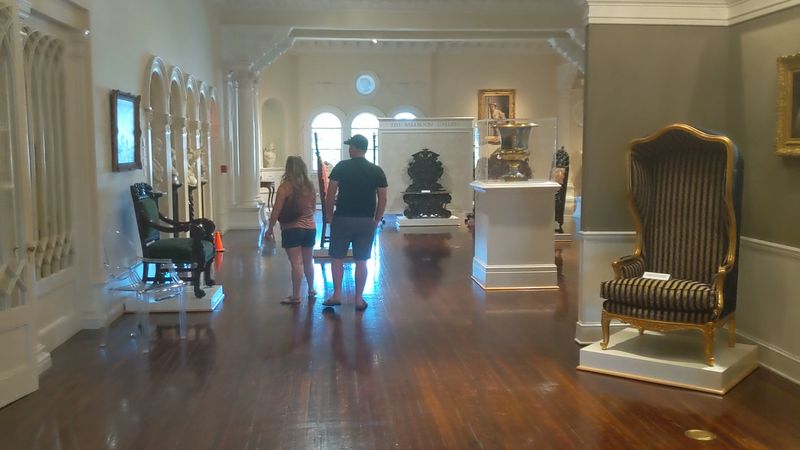
Navigating the Lightner Museum feels a little like exploring a grand old mansion where every room holds a different secret. The building spans three floors, each organized around different themes and collections, with elevators and staircases connecting the levels for visitors of all mobility needs.
Guests receive a map at the entrance that details the layout and themes of each floor, which helps enormously given that the original hotel floor plan was not exactly designed for linear museum touring. Some visitors find the layout charmingly labyrinthine, while others appreciate having the map to keep their bearings.
A typical visit at a relaxed pace takes about two hours, though curious visitors who linger over every display case have been known to stretch that considerably. I personally spent far longer than planned in the stained glass room, then completely lost track of time in the Florida landscapes gallery.
The museum rewards anyone willing to slow down and really look.
The Building’s Architecture Is A Major Attraction On Its Own
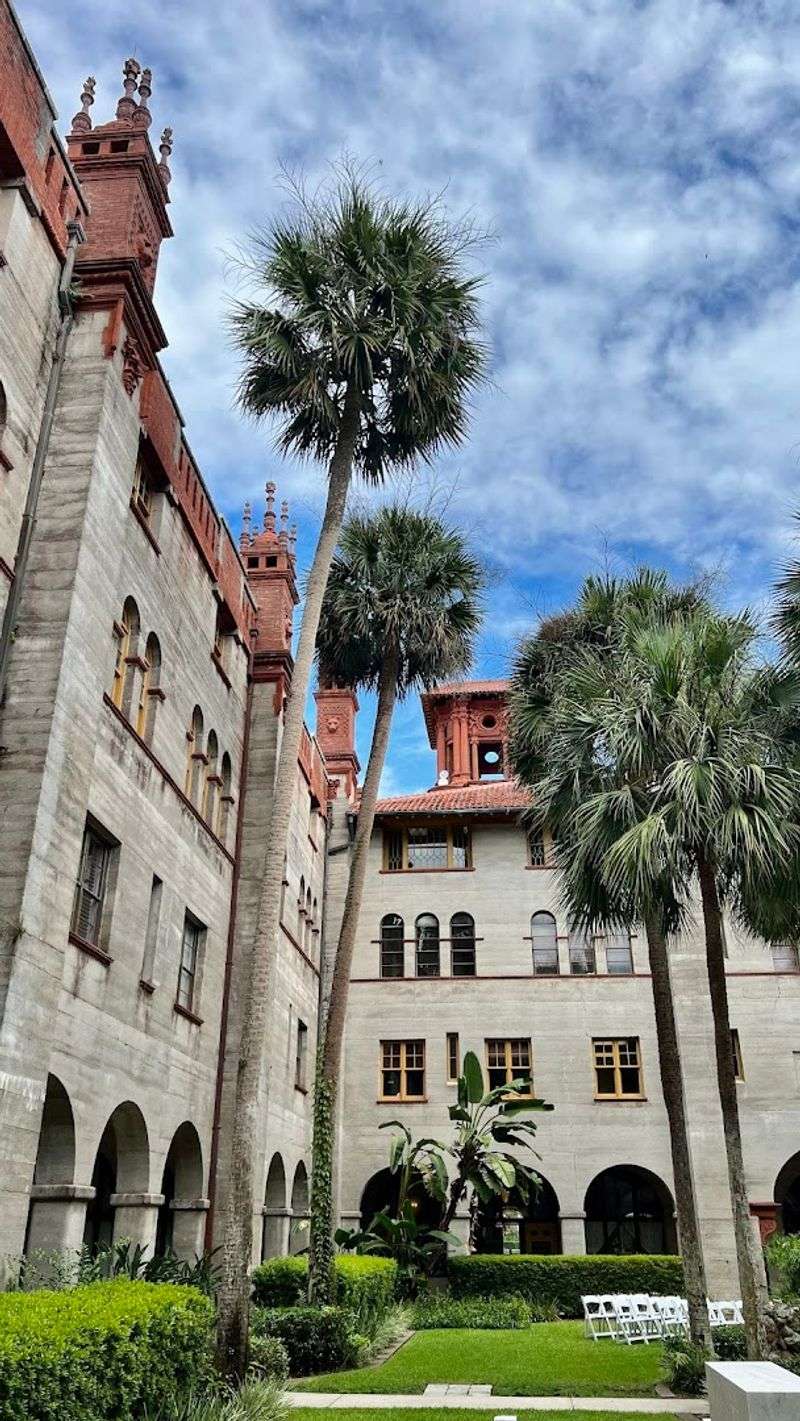
Long before you look at a single artifact inside, the building itself starts telling its story. The Spanish Renaissance Revival architecture of the former Hotel Alcazar features grand arched entryways, decorative stonework, original tile floors, and open interior spaces that flood with natural light throughout the day.
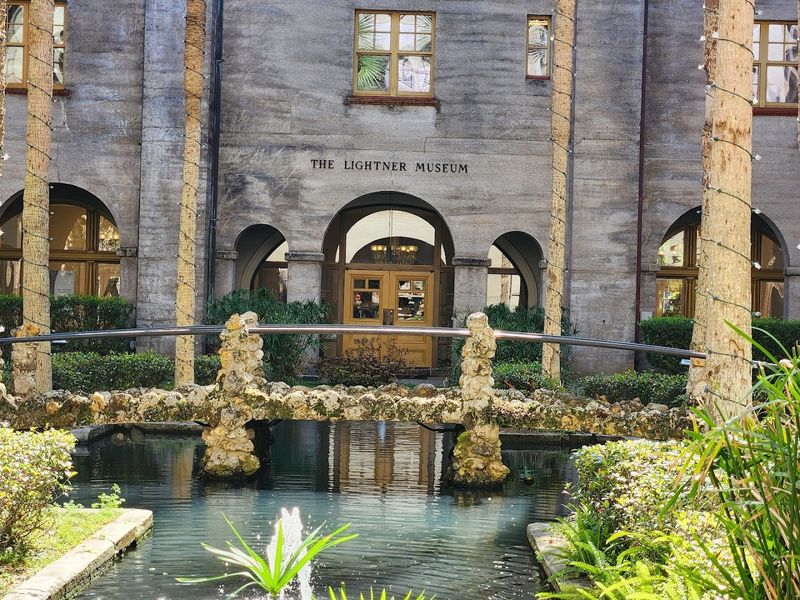
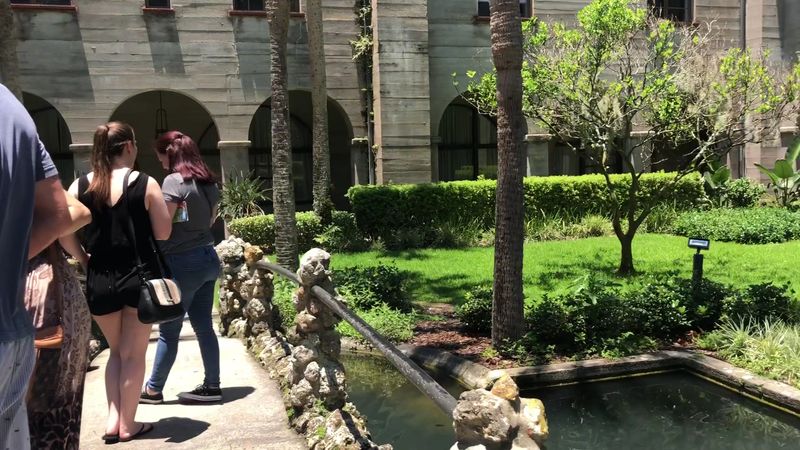
The courtyard is particularly striking, offering a peaceful outdoor space surrounded by the hotel’s original facades. Many visitors and reviewers have noted that even if the collections were removed entirely, the building would still be worth visiting purely for its architectural grandeur.
The Lightner Museum sits directly across King Street from Flagler College, which occupies the former Ponce de Leon Hotel, creating one of the most visually impressive historic streetscapes in Florida. Walking that stretch of King Street with both buildings in view feels genuinely cinematic.
The city of St. Augustine clearly understood what it had when it helped preserve these structures, and that careful stewardship pays off every single day.
Admission Is Affordable And Discounts Are Available
For a museum housed in one of Florida’s most historically significant buildings, the Lightner Museum keeps its admission prices remarkably accessible. Adult entry is currently twenty dollars, with various discounts available for children, students, seniors, and other qualifying groups.
Given that the museum typically takes between one and two hours to explore comfortably, that price point represents solid value, especially when you factor in the quality of the architecture, the depth of the collections, and the overall experience of wandering through a Gilded Age hotel.
The museum is open daily from 9 AM to 5 PM, making it easy to fit into almost any St. Augustine itinerary without complicated scheduling. You can reach them at 904-824-2874 or visit their website at lightnermuseum.org for the latest information on hours, special exhibits, and events.
Parking in the surrounding downtown area is available, though arriving earlier in the day tends to make finding a spot considerably less stressful.
The Lightner Museum Is A Perfect Stop In The Heart Of Downtown St. Augustine
Location is one of the Lightner Museum’s quiet advantages, because it sits right in the middle of everything worth seeing in St. Augustine. The museum’s address at 75 King St places it within easy walking distance of the historic downtown district, local shops, restaurants, and other cultural landmarks.
Flagler College, which occupies the equally magnificent former Ponce de Leon Hotel, sits directly across the street, creating a natural pairing for anyone interested in Gilded Age Florida history. The surrounding neighborhood is beautiful enough to make the walk to and from the museum an enjoyable part of the outing.
Visitors consistently mention that the Lightner is a must-visit stop when spending time in St. Augustine, and after my own afternoon there, I completely understand why. The combination of extraordinary architecture, eclectic collections, a memorable café, and a prime downtown location makes it one of those rare places that delivers on every level.
Go once and you will absolutely want to return.