
This Historic Florida Hotel Is Coming Back To Life After 30 Years Of Vacancy
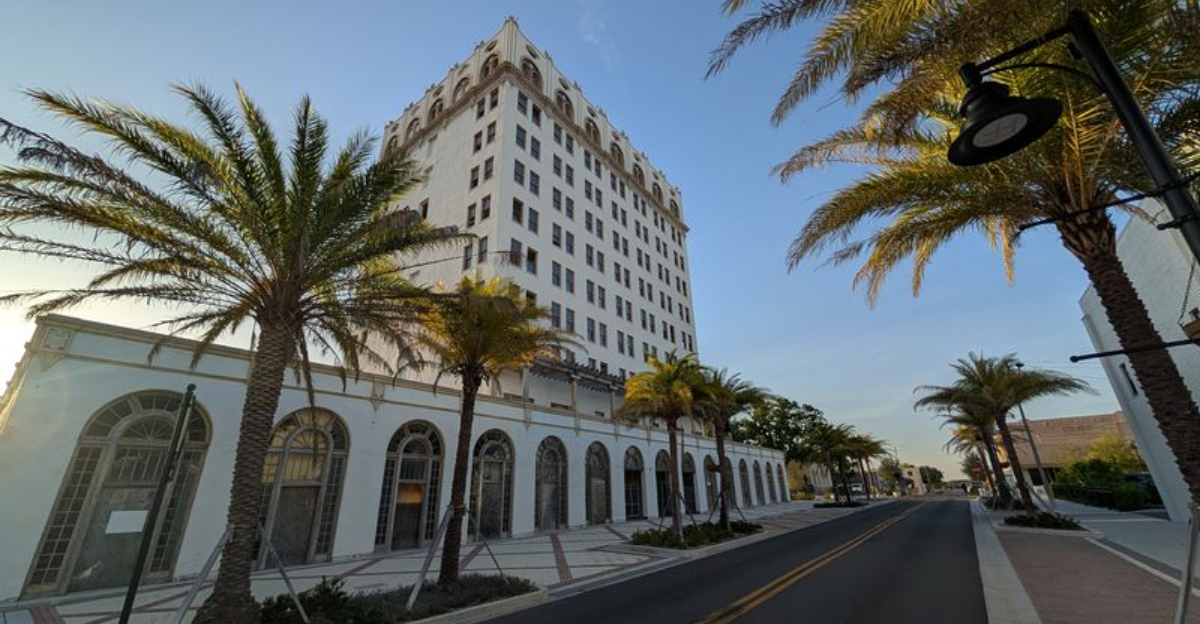
Picture a grand old hotel that feels like it’s been waiting for its cue for decades. Boarded windows, sun-faded elegance, and just enough surviving detail to hint at how glamorous it once was.
Like the building never fully left, it just went quiet. Now imagine that silence finally breaking.
After more than 30 years standing empty in the middle of a small Florida town, this 1920s landmark is stirring back to life. Once a jewel of a booming era, it sat through time, weather, and neglect… until the story started turning again.
What was forgotten is now becoming a comeback. Slow, careful, and full of history refusing to disappear.
A 1920s Skyscraper That Refused To Be Forgotten
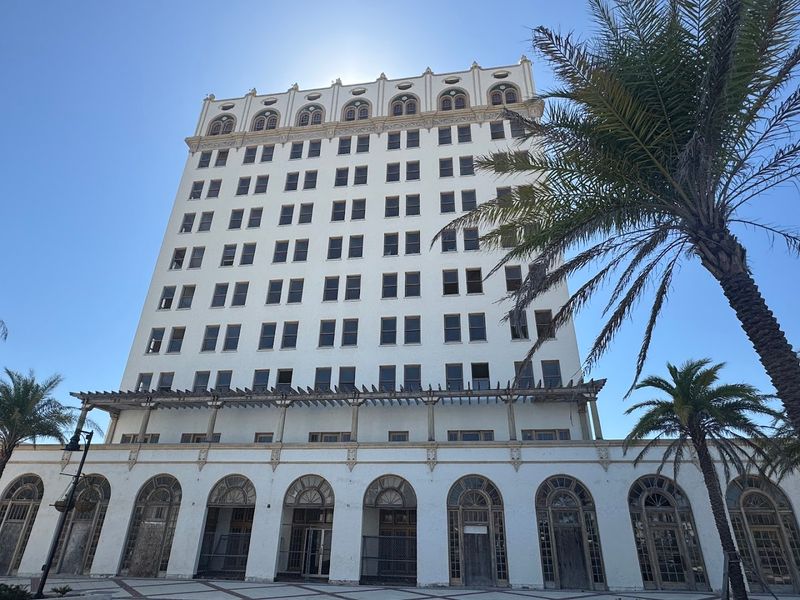
A few buildings carry so much personality that they refuse to slip silently into the past. The Walesbilt Hotel was built in the late 1920s, at the height of Florida’s legendary land boom, when dreams of development knew no limits.
Standing ten stories tall in a small inland city, the hotel was genuinely jaw-dropping for its time. It was the kind of place that made people stop on the sidewalk and stare upward.
The architectural style carries that signature Mediterranean Revival influence that was incredibly popular in Florida during the 1920s.
Ornate detailing, bold proportions, and a commanding presence made it one of the most impressive structures in all of Polk County. For a town the size of Lake Wales, having a ten-story hotel was like having a skyscraper in the backyard.
Even after decades of vacancy, the bones of the building remained surprisingly strong. Structural integrity held through Florida’s punishing heat, storms, and humidity.
That kind of resilience is not just lucky engineering. It is a testament to the craftsmanship of the original builders, who clearly intended this hotel to outlast the trends of any single era.
The Walesbilt was not built to be temporary. It was built to matter, and somehow, across thirty-plus years of silence, it kept making that argument every single day it stayed standing.
The Address That Anchors A Town’s Identity
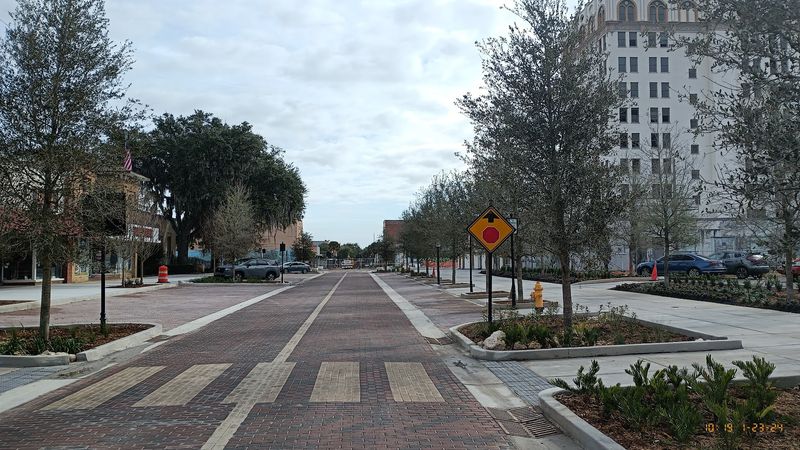
There is something quietly powerful about a building that defines a town’s skyline for over a century. Located at 115 N 1st St, Lake Wales, FL 33853, the Walesbilt Hotel sits right in the heart of downtown, impossible to miss and impossible to ignore.
From nearly any direction you approach the city, those ten stories rise above everything else like a proud exclamation point at the end of a long sentence.
Lake Wales itself is a charming small city in Polk County, Florida, nestled between Orlando and Tampa. It is the kind of place where community pride runs deep and history is not just something you read about in a museum.
The Walesbilt Hotel has been part of that identity for generations, functioning as a visual anchor that reminds everyone where the center of town actually is.
Downtown Lake Wales has seen its share of changes over the decades, but the hotel’s presence has remained a constant reference point.
Local planning discussions, revitalization efforts, and community conversations have circled back to this building again and again. Getting the hotel restored is not just about adding a new business to the area.
It is about completing a picture that has felt unfinished for thirty years.
The address itself carries weight, and soon that address will mean something entirely new to everyone who passes by.
Florida’s 1920s Land Boom Built This Beauty
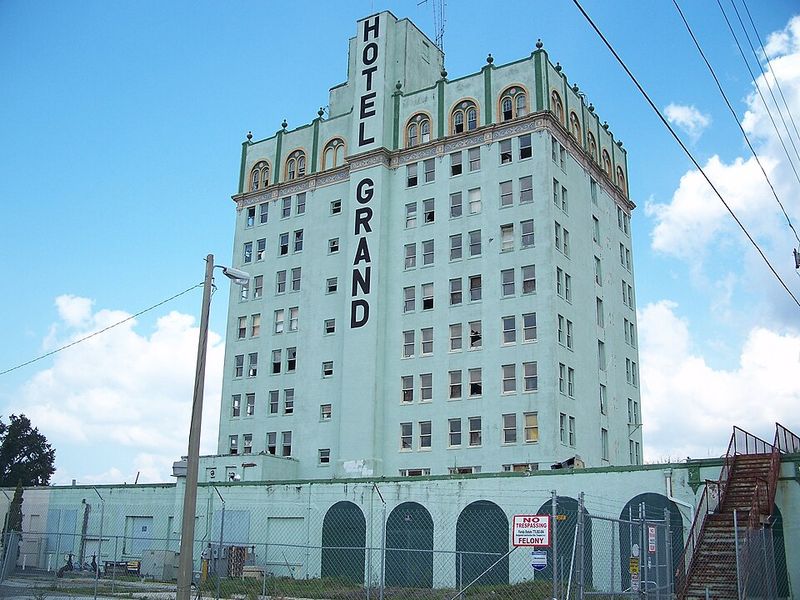
Florida in the 1920s was absolutely electric with ambition. The state was experiencing one of the most dramatic real estate booms in American history, with investors, developers, and dreamers flooding in from every corner of the country.
Everyone wanted a piece of the Sunshine State, and cities like Lake Wales were right in the middle of that frenzy. The Walesbilt Hotel was born directly from that era of bold optimism.
Developers during this period were not thinking small. They were building hotels, resorts, and civic landmarks that were meant to signal prosperity and permanence.
A ten-story hotel in inland Florida was a statement of confidence in a city’s future. It said loudly and clearly that Lake Wales was not just a stop on the map.
It was a destination worth investing in.
The boom eventually cooled, as booms always do, and Florida’s economy shifted dramatically through the Great Depression and World War II. But the buildings that survived that era carried something irreplaceable inside their walls.
They held the memory of a moment when an entire state believed it could become something extraordinary. The Walesbilt Hotel is a living artifact of that belief, a reminder that even the most ambitious dreams leave something behind when they are built with genuine skill and purpose.
That legacy is now being handed to a new generation of restorers.
Thirty Years Of Silence Inside Those Walls
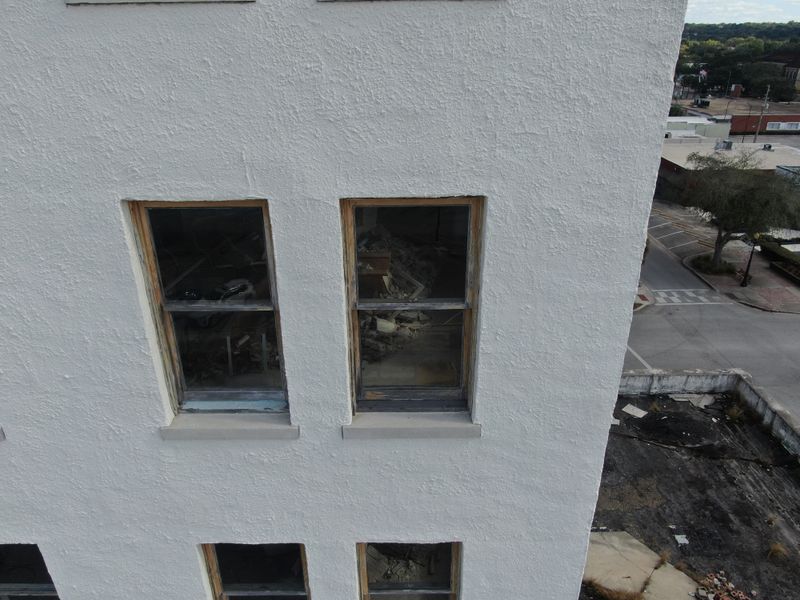
Walking into a building that has been empty for thirty years is a genuinely strange experience. Time does not stop inside those walls, but it does slow down in a way that feels almost cinematic.
The Walesbilt Hotel sat vacant for decades, slowly accumulating the kind of quiet that only abandoned places know. Paint peeling in elegant curls, light filtering through dirty windows, rooms frozen mid-story.
Vacancy of this length does real damage to a structure.
Florida’s humidity is particularly unforgiving, creeping into every crack and corner, encouraging mold and decay.
The fact that the Walesbilt’s core structure survived this long speaks volumes about its original construction quality. Many buildings from the same era did not make it through similar stretches of neglect.
There is also something deeply emotional about a building in this state. You find yourself imagining the guests who once slept in those rooms, the conversations that happened in the lobby, the events that filled the ballroom.
A long vacancy does not erase history. It actually preserves it in an eerie, suspended kind of way, like a photograph left in a drawer.
Every layer of dust is also a layer of memory. The restoration team working on the Walesbilt is not just removing damage.
They are carefully uncovering a timeline that stretches back nearly a century, and that process deserves real reverence.
Lake Wales Deserves This Moment
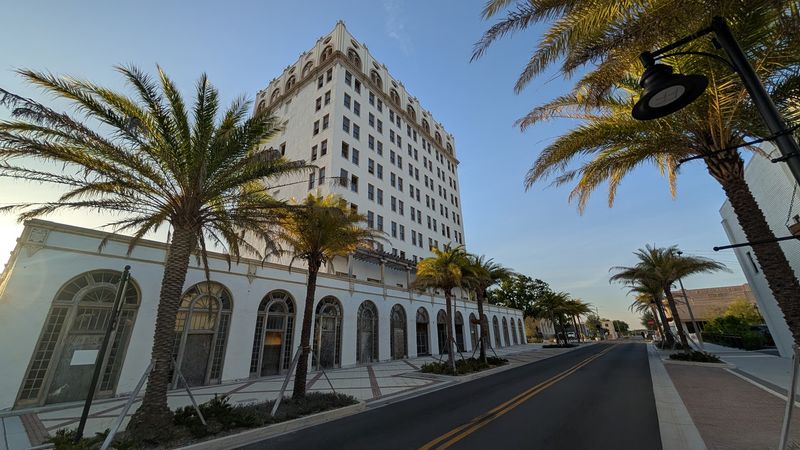
Small cities rarely get the kind of dramatic revitalization story that Lake Wales is currently living through. For decades, the Walesbilt Hotel served as both a source of civic pride and a painful reminder of something unfinished.
Driving past a ten-story building that has been empty your entire life leaves a mark on a community. The restoration announcement changed that feeling almost overnight.
Lake Wales has a genuinely beautiful downtown with historic architecture, walkable streets, and a community that clearly cares about its identity. The Walesbilt restoration fits naturally into a broader picture of urban renewal that the city has been working toward for years.
A boutique hotel in the center of downtown would bring visitors, economic activity, and a renewed sense of purpose to the surrounding blocks.
Communities that invest in their historic buildings tend to see ripple effects across the entire downtown ecosystem. Restaurants do better.
Shops attract more foot traffic. Cultural events find larger audiences.
The Walesbilt Hotel, once reopened, has the potential to function as a catalyst for all of those things simultaneously. Lake Wales has been patient for a very long time, and that patience is finally being rewarded with something worth celebrating.
This is the kind of comeback story that small cities tell for generations, and Lake Wales is right in the middle of writing it.
Florida’s Growing Trend Of Rescuing Historic Hotels
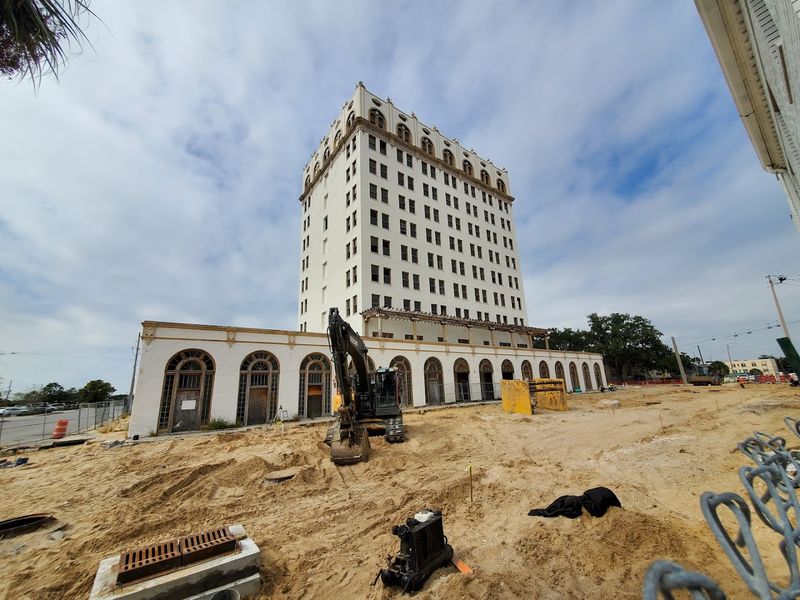
What is happening with the Walesbilt Hotel is part of a much larger and genuinely exciting movement happening across Florida right now. Historic hotels that sat dormant for years are finding new champions, new funding, and new purpose.
The trend reflects a broader cultural shift toward valuing authenticity, preservation, and connection to the past.
The Floridan Palace Hotel in Tampa, originally opened in 1927, underwent a major renovation and rebranded as Hotel Flor Tampa Downtown in 2024.
The Gulfstream Hotel in Lake Worth Beach is moving through its own restoration process with plans for a full reopening in the near future. Each of these projects proves that the market for beautifully restored historic properties is strong and growing across the state.
Florida’s Mediterranean Revival architecture, which defined so many of these 1920s-era hotels, has aged remarkably well in terms of aesthetic appeal.
The arched doorways, ornate facades, and grand proportions that felt bold a century ago still feel impressive today. Preservationists argue, with solid evidence, that restoring these buildings is often more sustainable and more culturally valuable than demolishing and rebuilding.
The Walesbilt joins a proud lineage of Florida landmarks that refused to be written off, and its restoration adds another compelling chapter to a statewide story about what it means to truly honor the places that helped build a community from the ground up.
The Next Chapter Is Just Getting Started
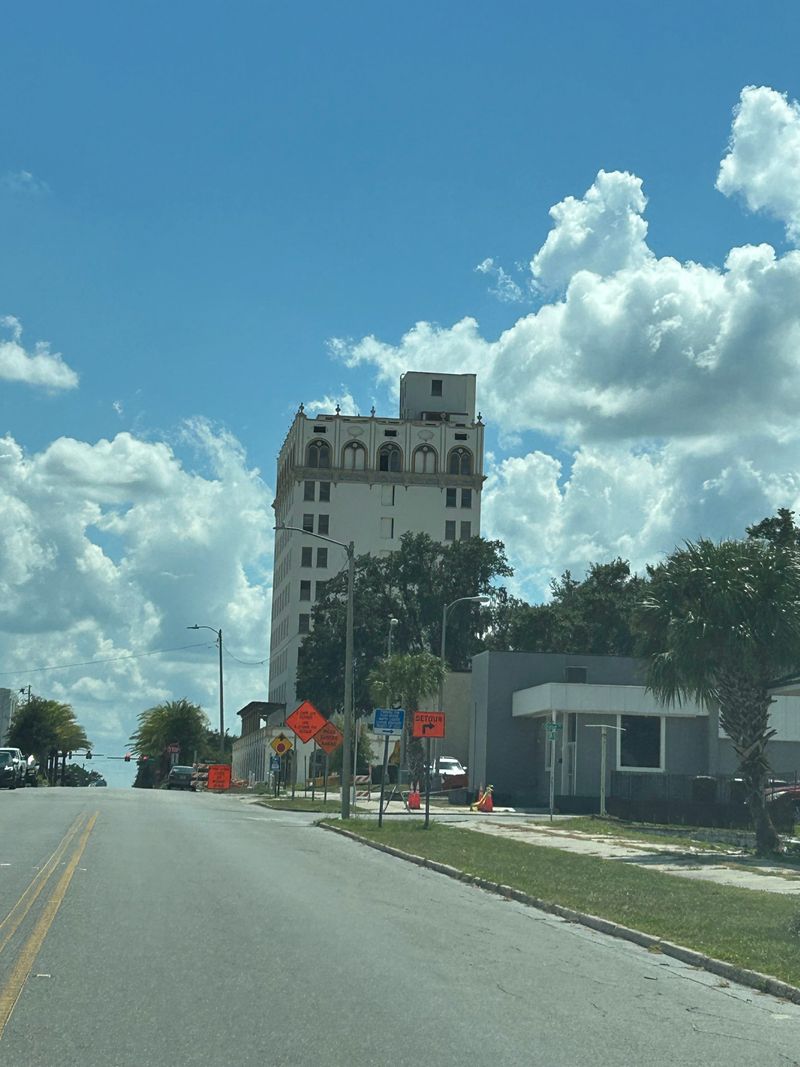
Restoration projects of this scale are not finished in a season. They unfold slowly, methodically, with constant decision-making and problem-solving along the way.
The Walesbilt Hotel’s journey from abandoned landmark to functioning boutique hotel will take years of careful, dedicated work. But the direction is set, the ownership is clear, and the vision is compelling.
That combination matters enormously.
Three years is not a long time when you consider how long this building has been waiting. The teams involved in the restoration will need to navigate historic preservation requirements, structural assessments, modern code compliance, and design decisions that honor the building’s original character.
Each step requires expertise and patience in equal measure. The process itself is a story worth following.
What makes this moment feel genuinely special is the combination of factors that came together to make it possible. Community advocacy, legal resolution, civic investment, and a growing national appreciation for historic preservation all converged at the right time.
The Walesbilt Hotel is not just a building getting a facelift. It is a symbol of what happens when a community refuses to give up on something it loves.
When those doors finally open again, it will feel less like a grand opening and more like a long-overdue reunion.
Will you be there when it happens? Because this is one comeback story that deserves a full house on opening night.