
This Historic Illinois Forest Hike Tells A Powerful Story Of Resilience
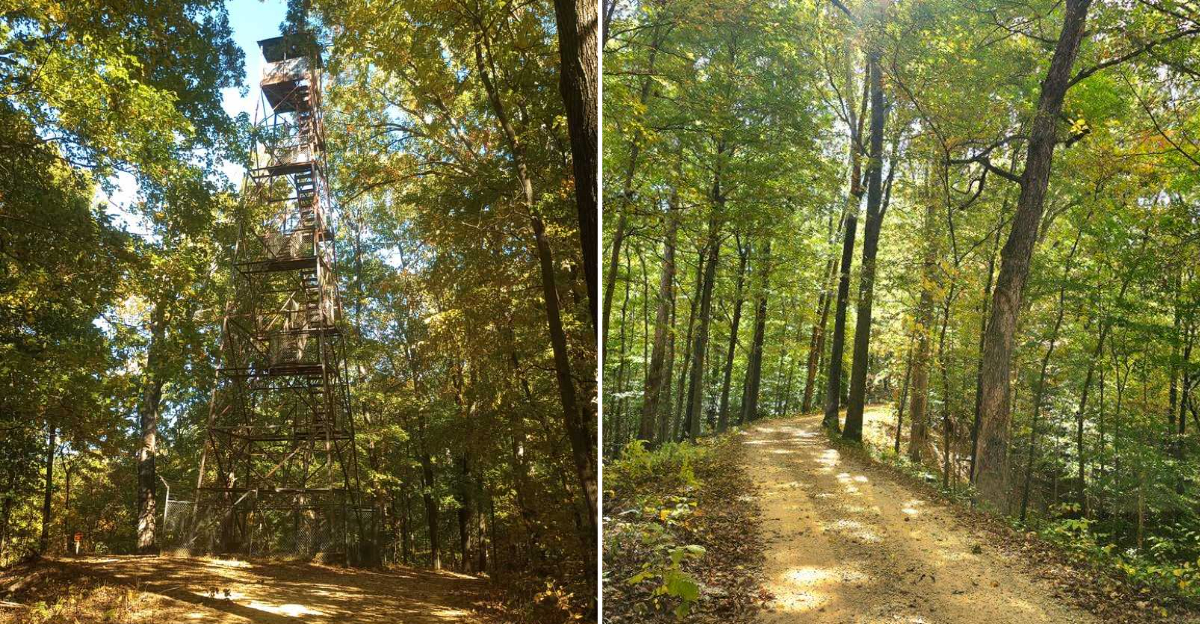
I’ll admit that I wasn’t prepared for what I found when I first visited a certain forest in southern Illinois. The name itself hints at something profound, but standing beneath those towering trees, feeling the quiet weight of history all around me, I understood that this place holds stories that deserve to be heard.
This Illinois forest hike about five miles northwest of Jonesboro, isn’t just another pretty woodland to check off your hiking list. It’s a living memorial, a testament to both tragedy and survival.
The forest spans more than 5,000 acres, providing sanctuary not just for wildlife but for anyone seeking to understand a darker chapter of American history. What I discovered there changed how I think about the landscapes we walk through and the stories they quietly preserve.
Civilian Conservation Corps Left Their Mark
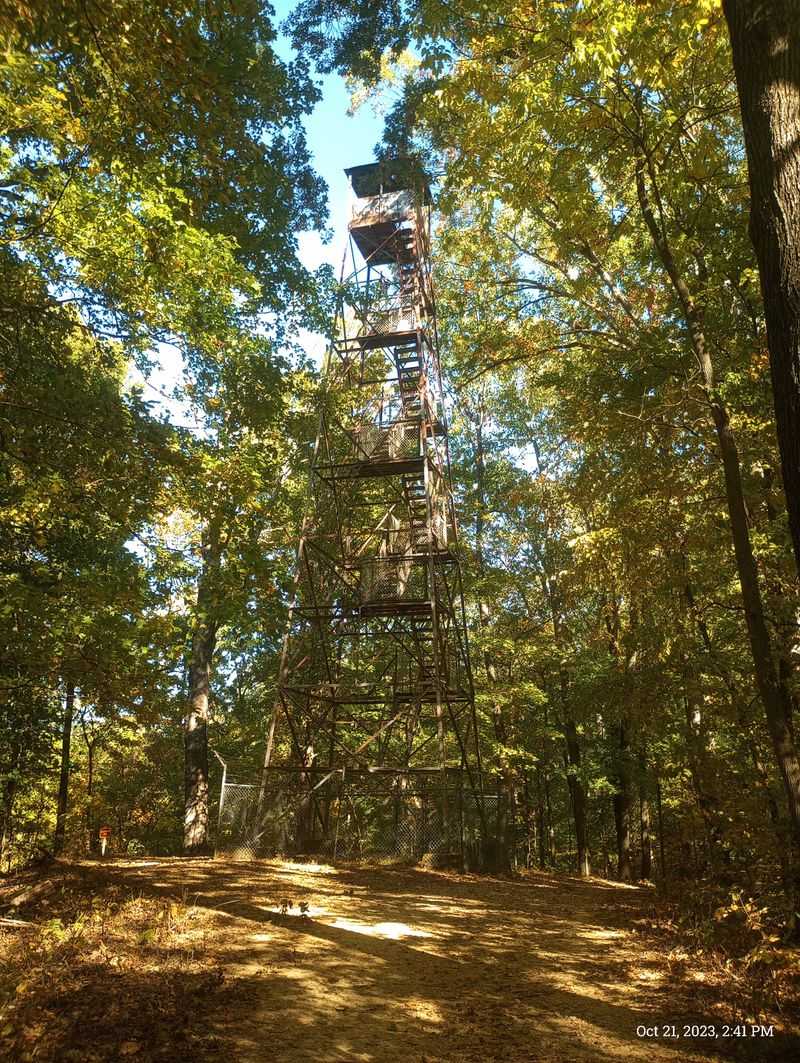
History layered upon history makes this place even more fascinating. During the Great Depression of the 1930s, President Franklin D.
Roosevelt created the Civilian Conservation Corps, and young men came to this forest to build infrastructure that we still use today.
I’ve explored several of their projects, and the craftsmanship is remarkable considering the limited tools and resources they had available.
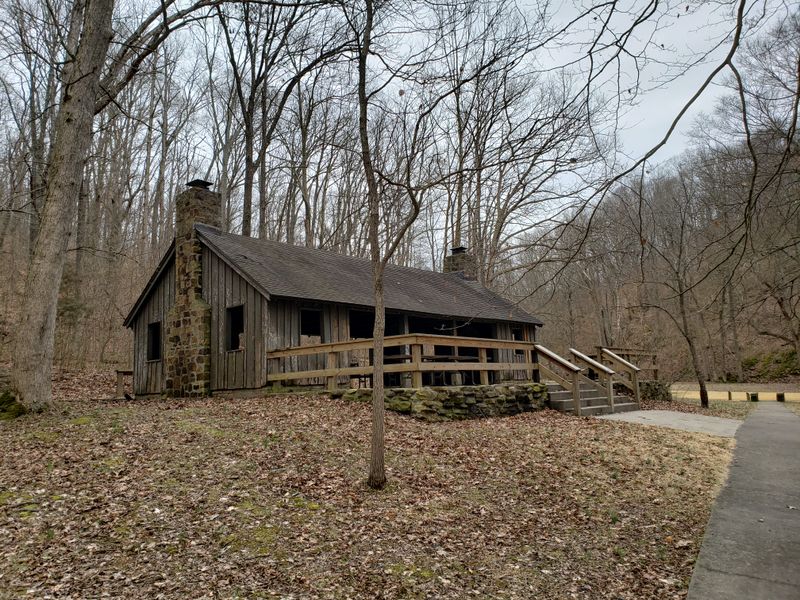
These CCC workers constructed roads, stabilization walls, and picnic shelters using local stone and timber, leaving a lasting imprint on the forest’s infrastructure. Their handiwork blends so seamlessly with the natural environment that you might not immediately recognize it as human-made.
The attention to detail in the stonework particularly impressed me, with each rock carefully selected and fitted to create structures that have withstood decades of weather.
Many of the camping areas and trails I used were originally carved out by these dedicated workers. It’s humbling to think about the young men who labored here during one of America’s toughest economic periods, creating something that would benefit visitors nearly a century later.
Their legacy lives on in every carefully placed stone and thoughtfully designed pathway throughout the forest.
The Name Carries Deep Historical Significance
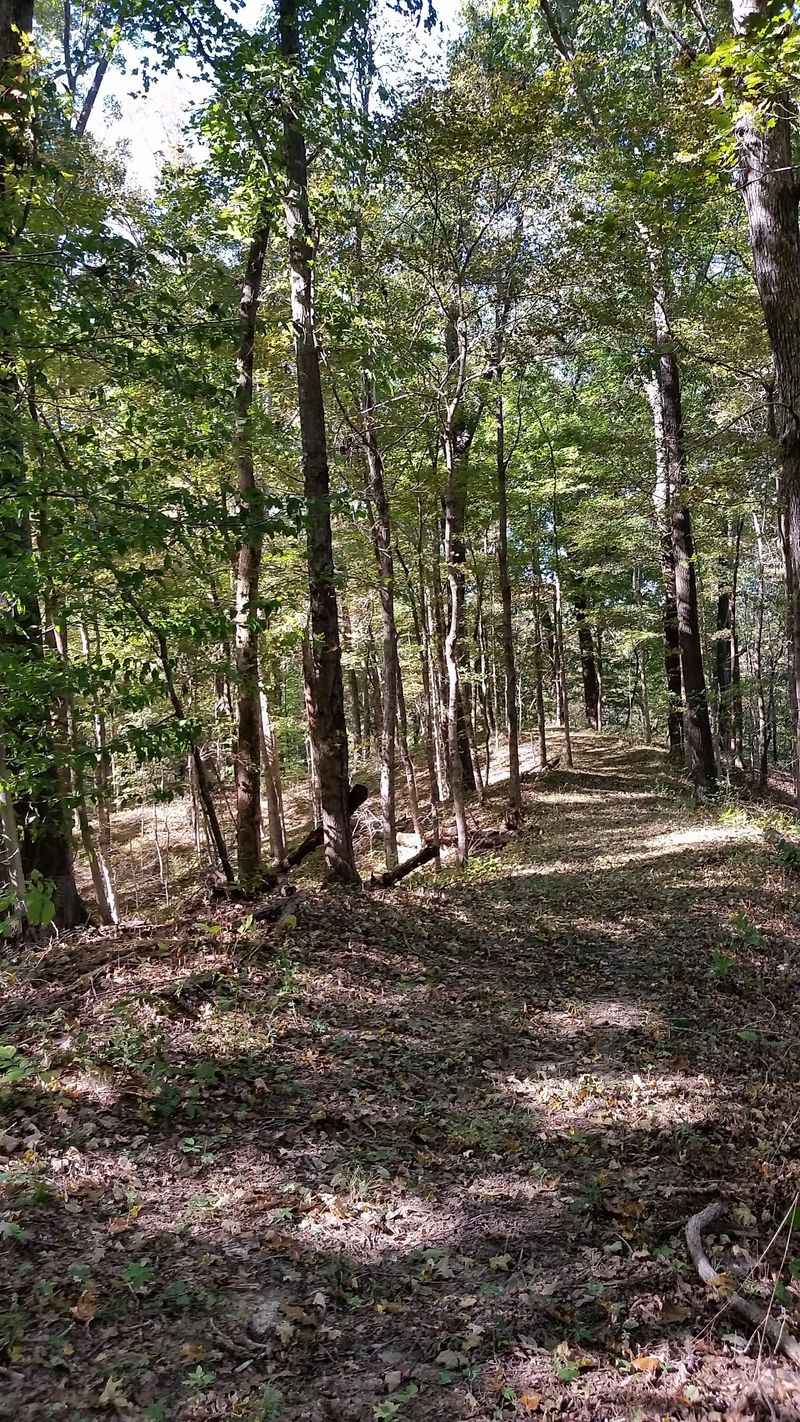
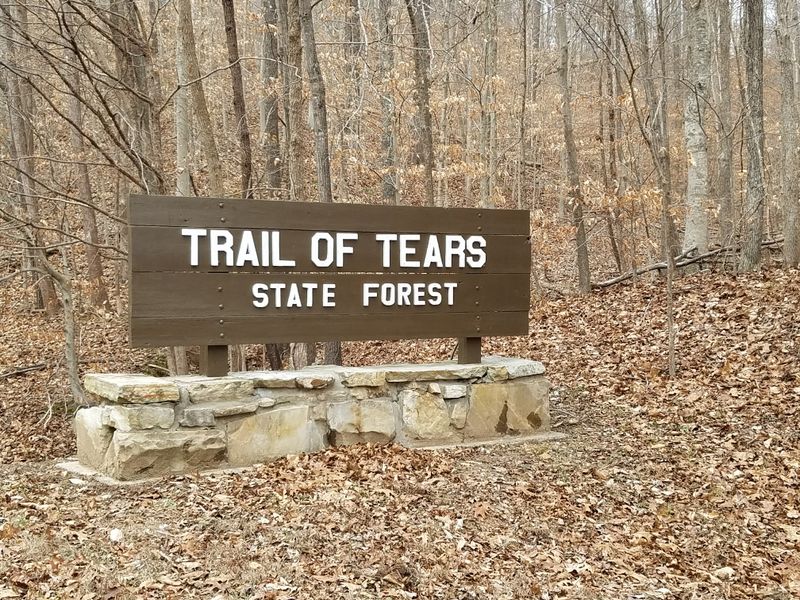
Walking into this forest, you can’t help but wonder about the name. Trail of Tears State Forest commemorates one of the most heartbreaking episodes in American history when thousands of Native Americans were forcibly removed from their ancestral lands in the 1830s.
Cherokee detachments, along with Creek and Chickasaw groups, were forced westward to Indian Territory, with some overwintering in camps in this region of southern Illinois.
I stood at one of the interpretive sites and tried to imagine what those forced marches must have been like. Families torn from their homes, walking hundreds of miles through unfamiliar terrain, facing hunger, disease, and unimaginable loss.
The forest itself seems to remember, with its quiet trails and solemn atmosphere serving as a living memorial.
The state of Illinois established this forest partly to honor that history and ensure future generations wouldn’t forget. When you hike here today, you’re exploring a landscape closely tied to the routes and encampments associated with the Trail of Tears removals.
It’s a powerful reminder that the landscapes we enjoy often hold stories far deeper than we initially realize, and this forest does an exceptional job of preserving that memory while allowing nature to flourish.
The Union Fire Tower Offers Stunning Views
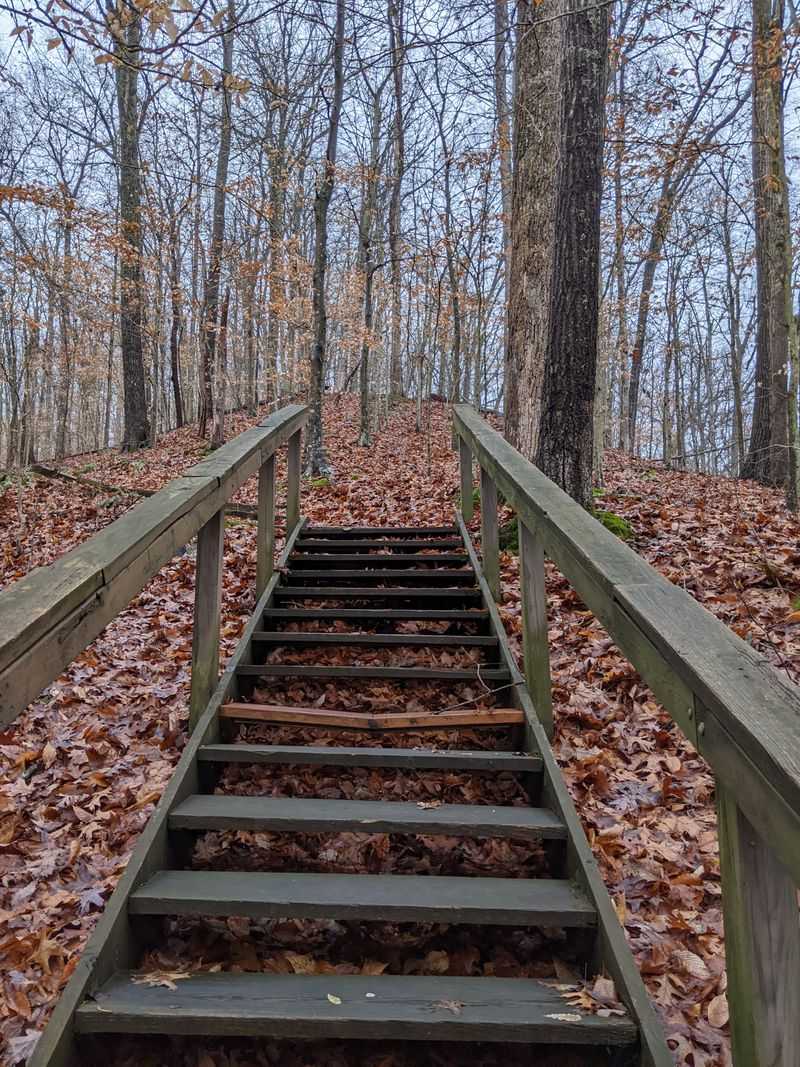
One of my favorite destinations in the entire forest sits atop a ridge where you can see for miles in every direction. The Union Fire Tower, built by the CCC, stands as a sentinel watching over the landscape, and while it’s no longer open for climbing, it remains a striking historic landmark and viewpoint area.
On clear days, you can spot the Mississippi River valley and rolling hills stretching toward the horizon.
Although visitors can no longer climb the structure, viewing it up close still offers a sense of the elevation and vantage point early fire spotters relied on. I took my time ascending, pausing on the platforms to catch my breath and admire the changing perspective as I rose above the tree canopy.
Standing near the tower, it’s easy to imagine why fire spotters once relied on this high ridge to scan the surrounding forest for smoke.
These towers played a crucial role in forest fire detection before modern technology took over. Standing up there, I felt connected to all the watchful guardians who spent long hours scanning the horizon for the first signs of smoke.
The tower remains a popular hiking destination and photo opportunity for visitors exploring the forest’s ridge-top roads and trails.
Primitive Camping Connects You With Wilderness
Forget crowded RV parks with electrical hookups and noisy neighbors. This forest offers something increasingly rare: truly primitive camping experiences where you can disconnect from modern life and reconnect with the natural world.
I’ve spent several nights at different campsites throughout the forest, and the solitude was exactly what my overstimulated mind needed, especially during seasons when vehicle access is limited and sites feel even more remote.
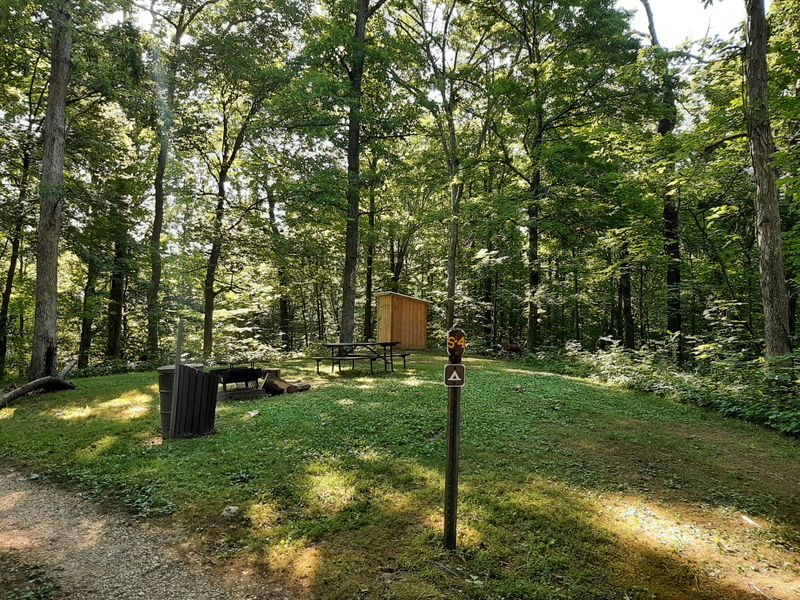
The campsites are spread far apart, giving each group plenty of privacy and space, with both drive-up and backpack-access options available. You won’t find flush toilets or running water, just basic facilities and the sounds of the forest at night.
I remember lying in my tent listening to owls calling back and forth, watching fireflies dance through the darkness, and feeling genuinely peaceful for the first time in months.
Bringing your own water and supplies is essential, as is practicing leave-no-trace principles to protect this special place. The reward for that extra effort is an authentic wilderness experience that’s become increasingly difficult to find in our developed world.
Waking up to birdsong and morning light filtering through the trees, without the hum of generators or blare of televisions, reminded me why I love camping in the first place.
Ridge Roads Provide Scenic Driving Adventures
Not everyone wants to hike miles into the backcountry, and thankfully, this forest accommodates visitors of all mobility levels.
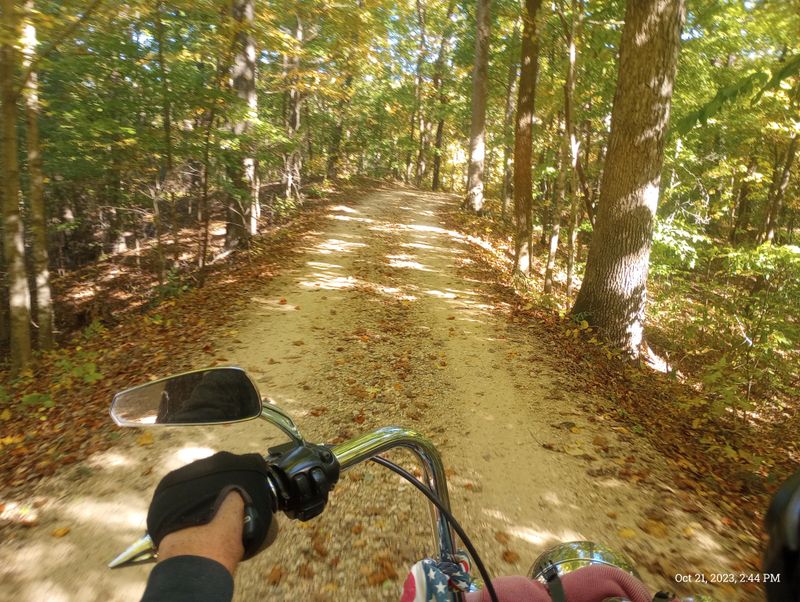
The ridge-top forest roads wind through the landscape, offering spectacular scenery accessible by car, motorcycle, or bicycle when seasonally open to vehicle traffic. I’ve driven these routes multiple times, and each season brings completely different views and experiences.
South Forest Road particularly stands out as a favorite among locals and visitors alike. The road follows the natural contours of the landscape, climbing to elevated viewpoints where you can pull off and enjoy the vistas.
During my autumn visit, the fall colors were absolutely spectacular, with every shade of red, orange, and yellow painting the hillsides.
Road conditions vary depending on recent weather, maintenance, and seasonal closures that can temporarily limit vehicle access. One review I read mentioned finding the ridge road in much better condition than a previous visit, which matches my experience as well.
Spring rains can create muddy conditions, while summer and fall typically offer the smoothest driving. Taking your time and stopping frequently to enjoy the scenery makes the journey far more rewarding than rushing through to reach a specific destination.
Hiking Trails Suit Various Skill Levels
Whether you’re an experienced backpacker or someone just starting to explore outdoor recreation, this forest has trails that will match your abilities and interests.
I’ve tackled everything from easy walks near picnic areas to more challenging routes that climb steep hillsides, and each trail offered something unique worth experiencing.
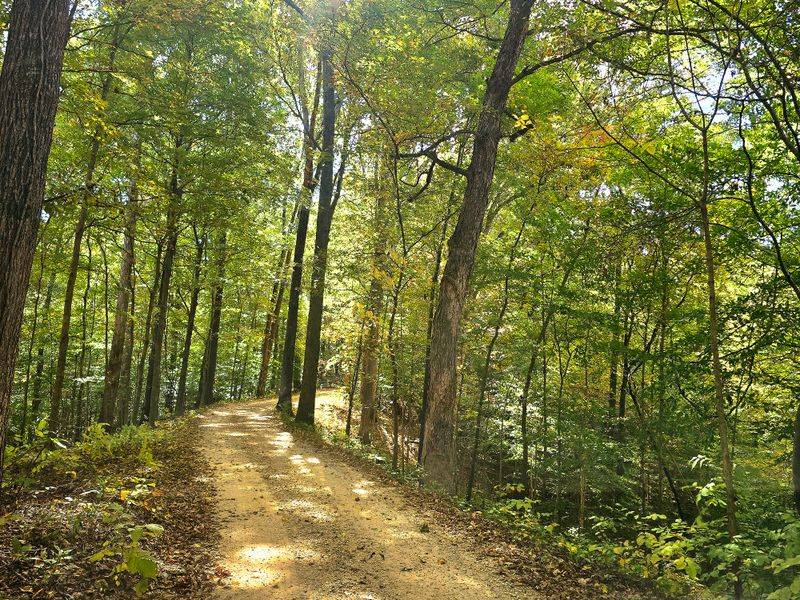
The terrain varies considerably throughout the forest, with some paths following gentle valleys while others ascend to ridge tops with significant elevation changes.
I particularly enjoyed the trails that wound through different ecosystems, starting in oak-hickory forests before transitioning to pine stands and eventually opening onto rocky outcrops with expansive views.
Trail markings exist but aren’t always as obvious as you might find in more developed parks. I recommend bringing a map and paying attention to your surroundings, especially on longer hikes.
The sense of adventure that comes from navigating these less-manicured trails adds to the wilderness experience. I’ve encountered deer, wild turkeys, and countless bird species while hiking here, reminding me that this forest belongs first and foremost to the wildlife that calls it home year-round.
Picnic Areas Offer Perfect Rest Stops
Sometimes the best outdoor experiences don’t require extreme physical exertion or overnight camping trips. The forest includes several well-maintained picnic areas where families can enjoy a meal surrounded by nature without venturing far from their vehicles.
I’ve used these spots for quick lunches during day trips and found them clean, peaceful, and thoughtfully located.
Many of these picnic areas feature those beautiful stone shelters built by the CCC workers back in the 1930s. The craftsmanship really shines in these structures, with their sturdy construction providing shade on hot summer days and protection during unexpected rain showers.
Tables and grills make it easy to prepare simple meals while enjoying the forest atmosphere. What I appreciate most about these areas is how they’re positioned to take advantage of natural beauty without feeling overly developed or artificial.
You’re still surrounded by towering trees, listening to forest sounds, and breathing fresh air. They serve as excellent bases for families with young children or anyone who wants to experience the forest without committing to a full hiking expedition.
Pack a lunch, bring a good book, and spend a few hours simply being present in nature.
Wildlife Watching Opportunities Abound
Patient observers will find this forest teeming with wildlife going about their daily routines. I’ve seen white-tailed deer frequently, especially during early morning or evening hours when they’re most active.
Watching a doe and her fawns moving gracefully through the understory never gets old, no matter how many times it happens.
Bird enthusiasts should bring binoculars and a field guide because the variety of species is impressive. I’ve spotted everything from common woodpeckers and chickadees to more elusive species like pileated woodpeckers and various hawks circling overhead.
Spring migration brings even more diversity as songbirds pass through on their journey northward.
Wild turkeys also make regular appearances, often traveling in groups that can startle you with their sudden movements and loud calls. I’ve encountered them on trails, near campsites, and along forest roads.
The key to successful wildlife watching here is moving slowly, staying quiet, and giving animals plenty of space to feel comfortable. This forest provides habitat for creatures large and small, and respecting their home ensures they’ll continue thriving for future generations to enjoy.
Seasonal Changes Transform The Landscape
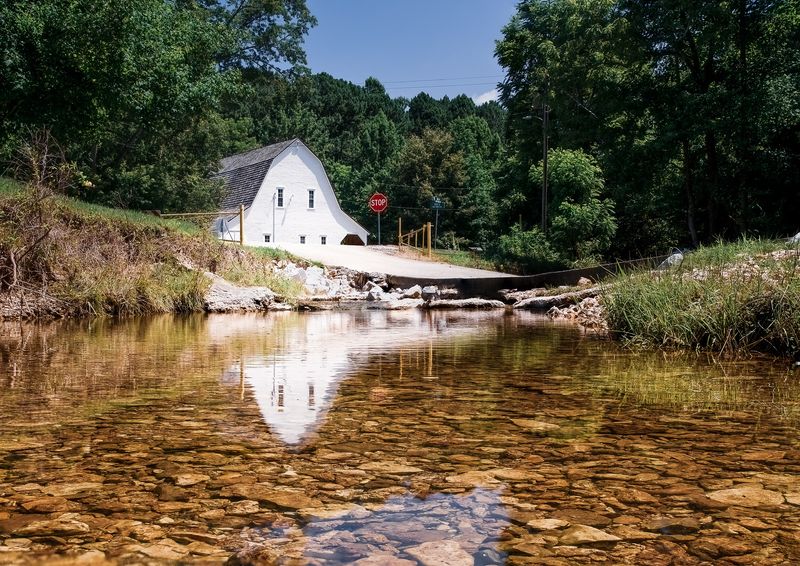
I’ve visited this forest during different seasons, and each time feels like discovering a completely new place. Spring brings wildflowers carpeting the forest floor, with dogwoods and redbuds adding splashes of white and pink to the canopy.
The air smells fresh and alive, and migrating birds fill the woods with song as they return to nesting territories.
Summer transforms the forest into a lush green cathedral where shade provides welcome relief from the heat. The full canopy creates a cooler microclimate beneath the trees, making hiking more comfortable than you might expect.
Cicadas and other insects create a constant background chorus that defines the season.
Autumn is when this forest truly shows off, with hardwood trees putting on a spectacular color display that rivals anywhere in the Midwest. I timed one visit for peak fall colors and wasn’t disappointed by the brilliant reds, oranges, and golds painting every hillside.
Winter strips away the leaves, revealing the forest’s bones and making wildlife easier to spot against the stark landscape. Each season offers valid reasons to visit, and I’d encourage experiencing them all to fully appreciate this remarkable place.
Annual Events Bring Community Together

Beyond individual visits, this forest hosts community events that bring people together to celebrate nature and outdoor recreation. Regional endurance events like the River to River Relay take place across southern Illinois, highlighting the rugged landscapes and trail systems that define this part of the state.
Participants often describe the forested stretches of southern Illinois as some of the most scenic and memorable portions of the relay experience.
These organized events introduce people to the forest who might not otherwise discover it. They also foster a sense of stewardship and community connection to this special place.
Watching runners push themselves through beautiful terrain, supporting each other and celebrating their accomplishments, reminded me that outdoor spaces serve important social functions beyond solitary recreation.
The quiet location and natural setting make this forest ideal for events that want to showcase southern Illinois beauty while challenging participants physically and mentally. Even if you’re not participating in organized events, knowing that the forest supports these activities adds another dimension to its value.
It’s not just a preserved historical site or wildlife habitat but a living, active space where people create new memories and traditions while honoring the past.