
This Historic Pennsylvania Fabric Shop Has Not Changed In 60 Years
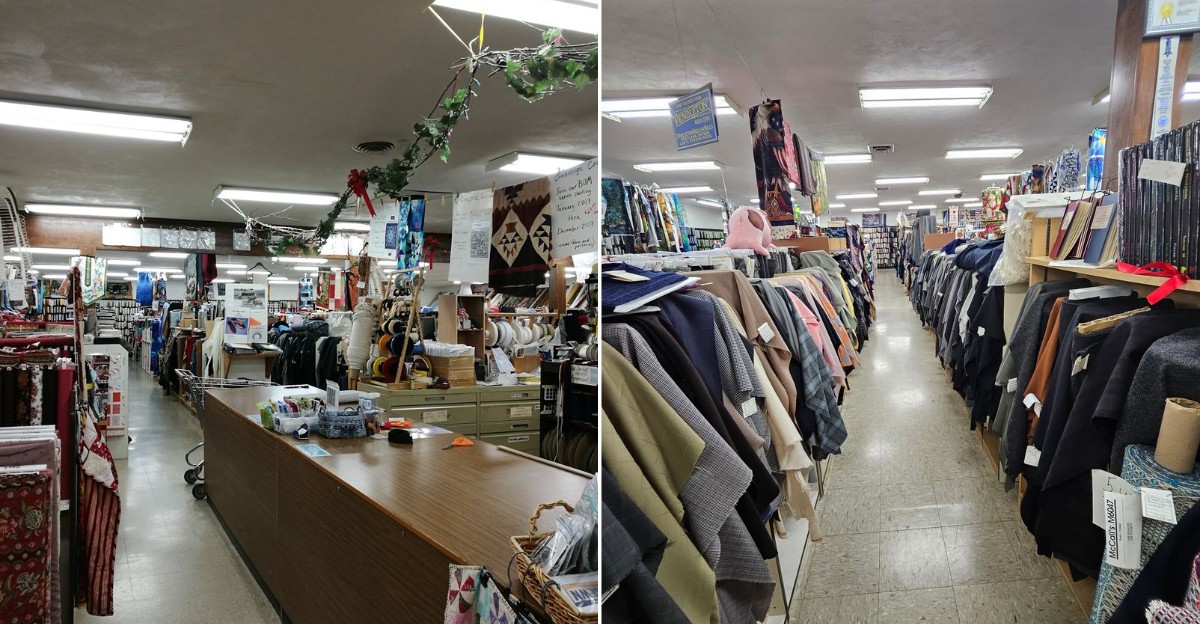
“Still here, still sewing.” That could be the unofficial motto of a fabric shop that has barely changed in generations.
In Pennsylvania, this historic store has kept its old-school rhythm while trends came and went around it.
The shelves still reward patient browsing, the atmosphere favors people who know exactly what they need and people who absolutely do not, and the whole place carries the confidence of somewhere that never felt pressured to reinvent itself.
I like shops that make time feel a little less urgent. Once, I wandered into an old fabric store with no project in mind and ended up talking myself into buying a print simply because it looked like it belonged in another decade.
I still have a scrap of it tucked in a drawer. Every time I see it, I remember how satisfying it was to find something that felt untouched by fashion cycles.
A place that has held onto its character for sixty years deserves a little wandering.
A Country Setting Just Outside Gettysburg
Drive west out of the borough and the sidewalks quickly give way to farm fields and low ridges.
That is where you land on Fairfield Road, a stretch of Adams County that feels far removed from the tour buses circling the battlefield.
Needle & Thread sits in a quiet, country-style setting rather than a strip mall, which is part of why so many shoppers describe it as a true mom and pop operation.
Gettysburg itself pulls in millions of visitors a year, yet plenty of them never realize a serious fabric destination is only a few minutes from the town square.
The full address is 2215 Fairfield Rd, Gettysburg, PA 17325, and parking tends to be simple and low stress compared with downtown.
I am the kind of traveler who will happily detour twenty minutes for a specialty shop, and this one sits close enough to the main attractions that the detour barely counts.
Pennsylvania has no shortage of small rural businesses, but a fabric store this well stocked in a setting this quiet is genuinely unusual.
Historically Accurate Cloth Is The Real Draw
Reenactors have a saying about sourcing: get the cloth right or nothing else matters.
That is exactly the niche this shop fills for people sewing nineteenth century clothing.
Current shop advertising today highlights Brown Polished Cotton, Pendleton Navy Wool, Hainsworth Wool, and other historical textiles that rarely appear in ordinary craft chains.
The store currently promotes Hainsworth wool from England alongside other specialized woolens, trims, and period materials suited to historical clothing and military uniform projects.
Period patterns sit alongside the cloth, so a customer can walk out with the fabric, the pattern, and the correct thread in a single trip.
Threads, tapes, braids, lace, pins, needles, and costume accessories round out the historical sewing selection, and details like those separate a specialty shop from a general one.
Given that Gettysburg hosts living history events and reenactment weekends, having a supplier of this caliber right in Adams County makes a lot of practical sense.
I find it oddly satisfying that a town defined by history also quietly supplies the cloth that history gets recreated in.
Quilters Treat It Like Home Base
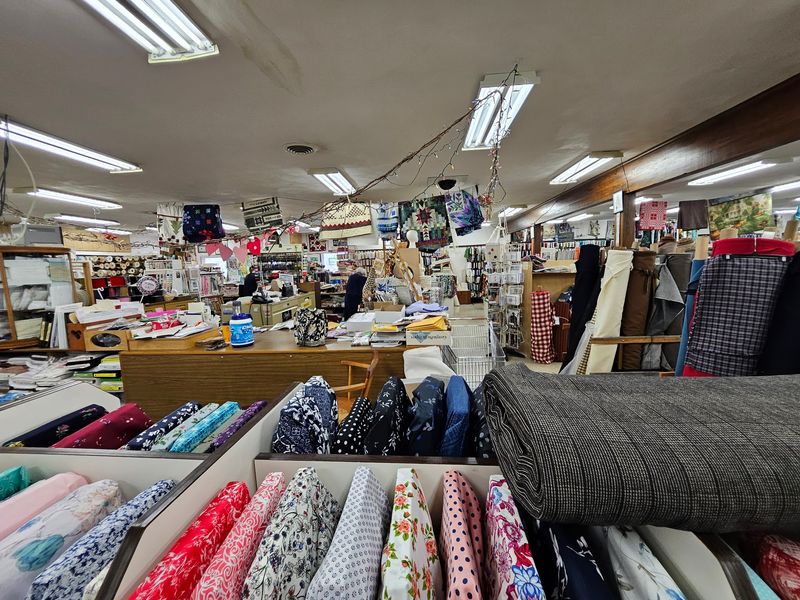
Bolt after bolt of quilting cotton lines the shop, and quilters in south central Pennsylvania talk about it the way other people talk about a favorite bakery.
The cotton selection covers reproduction prints, seasonal patterns, and modern designs, which means one shopping trip can serve two very different projects.
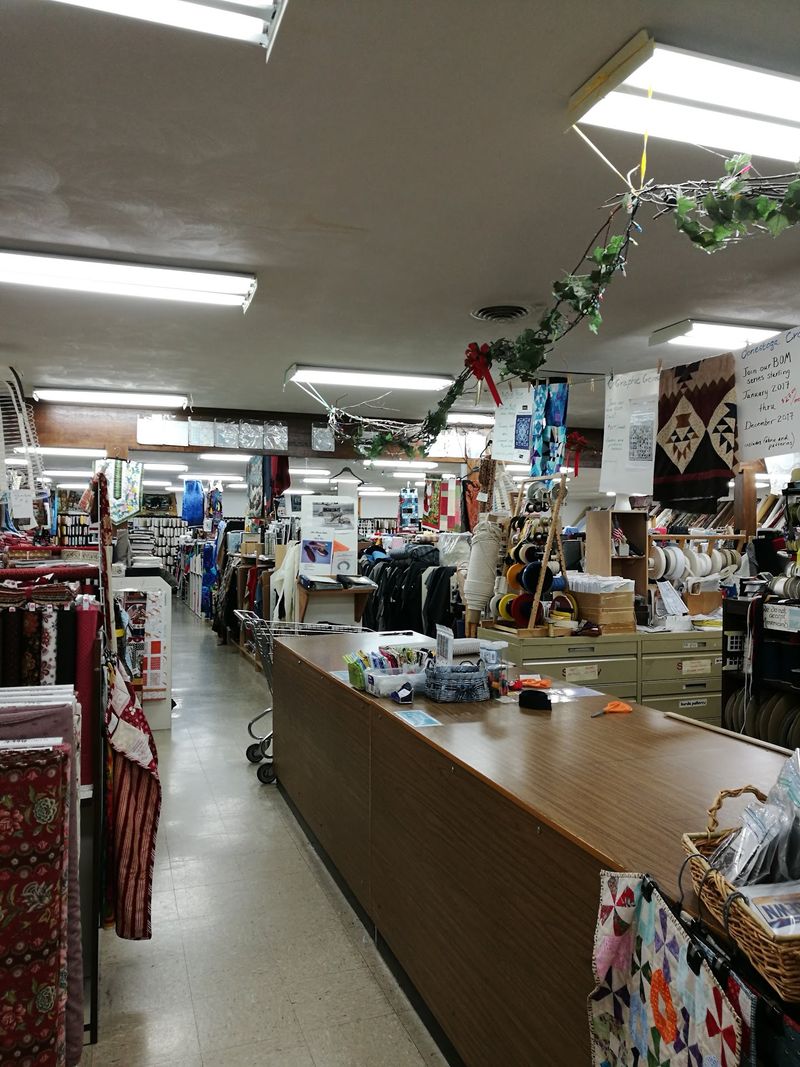
Notions fill out the rest of the space, including buttons, zippers, batting supplies, and the odd tool you only realize you need halfway through a quilt top.
Several regular customers describe it as their local quilt shop even when they live well outside Adams County, which tells you something about the pull of the inventory.
Prices on quilting cotton are frequently mentioned as reasonable, and sale sections do appear from time to time.
My own sewing skills top out at replacing a button, so I approach quilt shops as an admirer rather than a participant.
Still, seeing hundreds of coordinated prints stacked together is the kind of visual treat that works on anyone, thread skills or not.
Silks, Wools, And Fabrics Chains Do Not Carry
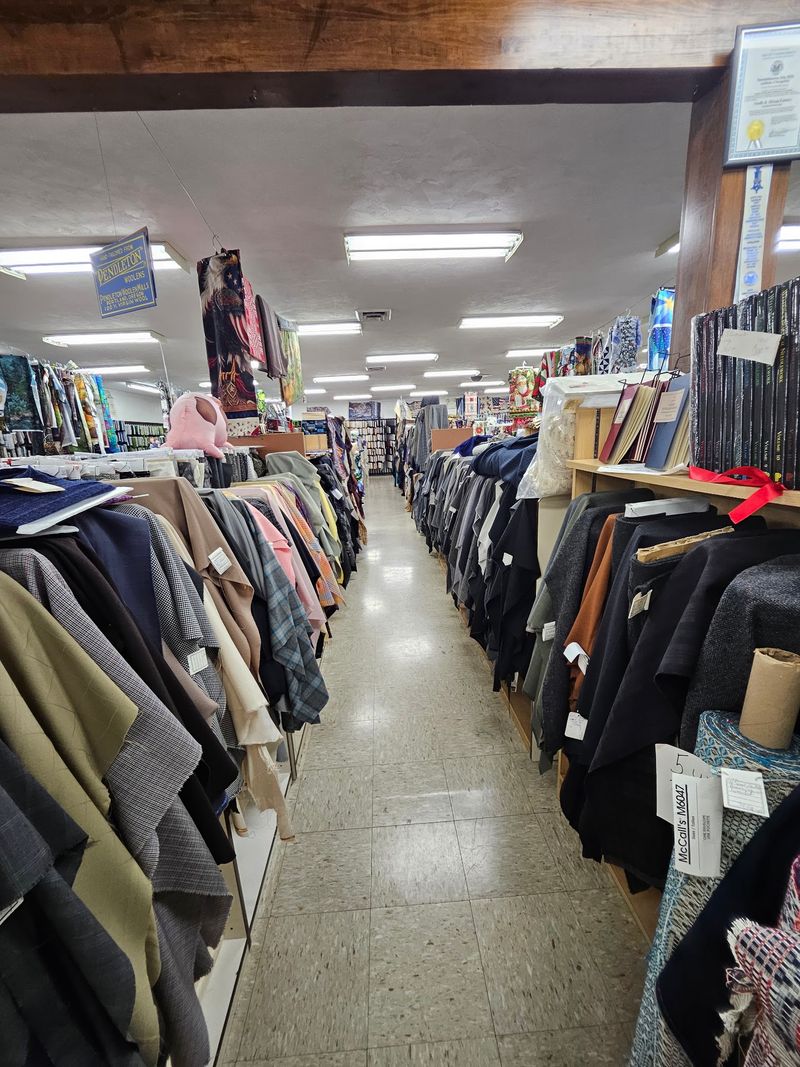
Silk shows up here in a way it rarely does at big box craft retailers, and shoppers notice.
Natural fiber cloth forms a big part of the identity of Needle & Thread, with wool, linen, cotton, and silk all sharing shelf space.
Costume makers, theater groups, and historical interpreters lean on stores like this because synthetic blends simply behave differently under a needle and in photographs.
Upholstery fabric and dress fabric also appear, so the shop serves furniture projects and formalwear alongside quilting and reproduction clothing.
Lace gets its own devoted following, including antique and historically styled types that people struggle to source anywhere else.
Cross stitch supplies and needlework materials round things out for customers whose projects fit in a lap rather than on a table.
I once spent an embarrassing amount of time comparing two nearly identical fabric swatches online, and a shop like this solves that problem instantly by letting you touch both.
Texture, drape, and weight tell you more in three seconds than any product photo ever will.
A Family Run Shop With Hands On Help
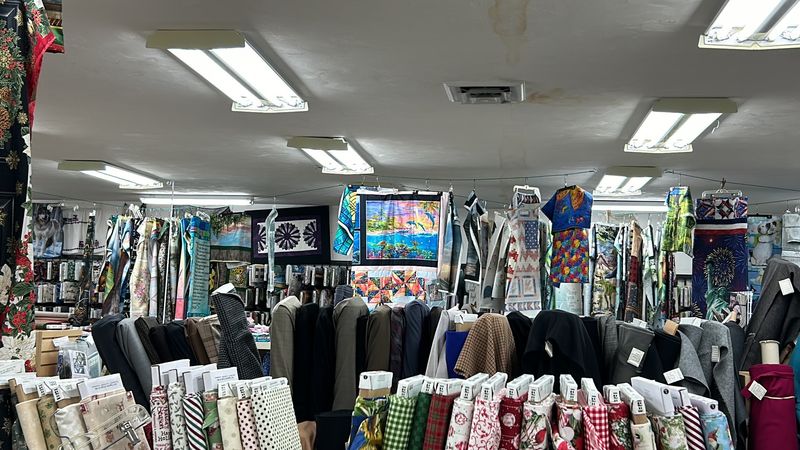
Small shops live or perish on the person behind the cutting counter, and this one clearly thrives there.
Customers repeatedly describe a helpful couple running the place, with the owner known for tracking down specific fabrics and helping match materials for ongoing projects.
Matching is trickier than it sounds. If you are finishing a quilt started two years ago, having someone verify a shade against your sample can rescue the whole project.
Families mention patience with kids, which is not a small thing in a store full of scissors, pins, and delicate goods.
Staff knowledge stretches across quilting, historical sewing, and general garment construction, so questions rarely get a blank stare.
Because it is a family operation, service tends to be personal rather than scripted, and the pace stays unhurried.
I have a soft spot for businesses where the person ringing you up also chose the inventory, since that usually means the recommendations are honest.
Pennsylvania still has a good number of these shops, and each one that survives is worth noticing.
Hours That Reward A Little Planning
Nothing stings quite like arriving at a specialty store and finding the lights off.
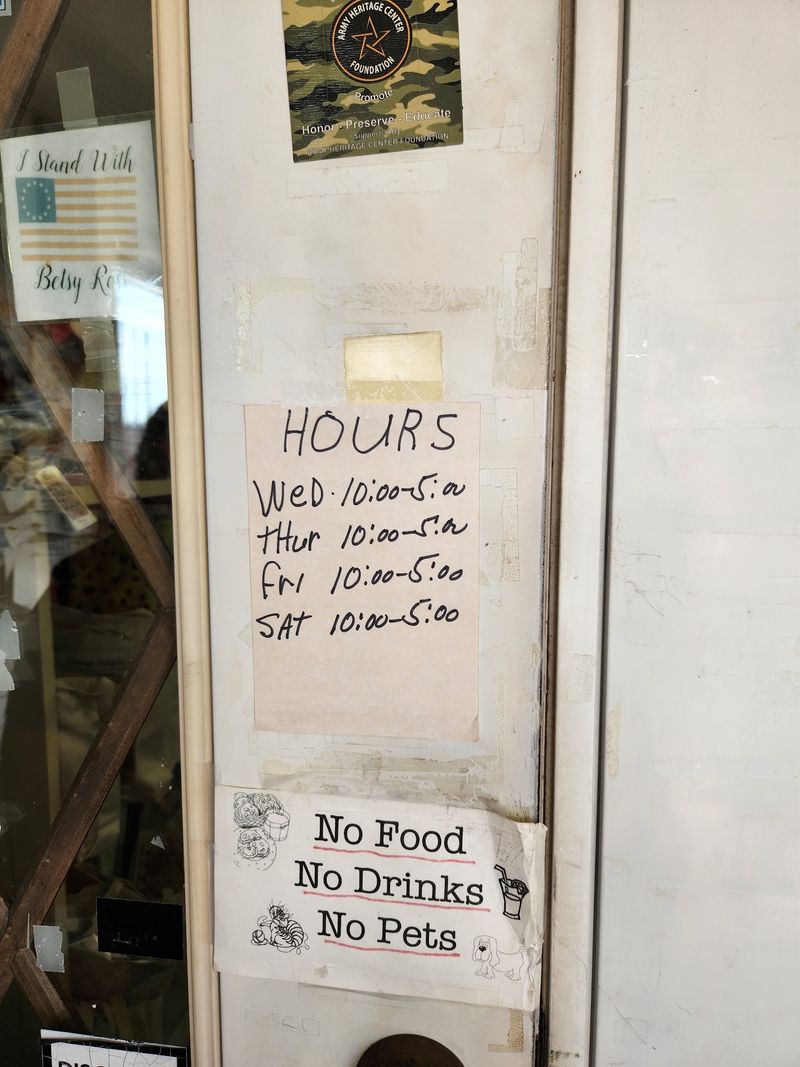
Needle & Thread keeps a four day week, opening Wednesday through Saturday from ten in the morning until five in the afternoon.
Sunday, Monday, and Tuesday are closed days, which catches plenty of weekend travelers off guard since Gettysburg itself buzzes on Sundays.
Building a visit around a Wednesday through Saturday window is the simplest way to avoid disappointment, and arriving earlier in the day gives you more browsing time before closing.
Limited hours are common for small independent shops, where the same handful of people handle ordering, cutting, and everything in between.
Anyone driving in from Maryland, Virginia, or elsewhere in Pennsylvania should double check the day before setting out.
I have absolutely been the person standing outside a locked door on a Monday, squinting at a hours sign and rethinking my life choices.
Learn from my mistakes and set a reminder before you make the drive out Fairfield Road.
The Charmingly Crowded Layout
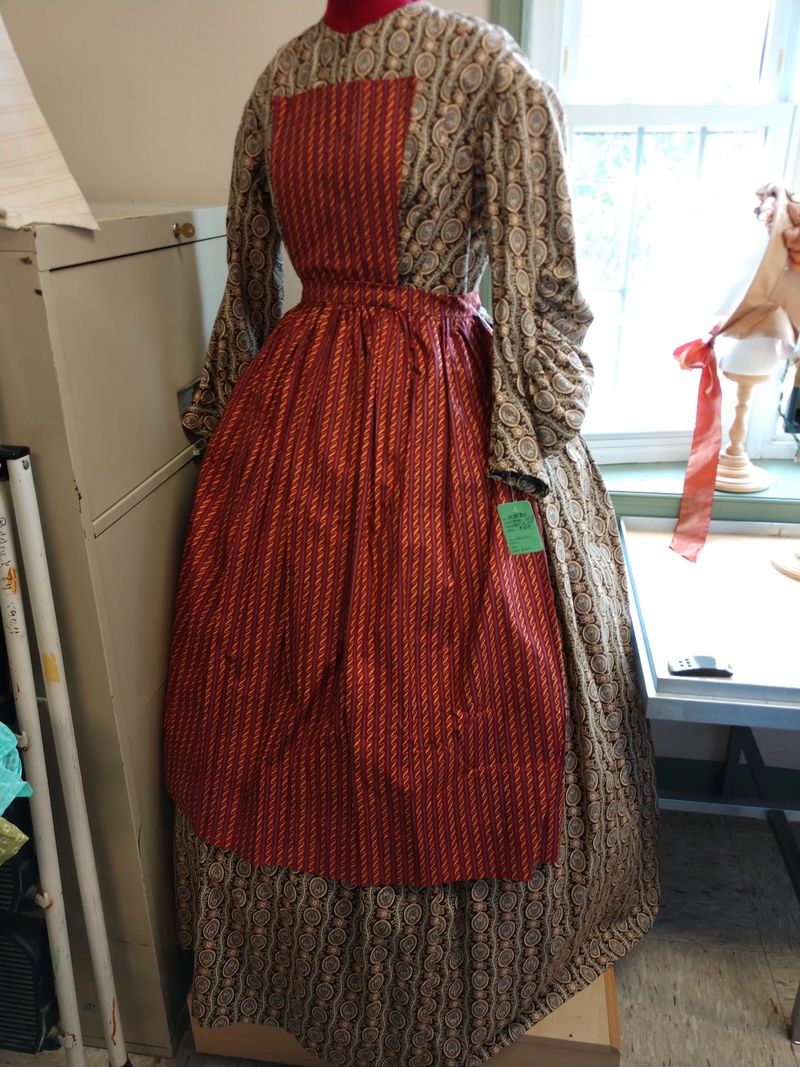
Order and abundance do not always get along, and this shop leans firmly toward abundance.
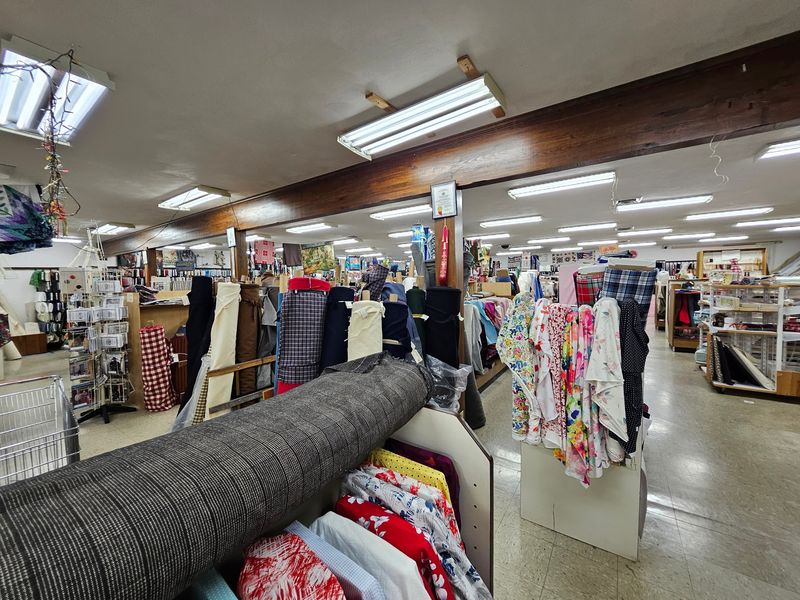
Shoppers describe the layout as packed and sometimes a little jumbled, with bolts stacked high and notions filling every available surface.
Some visitors would prefer tidier organization, and that comes up honestly among regulars who still adore the place.
The upside is discovery. Browsing here often means stumbling onto a fabric you were not looking for, which is how a lot of good projects start.
Asking for help is the shortcut. Staff generally know where things live even when the shelving logic is not obvious to newcomers.
Giving yourself extra time makes the experience far better, since rushing through a dense shop guarantees you miss something good.
My kitchen cabinets look roughly the same way, so I am in no position to judge anyone’s shelving system.
Cluttered shops with deep inventory tend to beat spotless shops with thin selection, at least when you are hunting for something specific.
Threads, Buttons, And Notions Galore
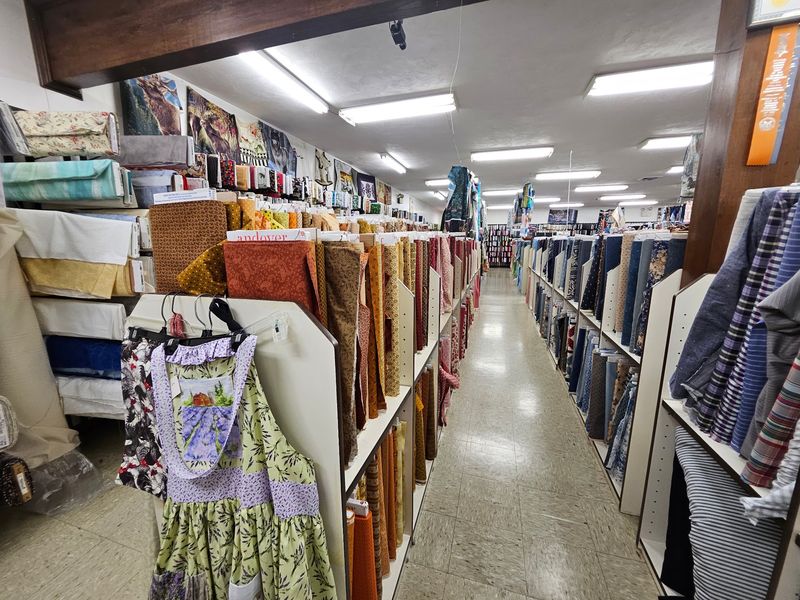
Fabric gets the attention, but notions quietly decide whether a project finishes or stalls.
Thread selection here runs deep, including period threads for historical sewing and everyday spools for standard projects.
Buttons, zippers, trims, and lace fill out the offering, and shoppers regularly report finding items unavailable at larger retailers.
Needlework supplies extend the range further, covering cross stitch and other handwork that pairs naturally with a well stocked fabric shop.
Having thread, cloth, and closures under one roof saves the frustrating second trip that so many sewing projects seem to require.
For reenactors, matching period thread to period cloth matters as much as the fabric choice itself, and few stores in Pennsylvania handle both sides of that equation.
I tend to underestimate how many small parts a finished garment needs, which is exactly the kind of thinking that leads to half done projects in a closet.
Stocking up while you are already standing in the aisle is usually the smarter move.
A Thrift Shop Waiting Around Back
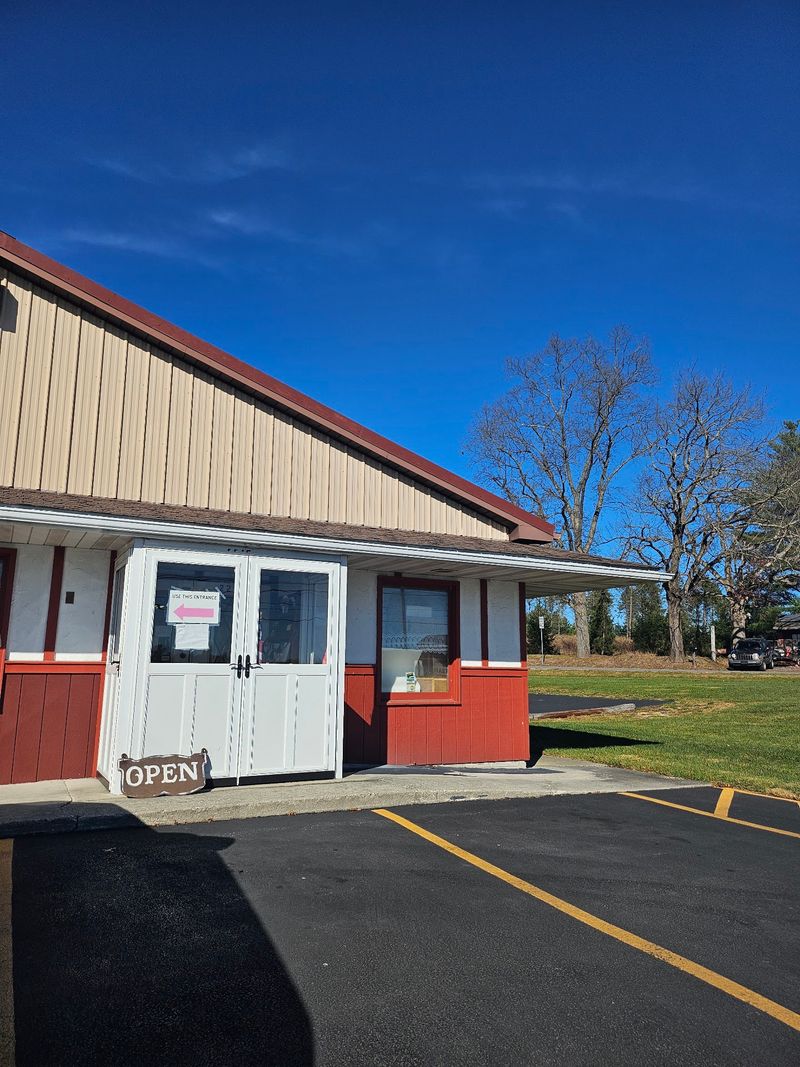
Around the back of the property sits a bonus most first time visitors never expect.
A small thrift shop operates there, described by shoppers as clean, tidy, and staffed by someone friendly.
Combining a fabric store with a secondhand shop makes a certain kind of sense, since sewists often repurpose materials and hunt for usable pieces.
It also gives non sewing companions something to browse while their partner disappears into the wool section for forty minutes.
Selection in small thrift shops changes constantly, so what is on the racks today may be gone next week.
Asking inside about access is the easiest approach, especially since the thrift area is not the main entrance most visitors head toward.
I am always pleased when a business has a second layer that is not advertised on the sign, since finding it feels like an inside tip.
Two shops in one stop is a decent return on a drive through rural Adams County.