
This Historic Pennsylvania Stone Sanctuary Feels Pulled From The Past
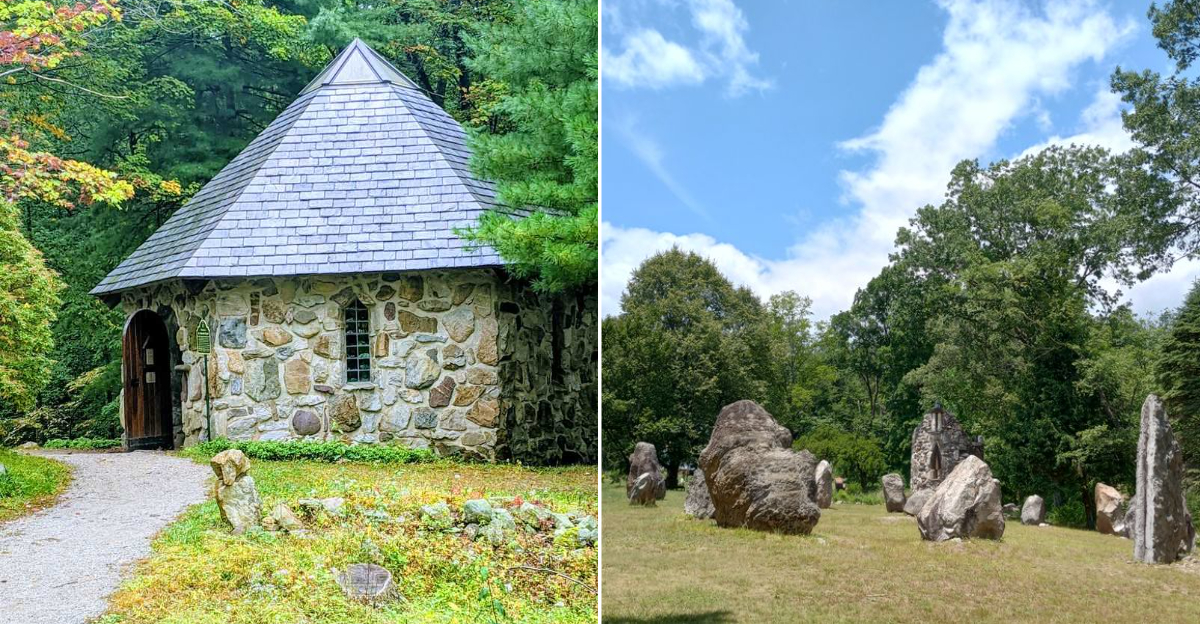
Pennsylvania has places that feel less like destinations and more like discoveries, and this stone sanctuary fits that rare category.
Weathered walls, towering slabs, and quiet pathways create an atmosphere that feels ancient without explanation.
The landscape carries a sense of ceremony, where every step slows you down and every turn invites reflection.
It feels like time loosened its grip here, leaving behind echoes of ritual, myth, and intention.
Call it sacred ground energy, call it a walk through living history, call it a reminder that the past does not always stay behind glass.
Set among rolling hills, the stones rise with purpose, arranged in ways that feel deliberate and symbolic.
Silence plays a role, broken only by wind or distant birds, and the experience encourages looking inward as much as outward.
Pennsylvania hides this kind of magic in plain sight, offering spaces that feel grounding rather than grand, meaningful rather than loud.
I noticed the shift the moment I stopped taking photos and just stood still. My breathing slowed, my thoughts softened, and minutes slipped by unnoticed.
When a place pulls me out of my routine that completely, I know it carries something special, and I leave feeling like I borrowed time from another era.
A Celtic Vision Realized in Pennsylvania Stone
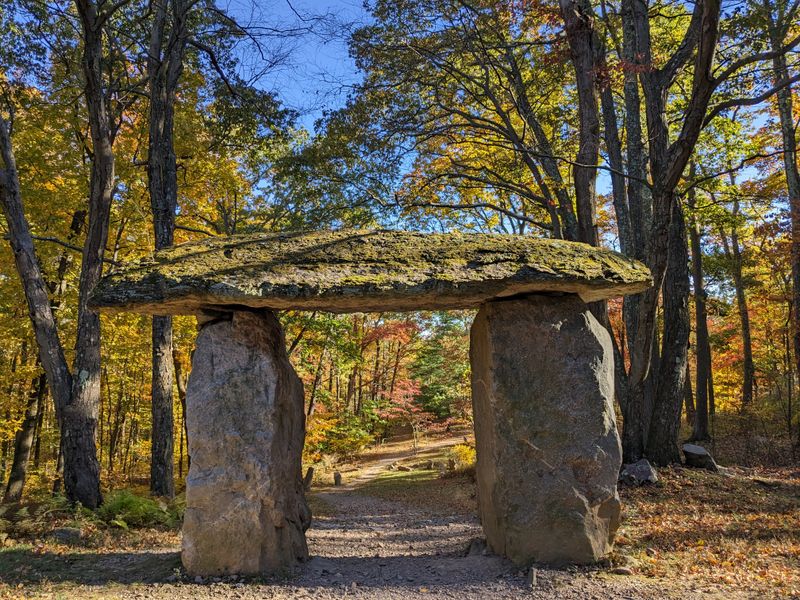
William Cohea Jr. set this sanctuary in motion in 1975, then helped form Columcille Inc. in 1978 after a vision and a trip to Iona inspired him to echo stone monuments of Ireland and Scotland.
He used stones sourced on-site or from local quarries, and placed them across the grounds to create meditation spaces and ceremonial areas.
Columcille now operates as a nonprofit retreat where visitors can experience megalithic design without boarding a plane to Europe.
Each stone setting follows an intentional plan rooted in Celtic spirituality. Cohea spent decades visiting old sites and refining ideas before bringing his vision to life in the Pocono foothills.
Resulting spaces feel both ancient and distinctly Pennsylvanian, blending Old World mysticism with Appalachian wilderness in ways that surprise first-time visitors.
Volunteers and donations help maintain the grounds, keeping the experience welcoming for people on many budgets, year round.
Standing Stones That Rival Stonehenge
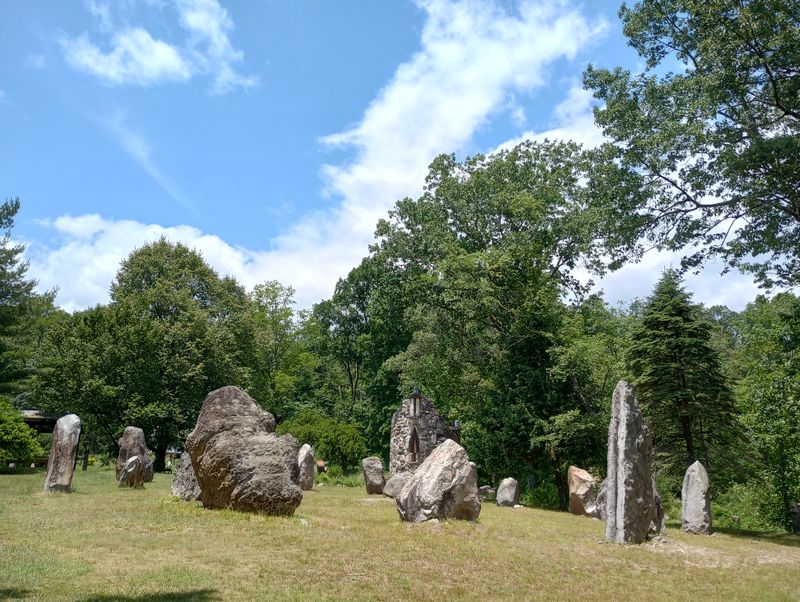
The park’s centerpiece features massive upright stones arranged in patterns that echo Britain’s most famous prehistoric monuments.
Some stones tower over 15 feet high, weighing several tons each and requiring specialized equipment to position.
I remember my first visit, standing beneath one of these giants and feeling genuinely small, wondering how ancient peoples accomplished similar feats with primitive tools.
Unlike the roped-off attractions at many historic sites, visitors here can walk right up to the stones and touch their weathered surfaces.
The rock formations create natural gathering spaces perfect for quiet reflection or small group ceremonies.
Clear quartz crystals occasionally catch sunlight from within the stone surfaces, sparkling unexpectedly as you walk the grounds.
Photographers flock here during golden hour when low sunlight casts dramatic shadows across the megaliths.
The stones take on different personalities depending on weather conditions, appearing mysterious in fog and majestic under clear skies.
St. Columba’s Chapel Tucked in the Woods
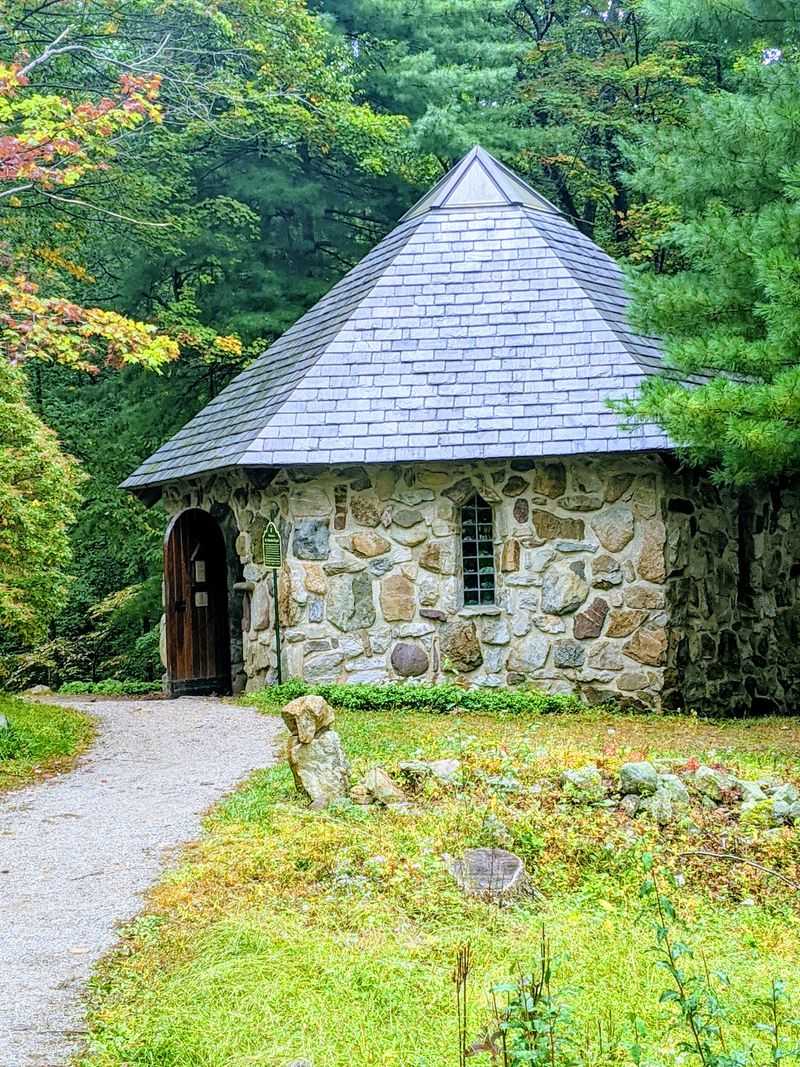
A small stone chapel honors St. Columba, the Irish monk who founded a monastery on Iona in 563.
Built on the property in the late 1970s and dedicated in 1980, it was designed as a six-sided sanctuary modeled on Columba’s chapel on Iona.
Visitors often light candles inside and leave prayer intentions in a small wooden box near the altar.
Intimate scale seats maybe a dozen people comfortably, creating an atmosphere of genuine sanctuary rather than institutional religion.
Stained glass windows filter colored light across simple wooden pews and rough stone walls.
Some visitors describe unexpected emotional responses when stepping into this space, whether they consider themselves religious or not.
Serving as a focal point for the park’s mission, the chapel still feels welcoming to people of all faiths or none.
Morning light through the east-facing windows creates especially beautiful effects worth timing your visit to catch.
Easy Trails Through Sacred Landscape
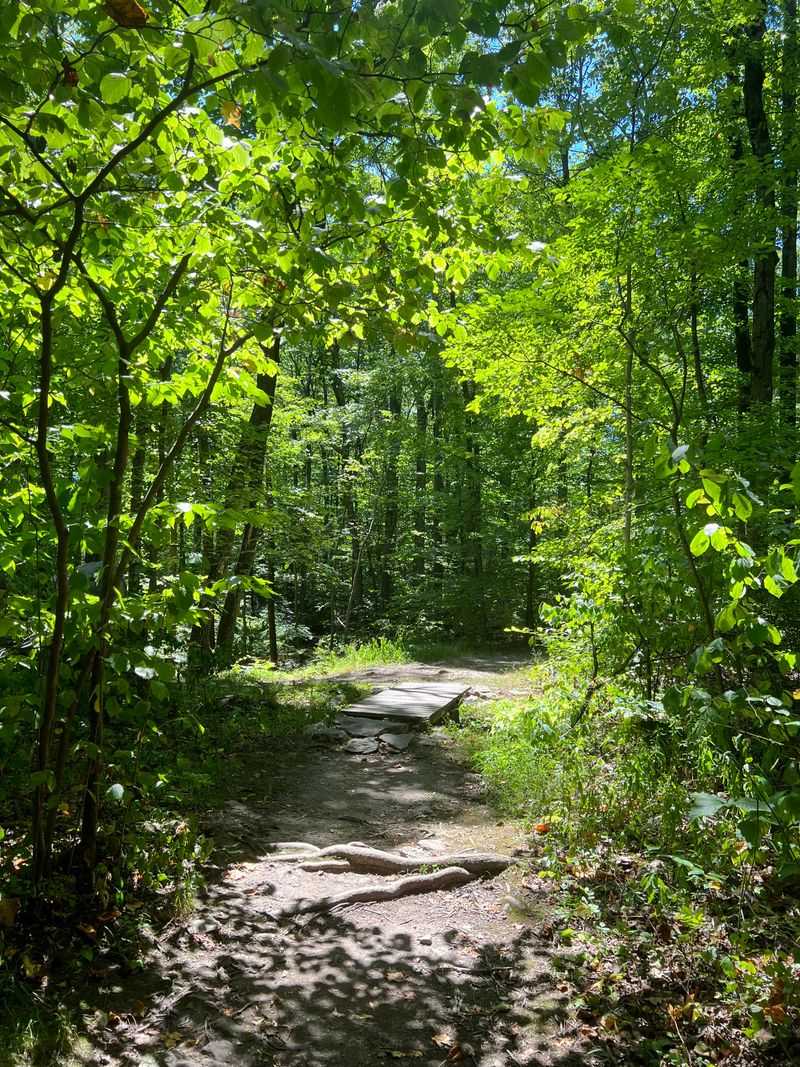
Multiple interconnected trails wind through the property, none particularly strenuous but all offering something worth discovering.
Paths connect stone installations, meditation spots, and natural features across more than twenty acres, with well over ninety stone settings scattered along the way, plus miles of looping footpaths.
Well-maintained but natural in character, trails work for most fitness levels, though terrain includes roots, rocks, and occasional mud depending on recent weather.
Trail guidance at the entrance helps visitors navigate, and the looping layout brings you back toward the parking area, so getting truly lost proves difficult.
Visitors typically spend one to two hours exploring, though you could easily fill half a day if you stop often to sit and absorb the atmosphere.
Tree canopy provides excellent shade during summer months, making this a comfortable warm-weather destination. Sturdy shoes are absolutely necessary since paths can be uneven and rocky in sections.
A Sense of Energy Many People Describe
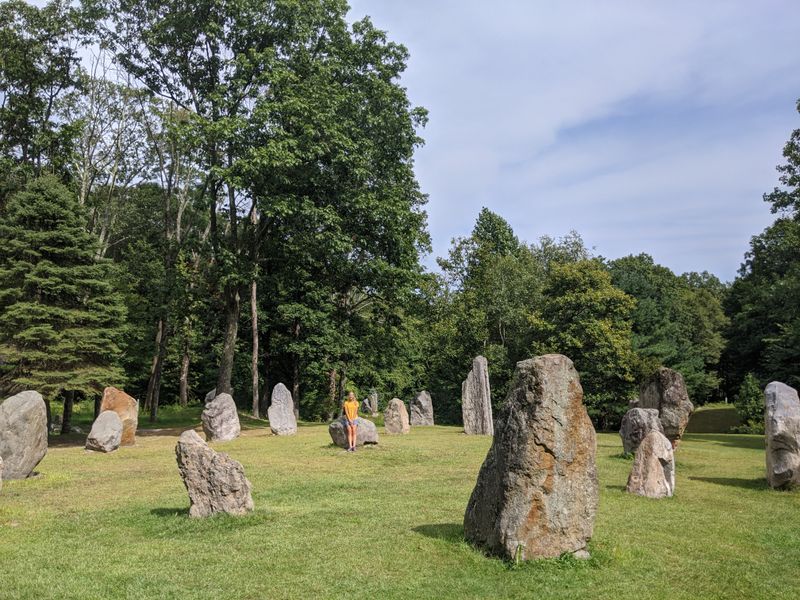
Many visitors describe a sense of unusual energy while walking the grounds, especially near the larger stone formations.
Whether you connect it to geology, spirituality, or simple suggestion, the atmosphere feels distinct and immersive.
Some people mention the high quartz content in local stone as one reason the place feels different, while others focus on the layout and the hush of the forest.
Believers in earth-energy traditions talk about ley lines or vortexes. Skeptics say deliberate stone placements and a peaceful setting can shift your mood in ways that feel mysterious.
No single explanation fits everyone, yet the theme comes up often enough that it has become part of the park’s reputation.
I’ve visited twice, and I can’t claim I felt a literal magnetic pull, but the quiet and thoughtful design did create a meditative headspace I don’t usually reach.
Natural beauty plus intentional sacred-space planning seems to work on visitors across belief systems.
Donation-Based Access for Everyone
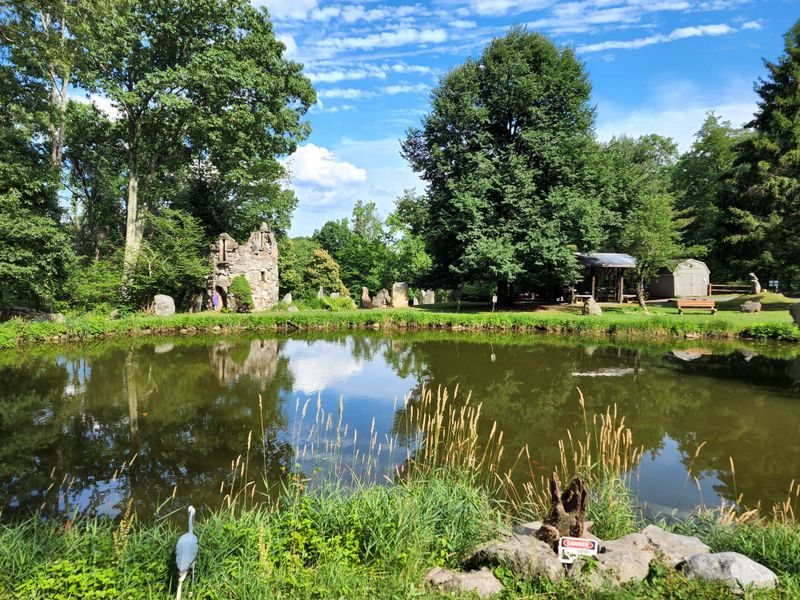
Rather than charging a fixed admission fee, Columcille relies on donations, with collection boxes near the entrance.
Visitors can give what they are able and comfortable with, and many do, because the grounds are privately maintained to keep it open.
Approach keeps the sanctuary accessible to people regardless of financial circumstances while still supporting maintenance and operations.
Honor system reflects the park’s mission and trust in visitor goodwill. Most guests contribute something, understanding that volunteer efforts and donations keep this unique place functioning, year after year.
Operating costs include trail upkeep, basic facilities, insurance, and care for the stone settings and chapel, plus seasonal work like clearing downed branches.
Funding model means the park depends on visitor generosity and community support. Skyy Lane Resource Center offers maps, books, and Celtic-themed items, shared in exchange for donations.
Grassroots approach feels refreshing compared to high-priced attractions that treat nature like a product.
Wildlife Encounters Among Ancient Stones
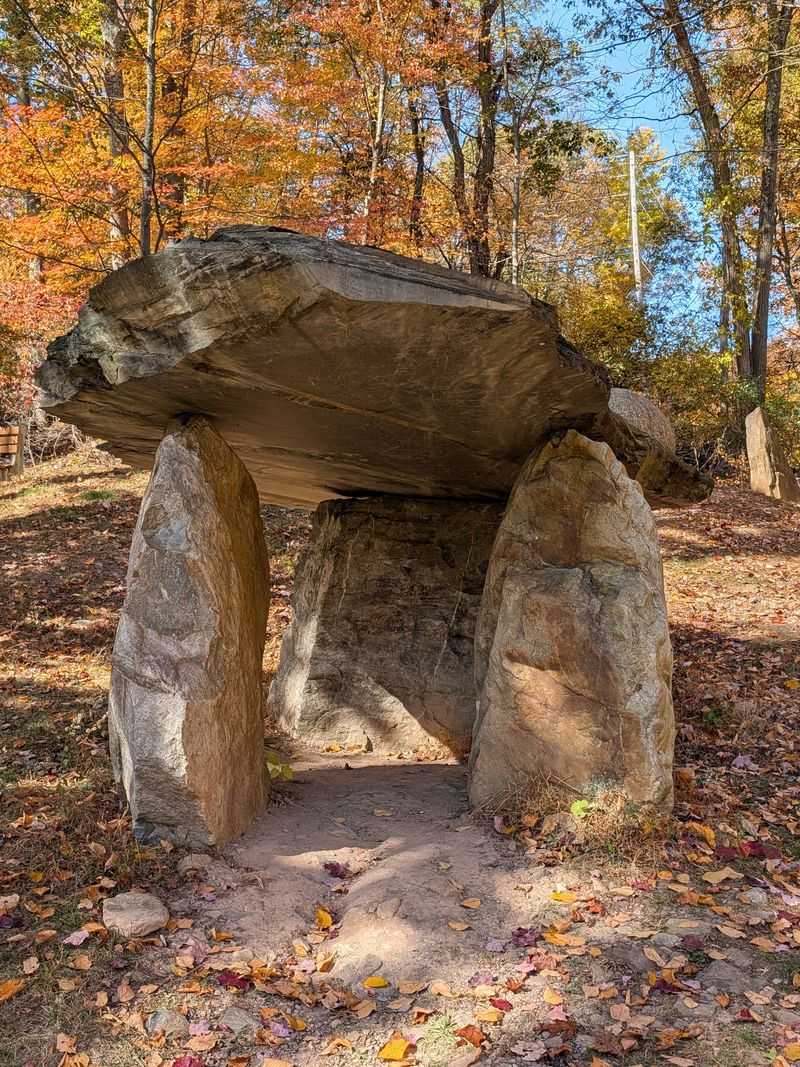
The park’s quiet atmosphere and protected woodland habitat attract abundant wildlife that visitors frequently encounter.
Chatty chipmunks quietly scurry across stone surfaces and beg for attention, especially near resting spots, so patience helps you notice them.
Bird watchers regularly spot juncos, chickadees, white-throated sparrows, red-bellied woodpeckers, white-breasted nuthatches, flickers, and robins moving through the canopy.
Squirrels dominate the scene, conducting their noisy business in the trees overhead while visitors contemplate eternal mysteries below.
Forest habitat and generally respectful human presence create ideal conditions for wildlife observation.
Early morning visits offer the best chances for animal sightings when creatures are most active and foot traffic remains light.
Park guidelines ask visitors to leave no trace, keep dogs leashed, stay on trails, and respect the stones, which helps protect habitat and preserve the quiet mood for everyone sharing the paths.
Photographers appreciate wildlife opportunities, especially when animals interact with dramatic stone backdrops.
Seasonal Beauty Throughout the Year
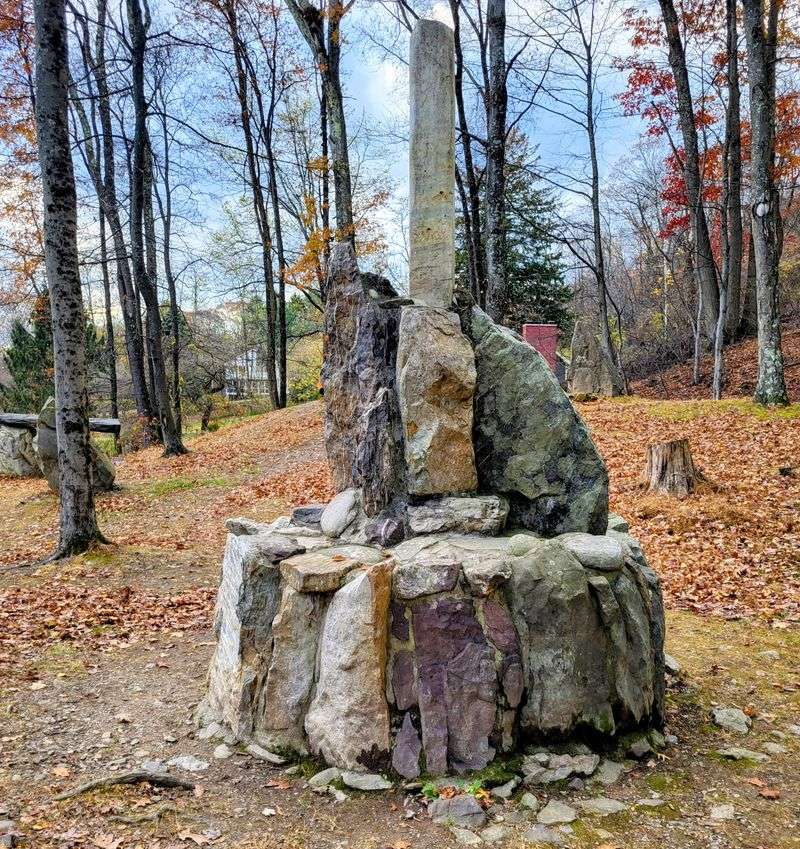
Each season transforms the park’s appearance and atmosphere in distinct ways. Spring brings wildflowers carpeting the forest floor and fresh green growth softening the stone structures.
Summer offers full tree canopy and lush undergrowth, creating a secret garden feeling.
Fall delivers spectacular foliage that frames the megaliths in gold and crimson, while winter snow creates fairy-tale scenes when fresh powder blankets the stones.
One reviewer described visiting after a snowfall and finding the experience particularly magical with white-dusted megaliths rising from pristine drifts.
Park grounds stay open year-round from dawn until dusk, which makes timing visits around light part of the fun, every single season for everyone.
Winter visits require extra caution on potentially icy trails, but solitude and stark beauty reward the effort. Sunrise visits can offer stunning light, especially during autumn months.
Pennsylvania’s four distinct seasons mean you could visit multiple times and have completely different experiences based purely on weather and foliage conditions.
Practical Details for Your Visit
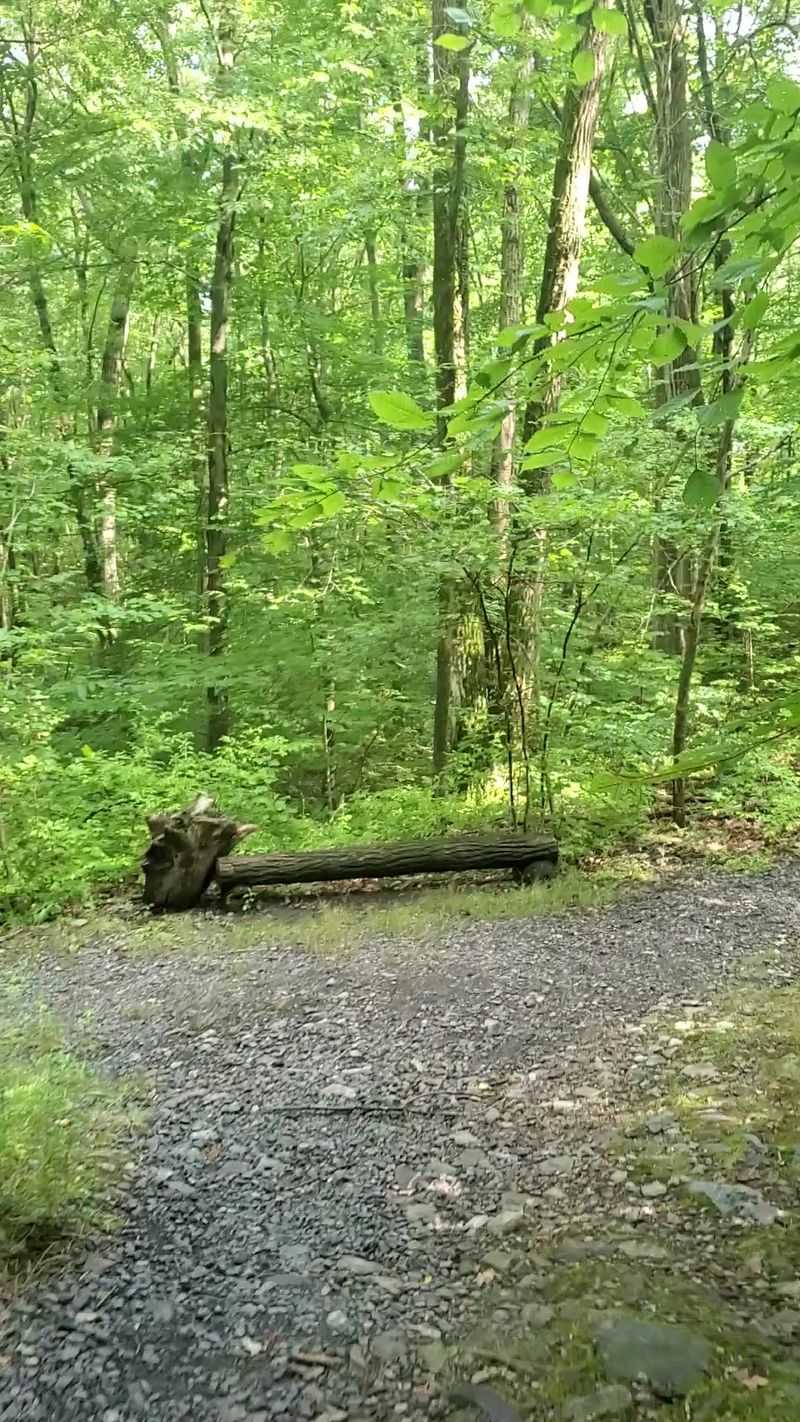
Located at 2155 Fox Gap Road in Bangor, the park sits along winding mountain roads that can challenge drivers unfamiliar with Pennsylvania hill country.
Large RVs and motorhomes struggle with the steep, twisty approach and limited parking area. The parking situation involves roadside spaces that fill quickly on popular weekends, so arriving early makes sense.
Porta-potties provide the only restroom facilities, and no food or drink is available on-site, so plan accordingly.
The park requests silence on the trails to maintain the contemplative atmosphere for all visitors.
Children are welcome but should be supervised, as climbing on the stones is prohibited to preserve the structures and ensure safety.
Bring bug spray during warm months, as forest insects can be aggressive. A full water bottle is essential since no drinking fountains exist.
The gift shop near the pond keeps limited hours, so check ahead if you want to purchase books or DVDs about the park’s history and mission.
A Quiet Gem Worth the Winding Journey
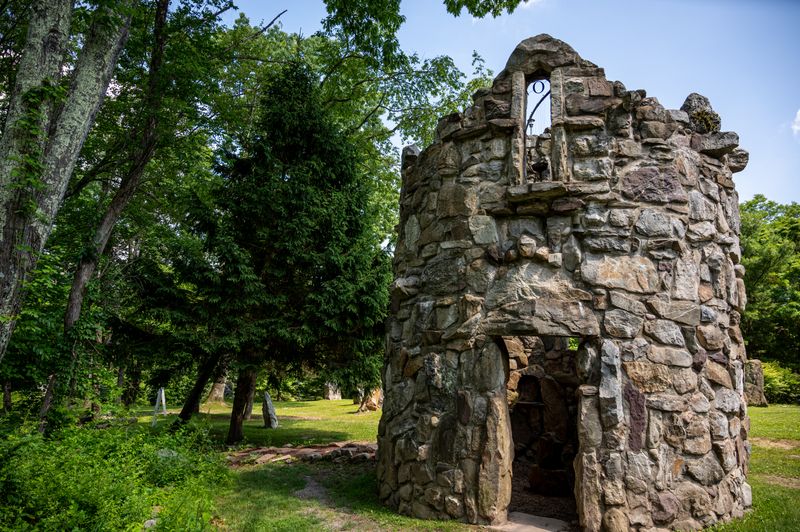
Rather than feeling overrun, Columcille stays quieter than many Pennsylvania tourist stops, even while earning strong reviews and plenty of word-of-mouth.
That low profile works in visitors’ favor, keeping crowds manageable and protecting the peaceful atmosphere that makes the place feel special.
Challenging access road serves as a filter, ensuring people who make the effort genuinely want to be there.
Park occupies a unique niche as neither traditional state park nor commercial attraction but something in between.
It’s not for everyone, particularly those seeking conventional entertainment or loud, constant activity, or a quick stop.
For visitors open to quiet contemplation, unusual beauty, and spiritual exploration, few Pennsylvania destinations offer comparable experiences.
Whether you spend an hour walking the main trail or half a day exploring every path and sitting with the stones, Columcille provides a genuine escape from modern life’s constant noise, and often leaves you calmer than when you arrived, even on busier weekends.