
This Historic Small Town In Arizona Is One You’ve Probably Never Heard Of
I was convinced the transmission was about to give up the ghost somewhere between a cactus that looked like a middle finger and a horizon that refused to get any closer.
You know that specific brand of Arizona heat? The kind that makes the air shimmer until you start seeing ghost towns in every dust cloud?
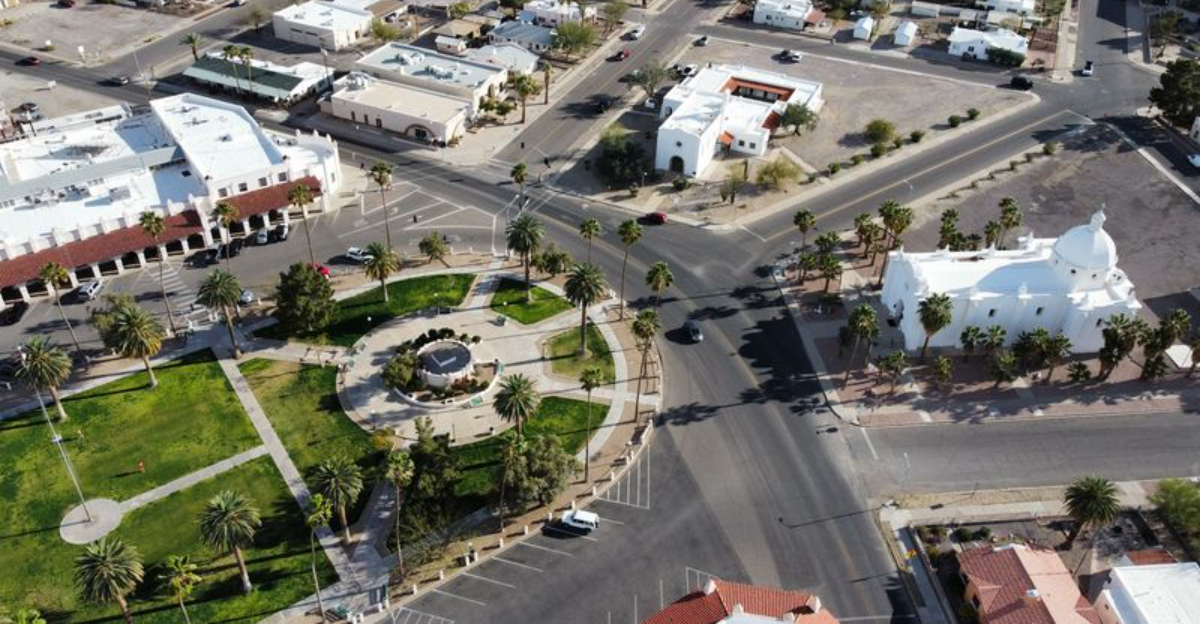
Well, I didn’t just see one; I drove right into a living, breathing time capsule. I expected rusted hubcaps and tumbleweeds, but what I found was a stunning Spanish Colonial plaza that felt like a cinematic masterpiece left behind by a golden-age director.
It’s sitting there, tucked away in the silence, holding onto secrets from a century ago while the rest of the world zooms right past.
A Plaza That Time Almost Forgot
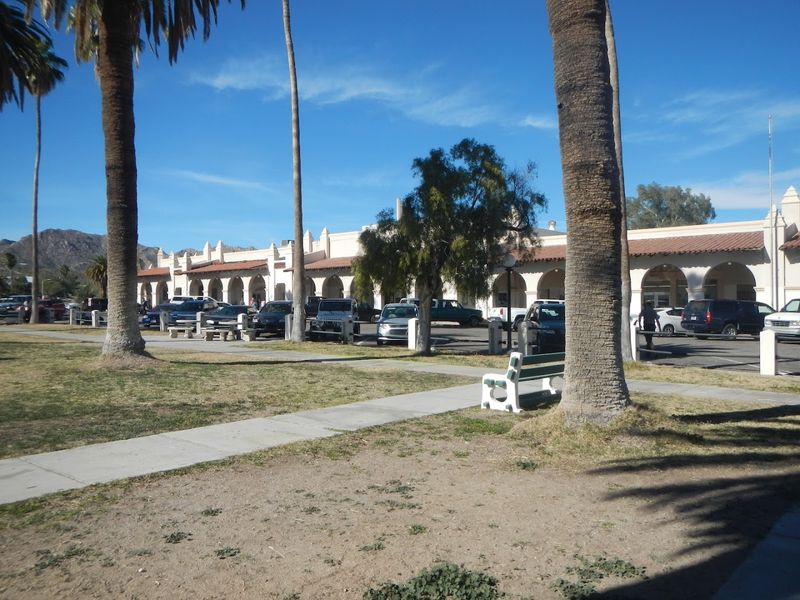
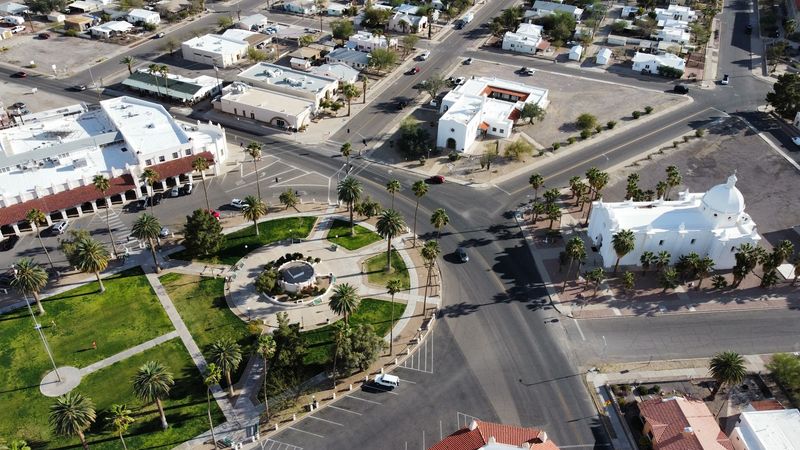
Right in the heart of town sits a plaza that looks nothing like your typical dusty Arizona settlement. Built between 1916 and 1917 by the Calumet and Arizona Mining Company, this Spanish Colonial Revival masterpiece was designed to create a harmonious community for copper miners and their families.
White arched colonnades wrap around a central courtyard where palm trees sway and locals still gather for community events. Walking through the plaza today feels like stepping onto a movie set.
The architecture is so well-preserved that you can almost hear the echoes of miners heading home after their shifts, their families shopping at the company store, kids running between the columns playing tag.
John Campbell Greenway, a former Rough Rider turned mining engineer, envisioned this space as more than just functional buildings.
He wanted beauty and community spirit baked right into the town’s foundation. That vision succeeded beyond what he probably imagined, because even now, decades after the mine closed, this plaza remains the beating heart of Ajo where festivals, markets, and gatherings keep the town’s spirit alive and thriving.
The Curley School Turned Artist Haven
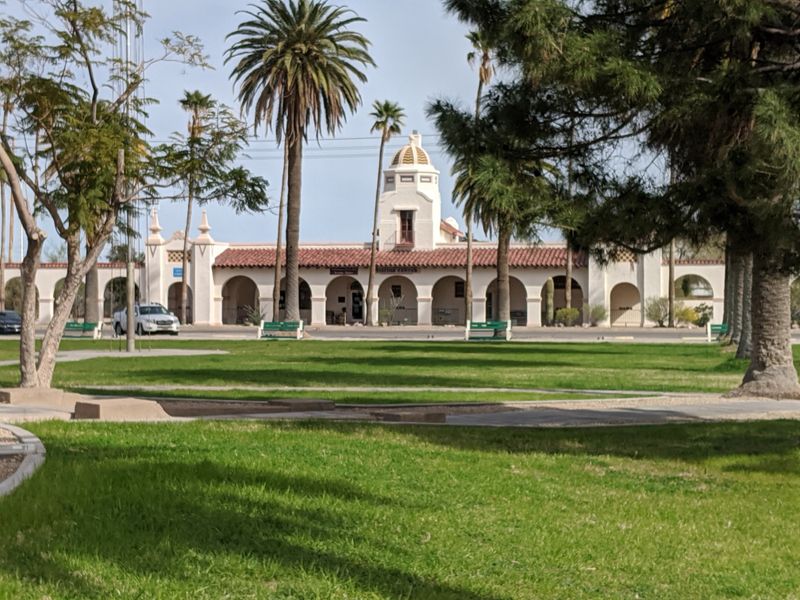
Completed in 1919, the Curley School once educated generations of mining families’ children in a building so grand it could have been mistaken for a government palace.
Named after a mine superintendent, this architectural gem served students until the mine’s closure sent families packing and enrollment plummeting. But here’s where Ajo’s story gets interesting instead of sad.
Rather than letting this beautiful building crumble into desert dust, the community transformed it into the International Sonoran Desert Alliance arts center. Today, artists from around the country apply for residencies here, living and creating in spaces that once held blackboards and desks.
I wandered through hallways lined with paintings, sculptures, and photography that capture both the harsh beauty of the Sonoran Desert and the resilient spirit of this little town.
The transformation from schoolhouse to art hub perfectly captures Ajo’s refusal to become a ghost town. Studios occupy former classrooms, galleries fill old administrative offices, and the creative energy buzzing through these halls feels just as vital as any lesson taught here decades ago.
Copper Mining Legacy At New Cornelia Mine
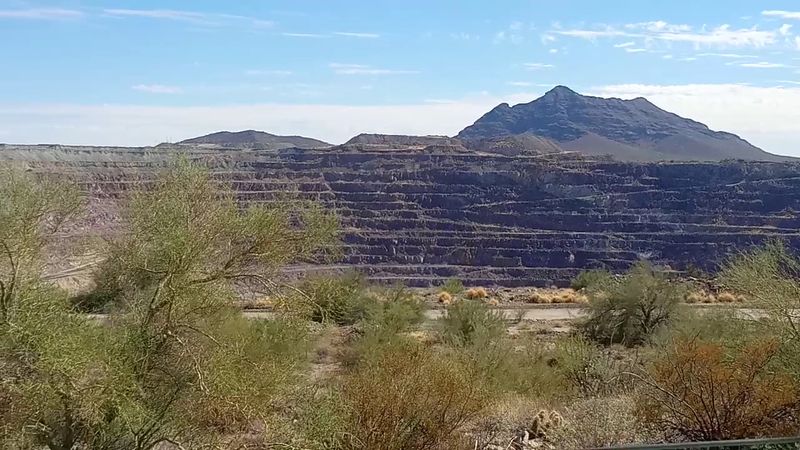
You can’t talk about Ajo without addressing the massive hole in the ground that made this town exist in the first place. The New Cornelia Mine was once one of the largest copper mines on the planet, a gaping open pit that stretched so wide you could fit several football fields inside it.
American prospector Tom Childs Sr. discovered rich copper deposits here in 1847, but it took decades before technology caught up with ambition. Standing at the overlook today, staring down into those terraced walls, I felt the weight of all those years of extraction.
Thousands of workers carved this monument to human determination and industrial appetite, pulling copper from the earth that would eventually wire homes and power grids across America. The mine operated until 1985 when a prolonged strike and falling copper prices finally forced its closure.
That shutdown could have killed Ajo entirely, turning it into just another abandoned mining town slowly reclaimed by creosote and cactus.
Instead, residents chose to honor their mining heritage while building something new, proving that endings can also be beginnings if you’re stubborn enough.
Gateway To Organ Pipe Cactus National Monument
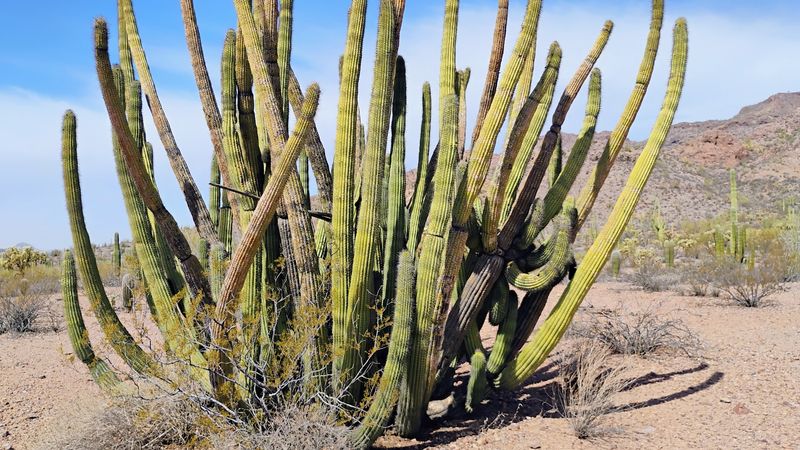
Just a short drive from Ajo’s plaza, you’ll find one of the most unique protected landscapes in the entire National Park system. Organ Pipe Cactus National Monument showcases the only place in the United States where these remarkable cacti grow wild, their multiple arms reaching skyward like the pipes of a desert cathedral.
I drove out there on a spring morning and found myself surrounded by blooming cacti and more bird species than I could count. The monument protects over 330,000 acres of Sonoran Desert ecosystem, creating a haven for plants and animals found nowhere else north of Mexico.
Hiking trails wind through landscapes dotted with saguaros, chollas, palo verde trees, and of course those namesake organ pipe cacti that give the place its identity. Wildlife sightings can include everything from roadrunners to desert bighorn sheep if you’re patient and lucky.
Using Ajo as your base camp for exploring this natural wonder makes perfect sense. The town offers affordable lodging, restaurants, and that small-town hospitality that makes you feel like a welcomed guest rather than just another tourist passing through on their way to somewhere supposedly more important.
Tohono O’odham Cultural Roots
Long before copper miners or Spanish missionaries arrived, the Tohono O’odham people called this region home. Their name translates to “Desert People,” and they developed sophisticated knowledge of how to thrive in an environment that would seem impossibly harsh to outsiders.
Water sources and mineral deposits that attracted later settlers were already well known to these original inhabitants who had mapped every spring and resource across this landscape.
The town’s name itself carries indigenous echoes, though filtered through Spanish. “Ajo” means garlic in Spanish, possibly referencing wild garlic found in surrounding hills, but the area held deeper meaning for the Tohono O’odham who understood its seasonal rhythms and hidden gifts.
Their cultural influence remains woven into the region’s identity, even as mining and modern development reshaped the physical landscape.
Visiting Ajo offers opportunities to learn about this deeper history through cultural centers and events that honor the people who first recognized this desert’s value.
Understanding their perspective adds layers of meaning to every hike, every sunset, every seemingly barren hillside that actually teems with life if you know how to look.
Desert Stargazing Paradise
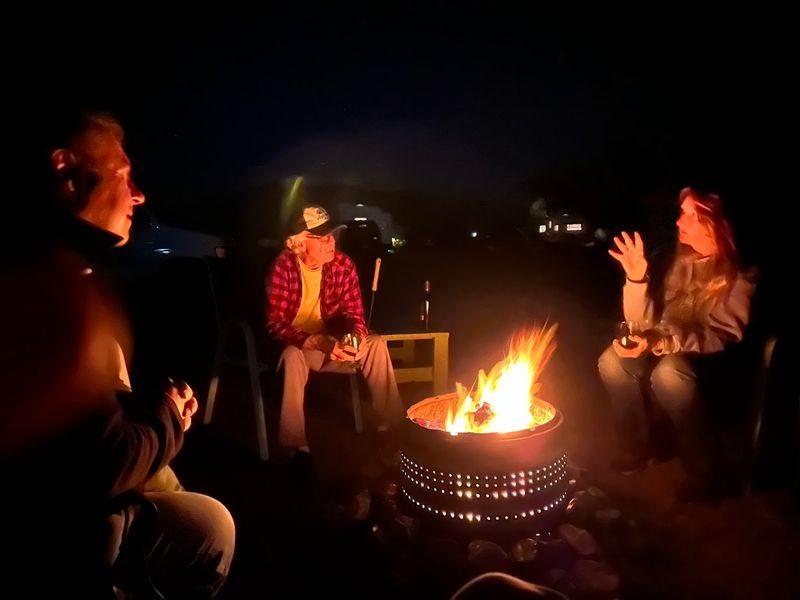
When the sun drops behind the mountains and darkness settles over Ajo, something magical happens overhead. With minimal light pollution and the clear, dry air that defines this corner of Arizona, the night sky transforms into a spectacular show that city dwellers can barely imagine.
I spent an evening lying on a blanket outside town, watching the Milky Way stretch across the heavens like a river of light.
The combination of high elevation, low humidity, and distance from major cities creates ideal stargazing conditions that rival some of the best dark sky locations in the Southwest.
Constellations pop into sharp focus, planets shine like jewels, and on moonless nights you can spot satellites cruising silently overhead.
Amateur astronomers and photography enthusiasts regularly make pilgrimages here specifically for the pristine viewing conditions. Bring a telescope or just use your naked eyes, either way you’ll see more stars than you probably thought existed.
The silence of the desert night paired with that cosmic display overhead creates a humbling experience that reminds you how small we are and how vast everything else is out there beyond our everyday concerns.
Year-Round Desert Climate
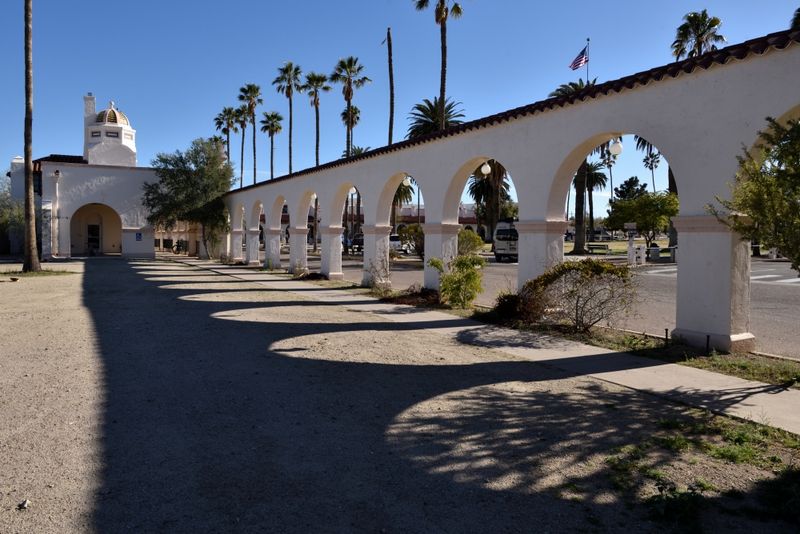
Ajo’s climate follows the classic Sonoran Desert pattern with scorching summers and pleasant winters that draw snowbirds like moths to a porch light. Summer temperatures regularly push past 100 degrees, turning the town into a place where only the toughest or most determined visitors venture during July and August.
But come October, everything changes as temperatures drop into that perfect sweet spot.
Winter months bring daytime highs in the 60s and 70s, ideal weather for hiking, exploring, and wandering around town without feeling like you’re standing inside an oven. Nights can get surprisingly chilly, sometimes dipping below freezing, so pack layers if you’re visiting between November and March.
Spring arrives with a burst of wildflowers that transform the desert into a colorful carpet, assuming winter rains cooperated. I visited in late February and found conditions absolutely perfect for outdoor activities.
The plaza was comfortable for afternoon strolls, desert trails were inviting rather than threatening, and evenings required just a light jacket.
Timing your visit outside summer months makes all the difference between enjoying Ajo’s charms and simply surviving them while counting minutes until you reach air conditioning.