
This Historic Washington Building Secretly Holds An Entire Museum About Whales
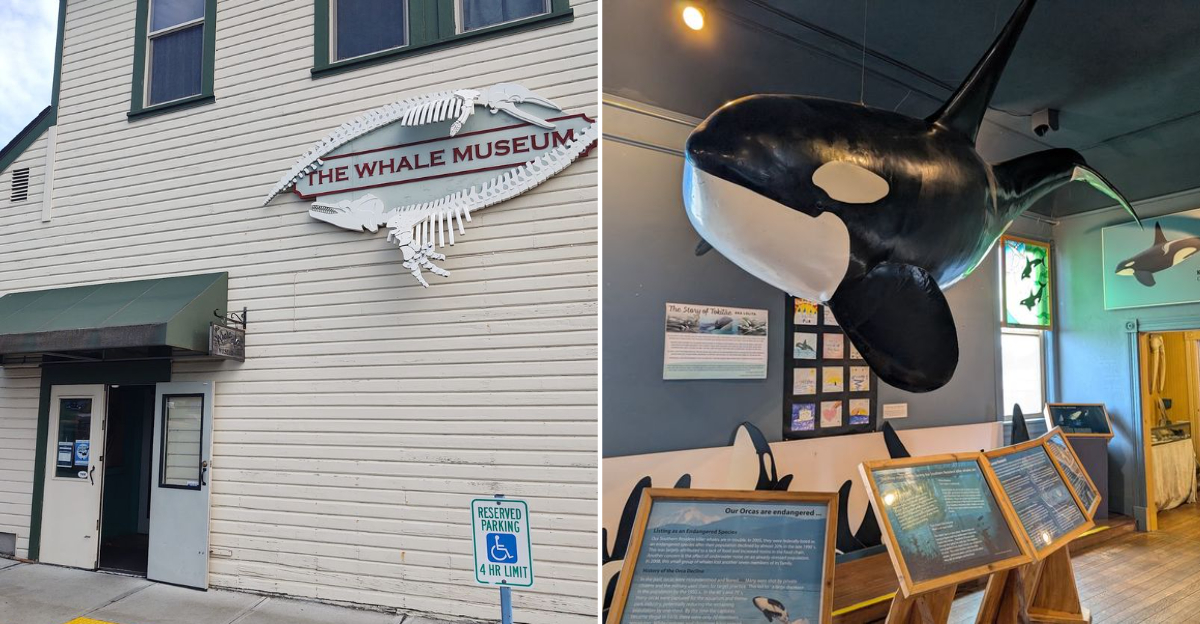
A historic building near the water holds a much bigger story than its exterior suggests.
Inside, the focus shifts almost entirely to whales, with exhibits exploring their biology, behavior, communication, and the challenges they face in the wild.
Skeletons, photographs, research displays, and educational materials turn the space into an unexpectedly deep look at some of the Pacific Northwest’s most remarkable animals.
Washington’s coastal waters are closely tied to several whale species, making the setting especially fitting. Visitors can learn how scientists identify individual animals, track pods, study migration, and listen for the sounds whales use beneath the surface.
The building itself adds another layer to the visit. Its historic character contrasts with the modern research and conservation work explained inside.
For anyone fascinated by marine life, this Washington museum offers far more than a quick collection of displays. It turns a quiet stop into a fascinating look at the whales moving through the waters just beyond the shore.
A Historic Building With A Secret Inside
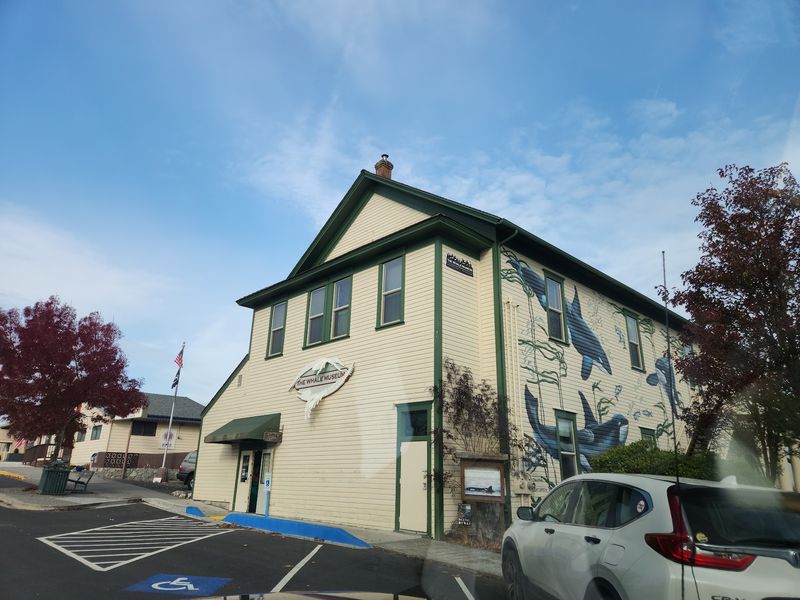
Walking up to The Whale Museum, you would never guess what waits inside. The building started life in 1892 as the Odd Fellows Hall, a classic old wooden structure right in the heart of Friday Harbor.
Back in 1978, a group of researchers leased the second floor for just seventy-five dollars a month. Volunteers rolled up their sleeves, fixed up the space, and built the very first exhibits by hand. The museum opened its doors in July 1979.
What makes it extra special is its claim to fame. It was the first museum in the entire United States dedicated to a species still living in the wild. That is a pretty big deal for a small-town building.
By 1989, the museum board bought the whole hall, doubling the room for displays. I love that a place with so much history keeps growing while still honoring its roots. It feels warm, worn-in, and genuinely local rather than shiny and corporate.
Life-Sized Whale Models And Skeletons
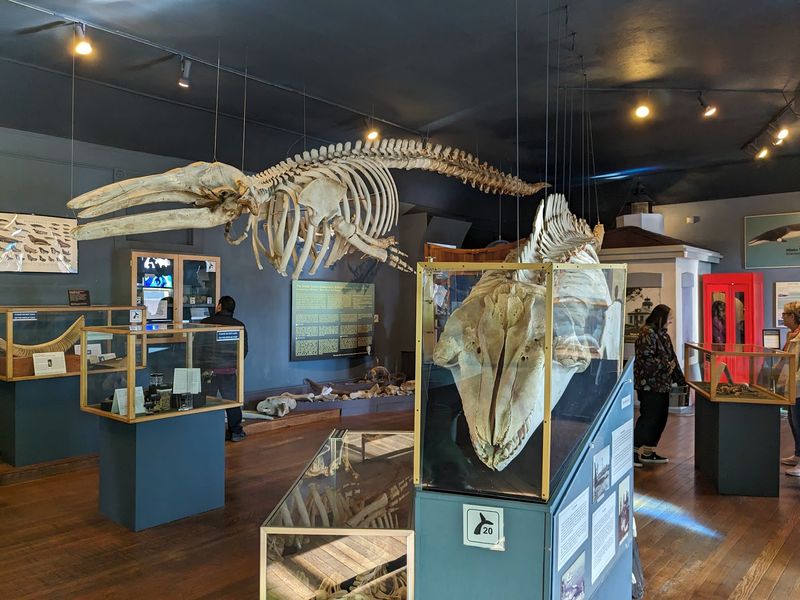
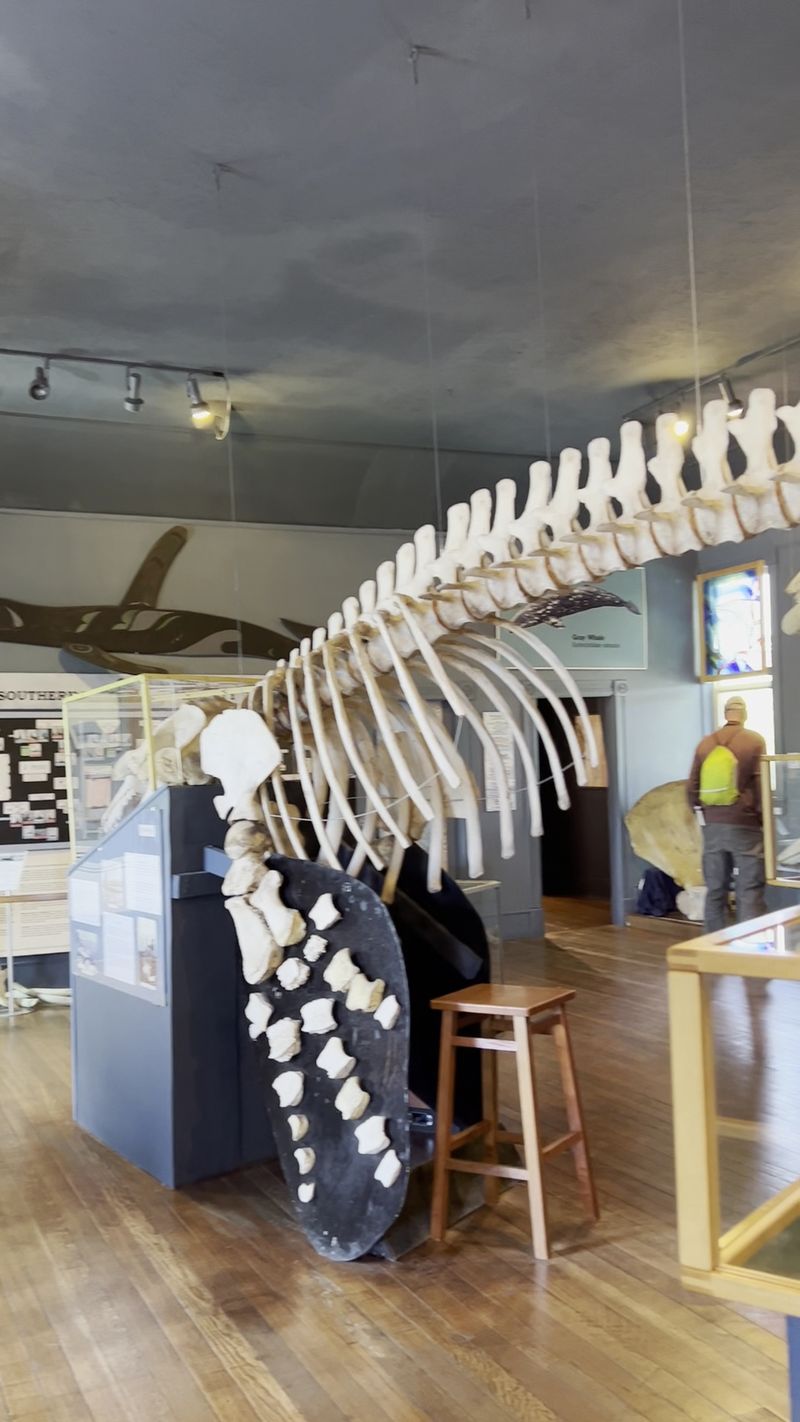
The moment I climbed the stairs, my jaw dropped at the sight of full skeletons hanging overhead. Seeing the actual bones of a whale up close gives you a real sense of just how enormous these animals are.
The museum displays articulated skeletons, which means the bones are carefully connected in their natural positions. There are also life-sized models that let you picture the living creatures gliding through the water.
Standing beneath them, I kept trying to imagine the size of the muscles and skin that once wrapped around those frames. It is humbling and a little goosebump-inducing at the same time.
These displays are not just for show. They help visitors understand how whales are built, how they move, and why their bodies work so well in the ocean.
Kids and grown-ups alike wandered around with their heads tilted back, snapping photos. If you only had ten minutes here, this gallery alone would be worth the trip.
The Whale Phone Booth
Tucked among the exhibits sits a quirky little surprise called the Whale Phone Booth. You pick up the handset, and instead of a dial tone, you hear the actual calls of whales echoing in your ear.
I probably spent way too long standing in that booth, listening to the clicks, whistles, and haunting songs. The sounds are strange, beautiful, and completely unlike anything you hear on land.
Whales use these calls to talk to each other, find food, and stay together in their pods. Hearing them made the whole underwater world feel alive and surprisingly chatty.
It is one of those small touches that turns a good museum into a memorable one. Interactive spots like this keep curious hands and ears busy.
If you visit with kids, they will absolutely want a turn, so be ready to wait patiently. Honestly, the grown-ups seemed just as eager to eavesdrop on the ocean conversations.
Northwest Native American Culture And Artifacts
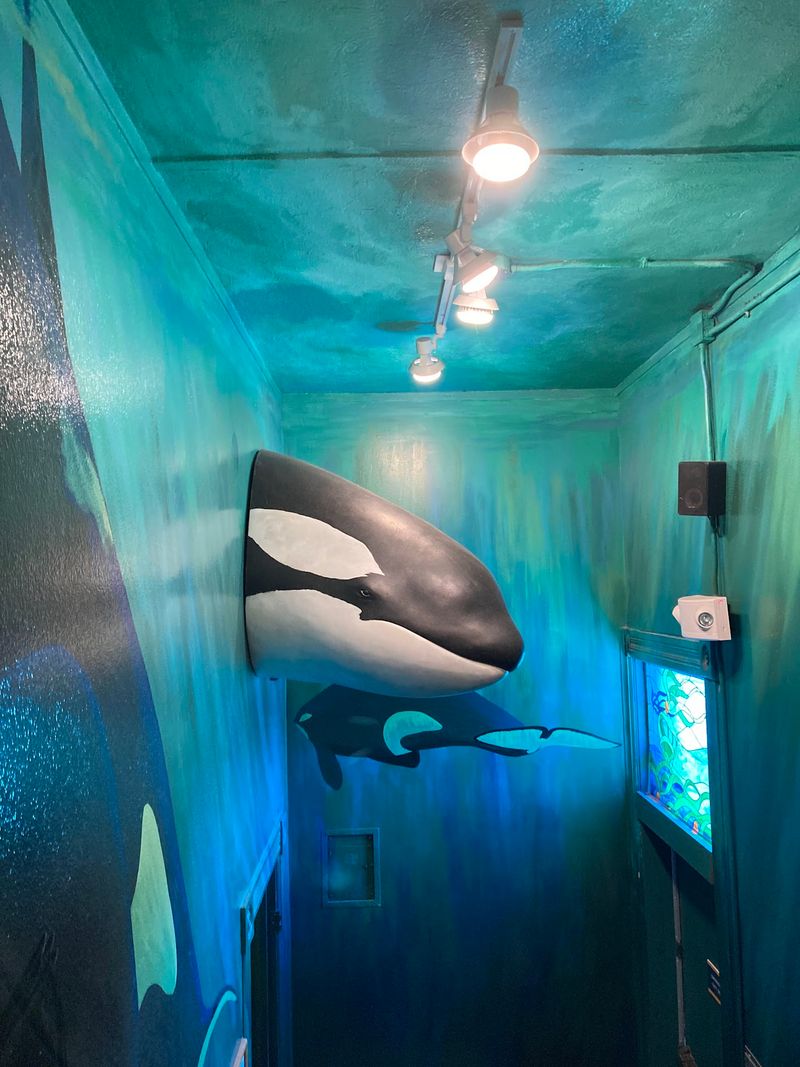
Beyond the science, the museum gives space to something deeply meaningful: the connection between Northwest Native American culture and marine mammals. That thoughtful touch really stood out to me.
You will find artifacts and displays that show how Indigenous peoples of the region have long lived alongside whales and other sea creatures. Their relationship with the ocean stretches back countless generations.
Reading these sections reminded me that whales are not just wildlife but part of stories, traditions, and community values that shaped this land.
The displays are respectful and informative, offering a fuller picture of the Salish Sea than science alone could provide. I appreciated how the museum weaves culture and nature together.
It gave me a richer understanding of why protecting these waters matters to so many different people. There is history, heritage, and heart packed into these exhibits.
Take your time here rather than rushing past. The stories behind the objects add depth that stays with you long after you leave the building.
Fun Programs For Kids And Families
Families are in for a treat here, because the museum goes out of its way to make learning playful. There is a dedicated children’s area where little ones can explore at their own pace.
The long-running Pod Nods program offers educational sleepovers right inside the museum. Imagine dozing off surrounded by whale skeletons and waking up ready for more ocean adventures.
Older students can get hands-on with real science through programs like The Gray Whale Project, which lets them help assemble whale skeletons. A newer Steller Sea Lion Lab, funded in 2023, does the same with sea lion bones.
These activities let young visitors touch, build, and truly understand instead of just looking. That kind of learning tends to stick around for years.
I watched a group of kids buzzing with excitement over what they were doing, and their enthusiasm was contagious. If you are traveling with curious young minds, this place will keep them engaged and grinning the whole visit.
Research And Conservation Behind The Scenes
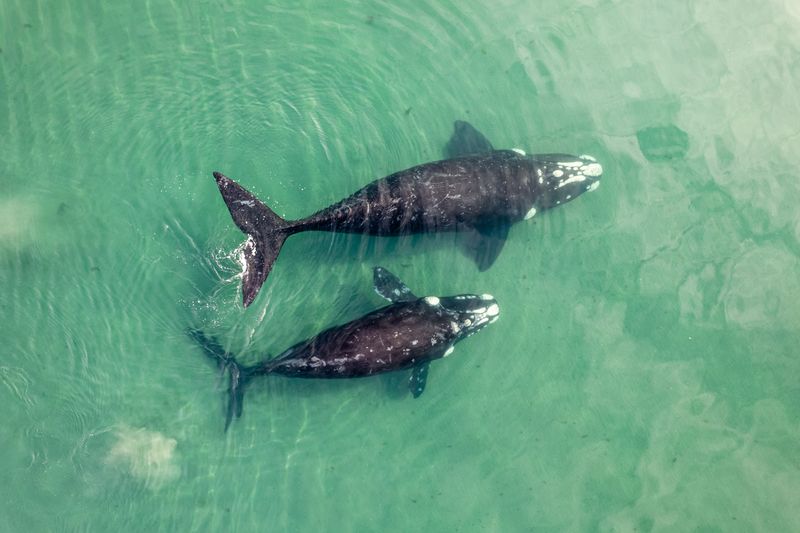
What surprised me most is how much serious work happens beyond the exhibit walls. The Whale Museum is a real research and conservation powerhouse for the local orca population.
Since 1981, it has led the San Juan County Stranding Network, which investigates reports of stranded marine mammals. It also runs The Whale Hotline for the public to call in sightings and concerns.
The museum is part of the Salish Sea Hydrophone Network, with a research lab at Lime Kiln Lighthouse that has been listening to the sea since 1983. Underwater microphones capture whale sounds around the clock.
There is also the Whale Sighting Network, quietly recording sightings since 1976, plus Soundwatch, a program teaching boaters how to view whales responsibly.
Knowing all this made me respect the place even more. It is not just a stop for tourists but a working hub protecting the animals we came to admire.
Your ticket helps fund efforts that genuinely make a difference for these waters.
Adopt A Whale And Shop The Gift Shop
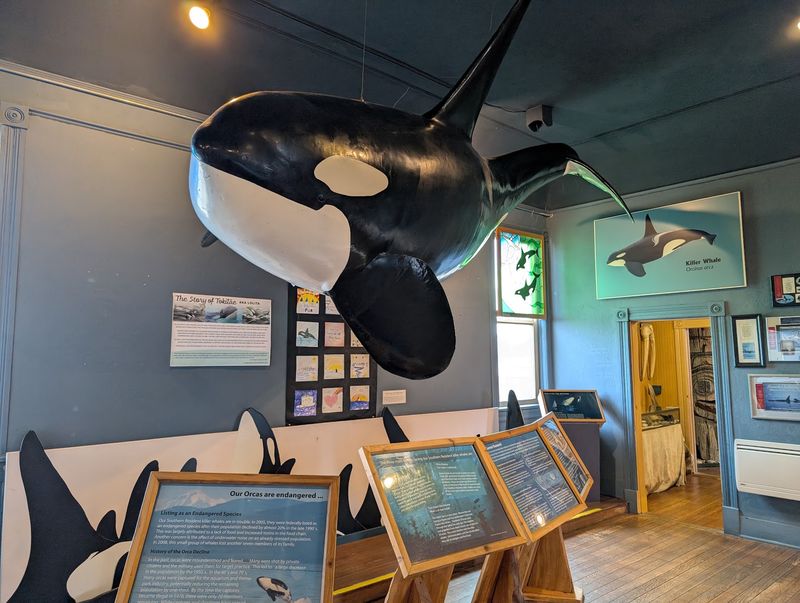
Before heading out, do not skip the gift shop, because it is packed with orca-themed goodies. Books, jewelry, and souvenirs line the shelves, all celebrating the whales you just learned about.
My favorite discovery was the Adopt a Whale program. You can symbolically adopt one of the local orcas, and your support goes toward the museum’s conservation work.
It is a meaningful way to take a piece of the experience home while helping the whales you fell for. I left carrying a little something and a whole lot of new appreciation.
Here is a friendly tip: the gift shop is dog-friendly, so your pup can browse with you. Pets are not allowed in the gallery spaces, though, so plan accordingly.
Shopping here feels different from a typical souvenir stop because your dollars actually support research and education.
Whether you grab a book, a necklace, or an adoption certificate, you walk away feeling like part of the whale-protecting team. That is a souvenir worth having.
Planning Your Visit To Friday Harbor
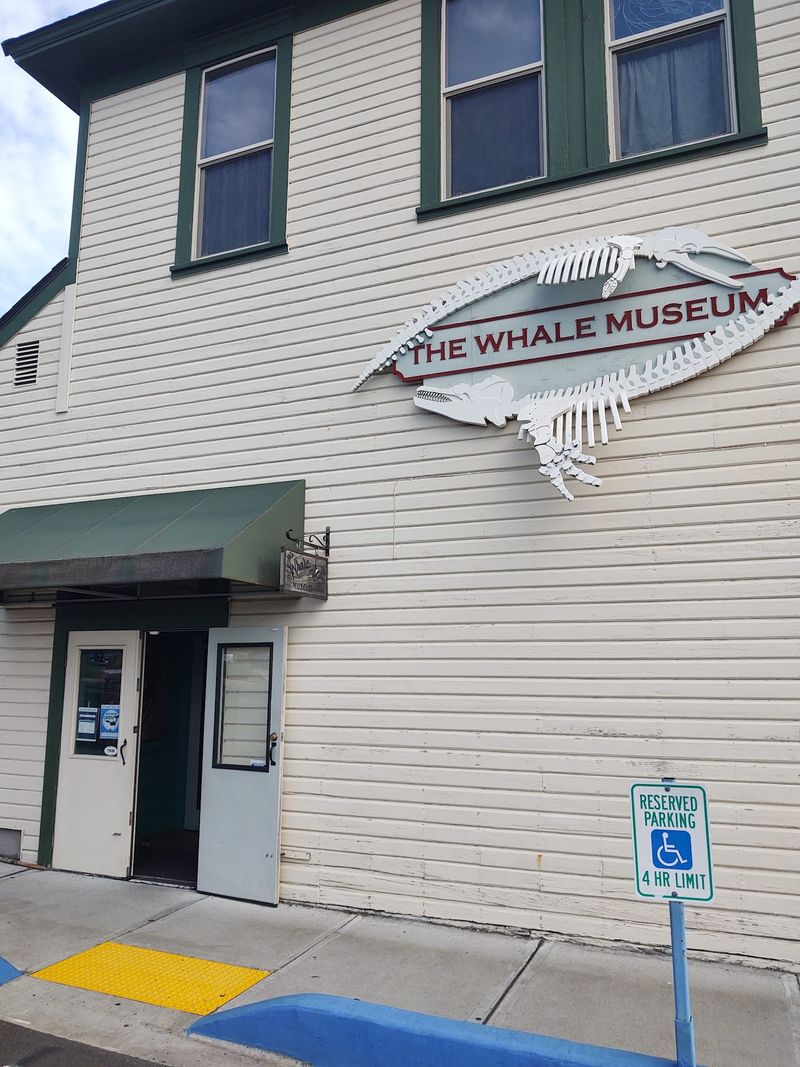
Getting here is half the fun, since San Juan Island sits out in the water and you reach it by ferry from Anacortes, private boat, or small plane. The museum is located at 62 1st Street N in Friday Harbor, Washington, an easy walk from the ferry terminal.
From June through September, doors open 9:00 am to 6:00 pm daily, while October through May runs 10:00 am to 4:00 pm. Always check ahead, because holiday hours can shift.
Admission is thirteen dollars for adults, nine for seniors, six for youth and students, and free for kids five and under.
The museum offers a quiet sensory-friendly hour on the last Monday of each month, and free admission for active-duty military families in summer as a Blue Star Museum.
My best advice is to pair your visit with real whale watching at Lime Kiln Lighthouse, about twenty minutes away. Seeing the exhibits first makes spotting live orcas even more thrilling.