
This Historic Washington Greenhouse Feels Like A Living Jewel Box Filled With Tropical Wonders
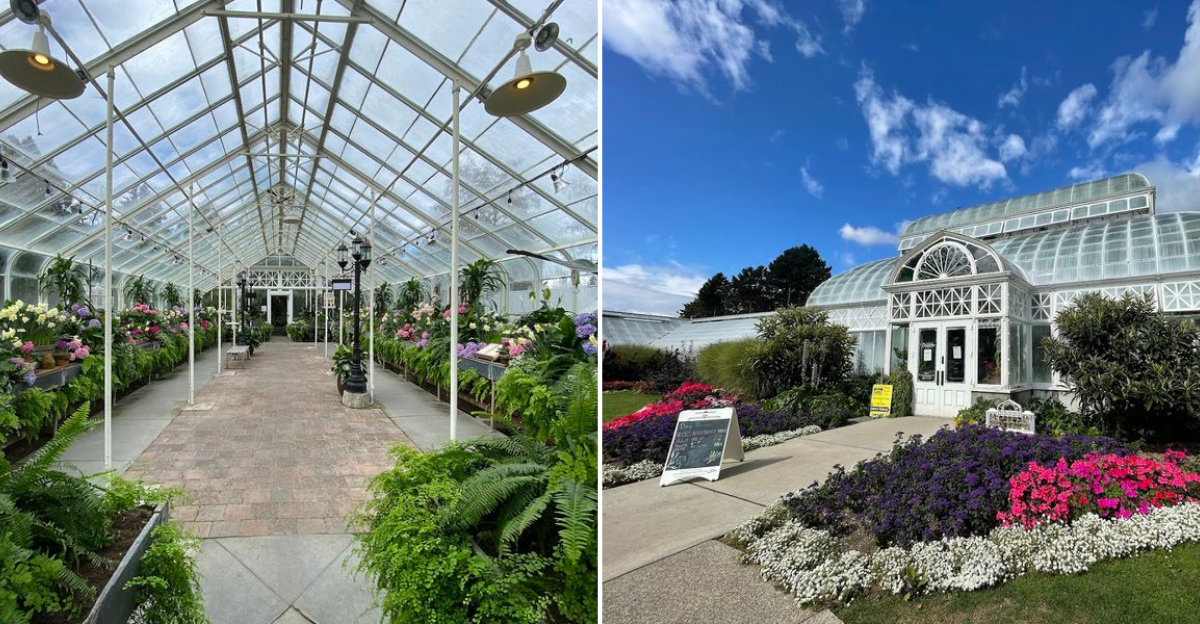
There I was, trudging through yet another gray Seattle afternoon when a friend suggested we “pop into somewhere tropical.” I nearly laughed out loud. In Washington? During rainy season?
But twenty minutes later, I stood surrounded by orchids, palms, and cacti that seemed to laugh at the gloomy weather outside. This hidden gem, tucked away in a historic corner of the city, houses a collection so vibrant and unexpected that I forgot completely about the drizzle just beyond the glass walls.
The place feels like a secret the city has been keeping to itself-a living museum where exotic plants have made themselves at home thousands of miles from their native habitats.
Five distinct plant houses, rare orchids confiscated from illegal trade, carnivorous plants, towering palms, and a jade tree that has been growing since 1916 are all waiting inside this stunning landmark.
The Victorian Architecture And Glass Structure
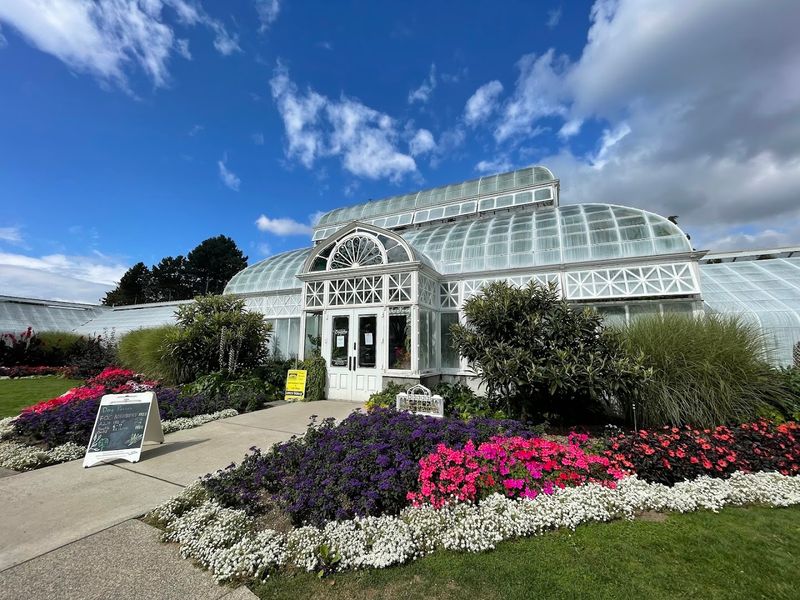
I was genuinely caught off guard by how beautiful the building itself is before you even get inside. The entire structure was purchased as a prefabricated kit from the Hitchings Company of New York and assembled by Seattle’s Parks Department, which makes it even more impressive that it still stands today in such elegant shape.
Made up of 3,426 individual glass panes fitted into a wood and iron framework, the conservatory glows like a lantern on overcast Seattle days. The steel frame was manufactured by Carnegie Steel, and original details like the wooden “peacock” lunette window above the main entry have survived intact for over a century.
Modeled on the great Victorian conservatories of Europe, especially London’s Crystal Palace, the building is considered the jewel box of Seattle’s Olmsted Parks system. Photographing Volunteer Park Conservatory from the lawn on a cloudy morning, with the glass catching whatever light Seattle offers, felt like standing in front of a living piece of architectural history.
The Palm House: Tropical Giants In The Heart Of Seattle
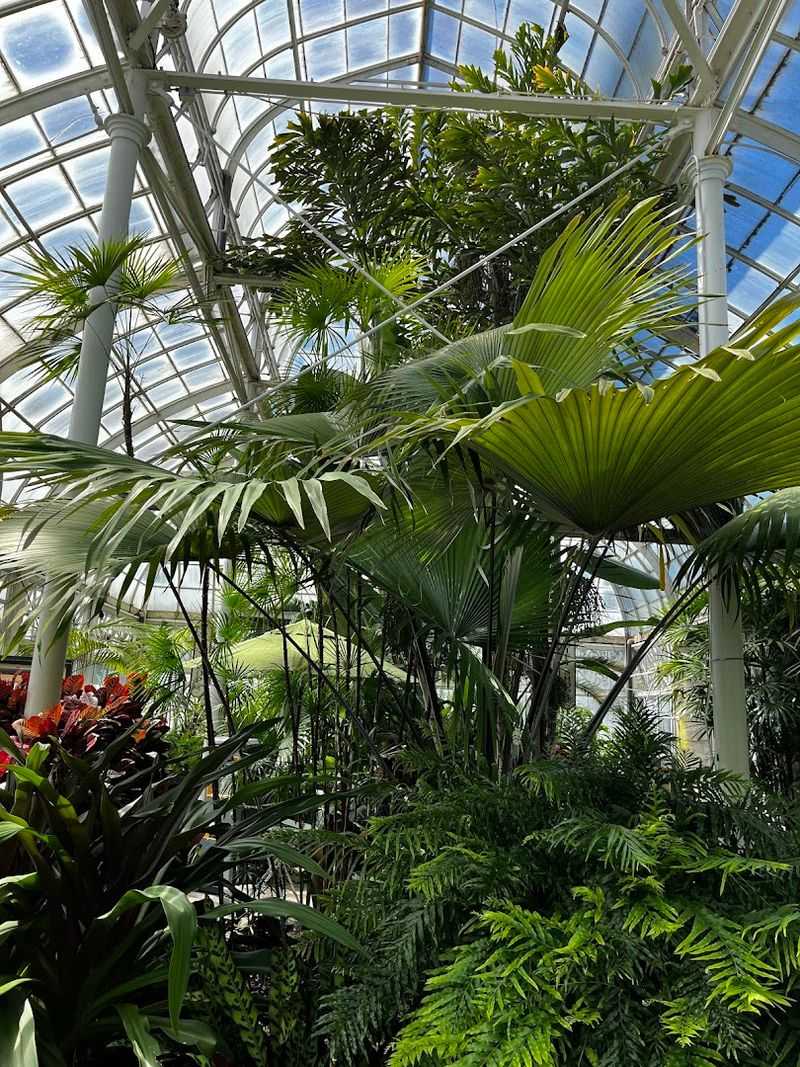
The Palm House is the tallest and most dramatic section of the conservatory, and the first time I walked into it, I tilted my head all the way back just to find the tops of the palms. Tropical plants here reach up to 25 feet tall, filling the space with gingers, cycads, and palms that have no business being this healthy in the Pacific Northwest.
The controlled environment inside maintains temperatures between 65 and 80 degrees Fahrenheit, which explains why these plants thrive so confidently while rain hammers the glass panes just inches away.
Cycads, which are among the most ancient plant families on Earth, share the floor with younger, flashier tropical species that seem eager to show off.
Standing in the Palm House on a cold winter afternoon while the city outside sits under heavy clouds is a particular kind of joy. The warmth, the scale of the plants, and the green canopy overhead create a sensory experience that feels both calming and quietly spectacular.
Rare Orchids And The USFWS Repository Collection
One of the most surprising facts I learned during my visit is that the Volunteer Park Conservatory is a registered United States Fish and Wildlife Service repository for confiscated plants. That means the orchids you are looking at did not simply arrive from a nursery catalog.
Many were seized from illegal trade and brought here to be cared for and displayed legally.
The orchid collection has won awards, and it is easy to understand why once you see the variety and condition of the plants up close. Rare and endangered species sit alongside more familiar varieties, and reading the small plaques explaining their origins adds a layer of intrigue that most botanical gardens cannot offer.
Cycads and other restricted plants also arrive through this same program, giving the conservatory a collection that is genuinely one of a kind.
For anyone who has ever admired orchids from a distance, seeing these specimens in person is a reminder of just how extraordinary the plant world can be when given proper care.
Carnivorous Plants And The Fern House Bog Gardens
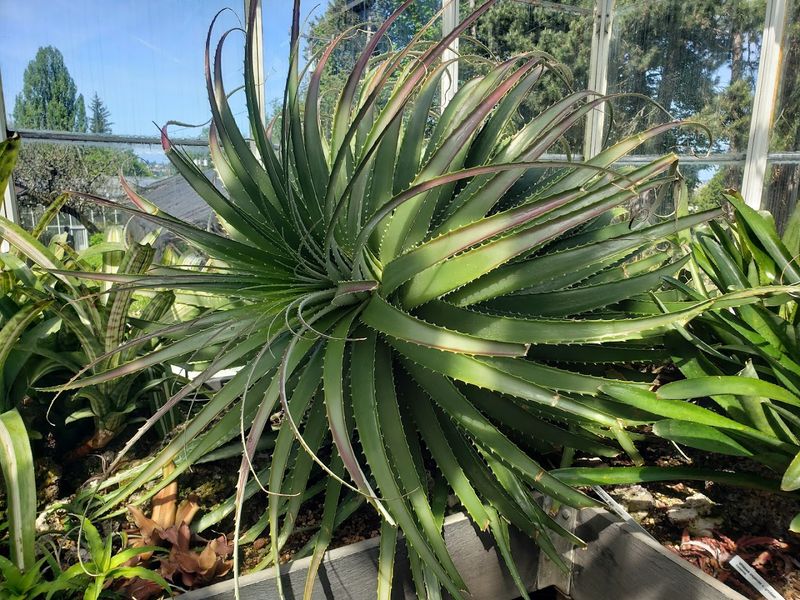
Few things make adults act like excited kids faster than carnivorous plants, and the Fern House at the Volunteer Park Conservatory delivers that reaction reliably. Venus flytraps, sundews, and pitcher plants are displayed in bog garden settings that mimic the wet, nutrient-poor environments where these species evolved their meat-eating habits.
The Fern House itself is a beautifully layered space, with various fern species hanging and spreading at different heights alongside primitive plants that feel genuinely prehistoric. The humidity in here is noticeably higher than in other sections, and the air carries that rich, earthy quality that serious plant lovers find deeply satisfying.
I spent more time in this house than I expected to, mostly because the carnivorous plant display kept pulling me back for a closer look.
Seeing a sundew with its sticky red tentacles glistening under the greenhouse light is the kind of small, specific detail that stays with you long after you have left the building and returned to ordinary Seattle life.
The Bromeliad House And Tillandsia Air Plants
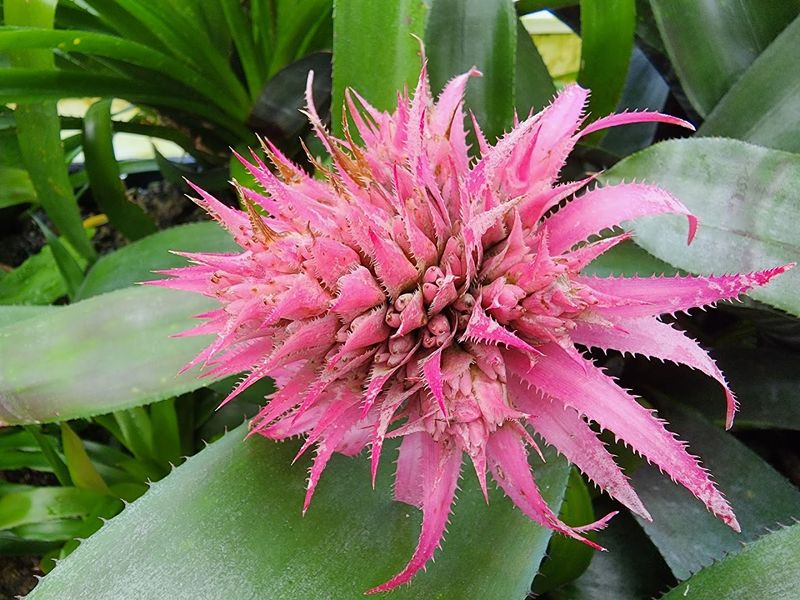
There is something almost theatrical about the Bromeliad House, where plants seem to defy the basic rules of gardening by growing without soil. The collection here is heavy on Tillandsia, the genus commonly called air plants, which absorb moisture and nutrients directly from the air around them using specialized scales on their leaves.
Bromeliads as a family are a wildly varied group, ranging from the pineapple you find at the grocery store to the spiky, architectural species mounted on wood throughout this house.
Many of the specimens here are epiphytes, meaning they grow naturally on trees and other surfaces rather than in the ground, which gives the display a wonderfully layered, jungle-canopy feeling.
The colors in this section range from deep burgundy and electric pink to soft silver-green, and the arrangement of the plants feels more like a curated art installation than a standard greenhouse display. I found myself photographing individual plants from multiple angles, which is the clearest sign that a collection has genuinely captured your attention.
The Cactus House And Desert Plant Adaptations
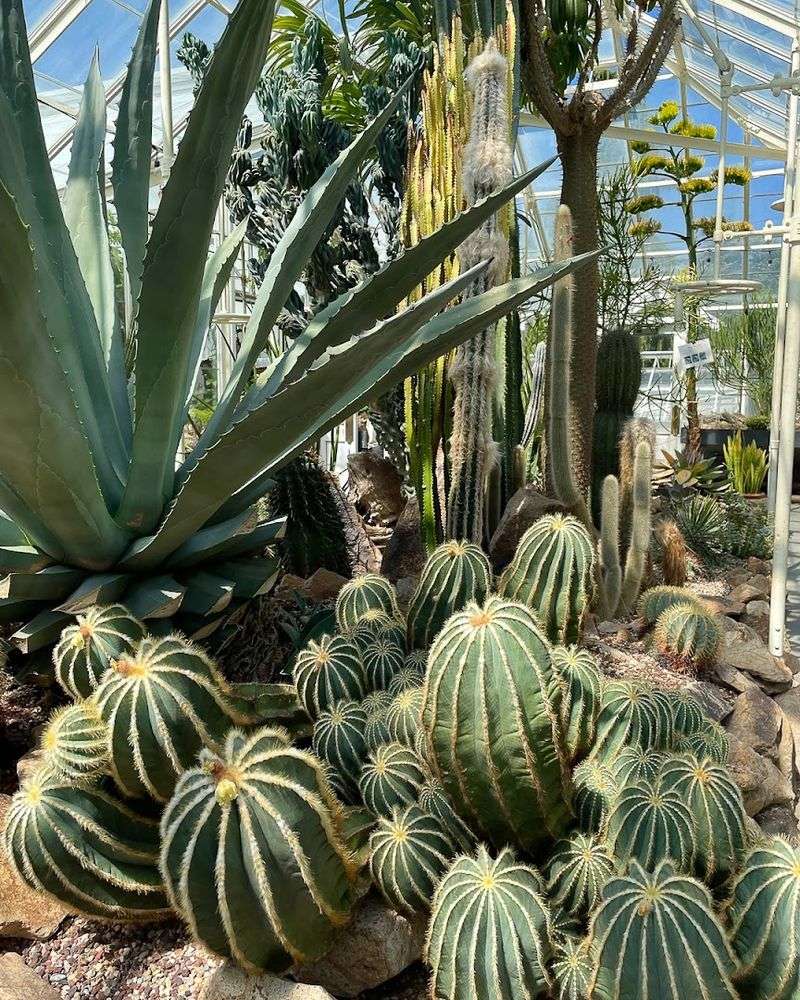
The air dries out noticeably, the temperature shifts, and suddenly you are surrounded by spiny columns, paddle-shaped paddles, and round barrel cacti that look like they would be perfectly comfortable in the Sonoran Desert.
The collection here represents desert plants from arid regions around the world, not just the American Southwest. Succulents from Africa, South America, and elsewhere share the space, each one demonstrating a different evolutionary solution to the challenge of surviving with very little water.
What I appreciate most about this house is how effectively it communicates the concept of adaptation without needing lengthy explanations. The plants do the talking themselves, with their swollen stems, waxy coatings, and formidable spines telling a clear story about resilience.
For younger visitors especially, this section tends to spark genuine curiosity about how living things solve problems in creative and sometimes spiky ways.
The Seasonal House And Its Rotating Displays
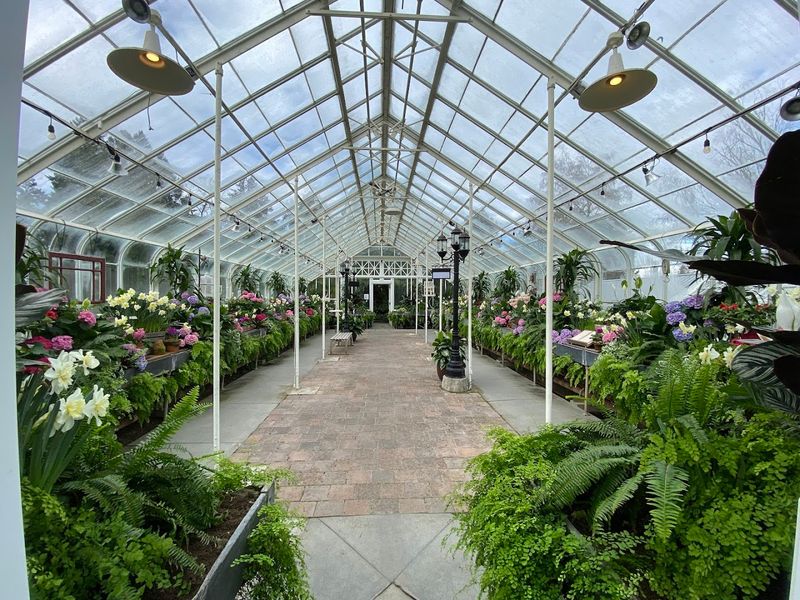
One of the smartest features of the Volunteer Park Conservatory is the Seasonal House, which changes its plant display six times per year to reflect the shifting seasons. This means that no two visits several months apart will look the same, which gives local Seattleites a genuine reason to come back regularly rather than treating the conservatory as a one-time experience.
During my visit, the Seasonal House was filled with a warm, cheerful arrangement that felt perfectly tuned to the time of year. The rotating displays have included everything from spring bulb collections and summer tropicals to holiday-themed arrangements that draw families in from across the city.
The Friends of the Conservatory, a non-profit organization that supports the facility through fundraising and volunteer efforts, plays a meaningful role in keeping these displays fresh and well-maintained.
Knowing that a dedicated community of plant enthusiasts is working behind the scenes to keep the conservatory thriving adds a warm, human dimension to what is already a deeply enjoyable place to spend an afternoon.
Visiting Tips, History, And Getting The Most From Your Trip
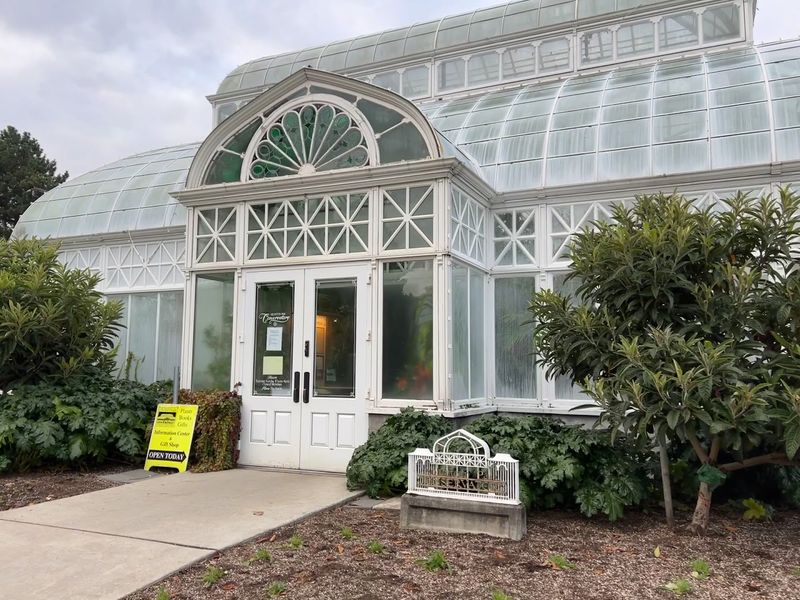
The Volunteer Park Conservatory is located at 1400 East Galer Street, Seattle, Washington 98112, on Capitol Hill, at the north end of Volunteer Park. The conservatory first opened to the public in 1912, and the city of Seattle has owned and operated it through the Department of Parks and Recreation ever since.
Admission is free, though donations are warmly encouraged and genuinely help keep the facility running. The conservatory is open most days of the week, but hours can vary seasonally, so checking the official Seattle Parks website before visiting is a smart move, especially if you are planning a trip around a specific exhibit or event.
The surrounding Volunteer Park itself is worth exploring before or after your conservatory visit, with open lawns, a water tower with panoramic city views, and the Seattle Asian Art Museum nearby.
Visiting on a weekday morning tends to mean smaller crowds and a quieter, more contemplative experience inside the glass houses, which is the version of this place I would recommend to anyone who wants to fully absorb what makes it so special.