
This Historic WWII Submarine In Michigan Is More Legendary Than Most People Realize
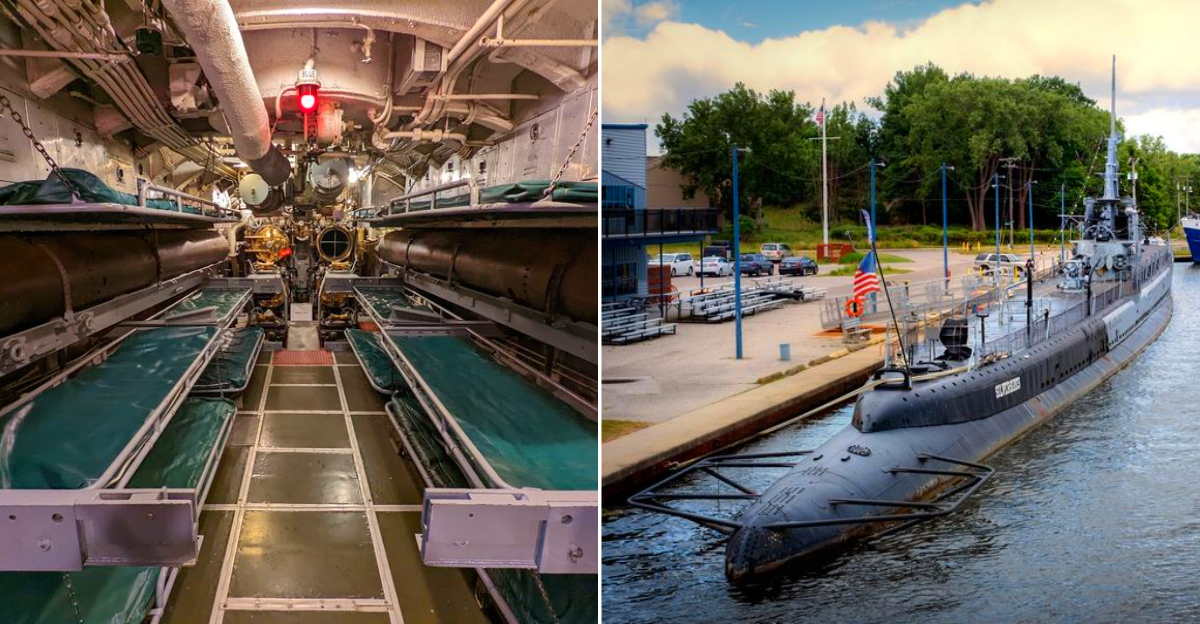
Standing on the edge of Muskegon Lake, I always feel a sharp jolt of adrenaline when that massive, riveted steel hull comes into view. For a history nut like me, this isn’t just a museum, but a time machine that hasn’t lost its edge.
Stepping through a narrow hatch into the belly of this silent hunter, you’re instantly hit with the sensory reality of the Silent Service, the cold touch of brass valves, the distinct “clang” of boots on metal, and the claustrophobic intimacy that defined the Greatest Generation’s war under the waves.
It’s an immersive, gritty experience that makes the technical genius of WWII engineering feel incredibly immediate, especially when you move from the submarine to the adjacent Coast Guard cutter.
This premier Michigan maritime museum offers immersive tours of a legendary WWII submarine and a historic Coast Guard cutter on the scenic Muskegon Lake waterfront.
Quick Snapshot
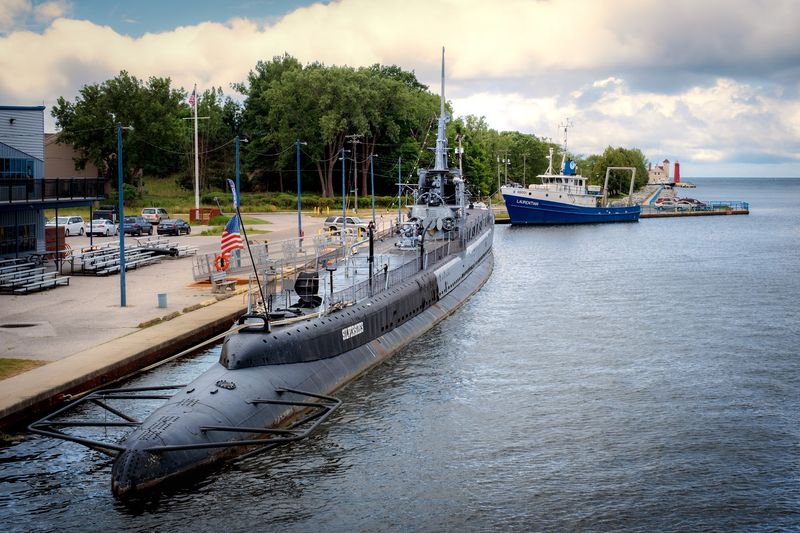
Name: USS Silversides Submarine Museum
Type: Maritime Museum & Historic Vessels
Setting: Scenic Muskegon Lake Waterfront
Location: 1346 Bluff St, Muskegon, Michigan 49441
Arrival: Best in the morning (10:00 AM) to beat crowds
What to Expect: A lot! Includes a submarine, a Coast Guard cutter, and a two-story museum
Why It’s Worth The Drive
If you’ve ever wondered what it truly felt like to live on the edge of a knife in the deep Pacific, this drive is your answer. The USS Silversides is one of the most famous and successful submarines from the Gato-class fleet.
During its service, it completed fourteen combat patrols and earned a staggering twelve battle stars.
The sheer scale of the engineering on display is breathtaking. The museum also features the USCGC McLane, a 125-foot cutter that once chased rum-runners during Prohibition.
Having both vessels side-by-side provides a masterclass in maritime evolution that you simply cannot find elsewhere in the Midwest.
Why It Matters: Most Gato-class submarines were scrapped after the war. The USS Silversides is a survivor, preserved with its original equipment intact.
Best For: Families with curious kids, WWII veterans’ families,
Wear The Right Shoes, Move Like A Sailor
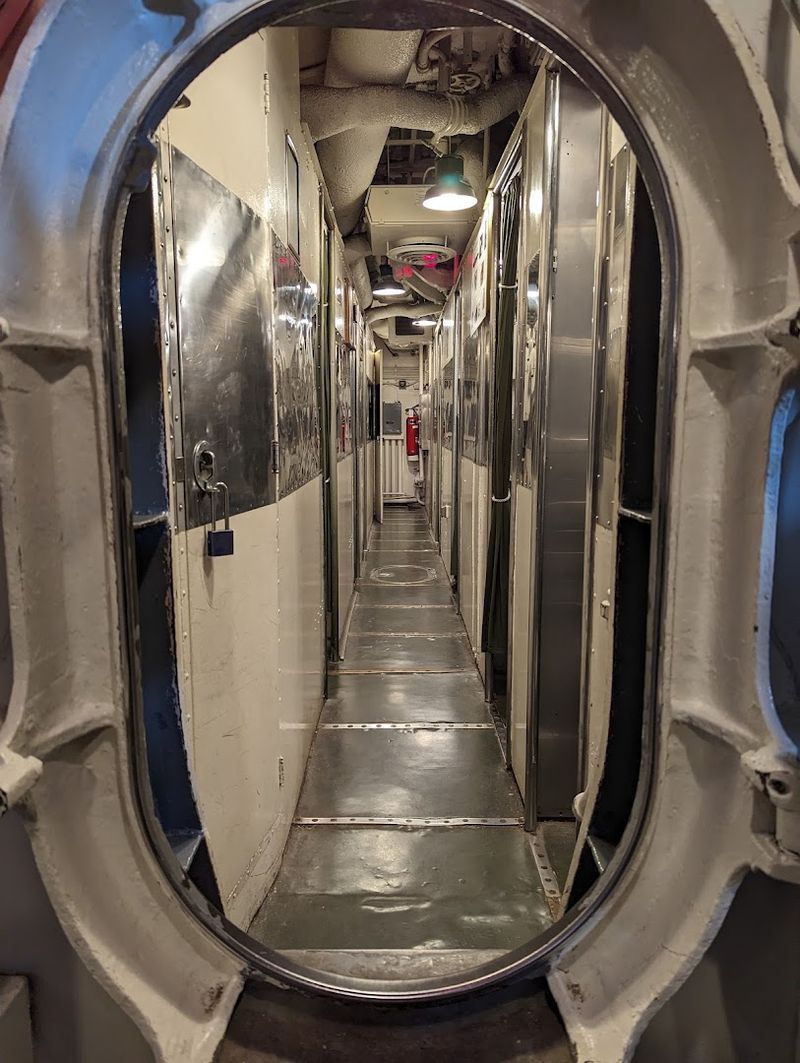
Narrow steel doors and steep ladders make the USS Silversides a maze that rewards practical footwear. Comfortable sneakers keep you nimble while you duck through circular hatches and sidestep the labyrinthine piping that hugs every bulkhead.
Dress for temperature shifts, since the museum building is climate-controlled but the boats reflect the weather outside. On a hot August day, the steel can hold the heat, while a November breeze off the lake turns the interior quite brisk.
If mobility is a concern, explore the accessible visitor center exhibits and film first, then decide whether the submarine’s vertical ladders feel doable for you.
Insider Tip: Leave the flip-flops in the car. The metal floor grates and steep ladder rungs can be unforgiving on exposed toes or slick soles.
Bring A Camera, Think Like A Documentarian
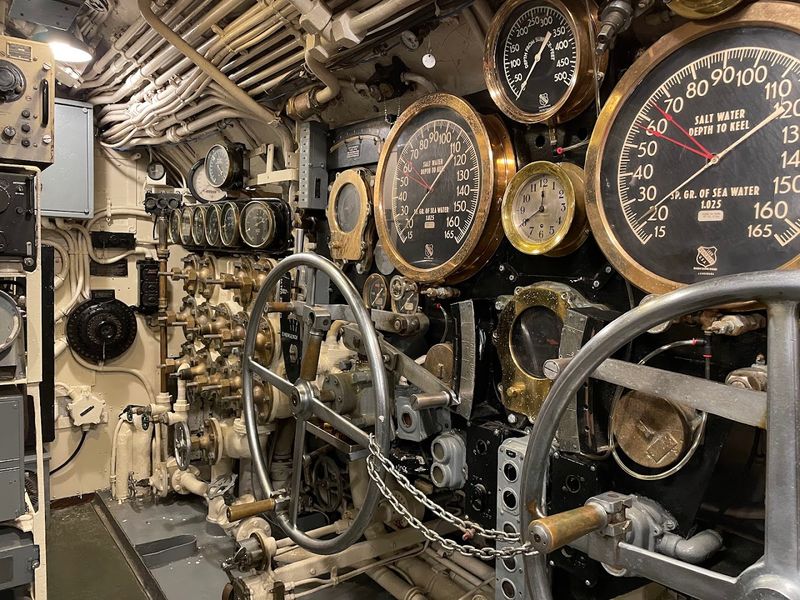
Light shifts quickly from the gallery’s warm glow to the submarine’s deep shadows, so you’ll want to steady your shots and embrace the texture of the machinery.
Brass Gauges, valve wheels, and worn deck grates photograph beautifully in the soft, directional light filtering through the hatches.
Move slowly, compose your shots intentionally, and use your body as a human tripod against the bulkheads to stabilize your camera in low light. Advice: Avoid using a flash near the highly reflective control panels to keep glare from drowning out the details.
The museum’s exterior lines also reward wide-angle shots, especially when the sun hits the water at a low angle.
Beat The Rush With A Morning Game Plan
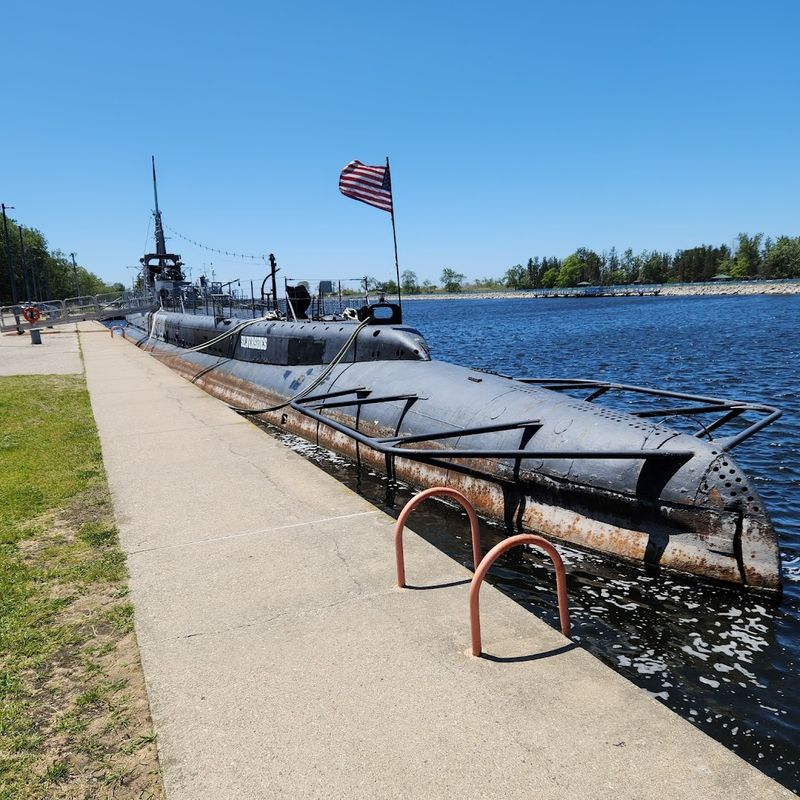
Morning unlocks calm corridors and patient reading time at the displays before the afternoon crowds arrive. Weekdays are generally the gentlest, with summer breezes off the water cooling the decks.
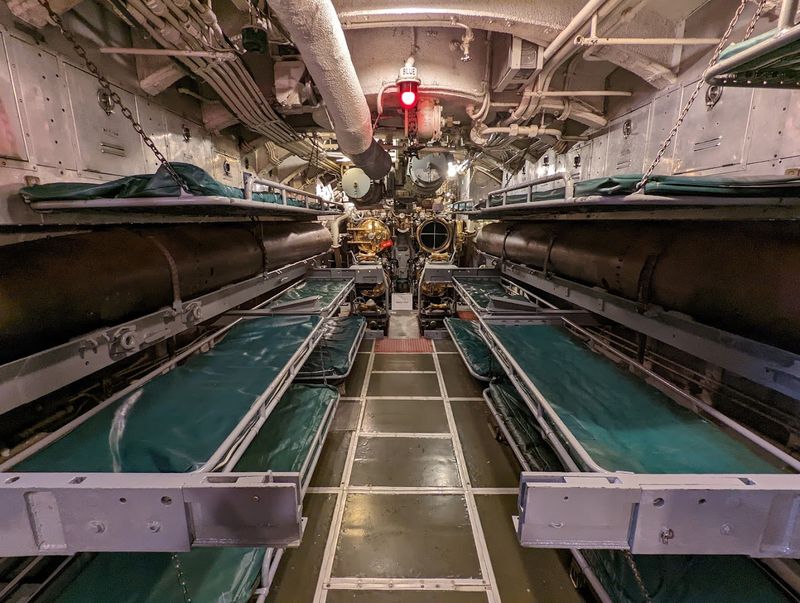
Cooler air keeps the metal comfortable to touch and keeps your mind sharper for the technical details of the Torpedo Room and the Control Center.
Best Strategy:
Start at the Theater: Anchor your narrative by watching the orientation film.
Board the Submarine: Do this while the morning air is still fresh and the crowds are light.
The USCGC McLane: Head to the cutter next for a change of pace.
Museum Gallery: Spend the rest of your time browsing the detailed artifact cases indoors.
Try The Overnight Encampment If You Can
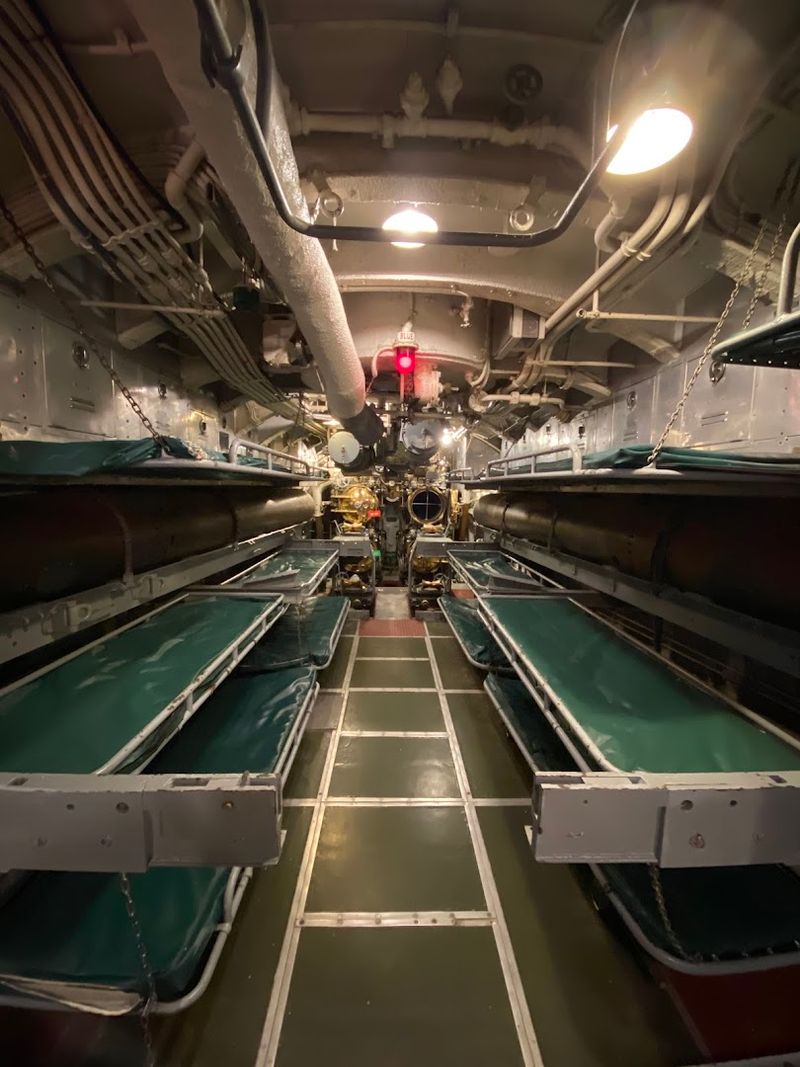
Spending a night aboard reframes the submarine from an exhibit to a living environment.
You hear the quiet, feel the close air, and begin to understand bunks and routines as living systems rather than just museum displays. Sleeping in the Torpedo Room or the crew quarters turns historical details into lifelong memories.
I once woke to the gentle clink of metal and understood the boat’s layout better than any daytime walk-through could ever provide.
Advice: Plan to bring warm layers, compact toiletries, and a small, soft bag that can fit through the hatches. Be sure to reserve your spot well ahead of time, as this is a bucket-list item for many history enthusiasts.
Make It Family-Friendly With Hands-On Moments
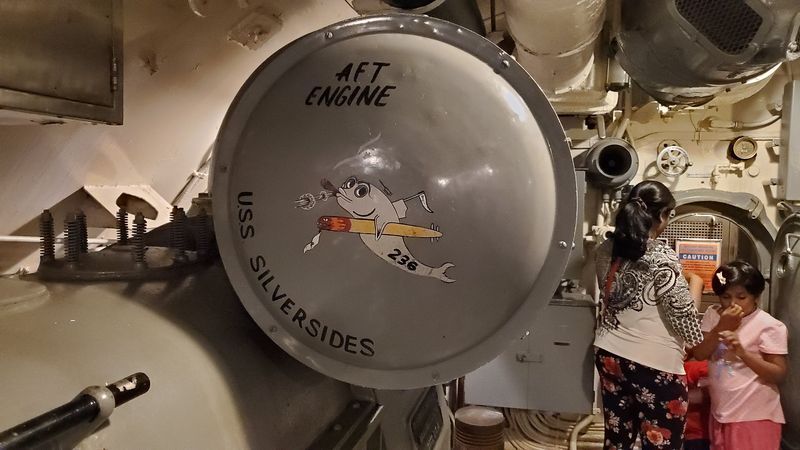
Curiosity is the best fuel for a family visit here. The museum’s film sets a shared foundation, and the periscope becomes a prize moment that feels both playful and instructional for children.
In the galleries, I find it helpful to point out the maps and ship models so kids can try to spot those same components once they get aboard the actual submarine.
Planning Advice:
- Keep the pace elastic to accommodate younger visitors.
- Use the Coast Guard Cutter as a change of scenery that refreshes their attention.
- Pack light snacks to enjoy by the water after you’ve finished the vessel tours.
- Challenge your kids to find the “galley” (the kitchen) to see where the sailors ate.
Know The Access Realities Before You Board
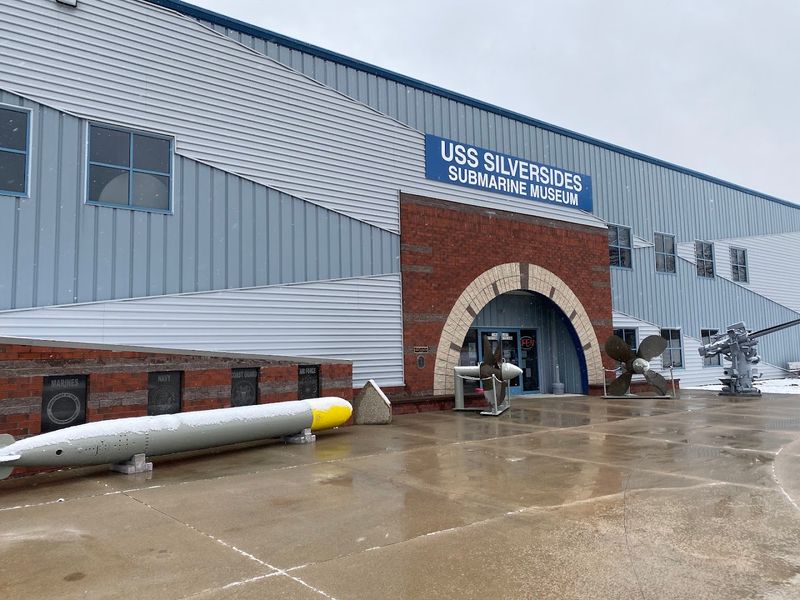
The visitor center is wheelchair accessible, with exhibits and the theater on firm ground. The submarine and Coast Guard cutter, by contrast, include narrow hatches and vertical ladders that challenge many guests.
Planning around that difference preserves energy and enjoyment. Begin indoors to absorb the history and decide on comfort levels. If ladders are not an option, linger with the models, video, and artifact cases that trace submarine life and missions.
Key Logistics: Wear layers for lakeside weather shifts, and use handrails wherever available. You will have a strong visit either way, because the museum’s narrative stands firmly even without descending into the tightest spaces.
Understand Tickets, Hours, And What Admission Includes
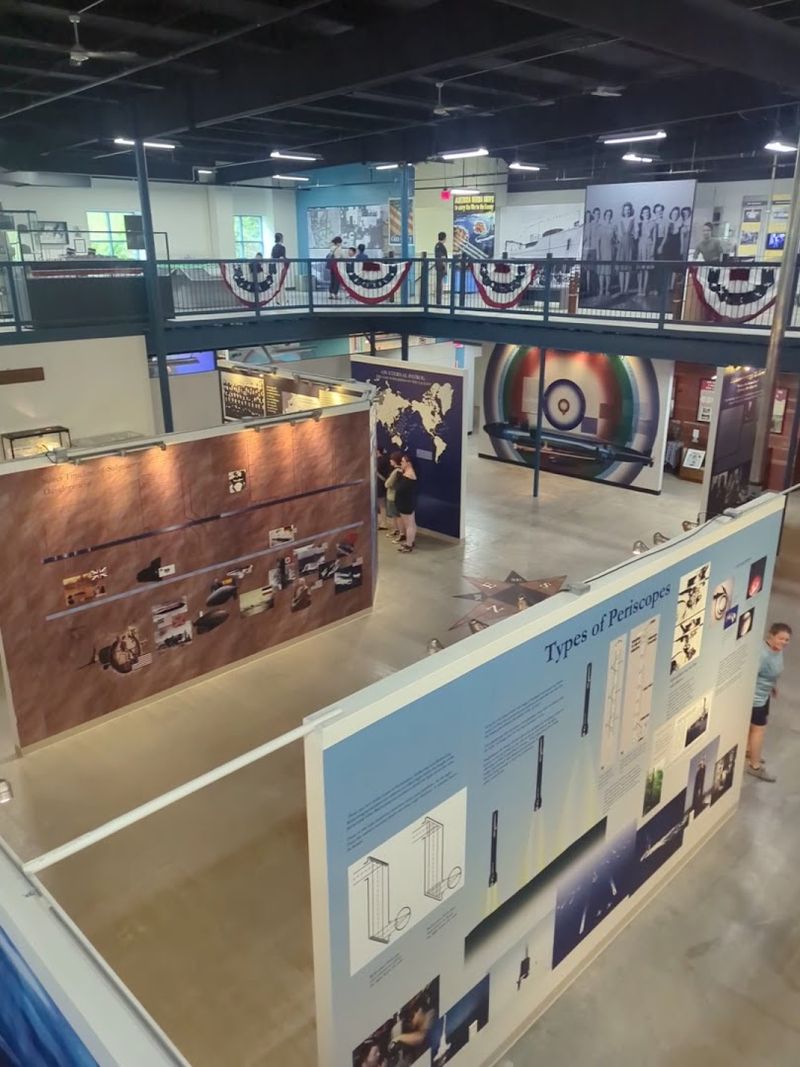
Clarity at the desk sets a clean path. General admission covers the museum plus vessel exhibits, with posted pricing that keeps planning simple: Adults 18 dollars, Seniors 15, Veterans 15, Children 13, and under 5 free.
Hours currently run 10 am to 5 pm daily, with seasonal adjustments noted on official signage and the website. Expect a self-guided flow.
The ticket grants access to the submarine and the neighboring Coast Guard cutter, so budget time for both. I appreciate how the film is included, making the first stop a natural choice.
Be Prepared: Check the calendar for special events that can shape crowd levels. Buying on arrival usually works on weekdays, while busy summer mornings reward prompt starts.
Watch For Seasonal Quirks And Engine Days
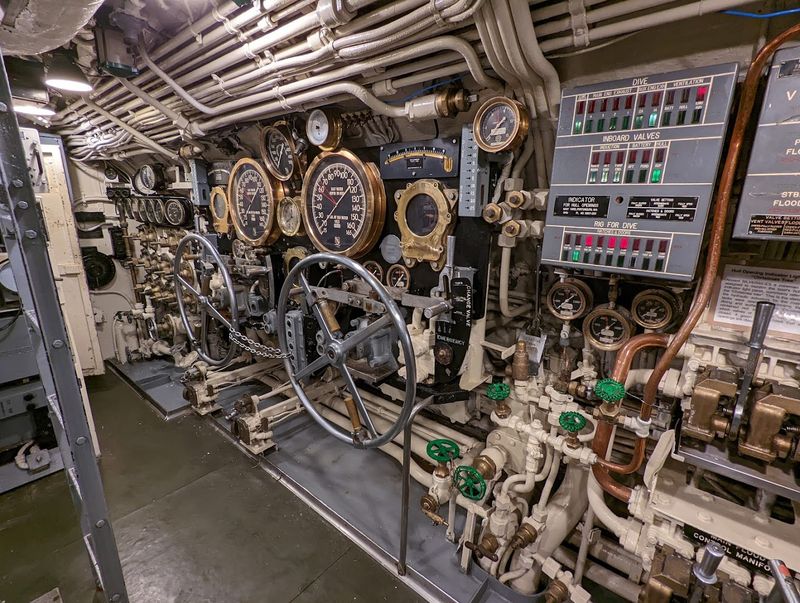
Summer air lifts the flags and the spirits of visitors, and the bright lake light helps your photography truly sing.
Winter visits, by contrast, trade that outdoor sparkle for a quiet intimacy, providing more time for thoughtful reading in the galleries.
Regardless of when you visit, remember that the boats echo the weather; they can be very cold or quite warm depending on the Michigan sky.
Common Mistakes to Avoid:
Missing Engine Days: A few times a year, the museum runs the massive diesel engines. It is an earth-shaking experience that makes the engineering “click” in a way words cannot describe.
Ignoring the Wind: The channel can get very windy. If you’re wearing a hat, make sure it fits snugly so it doesn’t end up in Muskegon Lake!
Follow The Food Trail Through The Galley
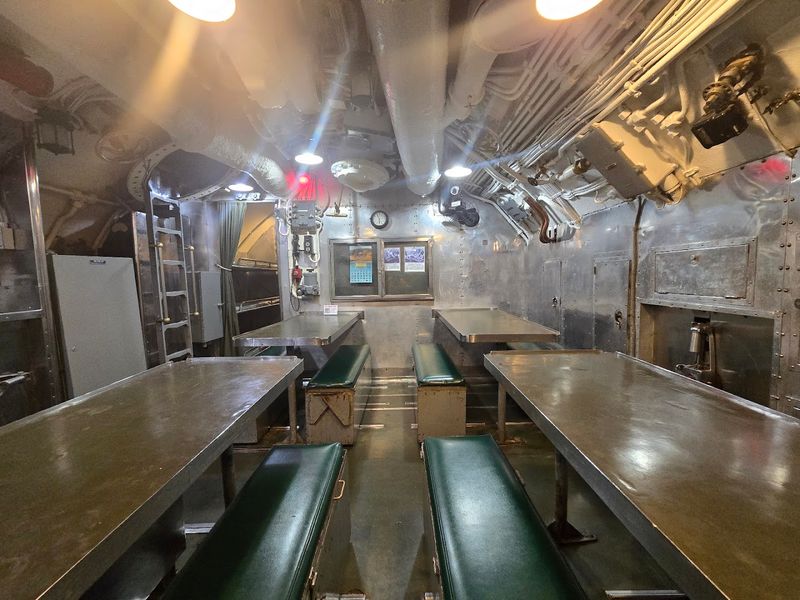
Start your exploration with the museum panels on daily life, then find the submarine’s tiny Galley and try to imagine the choreography involved in feeding eighty hungry men.
The pots, compact stoves, and secured shelves all hint at a life designed for extreme efficiency. It’s essentially a very tight diner line where precision kept the crew’s morale high.
Suggestion: Notice how ingredients were stored and labeled to prevent them from shifting during a dive. This perspective adds a lot of “flavor” to the bunks and workstations you see in the next compartment.
You’ll leave with a deep respect for the cooks who managed to produce three meals a day in a space no larger than a walk-in closet.
Aim For Events That Deepen The Story
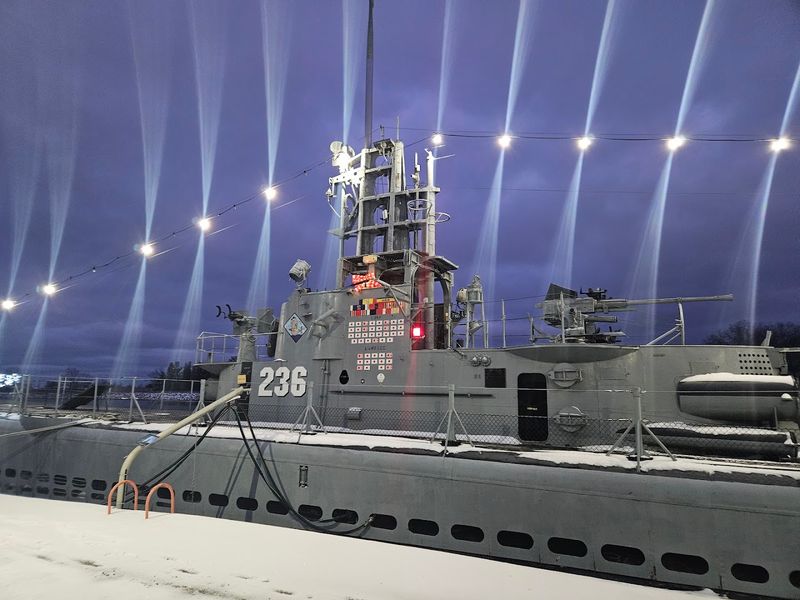
Some days at the museum carry extra emotional weight thanks to ceremonies and themed programs.
The calendar often features commemorations and learning events that connect the artifacts back to the living veterans who served on these boats.
Good to know: During these programs, staff and volunteers are often on hand to anchor the conversation with specific operational details and precise terminology.
If you can catch a guided component of an event, listen closely for the small details about “depth charges” and “silent running” that might be easy to miss when you are exploring on your own.
Finish Strong With A Clean Loop And Key Info Handy
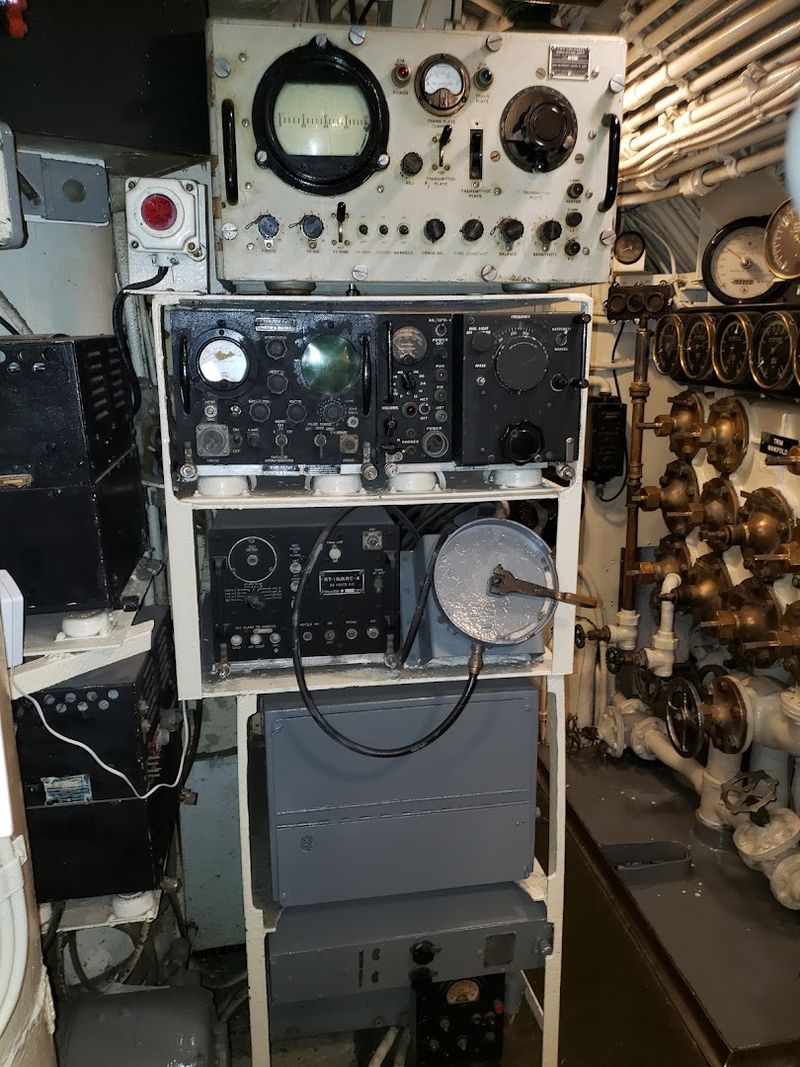
Close your visit with a second look at whichever room first surprised you. For me, it’s usually the Control Room. Then, loop back through the museum to connect the physical artifacts with the “metal and oil” reality you just felt aboard the ship.
Quick Verdict:
The Experience: A gritty, authentic, and deeply respectful look at naval history.
The Highlight: Descending into the torpedo room and seeing the massive “fish” ready for launch.
Final Tip: Visit the gift shop for a book on the Silversides’ patrols to read on the way home, it makes the drive feel even more significant.
Key Takeaways
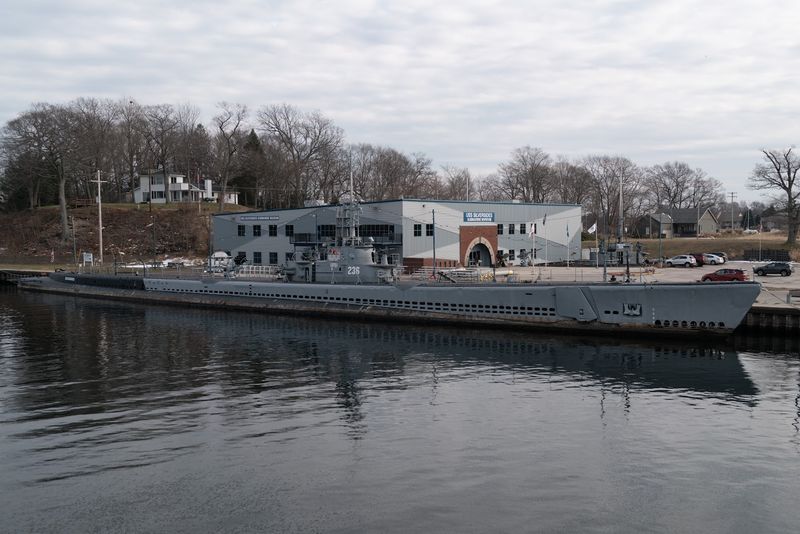
1. USS Silversides is a highly decorated WWII veteran.
2. Wear closed-toe athletic shoes for safety on ladders.
3. The museum includes a second ship, the USCGC McLane.
4. Overnight stays are available for groups by reservation.
5. The location is 1346 Bluff St, Muskegon, MI.