
This Huge Michigan Salvage Warehouse Turns Old Doors, Signs, And Fixtures Into Treasure
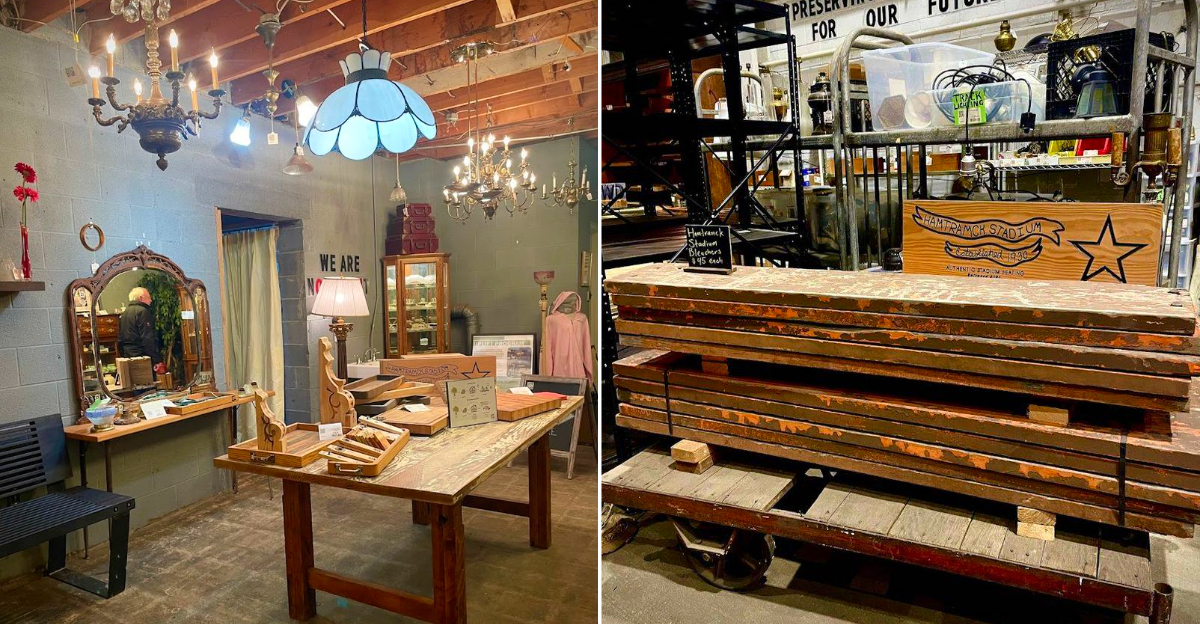
Some travel stops make you buy a ticket, this one makes you reconsider every doorknob you have ever ignored.
In a working Detroit neighborhood, the warehouse feels less like a store than a second chance factory, stacked with rescued doors, windows, fixtures, lumber, and fragments of old craftsmanship that escaped the dumpster.
I love places where usefulness has ghosts. You wander past heavy panels, glass, hardware, and odd architectural bits, and suddenly “home improvement” sounds almost poetic.
Salvaged Detroit building materials, affordable reuse finds, deconstruction-driven sustainability, and hands-on browsing make this warehouse a fascinating stop for Michigan DIY travelers and history lovers.
The mission matters too: saving materials, reducing waste, creating work, and letting old structures keep speaking in new rooms.
Bring measurements, patience, sturdy shoes, and clothes that can handle dust. Even if you are not renovating, you may leave convinced some rescued object has been waiting for your wall.
Vibe And Arrival
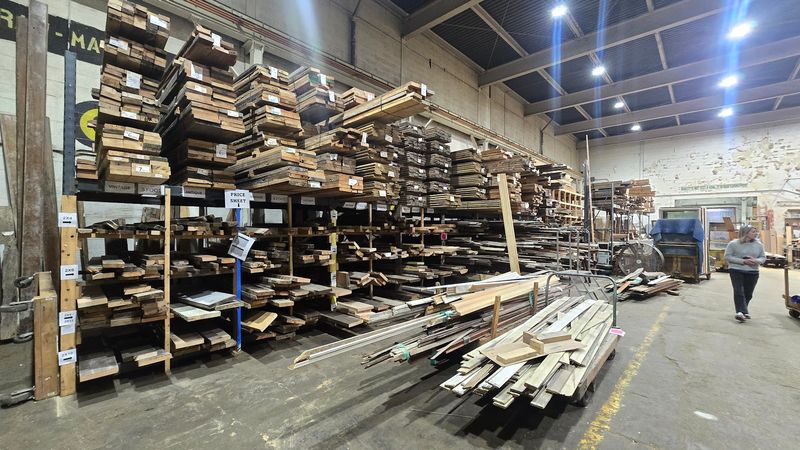
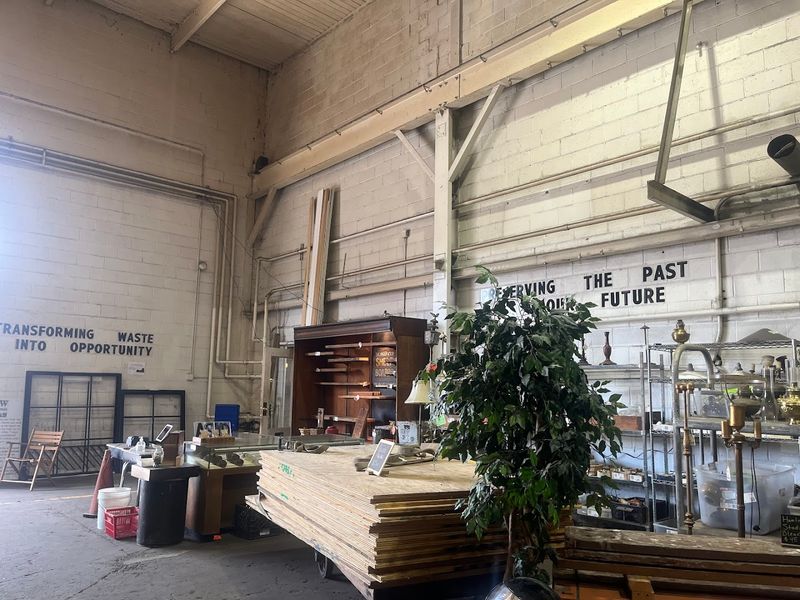
The first thing that hits you is the scale: aisles of stacked doors, bins of hardware, and racks of reclaimed wood that look like a museum of practical design. The warehouse hums with focused activity rather than chaos, and volunteers chat with a calm professionalism that steadies the space.
Staff will tell you about the deconstruction work, how they salvage up to eighty-five percent of materials from site.
The smell of old-growth wood and metal polish is oddly comforting, and light filters in over tall shelving, spotlighting dented tin and glossy ceramic knobs. You’ll want to take your time here, turning objects over to read their maker’s marks and imagine their past lives in houses across Southeast Michigan.
Rolling Into Detroit Salvage-Hunt Mode
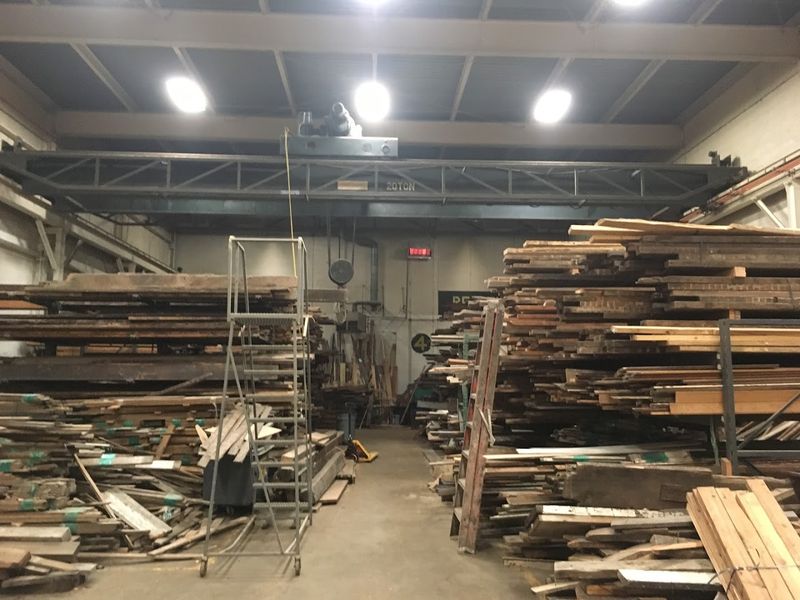
Architectural Salvage Warehouse of Detroit is located at 5110 Bellevue St., Detroit, Michigan 48211, in a working Detroit area where the drive feels more practical than polished.
Aim for Bellevue Street and slow down once the industrial surroundings start making sense. This is the kind of stop where you want to spot the warehouse before your brain starts imagining old doors, windows, and strange perfect fixtures.
Give yourself a minute to park and get oriented before heading in. Once you arrive, the navigation part is over, and the “could I fit that giant reclaimed thing in my car?” part begins.
What You’ll Find
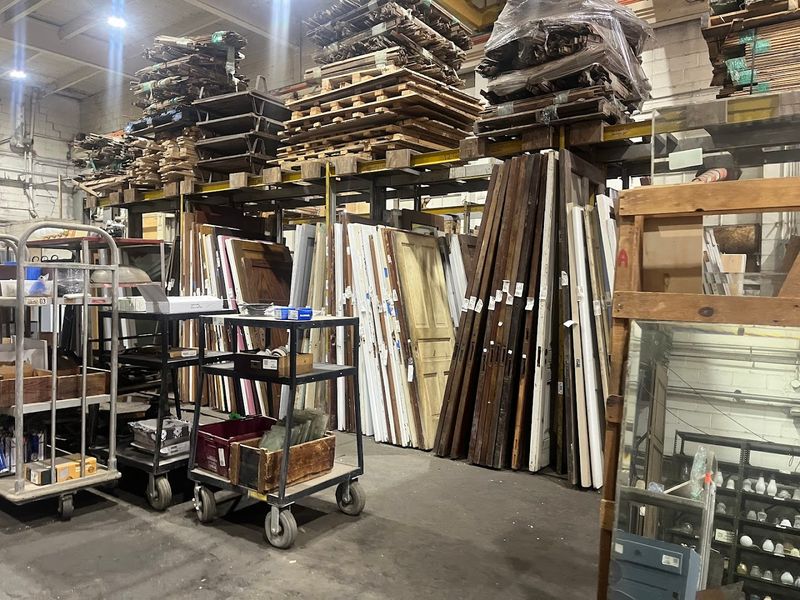
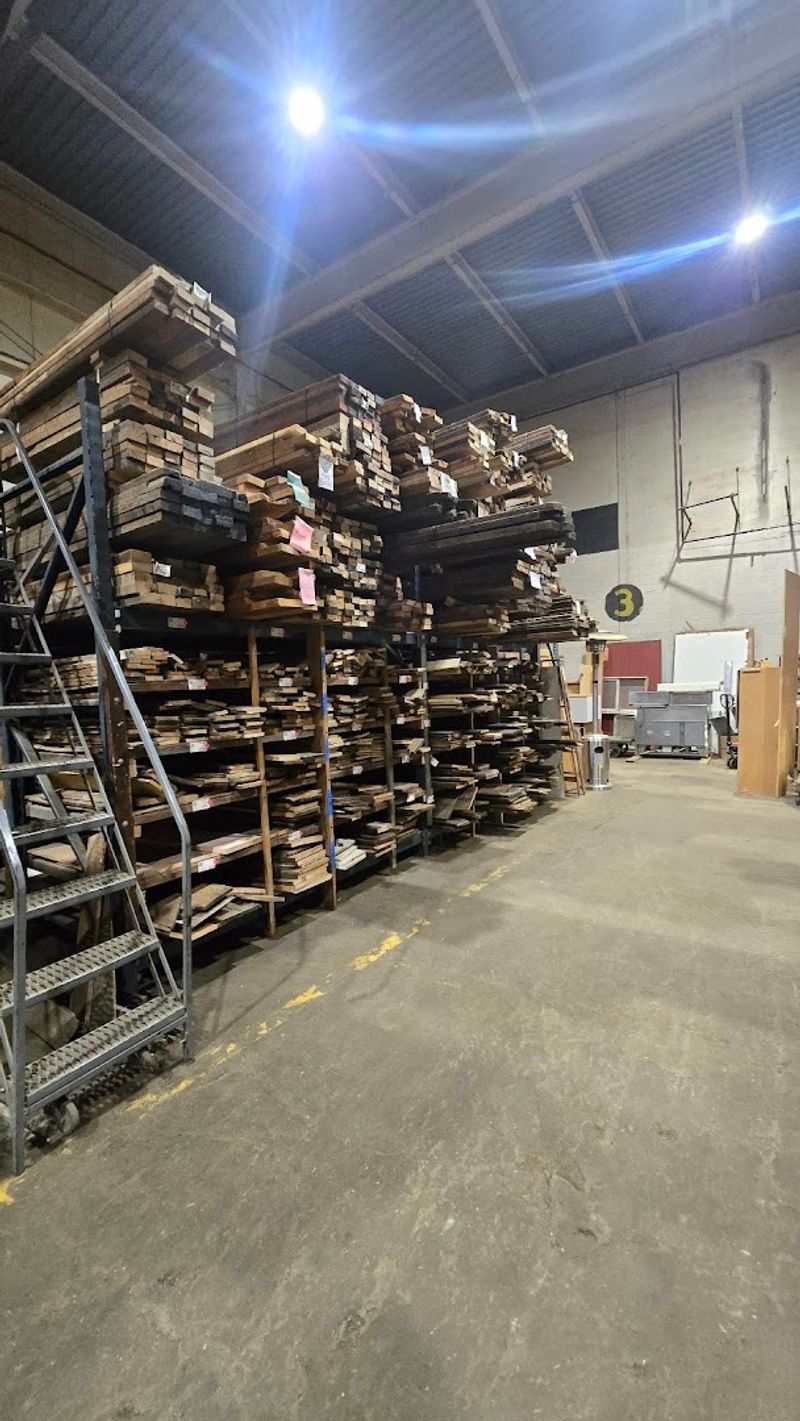
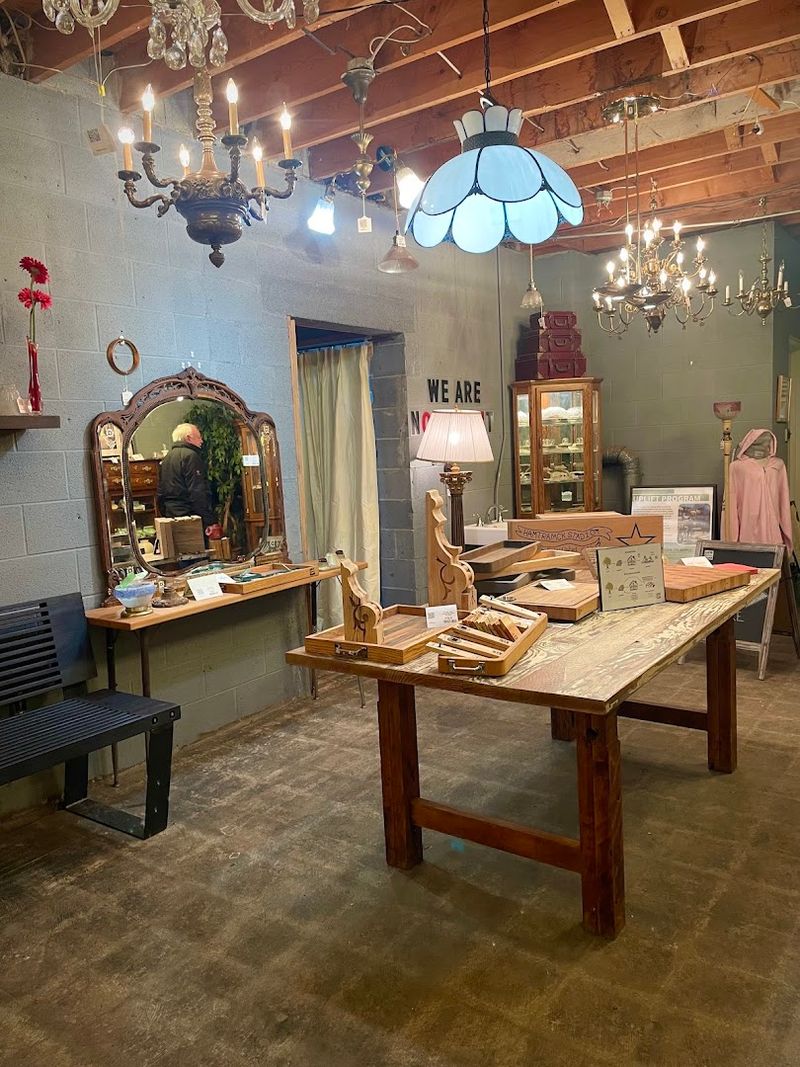
The inventory is astonishingly broad: solid doors in many sizes, original windows with old glass, marble remnants, light fixtures, porcelain sinks, and original trim and molding.
You’ll also spot reclaimed beams and old-growth lumber that tell a century of structural history, plus smaller treasures like doorknobs, hinges, and decorative ironwork.
Some pieces are ready to install; others require a little elbow grease, but all are affordable compared with new or reproduction alternatives.
Artists and builders use these materials for furniture, guitars, and bespoke design touches, and clients including hotels and storefronts have repurposed ASWD pieces. Bring measurements and patience, because the best finds often take a careful search through the stacks.
Sustainability Impact
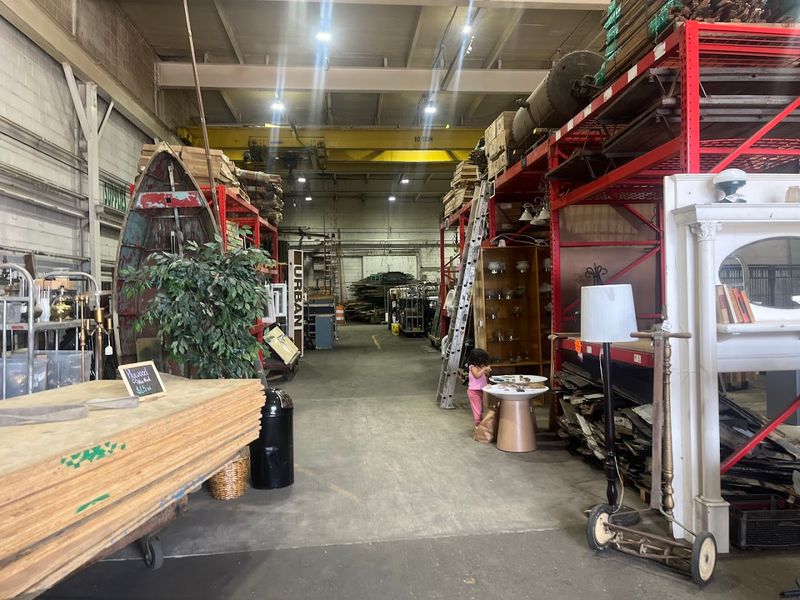
What impressed me most was how clearly sustainability drives decisions here: ASWD’s deconstruction model diverts large volumes of material from landfills and reduces the need for new lumber and manufacturing.
That conservation approach pairs with job training, making deconstruction as much about people as about materials.
The math matters: reusing building materials reduces embodied carbon and keeps valuable historic fabric in circulation rather than crushed into rubble.
Community programs amplify the effect, offering free materials to qualifying Detroit families and creating work experience for local residents. It’s a tangible, measurable way to stitch environmental goals to neighborhood economic recovery and historic preservation efforts across Southeast Michigan.
How Items Become Treasure
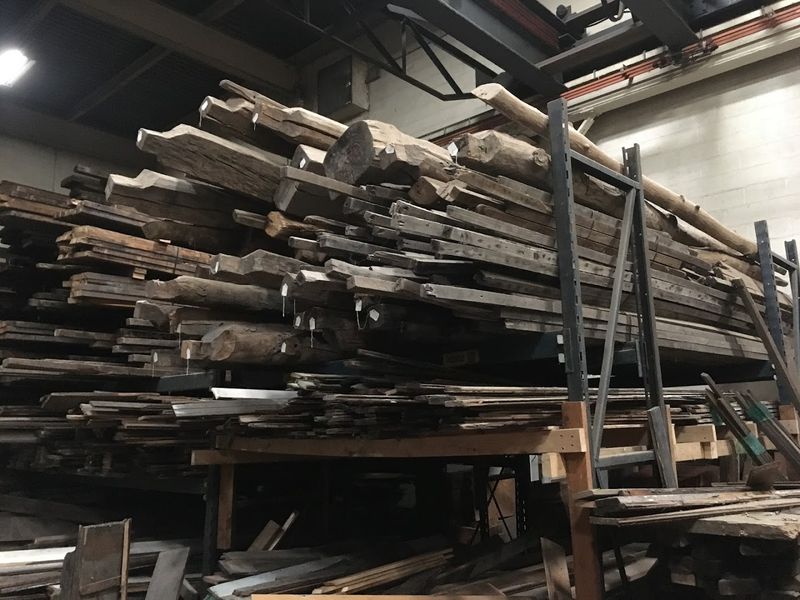
Watching craftsmen transform raw salvage into polished pieces is part of the thrill: slabs of reclaimed wood become dining tables, doors are reworked into headboards, and tin ceilings are repurposed as decorative panels.
Local makers partner with ASWD, using rescued materials to build functional art that keeps a story attached to the wood grain.
That lineage, from factory or farmhouse to reclaimed object, adds a layer of authenticity new materials lack.
Some projects are commissioned and custom-made on request, while others are impulse purchases for homeowners looking to add character. Either way, the warehouse supports creative reuse with tools, advice, and access to rare materials that would be otherwise unavailable or prohibitively expensive.
Retail Experience
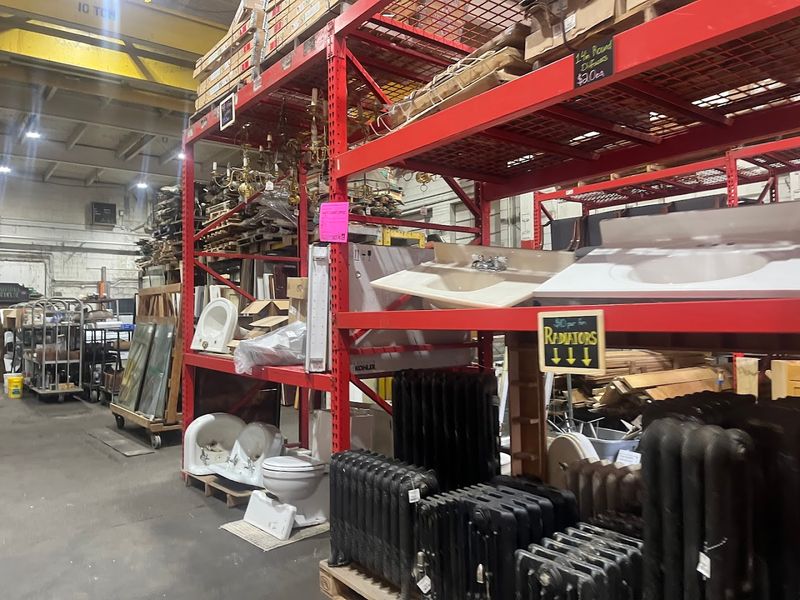
The retail floor feels both utilitarian and inviting: sections are arranged for browsing, yet you might need to open a drawer or lift a panel to judge condition.
Staff are usually helpful and knowledgeable about provenance and sizing, and they’ll often point you toward pieces reserved for projects or held back for frequent buyers.
Prices generally reflect the labor and rarity of items, and you’ll find deals if you’re willing to hunt.
If you need specific things, call ahead or ask staff about recent donations and pickups; they occasionally schedule bulk material drops or on-site pickups. Bring a measuring tape, a truck, and realistic expectations about condition, and you’ll leave with something that feels both useful and memorable.
Programs And Community
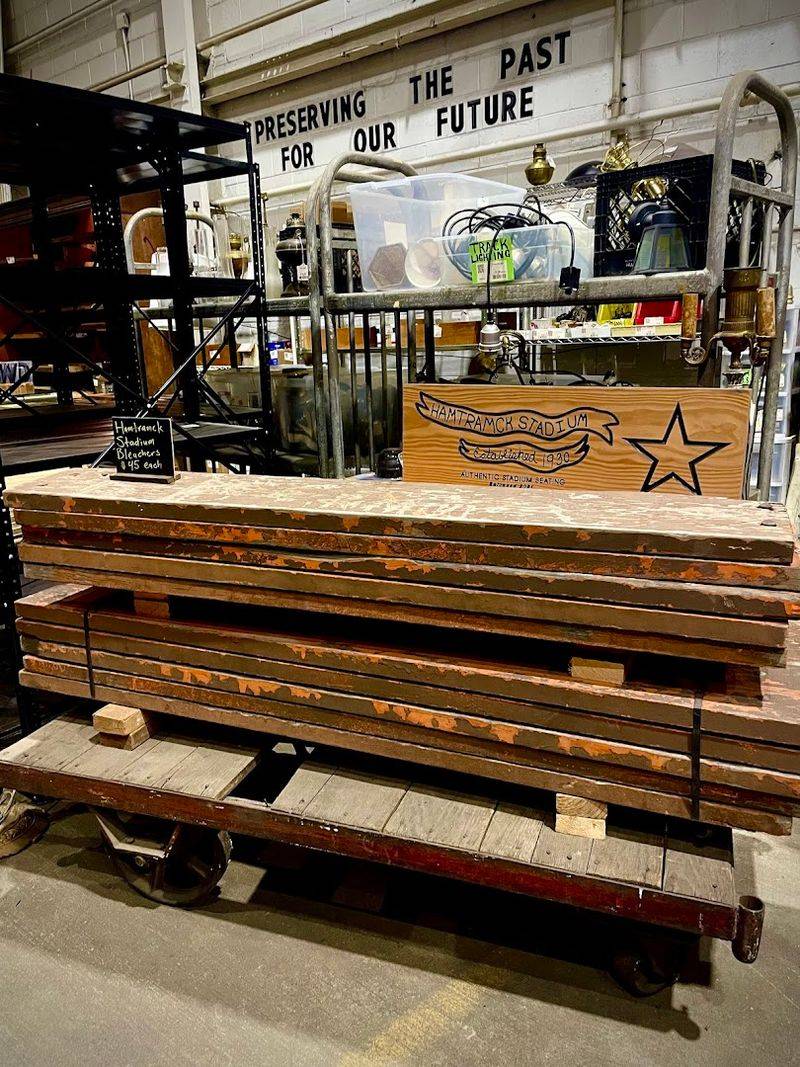
ASWD’s community programs are woven into its daily operations: job training in deconstruction techniques, apprenticeships, and the No Cost Building Supplies Uplift Program help Detroit residents access materials and skills.
These initiatives create employment and give participants practical experience that is in demand across renovation and preservation fields.
The nonprofit also accepts donations and conducts pickups, which keeps usable materials circulating back into neighborhoods.
On a visit you can ask about volunteering or training schedules, and staff will share information about eligibility for free materials. The programs are concrete proof that salvage can be a social as well as environmental practice, rebuilding both homes and livelihoods.
Logistics And Planning Your Visit
Plan your trip around the hours: Tuesday, Wednesday, and Friday 10 AM to 5 PM, Thursday until 7 PM, and Saturday 10 AM to 2 PM; they’re closed Sunday and Monday. Parking is limited near the loading bay, so bring a truck or a foldable dolly if you expect to take bulky items.
Staff can help load heavier pieces, but it’s courteous to arrive prepared with helpers and straps if you find something large.
If you’re targeting specific materials, call ahead to ask about recent donations or reserved items. Knowing measurements and having a clear plan will save you time and prevent disappointment when the right item turns up but doesn’t fit the space you had in mind.
Seasonal Quirks
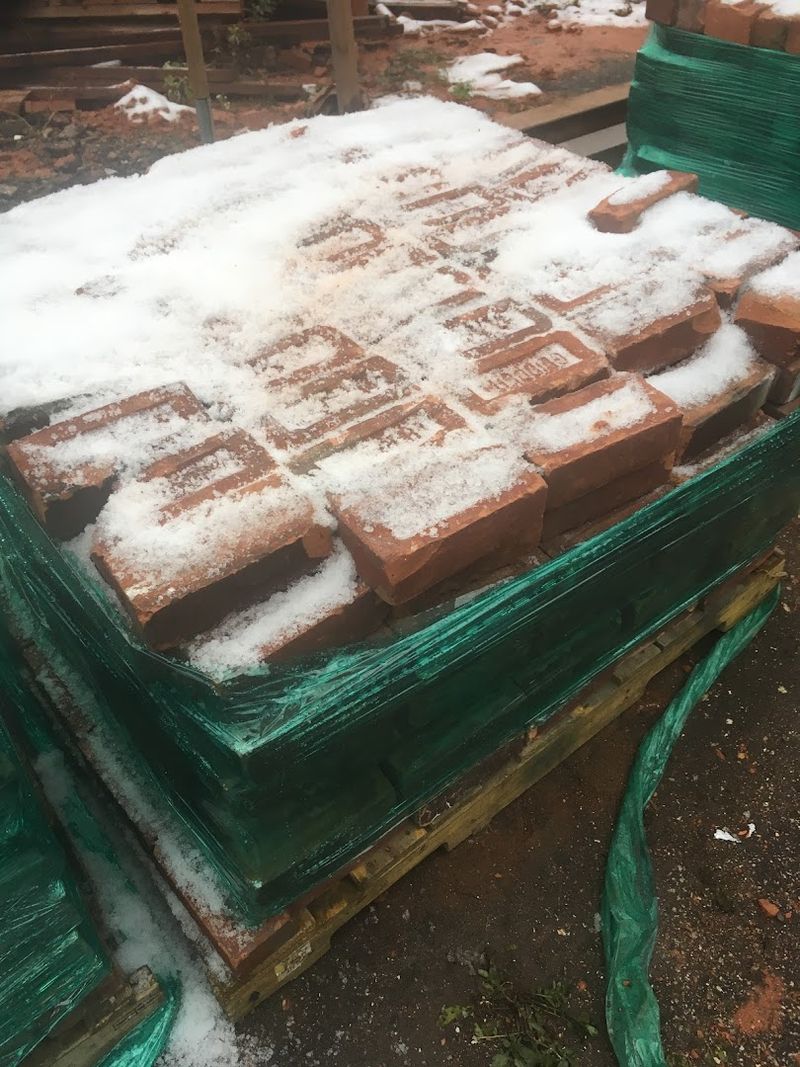
Seasons shape the visit: in colder months the warehouse feels cozier, with fewer outdoor pickups and a patient pace that invites slow searching. Summer brings more donations and heavier traffic as deconstruction projects pick up, which means the best finds can move quickly.
Weather can also affect what’s available; exterior items like porches or siding are more likely donated after summer renovations, while interior fixtures arrive year-round.
Check the calendar if you want fresh inventory or prefer quieter browsing. I found that weekday mornings are ideal for focused hunting, while evenings on Thursday can be lively if you like talking shop with staff and volunteers who’ve just finished deconstruction runs.
Historic Highlights
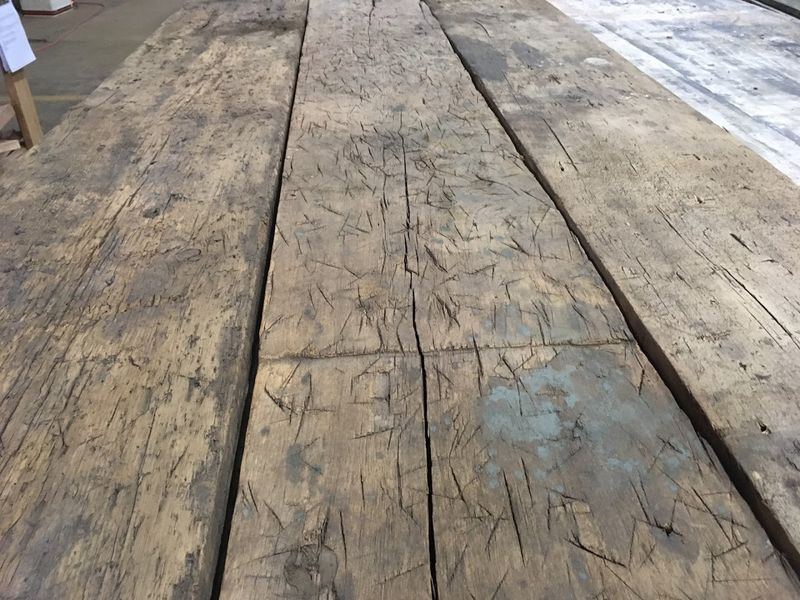
The warehouse sometimes holds authentic period pieces from Detroit’s older neighborhoods: stained glass panels, original crown moldings, and wide-plank floors salvaged from early twentieth-century houses.
These items are valuable for restoration projects that aim to retain historical integrity, and ASWD’s deconstruction approach helps preserve these fragile elements.
Staff can often tell you the rough provenance of salvaged pieces, which is a rare bonus for restorers chasing authenticity.
Keep in mind that true historic finds are sporadic and desirable, so patience is necessary. If you’re restoring a period home, ask staff to put you on a notification list for specific items; they sometimes set aside pieces for matching restoration work when possible.
Tips For Bargain Hunting
Successful salvage shopping is equal parts patience and preparation: arrive with accurate measurements, a camera or phone to document pieces, and the willingness to clean or refinish what you buy.
Haggling is uncommon, but staff can explain pricing and may offer discounts for Detroit Land Bank homeowners or for larger purchases.
Some items are priced by the piece and others by size or condition, so take time to compare similar items before deciding.
Wear sturdy shoes and gloves if you plan to dig through stacks. If you’re unsure about a piece’s potential, ask staff for their take; they know condition nuances and reuse possibilities that a casual visitor might miss.
A little knowledge goes a long way toward making a smart, sustainable purchase.
Why It Matters
Places like ASWD matter because they extend the useful life of materials and the stories attached to them, offering alternatives to wasteful demolition.
Their mission ties environmental stewardship to tangible community benefits: fewer materials in landfills, more jobs, and access to affordable building supplies for families who need them.
The ripple effect is visible in neighborhood rehabs, artist projects, and even local businesses that incorporate reclaimed elements into new designs.
Visiting feels like supporting a small but meaningful movement: every purchase or donation helps fund training programs and keeps heritage materials in circulation. If you care about sustainability, design, or neighborhood resilience, this is one stop that rewards curiosity with real impact.