
This Idyllic North Carolina Town Is Almost Too Perfect To Be Real
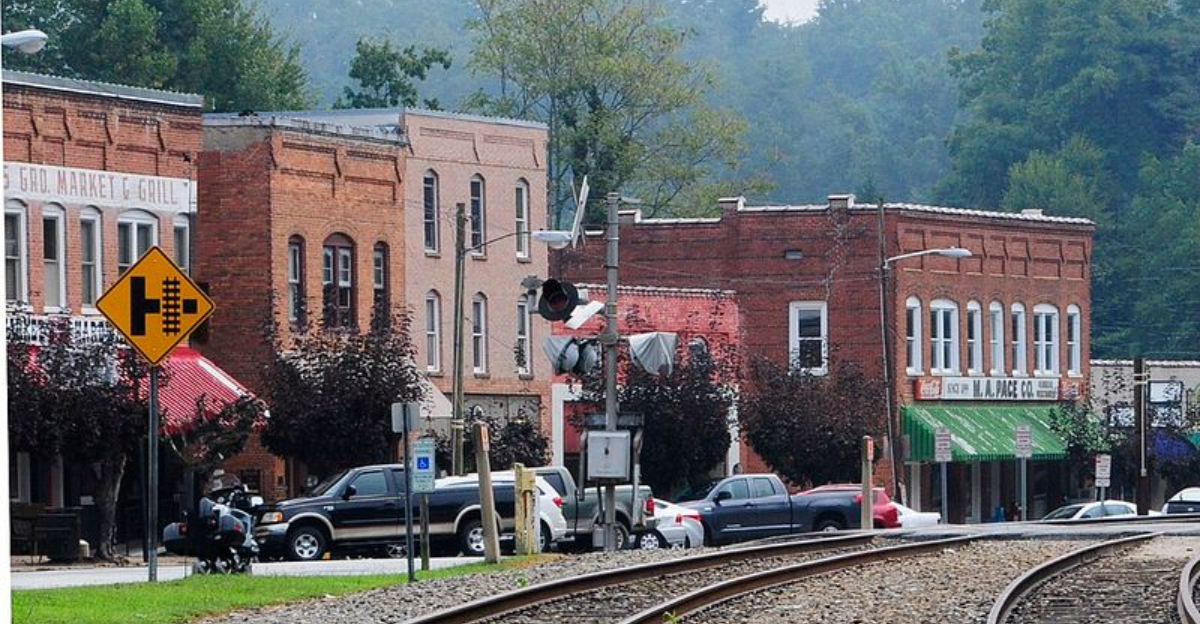
You know that rare kind of mountain town that looks like it was sketched, not built? The kind where you slow down without even trying, just to make sure you don’t miss anything?
That’s what happens in this tiny Blue Ridge spot in North Carolina. Sitting high above the noise, it sits at the top of one of the steepest rail grades in the country.
Which basically means the views don’t ease you in, they just hit you immediately. Downtown?
Three blocks. That’s it.
But somehow it feels full, of old charm, handmade shops, and cafés where nobody seems to be in a rush to leave. Waterfalls are close enough to feel like a casual afternoon plan.
Sunsets show off like they’re trying to win something. And every corner has that “how is this real?” energy.
It’s small, it’s simple, and it’s almost suspiciously perfect.
Where Every Storefront Has A Story
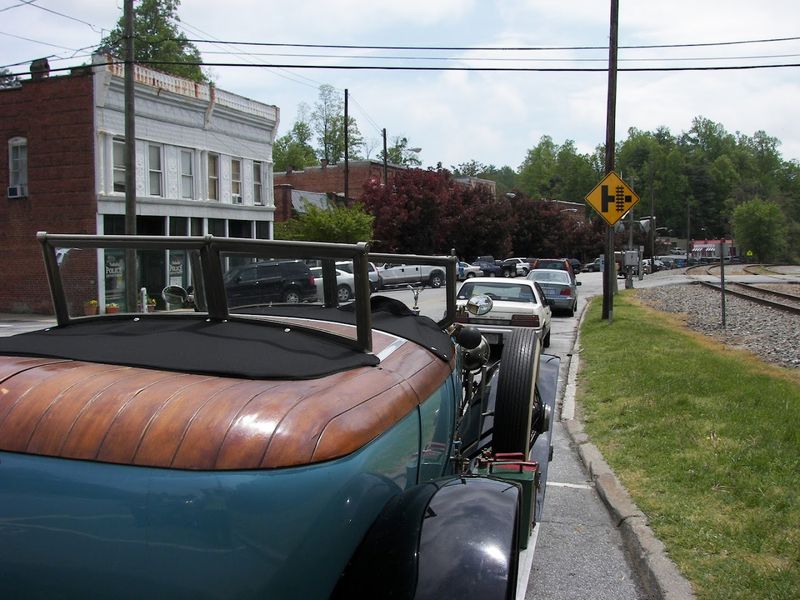
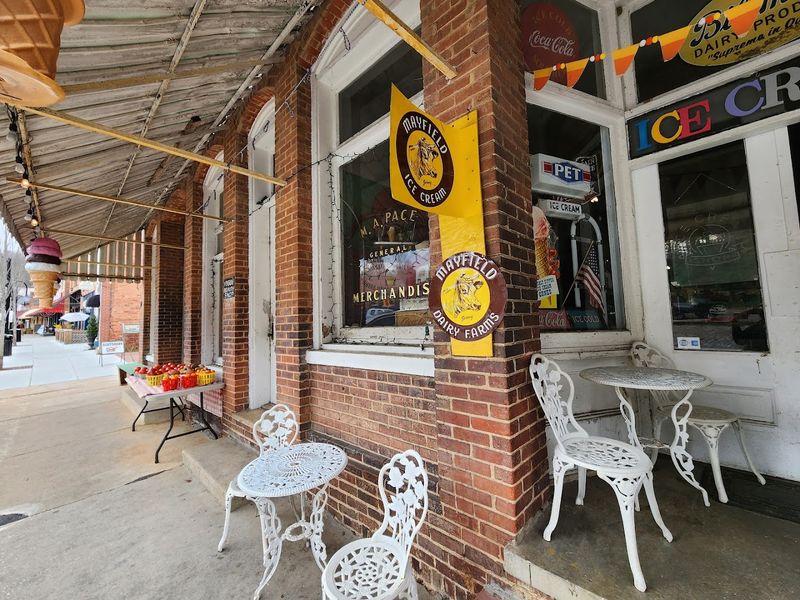
Walking down Main Street in Saluda felt like stepping into a snow globe, except warmer and with better snacks. The historic downtown stretches just a few blocks, but every single storefront is bursting with personality.
Brick facades, hand-painted signs, and window displays that actually make you stop and look. I kept pausing every few steps just to take it all in.
What surprised me most was how alive the whole strip felt. There was no vacant storefront sadness here, no boarded-up windows or chain stores swallowing the character whole.
Local boutiques, galleries, and specialty shops lined the street with genuine pride.
Each one felt curated by someone who truly cared about what they were offering the world.
The whole vibe was unhurried and warm, like the town itself was inviting you to slow down. I popped into a pottery studio and ended up chatting for twenty minutes about glazing techniques I knew nothing about.
That is the magic of Saluda.
It has this rare ability to make strangers feel immediately at home. The buildings along Main Street date back to the late 1800s, and that history is worn proudly, not hidden behind modern renovations.
If you have ever wanted a town that feels genuinely real and genuinely special at the same time, Saluda’s downtown is your answer.
Nature Turned Up To Full Volume
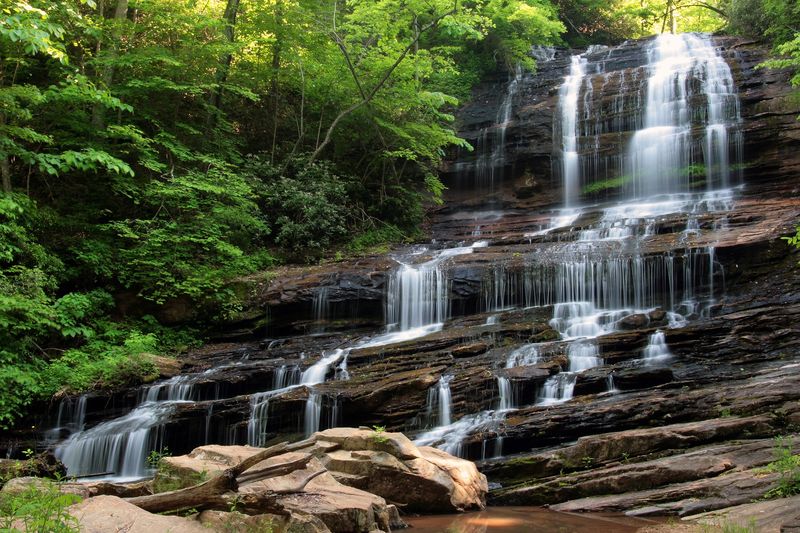
Nothing prepares you for Pearson’s Falls. I had seen photos online and thought, okay, pretty waterfall, nice hike, moving on.
Then I actually stood in front of it and completely forgot how to form words.
The falls drop about 90 feet through a narrow gorge, surrounded by some of the oldest and most diverse plant life in the entire Southeast.
The trail to reach the falls is short, just under a mile round trip, but it winds through a botanical preserve that feels almost prehistoric.
Massive boulders draped in thick green moss, ferns growing in every crevice, and a creek running alongside the path that sounds like the best playlist you have ever heard. My shoes got a little muddy and I could not have cared less.
The preserve itself has been protected since 1931 by the Tryon Garden Club, making it one of the oldest privately preserved natural areas in North Carolina.
That history adds something to the experience. Knowing people fought to protect this place for nearly a century made the whole hike feel more meaningful.
Standing at the base of the falls, with cold mist hitting my face and sunlight cutting through the tree canopy above, I thought: this is what recharging actually looks like.
Pearson’s Falls is not just a hike. It is a full sensory reset button hidden in the mountains.
A Cafe That Earns Its Reputation
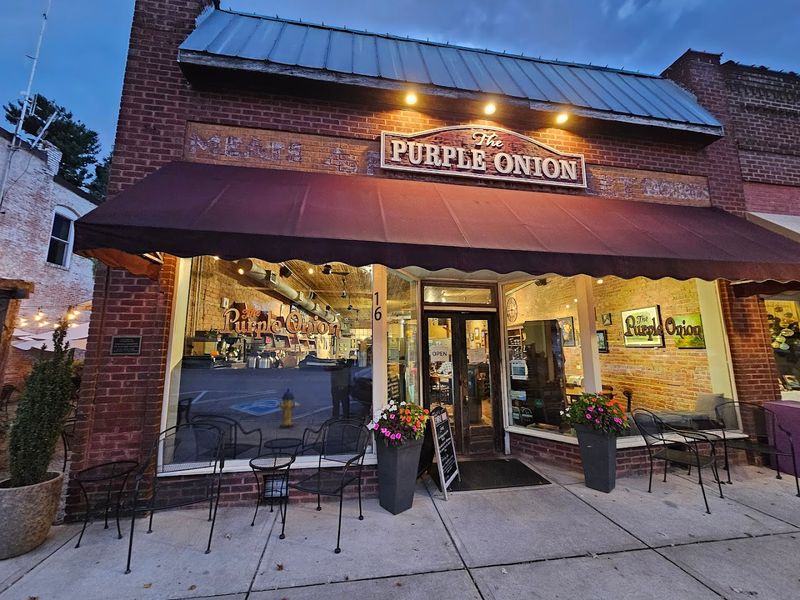
I almost walked past The Purple Onion because the exterior is so understated. Then I smelled whatever was coming out of that kitchen and my feet made the decision before my brain did.
Located right into the heart of downtown Saluda, this beloved cafe has been a community cornerstone for years, and the moment you sit down, you understand exactly why.
The menu leans into fresh, seasonal ingredients with a Southern twist that feels genuinely inspired rather than performative. I ordered a sandwich that was so good I thought about ordering a second one immediately.
The space itself is warm and layered, with mismatched furniture, local artwork on the walls, and a small stage that hosts live music on weekends. It has the kind of atmosphere that makes you want to linger long after your plate is clean.
What really got me was the food’s ability to feel both comforting and exciting at the same time. Nothing felt generic or thrown together.
Every bite tasted intentional.
The Purple Onion also doubles as a gathering spot for the whole community, and that energy is palpable the moment you walk through the door. Tables fill up fast on weekends, so arriving early is a smart move.
This place is not just a meal stop on a road trip. It is the kind of restaurant that becomes the reason you plan the road trip in the first place.
Saluda’s Wildest Bragging Right
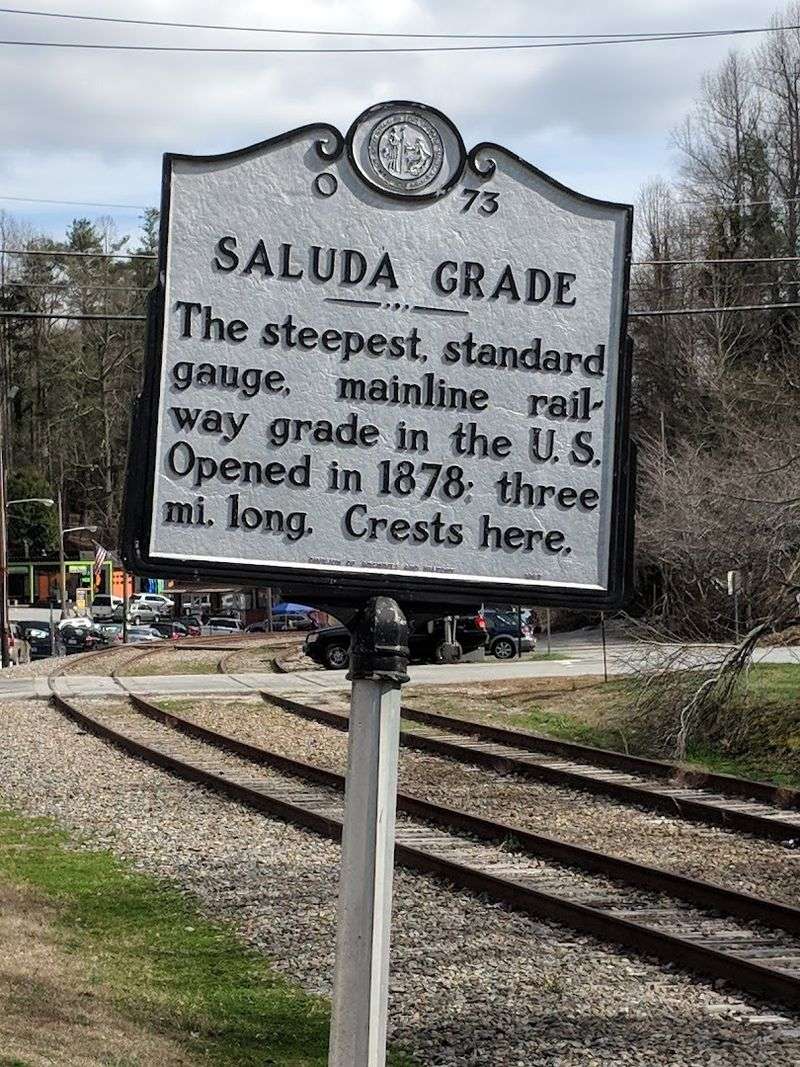
Before I visited Saluda, I had no idea that a railroad grade could be something you brag about. Then someone mentioned that Saluda sits at the top of the steepest standard-gauge mainline railroad grade in the entire United States and suddenly I was very interested.
The Saluda Grade drops 4.7 percent over several miles, which sounds like a math problem until you see the terrain it cuts through.
During the railroad’s active years, trains would sometimes lose control on the descent and go screaming down the mountain.
That history is wild to think about while standing quietly in this peaceful little town. There were actually safety runoff tracks built specifically to catch runaway trains.
The whole setup sounds like something from an action movie, but it was very real and very dramatic mountain engineering.
The grade is no longer active for regular train traffic, but its legacy is woven into Saluda’s identity in a meaningful way.
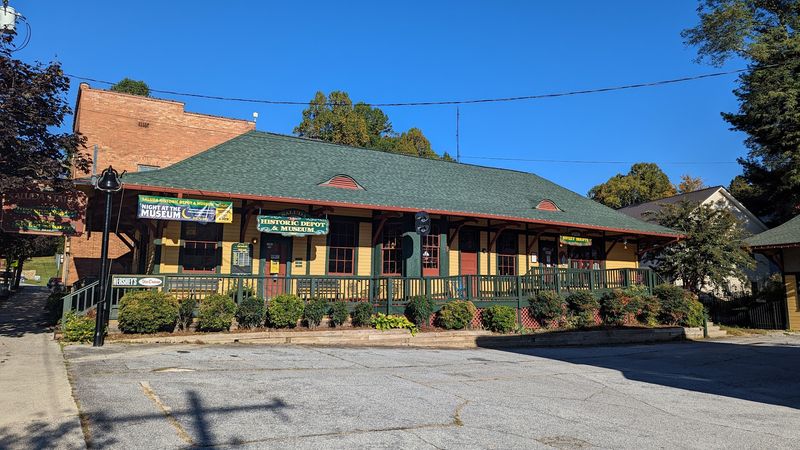
Local museums and historical markers tell the story with genuine enthusiasm. Standing near the old grade and imagining those steam engines grinding uphill through the fog felt like touching a piece of American industrial history.
It is the kind of story that makes a place feel layered and earned rather than simply pretty. Saluda does not just look interesting.
It has genuinely fascinating bones, and the Saluda Grade is the most dramatic proof of that.
Saluda Gets Gloriously Weird
Every July, Saluda throws a festival called Coon Dog Day and it is exactly as wonderfully specific and joyful as it sounds. The event has been happening since 1945, making it one of the longest-running small-town festivals in North Carolina.
It celebrates the local tradition of coon hunting with hound dogs, and it has evolved into a full-blown community celebration that draws thousands of visitors to this tiny mountain town.
The streets are packed, live music is pouring out from every corner, and there are vendors selling everything from handmade crafts to kettle corn that smelled absolutely incredible. There is a parade, competitions, and enough small-town charm to make your heart genuinely ache in the best possible way.
The festival captures something essential about Saluda: this town knows who it is and has zero interest in pretending otherwise.
In a world full of places trying to be Instagram-worthy, Saluda just keeps doing its thing since 1945 and trusting that the right people will show up. They absolutely do.
Mountain Trails That Deliver
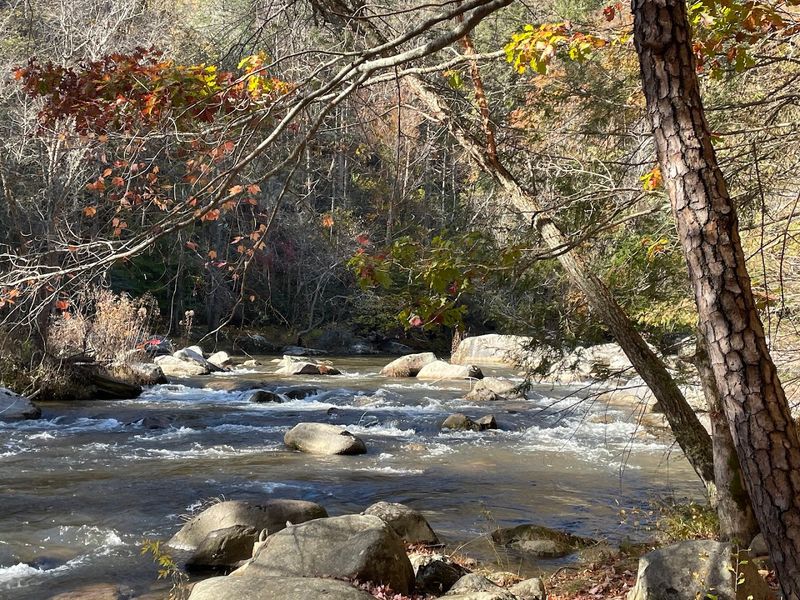
Just outside of Saluda, the Green River Cove trails offer some of the most satisfying hiking in all of Western North Carolina.
I pulled on my boots without fully knowing what I was getting into, and came back three hours later completely transformed. The trails wind through dense hardwood forest alongside the Green River, with elevation changes that keep things interesting without destroying your knees.
The Green River itself is stunning. Clear, fast-moving water tumbles over smooth river rocks while hemlocks and rhododendrons crowd the banks overhead.
In late spring, the rhododendron blooms turn the whole trail into something that looks like it was designed by someone with an extremely good eye for color. I stopped at a flat rock above a small cascade and sat there for a solid twenty minutes doing absolutely nothing productive.
The area around Saluda is part of the broader Polk County outdoor recreation scene, and the Green River Cove has gained a well-deserved reputation among serious hikers and casual nature lovers alike.
The trails vary in difficulty, so whether you want a gentle creek-side stroll or a more challenging climb with rewarding views, the options are genuinely there.
What I loved most was how uncrowded it felt compared to the more famous trails in the region. You get all the beauty with a fraction of the traffic.
That is a rare and precious combination in today’s outdoor recreation world.
Small Town, Big Creative Energy
Saluda punches way above its weight class when it comes to art. For a town with a population that hovers around 700 people, the creative output here is genuinely impressive.
Galleries, studios, and artisan shops are woven right into the fabric of downtown, and the quality of the work on display would hold its own in much larger cities. I walked into one pottery studio half out of curiosity and walked out having bought a hand-thrown mug that I now refuse to put in the dishwasher.
The art scene here feels organic rather than manufactured for tourists.
Many of the artists actually live and work in Saluda, which means what you see in the galleries reflects the landscape, the light, and the spirit of the mountains surrounding the town. Paintings of misty ridgelines, sculptures inspired by local flora, and textiles with deep Appalachian roots filled every space I visited.
It was art with a genuine sense of place.
Saluda also hosts studio tours and art walks throughout the year, giving visitors a chance to meet the makers behind the work.
That direct connection between creator and audience is something that gets lost in bigger art markets. Here it is just the natural way things operate.
If you have ever wanted to bring home something truly meaningful from a trip, something made by hand in a real place by a real person, Saluda’s art scene will not let you leave empty-handed. What will your walls look like after a visit here?