
This Illinois Botanical Garden Lets You Wander Themed Gardens And A Butterfly House All Afternoon

Tucked along the North Shore about 20 miles from downtown Chicago, the Chicago Botanic Garden in Glencoe is the kind of place where a few hours can slip by without anyone noticing. Spread across 385 acres and nine islands, it holds 27 gardens and natural areas that shift in mood from serene and sculpted to wide-open and wild.
Visitors can move from a lakeside Japanese garden to a seasonal butterfly enclosure to a rolling Illinois prairie all in one afternoon, though the experience is shaped by the season, the weather, and how fast you feel like walking. Whether you are planning a solo outing or a family trip, knowing what to expect from each area makes the visit far more rewarding.
The Garden’s scale makes a leisurely afternoon possible

Few destinations within easy reach of Chicago offer the kind of unhurried wandering that the Chicago Botanic Garden makes possible. Sitting at 1000 Lake Cook Road in Glencoe, Illinois, the Garden covers 385 acres arranged across nine islands connected by bridges and paths.
That footprint supports a visit measured in hours rather than minutes, with enough variety to keep the afternoon from feeling repetitive.
The 27 gardens and natural areas on the property range from formal and intimate to sprawling and open. Visitors can move at their own pace, stop wherever something catches their eye, and return to a favorite spot without backtracking through the same scenery twice.
That kind of flexibility is what makes the “wander all afternoon” description feel accurate for many visitors, even though the Garden does not advertise a fixed itinerary of that length.
One term worth clarifying before you go: the article title uses the phrase “butterfly house,” but the attraction’s official name is Butterflies and Blooms. It is a 2,800-square-foot mesh enclosure that runs seasonally, generally from late May through Labor Day, weather permitting.
It is not a permanent, climate-controlled conservatory, so the experience depends on the time of year and conditions on the day you visit.
The appeal of a long afternoon here comes less from checking off three specific stops and more from moving through a broad, varied landscape. Walking along the water’s edge between areas adds its own quiet pleasure to the route.
The Japanese Garden, the butterfly enclosure, and Dixon Prairie are all part of the same institution, but they occupy different parts of a substantial property rather than sitting side by side on one compact loop.
Begin beside the water in the Japanese Garden
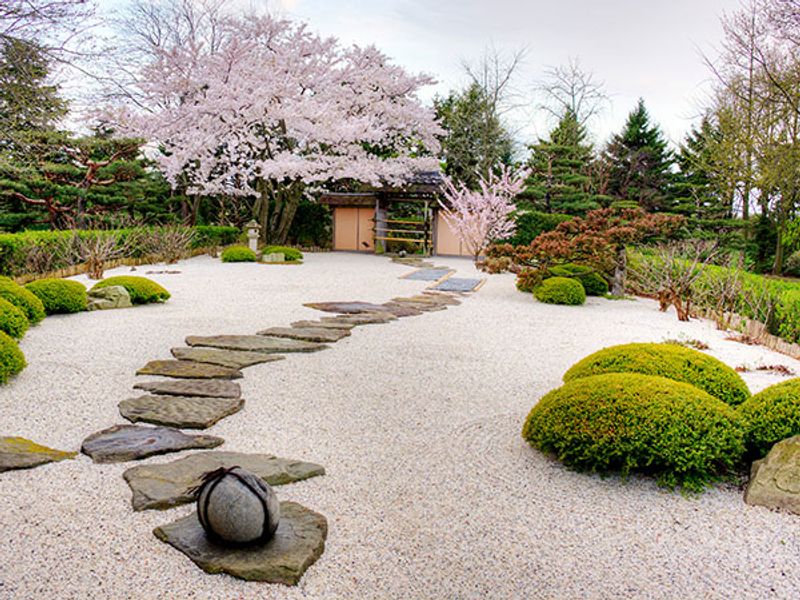
Starting a visit at the Elizabeth Hubert Malott Japanese Garden gives the whole afternoon a composed, unhurried opening. The garden covers 17 acres along the lakeshore and is built across three islands, two of which are open to visitors.
Moving between them over wooden bridges with water on both sides tends to slow people down in the best way.
The design follows traditional strolling-garden principles, meaning the landscape is meant to be experienced gradually and from multiple angles rather than taken in from a single viewpoint. Stone lanterns, carefully pruned trees, and the quiet surface of the lake all contribute to a setting that feels deliberately paced.
A dry garden on the property offers a different kind of stillness, with raked gravel and placed stones doing the work that plants do elsewhere.
According to the Garden’s Japanese Garden page, the design reflects the principles of Japanese landscape aesthetics, and the layout rewards slow movement and repeated visits across different seasons. Spring brings flowering trees, summer deepens the foliage, and autumn shifts the palette entirely.
Each season offers something distinct without requiring a specific bloom to be present for the experience to feel worthwhile.
Spending time here before moving to the rest of the property has a practical benefit as well. The quieter, more deliberate rhythm of the Japanese Garden sets a pace that carries naturally into the broader route.
The Garden’s wellness walking information notes a 1.2-mile route associated with the Japanese Garden area, though visitors who linger at viewpoints or sit for a while will cover less ground in more time. That is entirely the point.
The route links separate experiences across a large property
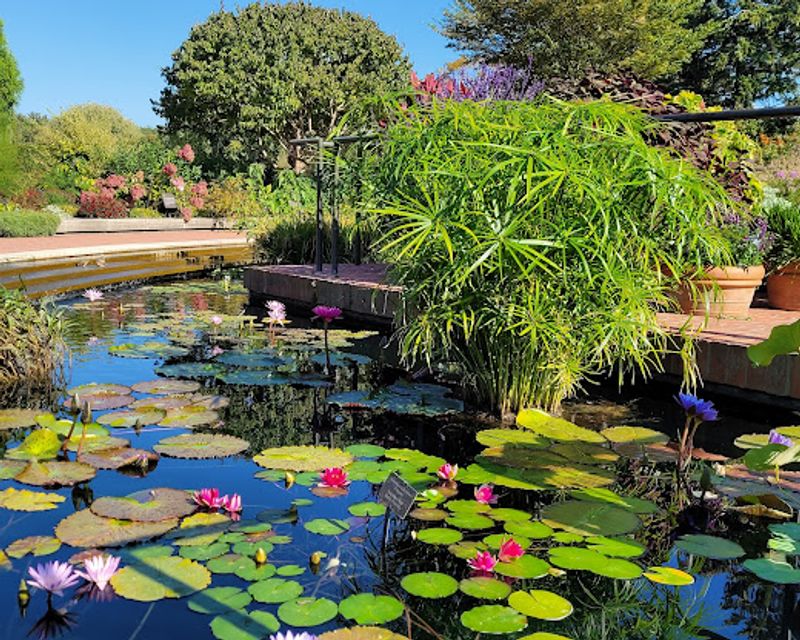
Thinking of the Chicago Botanic Garden as three attractions sitting near each other will lead to some surprise once you arrive. The Japanese Garden, Butterflies and Blooms, and Dixon Prairie are all within the same property, but they occupy different sections of a 385-acre site that spans islands, bridges, and separate campus areas.
Getting from one to the next involves real walking, and the distance between stops can vary depending on where you enter and which path you follow.
A reasonable sequence for a single afternoon visit would be to start with the Japanese Garden, then make your way to Butterflies and Blooms at the Regenstein Learning Campus, and finish with Dixon Prairie. The Garden’s walking wellness routes reference a 1.2-mile loop around the Japanese Garden and a 1.9-mile prairie walk, but those figures describe individual routes, not the total distance for a combined outing.
Plan on covering more ground than either number suggests if you intend to visit all three areas.
The walk along the water’s edge is one of the more scenic connectors on the property and worth taking if your route allows it. Paths wind past open water, wooded stretches, and garden plantings that change with the season.
Moving between areas is part of the experience rather than just transit between destinations.
Treat the suggested sequence as a flexible framework rather than a fixed plan. The current Garden map is the most reliable tool for confirming access points, distances between areas, and any temporary path changes before or during your visit.
Routes and access can shift depending on the season and ongoing Garden projects.
Butterflies & Blooms is a seasonal stop, not a permanent butterfly house

Butterflies and Blooms is one of the Garden’s most popular seasonal attractions, but a few details about it are worth knowing before you build your afternoon around it. The attraction is a 2,800-square-foot mesh enclosure located at the Regenstein Learning Campus, not a permanent, climate-controlled greenhouse or butterfly conservatory.
Its usual season runs from late May through Labor Day, and the exhibit operates weather permitting, which means conditions on any given day can affect whether it is open.
Inside the enclosure, visitors walk among live butterflies from Illinois as well as tropical species from South America, Asia, and Africa. A window into the pupa room lets you see chrysalises up close, which adds a quieter, more observational element to the visit.
According to the Butterflies and Blooms page, the exhibit is included with Garden admission, so there is no separate ticket required once you are inside the Garden.
Species variety and butterfly activity will differ from day to day and across the season. No particular species, emergence event, or close encounter can be promised, and visitors should expect to observe rather than interact.
The enclosure is designed for watching butterflies move naturally through a planted environment, not for handling or directing them.
A few restrictions apply inside the enclosure that are easy to overlook when packing for a garden outing. Strollers are not allowed inside Butterflies and Blooms, so families with young children should plan accordingly.
Tripods and monopods are also prohibited, which affects photographers who want to shoot inside. Visitors should follow posted instructions, remain on designated paths, and avoid touching butterflies or entering planting beds.
Checking the Garden’s visitor page before your trip will confirm current hours, exhibit status, and any updates to access policies.
Dixon Prairie changes the afternoon’s scale and texture

After the enclosed, layered quality of the Japanese Garden and the intimate buzz of the butterfly enclosure, Dixon Prairie opens things up considerably. The area covers 15 acres and represents a reconstruction of six prairie types that historically occurred in northeastern Illinois.
Walking into it feels like stepping into a different relationship with the landscape, one where the sky becomes part of the view and the horizon stretches out in a way that the rest of the Garden rarely allows.
More than 250 native plant species grow across the prairie, managed by the Garden as part of its natural areas program. The Dixon Prairie page describes the site as a recreation of distinct prairie communities, including wet, mesic, and dry types, rather than a single undifferentiated grassland.
That variety means the plant life shifts noticeably as you move through different sections. It is a reconstructed habitat, not untouched remnant prairie, and the Garden’s ongoing management is what keeps the native species dominant.
The rolling, open character of the prairie makes it a fitting close to an afternoon that began in the more curated atmosphere of the Japanese Garden. Prairie plant information from the Garden offers additional context on the species present and the ecological principles behind the restoration work.
The prairie walking route covers approximately 1.9 miles and connects visitors to the broader natural areas on the property.
Wildlife may be present in and around the prairie, but specific sightings cannot be promised. The value of ending here is less about what you might spot and more about the shift in scale.
After hours spent among islands and enclosures, the wide-open prairie gives the afternoon room to breathe before it ends.
Plan around weather, walking, and access
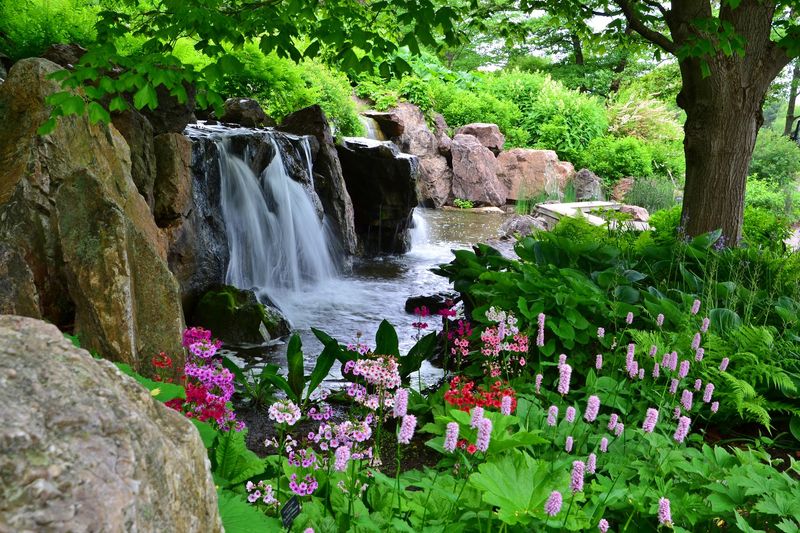
The Chicago Botanic Garden is an outdoor destination, and a good visit depends heavily on preparation. Hours change by season, seasonal exhibits like Butterflies and Blooms have their own operating windows, and weather can affect both individual areas and the Garden’s overall schedule on any given day.
Checking the Garden’s official visitor page before leaving home is the simplest way to avoid arriving when something is closed or conditions have changed.
Admission and parking are not free, and current pricing should be confirmed through the visitor page rather than assumed from past visits or third-party sources. Butterflies and Blooms is included with Garden admission, but that does not mean the overall visit has no cost.
Directions and parking information are available on the Garden’s site and are useful to review if you are visiting for the first time or coming from an unfamiliar direction.
Accessibility across the Garden is strong. According to the Garden’s accessibility page, nearly all areas are wheelchair accessible, and wheelchairs are available to borrow at no charge.
Electronic convenience vehicles are also available for a fee, though they are subject to location-specific restrictions and may not be permitted in all areas of the property. Visitors with mobility considerations should review the accessibility information in advance and note any area-specific limitations.
Inside Butterflies and Blooms, strollers, tripods, and monopods are not allowed, so plan accordingly if you are bringing young children or photography equipment. Remaining on designated paths and following posted instructions applies throughout the Garden, not just inside the enclosure.
Downloading the current Garden map before your visit helps you understand the property’s layout, identify access points between areas, and build in realistic time between stops so the afternoon stays relaxed rather than rushed.
One visit holds several distinct garden moods
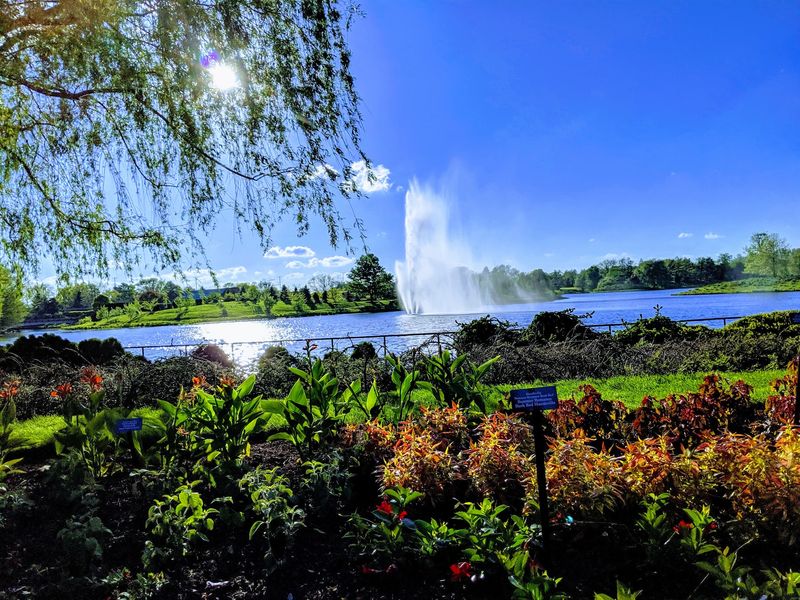
Stringing the Japanese Garden, Butterflies and Blooms, and Dixon Prairie into one afternoon works because the Chicago Botanic Garden is large enough to hold all three without any of them feeling crowded or rushed. Each area offers a genuinely different experience, and moving from one to the next gives the visit a natural sense of progression rather than repetition.
The Garden’s paths, bridges, and water views make the travel between stops part of the outing rather than an interruption.
How much of that range you actually experience depends on the season, the weather, your walking pace, and which exhibits are currently open and accessible. A visit in late June will feel different from one in early September, and a slow afternoon spent lingering at each stop will cover the property differently than a brisk loop.
None of that makes the visit less worthwhile – it just means the experience is genuinely your own.
Before heading out, confirm current hours, exhibit status, and any access updates at the Garden’s visitor page. A little preparation keeps the afternoon feeling as easy as the Garden’s walking routes suggest it can be.
Few places this close to Chicago offer this much variety in a single afternoon without requiring you to rush.