
This Illinois Farmers Market Moves Indoors For Winter, So Your Sunday Produce Run Never Stops
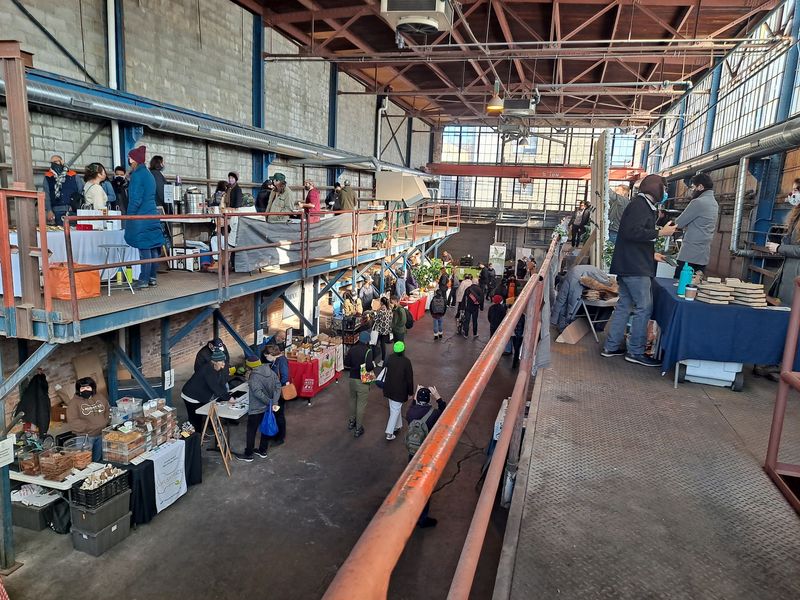
Snow on the boulevard doesn’t cancel this Sunday market. When winter hits, the whole thing simply heads indoors and keeps going.
I love that idea. Your weekly bread, eggs, and cheese haul doesn’t have to pause just because Illinois decided to freeze solid for a few months.
In warmer months, the scene is pure joy. Shoppers sprawl on the grass, live music drifts through the crowd, and vendors line a closed-off street with flowers, produce, and tamales.
The vendors stick around through the cold, and the Sunday ritual sticks around with them. It feels like a small-town tradition that happens to live inside a big city.
So what does it take to keep a farmers market running all twelve months of the year? Let’s take a look.
A Year-Round Sunday Ritual In The Heart Of Chicago
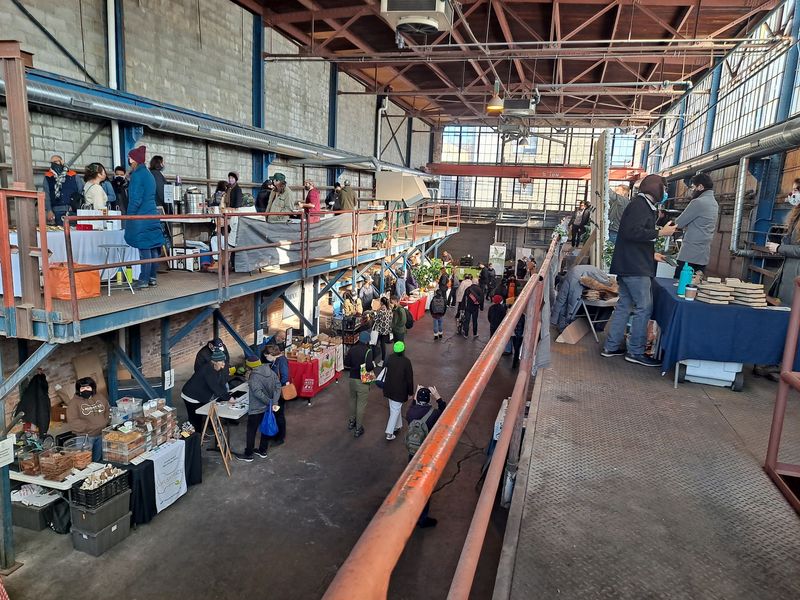
Sundays in one Chicago neighborhood come with a built-in plan. The Logan Square Farmers Market runs year-round, which is rare for any market in Illinois.
Its outdoor season takes over a stretch of the neighborhood, with tents, tables, and plenty of room to wander. When the weather turns, the market moves indoors and keeps the Sunday habit alive.
That steady schedule is the whole charm. You don’t have to mourn the end of tomato season or go without fresh bread until spring.
The lineup leans heavily on local growers and makers. Produce, eggs, breads, cheeses, flowers, and prepared foods all share space here.
It also comes with entertainment. Live music is part of the regular package, so shopping feels more like an outing than an errand.
The market sits right in the middle of Logan Square, one of the city’s most walkable neighborhoods. That makes it easy to fold into a lazy weekend morning with coffee nearby.
For families across northern Illinois, it’s a low-key day trip with real rewards. Browsing costs nothing, and the people-watching comes free.
Why A Boulevard Makes The Best Market Floor
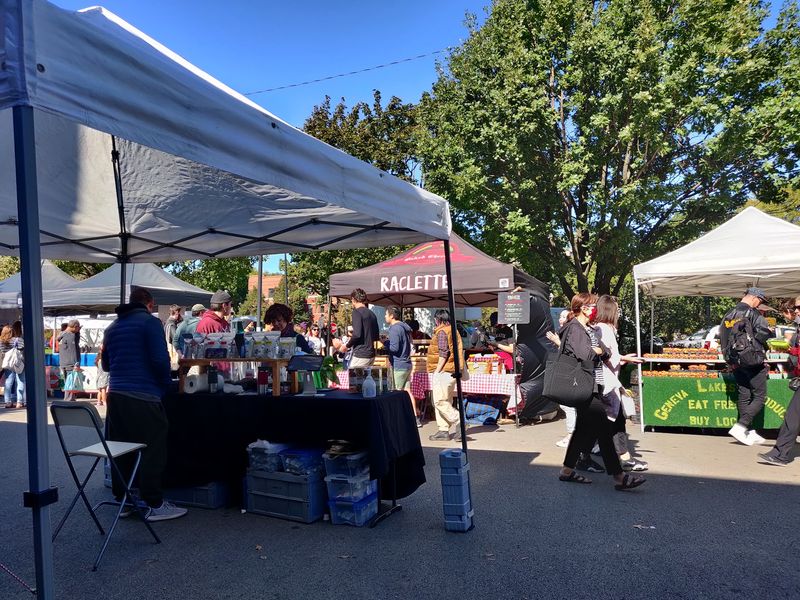
Some streets seem built for strolling, and this one makes a convincing case. The outdoor market spreads along the boulevard, with road closures that turn traffic lanes into walking space.
Cars can still move on either side, which keeps the neighborhood humming. Meanwhile, shoppers get wide paths and room to breathe.
The closures add more than convenience. They give the whole morning a calm, unhurried mood that’s tough to find on a busy city street.
Grassy areas sit close by, and that changes things. People sit around the monument and on the lawns, turning a quick grocery run into a slow picnic.
The layout has shifted in recent seasons. Nearby construction reshaped the footprint, but the market expanded and still stays easy to navigate on foot.
One practical tip for strollers and wheelchairs: some areas are unpaved. After rain, those paths can turn muddy, so plan your route with that in mind.
It’s large enough for a real stroll, yet not so big that it overwhelms. That balance makes it friendly for little legs and grandparents alike.
Moving Indoors When Illinois Gets Frosty
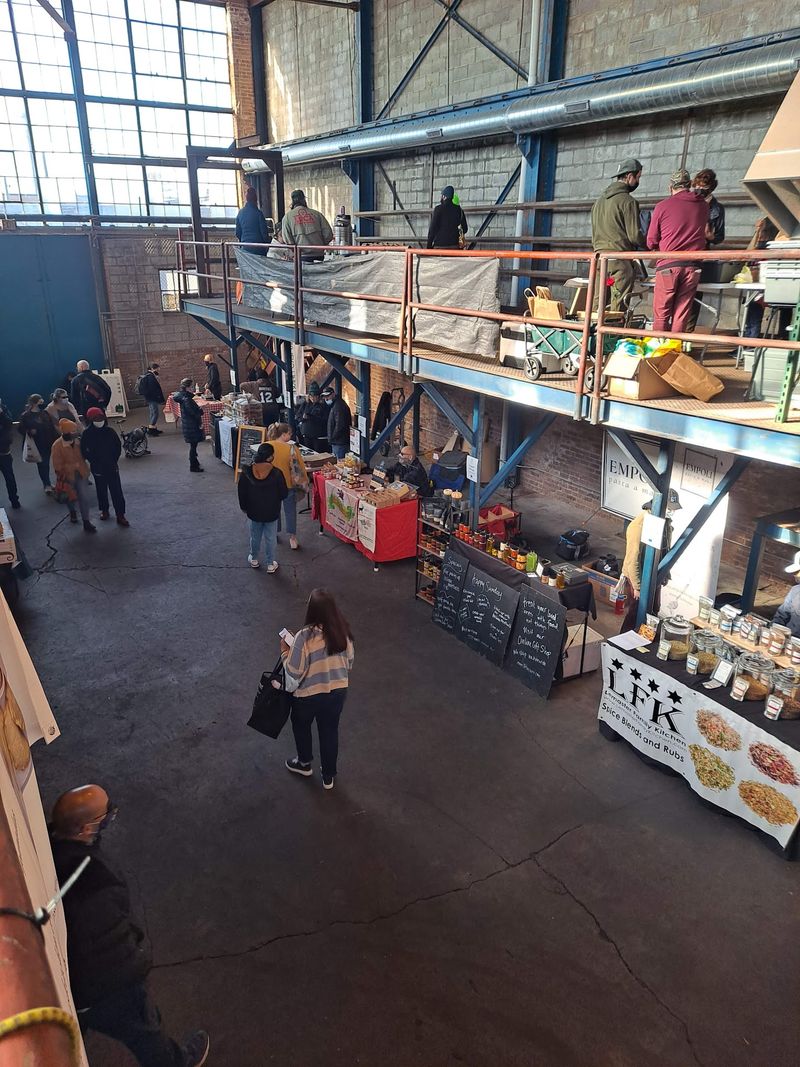
Chicago winters are famous for a reason. Rather than packing up for months, this market relocates indoors and carries on with its Sunday schedule.
That move is the headline feature. Plenty of Illinois markets close after fall, leaving shoppers stuck with grocery store produce until spring.
Here, the routine continues. You can still pick up farm eggs, fresh breads, and cheeses while snow piles up outside.
The winter version naturally shifts with the season. Expect what local farms and makers can offer in colder months rather than a summer bounty of berries.
Indoor shopping has its own perks. No sunscreen, no mud, and no sweaty walk back to the car with a tote full of squash.
For families, it becomes a cozy weekend errand with a little magic built in. Kids get to meet the people who grow and bake their food, even in January.
I can’t think of a better way to beat the midwinter slump. A warm space, friendly vendors, and something fresh for Sunday dinner sounds like a solid plan.
Produce, Eggs, And Cheese Worth Filling The Tote For

Tomatoes, corn, and cucumbers handle the basics. Specialty vendors bring the fun, with mushrooms, blueberries, and cheeses that tempt even the most disciplined list-maker.
Organic vegetable stands show up in good numbers. That makes it easy to stock up on weekly staples in one relaxed loop.
Eggs are a Sunday favorite here. Pair them with pasta, sauces, and fresh fruit, and dinner practically plans itself.
Meat vendors round out the lineup. So do herbs, which make a cheap way to brighten a whole week of cooking.
Early-season visits may bring less produce. Even then, flowers, herbs, and other goods keep the tables lively.
Timing matters more than anything. Popular items can be gone by noon, so morning shoppers get the best pick.
Prices for some items run on the higher side, which is typical for small-farm goods. Still, plenty of shoppers find reasonable deals if they browse before buying.
Families often find something new to try each week. That sense of discovery keeps the Sunday trip from ever feeling routine.
Bakery Tables That Test Your Willpower
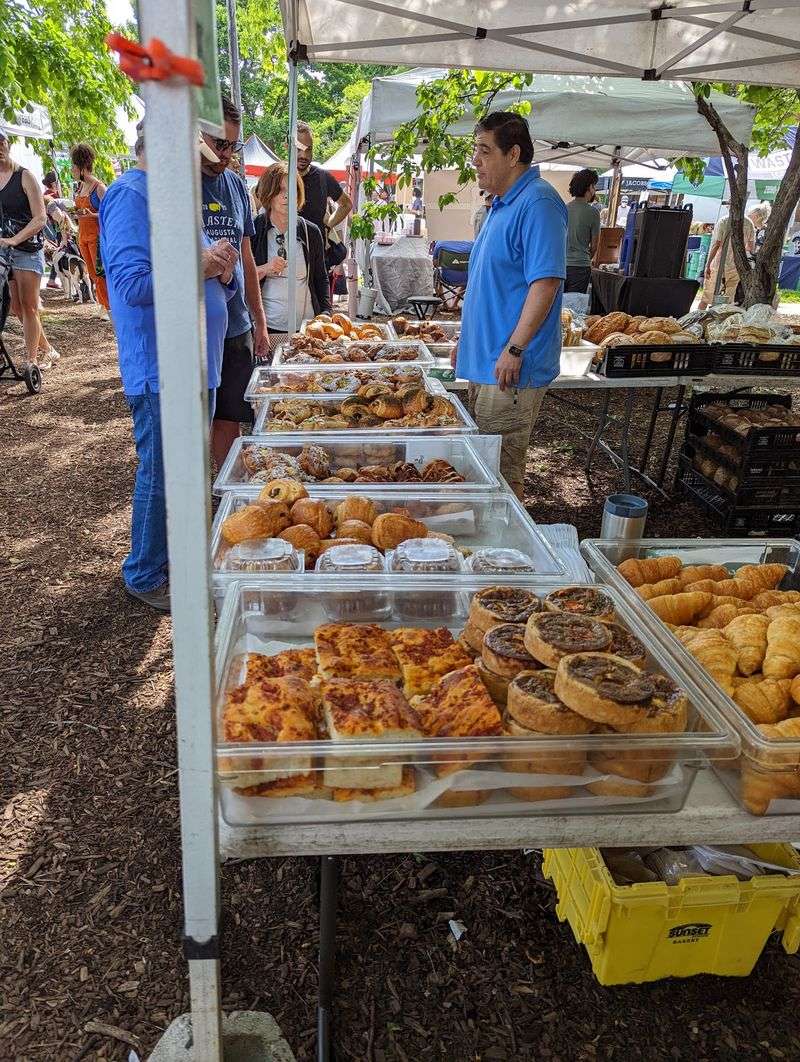
Good luck walking past the bread without stopping. Breads rank among the most talked-about goods at this market, and pastries aren’t far behind.
Pain au chocolat earns special attention. Flaky, chocolate-filled, and perfect for eating before you even reach the next tent.
Desserts also make the list. Families stocking up on eggs and veggies often leave with a sweet surprise tucked into the bag.
Bakery stops work well as a reward system for kids. One pastry at the end of the shopping loop can buy a surprising amount of patience.
Loaves from local bakers also stretch a family budget nicely. A good crusty bread turns soup night or Sunday eggs into something special.
The smart move is arriving early. Baked goods are often among the first items to disappear on busy mornings.
I like how the bakery tables blend Old World tradition with neighborhood energy. It feels like a corner bakery and a town square rolled into one.
Bring a sturdy bag. Squished croissants are a sad way to end a great morning.
Tamales, Tacos, And A Very Popular Matcha Line
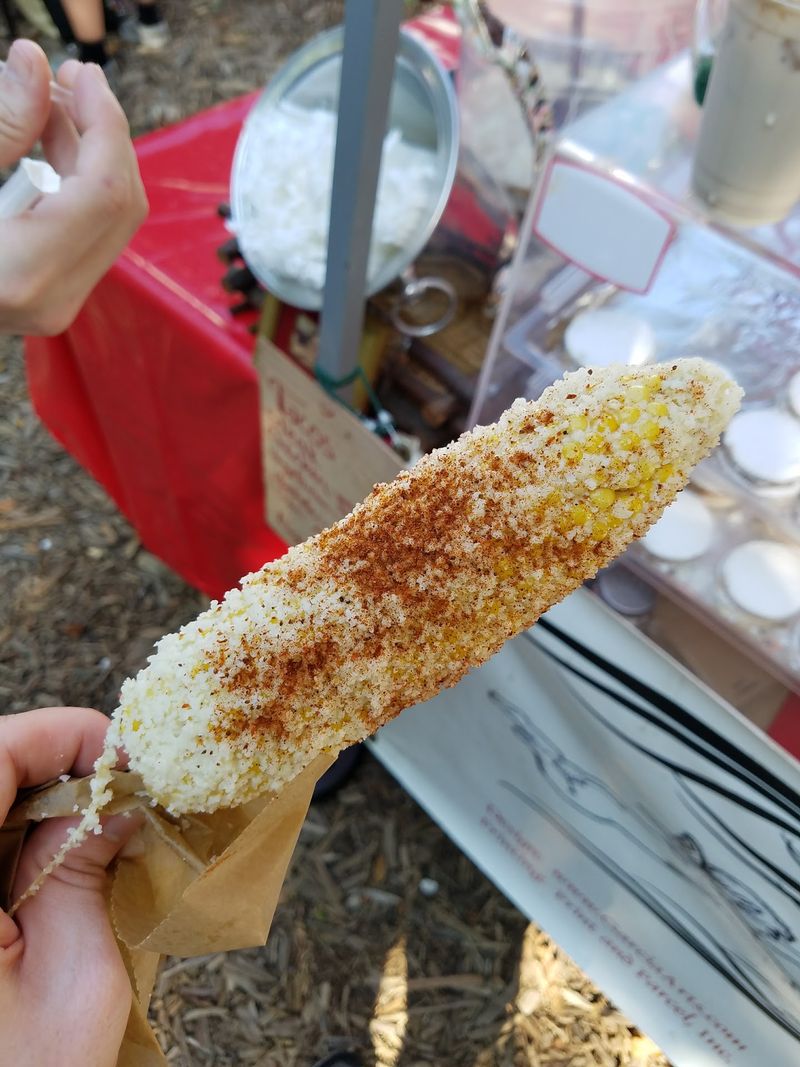
Lunch is half the reason to show up. Prepared food vendors turn this market into an easy midday meal stop, with tamales, tacos, and bagel sandwiches in the mix.
Vegan options appear regularly too. A flavorful kale burger has long been part of the scene, which makes plant-based eaters happy.
Kombucha shows up for anyone craving something fizzy. Matcha lattes have also become a hit, and one stand tends to draw a long line.
That line tells you something. Popular stands move fast, so grab your must-haves before the late-morning rush.
The beauty is mixing errands with eating. Pick up vegetables for the week, then grab a hot lunch and find a patch of grass.
Prepared foods can add up, so a quick plan helps families stay on budget. Splitting a few items lets everyone sample without overspending.
Nearby cafes add more options if you want coffee on the walk. The street outside offers extra fuel for a slow morning.
It’s a lunch spot with no reservations and plenty of variety. Hard to beat that on a Sunday.
Flowers, Vintage Finds, And Treats For The Dog
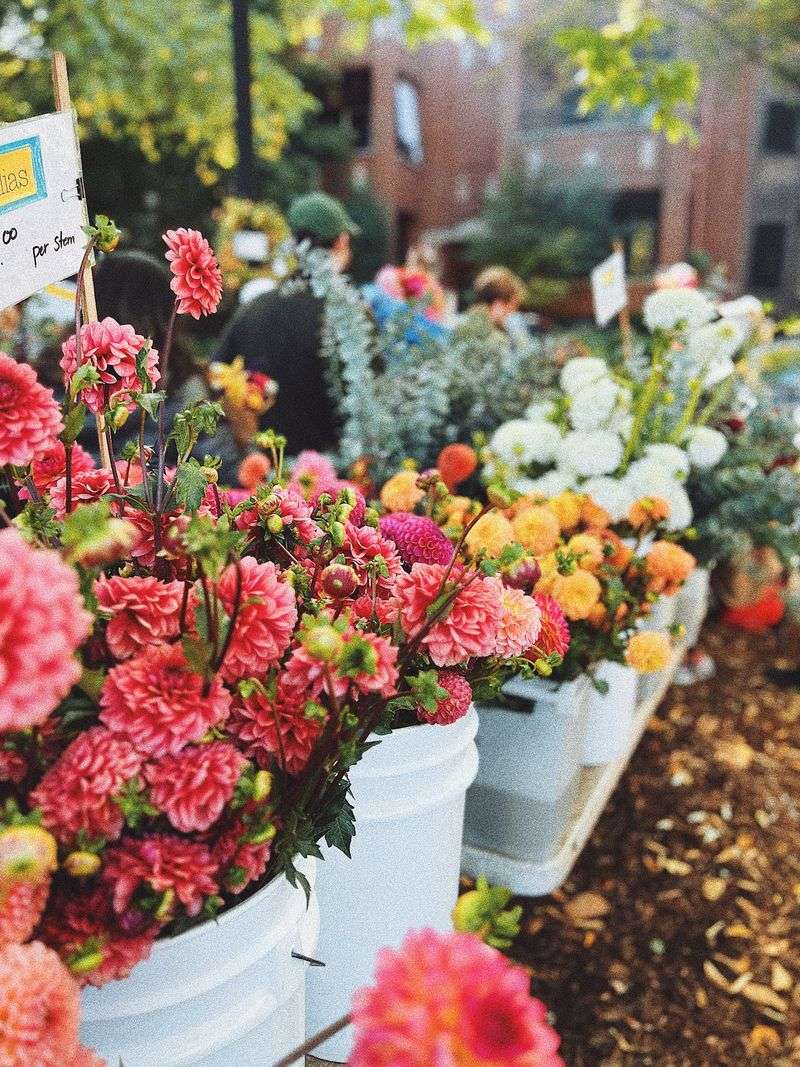
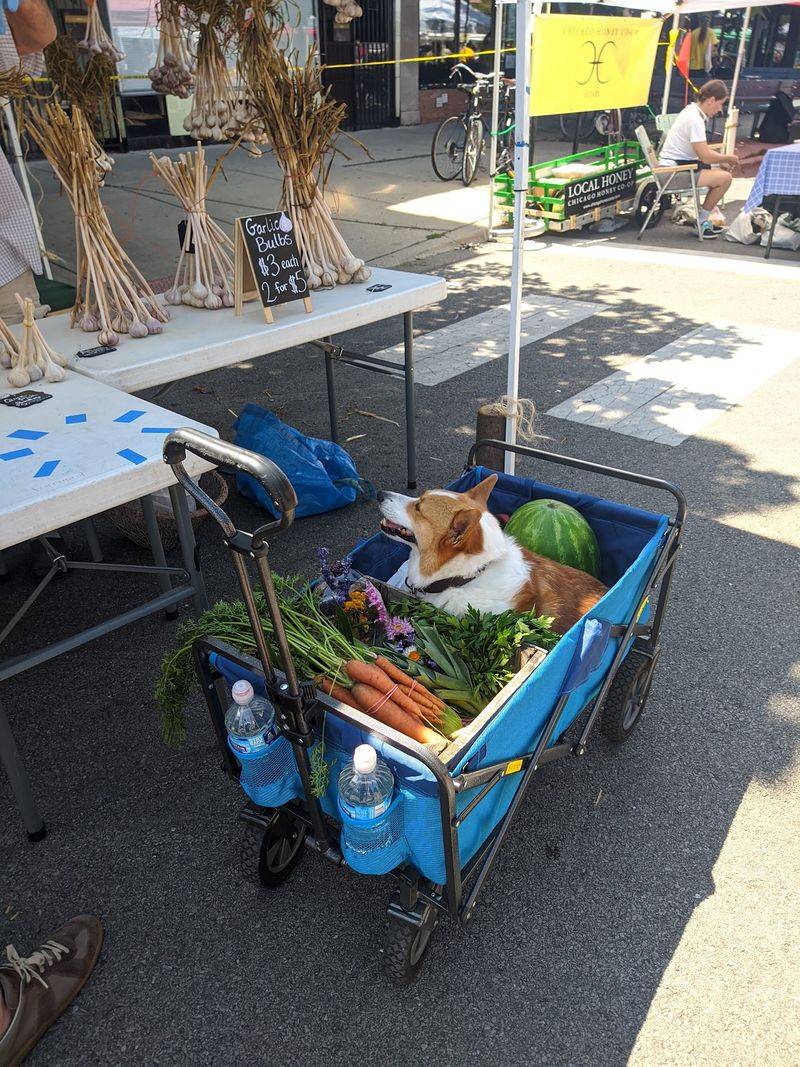
Fresh-cut flowers steal plenty of attention here. Flower vendors are a highlight, and bouquets make an easy gift or a cheerful kitchen-table upgrade.
The market also stretches beyond food. Clothes, soap, knickknacks, and vintage items fill out the edges of the outdoor setup.
Dog treats even make an appearance. Your four-legged family member deserves a souvenir too.
That variety makes the trip feel like a mini street fair. You might arrive for carrots and leave with a vintage find and a bunch of sunflowers.
The outskirts are worth exploring. Smaller vendors tucked around the edges often carry the most surprising goods.
Browsing is completely free, which makes this a budget-friendly outing for families. Kids can hunt for fun finds without anyone spending a dime.
I believe this mix is what keeps people coming back. Groceries, gifts, and good flowers all in one Sunday loop is a pretty great deal.
Bring a little extra cash for impulse buys. The flower table has a way of finding your wallet.
Live Music, Picnics, And A Lively Neighborhood Crowd
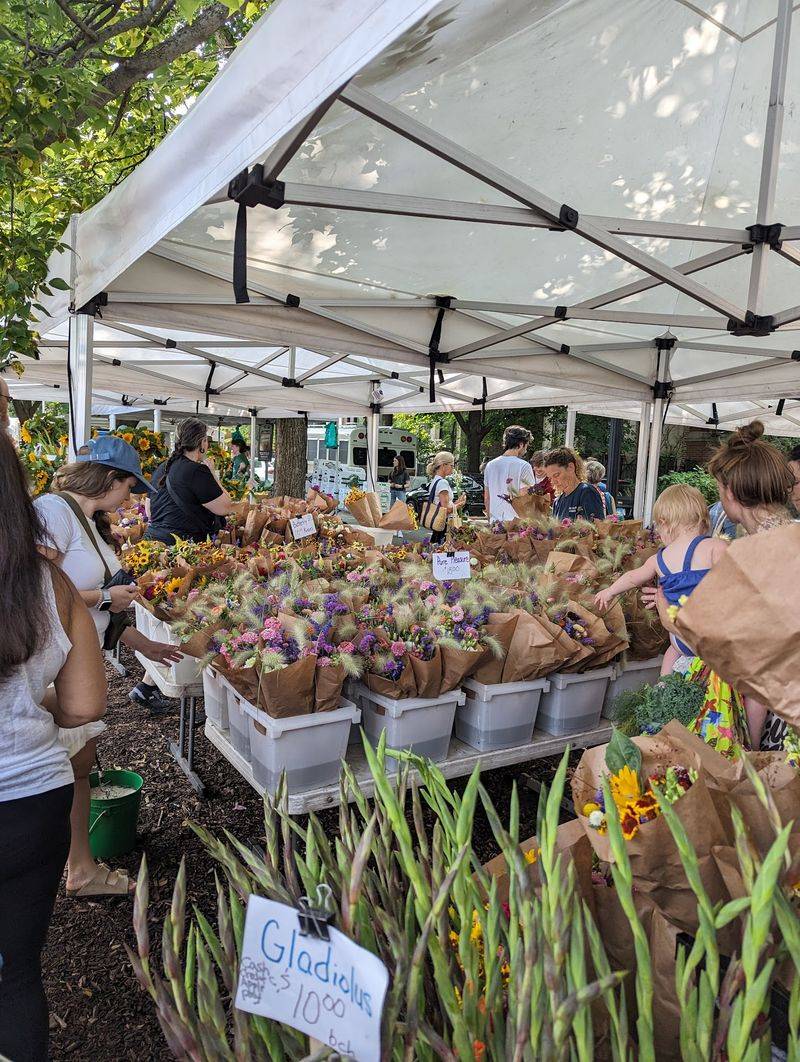
Live music sets the soundtrack for the whole morning. Performers add a festive layer that turns simple shopping into a real weekend event.
The crowd brings its own energy. Young families, couples, and neighbors fill the paths, giving the market a bright and lively feel.
Vendors earn plenty of love for their friendliness. That warm Midwest welcome is a big part of the market’s appeal.
Picnics are part of the routine. Shoppers grab lunch, then settle on nearby grass or around the monument to relax.
Crowds do build, especially on peak summer Sundays. Lines can blur together, so a little patience goes a long way.
The space is well managed, which keeps busy days from feeling chaotic. You can usually find a table or a sunny patch of lawn.
For kids, it’s an outing full of sights and sounds. Music, food, flowers, and dogs make for a morning they’ll likely remember.
It feels like a community gathering more than a shopping trip. That’s the kind of tradition worth passing down.
Getting There, Parking Tips, And A Sweet Sunday Payoff
Planning ahead pays off here. The market’s home base is 2620 N Milwaukee Ave, Chicago, IL 60647, right in the heart of Logan Square.
Parking is the trickiest part. Many side streets require permits, and spots go fast on busy Sundays.
Public transit is a smart workaround. Logan Square is well connected, and walking in saves you from circling the block.
Morning is prime time. Arrive early for the best produce and pastries, since popular items can sell out by noon.
Bring reusable bags and a small cooler if you’re driving far. Eggs and cheese travel better that way on a long Illinois road trip.
Admission is free, so the only cost is what you choose to buy. That makes it an easy outing for budget-minded families.
So is the Logan Square Farmers Market worth a Sunday? I’d say yes, especially when winter leaves most markets shuttered.
Fresh food, friendly faces, and a year-round tradition make a strong case. Your Sunday produce run never has to stop.