
This Illinois Landmark Turns 19th-Century Charm Into French-Inspired Beauty
What is a French Creole mansion doing on an Illinois bluff above the Mississippi River? That question hits almost immediately when this elegant early-1800s home comes into view.
With its galerie-style porch, steep roofline, and old-world charm, the house feels more like something pulled out of Louisiana or rural France than a quiet corner of southern Illinois.
Its story belongs to one of the state’s most important early leaders, a fur trader, businessman, and political figure whose life became tied to Illinois statehood.
The setting adds another layer of mystery, with river history, vanished settlements, and frontier ambition all lingering nearby. For travelers drawn to unusual architecture, overlooked history, and places that feel suspended in time, this hidden Illinois landmark makes a surprisingly memorable stop.
A Slice Of French Creole In Illinois
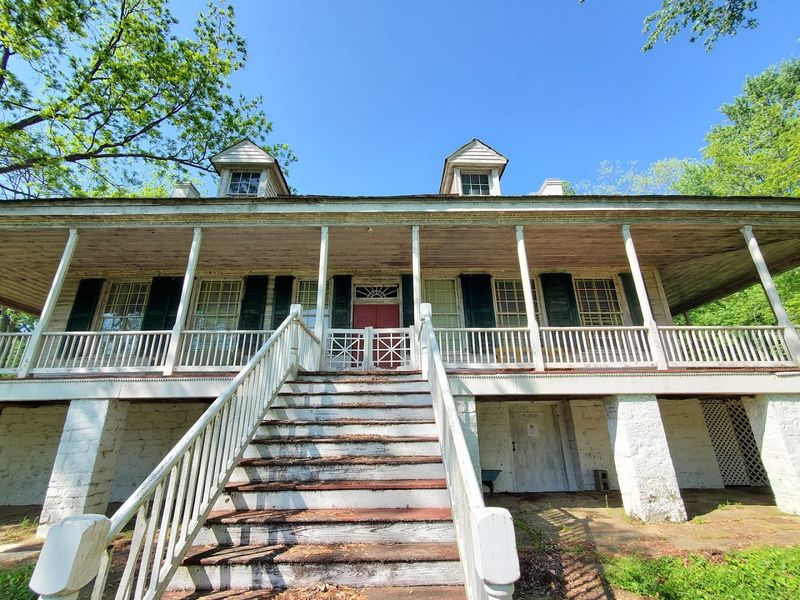
Few historic homes in the American Midwest carry the architectural personality that this one does. The Pierre Menard Home is a rare surviving example of French Creole residential architecture, a style far more common in Louisiana than in Illinois.
Its galerie-style porch, steep double-hipped roof, and sturdy stone supports give it an unmistakably French Creole elegance.
The house is generally dated to the early 1800s, with sources placing its construction between about 1802 and 1815, and its design reflects the French Canadian heritage of its owner.
Unlike typical American frontier homes of that era, this structure prioritized airflow and open living spaces, features well suited to warm, humid summers near the river.
The porch itself functioned as an outdoor living room, a concept rooted deeply in French colonial tradition. Visiting the home today, you can still appreciate how thoughtfully the design balanced beauty with practicality.
Standing in front of it, you almost expect a horse-drawn carriage to come rolling up the gravel path at any moment.
Illinois’s First Lieutenant Governor
Born in Quebec, Canada, in 1766, Pierre Menard was a fur trader, merchant, and politician who became one of the most influential figures in early Illinois history. He arrived in the Kaskaskia region in the late 1700s and quickly built a reputation for fairness, intelligence, and strong leadership skills.
His connections to Native American communities, French settlers, and American pioneers made him a uniquely trusted figure across cultural lines.
When Illinois achieved statehood in 1818, Menard was elected as the very first Lieutenant Governor, a remarkable achievement for a French Canadian immigrant.
Beyond politics, he was a successful businessman whose fur trading network stretched across a wide region. Menard first married Thérèse Godin and later married Angélique Saucier, raising a large family whose descendants connected the home to later chapters of American history.
His grandson, Lucien Maxwell, would go on to become one of the most legendary landowners in the American West, showing just how far one family’s influence could reach from this quiet Illinois bluff.
The Ghost Of Old Kaskaskia
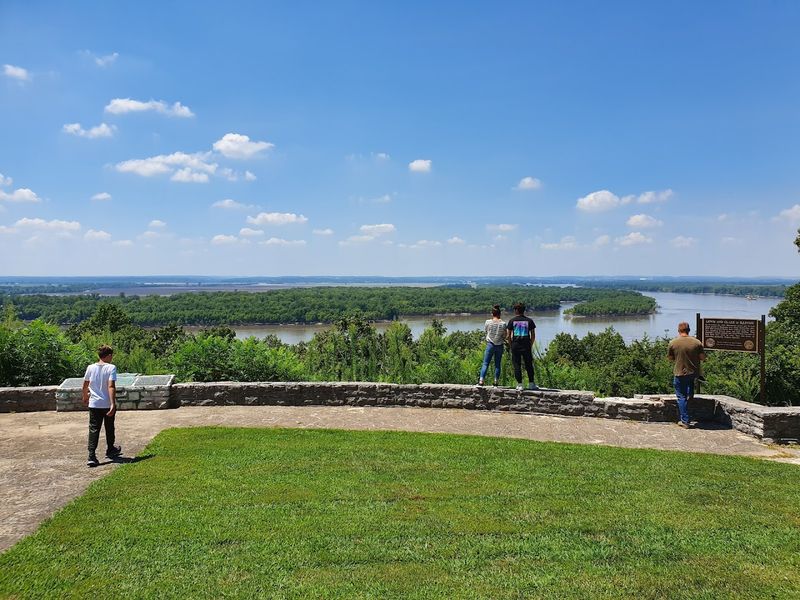
One of the most fascinating parts of visiting this site is learning about Kaskaskia, the original capital of Illinois Territory and one of the oldest European settlements west of the Appalachians.
The Pierre Menard Home once stood within the boundaries of that thriving town, which today has almost entirely vanished beneath the Mississippi River.
Catastrophic flooding in the 19th century, combined with dramatic shifts in the river’s course, swallowed most of Kaskaskia.
What was once a busy colonial city with churches, government buildings, and a bustling marketplace is now largely underwater or unreachable. The Menard home survived because it sat on higher ground.
A small basement museum at the site holds photographs of Kaskaskia that are genuinely rare, offering a window into a world that no longer physically exists. Knowing that you are standing near the ghost of Illinois’s first capital city gives the whole visit a quietly haunting and deeply compelling historical weight.
Inside The Menard Home
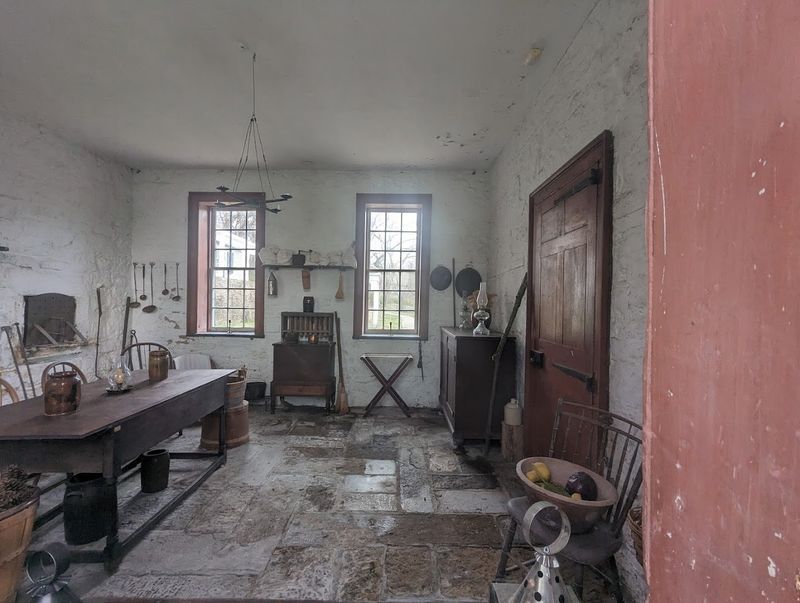
Stepping inside the main floor of the Pierre Menard Home feels like pressing pause on the calendar and landing somewhere around 1820.
The rooms are furnished with period-appropriate pieces that reflect the refined taste and considerable wealth that Pierre Menard accumulated through decades of successful fur trading and business dealings.
Wooden furniture with elegant lines, carefully placed household items, and decorative objects all contribute to an atmosphere that feels lived-in rather than sterile. The main floor benefits from air conditioning, which makes the experience especially comfortable during warm summer visits.
The rooms contain antique and period furnishings, including Menard-related artifacts and some items associated with the family, helping interpret the lifestyle of a prosperous French Creole household on the American frontier.
Guided tours bring these objects to life with stories and context that transform a simple room into a vivid scene from the past. Each piece carries its own quiet narrative, and a knowledgeable guide can help you hear those stories clearly.
History Best Heard Aloud
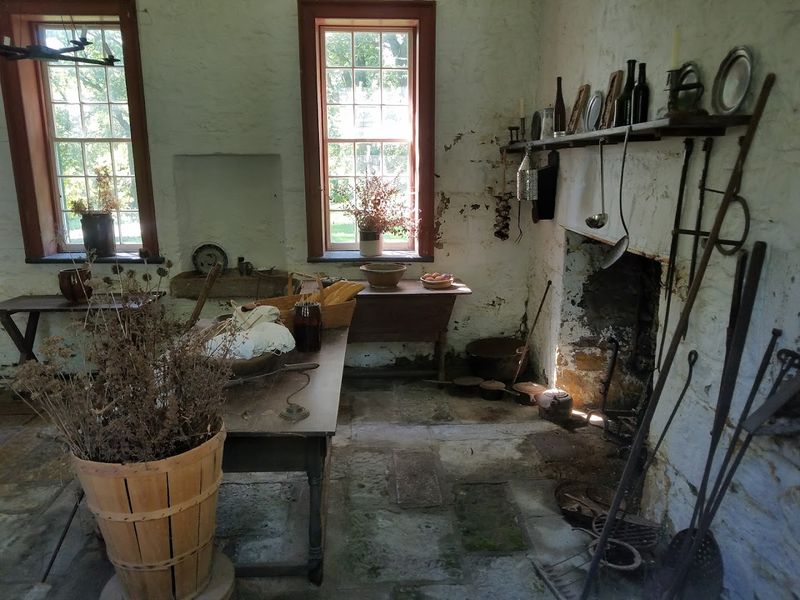
A self-guided stroll through a historic site can be rewarding, but a guided tour here operates on a completely different level.
The guides at the Pierre Menard Home are known for their deep knowledge of both the house and the broader historical context surrounding it, from early Illinois statehood to the fur trading networks that shaped the entire region.
Tours cover the principal floor of the house, where antique and period furnishings are displayed, as well as the surrounding grounds and the ground-level museum space. The experience tends to be intimate, with small groups that allow for genuine conversation and questions.
Guides have been known to share surprising connections between the Menard family and larger American historical events, turning what might seem like a quiet local site into a story with national reach.
The entrance to the tour office is a small door tucked under the front porch, easy to miss if you are not looking carefully, so keep your eyes open when you arrive.
Beyond The Front Porch
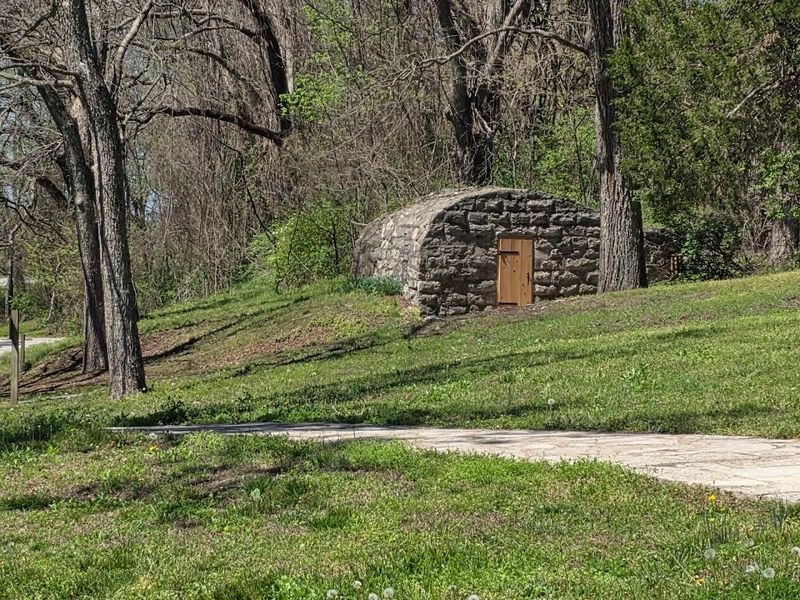
History does not stop at the front door here. The grounds surrounding the Pierre Menard Home are part of what makes the visit feel so complete and immersive.
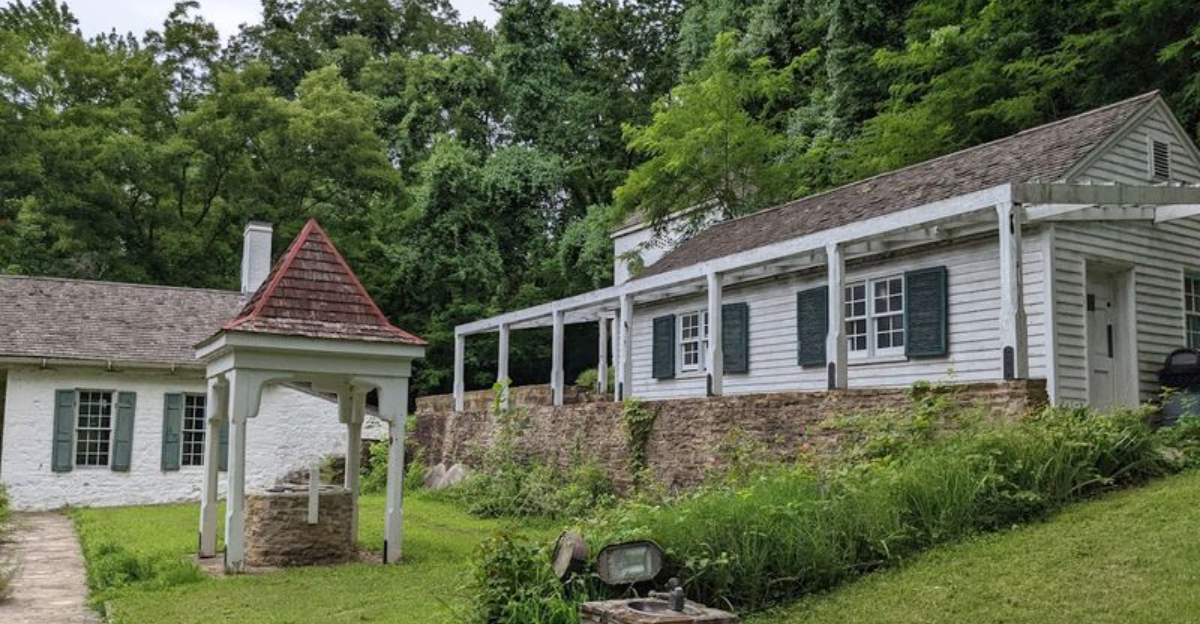
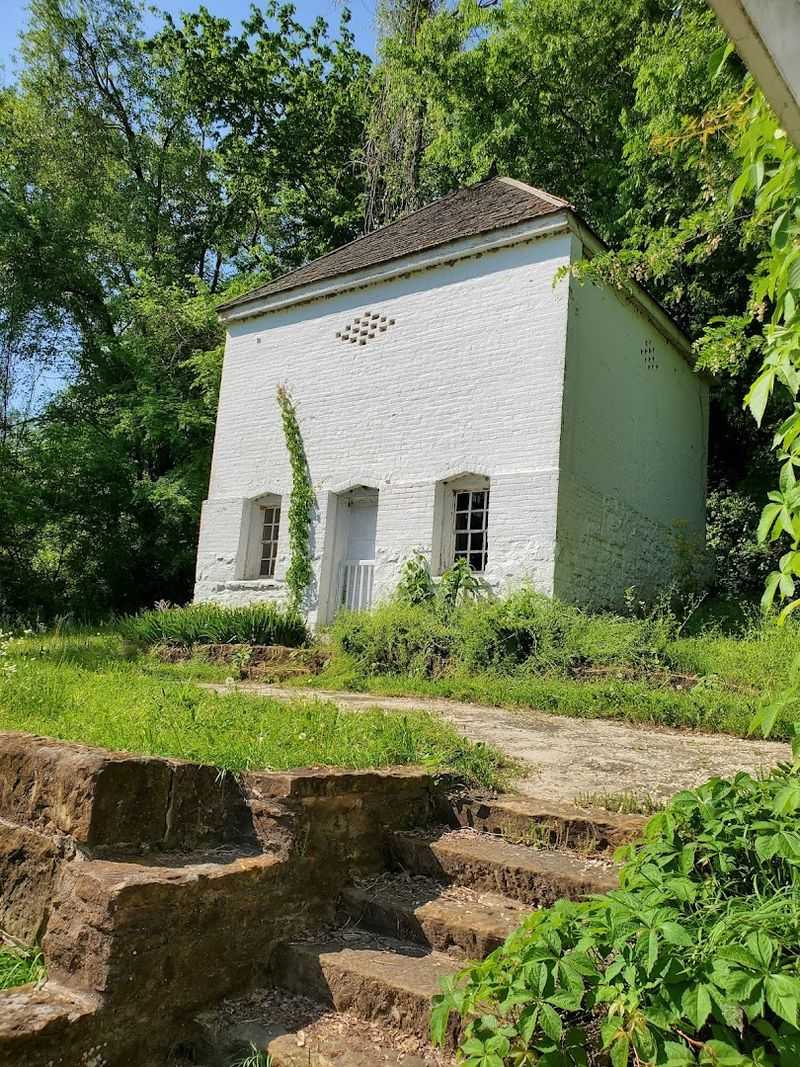
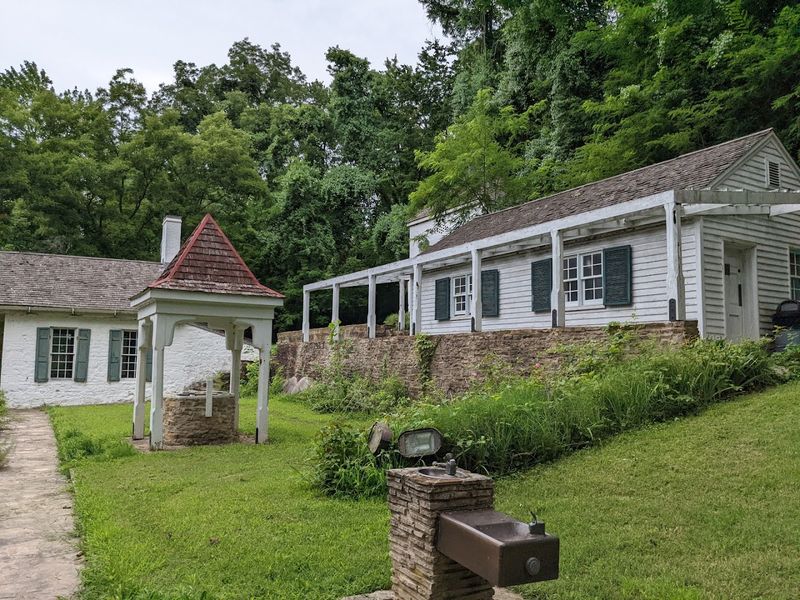
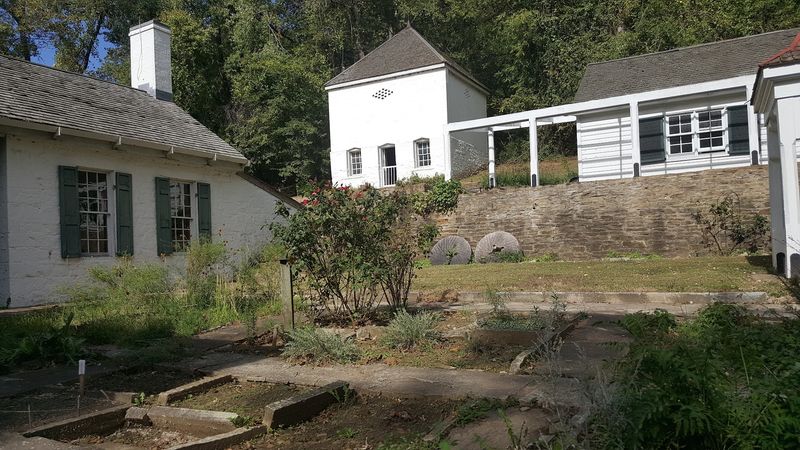
A reproduction stone springhouse near the main structure helps interpret how the household would have managed water and food storage before modern plumbing existed.
The property is well maintained, with mowed grass and open space that invites you to slow down and take in the surroundings.
The location on a bluff near the Mississippi River means the natural setting adds its own layer of beauty to the historical experience. Trees frame the property in a way that feels both peaceful and slightly timeless.
Walking the grounds freely is permitted even outside of guided tour hours, making it a flexible destination for visitors who arrive outside the regular schedule.
The combination of manicured lawn, historic outbuildings, and river-valley scenery gives the site a character that photographs simply cannot fully capture.
The Maxwell Connection
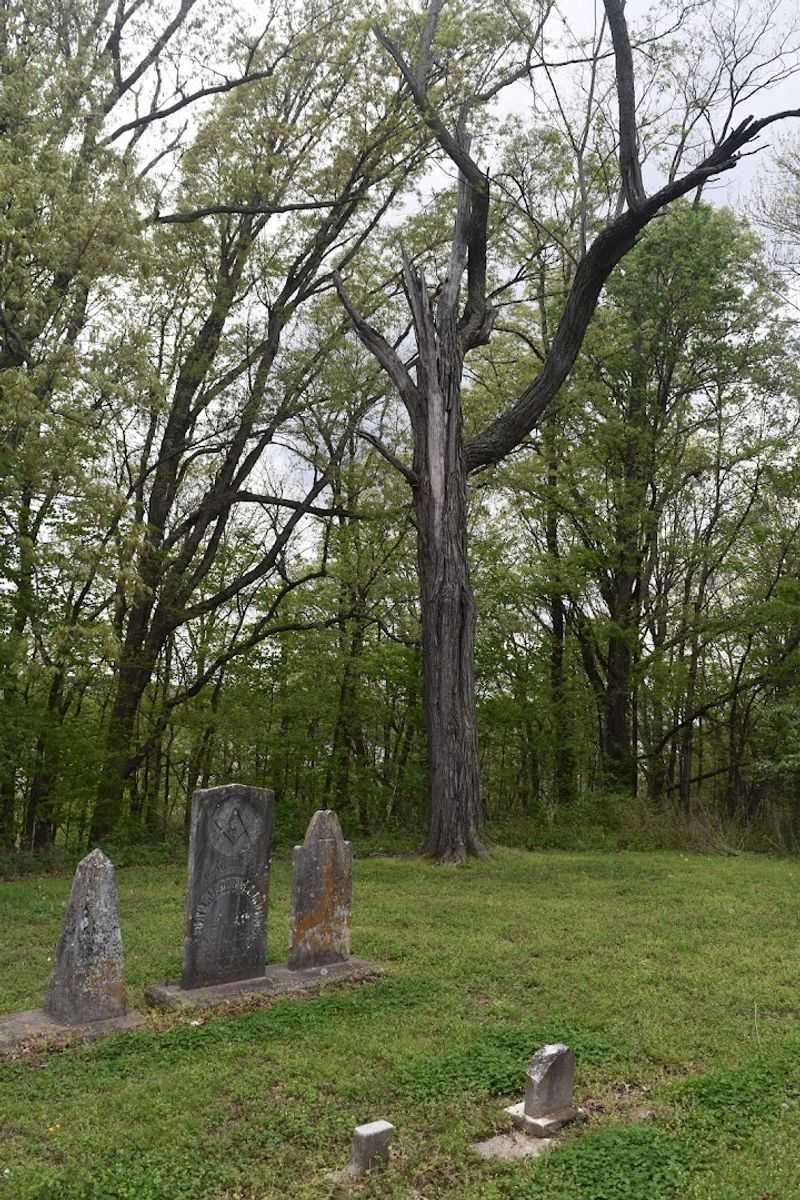
Few families in American history managed to leave their mark across such different chapters of the national story as the Menards did. Pierre Menard helped shape the political foundation of Illinois, but his family legacy extended far beyond state borders through his grandson, Lucien Maxwell.
Maxwell became one of the most remarkable figures of the American West, working as a trapper and guide on John C. Fremont’s famous western expeditions alongside Kit Carson.
He later became associated with the Maxwell Land Grant, one of the largest private landholdings in U.S. history, covering a vast territory in what is now New Mexico. He also purchased Fort Sumner, a property later connected to one of the most famous stories in frontier history.
What makes the Menard home even more meaningful is the way Maxwell’s family connection links this Illinois site to the later history of the American West. The Menard and Maxwell family graves can be found at the nearby Menard Cemetery, a short drive from the site.
Saving A Rare Survivor
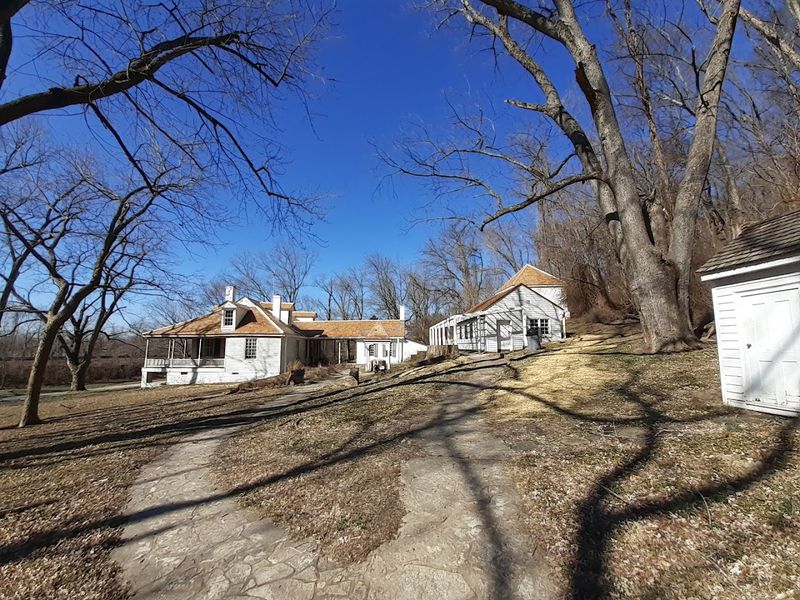
Honest conversation about this site has to include its preservation challenges. Over the years, the house suffered from limited state funding, weather damage, and extended periods of closure that left the exterior looking worn and in need of attention.
Many visitors noted the contrast between the home’s historical importance and its physical condition during those difficult years.
Recent improvements have brought encouraging signs of renewed care. The grounds are better maintained, and work on the structure itself has begun to reflect the site’s significance.
For a building that survived flooding, the Civil War era, and more than two centuries of Illinois weather, the commitment to its future matters enormously.
Preserving a French Creole home of this age and rarity in the American Midwest is not a simple or inexpensive task.
The site represents an irreplaceable piece of architectural and cultural history, and the ongoing restoration work is a meaningful step toward ensuring that future generations can walk through those same wide porch columns and feel the weight of that story.
Visiting Hours, Admission, And Practical Tips
The Pierre Menard Home State Historic Site, located at 4230 Kaskaskia St, Ellis Grove, IL 62241, is open Thursday, Friday, and Sunday from 9 AM to 4 PM. It is closed Monday, Tuesday, Wednesday, and Saturday, so checking the schedule before making the drive is genuinely important.
Admission is donation-based, meaning there is no set ticket price. Visitors are welcome to contribute what they feel comfortable giving, which makes the site accessible to families and budget-conscious travelers.
The phone number for the site is +1 618-859-3031, and more information is available through the Illinois DNR Historic Sites website.
Arriving a little before closing time might mean a shorter tour, so giving yourself the full morning or early afternoon is the better approach.
The site is easy to access by car, and parking is straightforward. Comfortable walking shoes are recommended since you will spend time both inside and outside the property.
Why It Belongs On Your Route
Southern Illinois does not always get the road trip attention it deserves, but a route through this region offers history, scenery, and surprises that easily rival more famous destinations.
The Pierre Menard Home sits at the heart of a cluster of sites that together tell the story of America’s early frontier era in a way that feels personal and immediate.
Nearby Fort Kaskaskia State Historic Site, the Menard Cemetery, and the broader Kaskaskia Island area create a natural day-trip itinerary that rewards curious travelers. The drive itself, through rolling farmland and river bluffs, is genuinely scenic and unhurried, a welcome change from highway travel.
For anyone who appreciates places where real history happened, where the architecture is unusual, and where the stories run deeper than a single plaque on a wall, this site checks every box.
Arriving with a little background knowledge and an open afternoon will turn a simple stop into one of the most memorable parts of any Illinois adventure.