
This Illinois Polish Kitchen Hand-Makes Pierogi Daily From A Family Dough Recipe Passed Down Through Generations
A grandfather in southeastern Poland once rolled out a dough so tender that his grandson still uses the same recipe today, every single morning, in Illinois. The result is a plate of pierogi that tastes like a family kitchen instead of a factory.
In a state packed with Polish heritage, this little spot keeps an old tradition alive one hand-pinched dumpling at a time. It is the kind of easy, affordable outing that grandparents and kids can enjoy together and talk about long after the last bite.
A Cozy Polish Corner On North Avenue
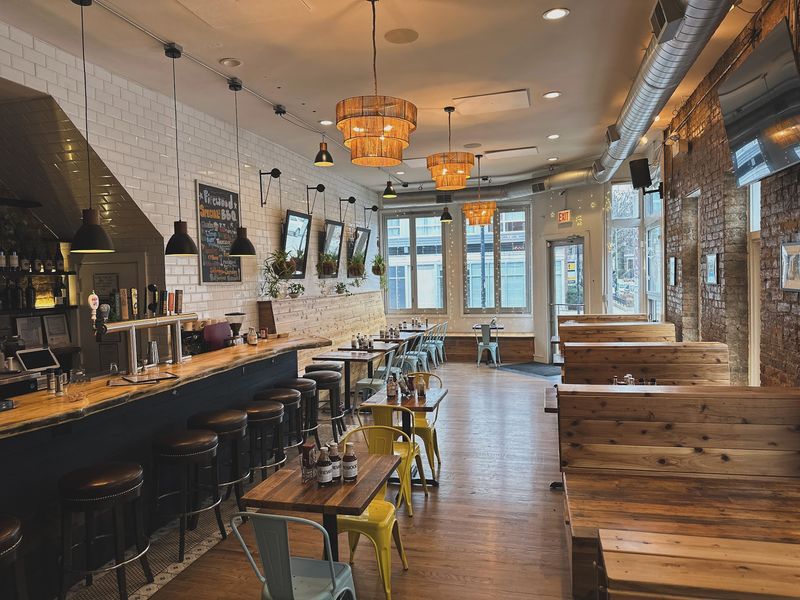
Wicker Park has long been one of the Chicago neighborhoods where Polish roots run deep, so it feels fitting that Pierogi Kitchen sits right at 1856 W North Ave. The spot is a casual Polish restaurant built around one big idea: dumplings made by hand, fresh, every day.
Getting there is refreshingly simple. Guests often point out that the restaurant is about a five-minute walk from the Damen stop on the Blue Line, which makes it a handy pick for families riding in from the suburbs.
You can leave the car at home, hop on the train, and skip the parking hunt entirely.
Inside, the vibe is relaxed rather than fancy. The building once housed a barbecue joint, and a bit of that easygoing feel remains, now dressed up with Polish movie posters and album covers on the walls.
It is bright, clean, and comfortable, the sort of room where nobody minds if a toddler gets a little sour cream on their sleeve.
Plenty of visitors come from far beyond Illinois, too, including travelers from Texas and Michigan. Still, it remains a true neighborhood place, the humble local favorite rather than a flashy tourist stop, and that is exactly its charm.
The Husband-And-Wife Team Behind The Dumplings
Every family business has an origin story, and this one starts with two people who simply missed the taste of home. Artur Wnorowski and Gosia Pieniążek, a husband-and-wife team, opened Pierogi Kitchen to share honest Polish home cooking with Chicago.
Gosia brings a special kind of hospitality to the dining room. Years ago she waitressed at the Busy Bee, a beloved Polish diner where owner Sophie Madej treated every customer like a cousin who had stopped by for supper.
That lesson stuck. Today the same warm, come-on-in spirit shapes how guests are greeted and fed.
Artur, meanwhile, is the keeper of the dough. His connection to the recipe goes back to his own grandfather, which gives each batch a personal meaning that no cookbook could provide.
Together they have built something that feels both old and new. The menu honors recipes that crossed an ocean, yet it also leaves room for playful ideas that would make any Polish grandmother raise an eyebrow, then ask for seconds.
Diners who grew up in Polish, Lithuanian, or other Eastern European homes often describe a visit as deeply nostalgic. For first-timers, it works as a friendly, welcoming introduction to a whole cuisine.
Grandpa’s Dough From The Rzeszów Region
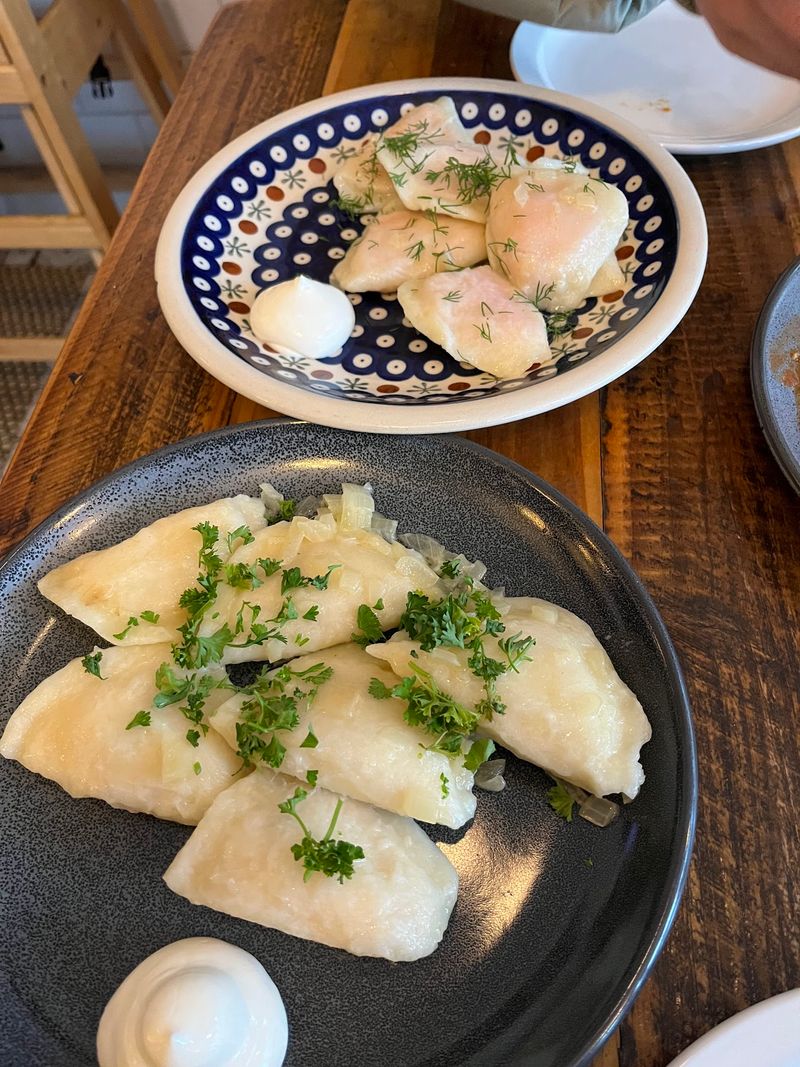
Flour, water, patience, and a little family memory. That is the quiet recipe behind every pierogi served here, and it traces back to Artur’s grandfather in the Rzeszów region of southeastern Poland.
Not just any flour makes the cut, either. After plenty of testing, Artur settled on a Polish brand called Królowa Kuchni, which translates to queen of the kitchen.
He chose it because it creates a buttery, melt-in-your-mouth dough with a texture that stands apart from the frozen boxes found in grocery stores.
Here is the part that impresses most people. The dough is hand-rolled fresh every single day, not made in bulk and stored for later.
Each tender pocket is shaped, filled, and pinched by real hands, which is a rare sight in a world full of shortcuts.
Fun fact for curious kids: pierogi have been a Polish comfort food for centuries, and families often gather to make them together around holidays. Sharing that tidbit at the table can turn lunch into a mini history lesson.
Opinions on the dough do vary a bit. Some find it hearty and filling, while others who grew up in Poland prefer a thinner style, so expect a generous, satisfying bite.
Pierogi Fillings From Classic To Creative
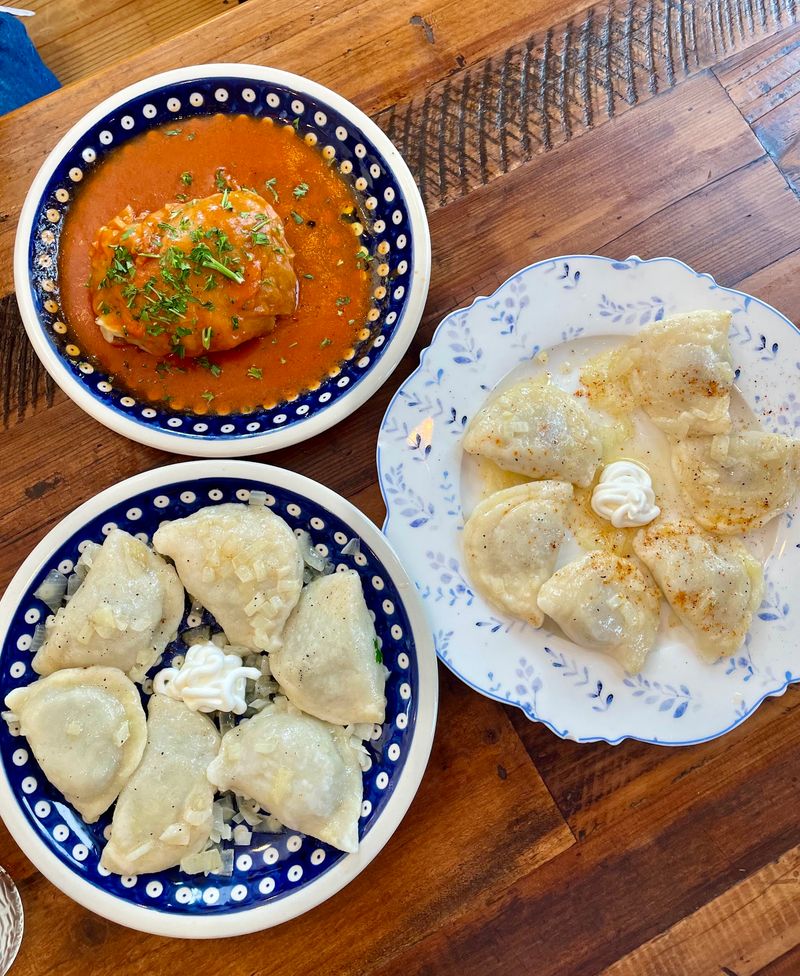
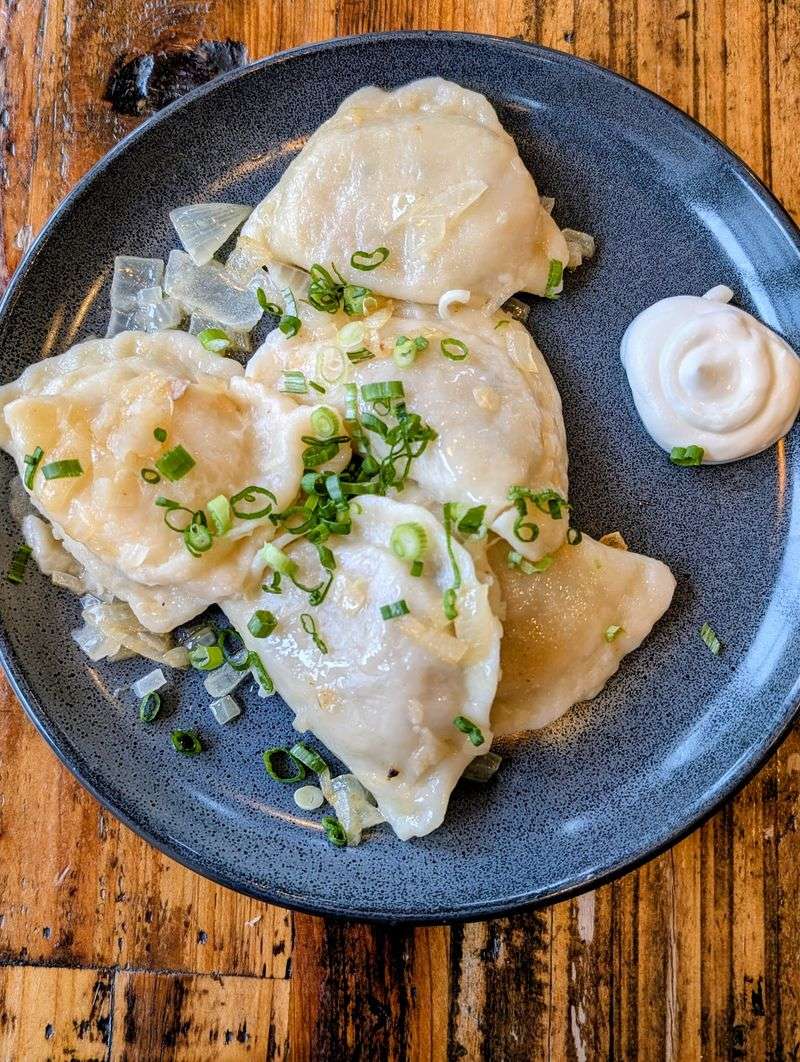
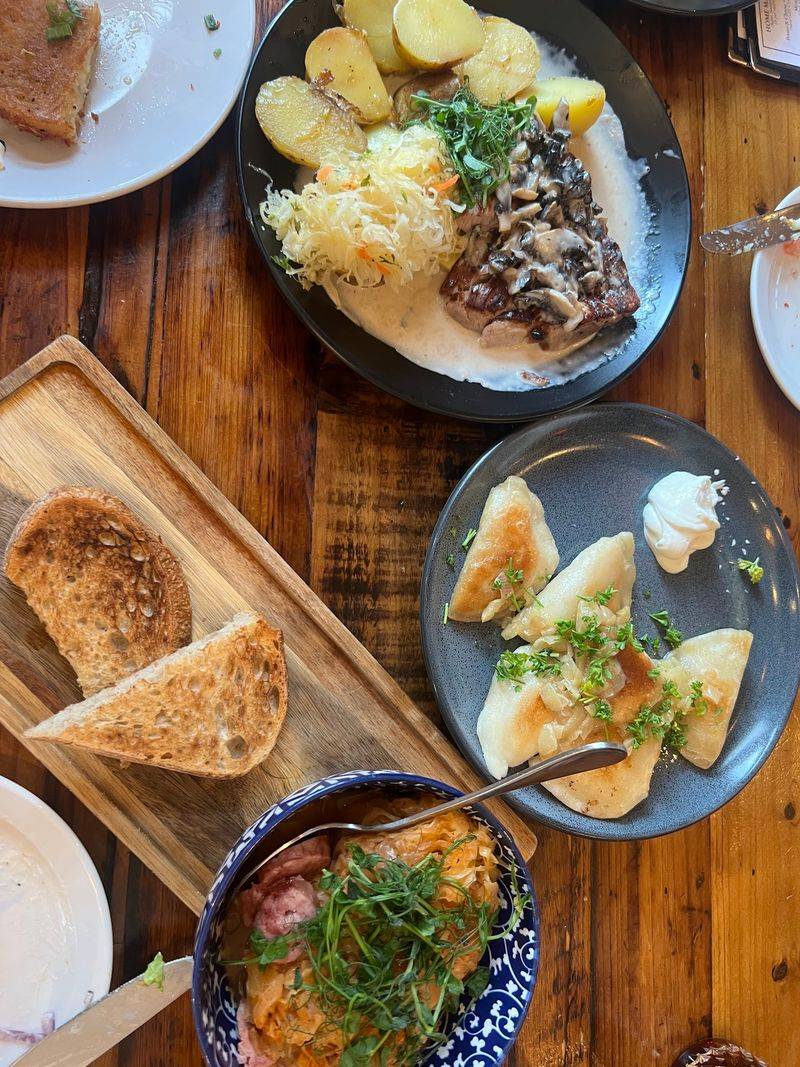
Potato and cheese wins hearts first. Made with creamy Yukon Gold potatoes, a touch of cream cheese, and sweet caramelized onions, it is the classic many guests call a must-order, and an order typically brings six crisp dumplings with sour cream on the side.
From there, the menu gets adventurous. Brisket pierogi are among the most talked-about choices, and truffle pierogi often vanish from the plate before anyone remembers to snap a photo.
Chipotle cheddar adds a fun, zesty twist, while roasted beet and goat cheese brings an earthy, slightly sweet surprise.
Meat and pork versions satisfy the hearty eaters at the table. Pan-fried potato pierogi with bacon earn plenty of fans, too.
Save room for dessert in dumpling form. Sweet cheese pierogi with fruit compote are a sweet-tooth favorite and a great way to coax picky kids into trying something new.
A quick tip: these dumplings are rich and very filling. If you are ordering appetizers or have little ones with small appetites, splitting a plate or two is a smart, budget-friendly move.
Friendly staff have even been known to hand over foil so leftovers can make the trip home.
Soups, Cabbage Rolls, And Kielbasa Platters
Stuffed cabbage might be the real star of the show. Known as gołąbki, these rolls wrap tender pork shoulder and chuck roll in soft cabbage, then simmer everything in a savory tomato sauce.
They are the single most mentioned dish among diners, and the portions are big.
Soup lovers have choices worth exploring. The dill pickle soup is creamy, tangy, and surprisingly refreshing, plus it is vegetarian. Żurek, a sour rye soup with smoky kielbasa, boiled egg, onions, and marjoram, tastes like something straight out of a Polish family kitchen, and fermented beet barszcz rounds out the lineup.
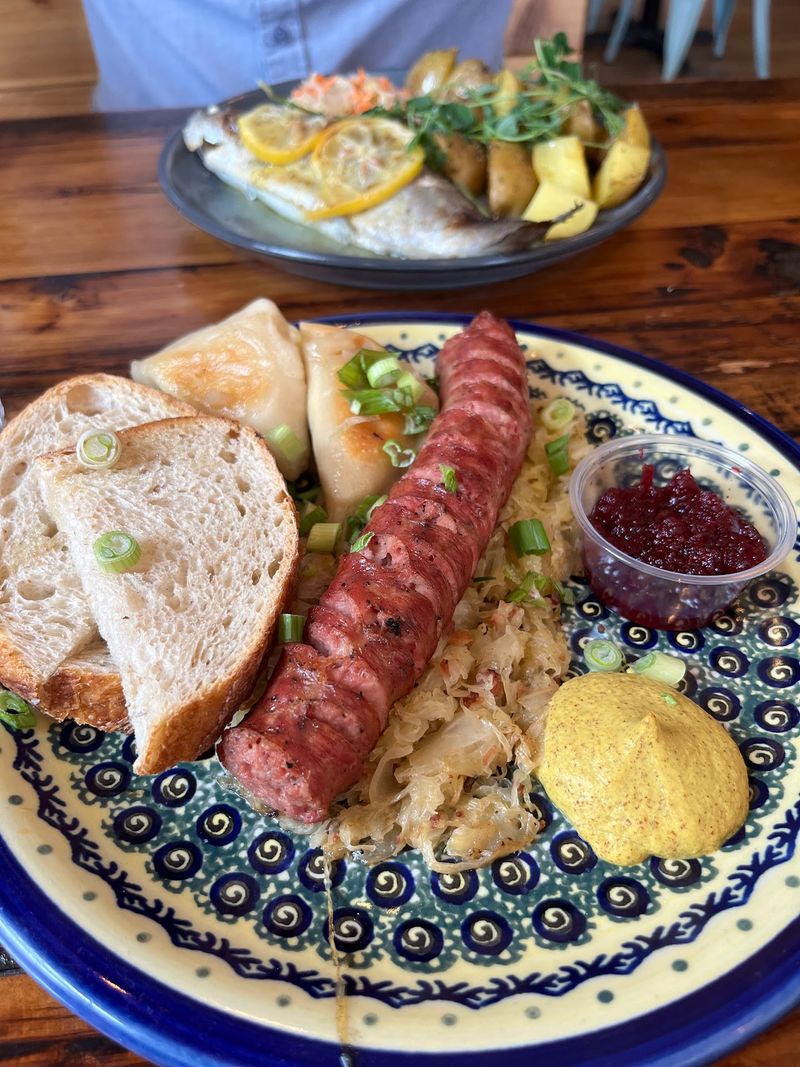
Craving something meaty? The kielbasa platter, served with flavorful sauerkraut, earns steady praise, and the 14-hour smoked brisket shows the menu’s newer side.
Other hits include crispy potato pancakes, zapiekanka, schabowy, bigos, pickled herring with potato salad, and a whole trout entree.
Even the dishes themselves carry tradition. Many plates arrive on Bolesławiec pottery, the Polish stoneware famous for its cheerful blue patterns.
Kids who might not care about sauerkraut often love spotting the dotted designs, and for picky eaters, a burger and mac and cheese are on hand.
Weekend Brunch With A Polish Accent
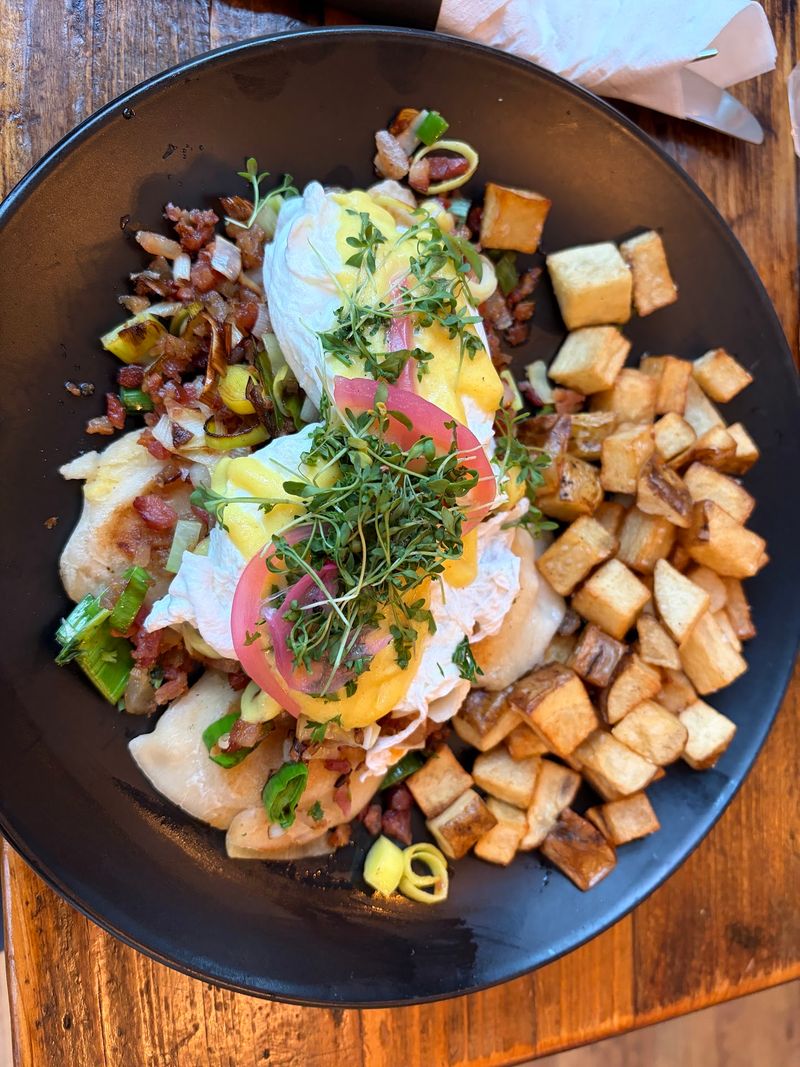
Sunday mornings get a lot more interesting when kielbasa joins the party. Pierogi Kitchen serves a brunch menu that mixes Polish favorites with familiar breakfast comfort food.
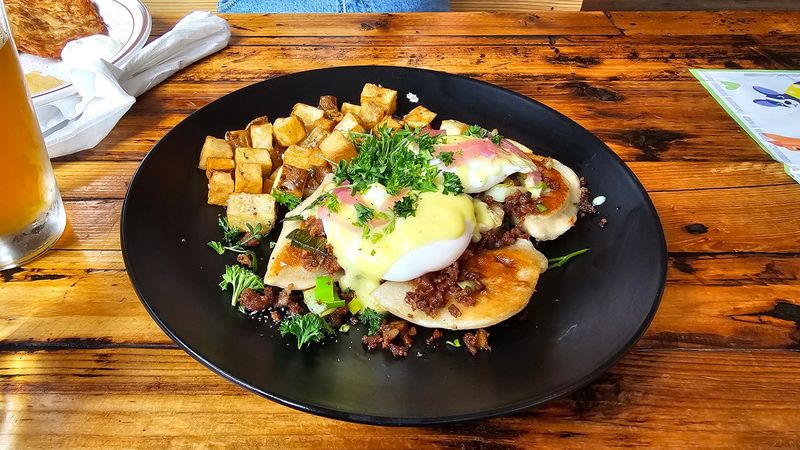
The pierogi skillet is a top pick, praised for being fresh, filling, and a lot of food for the price. That makes it a strong choice for families trying to keep a weekend outing affordable while still leaving full and happy.
Then there is the Kielbasa Breakfast Burrito, packed with smoked kielbasa, scrambled eggs, breakfast potatoes, and chipotle mayo. It is a clever crossover dish that even skeptical teens tend to appreciate.
A benedict also earns cheerful nods from brunch guests.
Purists might debate whether every brunch dish is strictly traditional. Most diners simply agree it tastes great, and that is what matters on a lazy Saturday.
Brunch pairs nicely with neighborhood events too. Visitors in town for the August Meet Me On Milwaukee festivities have stopped in and found friendly, quick service with high-quality food.
Seating is often easy for lunch-hour groups, with families sometimes seated right away on Saturdays. Arriving early still helps if you are bringing grandparents, strollers, or a hungry crew of cousins.
Warm Service And A Laid-Back Dining Room
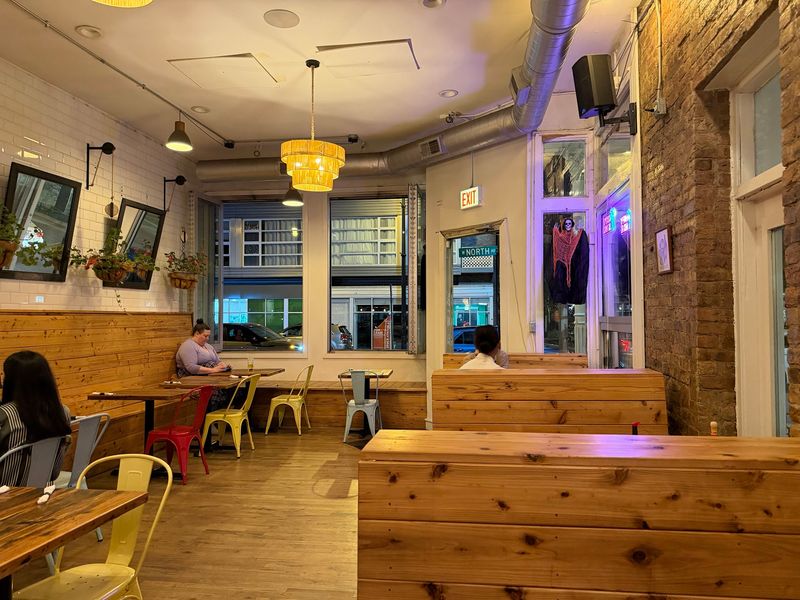
Snowy Chicago days seem to bring out the best in this place. Guests who duck in from the cold describe it as the perfect spot to warm up, with a chill, cozy atmosphere and a staff that makes people feel right at home.
The servers have a reputation all their own. Diners regularly mention attentive, funny, personable team members who share laughs, offer honest recommendations, and stay calm even while handling a busy dinner rush nearly solo.
Families tend to feel comfortable here. The dining room is bright and clean, the setting is casual, and nobody expects you to whisper.
Grandparents swapping stories about Polish holidays fit in just as easily as college friends splitting plates.
Who will enjoy it most? Polish-American families looking for a taste of home, curious kids trying dumplings for the first time, and anyone who loves hearty food with a side of hospitality.
On busier nights, service can stretch a little thin, so a small dose of patience goes a long way. That said, the overall feeling is of being treated like family, exactly the spirit Gosia learned years ago at the Busy Bee.
Thursday evenings also bring trivia, adding another reason for groups to gather.
Hours, Prices, And A Gentle Nudge To Go
Planning is easy since the doors open at 11 am every day of the week. Monday through Thursday, Pierogi Kitchen runs until 9 pm, stretches to 10 pm on Friday and Saturday, and closes at 8 pm on Sunday.
Prices are widely considered fair, especially given how filling the dishes are. A plate of six pierogi shared between two people, a bowl of soup, and maybe a sweet cheese dessert can make for a satisfying, budget-friendly meal that will not wreck the family spending plan.
For getting there, the Blue Line is your friend. Ride to the Damen stop and walk about five minutes to 1856 W North Ave. Riding the elevated train is half the adventure for younger kids.
So is it worth the trip? For anyone who treasures old-fashioned traditions, the answer leans strongly toward yes.
Few places in Illinois still roll fresh dough by hand each morning using a grandfather’s recipe.
Tastes differ, and longtime Polish home cooks may have their own opinions. Still, for a cozy, affordable outing filled with comfort food and genuine warmth, this North Avenue gem deserves a spot on your next Chicago day trip list.